
Reviewed · SAPA TREKKING TOURS
3-Day Sapa Trek, visit Fansipan (cable car) from Hanoi with local
Cable car views start your Sapa story. This 3-day trip strings together mountain walking in Hmong and Dao areas plus a trip to Fansipan by cable car—without you having to coordinate much yourself. I especially liked the village-to-village feel (Cat Cat, Lao Chai, Ta Van) and the fact that the price covers key admissions and meals. One thing to watch: the hotel side can be pretty basic, and in one case a bed had a bad smell, so you may want to check your room right away.
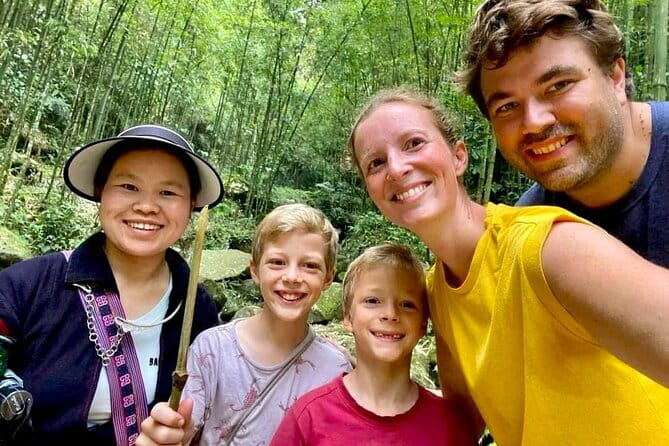
You’ll start from Hanoi in the morning on a sleeping bus (about 4.5–5 hours), then spend the next days with an English-speaking local guide and a group capped at 15 people. That small size matters here: you don’t get lost in a crowd, and you can actually ask questions about farming, textile dyeing, or daily life as you walk.
This is also weather-dependent. If fog or rain ruins visibility, the plan can change, so bring good shoes and stay flexible when the mountain decides otherwise.
In This Review
- Key things I’d plan around before you go
- From Hanoi to Sapa: the trip starts before the trekking boots
- Cat Cat Village: the first 3 km downhill and how Hmong life shows up fast
- Lao Chai and Ta Van: early morning air, indigo dye, bamboo groves, and river crossings
- Fansipan by cable car: the mountain top experience without planning a full climb
- Meals, water, and the honest reality of your Sapa hotel night
- Price and value: what $195 buys in a 3-day package
- How to pack (so the trek feels fun, not miserable)
- Who this Sapa trek fits best
- Should you book this 3-day Sapa trek to Fansipan?
- FAQ
- How do you travel from Hanoi to Sapa?
- What does the trip include for meals?
- Are entrance fees and the Fansipan cable car ticket included?
- How much trekking is there?
- What time do you return to Hanoi?
- What happens if weather is bad?
- Can I cancel for a full refund?
Key things I’d plan around before you go

- Sleeping bus timing: a morning departure from Hanoi gets you to Sapa with enough time to trek the same day.
- Fansipan without the slog up: cable car for the big views, plus temples and a giant Buddha statue at the top.
- Village walks with real culture: Cat Cat, Lao Chai, and Ta Van focus on how people live, farm, and make textiles.
- Meals are handled: breakfast twice, lunch three times, dinner twice—vegetarian available on request.
- Max 15 people: small enough for a personal pace, not a big-tour herd.
From Hanoi to Sapa: the trip starts before the trekking boots
The day begins in Hanoi at around 7:00 am, when you board a comfortable sleeping bus for the ride up to Sapa (roughly 4.5–5 hours). The timing is smart. Instead of losing an entire day to transport, you reach Sapa early enough to eat, check in, and still start walking.
When you arrive, your guide handles the next step: pickup in Sapa and a smooth move to lunch and your hotel. This matters because Sapa can feel chaotic when you first show up—multiple streets, lots of motorbikes, and people selling everything from snacks to treks. Having a guide take the first logistical burden off your plate helps you focus on the outdoors part.
One small planning note: your tour requires good weather. That doesn’t mean you’ll never get mist, but it does mean heavy rain can affect what you can safely do. If weather looks questionable, keep your mindset flexible and bring the right gear so you’re comfortable if you get damp.
More trails through the Sapa valleys

Cat Cat Village: the first 3 km downhill and how Hmong life shows up fast
Day 1 is a classic “ease in, then get rewarding views” setup. After lunch and check-in, you head out around 2:30 pm for the trek from Sapa town down to Cat Cat Village.
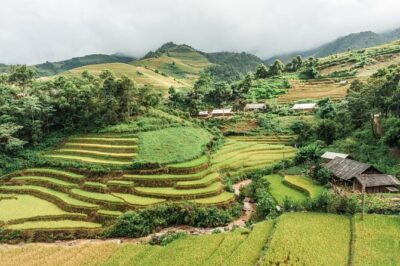
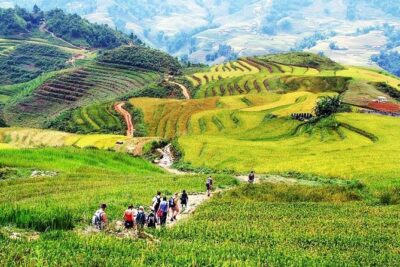
The walk itself is about 3 kilometers downhill, and the payoff comes quickly: terraced rice fields, misty mountain views, and the feeling of moving from town to countryside. You’ll also pass photo stops where stilt houses and valley views give you a sense of the region right away.
Once you arrive, the focus shifts from scenery to people. Cat Cat is tied to Hmong culture, and you’ll spend time learning about daily life rather than just snapping pictures and moving on.
Here are the highlights to expect:
- Cat Cat Waterfall and a hydropower station: you’ll hear about a French-built hydropower feature and take in the sounds of cascading water.
- Traditional crafts: watch artisans work on hand-woven fabrics, silver jewelry, and hand-forged tools.
- Cultural performances: you’ll have a chance to take part in or engage with Hmong cultural presentation.
Then it’s time to go back up. Around 5:30 pm, you return to Sapa with a 4-kilometer uphill walk. This is the part that catches people off guard: you’re tired, the light is changing, and uphill feels longer than you expect. If you tend to underestimate climbs, this day is a good reality check—still manageable, but it rewards steady pacing.
That night you get dinner and free time in Sapa. It’s a nice reset after the walking, even if you only spend it grabbing a warm drink and sorting out tomorrow’s shoes and socks.
Lao Chai and Ta Van: early morning air, indigo dye, bamboo groves, and river crossings
Day 2 starts early, because mornings up in the mountains are the time when the air feels crisp and the views are often clearer. After breakfast, you’re out around 8:30 am with a trek toward Lao Chai Village.
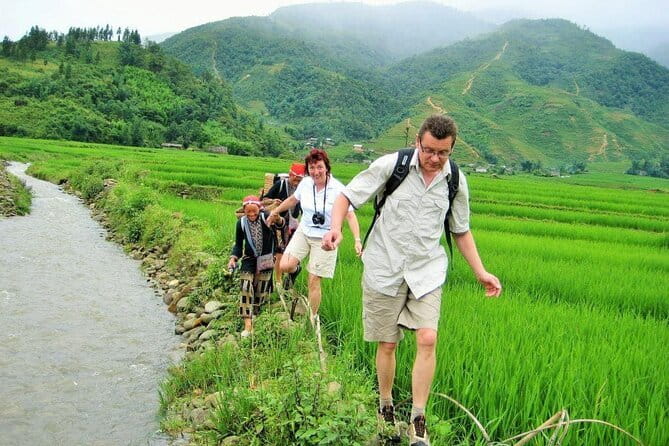
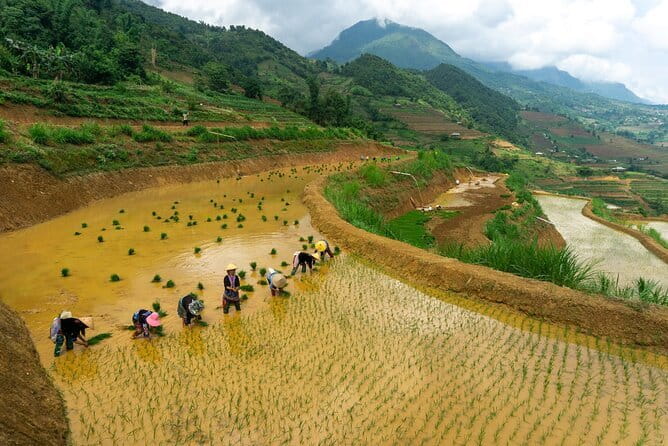
Lao Chai is described as the heart of the Hmong community, and the walk is built for observing daily life at a human scale. You’ll see traditional farming and also get a close look at textile work—especially textiles dyed with natural indigo. Even if you’re not a textile nerd (I’m not always), it’s one of those topics that makes you slow down, ask questions, and understand the work behind the finished cloth.
You’ll stop for lunch around 12:00 pm with views over the valley. This is one of those “rest your legs without feeling like you’re stuck in a cafeteria” breaks. The setting helps. You’re not just waiting for food—you’re still in the scenery.
After lunch, the second half shifts to Ta Van Village, a community shared by the Hmong and Giay people. Expect the trail to feel more like a wandering countryside walk: bamboo groves, meandering streams, and rustic rural paths used by locals for generations.
In Ta Van, the experience leans more into hospitality and cultural exchange. The tour language suggests you’ll get a warm welcome and time to connect with the ethnic communities there. Then you’ll return toward the main road.
You’ll also have flexibility at the end. If you don’t want to walk all the way back, you can catch a car/mini-van back to town. That’s a nice option because it lets you match the day to your body. If your legs are fried from Day 1, you don’t have to force it.
Dinner again comes in Sapa, with free time to rest. If you want to go out, you’ll probably have the energy for a short walk around town, but I’d keep expectations realistic. This is a trek trip, not a nightlife plan.
Fansipan by cable car: the mountain top experience without planning a full climb
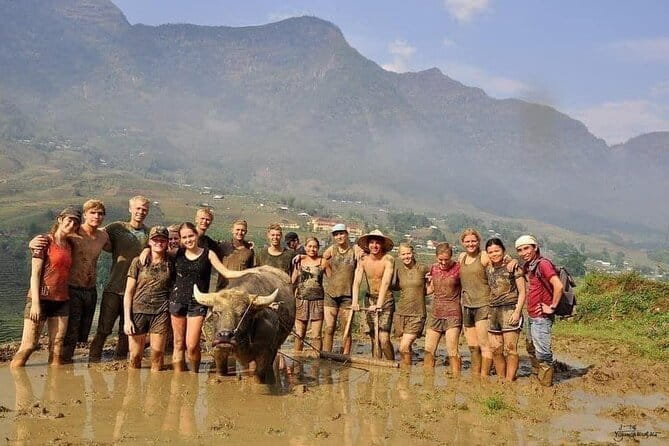
Day 3 is a different kind of day. You still start with breakfast, but then you shift gears to Fansipan, the highest point in Vietnam and Indochina.
Instead of trekking for hours, you drive about 3 kilometers to the cable car station, then ride up to the peak. The cable car portion is the big deal here. It gives you the top views and the mountain atmosphere without turning this into a hardcore ascent day.
At the top, you’ll spend time exploring:
- mountain views (the whole point)
- temples
- a huge Buddha statue described as the highest on the mountain
Then around 12:00 pm, you take the cable car back down and enjoy lunch. That timing is helpful because you’re not stuck in a long “endless sightseeing” loop—this keeps the day from stretching too late, which helps your return to Hanoi stay on track.
After you’re back, you head to Sapa around 2:00 pm. There you can freshen up with a shower before departure. The tour arranges a shuttle to the bus office, helps with check-in, and you’re sent off with a packed sandwich for the road. You should expect arrival back in Hanoi around 7:30 pm.
This pacing is one of the reasons the trip feels manageable. You get big mountain payoff, but you’re not trapped on the road for an extra night.
Meals, water, and the honest reality of your Sapa hotel night
The tour is all-inclusive in the ways that matter for a short trip: you get water plus breakfast (2), lunch (3), and dinner (2). Vegetarian food is available on request, which is a real comfort if you eat lightly or have restrictions.
Food planning sounds boring until you’re on a trekking schedule. Then it becomes freedom. You’re less likely to end up spending energy hunting for meals, and you’re more likely to eat on time so you don’t crash mid-walk.
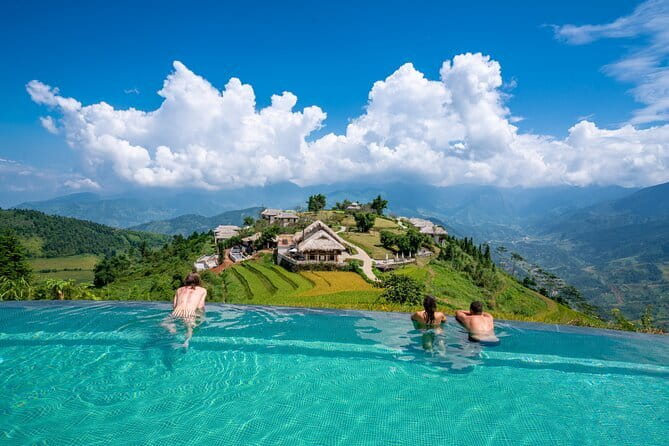
On lodging: the overall message is that your hotel is clean and simple. That matches the “short-tour” style of Sapa trips—comfortable enough to sleep, not a luxury retreat. And the balance here matters: one person had an issue with bed smell (possibly damp/moldy), while others described the bed and room as fine. So I’d treat the hotel as functional, not romantic.
Practical advice: on arrival, take two minutes to check the bed area, ventilation, and bathroom cleanliness. If something feels off, tell your guide quickly while you still have time to fix it.
More ways up Fansipan, on foot or by cable car
- From Hanoi: 2-Day Sapa Limo Bus Tour & Fansipan Peak Visit★ 4.6 · 277 reviews
- From Hanoi: 2-Day Sapa, Fansipan, and Muong Hoa Valley Tour★ 4.2 · 90 reviews
- Hanoi – Sapa 2 Days 2 Nights With Fansipan by cable car★ 5.0 · 79 reviews
Price and value: what $195 buys in a 3-day package
At $195 per person, this isn’t a budget backpacking deal, but it also isn’t paying for luxury. You’re paying for a setup that removes most friction:
- transport from Hanoi by sleeping bus
- accommodation in Sapa for the trek days
- all entrance fees and trekking/village visit costs
- the Fansipan cable car ticket
- meals (breakfast 2, lunch 3, dinner 2)
- an English-speaking local guide
- bottled water
When you price those pieces separately, the total usually jumps quickly—especially the combination of transport + mountain entry costs + meals. The tour also caps group size at 15 travelers, and that tends to make the guide time more useful.
What’s not included is also straightforward: tips for the guide and beverages/personal expenses. You’ll likely want water beyond what’s provided, plus snacks if you get hungry on the trail.
Timing matters for value too. Booking trends suggest many people plan this around 120 days ahead. If you’re traveling during peak season or on a weekend, book earlier so you’re not choosing between poor-day schedules and full-price last-minute alternatives.
How to pack (so the trek feels fun, not miserable)

The tour asks you to wear comfortable trekking shoes and bring outdoor-ready clothing. I’d also follow their suggested “small backpack” approach—carry light, but carry the basics.
Bring:
- a hat and sunglasses
- mosquito spray
- a small daypack
- weather-ready layers (Sapa mornings and mountain fog can change fast)
And treat footwear as non-negotiable. Day 1 includes downhill walking and an uphill return; Day 2 includes long village-to-village sections with the option to shorten via mini-van. Your legs will thank you if your shoes actually grip.
Also, pack a little patience. This is not a theme park. You’ll be walking on paths used by locals and moving at a human pace. If you’re expecting “fast and flat,” you’ll feel it.
Who this Sapa trek fits best

This trip is a great fit if you want:
- cultural village time tied to daily life in Hmong and Giay communities
- big mountain moments at Fansipan without committing to an all-day climb
- a guided package that includes meals and key tickets so you can focus on walking and learning
It’s especially good for people who feel comfortable doing some uphill and downhill walking. The route includes a 3 km downhill and a 4 km uphill day, plus additional trekking blocks on Day 2. If you’re sensitive to climbs, don’t panic—but plan on moving slowly and consider using the mini-van option if needed.
If you’re the type who hates schedule pressure, this still can work because you’ll have free time in Sapa at night. But you do need to show up ready for early starts and a weather-driven plan.
Should you book this 3-day Sapa trek to Fansipan?
If you want the Sapa “best-of” experience—village walks plus Fansipan views—this is a solid booking choice, especially because meals and major tickets are included. The cable car day is a smart trade: you still get the top sights, but you save your legs for the village walks where the culture is the point.
I’d book if:
- you like walking and chatting with locals
- you want a guided package that handles transport, admissions, and meals
- you’re okay with basic hotel comfort
I’d think twice or ask questions first if:
- you’re very picky about accommodations
- you have limited mobility for uphill segments
- you’re traveling in a period when weather could be rough and you won’t be able to swap dates if conditions force changes
Bottom line: this trek is built for people who value easy logistics + real village contact + one big mountain payoff. If that’s you, it’s worth putting on your Vietnam short list.
FAQ
How do you travel from Hanoi to Sapa?
You leave Hanoi in the morning by sleeping bus for about 4.5–5 hours, then your local guide picks you up in Sapa.
What does the trip include for meals?
Meals are included as breakfast (2), lunch (3), and dinner (2). Vegetarian meals are available on request.
Are entrance fees and the Fansipan cable car ticket included?
Yes. The price includes all entrance fees plus the Fansipan cable car ticket.
How much trekking is there?
Day 1 includes a trek of about 3 km downhill to Cat Cat Village and a return walk of about 4 km uphill. Day 2 includes trekking to Lao Chai and Ta Van with set time blocks, and you may be able to shorten the return by car/mini-van.
What time do you return to Hanoi?
You depart Sapa around 3:00 pm after shower time and a packed sandwich, and you should arrive back in Hanoi around 7:30 pm.
What happens if weather is bad?
This is a daily tour that requires good weather. If it must be cancelled due to poor weather, you’ll be offered a different date/experience or a full refund.
Can I cancel for a full refund?
Yes. You can cancel up to 24 hours in advance for a full refund.
More Tour Reviews in Hanoi



To the Roof of Indochina: More Fansipan




More Sapa Treks We Walked

Latest Hanoi write-ups from our team






Sapa Trekking Tours, compared.
 ★ 5.0Sapa 2 Days 1 Night From Hanoi – Overnight in Ta Van VillageFrom $592,669 reviews
 ★ 5.0Hanoi – Sapa 2 Days 1 Night Overnight At HomestayFrom $89899 reviews
 ★ 5.0Sapa: Fansipan Cable, Cat Cat Village & Moana Instagram TourFrom $30777 reviews
 ★ 4.8From Hanoi: 2-Day Sapa Trekking Trip with Homestay & MealsFrom $71704 reviews
 ★ 5.0Sapa 3 Days 2 Nights Trekking Tour (1 Night In Ta Van Village, 1 Night In Hotel)From $139699 reviews
 ★ 5.03-Day Trekking Adventure of Sapa from Hanoi – Stay Ta Van VillageFrom $109611 reviews
 ★ 4.82-Day Sa Pa Ethnic Homestay Tour & Trek with Limousine Bus440 reviews
 ★ 5.0Sapa 2 Days 1 Night From Hanoi – Overnight in HotelFrom $89440 reviews
Browse the lists this tour appears in