
Reviewed · SAPA TREKKING TOURS
3-Day Sapa Real Valley View Homestay & Fansipan–Roof of Indochina
Sapa works its magic fast, and this trip starts that way. The ride up to the Hoang Lien Son mountains is part of the experience, and then you switch from roads to paths with a guided trek between villages, terraced rice, and mountain scenery. You also get a classic add-on: Fansipan, the Roof of Indochina, with its pagoda stops and a climb of 600 steps.
What I like most is the mix of real village time (a night in a local homestay) plus big-view payoff (Fansipan and photo stops). I also appreciate that meals are planned in (breakfast/lunch/dinner) and that you’re not doing everything solo—you have a guide and round-trip transfer from Hanoi.
One consideration: the trek and the long transfer days are not “sit back and forget it” travel. Bring proper trekking shoes and be ready for basic bus conditions—some buses on this route are efficient but have limited onboard comfort like Wi‑Fi or toilet paper.
In This Review
- Key Things That Make This Sapa Tour Worth Your Time
- Hanoi to Sapa: Fast Enough, Scenic Enough, Easy to Start
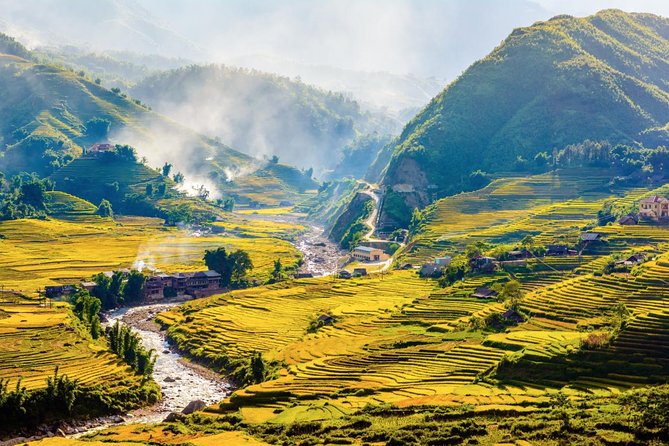
- Trekking Sapa Valley: Black Hmong and Tay Villages, Plus Rice Terraces
- What to expect on the ground
- Why the village visits are valuable
- Sapa Homestay Night: Clean, Comfortable Enough, But Expect Simplicity
- What you can count on
- A real note on variability
- Guide can make the difference (names to look for)
- Fansipan Day: 2800 Meters, Pagodas, and 600 Steps
- How this day feels
- The earlier part of Day 2
- Sapa Town Time on Day 3: Use the Free Hours Wisely
- Price and Value: What You’re Really Paying For
- Practical Tips That Make or Break This Trip
- Should You Book This Sapa Homestay Trek and Fansipan Tour?
- FAQ
- Where does the tour start and end?
- How long is the tour?
- What’s included in the price?
- What kind of accommodation is provided?
- Is Fansipan included?
- Which villages are visited during the trek?
- How big is the group?
- Is the trek suitable for most people?
- What if the weather isn’t good?
- Are there festival surcharges?
Key Things That Make This Sapa Tour Worth Your Time
- Homestay night with an Hmong family in a shared setup in the village
- Guided trekking to villages in the Black Hmong and Tay communities, including Lao Chai, Ta Van, and others
- Fansipan visit to about 2800 meters plus the 600-step climb to the peak area
- Full meals included across the 3 days, plus bottled water
- Small group limit (max 15), which usually means a calmer trek pace
- A long scenic Hanoi-to-Sapa transfer using the newer highway route
Hanoi to Sapa: Fast Enough, Scenic Enough, Easy to Start

The tour begins at the Hanoi Opera House meeting point, right in the Hoàn Kiếm area. From there, you’ll head toward Sapa by bus, using the newer Noi Bai–Lào Cai highway. The distance is about 245 km and the drive is under 5 hours on that modern road, with scenery from both sides—worth paying attention to even before you reach the mountains.
In real life, plan on a full travel day energy level on Day 1. The schedule allows for a break, so it’s not nonstop. You’ll arrive in Sapa, then you move straight into the first part of the trek plan rather than spending the entire day just “getting settled.”
One practical tip: if you’re sensitive to bus comfort, treat this as a long transfer day. Air-conditioning is included, but your onboard setup may still be basic. I’d bring a small pack of essentials like tissues, a neck pillow, and anything you need to feel okay for a few hours at a time.
More trails through the Sapa valleys

Trekking Sapa Valley: Black Hmong and Tay Villages, Plus Rice Terraces
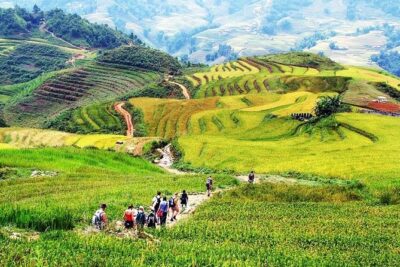
The trek is the heart of this itinerary. You hike daily with a guide, moving through Sapa’s valley area and visiting multiple villages connected to Black Hmong and ethnic Tay communities. The villages named in the plan include Lao Chai, Ta Van, Giang Ta Chai, Ban Hồ, Sin Chải, and Cát Cát.
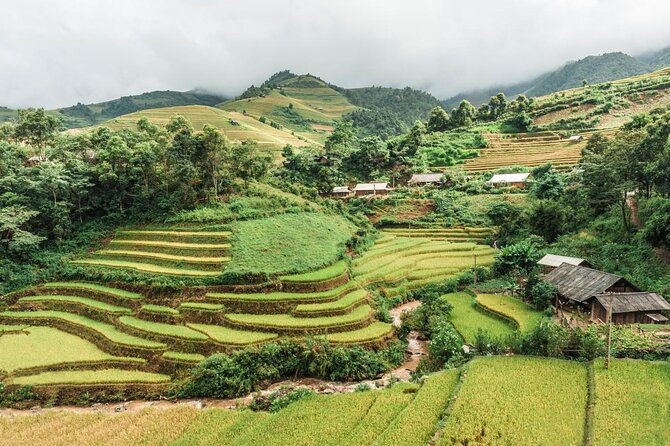
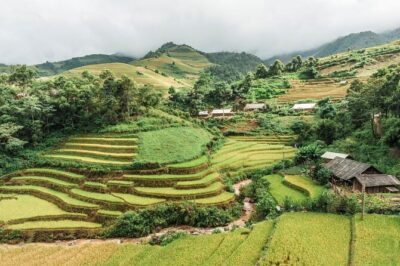
Here’s what this means for your day: you’re not just walking for walking’s sake. The route is built around the everyday geography of the region—terraced rice fields, mountain footpaths, and points along the way where you can see how life is shaped by altitude and farming. The plan also mentions refreshing waterfalls, which often makes the trek feel less like repetition and more like a shifting sequence of views.
What to expect on the ground
- Daily hiking time is structured, but the real key is your shoe choice and fitness level.
- A trek can feel easy on a map and tiring under cloud cover, wet patches, or steep segments. I’d go in with a realistic pace and stop thinking of it as a casual stroll.
One review experience that matters here: the trek can include around 15 km, and proper shoes are a must. If your footwear is more “city sneakers” than “trail shoes,” you’ll feel it by the end of the first major hiking stretch.
Why the village visits are valuable
Village stops aren’t just photo breaks. They’re where you’ll learn about local culture and daily life through your guide’s interpretation. And because the trek includes both Black Hmong and Tay villages, you get a broader view of how different groups interact with the landscape and community routines.
For me, the best value of this type of itinerary is that you spend time moving with people, not just arriving at the edge of a viewpoint. The guide helps you connect the dots.
Sapa Homestay Night: Clean, Comfortable Enough, But Expect Simplicity
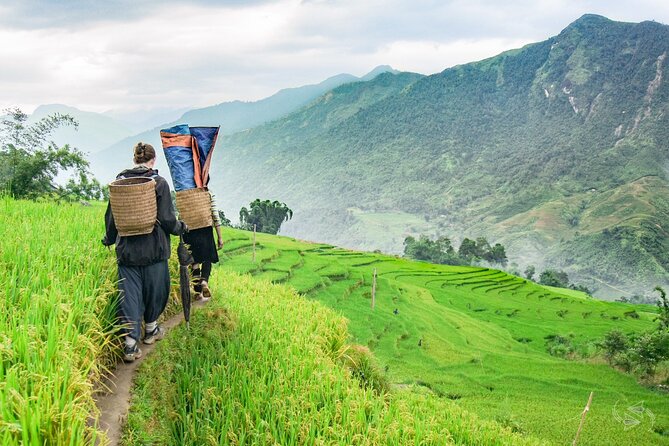
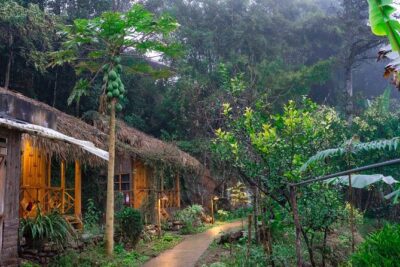
This tour includes one night in a homestay in the village plus one night in a hotel in Sapa town. The homestay is shared accommodation at a local house (double/twin sharing is listed for accommodation overall, and single rooms are possible on request with a surcharge, but the village night is shared locally).
This is the part of the trip where expectations matter most. A homestay is not the same thing as a hotel. Even when it’s very clean and the family hospitality is great, the setup is still basic by design.
More ways up Fansipan, on foot or by cable car
- From Hanoi: 2-Day Sapa Limo Bus Tour & Fansipan Peak Visit★ 4.6 · 277 reviews
- From Hanoi: 2-Day Sapa, Fansipan, and Muong Hoa Valley Tour★ 4.2 · 90 reviews
- Hanoi – Sapa 2 Days 2 Nights With Fansipan by cable car★ 5.0 · 79 reviews
What you can count on
- Full meals are included across the tour’s meal plan (breakfast, lunch, dinner are specified).
- You’ll be hosted within a family setting.
- The homestay night is a major reason this itinerary stands out from Sapa day-tours.
A real note on variability
Some people have had a strong homestay experience—clean rooms, good cooking, and a welcoming guide. Others have described the homestay setup as rough, even when the guide helped make the experience better and the views compensated.
So I’d plan for the range and choose your mindset accordingly. If you want a guaranteed hotel-style comfort level for every night, this is the wrong fit. If you want a real family-run sleepover where you can learn how Sapa communities live, this is exactly the kind of night that can stay with you.
Guide can make the difference (names to look for)
Your guide matters a lot on a homestay trek. One guide name that has come up is ZerZer, described as speaking good English and hosting thoughtfully. Another guide name mentioned is Lala, who helped turn a less-than-perfect homestay situation into something more bearable. I can’t promise you’ll get either guide, but I’d treat guide quality as part of the value you’re paying for.
Fansipan Day: 2800 Meters, Pagodas, and 600 Steps
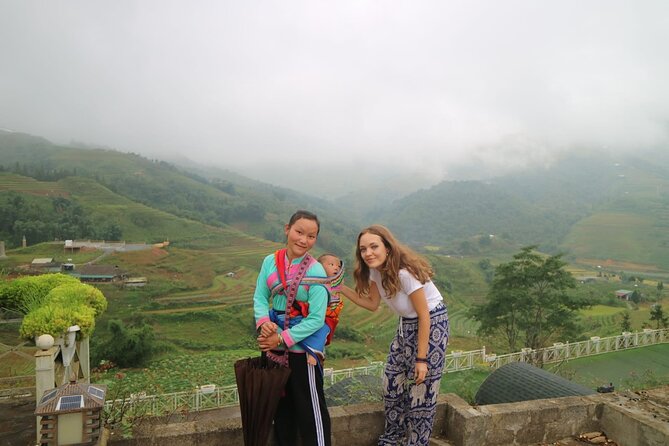
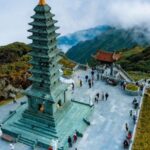
On Day 2, the itinerary adds the big headline: Fansipan, often called the Roof of Indochina. You’ll be taken to Fansipan, reach an altitude around 2800 meters, and have time to see the view and take photos.
Then comes the structured spiritual and scenic portion: you visit pagoda areas and other spiritual destinations, and you trek up 600 steps to reach the peak area.
How this day feels
If the first day is about valley walking and village life, this day shifts gears. Fansipan adds vertical effort and a different kind of crowds and atmosphere near the pagoda zones and viewpoints.
If you’re the type who loves views, this is your payoff. If you’re tired from Day 1 hiking, pace yourself. Also remember that the air can feel different at altitude—even on a clear day, you may want layers.
The earlier part of Day 2
After breakfast with the family, you return toward Sapa town. The plan notes a return distance of about 17 km, with around 30 minutes by motorbike or taxi arranged for you. That keeps Day 2 from feeling like a full marathon right away.
Sapa Town Time on Day 3: Use the Free Hours Wisely

Day 3 starts with breakfast at the hotel, then you get free time to explore Sapa town on your own until mid-morning. You’ll then check out, clear bills, and have lunch on your own before heading back to Hanoi.
This free window is the part of the itinerary you control. The tour itself already includes village trekking and Fansipan, so I’d use Sapa town time for the practical stuff:
- quick shopping for local items while you’re still in the market zone
- coffee or a warm drink after two active days
- a slow reset before the return bus ride
If you’re planning to buy gifts, do it during this part of the trip. You’ll be less likely to rush and forget sizes or colors.
Price and Value: What You’re Really Paying For

The price is $179.90 per person for roughly 3 days. On paper, that might look like just transportation plus activities. In real value terms, this tour bundles several costly pieces together:
- round-trip transfer from Hanoi in an air-conditioned vehicle
- a local expert guide
- bottled water
- full meals across the 3 days (breakfast, lunch, dinner)
- 1 night homestay and 1 night hotel
- Fansipan admission and the peak-area climb portion (entry is listed as included)
It’s also a small group setup (max 15), and you may get group discounts. You’ll also have a mobile ticket.
So the value equation is not just “can I do these things myself.” It’s “can I stitch them into a smooth 3-day plan with meals, lodging, and a guide.” If you want village trekking plus Fansipan without coordinating buses, meals, and guides on your own, this price makes more sense.
If you do like freedom and want total control over pace, you might prefer building your own route. But if you want a structured experience with fewer moving parts, this is a solid package.
Practical Tips That Make or Break This Trip

Here’s how to set yourself up for success with the info you have:
- Wear proper trekking shoes. The hike is long enough that footwear matters. Don’t treat this like a city-walk itinerary.
- Pack layers. Mountain weather can shift. Even when the view is great, you may want a warmer layer for early morning and higher elevation areas.
- Bring small comfort items for the bus. Some buses can be efficient but basic (think limited onboard amenities). A small tissue pack and hand sanitizer can save your day.
- Plan your shopping timing. The tour gives you free time in Sapa town on Day 3, and that’s when it’s easiest to browse without disrupting the trek schedule.
- Expect shared homestay conditions. Shared accommodation in the village is part of the experience. Go in expecting simplicity, not hotel luxury.
One more thing: this plan works best in good weather. The tour notes that it requires good weather, and if it’s canceled due to poor weather, you’ll be offered another date or a full refund.
Should You Book This Sapa Homestay Trek and Fansipan Tour?
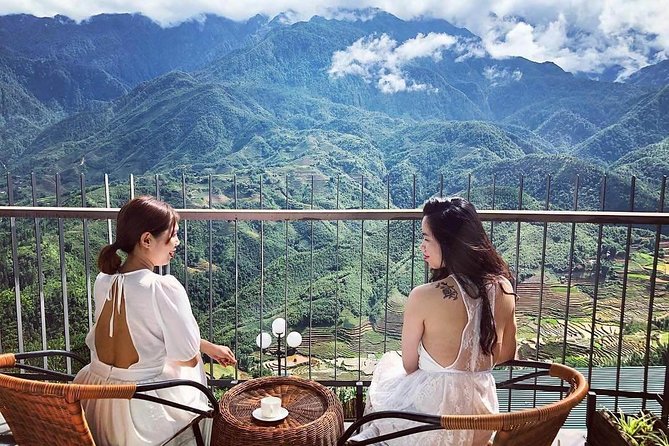
I’d book it if you want a 3-day Sapa plan with built-in structure: guide-led trekking through Black Hmong and Tay villages, a real homestay night, and Fansipan as the big summit-day highlight. The included meals and the two nights of lodging (village + hotel) are what make it feel like a full experience rather than a day trip.
I’d hesitate if you want guaranteed hotel-comfort on every night, or if you don’t feel confident with a hike that can run long. This itinerary rewards travelers who come prepared—especially with footwear—and who are open to the homestay style of accommodation.
If that sounds like your travel style, this is a memorable way to experience Sapa beyond the postcard stops.
FAQ
Where does the tour start and end?
The meeting point is Hanoi Opera House, 1 Tràng Tiền, Hoàn Kiếm, Hà Nội. The activity ends back at the same meeting point.
How long is the tour?
It’s a 3-day tour, approximately.
What’s included in the price?
The tour includes air-conditioned vehicle transport, a local expert guide, bottled water, meals as indicated (breakfast, lunch, dinner), and accommodation: 1 night in a village homestay and 1 night in a hotel in Sapa town.
What kind of accommodation is provided?
You’ll stay in a homestay for one night with shared accommodation at a local house, and you’ll have one night in a hotel in Sapa. Double or twin sharing is listed, and single rooms are available on request with a surcharge.
Is Fansipan included?
Yes. You’ll visit Fansipan, reach about 2800 meters, visit pagoda areas, and trek up 600 steps to the peak area. Fansipan admission is included.
Which villages are visited during the trek?
The trek includes villages such as Lao Chai, Ta Van, Giang Ta Chai, Ban Hồ, Sin Chải, and Cát Cát.
How big is the group?
The tour has a maximum of 15 travelers.
Is the trek suitable for most people?
The tour states that most travelers can participate.
What if the weather isn’t good?
The tour requires good weather. If it’s canceled due to poor weather, you’ll be offered a different date or a full refund.
Are there festival surcharges?
Yes. There are surcharges for Independent Day (29/8–2/9), Christmas (20–25/12), and New Year (27/12–02/01), listed as 30% as normal price.
More Tour Reviews in Hanoi



To the Roof of Indochina: More Fansipan




More Sapa Treks We Walked
Latest Hanoi write-ups from our team





Sapa Trekking Tours, compared.
 ★ 5.0Sapa 2 Days 1 Night From Hanoi – Overnight in Ta Van VillageFrom $592,669 reviews
 ★ 5.0Hanoi – Sapa 2 Days 1 Night Overnight At HomestayFrom $89899 reviews
 ★ 5.0Sapa: Fansipan Cable, Cat Cat Village & Moana Instagram TourFrom $30777 reviews
 ★ 4.8From Hanoi: 2-Day Sapa Trekking Trip with Homestay & MealsFrom $71704 reviews
 ★ 5.0Sapa 3 Days 2 Nights Trekking Tour (1 Night In Ta Van Village, 1 Night In Hotel)From $139699 reviews
 ★ 5.03-Day Trekking Adventure of Sapa from Hanoi – Stay Ta Van VillageFrom $109611 reviews
 ★ 4.82-Day Sa Pa Ethnic Homestay Tour & Trek with Limousine Bus440 reviews
 ★ 5.0Sapa 2 Days 1 Night From Hanoi – Overnight in HotelFrom $89440 reviews
Browse the lists this tour appears in