
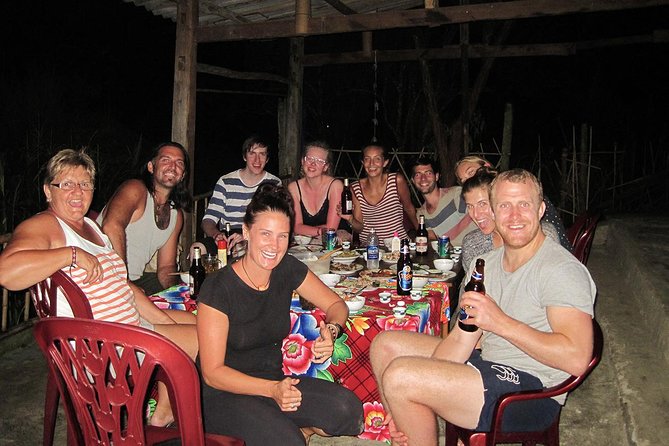
Reviewed · SAPA TREKKING TOURS
Trekking Sapa – Bac Ha Market: Sleep on Train & Homestay
Sleep on a train, then wake to rice terraces. This 3-day Sapa trek and Bac Ha Market add up to more than views: you get an overnight train experience, real time in Ta Van homestay, and a guided run through ethnic villages and Sunday market life.
Two things I really like. First, the small group size (up to 15) makes the pace feel human instead of rushed. Second, you’re not stuck wandering alone—your guide helps connect what you see to the culture, and one guide named Suà has been praised for teaching both culture and specific places clearly.
One drawback to plan for: you’ll start early and you’ll do some trekking on uneven paths. If your shoes are tired already, bring comfortable shoes and pack light.
In This Review
- Key highlights you’ll actually care about
- From Hanoi to Sapa: the overnight train experience that changes the mood
- Cat Cat and Lao Chai: easy village walking with strong scenery payoff
- Ta Van homestay: where the trip becomes personal
- Day 2 in Ta Van: Giang Ta Chai views plus a long homestay day
- Bac Ha Market on Sunday: the exchange tradition you can feel
- Hoang A Tuong’s castle and the peaceful Pho village walk
- Transfers and pacing: how to make the schedule feel good
- Price and value: what $56 covers and where it’s a great deal
- Who should book this Sapa trek and Bac Ha market tour?
- Optional continuation: getting to Ha Giang right from Sapa
- Should you book it?
- FAQ
- Where is the meeting point in Hanoi?
- What time does the overnight train to Sapa usually depart?
- How do you get from Lao Cai Station to Sapa?
- What’s the sleeping arrangement in Ta Van?
- Is Bac Ha Market included, and when does it happen?
- What does the tour include for meals and entrances?
- Do I need to pay extra for drinks or insurance?
- What kind of fitness level do I need?
- Is this tour good for continuing to Ha Giang?
Key highlights you’ll actually care about

- Overnight train or sleeper bus options help you save a day of travel and arrive early for village time
- Ta Van homestay at night means you’re not just passing through town like a day-trip sticker
- Village trekking built around Muong Hoa valley with Cat Cat, Lao Chai, and Ta Van routes
- Bac Ha Market on Sunday morning focuses on the traditional exchange style
- Hoang A Tuong’s castle stop adds a historical angle tied to H’Mong leadership
- Max 15 travelers keeps the experience more personal on hikes and transfers
From Hanoi to Sapa: the overnight train experience that changes the mood
This trip starts in Hanoi at Ga Hà Nội (meeting point at 120 Lê Duẩn, Cua Nam). You’ll catch an overnight departure for Sapa, with train options listed as SP1/SP2/SP3 leaving around 21.30. The timing is built for one big win: when you wake up, you’re already headed toward the mountains instead of burning the whole day in transit.
In the common setup, the morning transfer happens at Lao Cai Station around 5.00, then you drive roughly 40 km to Sapa. That matters because Sapa is easiest when you’re early—less crowd pressure, more comfortable temperatures, and better energy for the first walk.
If you choose a transfer style like a sleeper bus, the core idea stays the same: you’re paying for movement that feels efficient, not just transportation. Also, the tour uses a mobile ticket, which usually means less fuss once you’re at the start point.
The most practical tip here is mental: think of the overnight leg as part of the trip’s rhythm. You’ll feel it in your body the first day, so I’d plan your packing and trekking mindset around tired-morning reality, not hotel-spa fantasy.
More trails through the Sapa valleys




Cat Cat and Lao Chai: easy village walking with strong scenery payoff

Day 1 blends short trekking with village time, guided by a local H’Mong guide in Sapa. You start after breakfast with a light day bag and head toward Cat Cat village. This is a classic entry point because it gives you both scenery and a lived-in feel: you’ll spot a waterfall, the Muong Hoa stream, terraced areas, and points of interest tied to the area’s French-era infrastructure.
Cat Cat is also where you start meeting the idea of ethnicity through daily life, not museum labels. The tour includes time for a visit connected to hydro-electric history and local school life in the area.
After that, the route shifts toward Lao Chai, a village home for Black H’Mong people. Expect a trek through the Muong Hoa valley by stream and farmland, with terraces climbing toward the base of Fansipan. The walk length is around 3 hours, and it’s the kind of route where your legs notice the valley changes even if the difficulty isn’t extreme.
What I like about this portion is that the trail is long enough to feel like trekking, but not so long you miss your chance to look at houses, fields, and how people farm and trade.
What to watch for:
- Wear shoes that grip.
- Bring water and plan for stops when your body asks for them.
- Keep your day bag light so you don’t feel weighed down by afternoon fatigue.
Ta Van homestay: where the trip becomes personal
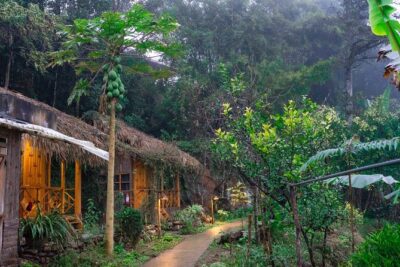
The biggest reason this tour is worth your attention is simple: it’s built around sleeping in Ta Van village. After the first day of trekking stops, you move into homestay life for the night. The tour says Ta Van is home of Zday people, set by the Muong Hoa stream with views and lots of nearby trek routes.
Sleeping arrangements are practical and straightforward: you’ll stay in a shared room or on a single mattress, with a public bathroom. That’s not a complaint, it’s a heads-up. If you’re the type who needs private comfort, homestay setups can feel basic. If you can handle the tradeoff, the reward is real—being there after the day tours thin out.
This is also where the guide role matters. The tour includes an opportunity to meet a local guide so you can understand ethnic-group culture more deeply, rather than receiving a quick photo-and-go commentary.
One detail that stood out in the info I was given: guide Suà was specifically praised for explaining culture and the places you visit in a professional, clear way. You might not always have the same guide, but the point is consistent—this trip tries to connect you to the village, not just move you between spots.
For your night:
- Plan to be flexible. Homestays run on local routines.
- If you’re sensitive to sound or cold, bring what helps you sleep.
- Keep your expectations on the human scale: it’s a village night, not a hotel overnight.
Day 2 in Ta Van: Giang Ta Chai views plus a long homestay day
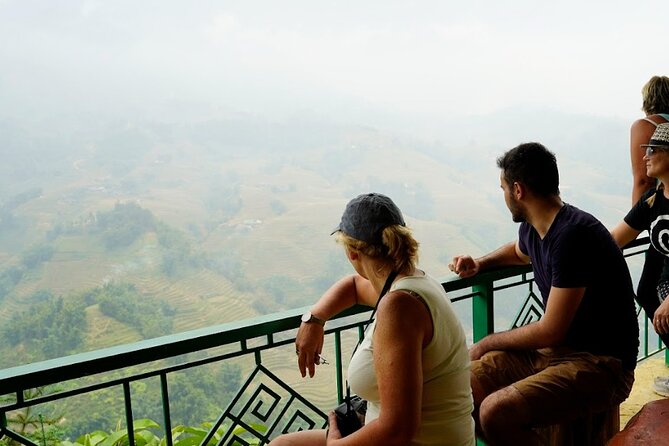
Day 2 starts with Giang Ta Chai village, home to Red Zdao, Zday, and Black H’Mong communities living together. The route is about 2 hours, and it’s focused on views and walking through bamboo forest and rice terrace fields around Muong Hoa valley.
That mix matters because you get a different flavor than the earlier villages. Instead of the first-day entry style, day 2 feels more like a slow look at farming, terraces, and how the valley holds villages.
Then the tour settles back into Ta Van with a long homestay window. You stay with the host for roughly 10 hours, and this is the part many people underestimate. A long homestay day gives you time to ask questions, watch daily routines, and stop treating your time like a packed checklist.
What you do with those hours isn’t fully spelled out, but the value is clear: you’re not rushing straight to the next vehicle.
It’s also where you’ll notice the physical reality of trekking. If day 1 felt manageable, day 2 often becomes easier because you learn your pace. If day 1 felt rough, day 2 is your chance to slow down—take breaks, drink water, and let the day be quiet when you need it.
Bac Ha Market on Sunday: the exchange tradition you can feel

Day 3 is where the trip’s character pivots. You head to Bac Ha Market, and one key detail matters for planning: Bac Ha Market only runs on Sunday morning. If your dates land on Sunday, you’ll get the full experience this stop is known for.
This market isn’t framed as a modern shopping spree. It’s presented as the original way of exchanging goods, with contemporary elements mixed in. In practice, that means you’re more likely to see local trade patterns—people exchanging livestock, hens, and goods—along with souvenirs and everyday items tied to village life.
I find markets in northern Vietnam work best when you treat them like a live scene, not a target list. Look first, then ask. Even if you don’t speak the language, watching how people arrange items and move through the space tells you a lot.
The tour includes about 4 hours here, plus an additional stop at Hoang A Tuong’s castle. That matters because it adds a different angle: market life tells you what people need today; the castle stop gives a sense of how leadership and community structure worked in the past.
If you miss the Sunday timing, you might still see something in Bac Ha town, but this specific market element is only confirmed for Sunday morning.
Worth a glance beside this Hanoi pick:
- Hanoi Cooking Class and Market Tour in Ancient House★ 5.0 · 379 reviews
- Rose Kitchen Hanoi: Market, Cooking & Culture Tour + Free PickUp★ 5.0 · 342 reviews
- Hanoi: Cooking Class in a Local Villa with Market Tour★ 4.9 · 320 reviews
Hoang A Tuong’s castle and the peaceful Pho village walk
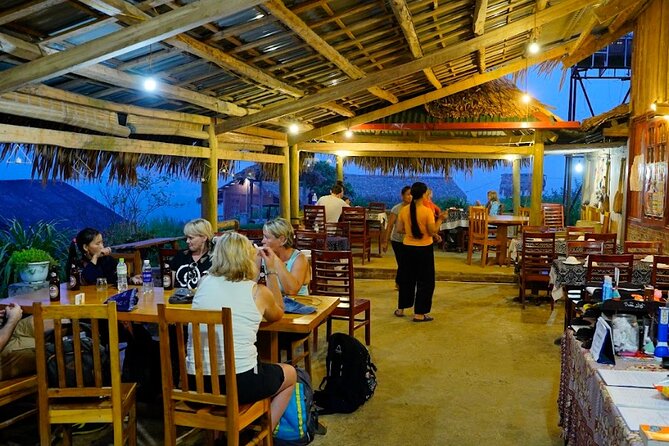
After the market, you visit Hoang A Tuong’s castle, described as the place where H’Mong king Hoang A Tuong and his family lived and ruled in the past. The tour calls it the most luxurious place for him and his family, and that contrast helps you understand why a market and a palace are paired in the same day.
The visit is shorter—around 30 minutes. That’s enough time to get the shape of the story without turning it into a long history lecture. If you like context, pay attention to what you’re shown and how your guide connects it to the community that still surrounds the area.
Then there’s an extra calm stop near the market: Pho village. It’s close to Bac Ha market, and you’ll take a short peaceful road walk, around 30 minutes, to see daily life of ethnic people there.
This pacing is smart. A big market can tire your eyes. A short village walk resets your brain and lets you notice quieter things: household routines, workspaces, and how daily life looks when it’s not built around a crowd.
Transfers and pacing: how to make the schedule feel good

This tour’s structure relies on movement—train or sleeper bus to Sapa, then a guided day of walking, then homestay nights, then a private car setup for Bac Ha.
The included transfers connect Hanoi and Sapa both ways, with the note that options can differ depending on your choice. That’s why it’s worth reading your confirmation carefully, especially if you’re sensitive to departure times.
Also, the overall tour length is listed as about 3 days. Real life can shift a bit depending on timing and transport. My rule: assume early mornings, plan for slower evenings, and don’t schedule anything tight right after you finish—give yourself a buffer.
A couple more practical points from what’s provided:
- The group maximum is 15 travelers.
- The tour expects moderate physical fitness.
- You’ll have guide support, including English-speaking guidance in Sapa.
- Meals are included: dinner, lunches (3), and breakfasts (3).
For value travelers, this setup is usually a good deal because the hard parts are already organized: sleeping, transfers, guides, and the key stops.
Price and value: what $56 covers and where it’s a great deal
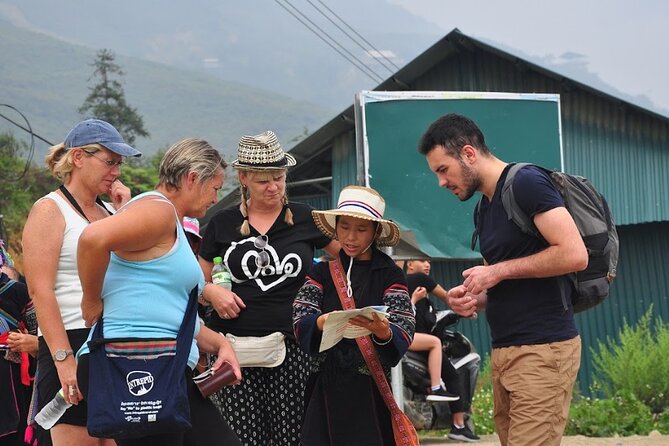
At $56 per person, this is priced like a practical budget trip that still includes the key ingredients people actually want in northern Vietnam.
Here’s what helps justify the price:
- Overnight transport (train) and transfers across the key legs
- Homestay night in Ta Van (not just a day stop)
- Guides and entrance fees for Ta Van and Hoang A Tuong’s palace included
- Meals included (breakfasts, lunches, dinner)
Compared with piecing together transport plus separate tours plus food, this package format usually wins. You’re buying coordination and time savings. The market day is also private-car supported for the Bac Ha portion, which helps reduce waiting stress.
What’s not included is also important:
- Drinks
- Travel insurance
- Tips and personal expense
- Holiday surcharge of 700,000 VND per person for listed peak dates
So if you’re traveling on a holiday date, the real cost creeps up. If you’re not, $56 can be a very reasonable entry point into Sapa trekking plus Bac Ha market without building your own logistics spreadsheet.
Who should book this Sapa trek and Bac Ha market tour?
This is a good fit if you want:
- A mix of guided village trekking and a real overnight village experience
- A Sunday-morning market stop (so you’re likely going for Bac Ha in full)
- An organized trip that includes meals and homestay basics
It’s not the best fit if:
- You require private bathrooms and hotel-level comfort
- You dislike early starts and prefer long unbroken leisure days
- You want zero trekking and only viewpoints by car
The group size is small enough that solo travelers often feel comfortable, but the tour still expects some physical effort. If you’re traveling with kids or you’re recovering from an injury, moderate physical fitness guidance is a clue to double-check.
Optional continuation: getting to Ha Giang right from Sapa
If you like chaining adventures, there’s an extra option: continue to Ha Giang directly from Sapa. The tour mentions bus departures from Sapa at 14.30 and 19.00. One option is a limousine bus (18 seats) leaving at 14.30, with pickup at May hotel, for a 6-hour ride to Ha Giang.
This is useful because it supports a common route logic: you can move onward without needing to go back Hanoi. If your travel plan includes both areas, this can save time and reduce backtracking.
Should you book it?
I’d book it if you want a true Sapa mountain experience that includes more than photos. The combo of an overnight train, guided village treks, and a real Ta Van homestay night makes this feel like you’re living the rhythm, not just collecting stops. Add a Sunday Bac Ha Market session and you’ve got an itinerary that hits both daily life and the bigger cultural scene.
I’d skip it only if your idea of travel is mostly comfort and minimal walking. If that’s you, pick a viewpoint-heavy tour instead. But if you like getting out with a guide, walking village paths, and ending the day in a home instead of another hotel bed, this is a strong value choice for northern Vietnam.
FAQ
Where is the meeting point in Hanoi?
The meeting point is Ga Hà Nội at 120 Lê Duẩn, Cua Nam, Đống Đa, Hanoi, Vietnam.
What time does the overnight train to Sapa usually depart?
The train options listed depart at 21.30 (SP1/SP2/SP3).
How do you get from Lao Cai Station to Sapa?
The driver picks you up at Lao Cai Train Station at 5.00, then you travel about 40 km to Sapa.
What’s the sleeping arrangement in Ta Van?
You’ll stay at a homestay in Ta Van in a shared room or with a single mattress. The bathroom is public.
Is Bac Ha Market included, and when does it happen?
Yes, Bac Ha Market is part of the tour. It takes place on Sunday morning.
What does the tour include for meals and entrances?
Included meals are dinner, lunches (3), and breakfasts (3). Entrance fees include Ta Van and Hoang A Tuong’s palace in Bac Ha.
Do I need to pay extra for drinks or insurance?
Drinks and travel insurance are not included. Tips and personal expenses aren’t included either.
What kind of fitness level do I need?
You should have a moderate physical fitness level, since the trip includes trekking.
Is this tour good for continuing to Ha Giang?
There is an extra option to start to Ha Giang directly from Sapa, with buses departing at 14.30 and 19.00.
More Shopping Tours in Hanoi






More Tour Reviews in Hanoi






More Sapa Treks We Walked


Latest Hanoi write-ups from our team






Sapa Trekking Tours, compared.
 ★ 5.0Sapa 2 Days 1 Night From Hanoi – Overnight in Ta Van VillageFrom $592,669 reviews
 ★ 5.0Hanoi – Sapa 2 Days 1 Night Overnight At HomestayFrom $89899 reviews
 ★ 5.0Sapa: Fansipan Cable, Cat Cat Village & Moana Instagram TourFrom $30777 reviews
 ★ 4.8From Hanoi: 2-Day Sapa Trekking Trip with Homestay & MealsFrom $71704 reviews
 ★ 5.0Sapa 3 Days 2 Nights Trekking Tour (1 Night In Ta Van Village, 1 Night In Hotel)From $139699 reviews
 ★ 5.03-Day Trekking Adventure of Sapa from Hanoi – Stay Ta Van VillageFrom $109611 reviews
 ★ 4.82-Day Sa Pa Ethnic Homestay Tour & Trek with Limousine Bus440 reviews
 ★ 5.0Sapa 2 Days 1 Night From Hanoi – Overnight in HotelFrom $89440 reviews
Browse the lists this tour appears in