
Reviewed · SAPA TREKKING TOURS
The best view and most authentic tour in Sapa (Non Touristy)
That first bend of the trail feels like a local shortcut. This Sapa day mixes a non-touristy countryside trek with a Cai River sunset paddleboard session, so you get both people-watching and that calm end-of-day glow. Two things I really like: the included paddleboards and bottled water, and the small-group feel that helps you spend more time with the villages than with other tour groups. One thing to consider: this is outdoors walking with a moderate fitness level, so pack for humidity and expect a steady day.
You start around 8:30am and you’re moving through rice paddies, terraced fields, and bamboo paths with an English-speaking guide. Then the day shifts to the Cai River at sunset, where beginners get a lesson before you’re allowed to explore on your own. The “best view” part isn’t just a photo stop—it’s built into the route and into the way the afternoon light hits the valley.
In This Review
- Key highlights at a glance
- What makes this Sapa day feel genuinely non-touristy
- The 8:30am start: why timing matters in Sapa
- Morning trek: Hmong rice paddies, hemp, and indigo
- Visiting homes and daily life (without the big-tour script)
- Uphill to Suoi Thau and the Ta Phin valley outlook
- Transition to the Cai River at sunset: paddleboarding basics
- The “small group” effect you’ll actually feel
- Included lunch and water: boring details that save the day
- Price and value: why $52 can work out well
- What to wear and bring for both trekking and paddling
- Who this tour suits best
- Should you book this non-touristy Sapa day?
- FAQ
- How much does this Sapa experience cost?
- What’s the duration of the tour?
- What time does it start?
- Is lunch included?
- Do I need experience to paddleboard on the Cai River?
- What’s included in the price?
- What should I bring or plan for fitness-wise?
- Can I cancel for a full refund?
- Is it only for my group?
Key highlights at a glance
- Small group, lower crowds on peaceful valley trails
- Paddleboards included plus a beginner-friendly lesson on the Cai River
- Lunch and 1 liter of water per person, so you’re not scrambling
- Three minority villages featuring Hmong and Dzao communities
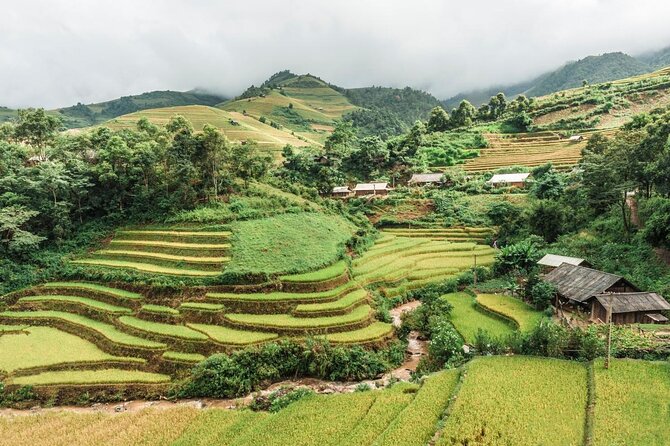
- Rice terraces + bamboo jungle for a full mix of scenery and village life
- Guides like Mo and Toa praised for sharing real-life details, not just facts
What makes this Sapa day feel genuinely non-touristy
Sapa can be a bit of a theme park if you pick the wrong route. This experience is built around quiet paths and real village routines, not a highlight-car-park loop. The goal is simple: get you onto trails where you’re not constantly dodging tour groups, and keep the pacing human.
I also like how practical it is. You’re not left guessing what you’ll need, because the basics are handled: paddleboards are provided, you get bottled water, and lunch is included. That matters in Sapa, where you can easily spend time (and money) just solving logistics.
The second practical win is the guide focus. The tour description is about trekking and village life, but the reviews add an important detail: guides such as Mo and Toa are remembered for explaining daily life in a way that actually helps you connect the dots while you walk.
More trails through the Sapa valleys

The 8:30am start: why timing matters in Sapa
Starting at 8:30am is one of those unglamorous details that makes the day better. Early means cooler air, fresher light for fields and paths, and less pressure from the bigger tour wave. You’ll also be done with the hardest part of the day—walking—before the sunset paddleboard session.
The day is about 6 to 7 hours, which is long enough to feel like a proper experience but not so long that you’re exhausted by evening. That balance is part of the value: you can still enjoy Sapa after, without needing a full “all-day survival plan.”
Also, this is set up so it’s easy to find at the start. The meeting and end point are back at the same place, which reduces that common travel headache of wondering how you’ll get back after an outdoor activity.
Morning trek: Hmong rice paddies, hemp, and indigo
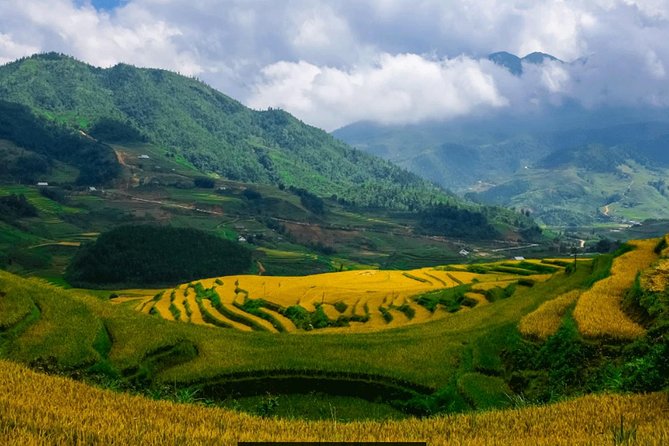
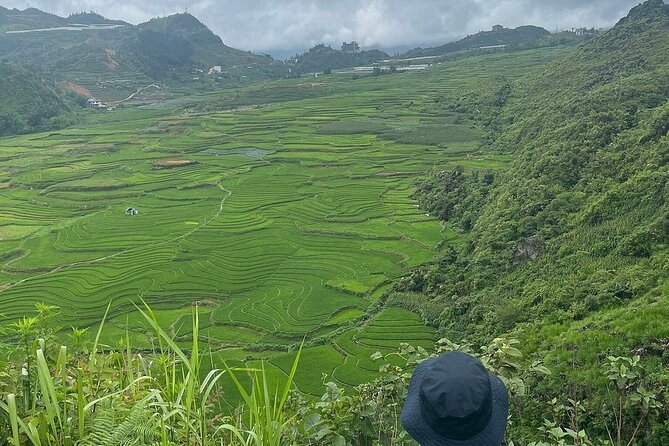
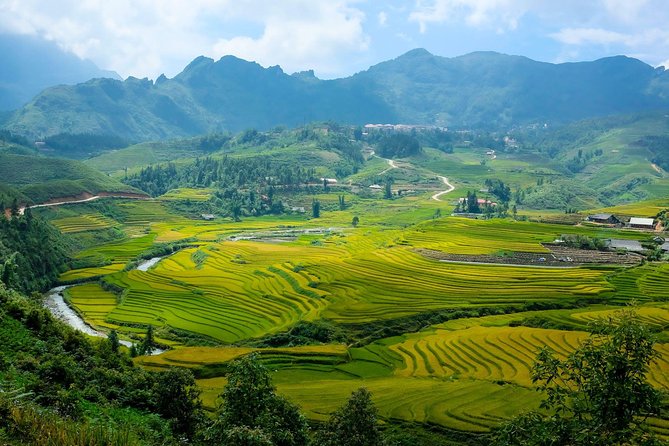
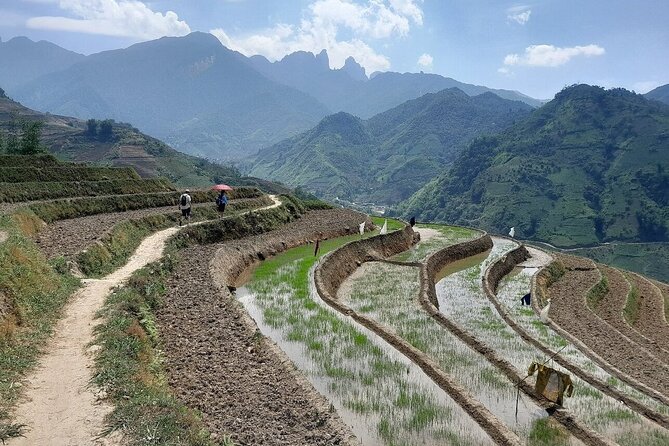
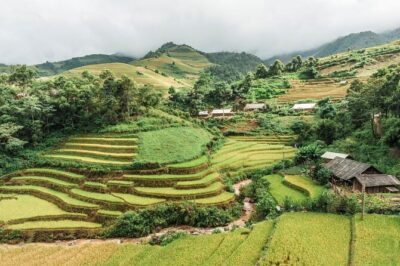
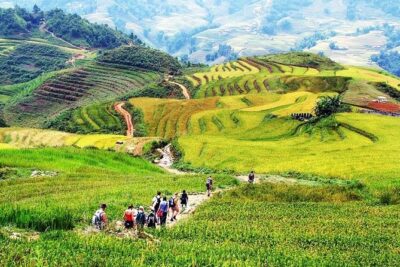
The trekking portion starts by car to Giang Cha village of the Hmong ethnic people. From there, you move through rice paddy fields and into a landscape of smaller paths where you’re likely to see farming and everyday routines rather than staged performances.
This village visit has a specific angle that I think is worth your time: you learn about traditional techniques for crafting indigo and hemp used in tribal costumes. It’s not just a quick glance at clothing. The point is to understand why those materials matter and how they connect to identity and daily work.
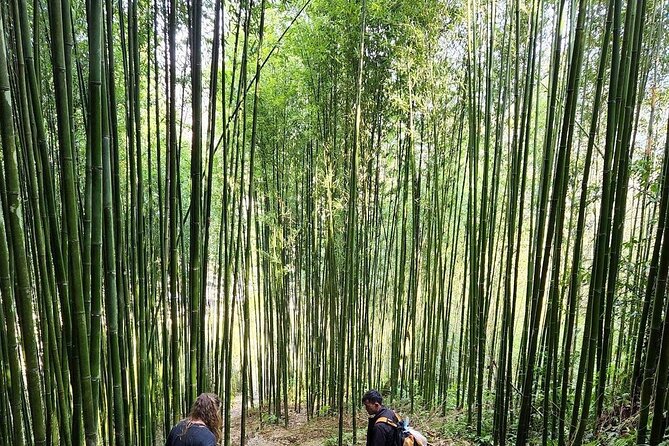
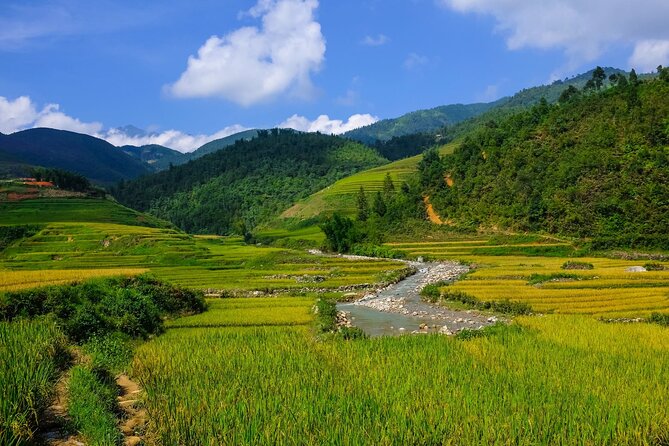
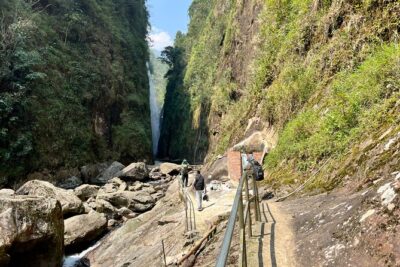
On the trail, you cross through corn and rice terraces and then head into bamboo jungle areas. This is one of those Sapa combinations—open fields for sweeping views, then shaded paths that cool you down and make the walk feel quieter.
One small drawback: bamboo and humidity can mean damp footing. You’ll want shoes that handle mud and traction changes, even if the route doesn’t sound like a technical hike.
Visiting homes and daily life (without the big-tour script)
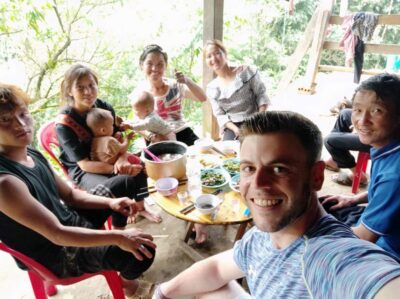
A key part of the experience is visiting a Hmong and local house to explore daily life. That’s where the tour stops being scenery and becomes a real human interaction. You’ll get context for what you’re seeing as you walk: household work, cultural routines, and how people organize their day.
From the guide style shared in the reviews, it sounds like you’ll get more than surface answers. Guides like Mo are specifically noted for sharing interesting facts about life there. That’s the difference between “we walked through” and “we understood what we were seeing.”
A practical tip for this kind of visit: keep your pace calm. In village homes and working areas, quick movement can make you feel like an interruption. If you go slowly and ask simple questions, the whole experience tends to feel more respectful and less awkward.
Uphill to Suoi Thau and the Ta Phin valley outlook
After the first village area, the route continues uphill to Suoi Thau village of the Dzao ethnic people. This shift matters because it changes the scenery and the human context. You’re not just repeating the same walk in different lighting.
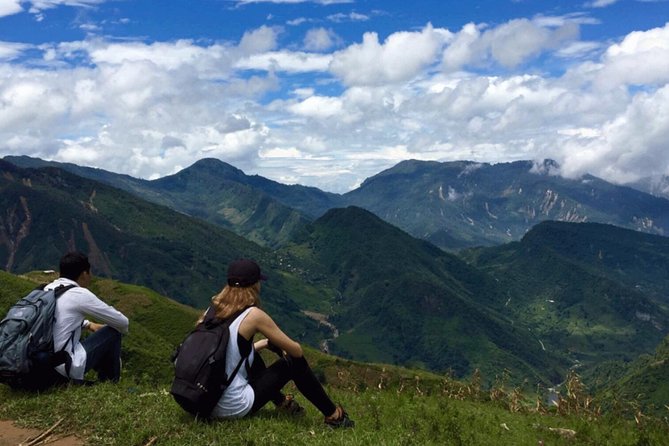
Suoi Thau is also described as a place where you get panoramic views of the Ta Phin valley. That’s a big deal because you’re seeing the valley from within the route, not from one random photo platform. The uphill segment adds effort, but the payoff is the perspective—the way the fields and valleys spread out.
One thing to consider: uphill walking is where you’ll feel the “moderate fitness” note. If you have knee trouble or you get winded fast on slopes, you’ll want to tell your guide and take breaks early rather than waiting until you’re struggling.
- Number one top rated ethical cultural trekking and homestay by ETHOS★ 5.0 · 456 reviews
- Motorbike 1 Day Off The Beaten Track, Hidden Villages, rice field★ 5.0 · 203 reviews
- 1-day Authentik trek & Panorama valley views★ 5.0 · 189 reviews
Transition to the Cai River at sunset: paddleboarding basics
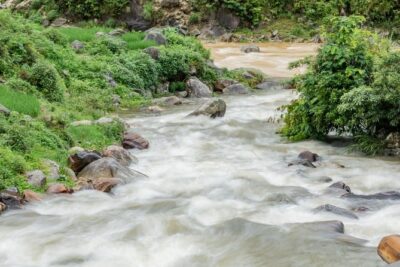
After the morning trek, you switch gears to the Cai River paddleboarding. The tour is designed for all levels. Beginners get a lesson, and once you’re comfortable, you can explore more of the river yourself.
This is where the experience earns its title as one of the best “view + authenticity” combos in Sapa. Sunset light on the river is obvious—but what’s less obvious is how it changes your mood. After hours of walking, you’re not just looking; you’re resting while still moving through the scenery.
And yes, there’s a simple value reason it works: paddleboards are provided, so you don’t need to rent equipment or figure out how to transport it. That keeps the day smoother and lowers the chance of extra costs.
The “small group” effect you’ll actually feel
The description highlights cost control with a small group tour, and the reviews echo the crowd difference. When you’re on trails and visiting villages, group size affects everything: your pace, your ability to ask questions, and how often you have to wait.
A private tour setup is also mentioned: only your group participates. That’s a real advantage if you want the day to feel personal, not like you’re being rushed through at a factory speed.
Even if you’re traveling with friends, you still benefit from the small-group rhythm. You can stop when something catches your attention, and you’re less likely to lose the group because everyone’s moving at a manageable speed.
Included lunch and water: boring details that save the day
One of my favorite things about this tour is what it includes without making a fuss about it.
You get:
- Lunch
- 1 liter of water per person
- Entrance fee
- Transport by car following the program
- An English-speaking guide
For you, that means two practical wins. First, you can spend more of your morning thinking about the route and less time searching for food or guessing what to buy. Second, hydration is handled, which matters because trekking plus humidity can drain you faster than you expect.
What’s not included is also clear: tip, insurance, and personal expenses. If you like to tip, budget for it. If you prefer travel insurance, arrange that separately.
Price and value: why $52 can work out well
At $52 per person, this isn’t a budget price designed to cut corners. It’s better understood as a “pay once, stop worrying” deal.
Here’s the value logic:
- You pay for guide time (English-speaking)
- You get lunch and water (two everyday costs)
- You get transport by car to start segments of the route
- You get paddleboarding equipment provided
- You pay entrance fees as part of the program
When you add those up, the price makes sense—especially compared with the common Sapa pattern where you pay for a trek, then pay again for activities, then pay again for basics.
Also, the fact that it’s commonly booked about 57 days in advance suggests demand. That often means the route runs regularly and the timing is planned well, not random.
What to wear and bring for both trekking and paddling
This is an “outdoors plus water” day, so treat it like two activities stacked together.
What you’ll want:
- Shoes with traction for mud and bamboo shade
- A light rain layer or quick-dry top (Sapa weather can switch)
- A small dry bag or zip pouch for your essentials during paddleboarding
- Sunglasses and sunscreen (sun hits fast when you’re in open terraces)
Don’t wait until you’re on the river to think about comfort. If you’re more comfortable in the first half of the day, you’ll enjoy the paddleboarding half instead of just enduring it.
Who this tour suits best
This tour fits best if you want a day that feels real but still organized.
You’ll likely enjoy it if:
- You prefer non-touristy trails over crowded routes
- You like mixing culture with a physical activity
- You’re open to meeting different ethnic communities (Hmong and Dzao)
- You want a sunset finish that’s relaxing, not another long trek
It’s also a good choice if you’re a beginner at paddleboarding. The lesson is included, and you’ll get the basics before exploring more on your own.
Should you book this non-touristy Sapa day?
If your goal is to get better views and better human context in the same day, I’d book this. The combination of village trekking and a Cai River sunset paddleboard is the key: you’re not just collecting scenery, you’re walking through working areas and then ending the day on the water with provided gear and water handled for you.
Do consider booking only if you’re comfortable with a moderate walking day and you’re ready for outdoor conditions. If you hate hills or expect a fully flat stroll, you might find the uphill part tiring.
But if you want a smoother, less crowded-feeling Sapa experience—one that treats the basics (water, lunch, boards, guide) as part of the plan—this is a strong pick.
FAQ
How much does this Sapa experience cost?
It’s listed at $52.00 per person.
What’s the duration of the tour?
Plan for about 6 to 7 hours.
What time does it start?
The start time is 8:30am, and it ends back at the meeting point.
Is lunch included?
Yes. Lunch is included.
Do I need experience to paddleboard on the Cai River?
No. The tour is for all levels. Beginners get a lesson, and once you’re comfortable you can explore more on your own.
What’s included in the price?
Included items are an English-speaking guide, lunch, entrance fee, transport by car following the program, and 1 liter of water per person.
What should I bring or plan for fitness-wise?
It’s suitable for people with a moderate physical fitness level since it involves trekking. Wear footwear that works on outdoor paths.
Can I cancel for a full refund?
Yes. Free cancellation is available up to 24 hours in advance for a full refund.
Is it only for my group?
This is described as a private tour/activity, meaning only your group participates.
More Tours in Sapa
More Tour Reviews in Sapa
More Sapa Treks We Walked
Latest Sapa write-ups from our team

Sapa Trekking Tours, compared.
 ★ 5.0Sapa 2 Days 1 Night From Hanoi – Overnight in Ta Van VillageFrom $592,669 reviews
 ★ 5.0Hanoi – Sapa 2 Days 1 Night Overnight At HomestayFrom $89899 reviews
 ★ 5.0Sapa: Fansipan Cable, Cat Cat Village & Moana Instagram TourFrom $30777 reviews
 ★ 4.8From Hanoi: 2-Day Sapa Trekking Trip with Homestay & MealsFrom $71704 reviews
 ★ 5.0Sapa 3 Days 2 Nights Trekking Tour (1 Night In Ta Van Village, 1 Night In Hotel)From $139699 reviews
 ★ 5.03-Day Trekking Adventure of Sapa from Hanoi – Stay Ta Van VillageFrom $109611 reviews
 ★ 5.0Sapa 2 Days 1 Night From Hanoi – Overnight in HotelFrom $89440 reviews
 ★ 4.82-Day Sa Pa Ethnic Homestay Tour & Trek with Limousine Bus440 reviews
Browse the lists this tour appears in