
Cool mountain roads, big views, small-group vibes. This full-day Sapa motorbike tour is built for moving past the main tourist route and seeing the daily rhythm of the H’mong, Red Dao, and Dzay communities. I like that you get real village stops (Ta Phin, Hang Da, Ta Van/Lao Chai) and not just a quick photo stop. I also like the mix of nature and culture, with Silver Falls and Muong Hoa Valley rice terraces, plus coffee/tea along the way.
One thing to think about: you’ll be on a motorbike for several hours on winding roads, so it’s best if you’re comfortable with curvy mountain driving and have only moderate fitness needs. If weather is rough, the plan may shift since the experience depends on good conditions.
In This Review
- Key highlights at a glance
- Why this Sapa motorbike day feels more local than a bus tour
- Getting started in Sapa: pickup, meeting points, and what to expect
- Leaving the city fast: winding roads and panoramic mountain moments
- Thác Bạc (Silver Falls): the one-hour-and-change stop you’ll actually remember
- Ta Phin Village and Red Dao houses: culture you can see up close
- Hang Da Village: quiet wooden houses and a wilder feel
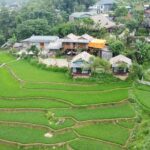
- Ta Van and Lao Chai in Muong Hoa Valley: rice terraces that keep unfolding
- Lunch in a family home: why this stop changes the whole day
- Price and value: is $78 fair for this much riding and support?
- Safety and comfort: the ride reality on mountain roads
- The people factor: why the guides matter most on a day like this
- Should you book this Sapa motorbike tour?
Key highlights at a glance
- Motorbike tour with a professional driver and rider setup so you’re not stuck dealing with traffic and navigation
- Silver Falls (Thác Bạc) included with enough time to actually enjoy the waterfall, not just pass by
- Ta Phin Village for Red Dao traditional houses, with local culture as the focus
- Hang Da Village for a quieter, more rugged feel with simple wooden houses and forest surroundings
- Ta Van and Lao Chai in Muong Hoa Valley, where terraced rice fields fill the view
- Lunch included in a family setting, giving you a more grounded taste of local life
Why this Sapa motorbike day feels more local than a bus tour
Sapa is famous for misty views and dramatic mountains, but the usual route can feel like a photo relay line. This day tour works differently because the core experience is the ride between places—small roads, quick perspective changes, and village life you can actually walk through. You start in town (or get picked up), then you’re soon out toward waterfalls and communities where the scenery isn’t staged for crowds.
The other big difference is pacing. Instead of only stopping at the “big name” sights, you spend time in places like Ta Phin, Hang Da, and Ta Van/Lao Chai. That’s where the tour earns its keep: you’re not just looking at hills, you’re seeing how people live on and around them.
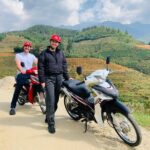
And yes, the motorbike matters. One review summed it up simply: being on the bike makes the day more enjoyable. I get that. You feel the mountain air, the turns come faster than on a bus, and every turn can turn into a viewpoint.
More trails through the Sapa valleys


Getting started in Sapa: pickup, meeting points, and what to expect
You’ll meet in Sapa either at Sun Plaza (near -1 Ng. Cau May) or at the listed address around 4 Đ. Thạch Sơn. Your exact starting point and timing get confirmed when you book. The tour information also indicates an 8:30 am start when pickup is available from your hotel, so plan on a morning start in that range.
This matters because Sapa mornings are often cooler and clearer. The tour begins with that immediate mountain feeling—fresh air, winding roads, and the look of clouds floating above the hills. If you’ve been in a hot city, you’ll appreciate the temperature shift fast.
Practical tip: wear layers. Even if it’s comfortable when you start, mountain weather can change during the ride. A light jacket and closed-toe shoes make this day much easier.
Leaving the city fast: winding roads and panoramic mountain moments
After you get rolling, the early stretch sets the tone. You head along mountain roads where the views open up, then close in again as the road bends. The tour’s route is designed for frequent scenery payoffs: you’re not stuck looking at the same patch of road for hours.
This is also where the ride experience becomes part of the “tour story.” On this kind of route, you’re not only traveling between stops—you’re watching Sapa reveal itself in layers. Clouds sit over the ridgelines, and when the sky clears, the mountain tones can look almost unreal.
If you’re prone to motion sickness, this is the part where you’ll want to be prepared. Bring anything you normally use for long rides, and sit where you feel most stable on the bike setup your driver uses.
Thác Bạc (Silver Falls): the one-hour-and-change stop you’ll actually remember
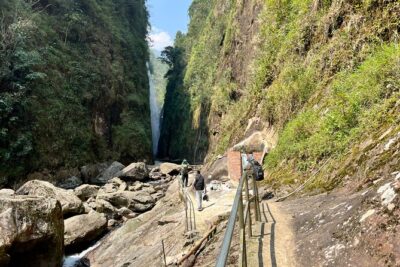
Silver Falls (Thác Bạc) is your first major nature anchor. The tour frames it as a dramatic white ribbon in the mountains and forests—an image you’ll understand once you’re there. The drive from central Sapa is short (about 30 minutes), which is great because it keeps you fresh for the walking and viewing.
You’ll spend about 1 hour 30 minutes at the falls area. That’s long enough to pause, take photos, and notice how the water sits against the rock and forest backdrop. Too-short waterfall stops are common in Vietnam tours; this one gives you time to slow down.
What could be tricky: waterfalls often mean slippery paths. Wear shoes with decent grip and take your time on any slick sections. Also, if the weather is cloudy or misty, you may still get a beautiful view, but it can feel damp underfoot.
Ta Phin Village and Red Dao houses: culture you can see up close
From Silver Falls, you continue to Ta Phin Village, known for traditional Red Dao houses. This stop is about more than ticking a box. The tour’s focus is on seeing local life and the architecture that reflects it—house shapes and materials that belong to the landscape and the people.
You’ll spend around 2 hours here. That length is important. It gives you time to walk at a relaxed pace, look around, and ask questions through your English-speaking guide. You also get context for why these communities are where they are and what life looks like away from the main Sapa roads.
One note: cultural stops can vary in how much you’re allowed to photograph or how much people want to talk. When it comes up, be respectful and follow the guide’s lead. This is exactly the kind of day where good manners matter more than perfect camera settings.
More nights on the back of a Vespa
- Motorbike 1 Day Off The Beaten Track, Hidden Villages, rice field★ 5.0 · 203 reviews
- Sapa Motorbike Experience: Local Life, Rice Fields & Waterfalls★ 5.0 · 70 reviews
- Ultimate Sapa Motorbike Tour: Villages & Waterfalls★ 5.0 · 69 reviews
Hang Da Village: quiet wooden houses and a wilder feel
Next is Hang Da Village. This is described as more “wild” and less built-up, with small wooden houses and mossy surfaces, plus a peaceful atmosphere among mountains and forest. In other words, it’s the kind of place where you feel like you’ve stepped into a slower tempo.
You’ll get about 1 hour 30 minutes here. That’s enough time to get the vibe without rushing. The route also matters, because the ride into Hang Da contributes to the mood: you’re leaving behind more obvious main roads and moving toward smaller tracks and mountain edges.
The main drawback here is also the main reason it’s special: it can feel remote and less “tour-ready.” There may be fewer obvious amenities than at bigger stopping points, so bring what you need (water bottle, wipes, small cash for personal snacks if you want them—lunch is included, but you might still want extras).
Ta Van and Lao Chai in Muong Hoa Valley: rice terraces that keep unfolding
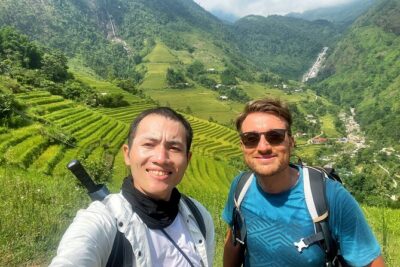
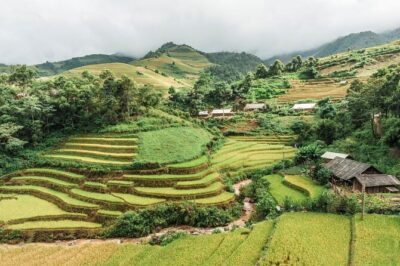
Your next big region is Ta Van Village, plus Lao Chai. These areas are home to H’mong and Giay communities and sit in Muong Hoa Valley, where terraced rice fields stretch out in tiers.
The tour calls out the endless terraces, plus panoramic views from the roads and viewpoints you pass along. If you’ve seen rice terraces in photos before, this is where you’ll understand the scale. Terraces don’t just sit there—they guide paths, shape water flow, and create a living patchwork.
You’ll spend about 2 hours across this segment (Ta Van and Lao Chai time combined). That’s plenty to get several angles on the fields and to notice how village life connects to farming.
Small reality check: terrace views can depend on the season and weather. The tour’s overall plan needs good conditions, so you may get clearer skies at times when the day is at its best. If clouds roll in, it can still be dramatic, just more muted.
Lunch in a family home: why this stop changes the whole day
This tour includes lunch cooked in a family home. That turns the day from a sightseeing loop into something more personal. You’re eating in a place where you’re likely to see how the household runs—what’s prepared, how the meal is served, and what “normal” looks like in that community.
Because the lunch is included, you don’t lose time searching for food in between stops, which matters on a full day schedule. It also tends to be a practical way to sample local flavors without turning the day into another logistics puzzle.
To make this part smoother, go in with a flexible attitude. Family meals can be simple and hearty, and the exact dishes aren’t specified here. If you have dietary needs, it’s worth mentioning when you book so the provider can advise what’s realistic.
Price and value: is $78 fair for this much riding and support?
At $78 per person for a 7–8 hour private motorbike day, this is priced in the “you’re paying for convenience and access” category. And in this case, you do get real value signals:
- Licensed English-speaking guide plus a professional driving setup for the motorbikes
- Fuel/gas and entry fees included, which removes a chunk of surprise costs
- Lunch included, so your time stays focused on the route instead of hunting meals
- Small-group/private format, meaning your day isn’t shared with strangers beyond your own group
Also, your itinerary includes multiple villages plus a major waterfall. That’s a lot of route planning and time-management that a bus tour usually can’t handle as well. You’re not paying only for the sights—you’re paying for the ability to move between them with less friction.
The main reason you might feel it’s expensive is simple: if you don’t enjoy riding roads in the mountains, the price won’t feel “worth it.” But if you like nature stops plus actual village walking, it’s a solid deal for Sapa.
Safety and comfort: the ride reality on mountain roads
This is a motorbike tour, and even with a professional driver, you should treat the ride seriously. The tour includes a pro driver and riders, plus motorbikes that may be semi-automatic or manual. That’s helpful because it means the operator is matching the bike to the driving approach.
The tour is also described as requiring only moderate physical fitness. That usually means you’ll be walking a bit at villages and around sightseeing points, but you’re not expected to do long climbs or technical hiking. Still, you’ll be outside for most of the day, so bring water and plan on taking it slow at any slippery sections.
If you’re sensitive to height or shaky rides, you can ask your guide for the most stable seating arrangement based on the setup. Don’t wait until you’re already moving.
The people factor: why the guides matter most on a day like this
The strongest feedback tied to this experience is the guides. The day is complex enough—multiple villages, changing viewpoints, traffic navigation, and cultural context—that guide quality becomes a make-or-break factor.
You’ll feel it in the details: keeping schedules tight, explaining what you’re seeing, and making sure the day stays smooth from start to finish. I also like that the tour is designed around communication: an English-speaking guide is included, which reduces the awkwardness that can happen at smaller village stops.
So if you care about understanding what you’re looking at—rather than just collecting photos—this kind of guide-led format is where you’ll get your money’s worth.
Should you book this Sapa motorbike tour?
Book it if you want a full-day Sapa experience that mixes Silver Falls, Red Dao Ta Phin houses, Hang Da’s quiet village feel, and Muong Hoa Valley rice terraces—all while traveling by motorbike with professional support. This is especially good for couples, friends, and small groups who like active travel and don’t mind curvy roads.
Skip it (or ask extra questions before booking) if you dislike long time on a motorbike, feel uneasy with mountain driving, or need a very low-walking, slow pace. Also remember the experience requires good weather, so if conditions are poor, the provider may offer a different date or a refund.
If you’re the type who likes Sapa beyond the main roads, this tour has the structure to get you there—and the guiding support to make it feel human, not rushed.
More Tour Reviews in Sapa
More of Hanoi on Two Wheels

More Sapa Treks We Walked
Latest Sapa write-ups from our team

Sapa Trekking Tours, compared.
 ★ 5.0Sapa 2 Days 1 Night From Hanoi – Overnight in Ta Van VillageFrom $592,669 reviews
 ★ 5.0Hanoi – Sapa 2 Days 1 Night Overnight At HomestayFrom $89899 reviews
 ★ 5.0Sapa: Fansipan Cable, Cat Cat Village & Moana Instagram TourFrom $30777 reviews
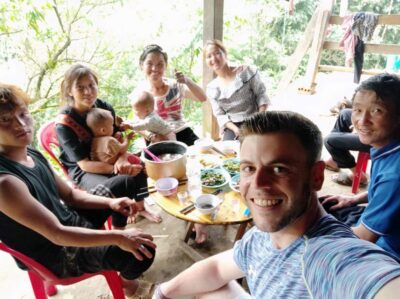 ★ 4.8From Hanoi: 2-Day Sapa Trekking Trip with Homestay & MealsFrom $71704 reviews
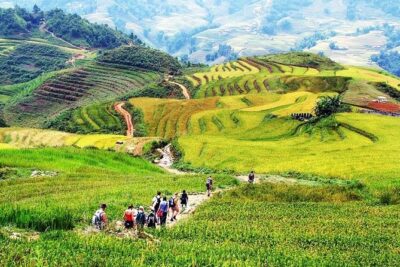 ★ 5.0Sapa 3 Days 2 Nights Trekking Tour (1 Night In Ta Van Village, 1 Night In Hotel)From $139699 reviews
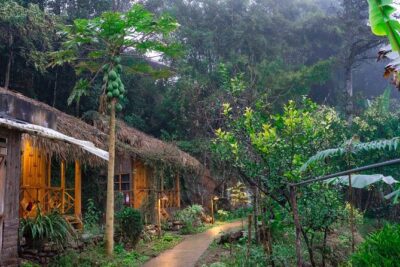 ★ 5.03-Day Trekking Adventure of Sapa from Hanoi – Stay Ta Van VillageFrom $109611 reviews
 ★ 4.82-Day Sa Pa Ethnic Homestay Tour & Trek with Limousine Bus440 reviews
 ★ 5.0Sapa 2 Days 1 Night From Hanoi – Overnight in HotelFrom $89440 reviews
Browse the lists this tour appears in