
Reviewed · COFFEE EXPERIENCES
Hanoi: Salt Coffee Workshop Awake Your Senses With 6 Brews
Salt foam and egg froth turn Hanoi coffee into a lesson you can taste. This 3-hour workshop takes you through Vietnam’s coffee story and hands-on brewing, with guides such as Lin, Phil, and Giang bringing the methods to life. You’ll go beyond trendy salt coffee and also master classics like egg coffee and pour-over.
I love how practical it is: you’re not just watching. You’ll learn how the tools work, then make multiple Vietnamese brews yourself, including salt coffee and egg coffee, so you understand what’s happening in the cup.
I also love the take-home value. You get a recipe book plus free digital coffee books related to the workshop, so the learning doesn’t stop when the last cup is gone. One thing to consider: with six drinks plus cocktails and local wine available, plan your day around a caffeine-and-sugar moment, not an early quiet afternoon.
In This Review
- Quick highlights from the Hanoi coffee workshop
- Salt coffee in Hanoi: what this 3-hour workshop really teaches
- Your first stop: welcome drinks and setting up the tasting mindset
- Learning the beans: growing, roasting, and what green coffee beans add
- The hands-on part: how the tools and technique work
- The six brews you make and taste in Hanoi
- Vietnamese salt coffee
- Signature Vietnamese egg coffee
- Original Vietnamese brown coffee
- Vietnamese coconut coffee
- Pour-over coffee
- Coffee cocktails with jam and local wine
- The setting and the pace: why the workshop feels more human than touristy
- Price and value: is $23 fair for Hanoi coffee?
- Who this workshop is best for (and who might skip)
- How to plan your day around it
- Should you book the Hanoi Salt Coffee Workshop?
- FAQ
- Where is the meeting point?
- How long is the workshop?
- What will I make and taste?
- Is the instructor available in English?
- Is hotel pickup included?
- Do they offer private groups?
- What do I take home after the class?
Quick highlights from the Hanoi coffee workshop
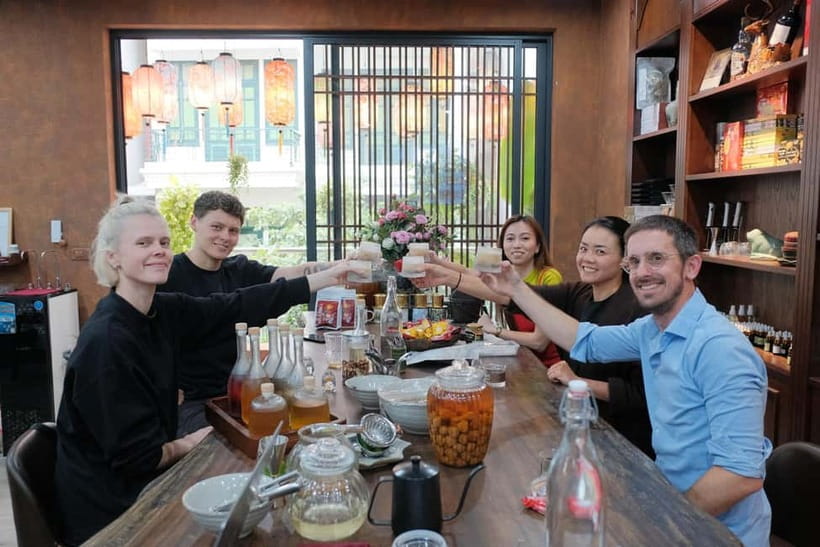
- Six-brew tasting and hands-on making: learn and taste iconic Vietnamese styles, not just one signature drink
- Coffee tech, not coffee trivia: grinders, filters, and brewing technique you can repeat at home
- History tied to how coffee is grown and roasted: you’ll see beans and learn about roasting and even green coffee beans
- Salt coffee and egg coffee in one session: two of Hanoi’s most recognized textures and flavors
- Pour-over to balance bitterness: you get a method that spotlights sweetness and subtle fruit notes
- Guides who teach in plain English: many sessions are praised for clear explanations and friendly pacing
Salt coffee in Hanoi: what this 3-hour workshop really teaches
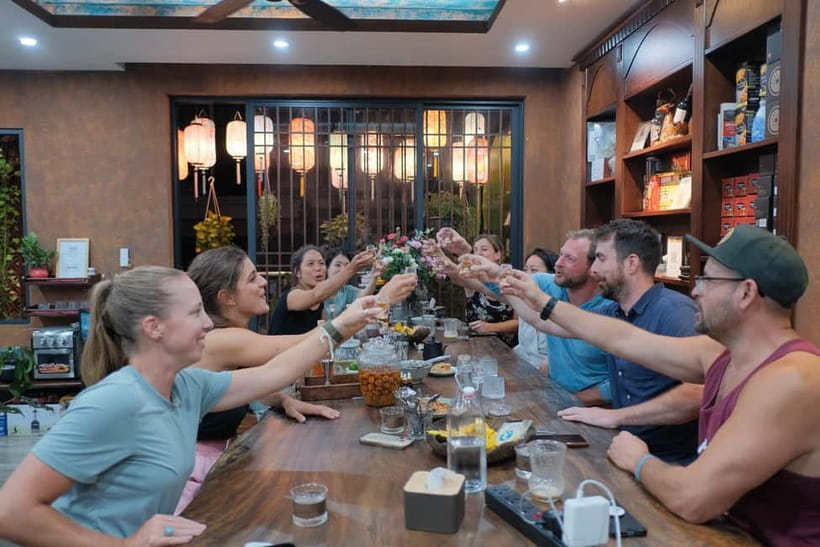
Hanoi is famous for coffee styles that feel a little unreal the first time you see them. Salt coffee with its creamy foam. Egg coffee with a cloudlike yolk topping. Pour-over coffee that tastes less bitter than what you might expect. This workshop takes those famous drinks and turns them into a repeatable skill set.
The structure is built for learning by doing. You start with welcome refreshments, then you move into a workshop that runs close to three hours. The focus isn’t only on taste. You also get guided lessons on how coffee became popular, how beans are cultivated and roasted, and what separates a solid cup from a weak one.
What you’ll end up with is a mental checklist you can use anywhere in Vietnam: how to approach Vietnamese robusta-based coffee, how sweetness and texture get built, and how different brewing methods change bitterness and aroma.
And yes, you’ll drink a lot. That’s the point. But it also means you should treat this as a main activity, not a quick add-on between sightseeing stops.
Worth a glance beside this Hanoi pick:



Your first stop: welcome drinks and setting up the tasting mindset
Before the coffee lesson gets serious, you begin with welcome refreshments and snacks for about 15 minutes. It’s a simple start, but it matters. It helps you settle in without feeling like you’re walking into a lecture.
This short buffer also sets expectations. Vietnamese coffee here isn’t just about flavor. It’s about texture, sweetness, and how the drink is assembled. When you’re about to make salt coffee and egg coffee yourself, paying attention early helps you notice the details later—how the cream foam holds up, how the egg froth changes the aroma, and how the sweetness balance is built.
In practical terms, this is where you’ll get the rules of the room: when you’ll taste, when you’ll brew, and how you’ll use the tools. It’s not a silent, sit-back tour. It’s active.
Learning the beans: growing, roasting, and what green coffee beans add
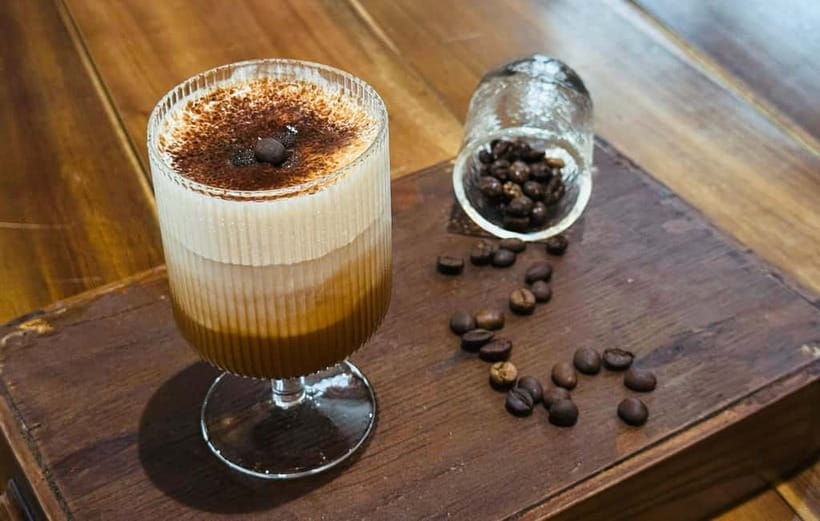
One of the strongest parts of the workshop is that it connects brewing to process. You’re taught an overview of coffee history and how the crop took off in Vietnam and beyond. Then the lesson moves into what matters for flavor: cultivation and roasting.
You’ll also see different coffee beans and coffee-making equipment used in Vietnam. That visual part is a big help if you’re new to coffee. It turns vague ideas—like roasting level or bean type—into something you can point at.
A highlight is the talk about roasting and the mention of special green coffee beans. Even without turning you into a roaster yourself, it gives you a better sense of why Vietnamese coffee often tastes strong and bold. Roasting choices are part of the story, and Vietnamese styles tend to lean into darker profiles and robusta strength.
This is also where the guide helps you avoid common shopping mistakes. You’ll learn tips on how to tell authentic coffee from counterfeit or bad coffee, along with technique requirements for making a great cup. That’s a real travel skill, not just an in-room lesson.
The hands-on part: how the tools and technique work
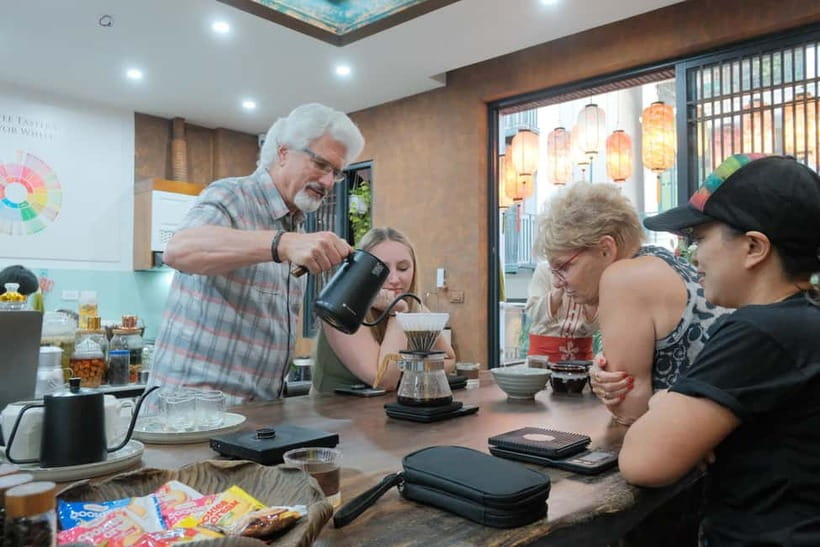
You’ll work with equipment like filters and grinders, then apply brewing steps to your drinks. You don’t have to already know espresso or pour-over to do well. The workshop is designed so the technique makes sense as you do it.
Here’s what you’ll likely take away from the tool-focused part:
- How grind size affects extraction and bitterness
- Why filtration and water flow change body and clarity
- How Vietnamese sweetened styles balance strong coffee with added elements
If you like method, you’ll enjoy this. If you just want great coffee, you’ll still get something out of it because the technique explains why the drinks taste the way they do.
The best guides in these sessions—people like Phil, Lin, Giang, Jessica, and Luca have all been praised—are the ones who can answer questions without making you feel silly. You’ll hear lots of practical tips on what makes a cup work, plus guidance during brewing so you’re not left guessing.
The six brews you make and taste in Hanoi
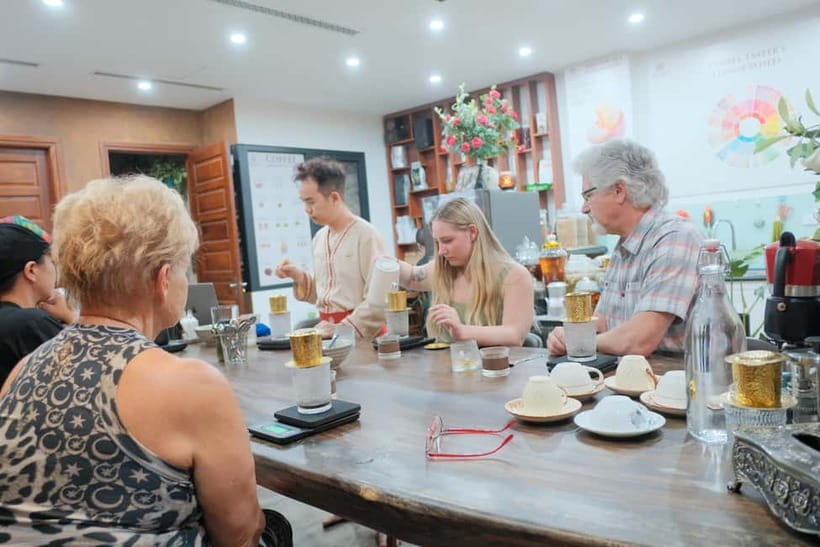
This workshop’s core is the set of Hanoi icons you learn to make. The menu can be adjusted if you have special dietary requirements, but the session is built around Vietnamese classics and at least one cocktail-style coffee.
Worth a glance beside this Hanoi pick:
- Hanoi Cooking Class: Culture, Local Market & Meaning CSR Impact★ 5.0 · 5,147 reviews
- 5 Traditional Dishes Hanoi Cooking Class with Market Trip★ 5.0 · 4,890 reviews
- Hanoi Coffee Workshop: Taste Salt, Coconut and Egg Coffee★ 5.0 · 1,286 reviews
Vietnamese salt coffee
Salt coffee is the star for a reason. It’s strong robusta coffee topped with smooth salted cream foam. When you make it, you quickly understand that the salt isn’t there to taste like a kitchen pantry. It’s there to round off bitterness and change how the foam interacts with the coffee.
Signature Vietnamese egg coffee
Egg coffee is all texture. Silky egg yolk froth sits on top of strong dark coffee. The lesson here isn’t only about whisking technique; it’s also about how the topping changes aroma and perceived sweetness. It’s light on the tongue compared with how intense it smells.
In many sessions, guides like Lin or Giang are praised for making the process feel clear and calm, even if you’ve never worked with egg froth before.
Original Vietnamese brown coffee
This is the dark-roasted, classic Vietnamese flavor profile. You’ll brew it to get that bold, intense coffee experience that makes robusta so famous in the region. It’s a great reference cup because it helps you compare every other brew.
Vietnamese coconut coffee
Coconut coffee brings balance. It’s strong coffee with smooth coconut milk, so you get a gentler, rounder feel than plain black-style coffee. It’s refreshing without losing the Vietnamese coffee backbone.
Pour-over coffee
Pour-over is the method that shows you how brewing style can reduce bitterness. You’ll learn a way that lets natural sweetness and subtle fruit notes come through more clearly than heavier methods. Even if you’re used to strong coffee, this is the drink that helps you reset your expectations.
Coffee cocktails with jam and local wine
The workshop also includes signature coffee cocktails with jam and local wine, plus a selection of local Vietnamese wines. You may also see an espresso martini-style drink featured on the menu, with espresso, coffee liqueur, and vodka.
This part is fun, but it has a purpose. It teaches you how coffee can work beyond a cup of black bitterness—how flavor additions and alcohol pairings change the overall profile.
One practical caution: multiple reviews warn, in their own way, that the day can get heavy on caffeine, sugar, and alcohol. So if you plan to go out for a long evening right after, pace yourself and bring water.
The setting and the pace: why the workshop feels more human than touristy
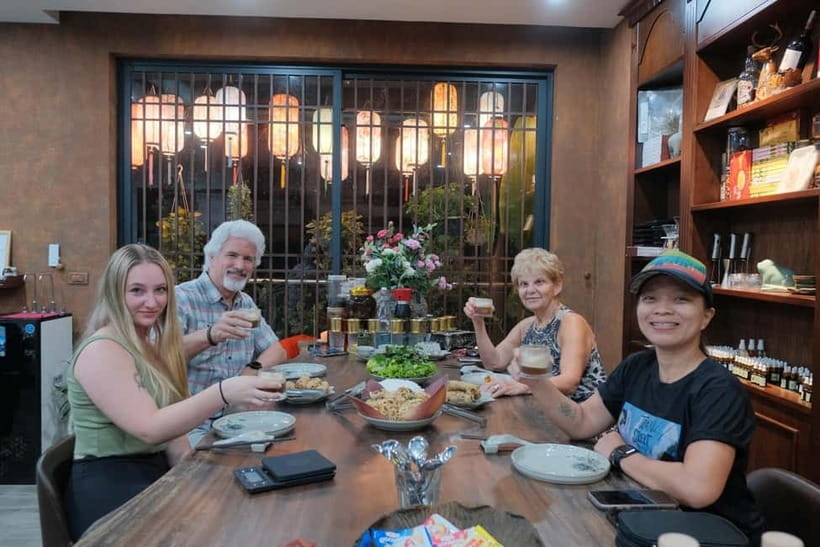
Most of the praise in these sessions comes from the feeling in the room. People mention guides who explain with passion and clarity, and who keep the workshop relaxed instead of rushed.
That matters because Vietnamese coffee can feel like a mashup of flavors and techniques at first. If the pacing is chaotic, it becomes drinking for the sake of drinking. If it’s paced well, you actually learn why each drink works.
A common theme in the feedback is how attentive the guides are: answering questions, guiding you through brewing steps, and helping you get good results. Some guides are also praised for prep support and for sending instructions after the workshop so you can recreate the drinks later.
So while the workshop includes equipment and recipes, the real value is the teaching style. It turns a single visit into a skill you can carry around.
Price and value: is $23 fair for Hanoi coffee?
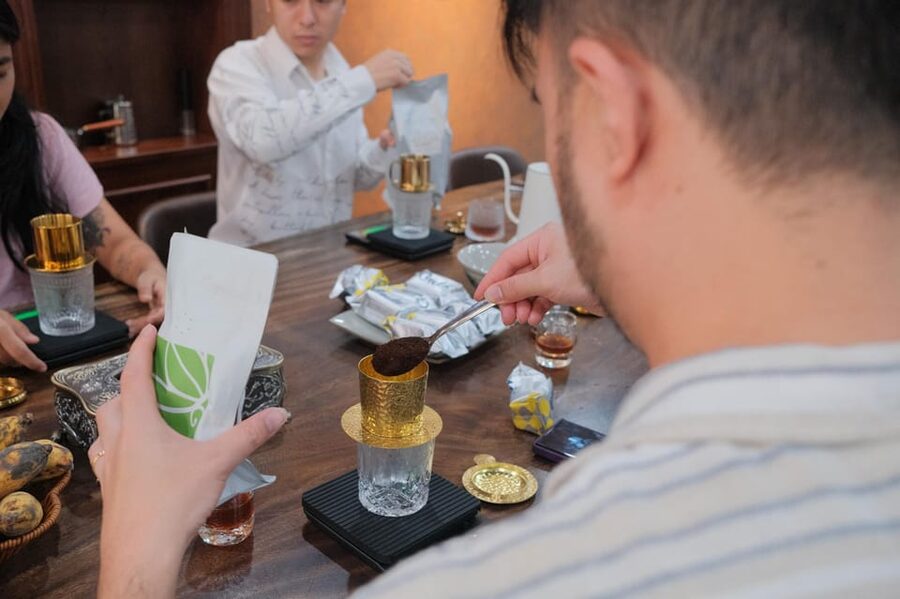
At about $23 per person for a 3-hour experience, this workshop compares well to other Hanoi food and drink classes. The price isn’t just “pay to taste coffee.” It includes:
- Coffee history, cultivation, and roasting techniques
- Guidance from seasoned coffee professionals
- Equipment for making drinks
- Welcome refreshments and snacks
- Hands-on brewing for multiple Vietnamese styles
- Coffee cocktails and local wine selection
- A recipe book you can use later
- Free digital coffee books
- A professional certificate if you request it
When you look at it like that, the cost becomes easier to justify. You’re getting a structured mini-course plus a tasting-and-making session. You’re also leaving with printed and digital materials, which means you’re buying learning you can revisit.
One more value point: you return to Hoàn Kiếm after the workshop. That keeps the experience convenient for most stays in the center.
Who this workshop is best for (and who might skip)
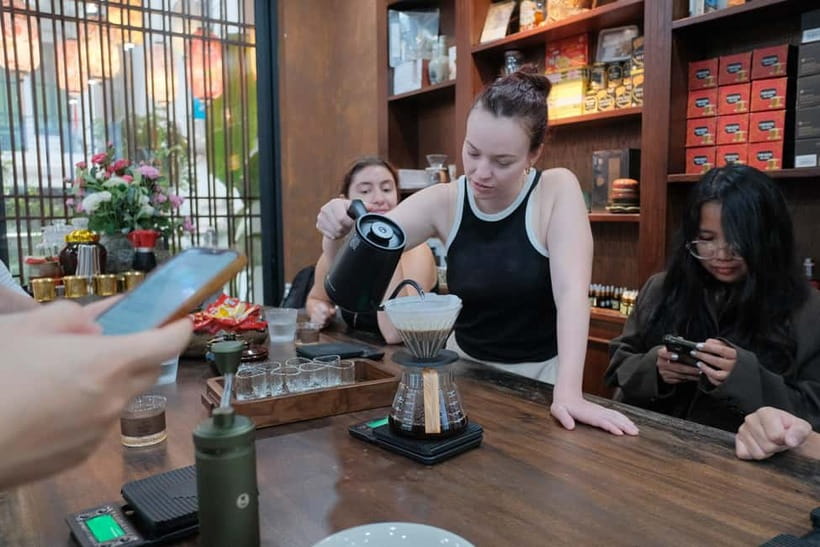
This is ideal if you:
- Like hands-on classes where you learn by making
- Want to understand Vietnamese coffee beyond salt and egg
- Enjoy tasting multiple styles in a single sitting
- Want a practical recipe set to try later
It’s also a good pick if you’re a coffee beginner. The workshop focuses on technique and clarity, and guides are praised for making the steps feel doable.
You might consider skipping if you:
- Avoid caffeine or don’t tolerate strong coffee well
- Prefer low-sugar activities
- Want a sightseeing-heavy day with minimal “class time”
How to plan your day around it
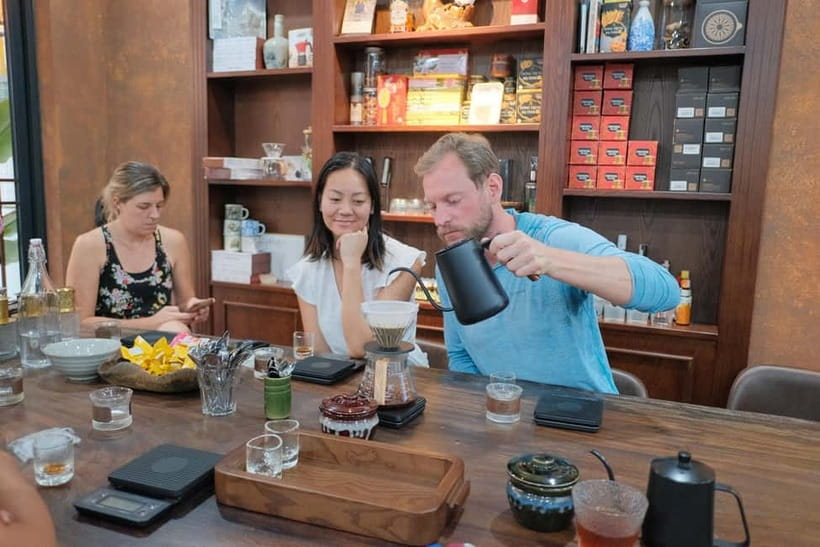
Plan for this to be a centerpiece activity. You’ll drink multiple coffee styles and also have cocktail and wine components. If you’re moving on to other parts of Hanoi right afterward, schedule an easy afternoon or early evening rather than a marathon.
Also, save room for the flavor transitions. Salt coffee and egg coffee hit differently. Pour-over can feel lighter and sweeter. Then the cocktail and wine portion shifts the mood again. Treat it like a guided menu, not random sips.
Should you book the Hanoi Salt Coffee Workshop?
If you want a real Vietnamese coffee skill, not just a photo with a famous drink, I’d book this. The combination of history, hands-on brewing, and a menu that includes salt coffee and egg coffee gives you both context and results you can recreate.
Book it if your schedule can handle about 3 hours and you’re okay with strong coffee and likely sweet and alcoholic elements. If you’re sensitive to caffeine or sugar, check with the team about menu adjustments for your dietary needs and then decide based on your comfort.
Bottom line: for the price, you’re getting a structured coffee education plus a memorable tasting and making session in central Hanoi.
FAQ
Where is the meeting point?
You meet at Alley 75, Lane 173, Hoang Hoa Tham Street. Stand at the intersection with a big yellow sign that says Bia Hoi Mau Dich.
How long is the workshop?
The workshop runs about 3 hours.
What will I make and taste?
You’ll get hands-on experience making Vietnamese salt coffee, Vietnamese egg coffee, original Vietnamese brown coffee, coconut coffee, and pour-over coffee. You’ll also taste signature coffee cocktails with jam and local wine, along with a selection of local Vietnamese wines. The menu can be adjusted on request for dietary requirements.
Is the instructor available in English?
Yes. The instructor speaks English.
Is hotel pickup included?
Pickup and drop-off are included only for locations within the Old Quarter area. For guests staying outside the French Old Quarter area, pickup can be requested for an additional fee.
Do they offer private groups?
Yes. Private group options are available, and hotel pick-ups for private groups are complimentary within 10 km from the Hanoi Post Office.
What do I take home after the class?
You receive a recipe book, plus free digital copies of coffee books related to the workshop. A professional certificate is available if requested.
More Workshops in Hanoi


More Coffee Experiences in Hanoi
More Tour Reviews in Hanoi






Latest Hanoi write-ups from our team





Coffee Experiences, compared.
 ★ 5.0Hanoi Coffee Experience: 6 Brews, 9 Recipes & 3 Liquor TastingsFrom $172,945 reviews
 ★ 5.0Hanoi Coffee Workshop: Taste Salt, Coconut and Egg CoffeeFrom $161,286 reviews
 ★ 4.9Vietnamese Street Food Tour with Egg CoffeeFrom $24315 reviews
 ★ 5.0Hanoi Cooking Class: Pho/Bun Cha/Banh Xeo…+Free Egg/Salt CoffeeFrom $19267 reviews
 ★ 5.0Vietnamese Coffee Workshop with 6 Brews and 8 RecipesFrom $34237 reviews
 ★ 5.0Ha Noi Egg Coffee ClassFrom $12227 reviews
 ★ 5.0Hanoi Coffee Workshop: Master 6 Signature Vietnamese CoffeeFrom $18171 reviews
 ★ 5.0Hanoi French Quarter: Coffee and StoriesFrom $29170 reviews
Browse the lists this tour appears in