
Reviewed · HANOI COOKING CLASSES
Hanoi: Maya Traditional Cooking Class & Market Tour
The smell of fresh herbs starts everything. I love the market-first approach and the hands-on pace that lets you learn by doing, not watching, plus you finish with Hanoi staples like egg coffee. One heads-up: the afternoon session can be trickier if the market isn’t operating that day.
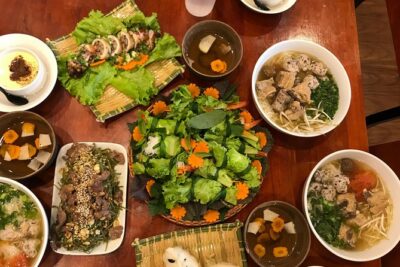
You’ll walk around Yen Thai market, see how ingredients are chosen, then go straight into the kitchen to make four dishes step by step: fried spring rolls, papaya salad, pho rolls, and mixed pho. Dessert is seasonal fruit, and there’s also a local wine tasting thrown in so the meal feels like a real night out, not just a class.
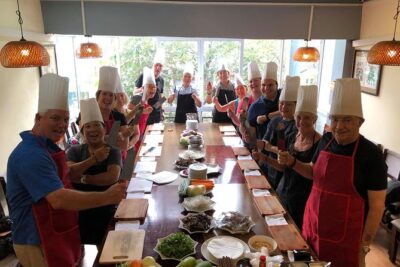
This is a small group format, capped at 10 people, and the instructor teaches in English and Vietnamese. If you’re coming from a hotel, plan to meet at the Travel agency Crossing Vietnam Tour office since hotel pickup or drop-off isn’t included.
In This Review
- Key takeaways before you go
- Why this Hanoi cooking class feels different from a demo
- Yen Thai market: where you learn ingredients, not souvenirs
- What to watch for in the market
- Step-by-step cooking in a real teaching kitchen
- Fried spring rolls: the classic you make with your hands
- Papaya salad: the sour-sweet balance lesson
- Pho rolls (pho cuon): where you learn delicate technique
- Mixed pho (pho tron): understanding Hanoi’s noodle culture
- Egg coffee and local wine: the sweet and grown-up pairing
- The menu you’ll make (and what it teaches)
- Price and timing: what $22 gets you in Hanoi terms
- Small group energy: why 10 people feels better than a crowd
- Who should book, and who might not love it
- Should you book Maya Traditional Cooking Class & Market Tour?
- FAQ
- How long is the Hanoi Maya Traditional Cooking Class & Market Tour?
- Is hotel pickup or drop-off included?
- What dishes are you taught to make?
- Is the class a small group?
- Does the tour include a market visit?
- What’s included with the meal?
- What if I book an afternoon session?
Key takeaways before you go
- Yen Thai market time helps you understand ingredients and easy substitutions
- Small group (10 max) means you can actually keep your hands busy
- Four dishes plus egg coffee gives you both savory and sweet skills
- Local wine tasting adds a Vietnam-flavored finish to the class meal
- Seasonal fruit dessert keeps things light after a full cooking session
Why this Hanoi cooking class feels different from a demo
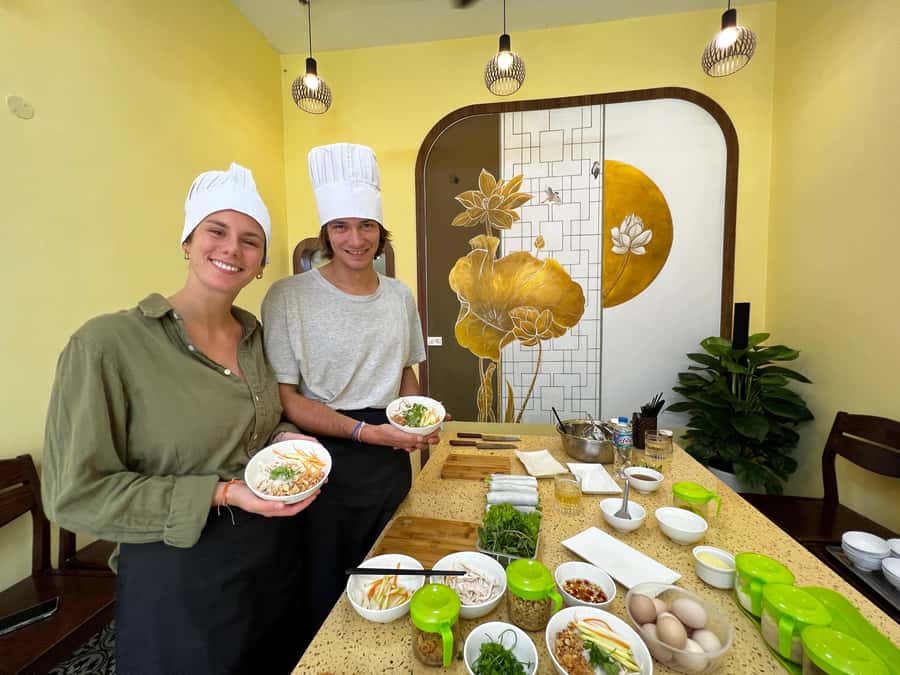
Most food classes either show you a finished plate or turn into a long “stir and hope” experience. This one is structured to make the learning practical. You start with buying ingredients at a local market, then you cook the dishes using what you picked.
I especially like how the menu includes both technique-heavy items (like making pho rolls) and flavor-building items (like papaya salad). That mix means you’re not just copying recipes; you’re learning what makes each dish taste right.
The group limit matters too. With up to 10 people, the instructor can step in when your dough feels too stiff or your roll edges won’t seal. In past sessions, guides such as Lee, Devin, Ruby, and Anne have been noted for clear instructions and patient pacing, which is exactly what you want when your hands are learning new moves.
More aprons on in Hanoi kitchens

Yen Thai market: where you learn ingredients, not souvenirs
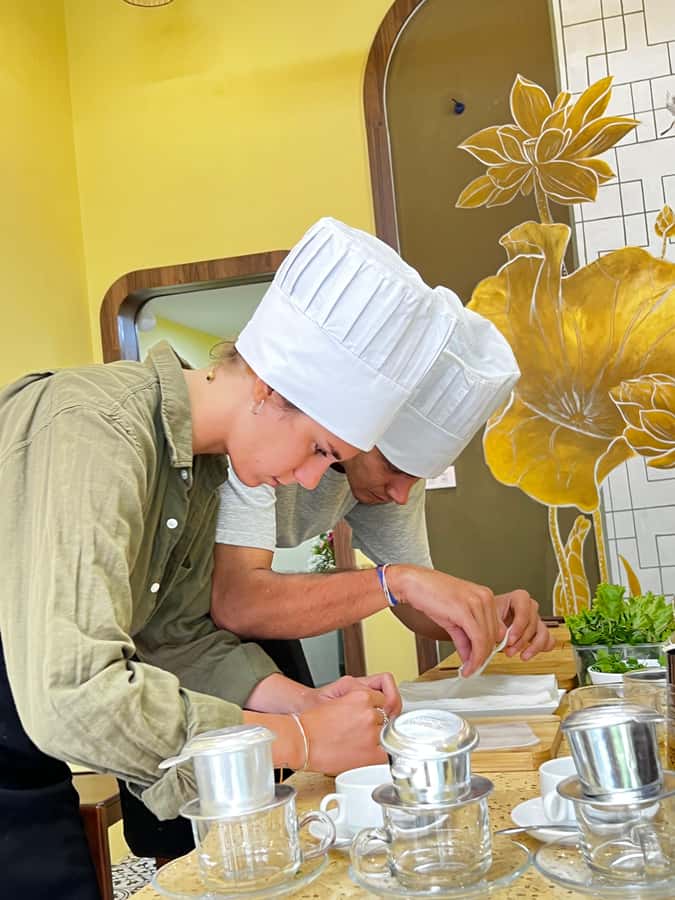
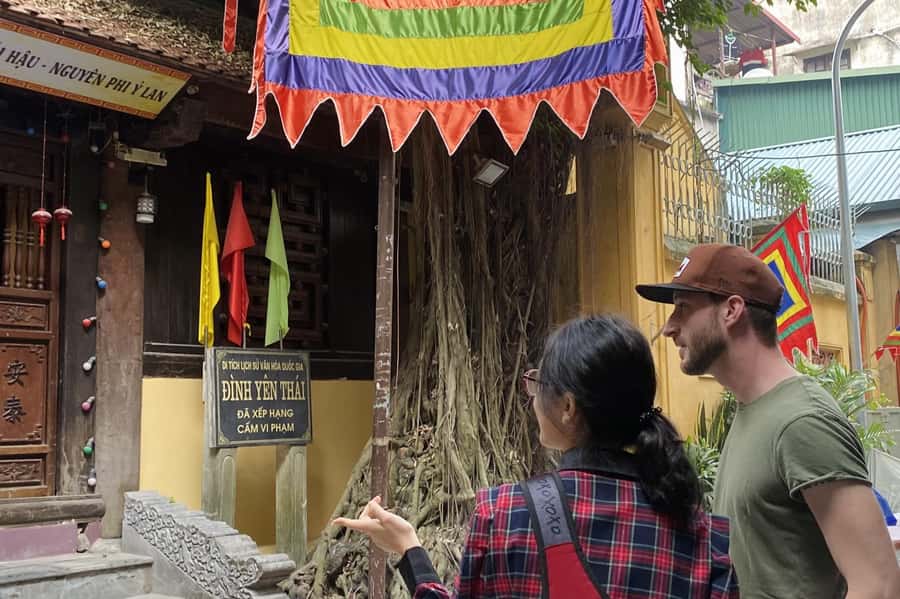
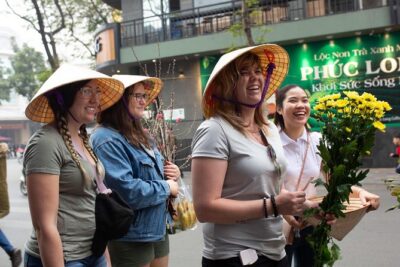
Your tour begins with a welcome at the office, then you head to Yen Thai market. This isn’t a rushed stop for quick photos. You’re there to get a feel for everyday local life, see fresh produce up close, and understand what Vietnamese cooks look for when they buy.
A market stop also helps with substitutions, and that’s a big deal if you want to recreate dishes later. Vietnam cooking leans on fresh aromatics, dried pantry staples, and sour-sweet flavor balance. When you see what’s commonly sold and how it’s used, you can make smarter choices back home.
You’ll also buy the ingredients needed for class. That means when you’re later in the kitchen, you already know what you’re holding: papaya for sour-sweet crunch, herbs for freshness, and wrappers and fillings for the spring rolls and rolls. One practical bonus: a few guests have pointed out the production of fruit variety at the market, which makes the market feel like part of the tasting.
What to watch for in the market
- If you book the afternoon session, remember markets may not be available on some days since local markets often run in the morning.
- Wear comfortable shoes. Market floors can be uneven, and you’ll likely move a bit.
- Come ready to ask questions. This is where you’ll hear the ingredient logic behind the cooking.
Step-by-step cooking in a real teaching kitchen
After the market, you’ll head into the kitchen for your cooking lesson. The instruction format is hands-on, with step-by-step guidance for each dish. The class is designed so you start with something that builds fundamental skills before moving to more specific flavor work.
In past sessions, many guests have praised guides for guiding clearly in English and for switching smoothly when needed. Names that have shown up in recent experiences include Stefanie, Chloe, Stephanie, and Lena—each noted for keeping the class organized and easy to follow.
Also, don’t expect a chaotic free-for-all. This is more like a structured workshop: you learn, you practice, then you eat what you made.
Fried spring rolls: the classic you make with your hands
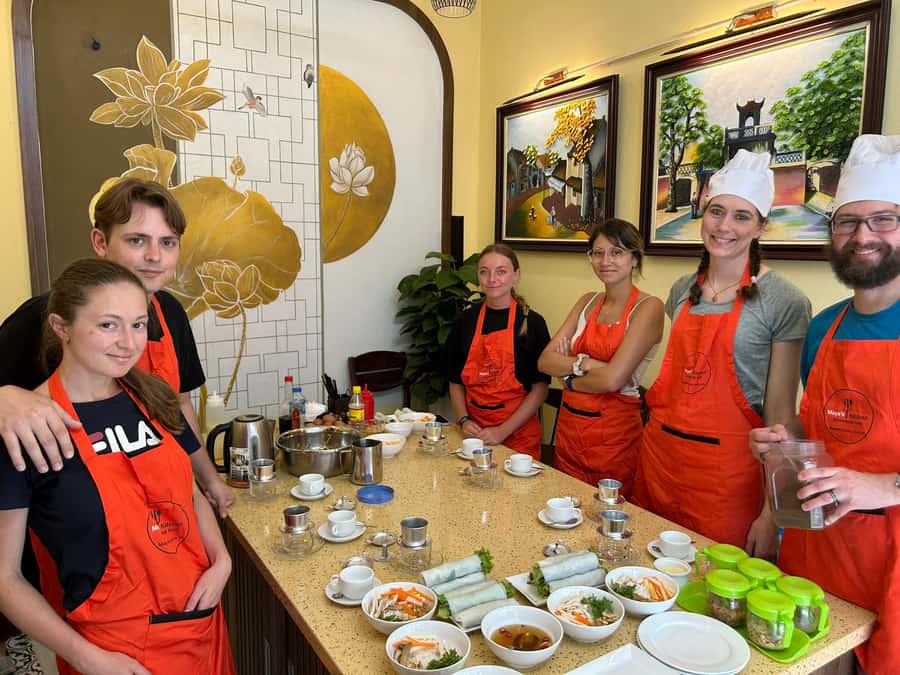
You’ll start with fried spring rolls, often described as a holiday and gathering favorite. The goal isn’t just to get a tasty bite; it’s learning the mechanics that make spring rolls look neat and cook evenly.
You’ll work on getting rolls that are consistent. That means paying attention to how you place the filling, how you fold, and how you seal the edges. One reason this dish is such a good first lesson: it teaches you control. If your wraps are uneven or your filling is too thick, it shows immediately when you fry.
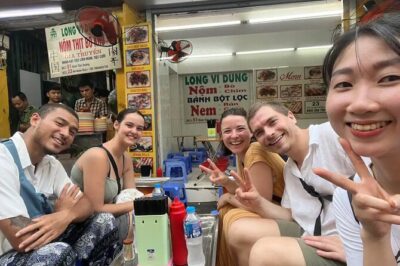
A lot of the fun is that you’re actively doing the whole sequence. More than one guest has described the energy of cooking spring rolls while the street life rolled by outside, and the class atmosphere has been called straightforward, fun, and focused.
Worth a glance beside this Hanoi pick:
- Rose Kitchen Hanoi: Market, Cooking & Culture Tour + Free PickUp★ 5.0 · 342 reviews
- Hanoi: Cooking Class in a Local Villa with Market Tour★ 4.9 · 320 reviews
- Hanoi Maya Kitchen: Traditional Cooking Class & Market Tour★ 5.0 · 287 reviews
Papaya salad: the sour-sweet balance lesson
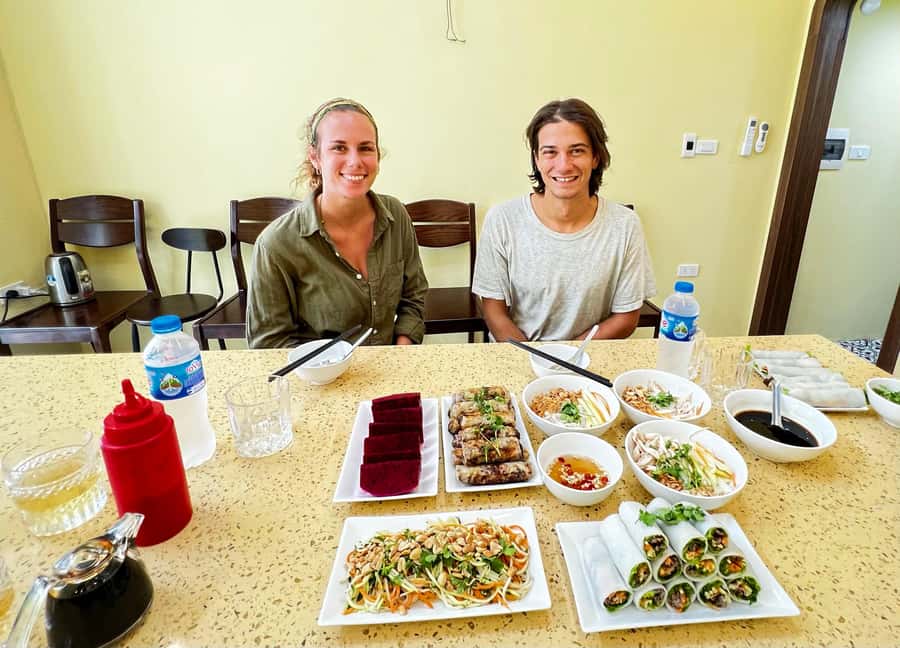
Next comes papaya salad, with the main flavors being sour and sweet. This is where Vietnamese cooking really shines because flavor isn’t one-note. You’re balancing tang, sweetness, and crunch, and the instructor helps you understand the logic.
This part is especially useful if you tend to cook by taste but don’t know what to adjust. Papaya salad is a great training dish because you can learn how changes in lime-sourness, sweetness, and seasoning affect the final result fast.
If you love salads but want them to taste like they came from a street stall, this is a great path. You’ll make the dish, eat it, and you’ll know what ingredients to target if you want to recreate the flavor.
Pho rolls (pho cuon): where you learn delicate technique
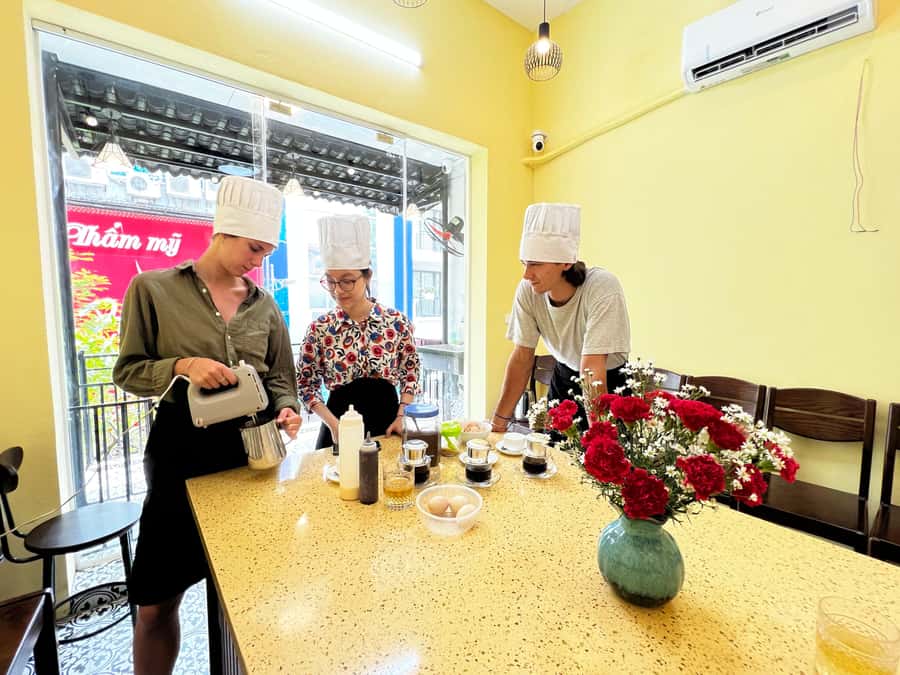
Then you move to pho rolls, which are more delicate than they look. The key skill here is handling the wrapper and filling without tearing or overstuffing. It’s also the kind of dish where small improvements make a big difference.
This is one of the dishes people tend to remember because it feels both complex and satisfying. Even guests who say they love pho often end up enjoying pho rolls even more because you get to experience the work behind the final bite.
A useful part of the experience is that the instructor keeps checking how your rolls are coming along. If you’re too careful, you’ll get stuck; if you go too fast, you’ll tear wrappers. The class pacing helps you find the middle.
Mixed pho (pho tron): understanding Hanoi’s noodle culture
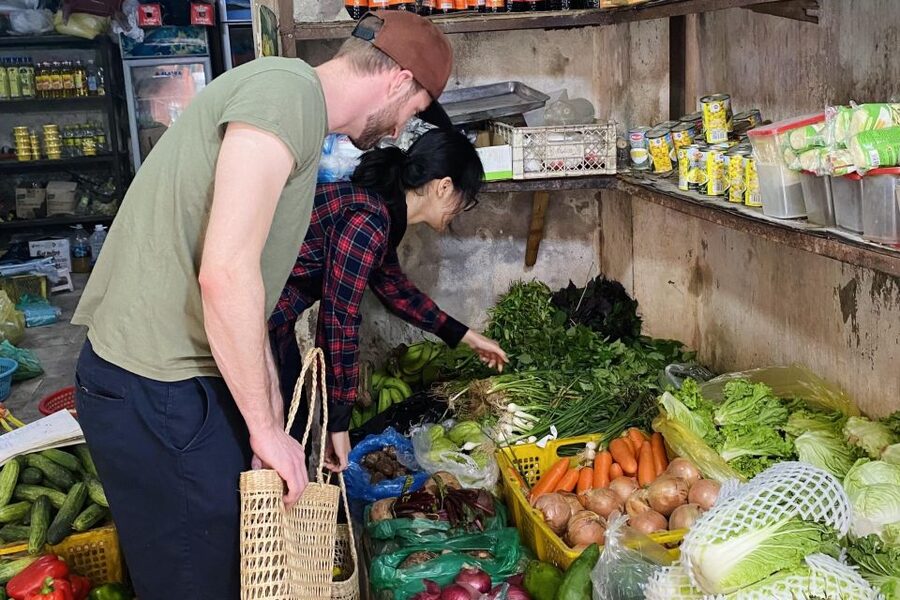
Finally, you’ll make mixed pho. You get that familiar pho comfort, but with variety that keeps each bite interesting. The instructor guides you through steps and helps you understand how Vietnamese cooks build a bowl with multiple flavors working together.
Mixed pho also ties back to the market. When you’ve seen the ingredients in the market environment, it becomes easier to understand why certain aromatics matter so much. It’s less about memorizing a recipe and more about recognizing what the dish needs to taste right.
And yes, you’ll end up eating what you made. Multiple guests have noted that the meal size is well portioned, so you’re not stuffed too early and ruined for dessert.
Egg coffee and local wine: the sweet and grown-up pairing
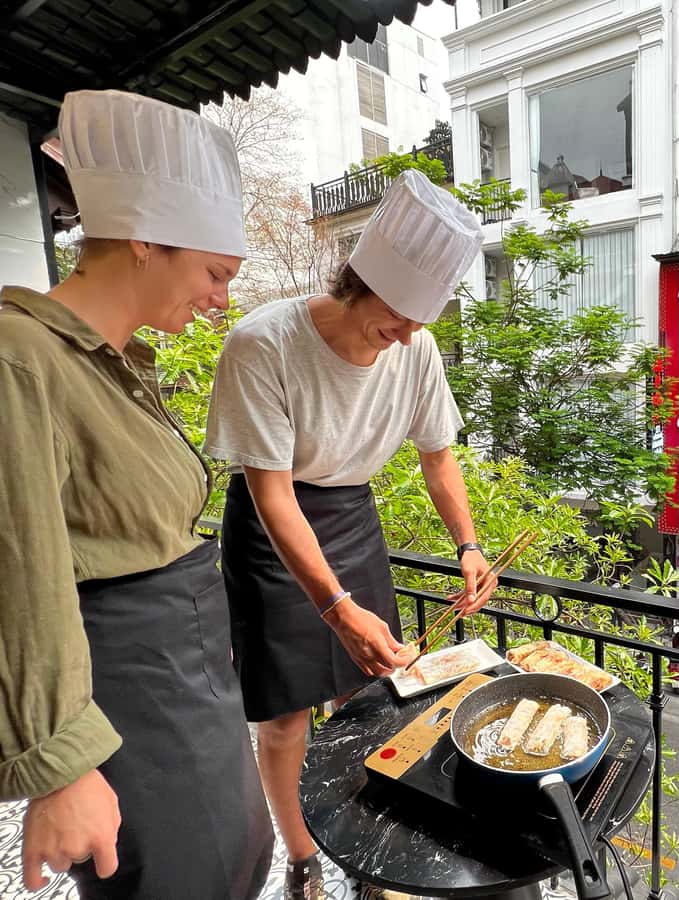
After the main dishes, you’ll finish with Vietnamese specialty egg coffee, called Ca Phe Trung. This is one of the more iconic Hanoi experiences because it’s both comforting and slightly different from Western coffee traditions.
Egg coffee is usually about texture and sweetness balance, not just flavor. You’ll make it and learn what gives it that creamy, rich style—then taste it alongside your meal.
There’s also local wine tasting included. It helps turn the whole session into a full dining experience instead of only a lesson. Seasonal fruits come as dessert, which keeps the finish light compared to a heavy cake situation.
The menu you’ll make (and what it teaches)
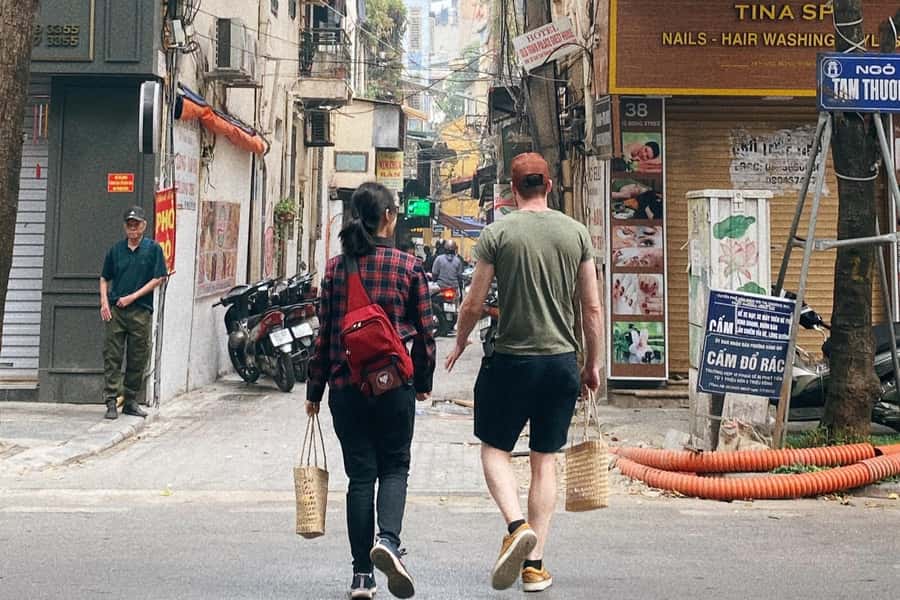
Here’s the practical value of the exact lineup you’ll cook:
- Fried spring rolls: learns folding, sealing, and even frying
- Papaya salad: trains sour-sweet balancing and crunch
- Pho rolls: builds delicate wrapper handling
- Mixed pho: teaches how multiple flavors come together
- Egg coffee: shows how Vietnam turns coffee into something creamier
- Seasonal fruit dessert: resets your palate without feeling skimpy
The instructors also cover cooking tips while you work. Many people have praised how guides explain what to look for as you cook, not just what steps to follow. That’s the difference between a recipe you can read and a recipe you can actually repeat at home.
Price and timing: what $22 gets you in Hanoi terms
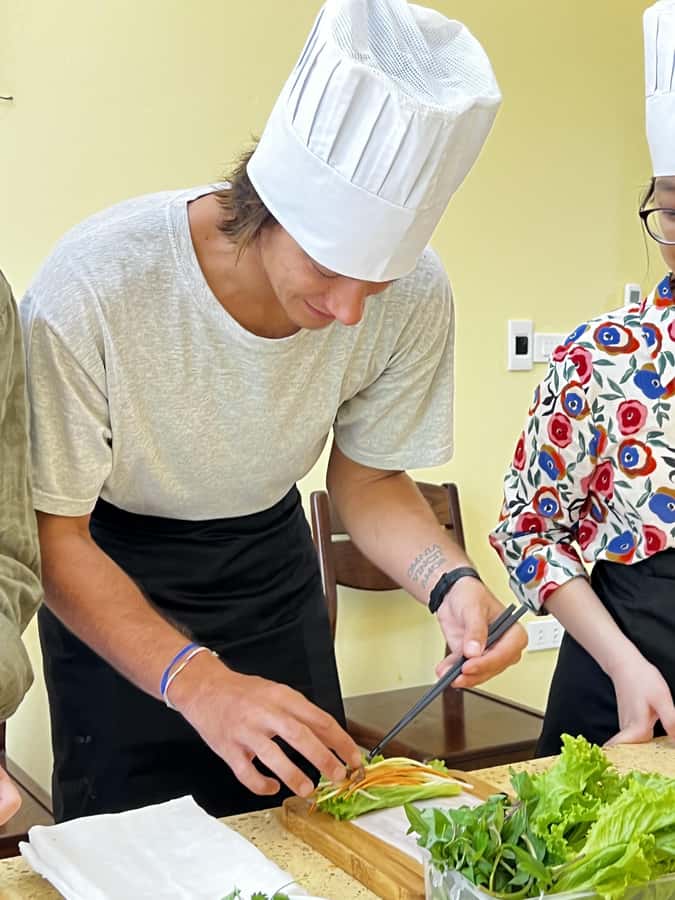
At $22 per person for about 3 to 4 hours, this is strong value for Hanoi. You’re paying for three things that usually cost extra if you do them separately: market guidance, hands-on cooking instruction, and a meal that includes all food and drinks.
You also get cooking recipes included. That matters because the real win is being able to remake these dishes later without starting from scratch. Some guests have even reported receiving recipes via message apps, which is helpful if you want a quick refresher after you’ve left Hanoi.
What you should plan around:
- No hotel pickup or drop-off. You’ll meet at the Travel agency Crossing Vietnam Tour office.
- Market availability can vary for afternoon sessions. The morning markets are more likely to be running, so afternoon may shift your experience.
- You’ll eat at the end, so don’t schedule a big late dinner right after. One guest specifically noted that you only eat after the cooking, so plan your day accordingly.
Small group energy: why 10 people feels better than a crowd
The small group limit (up to 10) isn’t just a comfort detail. It changes how much help you get. In a large group, someone always gets left behind. In a small group, you’re more likely to get correct-your-technique feedback while it’s still early.
It also makes conversation easier. Several guests described the experience as friendly and engaging, with instructors asking questions and creating a relaxed flow. If you’re traveling solo or with a partner, this format makes it simpler to feel included.
If you’re the type who learns best by doing, you’ll appreciate the structure: hands on, then taste, then adjust. It’s less about being perfect and more about understanding why something works.
Who should book, and who might not love it
This class is best for you if:
- You want a hands-on Hanoi food experience that goes beyond eating
- You like market shopping as part of the learning
- You want a clear set of dishes you can recreate later
- You enjoy classic Vietnamese comfort foods plus egg coffee
You might want to think twice if:
- You dislike frying or working with delicate wrappers
- You have very tight scheduling and hate meeting at a specific office
- You’re booking an afternoon slot and rely on a specific market experience (since markets may not operate some days in the afternoon)
Should you book Maya Traditional Cooking Class & Market Tour?
Yes, I’d book it if your goal is to leave Hanoi with real cooking skills, not just photos. The market-to-kitchen flow is the main reason it works, and the specific menu is a smart mix of techniques and flavors.
If you choose this, I’d go in with two mindsets: watch what the instructor corrects (that’s where the technique lives), and taste as you go. When you finish with your own pho rolls, mixed pho, and egg coffee, you’ll understand the logic behind Vietnamese flavors in a way that reading alone never gives you.
FAQ
How long is the Hanoi Maya Traditional Cooking Class & Market Tour?
The experience lasts about 3 to 4 hours.
Is hotel pickup or drop-off included?
No. You meet at the Travel agency Crossing Vietnam Tour meeting point.
What dishes are you taught to make?
You’ll learn to make fried spring rolls, papaya salad, pho rolls, mixed pho, and Vietnamese egg coffee.
Is the class a small group?
Yes. It’s limited to 10 participants.
Does the tour include a market visit?
Yes. You start with a market tour at Yen Thai market before cooking.
What’s included with the meal?
All food and drinks are included, plus seasonal fruits for dessert, drinking water, and a local wine tasting.
What if I book an afternoon session?
Markets may not be available some days for afternoon sessions, since local markets often run in the morning.
More Tours in Hanoi
- Ninh Binh Full-Day Tour from Hanoi to Hoa Lu, Tam Coc & Mua Cave Via Boat & Bike
★ 5.0 · 4,384 reviews





More Tour Reviews in Hanoi

Learn Another Dish in Hanoi
Latest Hanoi write-ups from our team





Hanoi Cooking Classes, compared.
 ★ 5.0Hanoi Cooking Class: Culture, Local Market & Meaning CSR ImpactFrom $395,147 reviews
 ★ 5.05 Traditional Dishes Hanoi Cooking Class with Market TripFrom $354,890 reviews
 ★ 5.0Vietnamese Food Cooking Class in Hanoi with Market ExperienceFrom $45778 reviews
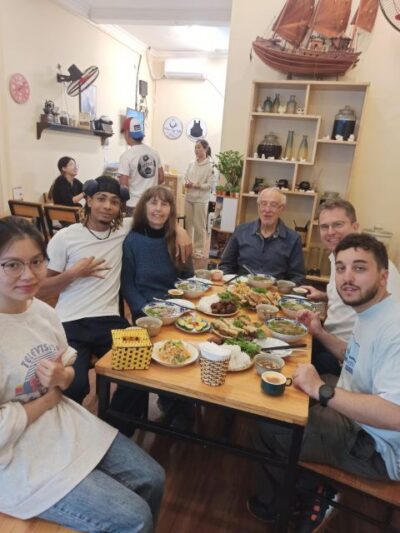 ★ 5.05 Local Dishes Cooking Class with Meal & Market VisitFrom $40420 reviews
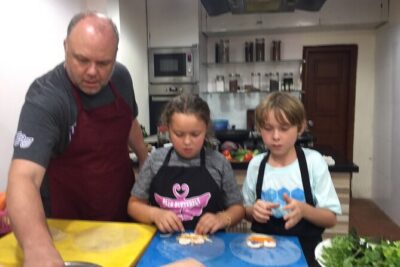 ★ 5.0Hanoi Cooking Class and Market Tour in Ancient HouseFrom $45379 reviews
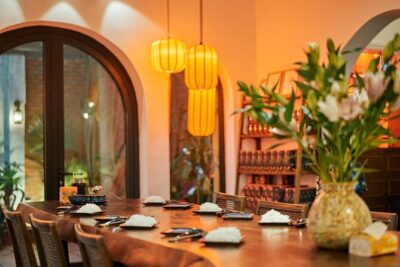 ★ 5.0Rose Kitchen Hanoi: Market, Cooking & Culture Tour + Free PickUpFrom $48342 reviews
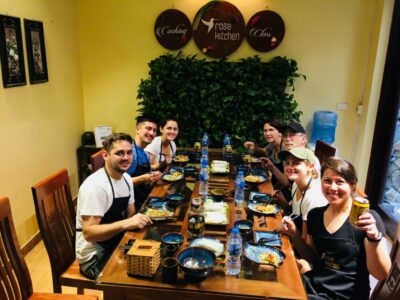 ★ 4.9Cooking Class in a Local Villa with Market TourFrom $37320 reviews
 ★ 5.0Hanoi Maya Kitchen: Traditional Cooking Class & Market TourFrom $30287 reviews
Browse the lists this tour appears in