
Reviewed · HANOI COOKING CLASSES
Hanoi Farm Tour and Cooking Class with Local Family
A trip to a Hanoi village starts with smells. You’ll pair a centuries-old market with a working farm visit, then finish in a family kitchen where you cook Vietnamese dishes step by step. I especially love the hands-on cooking and the way you get real context for ingredients by seeing the farm before the meal. One drawback to plan for: the market is lively and can feel intense, with animal stalls and strong sights and smells.
This is a private 4-hour experience west of Hanoi, in Dong Bac, and you get an English-speaking local host from start to finish. Hosts like Sandy, Mandy, or Manh are mentioned in feedback for making the whole day feel easy and human, not like a classroom. It’s also a good fit if you want to talk customs and daily life around the table, not just photograph scenery.
Quick practical picture: the village is about 18 km from Hanoi Old Quarter, roughly 35–40 minutes by car. You’ll meet at Đình Phương Viên, Đê Song Phương, Hoài Đức, then return to that same spot at the end.
In This Review
- Key highlights you’ll actually feel
- Why this Hanoi farm-and-cooking day feels different
- Getting from Hanoi to Dong Bac: 35–40 minutes and a simple meeting point
- The market stop: a 1000+ year-old place where daily life runs on trade
- From market stalls to vegetable fields: seeing bitter melon, corn, and soybeans grow
- Fruit gardens with oranges, pomelos, papayas, and more
- Cooking class in a family home: your menu, your meal, your seat at the table
- Price and value: is $43 a good deal for 4 hours?
- Who should book this Hanoi farm tour and home cooking
- Small logistics that will save you time
- Should you book it?
- FAQ
- How long is the Hanoi farm tour and cooking class?
- What does the tour cost?
- Is it a private tour?
- What’s included in the price?
- Do I need to arrange transport from my hotel?
- What happens if my visit isn’t on market day?
- Is the cooking menu decided in advance?
Key highlights you’ll actually feel
- A market with roots back to 1428 plus a look at what people trade on market days
- Farm-to-plate context as you walk vegetable fields and fruit gardens next door
- Family-home cooking with a menu you choose from, plus tea and traditional cake
- Live conversation in everyday Vietnamese life while you cook and eat
- A green break from Hanoi without leaving the city area too far behind
Why this Hanoi farm-and-cooking day feels different
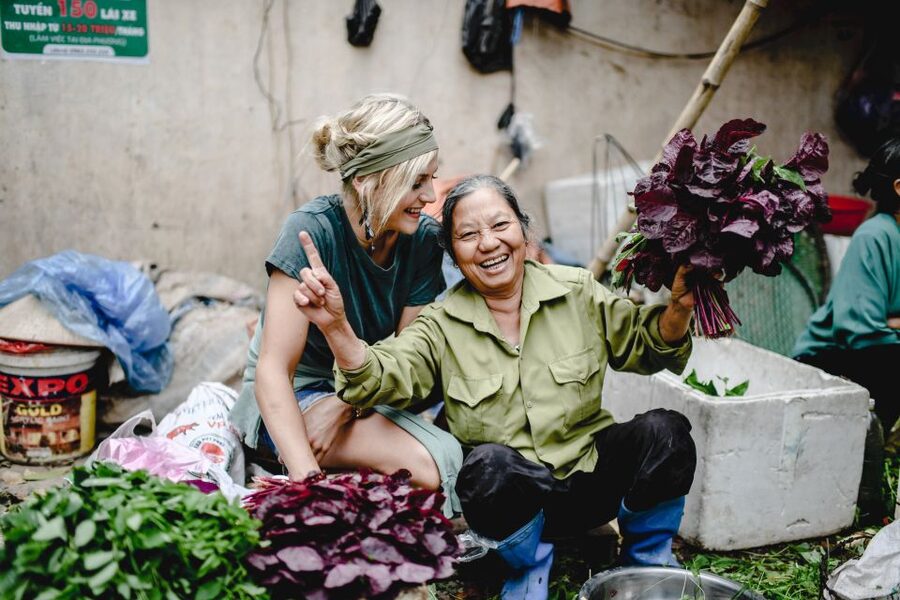
Most Hanoi food experiences teach recipes. This one also teaches source. You start by watching people shop and trade in a major local market, then you walk past the crops those foods come from, and only then do you cook.
That order matters. When you’ve seen bitter melon growing in the field, or watched produce being handled at market, ingredients stop being abstract. They become specific—what they look like, what they’re paired with, and how farmers actually work with the season.
I also like the pace of this kind of setup. After the market, you move from busy stalls to walkable farmland, and then you step into a home where the evening doesn’t feel staged. If you’re looking for something warm, practical, and local, this hits that target.
More aprons on in Hanoi kitchens

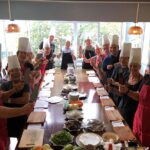
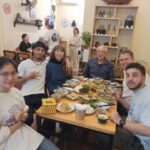
Getting from Hanoi to Dong Bac: 35–40 minutes and a simple meeting point
The village area is about 18 km from Hanoi Old Quarter, and the drive is typically 35–40 minutes. You’ll meet at Đình Phương Viên, Đê Song Phương, Hoài Đức, Hà Nội, and the activity ends back at the same meeting point.
Transport is on you. The tour doesn’t include transfers from your hotel, and travel insurance isn’t included either. Based on the on-the-ground recommendation, I’d book a taxi to reach the village because it’s described as the cheapest and most comfortable option.
This isn’t a long commute, but it does mean you should plan your day around it. If you’re tight on time or you’re hopping between neighborhoods all afternoon, schedule this when you can stay relaxed about the round-trip.
The market stop: a 1000+ year-old place where daily life runs on trade
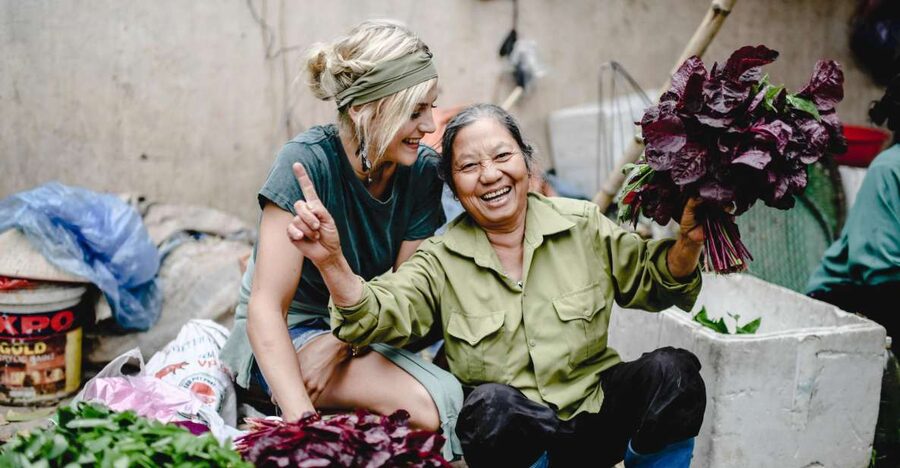
Your day begins west of the city, where you meet your guide and head into a well-known local market. This market is described as operating since the Le King Dynasty of 1428, and it’s also noted as being over 1000 years old.
If your visit lands on market day (two or three times per week), you’ll see a busier, more regional mix of shoppers and traders. The trading described here includes animals and farm goods—dogs, cats, pigs, chickens, ducks, plus bamboo baskets. It’s not a sanitized market experience, so it can be emotional or overwhelming if you’re sensitive to that sort of imagery.
The details are what make it memorable. You may spot old women chewing betel and areca nut, and you might also see blacksmiths working with bright braziers. Those small moments are where you learn how communities keep their rhythms, even when you’re seeing them for the first time.
What if it’s not market day? You still go to a market, just a different one with local produce—fish, vegetables, fruits, and meat—where you can chat with people. The takeaway: you’re not only visiting a pretty place. You’re seeing how people actually buy food and handle goods.
From market stalls to vegetable fields: seeing bitter melon, corn, and soybeans grow
After the market, you head to farms right next door. This is where the day turns from crowds to green, and it’s a big part of why people love the experience.
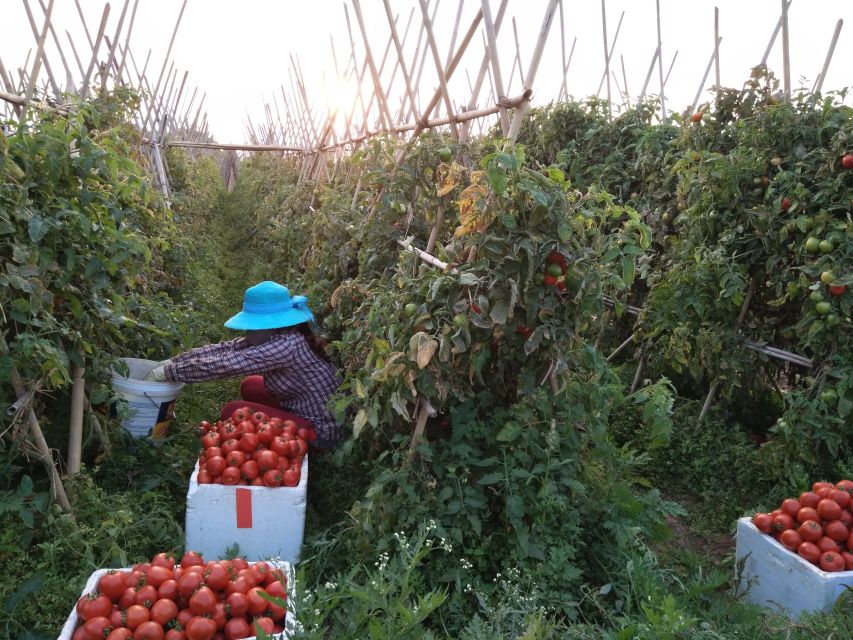
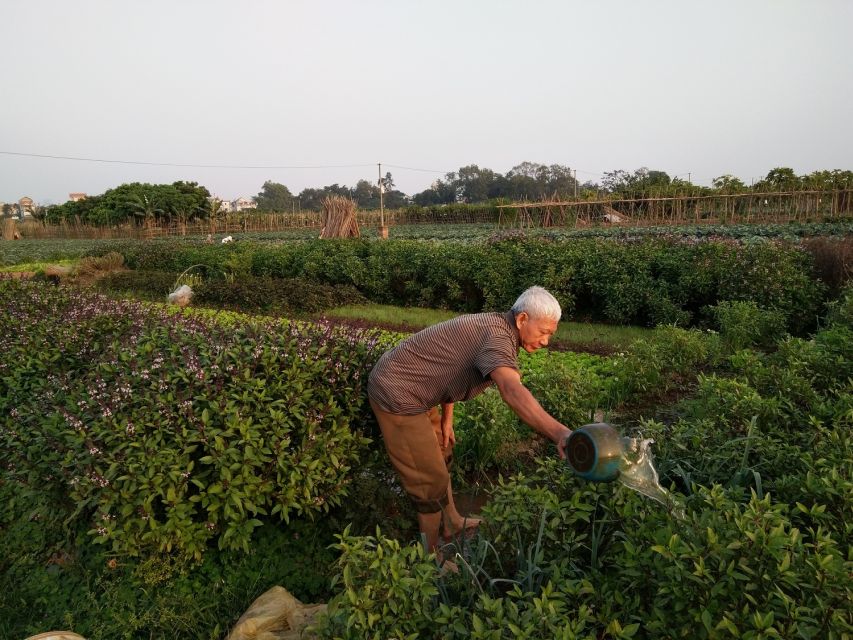
On the farm walk, you’ll see vegetables growing such as bitter melon, corn, cauliflower, cabbage, tomatoes, green peas, and soybean. Seeing these crops in rows changes how you picture them. For example, bitter melon is one thing on a plate; it’s another thing when you notice the plant and the shape in the field.
You’ll also have a chance to talk with a working farmer. The focus isn’t a lecture—it’s conversation. Ask about cultivation techniques and day-to-day lifestyle, because that’s what you’ll be able to connect back to when you cook.
Even if you’re not a gardening person, this stop gives you useful food knowledge. It helps you understand why certain flavors taste the way they do, and why local cooking leans on fresh vegetables, herbs, and seasonal ingredients.
Fruit gardens with oranges, pomelos, papayas, and more
Beyond vegetables, you’ll walk through fruit gardens. The fruit list described for this area includes oranges, pomelos, papayas, guavas, and bananas.
This is more than a scenic bonus. Fruit is part of Vietnamese cooking beyond just dessert, and it often shows up as freshness, acidity, or balance in everyday dishes. If you pay attention on this walk, you’ll likely notice how fruit flavors show up again later in the home kitchen.
I also like that this part of the tour keeps the experience human. You’re not rushing through a photo stop. You’re moving slowly enough to look closely and ask simple questions while the farmer is still working.
More kitchens to roll your sleeves up in
- Hanoi Cooking Class and Market Tour in Ancient House★ 5.0 · 379 reviews
- Rose Kitchen Hanoi: Market, Cooking & Culture Tour + Free PickUp★ 5.0 · 342 reviews
- Hanoi: Cooking Class in a Local Villa with Market Tour★ 4.9 · 320 reviews
Cooking class in a family home: your menu, your meal, your seat at the table
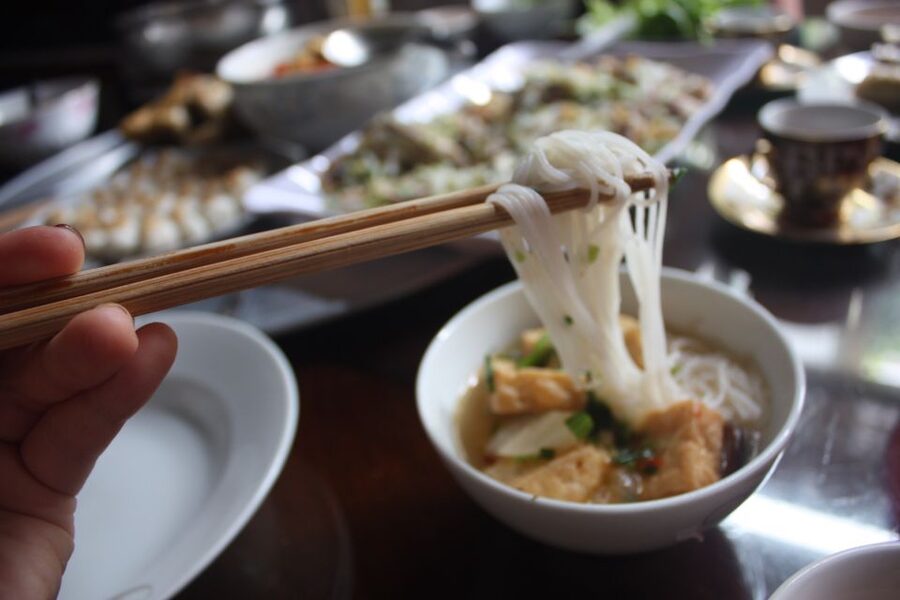
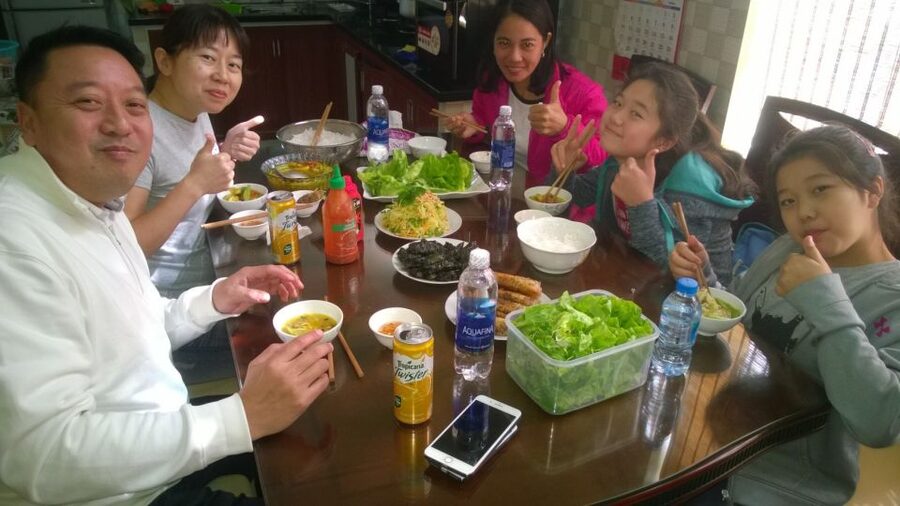
The cooking part happens in a local home, not a studio kitchen. After the farm and garden walk, you travel to the house for the class and shared meal.
Before you arrive, you’ll be sent a detailed menu for you to choose from, along with the house address after booking. That choice matters because it lets you aim for what you actually want to eat, rather than being locked into a fixed menu that might not match your taste.
In the home kitchen, you learn to cook traditional Vietnamese recipes with guidance from your host and the family setting. The class includes local fresh vegetables and fruit, plus tea and traditional cake. Then you eat what you made as a meal.
This is also where the culture part becomes real. You’ll have time to talk about Vietnamese family life and customs, not just cooking techniques. Many visitors love this because it turns the experience into a conversation you can carry home, like sharing a story you can actually explain.
Practical note: this isn’t described as a hands-off tasting. You’ll be working on vegetables as part of the cooking process, so plan to be comfortable standing and chopping for a while.
Price and value: is $43 a good deal for 4 hours?
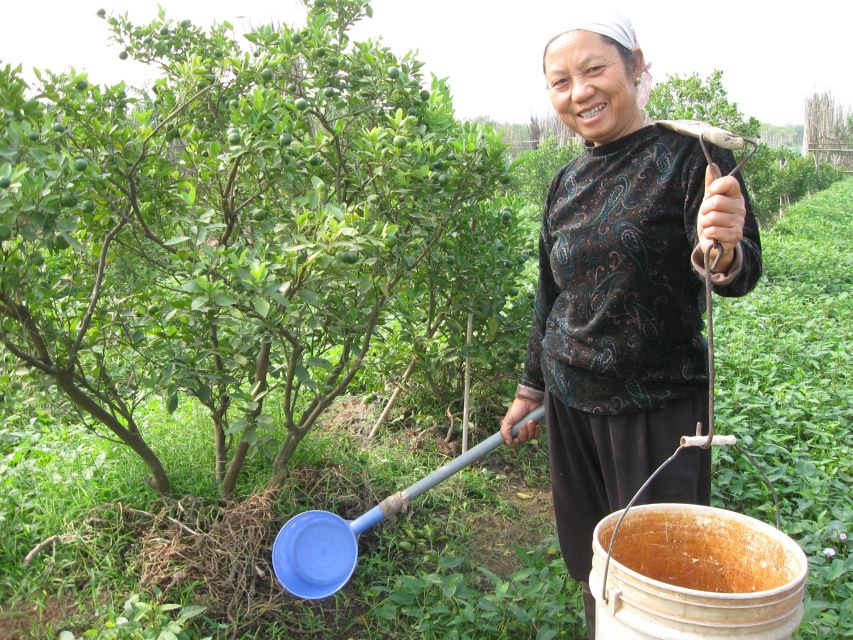
At $43 per person for a 4-hour, private experience, the value comes from what’s bundled in. You’re not just paying for a recipe. You’re paying for an English-speaking local host who guides you through three different settings: a market, working farms, and a family kitchen.
The included items are market and farm visit, cooking class, meal, and drinks, plus a private English-speaking host. That combination is usually what makes the class feel worth it. You’re basically getting the market context and the cooking lesson together, and both feed into the meal.
The main cost you’ll still handle is transport from your hotel, since transfer isn’t included. Travel insurance is also not included, but you can handle that separately.
If you’re the type who likes to learn by doing—shopping, walking, cooking—this price looks more like a package deal than a normal food tour. If you only want the cooking part and you dislike markets or farm walks, then the value may feel lower.
Who should book this Hanoi farm tour and home cooking
This is a strong match if you want:
- Real food context: see produce growing, then cook it
- A private, English-guided experience rather than a big group
- A home-cooked meal with conversation about family life and customs
- Something gentler than a full-day tour but more meaningful than a short street-food stop
It may not be the right match if you’re pregnant, since it’s explicitly listed as not suitable for pregnant women. Also, if the idea of animal stalls in a local market feels like too much, consider how you usually handle intense sensory experiences.
Small logistics that will save you time
The village is 18 km from Hanoi Old Quarter, and the drive is about 35–40 minutes. Start times vary, so you’ll want to check availability for the schedule that fits your day.
The tour is private group, and the guide is English. The activity starts at Đình Phương Viên, Đê Song Phương, Hoài Đức, and ends back at the same meeting point, so you don’t have to figure out a new drop-off location.
Cancellation is described as free up to 24 hours in advance for a full refund, and you can reserve and pay later to keep plans flexible. Those details are useful if you’re juggling Hanoi weather or you’re still deciding how many days you want in the north.
Should you book it?
I’d book this if you want a Hanoi experience that goes past eating. The market-to-farm-to-kitchen flow gives you a better understanding of what goes into Vietnamese cooking, and the home setting makes the cooking feel personal instead of scripted.
You should think twice if you dislike intense markets or you want something purely relaxing with minimal walking. And because it’s described as not suitable for pregnant women, it’s best to choose a different style of tour if you fall into that category.
If you fit the sweet spot—curious about food, comfortable chatting, and happy to cook—this is one of those $43 days that sticks with you for the right reasons: you don’t just taste Vietnamese food, you learn how it comes together.
FAQ
How long is the Hanoi farm tour and cooking class?
It runs for about 4 hours.
What does the tour cost?
The price is listed as $43 per person.
Is it a private tour?
Yes, it’s described as a private group experience.
What’s included in the price?
The tour includes a private English-speaking local host, the market and farm visit, the cooking class, a meal, and drinks.
Do I need to arrange transport from my hotel?
Yes. Transfer from your hotel isn’t included. The tour recommends booking a taxi to reach the village.
What happens if my visit isn’t on market day?
If it’s not market day, the plan is to visit another nice market with local produce such as fish, vegetables, fruits, and meat.
Is the cooking menu decided in advance?
Yes. You’ll be sent a detailed menu so you can choose what you want to cook, and you’ll also receive the house address after booking.
More Tours in Hanoi
- Ninh Binh Full-Day Tour from Hanoi to Hoa Lu, Tam Coc & Mua Cave Via Boat & Bike
★ 5.0 · 4,384 reviews





More Tour Reviews in Hanoi


Learn Another Dish in Hanoi

Latest Hanoi write-ups from our team


Hanoi Cooking Classes, compared.
 ★ 5.0Hanoi Cooking Class: Culture, Local Market & Meaning CSR ImpactFrom $395,147 reviews
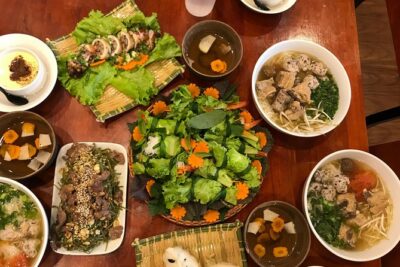 ★ 5.05 Traditional Dishes Hanoi Cooking Class with Market TripFrom $354,890 reviews
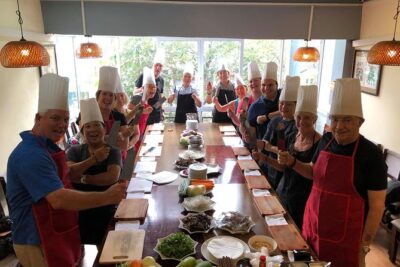 ★ 5.0Vietnamese Food Cooking Class in Hanoi with Market ExperienceFrom $45778 reviews
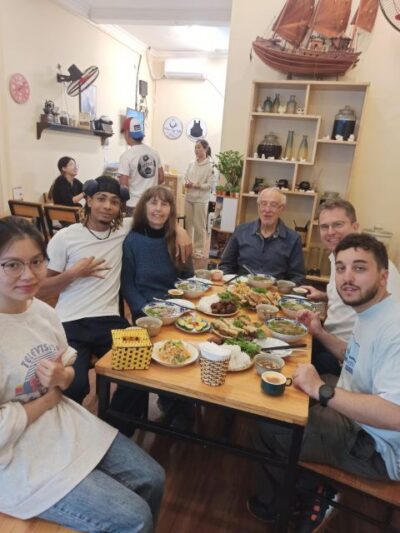 ★ 5.05 Local Dishes Cooking Class with Meal & Market VisitFrom $40420 reviews
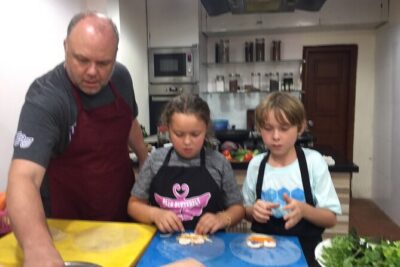 ★ 5.0Hanoi Cooking Class and Market Tour in Ancient HouseFrom $45379 reviews
 ★ 5.0Rose Kitchen Hanoi: Market, Cooking & Culture Tour + Free PickUpFrom $48342 reviews
 ★ 4.9Cooking Class in a Local Villa with Market TourFrom $37320 reviews
 ★ 5.0Hanoi Maya Kitchen: Traditional Cooking Class & Market TourFrom $30287 reviews
Browse the lists this tour appears in