
Reviewed · SAPA TREKKING TOURS
Craft Tofu in Sa Pa: A Journey into Vietnamese Cuisine
Making tofu in Sa Pa is a smart way to eat local. This hands-on class turns soybeans into fresh tofu and then into dinner, with step-by-step help from guides like Hoang, Sisi, and Duyen. I also like the small group setup (max 10) because it keeps the pace calm and the questions practical. One thing to consider: the process takes time, so don’t pack your schedule like you’re speed-running a snack.
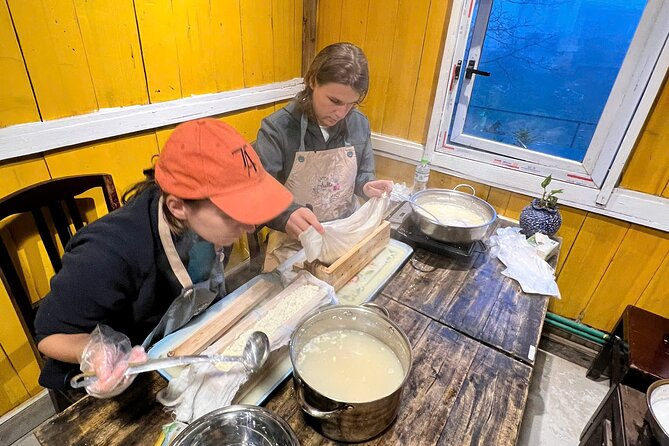
You’ll start with the basics—why tofu matters in Vietnamese diets—and you’ll follow the full workflow: soaking, grinding, cooking, and curdling with a coagulant. I like that you get to learn texture judgment (what looks right is not always obvious), not just copy a recipe. The only real drawback is timing; if you’re the type to rush, the “make it carefully” part may feel slow.
The location is also easy to reach, starting at Saigonese Trekking House on Nguyễn Chí Thanh, and ending back at the meeting point. I like that the class includes dinner and everything you need, so you’re not constantly tracking extra purchases. Keep expectations realistic: this is cooking class work, not a quick tasting.
In This Review
- Key highlights you’ll actually feel in the class
- Why make tofu in Sapa at all?
- Where it starts: Saigonese Trekking House, on a practical route
- The first step: soybeans, soaking, and the job of the right ingredients
- Cooking the mixture: learning texture before you panic
- Curds and coagulant: where good tofu is decided
- From fresh tofu to dinner: fried tofu with tomato sauce
- Dessert is soy milk: a full-circle lesson
- Price and value: is $19 a good deal?
- Small group coaching: how the experience stays relaxed
- Quick practical tips before you book
- Who should take this tofu workshop?
- Should you book Craft Tofu in Sa Pa?
- FAQ
- How much does the tofu-making class cost?
- How long is the experience?
- Is dinner included?
- What’s included in the class besides the food?
- How many people are in the group?
- Where do I meet for the tour?
- What are the cancellation rules?
Key highlights you’ll actually feel in the class
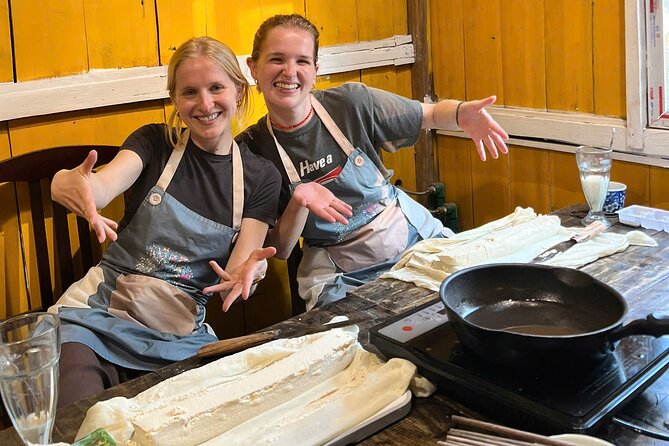
- Full tofu process, from soybeans to curdling so you understand what changes the texture
- Small group size (up to 10) for more hands-on coaching
- Fresh results you use right away in a real meal, not just samples
- Dinner plus dessert included (fried tofu with tomato sauce and soy milk)
- A chance to take spare tofu so you can extend the experience at your own pace
Why make tofu in Sapa at all?
Sapa is famous for views, but food is where the place turns personal. This workshop uses tofu—common, practical, and big in Vietnamese cooking—as your entry point. The best part is not just that you’ll taste tofu. You’ll understand how tofu becomes tofu, which changes how you read the menu afterward.
I also like that the class frames tofu as more than a trend. You get a basic run-through of its role in Vietnamese diets, which helps you connect the dish to real everyday eating. That cultural context matters, because it explains why the process is treated with respect: good tofu isn’t “mystical,” but it is detail-heavy.
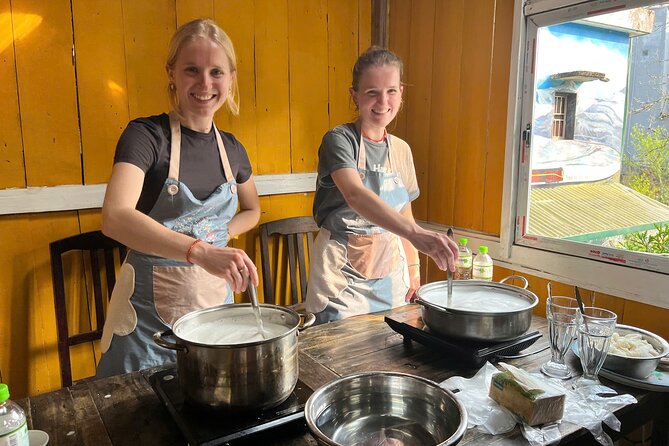
Also, you’re doing this in a small group. That matters in cooking classes, because texture questions are hard to answer from the sidelines. When the group stays under 10, your instructor can spot problems early—like curdling that’s going too fast or not fast enough—before you’re stuck fixing a batch later.
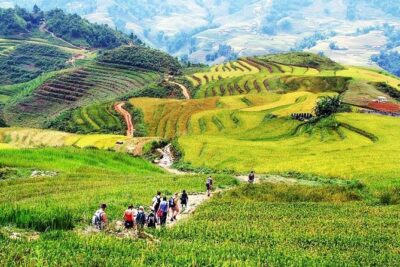
More trails through the Sapa valleys
Where it starts: Saigonese Trekking House, on a practical route
The class begins at Saigonese Trekking House, 02 Nguyễn Chí Thanh, in the center of Sa Pa. That’s a good setup for two reasons. First, it’s a straightforward meeting point, so you’re not wasting energy figuring out where to stand. Second, it’s near public transportation, which helps if you’re mixing this with other Sapa plans.
The workshop experience also has a “settle in” feel. One review notes a complementary tea/coffee welcome and a charming terrace setup. That might sound like small stuff, but it’s helpful when you arrive hungry or a little chilly. Cooking is easier when you’re not rushing right out the gate.
Finally, you’ll end back at the same meeting point. That keeps the day simple, especially if your Sapa itinerary already has tight timing.
The first step: soybeans, soaking, and the job of the right ingredients
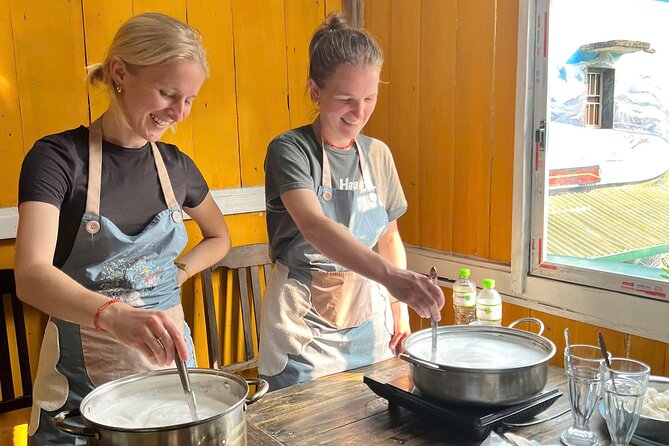
The class starts with an intro to tofu’s story in Vietnam, then quickly moves into ingredient basics. You’ll be guided by a local chef, with step-by-step instruction from hosts who have been described as clear and patient. Names you may see referenced in past classes include Hoang, Sisi, and Duyen. Even if your guide is someone else, the teaching style described is consistent: explain, demonstrate, then put you in the process.
You’ll begin by selecting high-quality soybeans and learning how that choice affects what you end up with. That’s the part many cooking classes skip. Here, the lesson is simple: if your starting ingredients are off, the final texture won’t magically rescue itself.
Then comes the hands-on portion:
- soaking the soybeans
- grinding the soaked beans
- cooking the mixture
- and curdling it using a coagulant
This is where you start building real kitchen sense. You learn that tofu isn’t one moment—it’s a chain reaction. Heat affects extraction. Timing affects consistency. Curdling affects the final “set.”
Cooking the mixture: learning texture before you panic
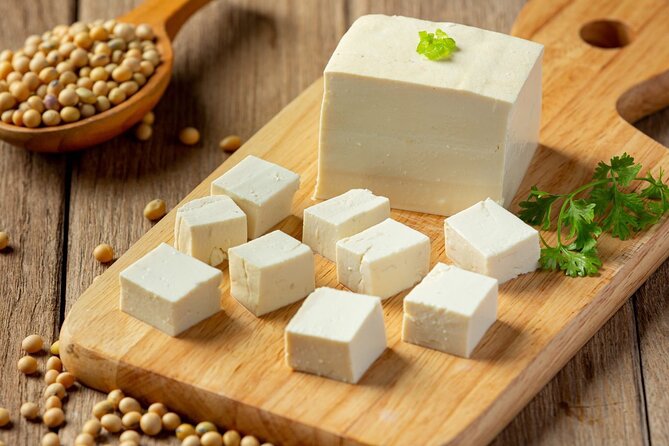
After soaking and grinding, you’ll cook the soybean mixture. This part is technical in a very normal way. You’re watching how the mixture behaves and how it changes as it heats. Reviews describe learning to recognize the textures and consistencies that lead to better tofu, and that’s exactly what you want from a workshop like this.
If you’re a beginner, don’t worry. The class is built to teach you the “why” behind the steps, not just the “do this, then that.” You’ll get guidance along the way, including what to pay attention to as the mixture thickens or changes.
If you’re more confident in the kitchen, you’ll still appreciate this section because it trains your eye. Tofu is a texture food. It’s not only about flavor. Learning how to judge the mixture makes everything after curdling easier.
One more practical point: the class pace is relaxed, but it’s real work. Think of it as a slow, careful process rather than a fast cooking demo.
Curds and coagulant: where good tofu is decided
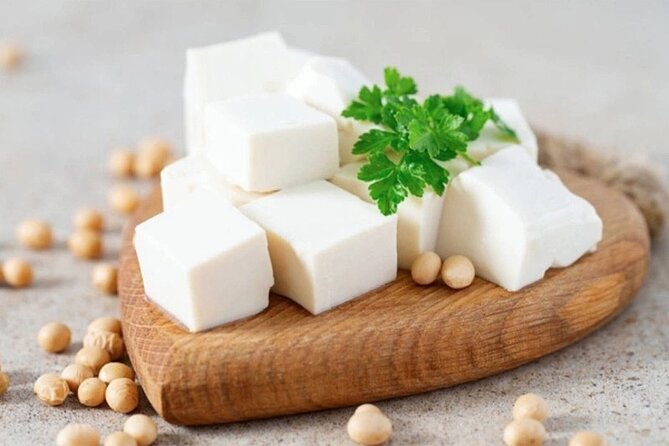
Curdling is the heart of the workshop. You’ll learn how to use a coagulant properly and how to get the tofu to set with the texture you’re aiming for. This is also where you’ll feel the difference between “I followed instructions” and “I understood what happened.”
You’ll also learn to recognize the moment the curds form well. That’s the technical bit people can’t fully translate on a menu photo. In past experiences, the excitement shows up when you can see the transformation: liquid becomes curds, and then curds become something you can shape.
It helps that the class breaks the process into clear steps. Reviews describe instructors explaining each stage carefully and letting participants do it in turn. That matters for confidence. You don’t just watch someone else do the critical parts; you get the chance to practice them with guidance.
- Number one top rated ethical cultural trekking and homestay by ETHOS★ 5.0 · 456 reviews
- Motorbike 1 Day Off The Beaten Track, Hidden Villages, rice field★ 5.0 · 203 reviews
- 1-day Authentik trek & Panorama valley views★ 5.0 · 189 reviews
From fresh tofu to dinner: fried tofu with tomato sauce
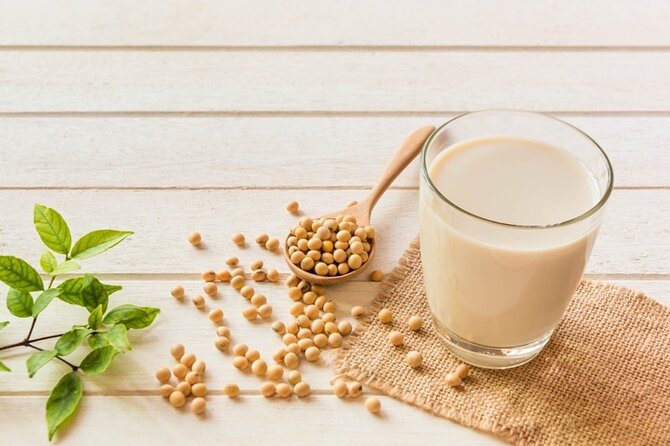
Once your tofu is made, you’ll turn your work into dinner. The included meal is described as Fried Tofu with Tomato Sauce, using your handmade tofu. This is where the workshop pays off in a very satisfying way: you taste what your hands did.
Fresh tofu tastes different from shelf tofu, and fried tofu makes that difference obvious. When the outside crisps and the inside stays tender, you’re tasting the quality of the curd set and moisture balance. It’s also a fun way to learn without overthinking. You don’t need a tasting vocabulary to enjoy it—you can just eat and notice.
Group cooking classes can sometimes feel like you’re always waiting. Here, the meal timing is designed to keep you involved through to the end, so you’re not just holding a ladle and hoping dinner appears.
Dessert is soy milk: a full-circle lesson
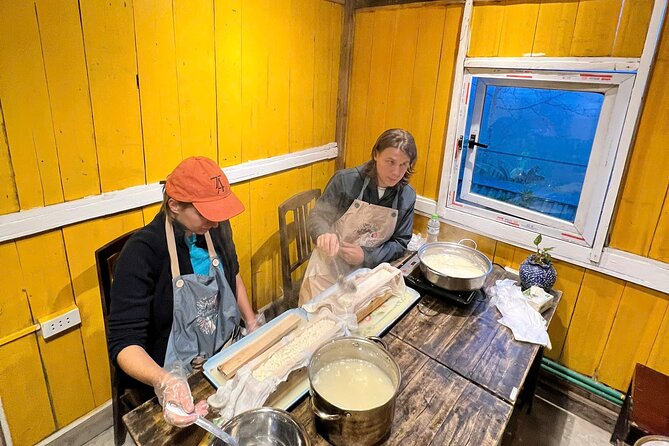
After dinner, you’ll enjoy soy milk as dessert. That’s not just a sweet finish—it reinforces the same ingredient you started with. Soybeans go in, and you end up with tofu and soy milk. It’s a neat loop that helps your brain connect the dots between raw ingredient and finished products.
Soy milk also gives you a second way to evaluate the day. You can taste whether the overall process respected the soy flavor and whether the texture and extraction were handled carefully.
If you’re thinking about vegetarians: this class is a practical option because the core meal centers on tofu and soy products.
Price and value: is $19 a good deal?
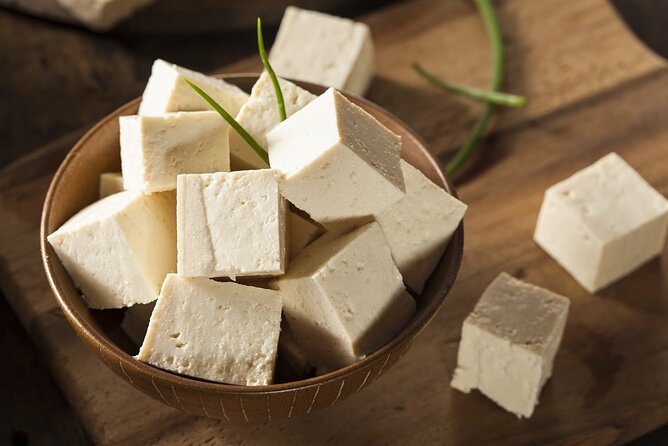
At $19.00 per person, this workshop is priced like a straightforward Sapa activity, but it includes more than most half-day food events. You’re getting:
- use of all cooking equipment and soybeans
- dinner that uses your handmade tofu
- and soy milk dessert
That means you’re not paying separately for ingredients or equipment. For many travelers, that’s the hidden cost that makes cheaper “food experiences” less worth it.
Also, you’re buying time and instruction. Tofu is one of those foods that looks simple until you try it. Learning curdling and texture judgment isn’t something you can fully learn from a quick street snack. The workshop turns your curiosity into a skill.
A final value point: group size is max 10. Paying a fair price is one thing; getting real attention is another. In smaller classes, you get less “watching” and more doing.
Small group coaching: how the experience stays relaxed
This activity is limited to a maximum of 10 travelers. That small group number shows up in the vibe: it’s described as fun, relaxing, and well-paced. You get a welcome tea/coffee, then you move into hands-on work, then finish with a shared dinner.
Instruction style seems consistent across different guides. Past experiences mention hosts explaining each step, demonstrating technique, and then letting participants do it in turn. One description highlights bonding too—making tofu with a friend and then eating the results together.
If you like learning by doing, this setup is a win. If you prefer purely observational experiences, you might want to know that you’ll be hands-on for much of the class.
Quick practical tips before you book
Here are the practical things that will make your day smoother, based on how this workshop has been described.
First, plan for real time. One warning in the past feedback is that the tofu-making process takes time. So don’t schedule something right after with zero buffer. If your day is packed, your “after lunch” plans might need to wait.
Second, keep room in your day for the end meal. This is not only about making tofu—it’s about using it. You’ll eat fried tofu with tomato sauce and then have soy milk dessert. You’ll also have a chance to take spare tofu takeaway as noted in one experience.
Third, come hungry. Cooking is work, and dinner is part of the deal.
Fourth, it’s a great choice when the weather in Sapa isn’t cooperating. Some feedback specifically points to it as a good option in bad weather.
Who should take this tofu workshop?
You’ll probably enjoy this class if:
- you want a hands-on cooking skill, not just tasting
- you like vegetarian-friendly food experiences
- you enjoy learning from local chefs and small-group instruction
- you’re traveling with a friend and want something you can share end-to-end
You might skip it if you’re short on time and can’t handle a slow, careful cooking process. Also, if you dislike cooking tasks or getting messy (even a little), it may feel more demanding than a simple food tour.
This is also a nice fit for travelers who want a break from trekking focus in Sapa. It’s still local and still hands-on, just with food science instead of trail miles.
Should you book Craft Tofu in Sa Pa?
I think you should book if you want real value: skill practice, a small-group setting, and a full included meal using your own tofu. At $19, the inclusion of equipment, soybeans, dinner, and soy milk makes it easy to justify. Plus, you leave with more than memories—you leave with transferable understanding of how tofu sets.
If you can’t handle time-based tasks or you’re the type who needs your day to run like a stopwatch, then plan carefully. The process takes time, and that’s kind of the point.
Overall, this is one of those experiences where the payoff is immediate: you make tofu, you cook dinner from it, and you taste the result while it’s fresh. If that sounds like your kind of Sapa afternoon, this workshop is a strong pick.
FAQ
How much does the tofu-making class cost?
The price is listed as $19.00 per person.
How long is the experience?
It runs for about 2 hours 30 minutes.
Is dinner included?
Yes. Dinner is included, and the class also includes soy milk as dessert.
What’s included in the class besides the food?
You’ll have use of all cooking equipment and soybeans during the class.
How many people are in the group?
The class has a maximum of 10 travelers.
Where do I meet for the tour?
You start at Saigonese Trekking House, 02 Nguyễn Chí Thanh, TT. Sa Pa, Sa Pa, Lào Cai, Vietnam, and it ends back at the meeting point.
What are the cancellation rules?
Free cancellation is offered. You can cancel up to 24 hours in advance for a full refund, and changes within 24 hours aren’t accepted. The experience may also be canceled if a minimum number of travelers isn’t met, with an offer of another date or a full refund.
More Tour Reviews in Sapa
More Sapa Treks We Walked
Latest Sapa write-ups from our team

Sapa Trekking Tours, compared.
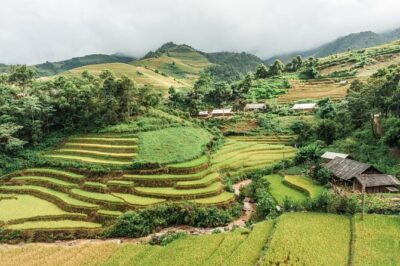 ★ 5.0Sapa 2 Days 1 Night From Hanoi – Overnight in Ta Van VillageFrom $592,669 reviews
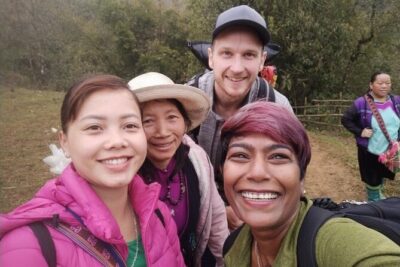 ★ 5.0Hanoi – Sapa 2 Days 1 Night Overnight At HomestayFrom $89899 reviews
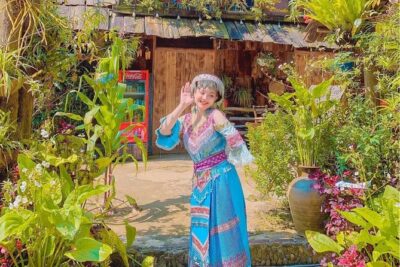 ★ 5.0Sapa: Fansipan Cable, Cat Cat Village & Moana Instagram TourFrom $30777 reviews
 ★ 4.8From Hanoi: 2-Day Sapa Trekking Trip with Homestay & MealsFrom $71704 reviews
 ★ 5.0Sapa 3 Days 2 Nights Trekking Tour (1 Night In Ta Van Village, 1 Night In Hotel)From $139699 reviews
 ★ 5.03-Day Trekking Adventure of Sapa from Hanoi – Stay Ta Van VillageFrom $109611 reviews
 ★ 4.82-Day Sa Pa Ethnic Homestay Tour & Trek with Limousine Bus440 reviews
 ★ 5.0Sapa 2 Days 1 Night From Hanoi – Overnight in HotelFrom $89440 reviews
Browse the lists this tour appears in