
Reviewed · SAPA TREKKING TOURS
Batik Making in Sa Pa: Learn, Paint & Take Home Your Masterpiece
Beeswax art has a story in Sapa. This Hmong batik workshop is a hands-on way to learn the craft, follow traditional motifs, and create a souvenir with meaning tied to Hmong heritage. You also see how selling skills to visitors can support local livelihoods.
I like that you’re guided by a real Hmong instructor, and one name that comes up is Mây, described as friendly and good at teaching. I also like that you get to work with proper tools, not just paint-by-numbers, using the tjanting batik pen plus natural beeswax to build your pattern step by step.
One drawback to consider: a low-star review flagged serious service issues, including an instructor not being present most of the time and problems with take-home artwork quality. If you book, I’d recommend staying alert, checking in early, and making sure you understand how your finished pieces will be handled before you leave.
In This Review
- Key Points Before You Go
- Why Hmong Batik in Sapa Is More Than a Souvenir
- What You’ll Make: Hmong Motifs, Beeswax, and a Finished Piece
- The Workshop Flow at Saigonese Trekking House
- Using the Tjanting Pen and Natural Beeswax (Without Stress)
- Taking Your Work Home (Plus the Secret Gift)
- Price and Value: Why $20 Can Be a Fair Deal
- Group Size, Timing, and How to Get the Best From 2 Hours
- Who Should Book This Workshop (and Who Might Skip)
- Should You Book This Hmong Batik Class in Sapa?
- FAQ
- How long is the Hmong batik workshop in Sa Pa?
- Where do I meet for the workshop?
- What’s included in the $20 price?
- Do I need any prior experience to make batik?
- Can I take my artwork home?
- Is the group small?
- Are tips included?
- Is there free cancellation?
- Does the workshop end back at the meeting point?
Key Points Before You Go
- Small class feel with a maximum of 10 travelers, so you’re not lost in a crowd.
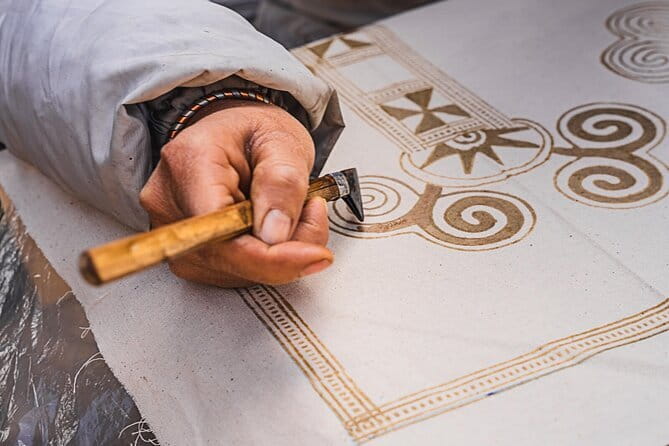
- Hands-on batik tools: you’ll use a traditional batik pen (tjanting) and natural beeswax.
- Motifs with meaning: patterns are inspired by Hmong motifs and storytelling.
- Take-home artwork with a chance to produce more than one piece during the session.
- Instructors matter, and the strongest feedback highlights Mây’s clear, friendly teaching.
Why Hmong Batik in Sapa Is More Than a Souvenir
Sapa is famous for markets, views, and short cultural stops. This workshop is different because batik isn’t treated like a random craft demo. It’s presented as an art form tied to Hmong heritage, and the approach is meant to help preserve those skills while also creating income.
That matters for your experience. When a craft class is just a quick activity, you leave with a thing. When it’s grounded in heritage and livelihoods, you leave with context—why the patterns exist, why beeswax matters, and why visitors’ participation can keep the tradition going. The workshop’s framing is also practical: you’re not just learning technique, you’re participating in a small economic loop that supports local artists.
At $20, it’s also the kind of cultural activity that won’t wreck your budget. You get a structured two-hour window, a welcome drink, and materials included, which makes it easy to fit into a busy day in Sapa without stress.
More trails through the Sapa valleys


What You’ll Make: Hmong Motifs, Beeswax, and a Finished Piece
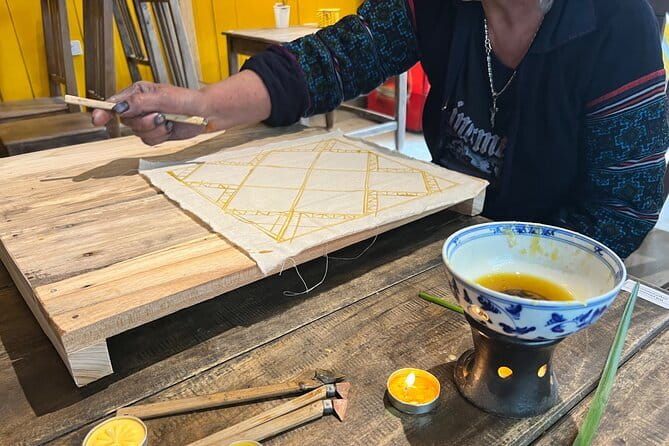
The heart of the workshop is Hmong batik using natural beeswax. You’ll design patterns inspired by Hmong motifs and storytelling, which gives your piece more character than a generic souvenir. The goal isn’t perfection; the goal is learning the process and leaving with something you made.
You also get some reassurance from past feedback. One positive review notes that even with no drawing skills, the participant still produced something “half decent,” which is exactly the right expectation for a beginner-friendly craft class. Another helpful detail: at least one group reportedly made two separate pieces in the session, and then received dyes to finish at home. That’s a big deal because it means your final result can improve even after you leave.
If you want one key takeaway, it’s this: you’re not just watching someone else create. You’re building your own artwork, piece by piece, under instruction.
The Workshop Flow at Saigonese Trekking House
The workshop meets at Saigonese Trekking House, located at 02 Nguyễn Chí Thanh, TT. Sa Pa, Sa Pa, Lào Cai, Vietnam. It ends back at the same meeting point, which makes your planning simple.
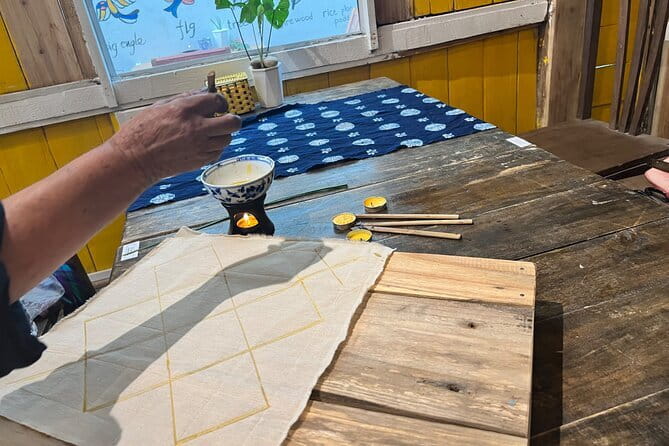
From what’s described, your session typically runs about two hours. You’ll start with a warm welcome and a coffee and/or tea drink, then move into the craft portion with materials provided. The class is led by an instructor, and you’ll learn how to use the batik tools correctly, how to handle beeswax-based work, and how to develop your pattern.
Group size is capped at 10 travelers, and that small number is one of the best reasons to book. In a class that small, you’re more likely to get real guidance when your lines don’t go the way you expected. You’re also more likely to feel comfortable asking questions, especially if this is your first time doing any kind of fabric art.
One caution from the lower-star feedback: there can be a wide difference between a smooth session and a chaotic one if the instructor’s presence isn’t consistent. If you arrive and things seem delayed, check in early and make sure you know who will be leading your portion.
Using the Tjanting Pen and Natural Beeswax (Without Stress)
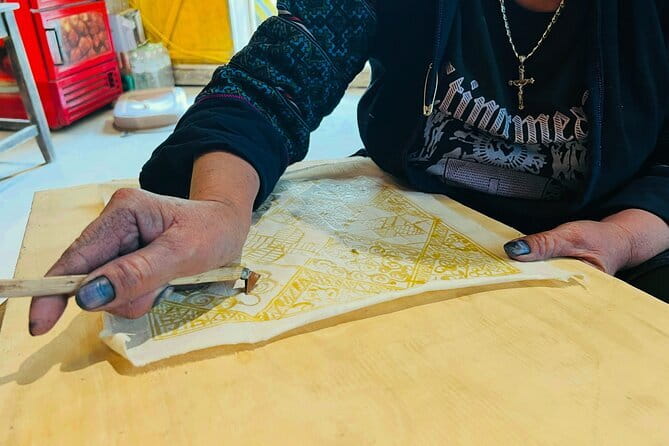
The tool you’ll use is the traditional batik pen, called a tjanting. That’s a big part of the charm. It’s not a modern craft marker; it’s a specific batik tool with a craft tradition behind it.
Your instruction is built for beginners. The workshop is advertised as having no experience needed, and that matches the best kind of class: someone shows you what to do, watches you do it, and corrects problems before they become wasted work. The natural beeswax component is central to the technique, and your patterns are created with beeswax and a pen to control the lines and shapes.
Here’s what you’ll want to keep in mind if you go:
- Expect small learning moments. Your first pattern might be clumsier than you hoped, and that’s fine.
- Plan for patience. Two hours is enough for a guided start, not enough to become a batik expert.
- Take your time with design choices. Since motifs are part of the storytelling angle, your layout matters more than perfect symmetry.
Also, because you’re working with materials (and likely with dyes during the process), it’s a good idea to wear something you don’t mind getting stained or marked. The class includes materials, but you still control what you wear.
Taking Your Work Home (Plus the Secret Gift)

This is a take-home class, not a “look but don’t touch” experience. You’ll leave with your handcrafted artwork, and the workshop also includes an additional perk: a special secret gift from your instructor at the end.
That gift detail might sound minor, but it changes the vibe. It signals appreciation, and in small community workshops, small gestures are often part of how the exchange works—your time and curiosity, their skills and pride.
One more practical detail from feedback: some participants were reportedly given dyes to finish pieces at home. That’s useful if the workshop timing won’t let everything be completed on-site. It also gives you a chance to finish in a calmer setting after your Sapa day is over.
Still, keep one eye open based on the lower-star experience. If your session involves work being colored or finished after the main crafting time, ask how your specific pieces will be tracked. Then, when you receive them, check the quality before you walk away from the staff.
- Number one top rated ethical cultural trekking and homestay by ETHOS★ 5.0 · 456 reviews
- Motorbike 1 Day Off The Beaten Track, Hidden Villages, rice field★ 5.0 · 203 reviews
- 1-day Authentik trek & Panorama valley views★ 5.0 · 189 reviews
Price and Value: Why $20 Can Be a Fair Deal
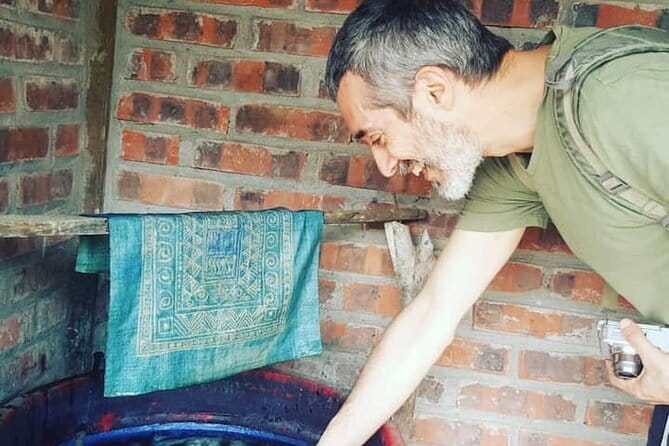
At $20 per person for about two hours with coffee/tea welcome and materials included, you’re paying for three things: time with an instructor, access to specific craft tools, and a take-home product.
For Sapa, that’s generally a solid value because you’re not paying only for entertainment. You’re paying for instruction, materials, and a finished item tied to Hmong batik. And since the group is kept to 10 travelers, it’s not the same experience you’d get from a huge crowd-style workshop where individual help fades.
If you’re comparing options, the question isn’t just the price. The better question is: will you leave with a craft you made yourself, not just a souvenir that looks like everyone else’s? Based on the feedback, you’ve got a strong chance of producing a piece you can be proud of—especially with Mây mentioned as a kind, effective teacher.
The one reason this could feel like poor value is consistency. If an instructor is absent or the finishing process goes wrong, then you’re paying for an experience that didn’t deliver. That’s not guaranteed, but it’s worth acknowledging because it directly affects your take-home outcome.
Group Size, Timing, and How to Get the Best From 2 Hours
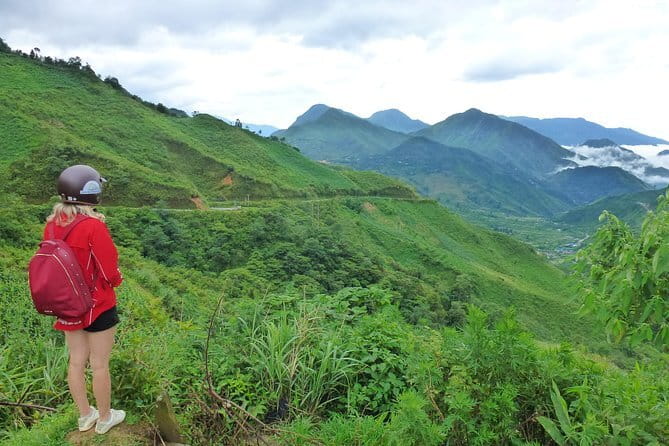
A two-hour workshop sounds short, but it can be perfect when you treat it like a focused craft session rather than a whole-day tour.
You’ll likely:
- Start at Saigonese Trekking House
- Receive a welcome drink
- Get your tools and materials
- Learn how to work with the tjanting pen and beeswax
- Create your patterns and produce your piece(s)
- Receive dyes to finish later if needed
- Leave back at the meeting point
Since the class is capped at 10 travelers, I recommend arriving a bit early so you can settle in and get oriented. When you’re starting a hands-on craft, being rushed is where mistakes happen.
What to bring is refreshingly simple: you don’t need prior skill, but bring curiosity and a willingness to accept that your first attempt won’t look like a professional batik master’s work. Think of it like learning handwriting. You’re building control.
One more practical point: the meeting point is described as near public transportation. That’s helpful if you’re bouncing between Sapa areas and don’t want to hunt for a specific pickup.
Who Should Book This Workshop (and Who Might Skip)
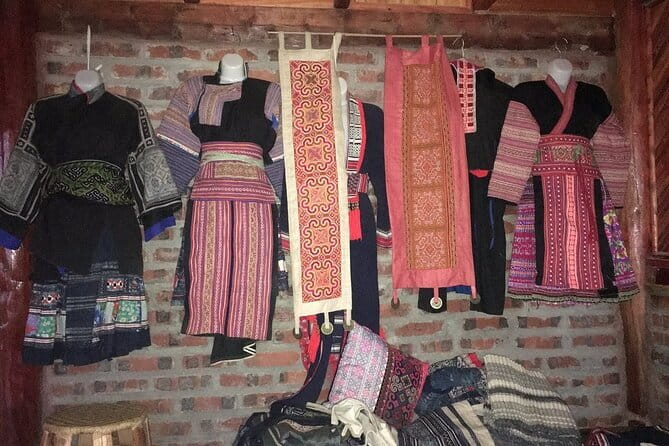
This workshop is a great fit if you:
- Want a hands-on cultural activity that ends with a real take-home item
- Like crafts where the process is taught step by step
- Prefer smaller groups (max 10 travelers)
- Plan to spend only part of your day in Sapa doing something creative
You might consider skipping or booking with extra care if:
- You’re extremely sensitive to take-home quality and want a guaranteed finished look right away
- You need an instructor-led experience with zero downtime and perfectly consistent staffing (one negative review signals that it’s possible for problems to happen)
That balanced approach is the smartest way to book. The best-case scenario is exactly what the positive feedback describes: a friendly instructor like Mây, a relaxed pace with drinks, and even beginners producing satisfying results. The worst case described is serious enough that you should check what’s happening if you see delays.
Should You Book This Hmong Batik Class in Sapa?
If you want a meaningful souvenir and you enjoy learning practical skills, I’d say this workshop is worth booking. The price is fair for materials and instruction, the group size stays small, and the experience is tied to Hmong heritage and local livelihoods rather than being a random craft stop.
Before you go, go in with realistic expectations. Your first batik will be your first batik. If you want to maximize your outcome, arrive early, pay attention during instruction, and if your pieces involve later finishing, ask how your items will be returned and check quality before you leave.
If you like culture you can touch, this is a strong choice for a couple of hours in Sapa.
FAQ
How long is the Hmong batik workshop in Sa Pa?
It runs for about 2 hours.
Where do I meet for the workshop?
You meet at Saigonese Trekking House, 02 Nguyễn Chí Thanh, TT. Sa Pa, Sa Pa, Lào Cai, Vietnam.
What’s included in the $20 price?
Coffee and/or tea welcome drink and the materials needed for the workshop are included.
Do I need any prior experience to make batik?
No experience is needed. You’ll be guided through the process.
Can I take my artwork home?
Yes. At the end of the workshop, you’ll leave with your own handcrafted artwork.
Is the group small?
Yes. The workshop has a maximum of 10 travelers.
Are tips included?
No, tips are not included.
Is there free cancellation?
Yes. You can cancel for a full refund up to 24 hours before the experience starts.
Does the workshop end back at the meeting point?
Yes. It ends back at the meeting point.
More Tour Reviews in Sapa

More Sapa Treks We Walked
Latest Sapa write-ups from our team



Sapa Trekking Tours, compared.
 ★ 5.0Sapa 2 Days 1 Night From Hanoi – Overnight in Ta Van VillageFrom $592,669 reviews
 ★ 5.0Hanoi – Sapa 2 Days 1 Night Overnight At HomestayFrom $89899 reviews
 ★ 5.0Sapa: Fansipan Cable, Cat Cat Village & Moana Instagram TourFrom $30777 reviews
 ★ 4.8From Hanoi: 2-Day Sapa Trekking Trip with Homestay & MealsFrom $71704 reviews
 ★ 5.0Sapa 3 Days 2 Nights Trekking Tour (1 Night In Ta Van Village, 1 Night In Hotel)From $139699 reviews
 ★ 5.03-Day Trekking Adventure of Sapa from Hanoi – Stay Ta Van VillageFrom $109611 reviews
 ★ 4.82-Day Sa Pa Ethnic Homestay Tour & Trek with Limousine Bus440 reviews
 ★ 5.0Sapa 2 Days 1 Night From Hanoi – Overnight in HotelFrom $89440 reviews
Browse the lists this tour appears in