
Reviewed · HANOI COOKING CLASSES
Vietnamese Home Cooking Class in Hanoi
Cooking in a Hanoi home changes how you eat. This small-group class (max five people) pairs a market walk with hands-on cooking at the chef’s place, so you learn what shapes Vietnamese flavors. I especially like the menu choices that range from Bun Cha to Pho, and I like how simple the whole plan feels with hotel pickup. One consideration: because it’s in a real home kitchen, you might find a more casual workspace than you’d expect from a polished cooking studio.
Pick morning or afternoon based on your appetite—lunch or dinner is part of the experience. You get round-trip shared transfer, bottled water, coffee and/or tea, and you’ll sit down to eat what you made, often with traditional rice wine at the table. If you have allergies or dietary needs, make sure you share them when booking so the chef can steer the cooking.
In This Review
- Key things that make this Hanoi cooking class work
- Entering a Hanoi Market Before You Cook
- Hotel Pickup and a Small-Group Pace That Feels Easy
- Cooking in the Chef’s Home: Where the Lessons Stick
- At Least Four Dishes: How the Menus Are Built
- Hanoian Feast (morning/lunch or afternoon/dinner option)
- Tonkin Origin
- Vegetarian Lover
- Stop 1: Market Shopping Done Like Locals
- Then You Eat: Homemade Lunch or Dinner, Plus Rice Wine
- Price and Value: What $41-ish Gets You
- Who Should Book This Hanoi Cooking Class
- Should You Book This Hanoi Home Cooking Class?
- FAQ
- How many people are in the cooking class?
- What dishes will I learn to make?
- Do I get hotel pickup and drop-off?
- Is lunch or dinner included?
- What about vegetarian options?
- Can I cancel for a full refund?
Key things that make this Hanoi cooking class work

- Max 5 people means you’re not watching from the sidelines
- A typical Hanoian market first, so you start with fresh ingredients
- Hands-on cooking for at least four dishes, not just one quick recipe
- Three menu styles (Hanoian, Tonkin, Vegetarian) so you can match your taste
- Homemade lunch or dinner plus coffee and/or tea, often with rice wine
Entering a Hanoi Market Before You Cook
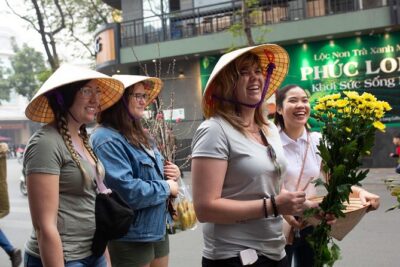
The best part for me is where the day starts: at a typical Hanoian market for ingredient shopping. You’re not just picking up items for dinner. You’re learning how Vietnamese cooking begins—with buying the right herbs, produce, and pantry staples while they’re at their freshest.
You’ll walk, look closely, and shop alongside a local guide. This is where you start seeing the logic behind the flavors you’ll cook later. Vietnamese food leans hard on balance: fresh herbs, sour notes, salty depth, and the kind of aromatics that make food smell alive before you even take a bite.
I also like how this market time turns the cooking class into real context. You’ll hear explanations about how local people eat and shop, and that helps when you try to recreate dishes later. Even if you only remember a few techniques—like how to prep components in the right order—you’ll get value that lasts past the meal.
One practical note: markets mean more walking than you might expect in a 4.5-hour activity. Wear comfy shoes and keep your phone secured, since you’ll likely be looking, tasting, and grabbing ingredients as you go.
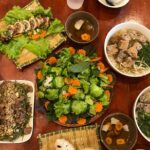
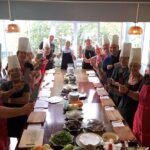
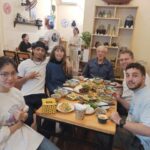
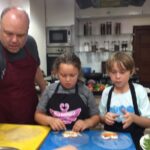
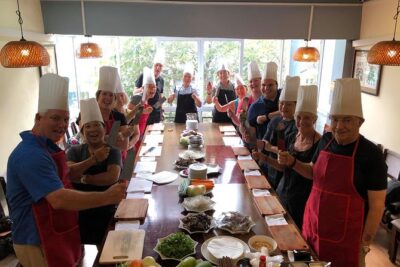
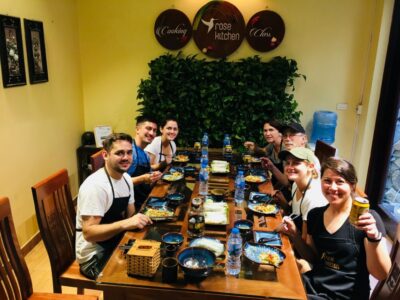
More aprons on in Hanoi kitchens

Hotel Pickup and a Small-Group Pace That Feels Easy
This experience is built to be low-friction. You get hotel pickup and drop-off with a round-trip shared transfer, so you’re not stuck figuring out Hanoi traffic on a full stomach and limited time.
Duration is about 4 hours 30 minutes, which is long enough to shop, cook, and eat without feeling rushed. It’s also short enough that you can fit it into a busy itinerary without turning the day into a marathon.
The small group size—up to five people—matters more than it sounds. When the class is that small, the chef can actually adjust. If your cutting technique is slow, they can slow down too. If you’re trying to follow the order of cooking steps, there’s room to ask what matters most and why.
Your ticket is mobile, and you get bottled water during the experience. Those small logistics add up. They free your brain to focus on the food instead of the calendar math.
Cooking in the Chef’s Home: Where the Lessons Stick
After shopping, you head to the chef’s home. This is the part that feels most authentic. A home kitchen changes the vibe: it’s practical, lived-in, and focused on doing the work—not staging a show.
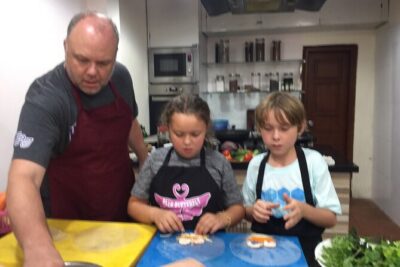
You’ll meet your host and get set to cook a selection of Vietnamese dishes. The class structure is designed so you learn techniques you can repeat later: prep, assembly, cooking steps, and how flavors come together. It’s also why at least four dishes is such a good number. You get variety, but not so much that everything turns into chaos.
The kitchen lesson isn’t only about recipes. It’s about rhythm. For example, some dishes rely on components that need time—mixing sauces, prepping herbs, or cooking elements that can be finished right before serving. You learn to think like a home cook: do the work in a smart order so everything hits the table at the right moment.
From past experiences with this kind of class, I’ve seen instructors called out for their patience and interactive teaching style, including names like Simon and Chris, plus hosts and guides such as Mango and Jessy. The common thread is hands-on guidance—lots of explanation, but not a lecture that leaves you with nothing to do.
If you’re brand new to cooking, that’s fine. If you already like food prep, you’ll still appreciate the structure and tips that keep the results consistent.
At Least Four Dishes: How the Menus Are Built
This class is designed around three menu options, and each one tells a different story about Northern Vietnamese cooking styles. You choose the menu when booking, then your dishes follow that theme.
Here’s what those menus can look like:
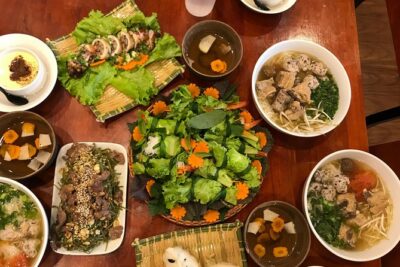
Hanoian Feast (morning/lunch or afternoon/dinner option)
This menu centers on flavors you’ll recognize from Hanoi classics:
- Bun Cha: BBQ pork with noodles and fish sauce
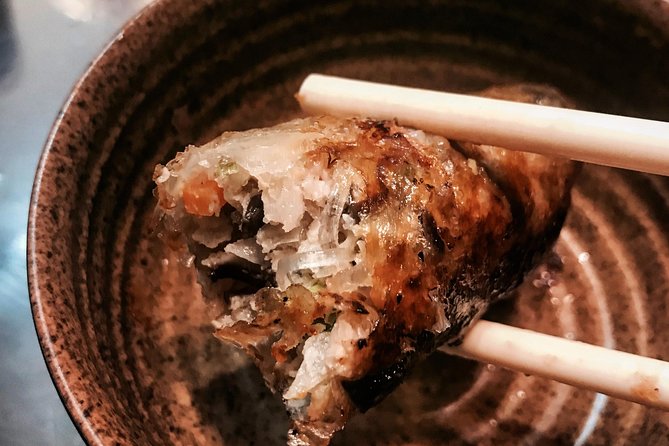
- Nem: fried spring rolls
- A salad-style dish such as banana flowers salad with chicken, or green papaya salad with dried beef
- Vietnamese egg coffee
You’ll likely notice that this menu mixes cooked and fresh elements. That’s key in Vietnamese eating: spring rolls and noodles bring warmth, while salads add crunch and acid.
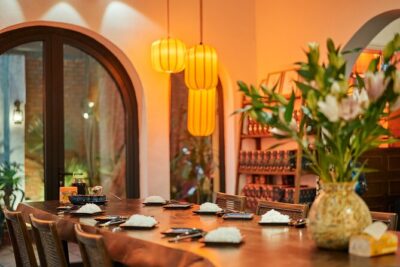
More kitchens to roll your sleeves up in
- Hanoi Cooking Class and Market Tour in Ancient House★ 5.0 · 379 reviews
- Rose Kitchen Hanoi: Market, Cooking & Culture Tour + Free PickUp★ 5.0 · 342 reviews
- Hanoi: Cooking Class in a Local Villa with Market Tour★ 4.9 · 320 reviews
Tonkin Origin
This menu goes heavier on soup and seafood.
- Pho noodle soup with beef or chicken
- Green mango salad with seafood
- Grilled fish
- Vietnamese egg coffee
If you love soups, this one makes sense. Pho is more than noodles in broth—it’s about the final balance of seasoning and timing, and it teaches you how to build flavor without overcomplicating it.
Vegetarian Lover
This menu proves vegetarian Vietnamese cooking isn’t an afterthought.
- Spring rolls (fresh or fried)
- Tofu in tomato sauce
- Eggplant with ginger sauce
- Che, a traditional Vietnamese dessert
If you prefer to avoid meat and fish, this is the cleanest choice on the menu list. And even if you don’t eat vegetarian at home, Che is a fun way to see how dessert can be a whole separate category of comfort food.
One more detail worth knowing: depending on the menu day, classes have included a wider mix of Hanoi favorites like Bún chả, nem rán, café trứng, bánh mì, and xôi xoài. So you may not get the exact same set every time, but you will stay within the menu themes and learn multiple core dishes.
Stop 1: Market Shopping Done Like Locals
Your market time is more than photo ops. You’re shopping for ingredients that directly match the dishes you’ll cook. That means you’re choosing what’s fresh right now, not relying on prepackaged versions.
You’ll likely see staples for Vietnamese cooking in action: noodles and rice-based items, herbs used in salads, sauces that bring depth, and ingredients that help create that signature mix of sweet, sour, salty, and aromatic.
This part also helps you understand Vietnamese cooking as a system. When you know what the market provides, it gets easier to repeat dishes later because you can substitute intelligently. Instead of copying a recipe word-for-word, you can shop with the right priorities: fresh herbs, the right texture of veg, the sauces and aromatics that give dishes their backbone.
And because the guide explains local habits, you don’t just learn what to buy. You learn why locals buy it that way and how it fits into daily meals.
Then You Eat: Homemade Lunch or Dinner, Plus Rice Wine
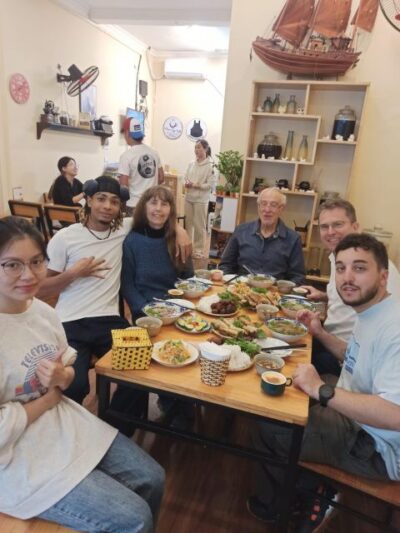
Once you finish cooking, you sit down and enjoy what you made—either lunch or dinner depending on the tour time you selected. This is one of those experiences where the meal actually feels earned. You didn’t just order dinner; you built it step-by-step.
The included meal is homemade, and coffee and/or tea are part of the experience. Traditional rice wine is served with the meal as well, which adds a local touch to the table. If you’re not a fan of alcohol, you should share your preferences at booking where possible so the host can guide you.
What you eat isn’t only one dish. With at least four dishes involved, the meal becomes a full spread: soup or noodles paired with spring rolls or grilled items, plus salads and dessert (depending on the menu). That variety helps you taste how different Vietnamese cooking approaches sit together.
A practical tip: go into this hungry, and pace yourself. This isn’t a small snack. It’s a full meal experience centered around what you cook.
Price and Value: What $41-ish Gets You
At about $41.03 per person, this class can feel like a bargain or like a splurge, depending on what you compare it to. Here’s the honest way to look at it:
You’re paying for:
- A small-group cooking class (max five)
- A guided market shopping trip
- A chef-hosted cooking session at a real home
- At least four dishes
- Lunch or dinner, plus coffee and/or tea
- Round-trip shared transfer and bottled water
If you try to do this on your own—buy ingredients, figure out timing, and learn cooking methods—you’ll spend time and money, and you’ll probably still miss the technique parts that make the dishes taste right. The meal inclusion matters too. Many cooking classes are mostly about the lesson with food as an add-on. Here, the food is the main event.
Also, the class is typically booked about 18 days in advance on average. If you want a specific time slot (lunch vs dinner) or a particular menu theme, plan ahead rather than assuming last-minute availability.
Who Should Book This Hanoi Cooking Class
This experience is best for people who want more than a recipe handout. You want the how and the why—ingredients, prep order, and flavor balance—plus you want the reward of a real homemade meal at the end.
It’s a strong match if you:
- Like learning by doing, not by watching
- Want a Hanoi experience beyond street food
- Prefer a small group (max five) for better attention
- Want options for different diets, including a vegetarian menu
- Appreciate hotel pickup and simple logistics
It’s less ideal if you’re looking for a high-tech, studio-style class with lots of seating comfort and silent professionalism. This is hands-on and home-based, which is exactly the point, but it comes with a more casual kitchen feel.
Should You Book This Hanoi Home Cooking Class?
I think you should book it if you want a practical way to understand Vietnamese cooking in the place where it’s lived—at a local market, then in a real home kitchen, ending with the meal you made. The small group size and the fact that you learn at least four dishes push it above the “quick workshop” category.
Choose the menu based on your mood. If you’re craving soup and grilled fish, Tonkin Origin fits well. If you want Hanoi signatures like Bun Cha and nem, pick Hanoian Feast. If you avoid meat and fish, Vegetarian Lover keeps things interesting with tofu, eggplant, and Che.
If you’re short on time, this still works because the whole day is about 4.5 hours with pickup built in. If you have strict dietary needs, send them upfront so the chef can plan. You’ll get a smoother experience and better results.
FAQ
How many people are in the cooking class?
The class has a maximum of five travelers, so it stays small and hands-on.
What dishes will I learn to make?
You will learn at least four Vietnamese dishes. The sample menus can include Bun Cha, fried spring rolls, salads, Pho, grilled fish, tofu in tomato sauce, eggplant with ginger sauce, Che, and Vietnamese egg coffee depending on the menu you choose.
Do I get hotel pickup and drop-off?
Yes. Hassle-free pickup and drop-off from your Hanoi hotel is included, along with round-trip shared transfer.
Is lunch or dinner included?
Yes. You can choose a morning (lunch) tour or an afternoon (dinner) tour, and the class includes lunch or dinner.
What about vegetarian options?
There is a Vegetarian Lover menu that includes spring roll (fresh or fried), tofu in tomato sauce, eggplant with ginger sauce, and Che.
Can I cancel for a full refund?
Yes. You can cancel for a full refund up to 24 hours in advance of the experience’s start time.
Roll Your Sleeves Up in Hanoi
More Tour Reviews in Hanoi






Learn Another Dish in Hanoi
Latest Hanoi write-ups from our team




Hanoi Cooking Classes, compared.
 ★ 5.0Hanoi Cooking Class: Culture, Local Market & Meaning CSR ImpactFrom $395,147 reviews
 ★ 5.05 Traditional Dishes Hanoi Cooking Class with Market TripFrom $354,890 reviews
 ★ 5.0Vietnamese Food Cooking Class in Hanoi with Market ExperienceFrom $45778 reviews
 ★ 5.05 Local Dishes Cooking Class with Meal & Market VisitFrom $40420 reviews
 ★ 5.0Hanoi Cooking Class and Market Tour in Ancient HouseFrom $45379 reviews
 ★ 5.0Rose Kitchen Hanoi: Market, Cooking & Culture Tour + Free PickUpFrom $48342 reviews
 ★ 4.9Cooking Class in a Local Villa with Market TourFrom $37320 reviews
 ★ 5.0Hanoi Maya Kitchen: Traditional Cooking Class & Market TourFrom $30287 reviews
Browse the lists this tour appears in