
Reviewed · HANOI COOKING CLASSES
Hanoi Cooking Class with Local People
Market mornings in Hanoi can be a show.
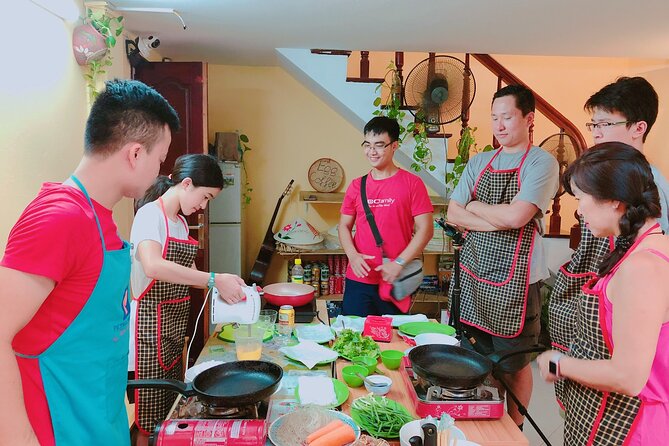
This half-day class turns that energy into a real cooking lesson, starting with an 8:00 a.m. Old Quarter pickup and a guided trip to buy ingredients using basic Vietnamese phrases. You then cook at your hosts’ home, learn the hows behind the flavors, and finish with lunch from your own creations.
I love how practical the instruction feels, especially when you’re learning marinades, spice, and sauce-making step-by-step. I also like that the day ends with a proper meal, paired with Hanoi beer or local wine, plus fresh fruit for dessert.
One thing to consider: transport may involve a public bus transfer and a walk across a busy highway area. If you’re sensitive to street crossings or prefer minimal road time, wear comfy shoes and plan for some hustle.
In This Review
- Key highlights you can actually use
- The 8:00 a.m. Old Quarter pickup and why timing matters
- Market shopping with Vietnamese phrases (and how it changes the day)
- Heading to the family home: welcome, introductions, and a real kitchen rhythm
- Marinades, spice, and the sauce you’ll make from scratch
- The dishes on your plate: phở cuốn, nộm, and nem rán
- Lunch with free drinks at 12:00: what you’re really paying for
- Price and logistics: is $50 worth your half-day?
- Who should book this Hanoi class (and who should skip it)
- Quick tips to make the most of your market and kitchen time
- FAQ
- What time does the Hanoi cooking class start?
- How long is the experience?
- What is the group size?
- Where do we get picked up and dropped off?
- Is there an English-speaking guide?
- What dishes will I learn to make?
- Are drinks included?
- Do I get recipe cards or instructions to take home?
- Can this tour be customized for dietary restrictions?
- Is transportation included?
- What if I need to cancel?
- Should you book this Hanoi Cooking Class with Local People?
Key highlights you can actually use
- Small group size (max 6) keeps it hands-on instead of crowded
- Market phrase coaching helps you talk to vendors and buy smarter
- Decorating lessons include carrot flowers, lemon grass stems, banana leaves, and curved chili
- Sauce from scratch using fish sauce, lime, chili, garlic, sugar, and herbs
- Free drinks with lunch (Hanoi beer, soft drinks, coffee, fresh green tea, local wine)
- Take-home recipe cards so you can recreate the menu later
The 8:00 a.m. Old Quarter pickup and why timing matters
The day starts early—around 8:00 a.m.—with pickup from your hotel in Hanoi’s Old Quarter. That matters more than you’d think. Morning is when markets are fresh, vendors are ready to chat, and ingredients look their best.
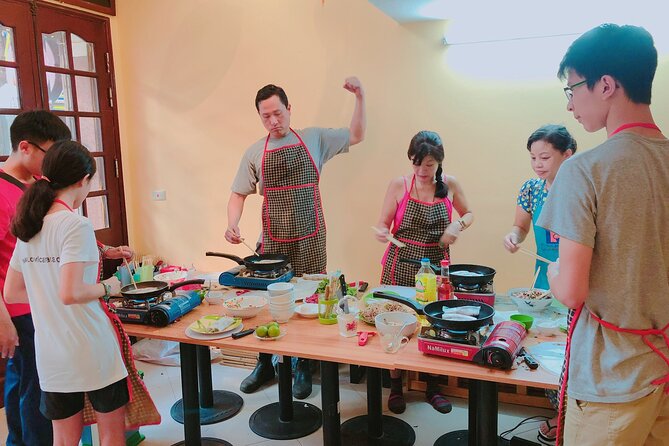
This is also a small-group experience, capped at up to 6 people. You won’t spend the whole time waiting your turn. You’ll actually handle ingredients, ask questions, and learn what your guide wants you to notice.
Plan to be ready for a few transfers and some walking. Most of it is short, but you’ll move enough that comfortable footwear is a smart idea.
More aprons on in Hanoi kitchens

Market shopping with Vietnamese phrases (and how it changes the day)
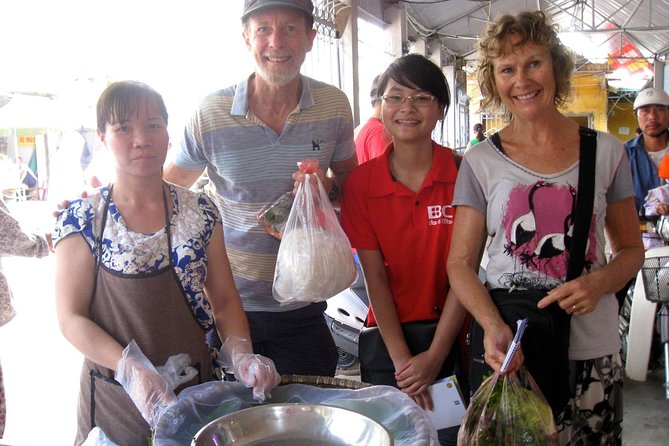
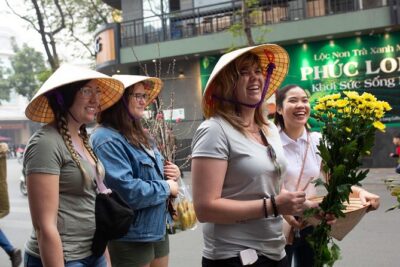
The first big stop is the local market, only about a 5-minute walk from where you start. The guide helps you shop and interact with sellers by teaching simple Vietnamese phrases plus practical cues—how to ask, how to point, and how to handle your currency.
This is where the experience becomes more than cooking. When you can say a few basics, you’re not just buying food. You’re joining the conversation long enough to learn what matters to local shoppers: freshness, cuts, herbs that smell right, and produce that still looks alive.
You’ll also get to watch the buying and selling rituals, which can be surprisingly educational. You learn how herbs get chosen, how vendors show options, and how people compare prices and quality quickly.
And yes, there are photo moments. You’ll likely want to snap pictures with vendors and the people around you. Just keep it light: ask before photographing close-up, and remember you’re stepping into a real workplace, not a staged set.
Heading to the family home: welcome, introductions, and a real kitchen rhythm
After shopping, you return to the hosts’ home around 10:00 a.m. The family welcomes you and shares a bit about their lives. It’s not a scripted performance. It’s more like being invited into their normal day and learning what “home cooking” looks like on their terms.
Here’s a subtle benefit: you stop treating Vietnamese food like a list of dishes. You start seeing it as a system. The guide shows you how flavors get built, where marinades fit, and why decoration is part of the meal—not just a photo trick.
If you’re lucky enough to have an especially engaging English-speaking guide, the whole flow gets smoother. One example from past groups was Luisa, praised for explaining clearly and helping people connect with the host family’s world.
At this stage, the experience shifts from market chaos to kitchen focus. Your hands will move a lot. Your job is to follow along, but also to ask questions when something smells, looks, or behaves differently than you expected.
Marinades, spice, and the sauce you’ll make from scratch
Once the cooking starts, the most important lesson is marinading and seasoning. It’s the difference between food that tastes good and food that tastes like Vietnamese comfort food. You’ll work through spices and flavor balance while the guide watches your technique.
One signature element you’ll likely make is a magical-feeling sauce made from simple ingredients you can actually recognize: fish sauce, water, sugar, lime, chili, garlic, and herbs. The big win here is not that the ingredients are rare—it’s that the guide shows you how to combine them so it tastes right instead of guessing.
You’ll probably notice the pace is methodical. The guide isn’t rushing you. You’re learning why each step comes when it does, which helps if you want to cook again later without relying on memory.
If you’re the type who loves food science, this part will click. If you’re not, it still works, because you’ll taste your way through what changes flavor.
The dishes on your plate: phở cuốn, nộm, and nem rán
By lunchtime, you’ll eat a menu of typical Hanoi favorites. Exact portions vary by group and house cooking, but the core ideas are consistent.
You may make and taste:
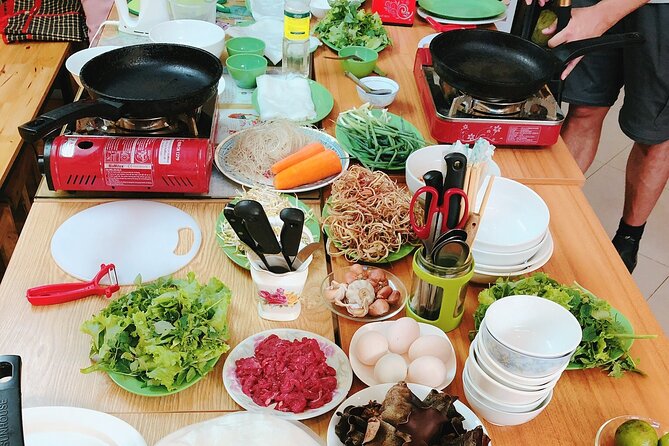
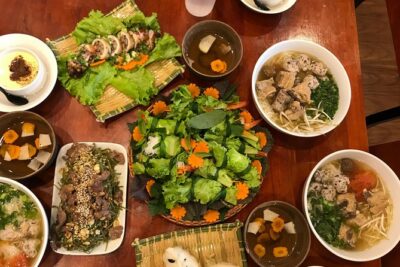
- Phở cuốn (fresh spring roll) with grilled beef and rice noodle, served with fresh herbs
- Nộm, a Hanoi specialty salad
- Nem Rán, fried spring rolls
- Seasonal vegetables and rice noodle
- Fresh fruits for dessert
What I like about this mix is that it teaches variety. You aren’t only learning one texture or one cooking method. You get soft and fresh rolls, a salad that depends on balance, and fried items that teach you how seasoning holds up when the food hits hot oil.
The decorating component is another highlight. You’ll practice shaping and arranging elements like:
- Carrot flowers
- Lemon grass stems
- Banana leaves
- Curved chili garnish
This matters for two reasons. First, it trains you to plate with intention, not just dump food on a plate. Second, it gives you a visual memory anchor when you later try to recreate the meal at home.
More kitchens to roll your sleeves up in
- Hanoi Cooking Class and Market Tour in Ancient House★ 5.0 · 379 reviews
- Rose Kitchen Hanoi: Market, Cooking & Culture Tour + Free PickUp★ 5.0 · 342 reviews
- Hanoi: Cooking Class in a Local Villa with Market Tour★ 4.9 · 320 reviews
Lunch with free drinks at 12:00: what you’re really paying for
You eat around 12:00 p.m. This is when the day turns into the payoff: you sample what you cooked alongside your hosts. You’re also offered free drinks, such as Hanoi beer, local wine, soft drinks, coffee, and fresh green tea.
I like this part because it’s not just a meal—it’s part of the lesson. You can compare what you made to how it’s meant to be eaten: with herbs, with salad balance, with the right bite order.
Fresh fruit comes at dessert time. It’s simple, but it helps reset your palate after herbs, chili, and fried textures.
If you enjoy chatting, this is the time to do it. The host family introductions earlier set a friendly tone, so the meal feels less like a workshop and more like a shared moment.
Price and logistics: is $50 worth your half-day?
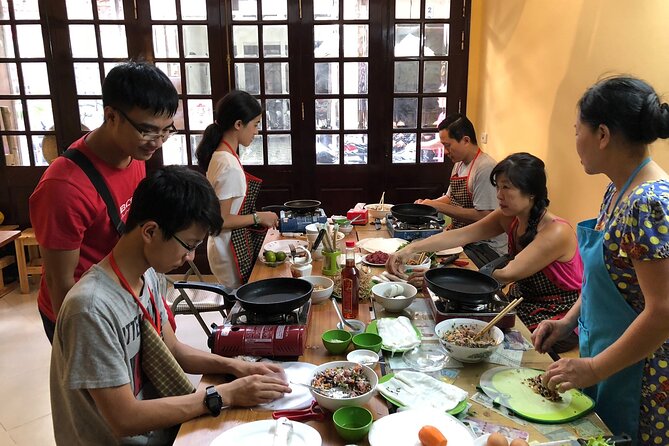
At $50 for about 5 hours, the value mostly comes from two things: you’re paying for market time plus real instruction in a local kitchen. You’re not just watching someone cook. You’re shopping, prepping, seasoning, decorating, and then eating.
Also, the price includes pickup and drop-off in the Old Quarter, an English-speaking Vietnamese guide, basic Vietnamese language support, and free drinks during the meal. That bundle can easily cost more if you try to piece it together yourself.
That said, transport style is the main wildcard. In at least some situations, you may be taken on public transit and do a walk across a highway area during peak conditions. It doesn’t mean the whole tour is unsafe, but it does mean you should go in prepared and choose this tour with your comfort level in mind.
Who should book this Hanoi class (and who should skip it)
This tour is a great fit if you:
- Want to learn more than recipes—especially market buying and seasoning technique
- Like meeting local families and eating what you made
- Enjoy small-group activities with hands-on teaching
- Want recipe cards you can use later
You might want to think twice if:
- You have mobility limits or don’t do well with street crossings
- You get anxious around unpredictable transport routes
- You prefer a very quiet, classroom-style experience without much movement
If you fall somewhere in the middle, you can still book—just go with the right expectations. Wear good shoes, stay aware at intersections, and treat the early start as part of the fun.
Quick tips to make the most of your market and kitchen time
Before you go, I’d plan for a few practical things:
- Bring small bills and be ready to practice the basic phrases your guide teaches
- Wear comfortable shoes for market walking and kitchen time
- Ask questions when you taste something you like, especially about seasoning and sauce balance
- Take photos of the decorating steps while you can, because that visual memory helps later
The best results usually come when you’re willing to do the work. Stir, taste, adjust, and don’t worry if your first attempt looks different. Vietnamese cooking is forgiving as long as you respect the flavor steps.
FAQ
What time does the Hanoi cooking class start?
It starts at 8:00 a.m. with pickup from your hotel in Hanoi’s Old Quarter.
How long is the experience?
The duration is about 5 hours.
What is the group size?
The tour has a maximum group size of up to 6 people.
Where do we get picked up and dropped off?
Pickup and drop-off are provided at your hotel in the Old Quarter.
Is there an English-speaking guide?
Yes. You’ll have an English-speaking Vietnamese guide, and you’ll also be taught basic Vietnamese phrases.
What dishes will I learn to make?
The menu can include phở cuốn (fresh spring roll), nộm (Hanoi specialty salad), and nem rán (fried spring roll), along with seasonal vegetables, rice noodle, and fruit dessert.
Are drinks included?
Yes. Free drinks include Hanoi beer, local wine, soft drink, coffee, and fresh green tea.
Do I get recipe cards or instructions to take home?
Yes. You receive a step-by-step recipe booklet and/or a selection of recipe cards to take home.
Can this tour be customized for dietary restrictions?
The schedule can be customized to suit your particular interests and dietary restrictions.
Is transportation included?
Pickup and drop-off are included, but you may travel to the home area using local transport methods such as a public bus depending on the departure.
What if I need to cancel?
You can cancel for a full refund up to 24 hours before the experience starts.
Should you book this Hanoi Cooking Class with Local People?
If you want a half-day in Hanoi that mixes market culture with hands-on cooking, this is a strong choice. The best part for most people is the combination of market shopping skills, learning marinades and sauce, and then sitting down to eat with the host family.
Book it if you’re comfortable with an early start and like learning through doing. Skip it if you have mobility concerns or you’d rather avoid public transport and busy highway crossings.
If you do book, you’ll get something rare for a cooking class: not just dishes, but the rhythm of how Vietnamese home cooks build flavor—one herb, one marinade, and one bite at a time.
Roll Your Sleeves Up in Hanoi

More Tour Reviews in Hanoi






Learn Another Dish in Hanoi
Latest Hanoi write-ups from our team





Hanoi Cooking Classes, compared.
 ★ 5.0Hanoi Cooking Class: Culture, Local Market & Meaning CSR ImpactFrom $395,147 reviews
 ★ 5.05 Traditional Dishes Hanoi Cooking Class with Market TripFrom $354,890 reviews
 ★ 5.0Vietnamese Food Cooking Class in Hanoi with Market ExperienceFrom $45778 reviews
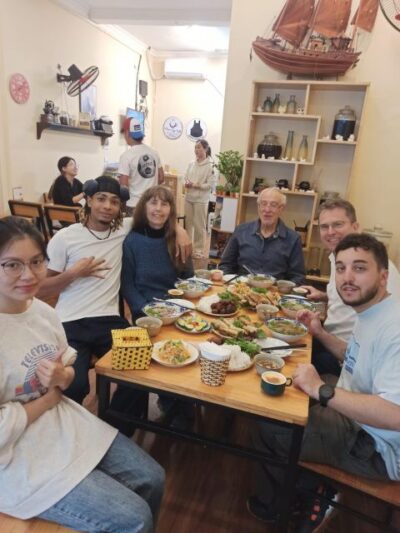 ★ 5.05 Local Dishes Cooking Class with Meal & Market VisitFrom $40420 reviews
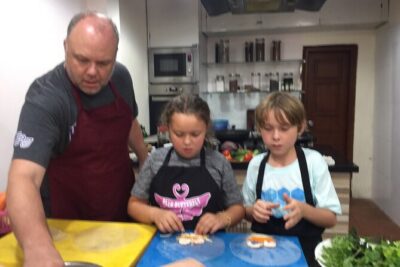 ★ 5.0Hanoi Cooking Class and Market Tour in Ancient HouseFrom $45379 reviews
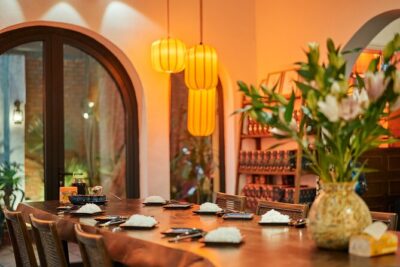 ★ 5.0Rose Kitchen Hanoi: Market, Cooking & Culture Tour + Free PickUpFrom $48342 reviews
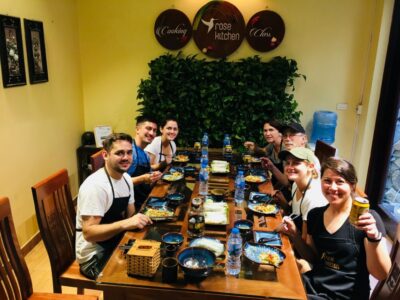 ★ 4.9Cooking Class in a Local Villa with Market TourFrom $37320 reviews
 ★ 5.0Hanoi Maya Kitchen: Traditional Cooking Class & Market TourFrom $30287 reviews
Browse the lists this tour appears in