
Reviewed · COFFEE EXPERIENCES
Hanoi Coffee Workshop Crafting the Perfect Brew
Coffee in Hanoi is a whole science. This 2-hour workshop is built around hands-on brewing, from the phin filter to egg coffee and latte art, with an English-speaking instructor guiding every step. You’ll work through multiple classic styles and taste what you’re making—no watching only, no guesswork, just coffee craft in a real local setting.
What I love most is the mix of practical brewing and recipe takeaways. You learn the methods, then you make several different drinks, including the ones people actively seek out in Hanoi. A second highlight is that the instructor connects the cups to the why—bean types like robusta and how local tastes shape what ends up on the menu.
One thing to consider: it’s timed. With about 2 hours and up to 15 people, the class is energetic and hands-on, but it’s not a slow, lab-style tasting course for deep coffee geeks.
In This Review
- Key moments that make this workshop worth your time
- Hanoi Coffee Workshop Crafting the Perfect Brew: What It Really Feels Like
- Where to Meet at GẠO CAFE in Hoàn Kiếm and How the Timing Works
- The Phin Filter Lesson: Building Vietnamese Black Coffee the Right Way
- Brown Coffee: Condensed Milk Meets Strong Vietnamese Bitterness
- Egg Coffee: The Custard-Like Drink That Gets Everyone Smiling
- White Coffee, Coconut Coffee, and Salt Coffee: Flavors You Might Not Expect
- Vietnamese White Coffee
- Coconut Coffee
- Salt Coffee
- Tasting What You Make: How the Instructor Helps You Adjust
- Latte Art Basics: A Small Skill With Big Payoff
- Price and Value Check for a 2-Hour Coffee Workshop
- Who Should Book This Hanoi Coffee Class (and Who Might Skip It)
- Should You Book This Hanoi Coffee Workshop?
- FAQ
- FAQ
- What is the duration of the Hanoi coffee workshop?
- How much does the workshop cost?
- Where is the meeting point?
- What coffee styles are included?
- Is the workshop taught in English?
- Are recipes provided?
- What group size should I expect?
- Is there a mobile ticket?
- What is the cancellation policy?
- Are service animals allowed?
Key moments that make this workshop worth your time
- 4–6 Vietnamese coffee styles in one session so you’re not stuck with just one drink
- Phin filter practice for strong, concentrated black coffee the Vietnamese way
- Egg coffee and salt coffee that feel like desserts and come with foam you’ll learn to build
- Latte art basics taught alongside the drinks, not afterthoughts
- English-speaking instruction with help adjusting drinks to your preferences
- Recipes included so you can recreate the drinks later at home
Hanoi Coffee Workshop Crafting the Perfect Brew: What It Really Feels Like
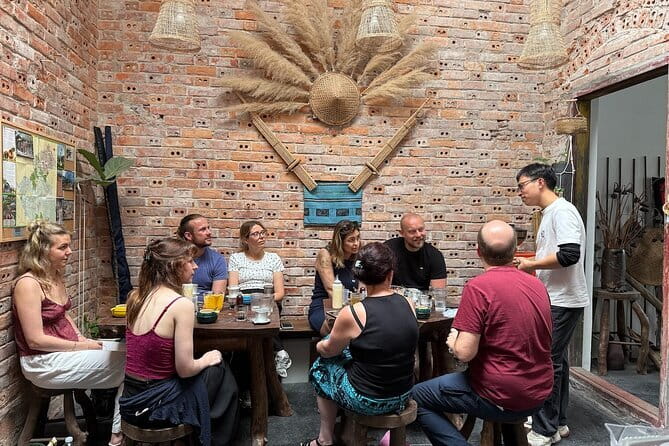
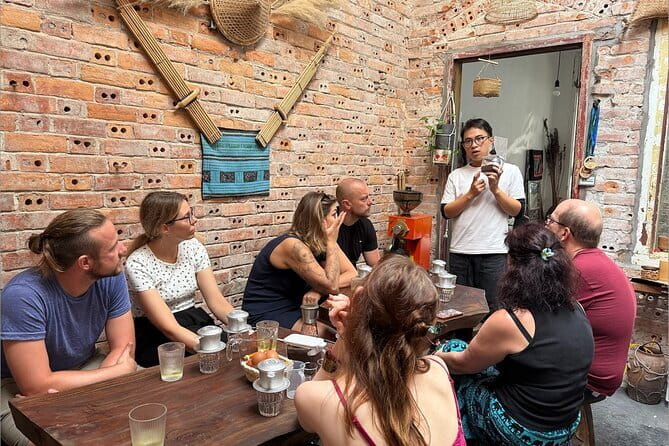
Vietnamese coffee has a reputation for being bold, sweet, and a little unexpected. Not because it’s trying to impress. It’s because it matches the way people here drink coffee—strong base, creative toppings, and flavors that can hold up to daily life in the heat. This workshop gives you a fast, friendly path into that world.
You start by learning what makes Vietnamese coffee different. The bean story matters: robusta is known for punchy bitterness and body, while arabica tends to be smoother and more aromatic. From there, the class moves into how those flavors get expressed in everyday brewing. You’ll see how a simple device like a phin filter can turn coffee into something creamy and concentrated when combined with local technique.
Then comes the part most people remember: you’re not just tasting. You’re brewing. That changes everything. Once you’ve poured and timed the drip, you understand why some drinks taste the way they do—sweetness, bitterness, foam texture, and even how fast the drink cools in your cup.
Worth a glance beside this Hanoi pick:



Where to Meet at GẠO CAFE in Hoàn Kiếm and How the Timing Works
The class starts at GẠO CAFE, 10 P. Chợ Gạo, Hàng Buồm, Hoàn Kiếm, Hà Nội (mobile ticket accepted). The activity ends back at the meeting point, so you don’t spend your evening hunting across town.
Duration is about 2 hours, and the group size is capped at 15 travelers. That limit matters because it keeps things hands-on. You get real chances to make the drinks instead of standing in line behind everyone else.
This is also a good “first couple days in Hanoi” activity. It’s short enough to fit your schedule, and it helps you spot the coffee styles you’ll see later as you stroll around Hoàn Kiếm. If you’re staying somewhere central and you can reach public transport easily, you’re set.
The Phin Filter Lesson: Building Vietnamese Black Coffee the Right Way
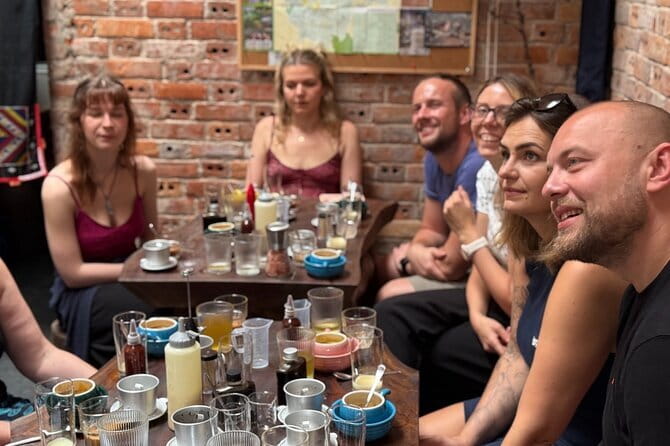
Your coffee education starts with the backbone of Vietnamese brewing: the phin filter. The class teaches you how this small metal drip filter produces strong, concentrated coffee. That’s the key: the phin slows the drip so you get intensity instead of a light, watery cup.
For Vietnamese black coffee, you’ll focus on method over mystery. You learn how the coffee grounds and drip timing affect strength. You also learn the practical reality of Vietnamese coffee: it’s meant to be bold, because later variations often add condensed milk, foam, or other creaminess.
If you like coffee that tastes like coffee—no sugar-by-default—this step is your anchor. And even if you don’t end up loving plain black coffee, the phin technique makes every other drink in the workshop easier to understand.
Brown Coffee: Condensed Milk Meets Strong Vietnamese Bitterness
Next up is brown coffee, one of the most popular variations in Vietnam. The idea is simple: brewed coffee plus condensed milk for creamy sweetness, but the coffee base stays in charge. It’s not just sugar syrup. The condensed milk rounds the edge of bitterness and turns a sharp drink into something smooth and satisfying.
When you make it yourself, you quickly learn something useful: the balance is about ratios and texture. Too much condensed milk can mute the coffee character. Too little and it tastes harsh. The class structure gives you a chance to find the balance by trying the method and adjusting.
This is also a good drink for people who think they don’t like strong coffee. Brown coffee often becomes a gateway drink—still Vietnamese, just more approachable.
Egg Coffee: The Custard-Like Drink That Gets Everyone Smiling
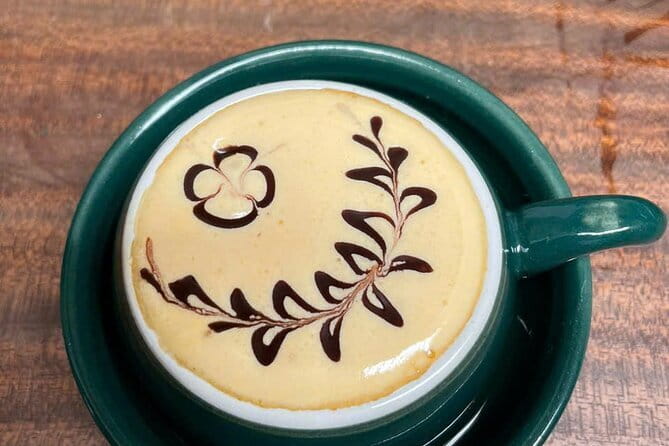
Then you get to egg coffee, a creamy, dessert-like favorite. It’s built to taste rich—custard vibes with a coffee backbone. The workshop teaches you the technique so you can reproduce that foam-and-custard feel that makes egg coffee so memorable.
Egg coffee is where the workshop earns its reputation for fun. You’re not only brewing; you’re building a texture. The foam and cream components create the thick mouthfeel people associate with egg coffee, while robusta’s bitterness keeps it grounded instead of turning it into pure dessert.
If you’re traveling with someone who usually avoids coffee because it tastes too bitter, egg coffee is often a crowd-pleaser. It tastes like a treat, but it still has that Vietnamese coffee punch.
Worth a glance beside this Hanoi pick:
- Hanoi Cooking Class: Culture, Local Market & Meaning CSR Impact★ 5.0 · 5,147 reviews
- 5 Traditional Dishes Hanoi Cooking Class with Market Trip★ 5.0 · 4,890 reviews
- Hanoi Coffee Workshop: Taste Salt, Coconut and Egg Coffee★ 5.0 · 1,286 reviews
White Coffee, Coconut Coffee, and Salt Coffee: Flavors You Might Not Expect
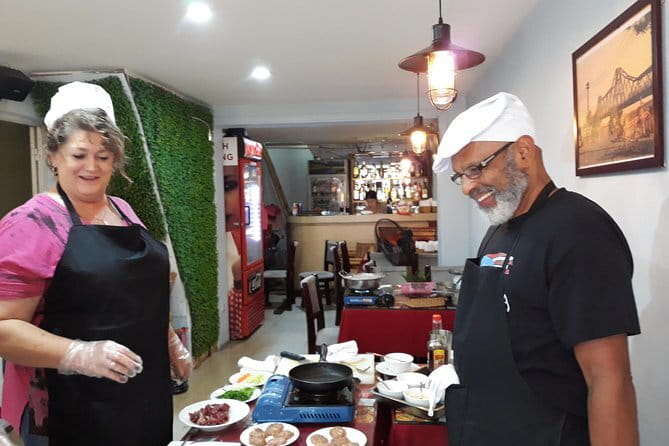
After you’ve mastered the core method, the class expands into more surprising, very Hanoi-style combinations. You’ll cover multiple styles, typically including:
Vietnamese White Coffee
White coffee here isn’t like the Western “white” coffee concept you might be used to. It’s a balanced mix of robusta’s bold bitterness and the sweetness of condensed milk. The goal is harmony: you get the coffee identity without it feeling harsh.
Coconut Coffee
Coconut coffee adds a tropical twist. You’ll learn how strong black coffee meets creamy coconut milk, creating a drink that feels refreshing without losing the coffee strength. This is a great option when you want something that still tastes like coffee, but lighter and more aromatic.
Salt Coffee
Salt coffee is the curious one people talk about because it sounds strange and then works. The workshop shows how sea salt and milk foam combine with coffee for a sweet, salty, and bitter flavor mix that feels oddly well-balanced. It’s a rising favorite, and once you understand the salt-and-foam role, it stops tasting like a gimmick and starts tasting like a real flavor strategy.
The practical value here is big: you stop thinking of coffee as a single taste. You learn it as a set of components—base coffee, sweetness, foam, and flavor add-ons.
Tasting What You Make: How the Instructor Helps You Adjust
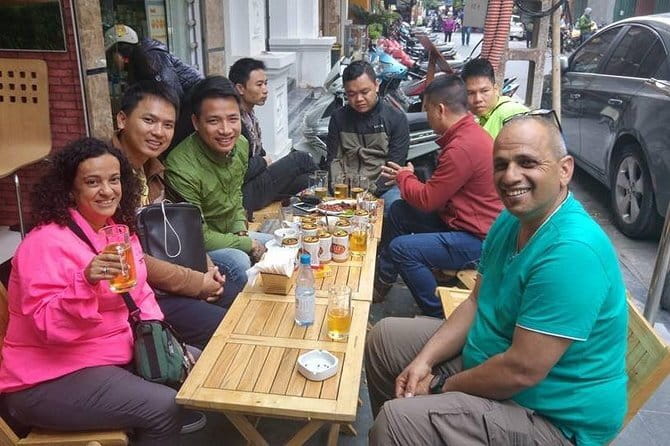
Throughout the workshop, the tasting is part of the lesson. As you build each drink, you taste it and learn what changes if you adjust technique or ratios.
The instructor is English-speaking, and many classes are taught by instructors such as Dat, Devin, Claire, Ashley, or David. Whoever you get, the consistent theme in the experience is clear instruction and patience. You learn not just what to do, but what to aim for in the cup.
One of the best parts is learning to adjust your drink to your own preferences. If you like it sweeter, you’ll understand how the condensed milk role changes the result. If you want something less sweet, you’ll learn where the coffee can stand on its own.
Latte Art Basics: A Small Skill With Big Payoff
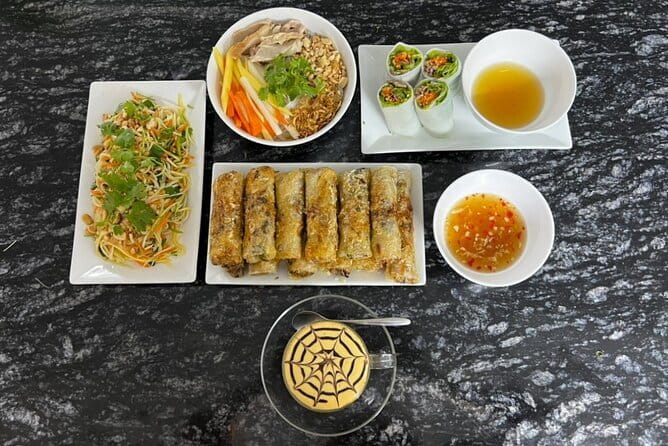
After the main drinks, the class also includes latte art practice. You might not leave as a barista, but you’ll learn the simple foundation: how to pour with control so the foam forms patterns.
This matters because Vietnamese coffee culture is often about texture and technique, not just flavor. Latte art becomes a fun way to connect what you built (foam thickness and pour speed) with how it looks in the cup.
And it’s honestly a good souvenir skill. You can show friends later that you didn’t just drink Hanoi coffee—you shaped it.
Price and Value Check for a 2-Hour Coffee Workshop
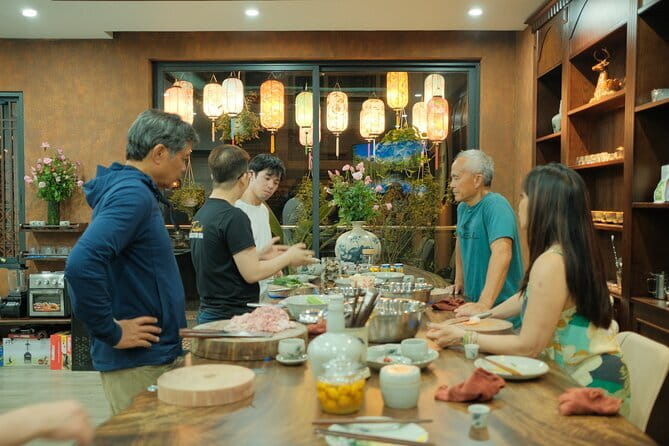
The price is $17.73 per person for about 2 hours. That’s not a deal-steal price, but it’s fair value for what you get.
Here’s why the value works:
- You get ingredients and recipes for the styles you make.
- You get an English-speaking instructor who explains method and context.
- You get hands-on time across four to six distinct coffee styles, not just one.
- You typically get to taste what you craft, which is part of learning.
Not included: additional food or drink beyond what’s used for the workshop, plus personal expenses and tips. So if you tend to snack heavily, plan to eat before or after.
The other value factor is group size. Up to 15 people means you’re not lost in a crowd. You can actually get help when something needs tweaking.
Who Should Book This Hanoi Coffee Class (and Who Might Skip It)
This workshop is a strong match for:
- Coffee lovers who want hands-on Vietnamese technique, especially phin brewing
- People who want to try multiple Hanoi coffee styles in one sitting, including egg coffee and salt coffee
- Couples and friends who want a fun activity that doesn’t require much prior knowledge
- Travelers who like learning while doing, not just reading a menu
You might want to think twice if:
- You’re looking for a long, slow tasting menu experience. This runs on a tight two-hour schedule.
- You don’t like strong coffee flavors. Some of the base is robusta, which means you’ll taste bitterness even when drinks are sweetened.
If you want one “coffee primer” activity before you start ordering around Hanoi, this is a smart pick.
Should You Book This Hanoi Coffee Workshop?
Yes, if you want a practical, memorable introduction to Vietnamese coffee culture without wasting hours. For a little over two hours, you’ll learn phin brewing, make several iconic drinks like brown coffee, egg coffee, and salt coffee, and get basic latte art practice—plus recipes to repeat the process at home.
Book it soon after you arrive in Hanoi so you can use what you learn when you order coffee around the city. And aim for a day with good weather, since the experience requires it.
If your main goal is to learn by making, this class hits the mark.
FAQ
FAQ
What is the duration of the Hanoi coffee workshop?
It runs for about 2 hours.
How much does the workshop cost?
The price is $17.73 per person.
Where is the meeting point?
You meet at GẠO CAFE, 10 P. Chợ Gạo, Hàng Buồm, Hoàn Kiếm, Hà Nội 100000, Vietnam.
What coffee styles are included?
You can expect four to six styles, typically including black coffee (phin filter), brown coffee (condensed milk), egg coffee, white coffee, coconut coffee, and salt coffee.
Is the workshop taught in English?
Yes. An English-speaking instructor is included.
Are recipes provided?
Yes. The workshop includes recipes for each type of coffee.
What group size should I expect?
The workshop has a maximum group size of 15.
Is there a mobile ticket?
Yes, it uses a mobile ticket.
What is the cancellation policy?
Free cancellation is available. You can cancel up to 24 hours in advance for a full refund. If you cancel less than 24 hours before the start time, it isn’t refunded. The experience may also be rescheduled or refunded if it can’t run due to poor weather or if the minimum number of travelers isn’t met.
Are service animals allowed?
Yes, service animals are allowed.
More Workshops in Hanoi


More Coffee Experiences in Hanoi
More Tour Reviews in Hanoi






Latest Hanoi write-ups from our team





Coffee Experiences, compared.
 ★ 5.0Hanoi Coffee Experience: 6 Brews, 9 Recipes & 3 Liquor TastingsFrom $172,945 reviews
 ★ 5.0Hanoi Coffee Workshop: Taste Salt, Coconut and Egg CoffeeFrom $161,286 reviews
 ★ 5.0Salt Coffee Workshop Awake Your Senses With 6 BrewsFrom $23792 reviews
 ★ 4.9Vietnamese Street Food Tour with Egg CoffeeFrom $24315 reviews
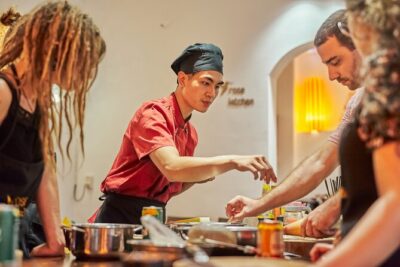 ★ 5.0Hanoi Cooking Class: Pho/Bun Cha/Banh Xeo…+Free Egg/Salt CoffeeFrom $19267 reviews
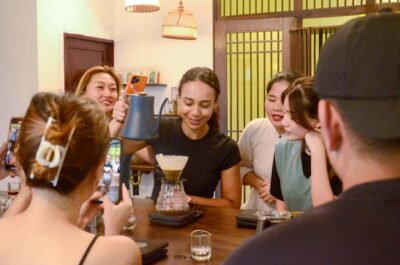 ★ 5.0Vietnamese Coffee Workshop with 6 Brews and 8 RecipesFrom $34237 reviews
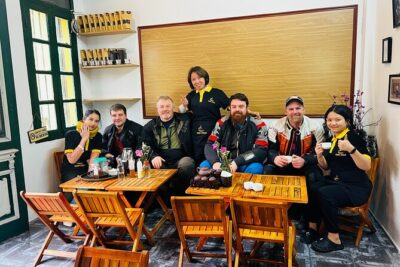 ★ 5.0Ha Noi Egg Coffee ClassFrom $12227 reviews
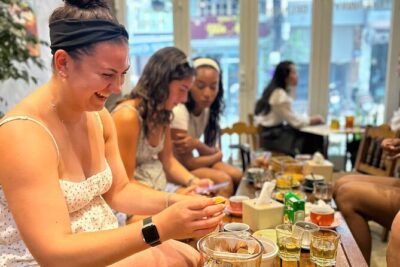 ★ 5.0Hanoi Coffee Workshop: Master 6 Signature Vietnamese CoffeeFrom $18171 reviews
Browse the lists this tour appears in