
Reviewed · SAPA TREKKING TOURS
Half-Day Hometrek from Sapa with Hmong Sister House
Sapa’s walking route tells a story at every step. This half-day hometrek from Sapa to Hau Thao follows the old path Hmong families used to reach the market, now turned into a must-do walk through rice paddies and village life. I especially like that the pace stays human-sized for a short day, and you end at a real homestay community instead of being rushed back to town.
Two things stand out for me: the chance to see multiple villages in one outing (Y Linh Ho, Lao Chai, Ta Van, and Hau Thao), and the way the guide helps you understand what you’re seeing, not just where to walk. A possible drawback is timing: in March, the area may feel quieter, with less going on than you’d hope.
In This Review
- Key Things to Know Before You Go on This Sapa Hometrek
- A Half-Day Hike That Feels Like Meeting People, Not Just Passing Through
- The Route: From Y Linh Ho to Hau Thao (Stop by Stop)
- Stop 1: Sapa (Pickup and Setting the Tone)
- Stop 2: Y Linh Ho (The Old Path Becomes Your Walk)
- Stop 3: Lao Chai (Views, Rice Paddies, and a Photo Moment)
- Stop 4: Ta Van Village (Culture Talk While You Walk)
- Stop 5: Hau Thao (Finish at the Homestay and Take in the View)
- Rice Terraces, Mountain Air, and the Reality of Muddy Paths
- Price vs. Value: Why $25 Can Make Sense Here
- Guide Quality Is the Difference Maker (Ku Is a Standout Name)
- When to Go: Why March May Feel Quieter
- What to Pack (So the Trek Feels Fun)
- Who Should Book This Hometrek?
- Should You Book This Sapa Hometrek From Hmong Sister House?
- FAQ
- FAQ
- How long is the Sapa half-day hometrek?
- What does the $25 price include?
- Are pickup and a meeting point included?
- Where does the trek go during the half day?
- Does the tour include a family dinner?
- What start times are available?
- Is it a private tour?
- What happens if the weather is bad?
- Is cancellation free?
Key Things to Know Before You Go on This Sapa Hometrek
- Local guide energy, not script reading: English support and cultural context come from a guide who lives the culture, with names like Ku showing up often in the experience.
- A real old walking route: the trail is tied to how Hmong people historically walked to Sapa market.
- Multiple village stops, all on foot: Y Linh Ho, Lao Chai, Ta Van, then onward to Hau Thao.
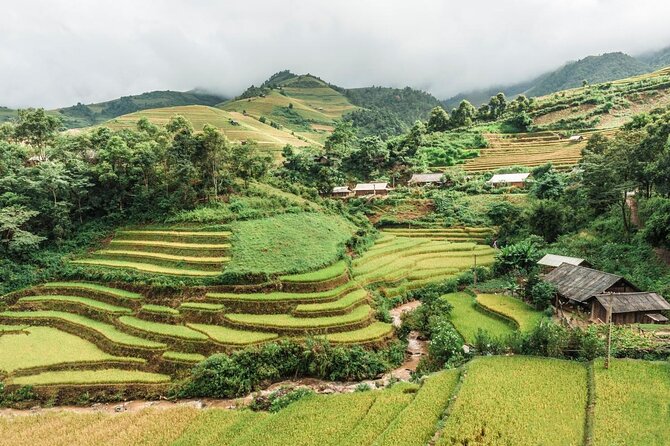
- Rice paddies and mountain viewpoints: you’re timed to hit scenic sections and photo stops.
- Small shared group (max 15): more personal than big buses, and easier to manage on narrower paths.
- Short but not easy-free: expect uneven ground, and if you slip, you’ll rely on the guide’s help on muddy sections.
A Half-Day Hike That Feels Like Meeting People, Not Just Passing Through
This trek is built around one simple idea: walking is the way you learn Sapa. You start in town, move along a route that links villages, then finish at a homestay where village life continues after your walk.
The half-day format is a big part of the value. At about 4 hours 30 minutes, you still get a satisfying mix: village edges, valley views, rice field scenes, and time in Hau Thao. It’s short enough for many visitors, including people who don’t want a full-day trek—yet long enough that you don’t just “touch” the scenery.
Another practical win: pickup is offered from Sapa town anywhere convenient (hotel, bus, etc.). On top of that, your luggage is arranged to go to the homestay ahead of time via a driver. That means you’re walking with less weight and fewer worries, which matters a lot on uneven paths.
More trails through the Sapa valleys



The Route: From Y Linh Ho to Hau Thao (Stop by Stop)
Stop 1: Sapa (Pickup and Setting the Tone)
You meet your guide in Sapa town and get moving with a driver arrangement that takes care of luggage early. This part is fairly short—around 40 minutes—but it matters. You’re not left to figure things out on your own, and you get your bearings before the real walking starts.
If you’re staying near the center, this is easy. If you arrive in Sapa by bus or train, it’s also helpful that you can send a pickup point. The tour runs 6:00 AM to 2:00 PM, so you can pick a start time that fits your energy and the day’s weather.
Stop 2: Y Linh Ho (The Old Path Becomes Your Walk)
Y Linh Ho is where the trek earns its name. The route connects to an older story: in the past, Hmong people walked from their village to reach Sapa market. Now, that same kind of route is what you’re doing—just with a modern guiding setup.
What you’ll like here is the feeling of continuity. You’re not wandering randomly. You’re following a line that locals have been using for generations, which makes the whole day feel more meaningful than a generic sightseeing hike. Expect about 1 hour here, with the landscape opening up as you move along.
A small consideration: the path can be uneven and sometimes muddy, so wear shoes you trust on slippery ground. You’ll feel better than the person who planned to wear sandals because it looked fine in the hotel hallway.
Stop 3: Lao Chai (Views, Rice Paddies, and a Photo Moment)
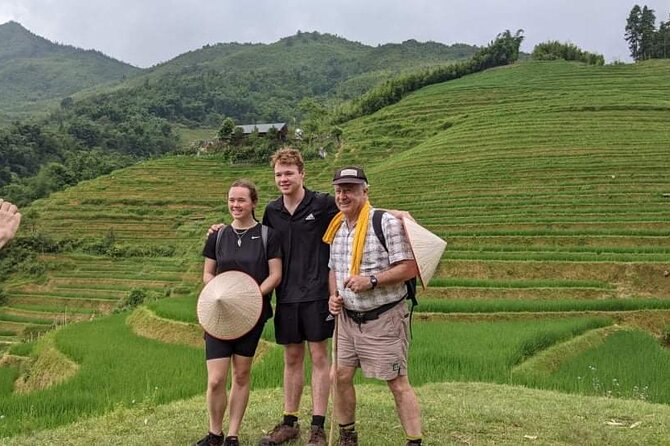
Lao Chai is where the scenery stacks up. This stretch focuses on your perspective of the main communities and includes rice paddy scenery and a photo stop at a scenic spot.
You get about 1 hour 30 minutes here, which is long enough for a real walk-and-look rhythm. It also gives your guide time to explain what you’re seeing as you go, rather than rushing through like you’re checking boxes.
The main drawback at this stage is weather dependence. If it’s damp or visibility is low, the views can be muted. The good news: the trek itself still works because the village connection is the core, not only the view.
Worth a glance beside this Sapa pick:
- Sapa Dragon Cloud Glass Bridge and Silver Waterfall Half-Day Tour★ 5.0 · 25 reviews
- Sapa Half-Day Motorbike Tour: Villages & Rice Fields★ 5.0 · 22 reviews
- Private Half-Day Tour of Villages, Terrace Rice Fields by Car★ 5.0 · 16 reviews
Stop 4: Ta Van Village (Culture Talk While You Walk)
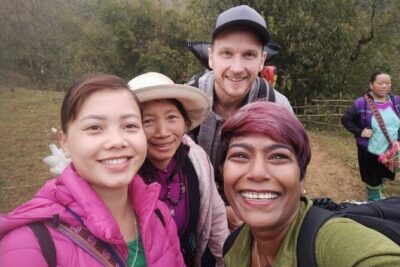
Ta Van is where the trek slows just enough to feel like you’re actually meeting a place. You’ll be accompanied by a Hmong guide who shares stories about the village and Hmong culture, which changes the whole experience.
This part runs about 1 hour. In practice, that gives you time for questions and small conversations while you walk between sections. If you care about understanding why people live the way they do—rather than only taking photos—this stop is usually one of the best.
One detail that shows up in the experience ratings: guides with strong English and real local ties make a noticeable difference. Ku is one name people bring up specifically, and the praise is less about memorized facts and more about how natural the explanations feel.
Stop 5: Hau Thao (Finish at the Homestay and Take in the View)
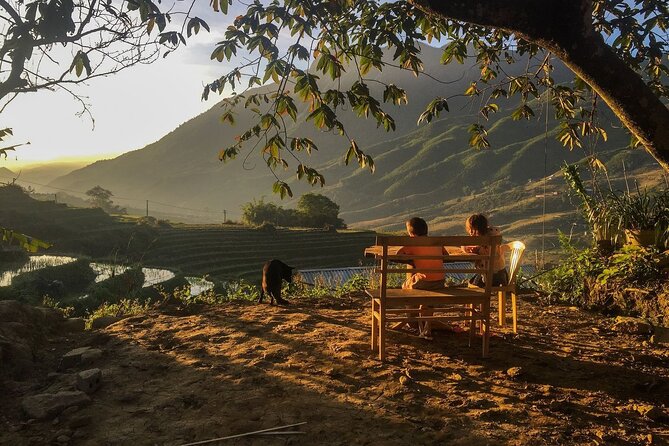
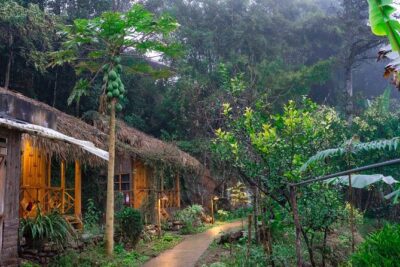
The trek ends in Hau Thao village, where Zizi’s family lives. This is the emotional close to the day: you’re not finishing on a road near a souvenir stand. You’re arriving in a community setting, with time to enjoy the view and explore.
The final segment is about 30 minutes, which is short, but it’s placed well. You get the sense of arrival without losing the group.
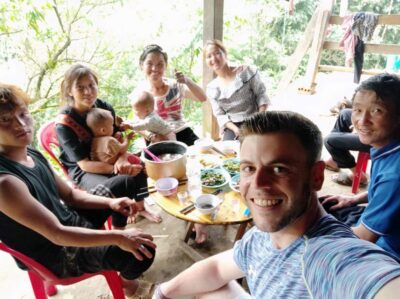
You may also have the option to join a family dinner cooked by Zizi Homestay. If you’re the kind of traveler who likes meals that come from a home kitchen (not a generic menu), this is the reason to pick a trek instead of a quick bus tour.
The tour ends at Zizi Mekhoo Sapa Homestay, in Ban Pho village, about 9 km from Sapa town. That distance is part of what makes the trek feel “real”—you’re not just walking in a circle.
Rice Terraces, Mountain Air, and the Reality of Muddy Paths
Sapa trekking has two faces: gorgeous views and slippery ground. The best moments often come right after the most careful footwork.
In the better-rated outings, guides actively help people down muddy sections. That isn’t a luxury—it’s part of why a local guide matters. If you have a tendency to twist your ankle or you know you’re not steady on wet trails, plan to go slow, keep your focus low on your footing, and let your guide set the rhythm.
One rating I’d take seriously: someone started the trek with an ankle issue just minutes in and still got support from the guide, including help booking a bike back when they had to cut the walk short at the halfway point. That’s the kind of practical care you want on a short trek where one misstep can ruin the day.
Price vs. Value: Why $25 Can Make Sense Here

At $25 per person for a shared group half-day, the math can work very well—if you price it like a local experience, not like a bus ride.
Here’s what you’re getting that pushes value up:
- Pickup offered within Sapa town
- Bottled water
- Lunch included
- An English-speaking Hmong guide
- A guided route through multiple villages
- A finish at a homestay where you can opt into a family dinner
Lunch matters more than it sounds in Sapa. Trekking works up an appetite fast, and you don’t want to hunt down food right after a trail. The bottled water is also a nice baseline on a short day.
The “shared” part helps the price stay sane. With a maximum of 15 travelers, you still get a manageable group size. If it were a larger crowd, village paths and photo stops would feel more like a queue. With this setup, the route stays personal enough to actually learn.
Guide Quality Is the Difference Maker (Ku Is a Standout Name)
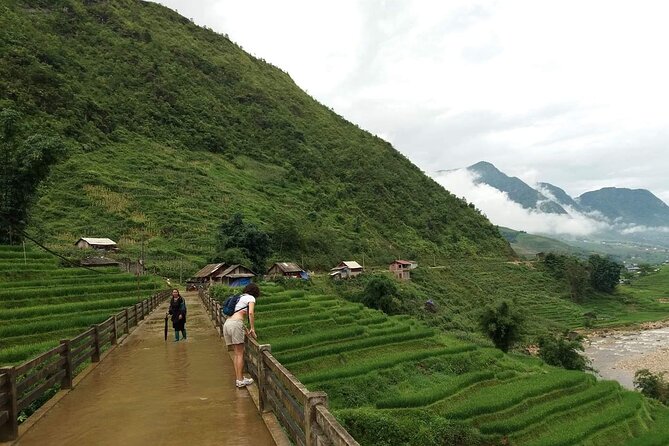
A good trek guide does two jobs: keeps you on the path, and helps you understand why the path matters.
In the strong reviews, the guide’s English shows up as a major plus, and Ku is specifically praised as a local who lives the culture. That’s important because you can fake enthusiasm, but you can’t fake lived experience when you’re standing in front of village life.
The guide also shapes the comfort level on tricky sections. People mention help on muddy paths and support if something goes wrong. For a short trek, that safety net is worth more than you’d think.
When to Go: Why March May Feel Quieter
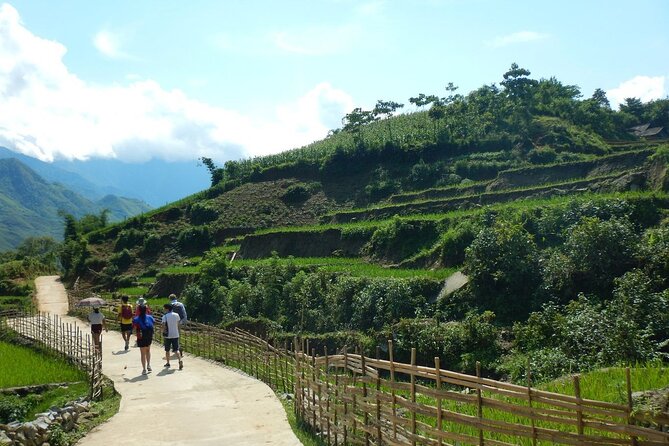
Weather is part of the deal here, not an afterthought. This experience requires good weather; if conditions are poor, you’ll be offered a different date or a full refund.
Season can also change the vibe. One reviewer pointed out that in March, there wasn’t much going on. That doesn’t mean the trek fails—it means your scenery and village activity might feel less lively than during peak periods.
My advice: choose a day with clearer conditions and decent visibility. If the forecast looks grey and wet for a while, consider whether you still want to walk through muddy ground for the views you might not fully see.
What to Pack (So the Trek Feels Fun)
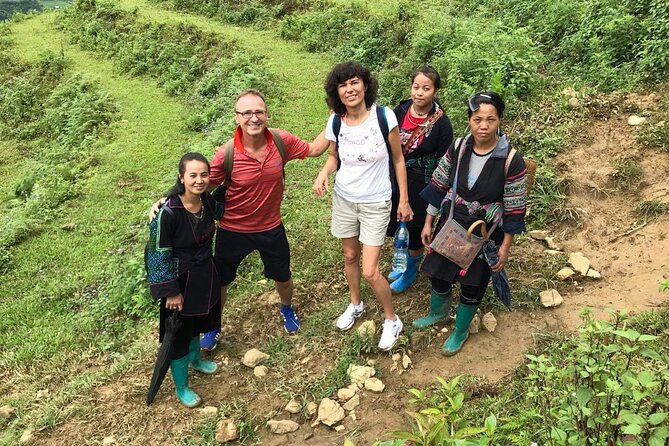
You’re walking through villages and rice paddy areas, so think practical:
- Good grip shoes for mud and uneven stone or dirt paths
- A light rain layer just in case
- A small day bag with water and essentials, even though water is included
- If you’re prone to ankle twists, consider trekking poles or at least slower pacing
- Wear layers: mountain weather can shift during the morning
If you want to do the family dinner at Hau Thao, bring something modest and comfortable. You’ll likely be sitting and eating more like a home visit than a restaurant meal.
Who Should Book This Hometrek?
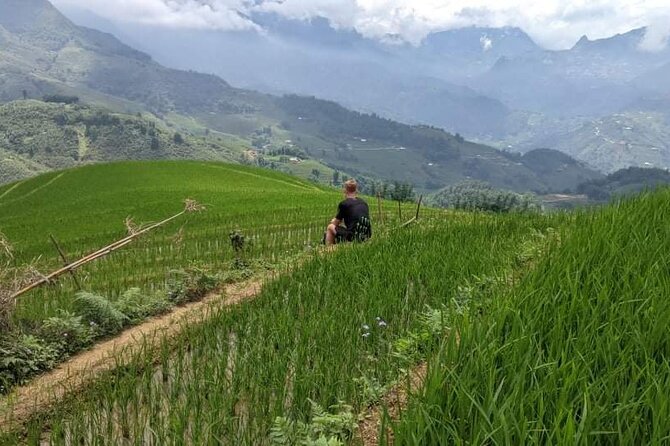
This trek is a strong fit if you want:
- A short, focused walk rather than a full multi-day trek
- Village context and culture talk from an English-speaking Hmong guide
- Rice paddy views and mountain scenery, without committing an entire day
- A finish at a homestay community, with an optional family dinner
It may be less ideal if you need a totally flat walk or you’re not comfortable with muddy conditions. Even then, the guide support is real, but a person with mobility challenges might find the terrain stressful.
If you’re visiting Sapa for a brief stay and want a day that feels connected to people—rather than only scenic—you’ll probably appreciate this more than a quick viewpoint stop.
Should You Book This Sapa Hometrek From Hmong Sister House?
I think this is worth booking if you care about the story behind the route and you want a guide who can explain what you’re seeing while you walk. The combination of multiple village stops, lunch and water included, and the homestay finish (with a family dinner option) makes the $25 price feel grounded and fair.
Skip it or rethink your date if you’re going during a period you suspect will be quiet. March is an example of when the area may feel slower. Also, take weather seriously. This is a trail experience, and poor conditions can affect the views as well as the walk itself.
If you do book, pick a start time that matches your energy. The day runs from 6:00 AM up to the afternoon (the tour window goes to 2:30 PM). Starting earlier often helps with clearer light and a calmer pace on the paths.
FAQ
FAQ
How long is the Sapa half-day hometrek?
The trek lasts about 4 hours 30 minutes.
What does the $25 price include?
It includes bottled water and lunch.
Are pickup and a meeting point included?
Yes. Pickup is offered from Sapa town, anywhere convenient like your hotel or bus. The tour ends at Zizi Mekhoo Sapa Homestay in Ban Pho village.
Where does the trek go during the half day?
The route includes Y Linh Ho, Lao Chai, Ta Van Village, and ends in Hau Thao.
Does the tour include a family dinner?
You’re welcome to join a family dinner prepared by Zizi Homestay at the end of the trek, if you want.
What start times are available?
The tour start window is 6:00 AM to 2:30 PM.
Is it a private tour?
No, it’s a shared group tour with a maximum of 15 travelers.
What happens if the weather is bad?
This experience requires good weather. If it’s canceled due to poor weather, you’ll be offered a different date or a full refund.
Is cancellation free?
Yes. You can cancel up to 24 hours in advance for a full refund.
More Half-Day in Sapa


More Tour Reviews in Sapa

More Sapa Treks We Walked
Latest Sapa write-ups from our team



Sapa Trekking Tours, compared.
 ★ 5.0Sapa 2 Days 1 Night From Hanoi – Overnight in Ta Van VillageFrom $592,669 reviews
 ★ 5.0Hanoi – Sapa 2 Days 1 Night Overnight At HomestayFrom $89899 reviews
 ★ 5.0Sapa: Fansipan Cable, Cat Cat Village & Moana Instagram TourFrom $30777 reviews
 ★ 4.8From Hanoi: 2-Day Sapa Trekking Trip with Homestay & MealsFrom $71704 reviews
 ★ 5.0Sapa 3 Days 2 Nights Trekking Tour (1 Night In Ta Van Village, 1 Night In Hotel)From $139699 reviews
 ★ 5.03-Day Trekking Adventure of Sapa from Hanoi – Stay Ta Van VillageFrom $109611 reviews
 ★ 4.82-Day Sa Pa Ethnic Homestay Tour & Trek with Limousine Bus440 reviews
 ★ 5.0Sapa 2 Days 1 Night From Hanoi – Overnight in HotelFrom $89440 reviews
Browse the lists this tour appears in