
Reviewed · SAPA TREKKING TOURS
From Sa Pa: 4 Day Ha Giang Loop Guided Motorbike Tour With Rider
Motorbikes and mountains, in one tightly run loop. This Ha Giang Loop tour from Sapa (priced at $235.61 per person) strings together famous passes, canyon views, and village culture with an English-speaking guide coordinating the days and keeping the route moving. You start with an evening pickup and a sleeper-bus transfer so you lose less daytime to travel.
Two things I really like: you get real safety gear (helmet plus knee/elbow protectors, warm layers, and rain protection if requested), and you ride with a seasoned rider who handles the twisting roads while you focus on the scenery and your comfort. The small group size (up to 11) also makes it easier to get quick answers and stay together on stops.
One drawback to plan for: communication can be uneven. In some groups, riders may not speak a lot of English, so you’ll want to rely on the main guide and clear instructions (and not expect a lot of back-and-forth chat on the road).
In This Review
- Key things that make this loop work
- From Sapa to Ha Giang City: the sleeper-bus start that saves you time
- How the motorbike days are handled (and how you stay in control)
- Day 2: Bac Sum, Quan Ba Heaven Gate, Can Ty, and the Dong Van old-town base
- Bac Sum slope
- Quan Ba Heaven Gate
- Can Ty pass
- Yen Minh town and Thẩm Mã coffee
- Dinh Vua Mèo (Hmong King’s Palace)
- Dong Van ancient town
- Day 3: Ma Pi Leng and Nho Que River, plus markets, viewpoints, and Du Gia
- Dong Van market timing (only on Sundays)
- Happiness Street and A Páo rock
- Ma Pi Leng Pass
- Nho Que River boat trip and Tu San Canyon
- Meo Vac lunch and valley viewpoints
- Du Gia: a village end-of-day reset
- Day 4: Du Già market (Saturday), Du Già waterfall pool, and a homestay in Nậm Đăm
- Du Già market (only Saturday morning)
- Du Già waterfall with a natural pool
- Duong Thượng viewpoint and Thai An lunch
- Nậm Đăm homestay and Dao clay houses
- Day 5: Lung Khuy cave, Lung Tam weaving, and the loop’s closing canyon views
- Lung Khuy Cave, the Dragon in the Rock
- Lung Tam Weaving Village (Hmong linen)
- Thai An lunch and Lung Tám valley
- The final road-side reset and Little Ma Pi Leng canyon
- Back to Ha Giang, then sleeper bus to Hanoi
- Price and value: what $235.61 really covers
- Who this tour suits best (and who should think twice)
- Should you book this Ha Giang Loop from Sapa?
- FAQ
- Where does the tour start in Sapa?
- Do I need to arrange transport to Ha Giang myself?
- What kind of motorbike setup is used?
- Is the Nho Que River boat trip included?
- What safety gear do you provide?
- What meals are included?
- What type of lodging do you stay in?
- Is travel insurance included?
Key things that make this loop work
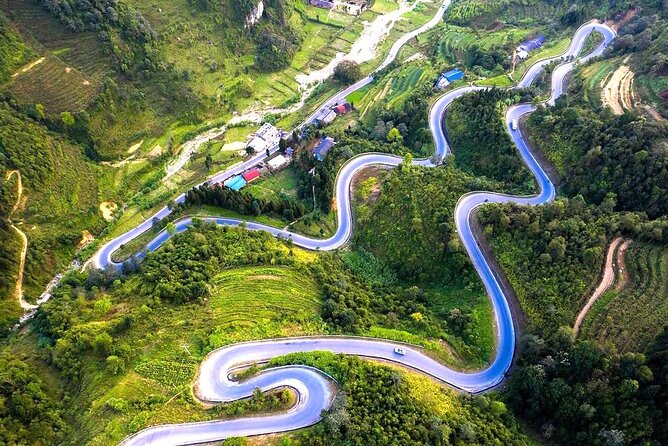
- Guide + seasoned rider setup keeps you on the bike without worrying about the driving
- Safety kit included: helmet, warm coat, gloves, knee and elbow protectors, and raincoat on request
- Ma Pi Leng Pass + Nho Que River boat trip are the headline combos
- Ethnic minority stops include sites like Dinh Vua Mèo and weaving at Lung Tam
- Mixed accommodations: hostel, hotel, and homestays, plus overnight sleeper buses
- Small-group pace (max 11 people) tends to feel organized rather than chaotic
From Sapa to Ha Giang City: the sleeper-bus start that saves you time
The tour begins in Sapa with a 7:00 pm pickup in town. If your hotel sits off the main road, you’ll be directed to the closest accessible meeting point by tram or taxi, then you board a sleeper bus heading toward Ha Giang City. This matters because the Ha Giang Loop is all about momentum. If you try to arrive in daylight and “figure it out later,” you often waste the best riding hours.
You arrive around 2:00 am in Ha Giang City and get a dorm bed at the hostel for a few more hours of sleep. That early arrival is a quiet win: you’re not starting the loop exhausted. Just remember that you’ll still be moving through a full schedule after waking up—this is not a casual sit-and-smile day.
More trails through the Sapa valleys
How the motorbike days are handled (and how you stay in control)
This is a guided motorbike tour in the classic easy-rider style: a knowledgeable guide manages the plan, while a seasoned rider drives you on the loop. You’ll meet your guide and fellow riders in the morning, get a route briefing, and then start riding.
You’ll notice quickly that the safety focus is built into the program. Helmets are included, and you also get warm clothing plus gloves and knee and elbow protectors. Rain protection can be added on request, which is useful in this region where weather can change fast. If you’re worried about the roads, this setup is designed to reduce stress: you get the pass views without white-knuckle driving responsibilities.
One thing I’d keep in mind: you’ll likely communicate mostly through the guide and the riders’ instructions. Some riders may have limited English, though they can still be friendly and helpful. Plan to move by hand signals, route cues, and whatever your guide repeats during briefings.
Day 2: Bac Sum, Quan Ba Heaven Gate, Can Ty, and the Dong Van old-town base
Day 2 is where the loop starts feeling real, with a string of high points and photo stops before you settle into Dong Van area.
You fuel up with breakfast at the hostel (around 8:00–8:30 am), then you meet your group and guide for a briefing (8:30 am). Around 9:00 am, you begin the ride, and the stops come fairly quickly after that.
Bac Sum slope
You’ll conquer Bac Sum pass, known for big mountain views and rice-terrace scenery below. Even if you don’t remember every Vietnamese place name, you’ll remember the feeling: the road rises, the air cools, and you get that “there’s the world under my wheels” perspective.
Quan Ba Heaven Gate
Next is Quan Ba Heaven Gate. This is a classic viewpoint moment—panoramic ridgelines and the sense that the road is pointing toward the Dong Van Karst Plateau. Expect time for photos and a short break where the wind usually does most of the work of waking you up.
More runs around the Ha Giang loop
- From Sapa: 3 Day Ha Giang Loop Guided Motorbike Tour With Rider★ 5.0 · 33 reviews
- Sharing Transfers Ha Giang <=> Sapa One Way (Group max 8 people)★ 5.0 · 8 reviews
Can Ty pass
Then comes Can Ty pass, often wrapped in clouds. If the weather is clear, you get strong depth in the hills; if it’s cloudy, you get that moody, soft-edged look that can make the turns feel even more dramatic.
Yen Minh town and Thẩm Mã coffee
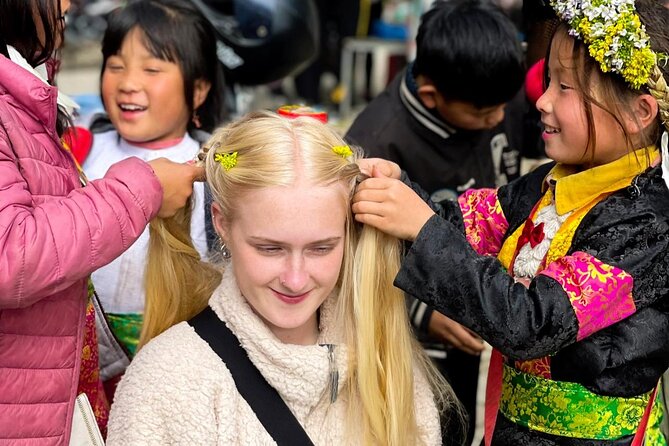
Yen Minh is where the day gets a little more human-scale. You’ll pass through the town area and then stop for coffee at Thẩm Mã. One stop highlight here is the chance to interact with local kids, including watching children braid hair. It’s a small cultural moment, but it’s the kind that makes the loop more than just scenery.
Dinh Vua Mèo (Hmong King’s Palace)
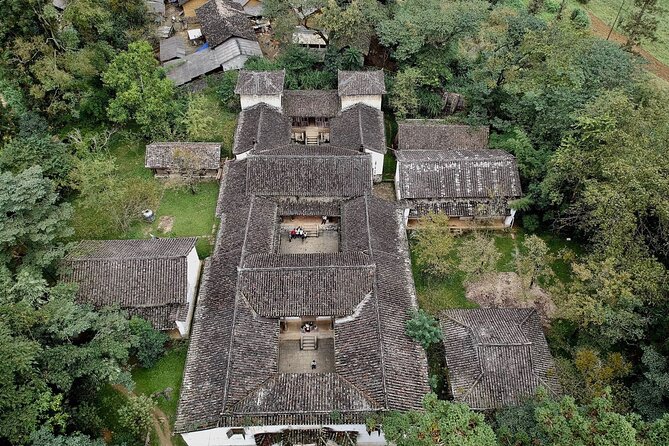
This is one of the included ticket stops, and it’s a useful break from only “look at the view.” The palace gives you a clearer story of the Hmong royal-era presence in the region. Even if you’re not a museum person, it helps you understand why some families and cultural sites matter so much around Dong Van.
Dong Van ancient town
You’ll spend time in Dong Van ancient town, once a trading center for local people. This is a good area to slow down after long riding. If you like wandering at dusk, this is where you can do it—just keep an eye on your group schedule so you don’t drift too far.
Day 3: Ma Pi Leng and Nho Que River, plus markets, viewpoints, and Du Gia
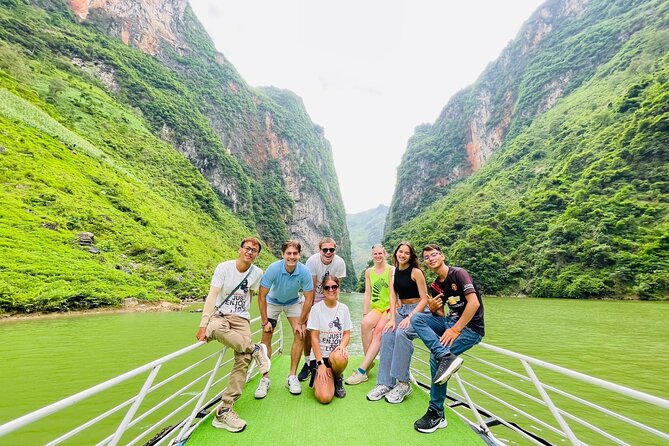
Day 3 is the big “wow” day. It ties together one of Vietnam’s most famous passes with the Nho Que River boat section, plus more time in valley viewpoints and ethnic village areas.
Dong Van market timing (only on Sundays)
You may stop at Chợ Đồng Văn, the Dong Van market. The key detail: it only opens on Sundays. If your tour lands on a Sunday, you’ll see the marketplace life up close; if not, you’ll skip the market but still pass through Dong Van’s older streets.
Happiness Street and A Páo rock
You’ll stop at A Páo rock and a nearby photo spot often associated with Happiness Street. The practical benefit is simple: it gives you a viewpoint without committing a full hour to hiking. It’s mostly about photos and orientation—use it to “read” the terrain before the pass riding ramps up.
Ma Pi Leng Pass
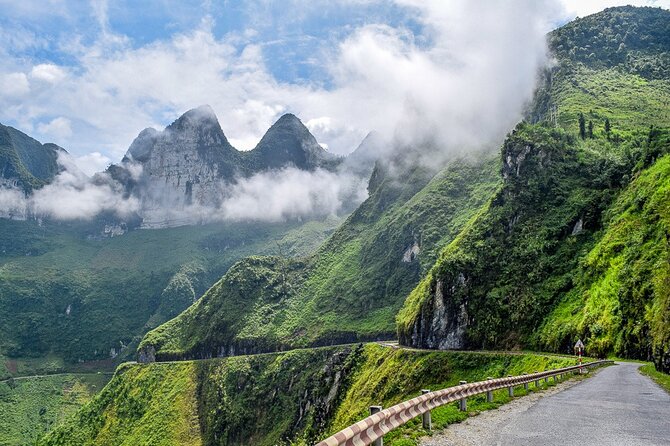
Then you ride Ma Pi Leng Pass, described as one of Vietnam’s top four passes. This is narrow-road riding with a sheer drop on one side and big peaks on the other. It’s the part of the day you’ll remember even if you’ve seen other famous roads. The risk is what you’d expect: the road is intense, so you’ll want to stay relaxed and keep your body stable on the bike. Your rider’s experience is doing most of the work here.
Nho Que River boat trip and Tu San Canyon
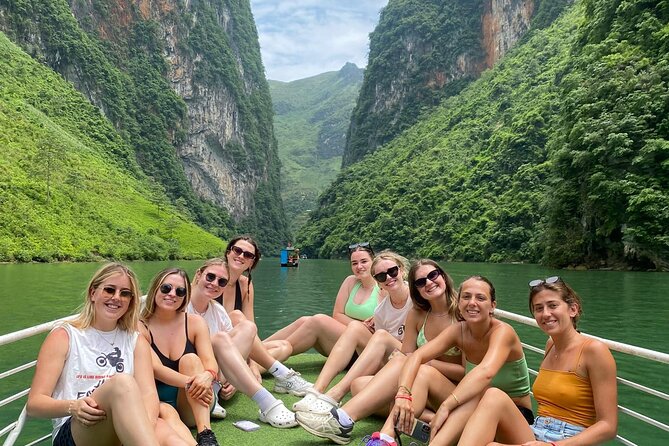
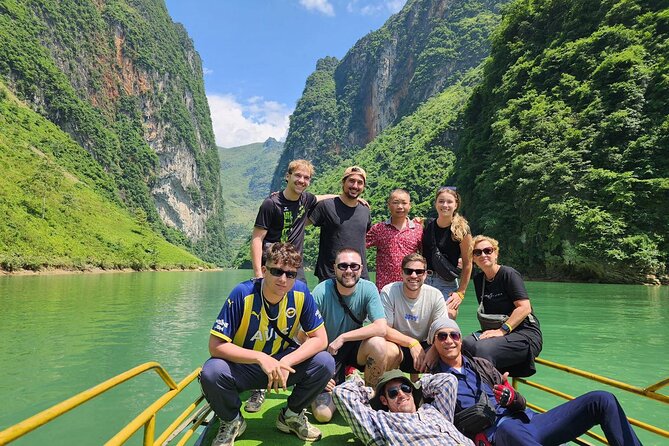
After the pass, the day shifts gears. You descend to the Nho Que River and take a boat trip. The program specifically highlights Tu San Canyon as the deepest gorge in Southeast Asia on the boat route. This swap—from road riding to river views—is not just scenic. It gives your legs and shoulders a break, and it changes the perspective completely. The cliffs aren’t just vertical from above; you get that compressed, canyon feeling from the waterline.
Meo Vac lunch and valley viewpoints
Meo Vac is your lunch refuel stop. After that, you’ll hit viewpoints like Mau Due and Lung Ho. From Lung Ho, the valley looks like a patchwork of rice terraces with small villages. The stops are short, but they’re placed well: quick pauses after intense riding, so you can actually enjoy the view instead of rushing through it.
Du Gia: a village end-of-day reset
You’ll end up at Du Gia, often called a fairy village with limestone cliffs and rice terraces stepping down the slopes. The tour mentions Hmong and Tay village life here. Expect a calmer finish to the day, with time to settle in and walk a bit around the area. This is where the loop starts to feel more personal.
Day 4: Du Già market (Saturday), Du Già waterfall pool, and a homestay in Nậm Đăm
Day 4 is quieter in terms of “top pass” intensity, but it has strong culture and nature balance.
Du Già market (only Saturday morning)
There’s a stop at Chợ Phiên Du Già. Again, timing matters: it’s only available on Saturday morning. If your day lines up, you’ll get a look at how different communities trade goods and move through village life. If not, you’ll trade the market for the other nature stops, so the day still holds together.
Du Già waterfall with a natural pool
You’ll visit Thác Du Già, described as a waterfall that feeds a natural pool about six meters down. This is the kind of stop where you might cool off if conditions feel comfortable. It’s also a break from constant riding—more time standing, looking, and letting your body recover.
Duong Thượng viewpoint and Thai An lunch
Next is Đường Thượng viewpoint, then lunch in Thai An. These stops act like pacing tools: you get the perspective of the road you already rode, then you get a proper break before the homestay portion of the itinerary starts.
Nậm Đăm homestay and Dao clay houses
Then you check in at a homestay in Nậm Đăm and spend time walking around the village. The program specifically mentions Dao ethnic group traditional architecture, including rammed-earth houses and clay houses. This is a valuable cultural segment because it’s not only about looking at a site; you’re spending time on the ground in the village area.
Homestays can vary, so I’d plan to pack patience and kindness. You’ll get more from the experience if you treat it like a meeting, not a sightseeing checklist.
Day 5: Lung Khuy cave, Lung Tam weaving, and the loop’s closing canyon views
On the final day, you shift from outside riding to slower, indoor-style experiences and craft culture.
Lung Khuy Cave, the Dragon in the Rock
You’ll visit Lung Khuy Cave, also called Dragon in the Rock. The key practical detail: it’s about a kilometer long and includes a maintained wooden and steel walking platform. This makes the cave more accessible than rough cave systems, and it’s a straightforward way to add variety beyond viewpoints and roads.
Lung Tam Weaving Village (Hmong linen)
Next is Lung Tam village, focused on weaving. The tour notes it’s primarily Hmong, with a centuries-old tradition of linen weaving passed down through generations. This is a great final-day stop because it gives the loop a human thread: the mountains are the backdrop, but the culture is the story.
Thai An lunch and Lung Tám valley
You’ll have lunch in Thai An and then visit Lung Tám valley at the foot of the mountains by the Mien river. The program keeps it short, but it’s a nice way to end with calmer scenery after days of intense driving.
The final road-side reset and Little Ma Pi Leng canyon
There’s a short “refreshing retreat next to the road” after dusty riding. Then you revisit the Ma Pi Leng area in a smaller, viewpoint-style way at Little Ma Pi Leng canyon. You’ll order a drink and enjoy views of the green river and surrounding forests. It’s a clever closing act: you get another canyon moment without repeating the full pass intensity.
Back to Ha Giang, then sleeper bus to Hanoi
You return to Ha Giang City, where the tour provides free shower and towel while you wait for the sleeper bus. Then you head back to Hanoi, arriving around 4:00 am to end the tour.
Price and value: what $235.61 really covers
At $235.61 per person, this tour can feel like a steal or like a lot, depending on what you’d otherwise pay for. The difference is that your price isn’t only paying for driving. You’re also paying for:
- Guiding and safety logistics (guide, motorbike, seasoned rider)
- Included gear (helmet, protectors, warm coat, gloves; raincoat on request)
- Included activities (entrance tickets and the Nho Que river boat trip)
- Food coverage (breakfast 4, lunch 4, dinner 3)
- Accommodation across hostel, hotel, and homestays
- Daily extras like unlimited bottled water and corn wine, plus a finisher t-shirt
- Luggage storage in a secure locker with minor surcharge
That’s a lot of value compared with the DIY approach, where you’d pay for a rider, route planning, tickets, and lodging yourself. The one cash gap is predictable: drinks beyond water/corn wine, travel insurance, and tips aren’t included.
If you want a guided experience where someone else solves the route and safety details, this price is easier to justify.
Who this tour suits best (and who should think twice)
This loop is a great match if you want a structured Ha Giang experience without hiring a bike, mapping passes, and coordinating stops on your own. The daily plan is busy but organized, and the small group size makes it feel manageable.
It’s also suitable if you have moderate physical fitness. You’re doing short walks and viewpoints, plus cave walking on Day 5, and you’ll spend long hours seated on the bike. If you’re extremely sensitive to motion or long riding, you might feel the days more than you expect.
It’s less ideal if you want lots of downtime or a flexible, slow travel pace. This tour moves, with planned stops and set times for breakfast, riding, and meals.
Should you book this Ha Giang Loop from Sapa?
If you want the headline Ha Giang experiences—Ma Pi Leng Pass and the Nho Que river boat trip—paired with village culture and homestay time, this is a strong choice. The safety gear, the guide-and-rider system, and the small group size all point to an experience built for confidence, not just adrenaline.
I’d book it if you appreciate organization and want someone to handle the logistics from Sapa pickup all the way to the Hanoi return. I’d think twice if you need maximum independence, deep conversation with English-speaking riders, or lots of free time with no schedule.
If you do book, pack for cool mountain air, bring a rain-ready mindset (even if raincoats are available on request), and plan to enjoy the ride for what it is: a moving route through some of Vietnam’s most dramatic road-and-river moments.
FAQ
Where does the tour start in Sapa?
The start point is 577 Đường Điện Biên Phủ, TT. Sa Pa, Sa Pa, Lào Cai 31000, Vietnam, with pickup scheduled for 7:00 pm.
Do I need to arrange transport to Ha Giang myself?
No. You’re picked up in Sapa Town and transferred by sleeper bus to Ha Giang City as part of the tour.
What kind of motorbike setup is used?
You ride with a motorbike and a seasoned rider. There is also an experienced English-speaking tour guide who coordinates the route and stops.
Is the Nho Que River boat trip included?
Yes. The itinerary includes a boat trip on the Nho Que River, with an included ticket.
What safety gear do you provide?
Included gear is a high-quality helmet plus warm coat and gloves, and knee and elbow protectors. A raincoat is provided upon request.
What meals are included?
Breakfast is included 4 times, lunch 4 times, and dinner 3 times, along with unlimited bottled water during the trip and corn wine.
What type of lodging do you stay in?
Accommodation includes: 1/2 hostel night, 1 hotel night, 2 homestay nights, plus 2 nights on sleeper buses.
Is travel insurance included?
No. Travel insurance is listed as not included. Tips for the guide and riders are also not included.
More of Hanoi on Two Wheels

More of the Ha Giang Loop

More Sapa Treks We Walked
Latest Sapa write-ups from our team
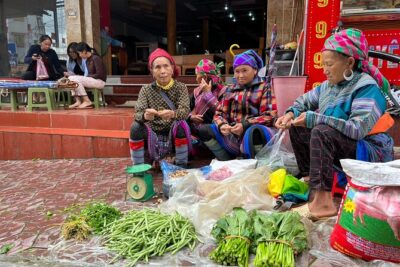

Sapa Trekking Tours, compared.
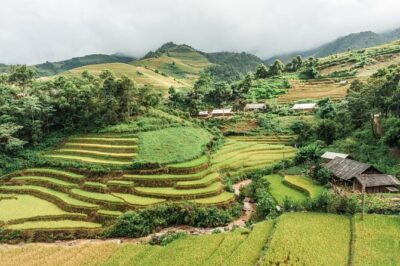 ★ 5.0Sapa 2 Days 1 Night From Hanoi – Overnight in Ta Van VillageFrom $592,669 reviews
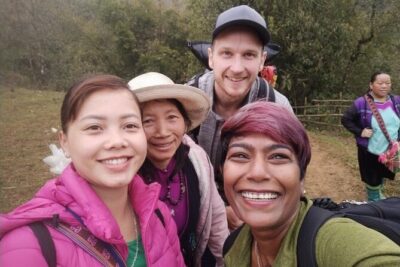 ★ 5.0Hanoi – Sapa 2 Days 1 Night Overnight At HomestayFrom $89899 reviews
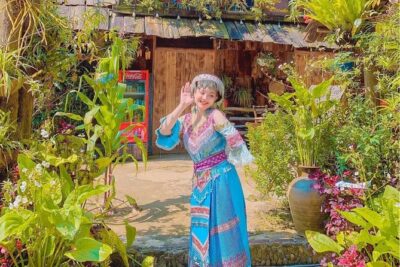 ★ 5.0Sapa: Fansipan Cable, Cat Cat Village & Moana Instagram TourFrom $30777 reviews
 ★ 4.8From Hanoi: 2-Day Sapa Trekking Trip with Homestay & MealsFrom $71704 reviews
 ★ 5.0Sapa 3 Days 2 Nights Trekking Tour (1 Night In Ta Van Village, 1 Night In Hotel)From $139699 reviews
 ★ 5.03-Day Trekking Adventure of Sapa from Hanoi – Stay Ta Van VillageFrom $109611 reviews
 ★ 4.82-Day Sa Pa Ethnic Homestay Tour & Trek with Limousine Bus440 reviews
 ★ 5.0Sapa 2 Days 1 Night From Hanoi – Overnight in HotelFrom $89440 reviews
Browse the lists this tour appears in