
Reviewed · SAPA TREKKING TOURS
From Hà Nội : Sapa trek with local guide 2 days 1 night
Cold mornings, big mountain views. This Sapa trek is built around village-to-valley walking with a local English-speaking guide, plus time to reset in town and a homestay night. I love how the route focuses on real places like Tả Van and Hau Thào, not just viewpoints. I also like that you get a small group (up to 17), so the walk feels personal. One thing to consider: you’re out for long stretches on uneven trails, and the weather can get cold and foggy in certain months.
On the ground, it’s the small moments that make it work: rice farms, buffalo and farm animals, and the kind of village paths that don’t feel rushed. I also like that the trek includes meals (breakfast, lunch, and dinner) plus a water bottle each day, so you’re not constantly hunting for snacks mid-hike. Still, this isn’t a sit-and-stare tour—if you don’t enjoy walking for hours, you may wish you picked a shorter route.
If you want a Sapa experience that feels grounded in mountain life—H’mong, Giay, and Red Dao are all part of what you’ll hear about—this one is a strong match. You should come with decent shoes, an appetite for slow scenery, and the mindset that the real show is on the trail.
In This Review
- Key highlights worth your attention
- Two days of real Sapa walking, not just photos
- Day 1: Settling in Sapa, then Tả Van and the Muong Hoa descent
- Day 2: Hau Thào through rice fields, bamboo, and a waterfall stop
- Homestay night comfort: the small details matter
- Guides like Bang and Phin, and what English-speaking help actually gives you
- Price and logistics: where the $58 value comes from
- What the trek feels like (and who it suits best)
- Practical tips to make it easier on you
- Should you book this Sapa trek?
- FAQ
- How long is the Sapa trek with local guide?
- What time does the trek start?
- Where does the trek start and end?
- Is pickup included?
- What meals are included?
- Which areas will we trek through?
- Can I cancel for free?
Key highlights worth your attention
- Tả Van village start, with a descent toward Muong Hoa Valley that sets the tone for Day 1
- Hau Thào trekking day with rice fields, a bamboo forest stretch, and a waterfall stop
- English-speaking local guides, including guides like Bang and Phin who are described as caring and informative
- Small group size (max 17) for a calmer pace and easier guidance on the trail
- Homestay comfort for the cold night, with details like electric blankets showing up in guest experiences
- All the basic fuel included: breakfast, lunch, dinner, and 1 bottle of water per day
Two days of real Sapa walking, not just photos
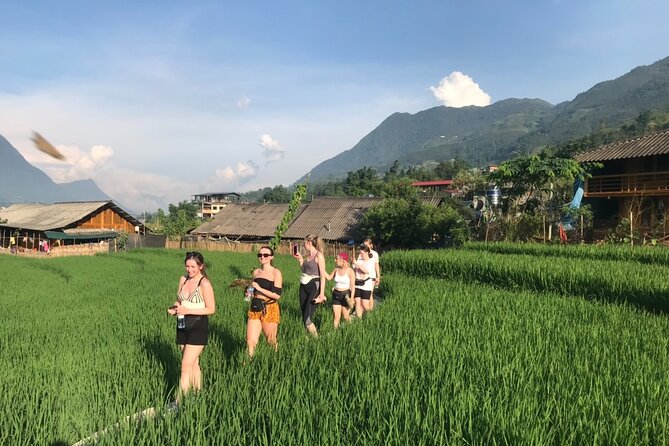
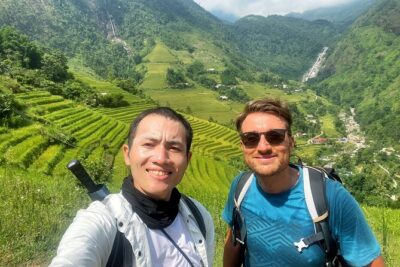
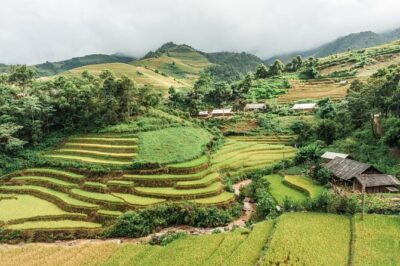
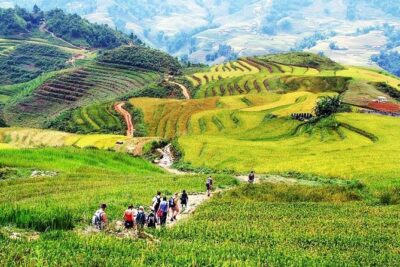
This trek is all about moving through Sapa the way locals do: downhill into farming areas, between villages, and along trails that connect neighborhoods instead of skipping straight to the next viewpoint. The route ties together Muong Hoa Valley scenery with village life stops—Tả Van and the Hau Thào area—so you get both the big mountain perspective and the human scale details.
You’ll also get a local guide who speaks good English, which matters more than you’d think. When someone can explain what you’re seeing—ethnic groups, village routines, and what grows around the fields—you stop treating the hike like a moving photo safari.
The group stays small (up to 17), so you’re less likely to feel stuck behind a line of people on narrow paths. And since the tour includes transfers within Sapa plus a private car back to the meeting point or bus station, you’re not trying to solve logistics while your legs are still warming up.
More trails through the Sapa valleys

Day 1: Settling in Sapa, then Tả Van and the Muong Hoa descent
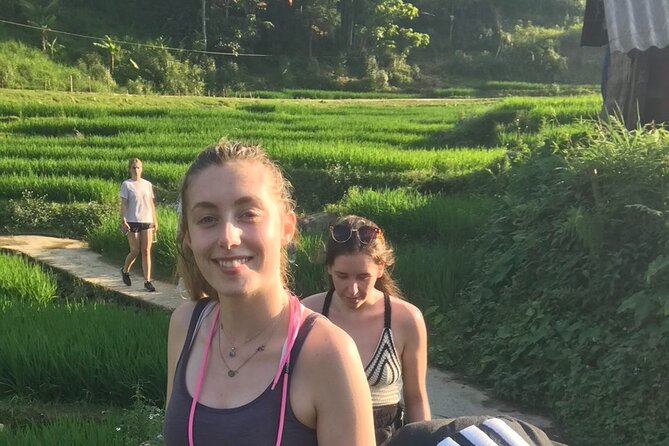
Day one starts with pickup from your Sapa hotel around 9:00am, with the trekking beginning as you head down from Sapa town toward the Muong Hoa Valley. You’ll spend the day walking through a big valley environment that farmers depend on, with the goal of reaching Tả Van.
There’s also a practical timing cushion built in: after you arrive in Sapa (especially if you’re transferring from elsewhere), you get a chance to rest at the hostel for around 2–3 hours. That’s a small detail, but it helps. Mountain weather can be unpredictable, and your energy will matter once the walking starts.
What I like about the Tả Van focus is that you don’t just pass through a settlement. You’re in the part of Sapa where mountain farming and daily life are close together, so you notice more than the scenery. In the stronger guide-led experiences I saw, you’d get to see farm animals up close—water buffalo, chicks, ducks, and even pigs were part of what people noticed on similar routes. It’s not guaranteed on every day, but it’s exactly the kind of texture that turns a trek into a story.
The pacing on Day 1 is also where you’ll feel whether this tour fits you. The walk is described as not extremely difficult in at least one account, but it is still a full day (listed around 8 hours). Think “steady hiking,” not “casual stroll,” especially if fog or drizzle slows you down.
Day 2: Hau Thào through rice fields, bamboo, and a waterfall stop
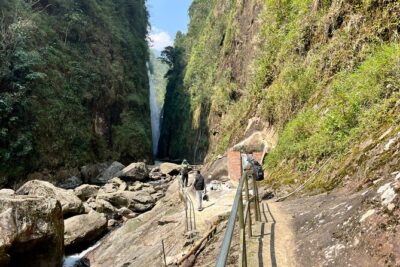
Day two begins around 9:00am at your homestay area, with the trek set out from Tả Van. The route described for this day takes you through rice fields, then on to a bamboo forest section, and finally toward a waterfall area near Hau Thào.
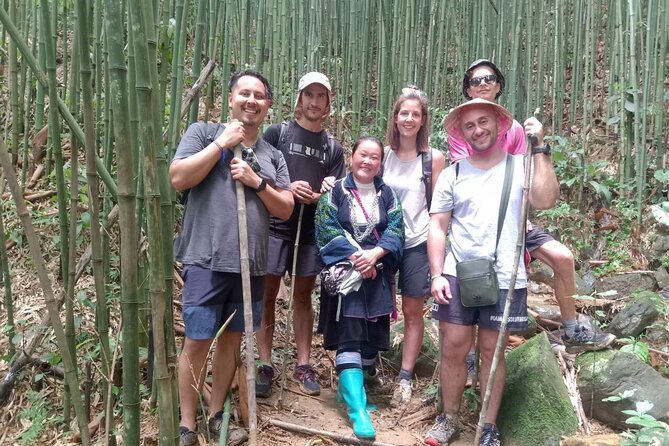
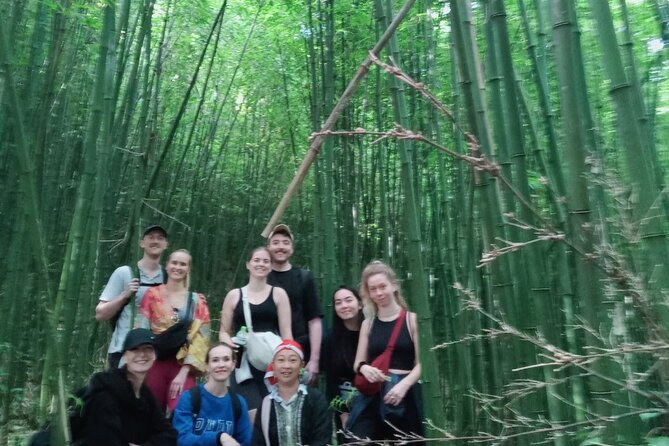
The bamboo forest is one of the most praised elements in this kind of Sapa route, because it changes the feel of the walk. Instead of only looking at open valley views, you suddenly have shade, texture, and that slightly muffled sound you only get in thicker vegetation. It’s also the kind of spot where a good guide can make the trail feel meaningful—explaining plants and how locals move through these spaces.
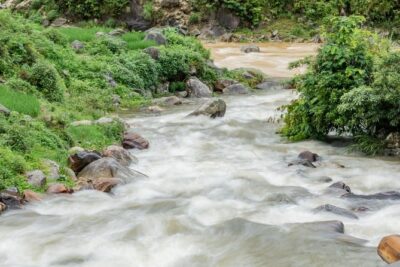
Then you reach the waterfall. This stop is described as a place you can potentially swim, depending on weather and conditions at the time. So yes, there’s a water moment built in, but come prepared with the mindset that it might be better as a splash stop than a full swim session. Either way, it’s a refreshing break during a longer day.
This day is also listed around 8 hours, so you’ll want to plan your mindset around finishing strong. The second day tends to feel more physically “real” because you’ve already used your energy the day before. If you pace Day 1 well—breaks, water, steady steps—you’ll be glad on Day 2.
Homestay night comfort: the small details matter
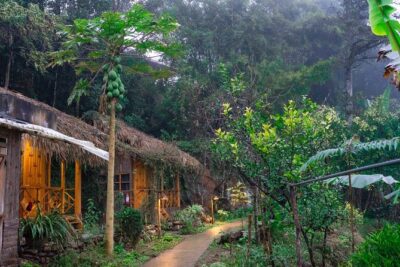
Because the trek touches the homestay experience (Day 2 starts from a homestay), it’s worth talking about comfort expectations. One guest experience specifically highlighted electric blankets for cold nights, plus hot water, friendly staff, and good views from where they stayed.
That’s a big deal in Sapa. Even when the daytime hike is active, the temperatures can drop quickly, and fog can make everything feel damp. If the homestay offers electric blankets and hot water, it can turn a cold night into something you can actually sleep off instead of just surviving.
Also, the homestay setup seems to lean toward practical hospitality rather than luxury. You’re there for the community setting and the chance to understand mountain life from the inside, not for designer linens. Still, those comfort touches can make your second day much easier.
Guides like Bang and Phin, and what English-speaking help actually gives you
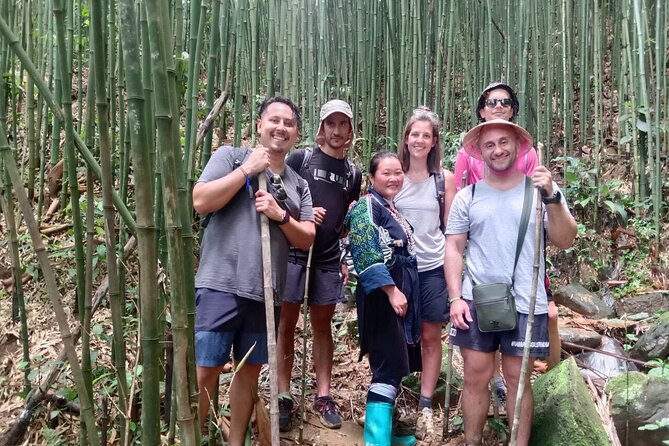
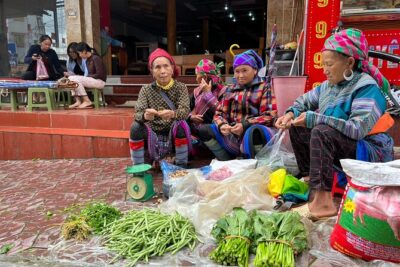
A local guide who speaks good English changes how you experience the trail. You’re not just walking between villages; you’re getting explanations in plain language: ethnic groups in the area (H’mong, Giay, Red Dao), how mountain life ties to farming, and what different plants and paths are used for.
In the accounts I read, guides like Bang and Phin stood out for being kind and for keeping the hike engaging with practical information. The best part wasn’t complicated speeches—it was guidance that helped people understand what they were seeing and where they were going.
Also, because the group size is capped at 17, you’re less likely to feel like the guide is only talking to the loudest people. It’s usually easier to ask questions, and it’s easier to adjust your pace without getting completely separated from the group.
Worth a glance beside this Sapa pick:
- Half Day Cat Cat Village Tour Guided from Sapa★ 5.0 · 39 reviews
- 2 Day Trekking Experience: Explore with knowledgeable local guide★ 5.0 · 34 reviews
- From Sapa: 3 Day Ha Giang Loop Guided Motorbike Tour With Rider★ 5.0 · 33 reviews
Price and logistics: where the $58 value comes from
At $58 per person, this trek looks like decent value because a lot of the “hidden costs” are covered. Your meals are included (breakfast, lunch twice, and dinner twice), plus there’s 1 bottle of water per day. That matters on multi-hour mountain days when buying snacks constantly can add up—and when you may not have many options in the middle of the trail.
You also get transfers within Sapa: pickup is offered from your Sapa hotel, and there’s a private car back to the bus station or meeting point at the end. That’s a big deal if you don’t want to spend your last day wrestling with local transport after a long hike.
One note: bus pickup from Hanoi is not included. So if you’re starting in Hanoi, you’ll need to sort your own transport to Sapa. The trek handles getting you from your Sapa lodging into the mountains and back.
There are also admission tickets listed as free for the trekking components. If you hate paying little “surprise fees” at multiple stops, that kind of clarity helps.
What the trek feels like (and who it suits best)
This is a two-day trekking experience that mixes downhill and uphill movement across valley areas and village connections. One specific walk described as about 17km over hills from village to village gives you a sense of distance. Even if your exact mileage varies by route conditions, it’s clear you should expect a real hiking commitment.
It’s also described as not very difficult in at least one account. That doesn’t mean it’s effortless. It means the terrain and pace are likely manageable for many people who can handle walking for hours.
Who should go:
- You want village culture and farming life, not just scenic stops
- You like guided explanations and want to understand what you’re walking through
- You’re okay with spending most of two days on your feet
You might rethink the fit if:
- You have limited mobility or you dislike uneven trails
- You hate cold, fog, and the idea that weather can shrink visibility and make everything feel damp
- You’re looking for a short half-day outing
Practical tips to make it easier on you
A Sapa trek is simple, but it’s not forgiving. A few choices will make a noticeable difference.
- Pack warm layers even if the day starts mild. Fog and clouds can chill fast, and you’ll want warmth for your homestay night.
- Wear closed-toe hiking shoes with grip. Paths can be slick and uneven, especially after light rain.
- Bring a small towel or quick-dry layer for the waterfall stop. If swimming happens, you’ll be happier prepared.
- Expect long days. You’ll get meals, but you still need to manage your energy: slow pace, water, and sensible breaks.
- If you’re sensitive to cold, take the electric blanket comfort as a sign: plan for the night to be cool, not cozy-lounge warm.
Should you book this Sapa trek?
I’d book this trek if you want a guided walk that centers Tả Van and Hau Thào and gives you the story behind mountain life—rice fields, bamboo forest, and a waterfall break—without adding a long chain of extra costs. The included meals, water, and the small-group size make it feel practical, and the guide-led emphasis on ethnic culture gives the hike a purpose beyond scenery.
I might skip it if you’re after a super-light, minimal-walking experience or if you can’t handle cold, foggy conditions. Also, if you’re traveling from Hanoi, remember the tour doesn’t include Hanoi-to-Sapa bus pickup—your travel day needs its own plan.
If that all sounds like your kind of trip, this is the kind of Sapa walk that teaches you how the valley works, one village path at a time.
FAQ
How long is the Sapa trek with local guide?
The experience runs for 2 days (about 2 days total), with a typical day length listed at around 8 hours.
What time does the trek start?
The start time is listed as 9:00am.
Where does the trek start and end?
It starts with pickup from your Sapa hotel and ends back at the meeting point.
Is pickup included?
Pickup is offered in Sapa. The tour also includes a private car back to the bus station or meeting point. Bus pickup from Hanoi is not included.
What meals are included?
Breakfast is included, plus lunch and dinner across the two days (listed as lunch twice and dinner twice). One bottle of water per day is also included.
Which areas will we trek through?
The walking route includes Sapa down toward the Muong Hoa Valley and focuses on Tả Van and Hau Thào. The tour summary also notes the area of Lao Chải as part of the trekking experience.
Can I cancel for free?
Yes. Free cancellation is available, with a full refund if you cancel at least 24 hours before the experience’s start time. If you cancel within 24 hours, the amount paid is not refunded.
More Guided in Sapa


More Tour Reviews in Sapa
More Sapa Treks We Walked
Latest Sapa write-ups from our team


Sapa Trekking Tours, compared.
 ★ 5.0Sapa 2 Days 1 Night From Hanoi – Overnight in Ta Van VillageFrom $592,669 reviews
 ★ 5.0Hanoi – Sapa 2 Days 1 Night Overnight At HomestayFrom $89899 reviews
 ★ 5.0Sapa: Fansipan Cable, Cat Cat Village & Moana Instagram TourFrom $30777 reviews
 ★ 4.8From Hanoi: 2-Day Sapa Trekking Trip with Homestay & MealsFrom $71704 reviews
 ★ 5.0Sapa 3 Days 2 Nights Trekking Tour (1 Night In Ta Van Village, 1 Night In Hotel)From $139699 reviews
 ★ 5.03-Day Trekking Adventure of Sapa from Hanoi – Stay Ta Van VillageFrom $109611 reviews
 ★ 5.0Sapa 2 Days 1 Night From Hanoi – Overnight in HotelFrom $89440 reviews
 ★ 4.82-Day Sa Pa Ethnic Homestay Tour & Trek with Limousine Bus440 reviews
Browse the lists this tour appears in