
Reviewed · HANOI COOKING CLASSES
DIY: Vietnamese Cooking Class
Five hours can change how you cook Vietnam. This Hanoi DIY cooking class pairs a local market walk with step-by-step lessons to make pho-style noodle soup, bun cha-style BBQ pork noodles, and nem-style fried spring rolls, so you learn the “why,” not just the steps.
I especially like the market part because it teaches you what to buy and how to spot quality ingredients. You’re not just sightseeing; you’re learning the herbs, veggies, and flavor cues that Vietnamese cooks use every day.
One consideration: hotel pickup is offered only if your hotel is in the city center area, so you’ll want to confirm your exact meeting/pickup point early if you’re staying farther out.
In This Review
- Key highlights to know before you go
- From Market Stalls to Your Apron: How the class starts
- The dishes you’ll cook: pho, bun cha, nem, and what changes by option
- Option 1: Bun cha + nem plus a salad component
- Option 2: Pho + seafood salad plus grilled fish
- Vegetarian option: spring rolls, tofu, eggplant, and dessert
- Food requests and allergies
- Timing in Hanoi: morning vs afternoon sessions
- What’s included: more than a cooking demo
- The real value: learning techniques that translate back home
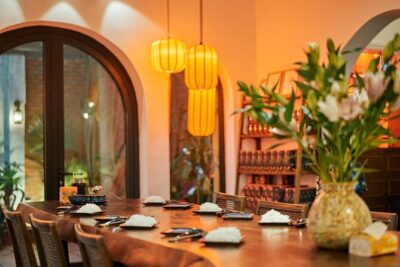
- The meal you eat: your creations plus a bigger Vietnamese table
- Getting picked up and keeping it simple in Hanoi
- Who this class is perfect for
- Price and value: is $50 worth it?
- Quick tips before you book
- Should you book this Hanoi cooking class?
- FAQ
- What is the duration of the cooking class in Hanoi?
- What time do the morning and afternoon classes start?
- Do I get picked up from my hotel?
- What dishes will I learn to cook?
- Is there a vegetarian option?
- Are drinks included with the meal?
- What is the cancellation policy?
Key highlights to know before you go
- Market shopping that actually teaches flavor: You’ll shop like a cook, not like a tourist.
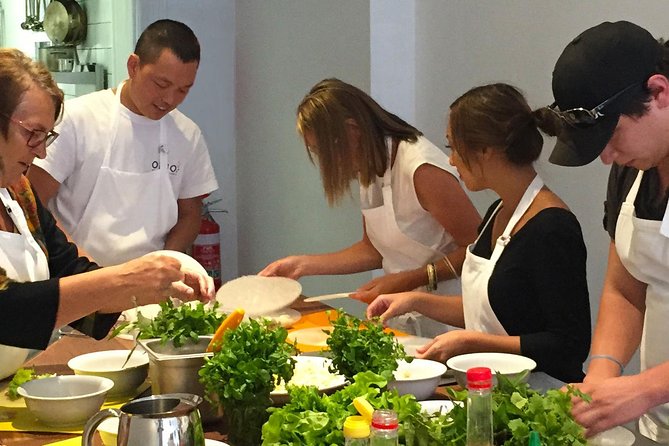
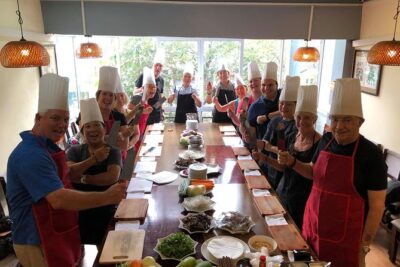
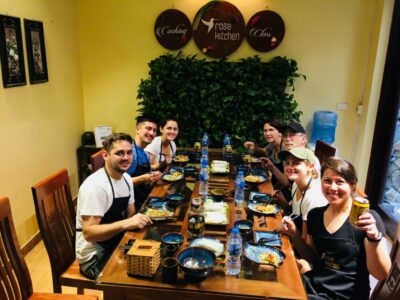
- Hands-on cooking in a small group (max 8): You can ask questions and get attention.
- Teacher Bon, English-speaking guidance: Clear instruction during prep and cooking.
- Make classics you can repeat at home: Pho, bun cha, and nem are taught as practical recipes.
- You eat what you cook, plus local wines: Lunch or dinner comes with the dishes you help create.
- Vegetarian-friendly menu options: A set menu includes items like spring rolls, tofu, eggplant, and dessert choices.
From Market Stalls to Your Apron: How the class starts
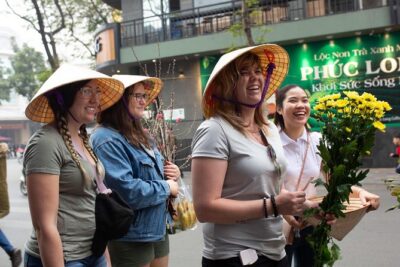
This is one of those Hanoi experiences where the “main event” is really two events connected by food sense. You start with a guided visit to a local market, and that matters because Vietnamese cooking is ingredient-driven. The dishes you’ll make depend on herbs, sauces, and produce that are hard to substitute with pantry-only cooking.
In the market, you’ll learn what ingredients are used for specific flavors. You also get a feel for how Vietnamese cooks think in layers: fresh herbs for aroma, pickled or salted elements for brightness, and sauces for depth. If you’ve ever tried to cook Vietnamese food at home and wondered why it tastes different, this market walk is where the answer usually lives.
You’ll also appreciate that the pace is designed for learning. You’re moving through stalls with an instructor who can explain what you’re seeing, not just ticking off items. And because the group size is capped at 8, it’s easier to ask questions without feeling lost or rushed.
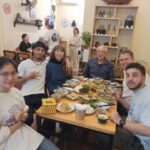
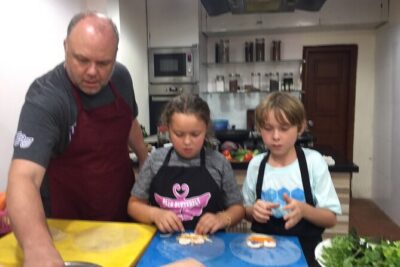
More aprons on in Hanoi kitchens

The dishes you’ll cook: pho, bun cha, nem, and what changes by option
The class is structured around Vietnam’s well-known classics, but your exact menu depends on which option you choose. That flexibility is a plus because you can match the meal to your tastes and schedule.
Option 1: Bun cha + nem plus a salad component
If you choose this route, you’ll focus on:
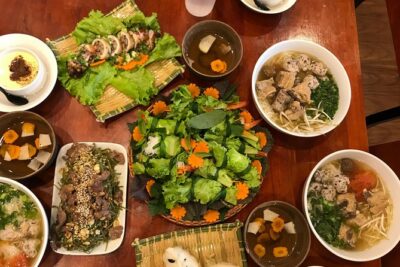
- Bun cha: BBQ pork with noodles and fish sauce
- Nem: fried spring rolls
- A salad: either banana flowers with chicken or green papaya salad with dried beef
This option is great if you want a mix of savory, crunchy, and fresh. Bun cha is comfort food, while nem gives you that satisfying texture that you can recreate at home if you practice the rolling and frying technique.
Option 2: Pho + seafood salad plus grilled fish
This option includes:
- Pho: chicken soup (taught as the classic noodle soup approach)
- A green mango salad with seafood
- Grilled fish
This is the choice for people who love a lighter, broth-forward meal and want to understand how Vietnamese kitchens balance fresh, sour, and savory.
Vegetarian option: spring rolls, tofu, eggplant, and dessert
If you go vegetarian, the menu includes:
- Spring rolls (fresh or fried)
- Tofu with tomato sauce
- Eggplant with ginger sauce
- Dessert: che (Vietnamese traditional dessert) or egg coffee
This matters because the vegetarian set isn’t just a swap of one ingredient. You still learn techniques tied to Vietnamese flavors and textures, then finish with a dessert that fits the meal rather than feeling like an afterthought.
More kitchens to roll your sleeves up in
- Hanoi Cooking Class and Market Tour in Ancient House★ 5.0 · 379 reviews
- Rose Kitchen Hanoi: Market, Cooking & Culture Tour + Free PickUp★ 5.0 · 342 reviews
- Hanoi: Cooking Class in a Local Villa with Market Tour★ 4.9 · 320 reviews
Food requests and allergies
There’s also room for special requests. If you have allergies or specific preferences, you can tell the team in advance so they can confirm substitutes or adjustments. That’s a practical benefit, especially for travelers who need to be careful with ingredients.
Timing in Hanoi: morning vs afternoon sessions
You’ll have two class windows to pick from:
- Morning class: 9:00 to 13:30
- Afternoon class: 15:30 to 20:00
That timing is useful because Hanoi sightseeing works best in chunks. A morning session gives you the rest of the day for lakeside strolling or museums without feeling rushed. An afternoon session turns into a “late dinner” feel, especially because you’ll finish by eating what you made with food and drinks included.
What’s included: more than a cooking demo
This experience is fully hands-on, and that’s not a throwaway line. You’re expected to participate in prep and cooking, which is exactly how you learn skills that stick. The class also includes a whole support system so you don’t show up and wonder what happens next.
What you get included:
- Round-trip transfer from your city accommodation (with the in-city central area note)
- Market tour
- Welcome drink and cold towel
- Snack, tea, and coffee
- Local wines with your meal
- Lunch and dinner (depending on the session timing and your set menu)
- Bottled water
- English-speaking tour guide and experienced instructor
I like that they handle the comforts. When you’re learning with a stove, hot oil, knives, and fresh herbs, you want your logistics to be smooth. Having drinks, water, and the basic setup taken care of means you can focus on the technique and flavors.
The real value: learning techniques that translate back home
Here’s what I’d pay attention to if you care about cooking beyond the tourist version. Vietnamese dishes aren’t just about the recipe name. They’re about timing, texture, and balancing flavors. A cookbook can list ingredients, but it usually can’t teach you how a certain sauce should smell before it’s ready, or how herbs should be treated so they keep their aroma.
This class is designed to teach those practical points. You’ll learn how to prepare and cook classics like pho, bun cha, and nem, but the deeper value is understanding:
- how ingredients work together (especially herb-heavy elements)
- how to build a dish’s flavor layers
- how to handle key techniques like frying and assembling spring rolls
The teacher is a big part of this. One standout detail you’ll hear echoed is how great the instructor is at explaining the process. In particular, I’d keep an ear out for guidance from teacher Bon, since the instruction style is specifically praised for being informative from market through cooking.
The meal you eat: your creations plus a bigger Vietnamese table
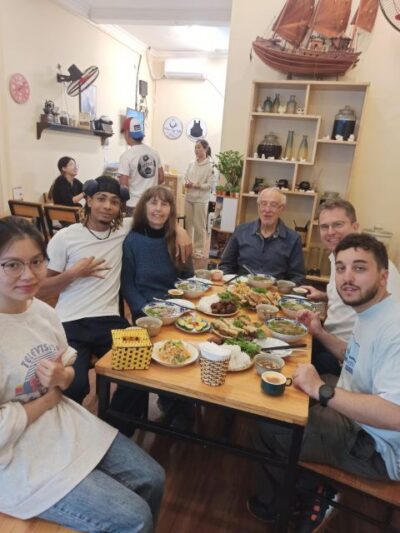
At the end, you eat what you made. That sounds obvious, but it’s actually one of the best parts of any cooking class because it turns practice into payoff. After spending time shopping and cooking, you taste your work while it’s still fresh in your mind.
Your meal is also accompanied by other dishes prepared by the professional cook, and you’ll have local wines with the meal. That combo helps you compare flavors across dishes, so you can better understand how pho, bun cha, and nem fit into a broader Vietnamese dining style.
Also, since you’re working in a small group, the table experience is more relaxed. You’re not just eating in a cafeteria line. It feels like sharing a meal with people who are learning the same craft at the same time.
Getting picked up and keeping it simple in Hanoi
Logistics can make or break a food experience. The good news here: you get door-to-door round-trip transport from your hotel, and your hotel is the meeting point.
The one caveat is important: pickup must be from a hotel in the city central area. If you’re staying outside that area, you’ll need to contact the provider so they can confirm what’s possible. For many visitors, this is the biggest “gotcha,” because Hanoi hotels vary widely in location.
Another small practical plus: the tour offers a mobile ticket. Less paper to manage. More time to focus on eating.
Who this class is perfect for
This DIY Vietnamese Cooking Class is a strong match if you:
- want more than sightseeing and want skills you can repeat later
- like markets and enjoy learning what ingredients do
- cook at home and want technique guidance, not just a meal
- prefer small-group learning (max 8 travelers)
It’s also great for people who are traveling with a partner and want a structured activity that still feels social. And if you’re traveling with food preferences, the vegetarian option and ability to request substitutions are real benefits.
If you’re the type who hates any kitchen mess, you might want to mentally prepare for handling ingredients and frying. This is hands-on, and that’s the whole point.
Price and value: is $50 worth it?
At $50 per person, this class can be a good value because you’re paying for a full package: market tour, round-trip transport, English-speaking guidance, hands-on instruction, drinks, and a full meal.
A cheaper cooking demo might only include watching and a light snack. Here, you get the full rhythm: shopping, cooking, then sitting down to eat with local wines. You also get the added benefit of small-group learning, which usually improves the quality of instruction you receive per person.
If you’re already planning to eat Vietnamese food in Hanoi anyway, this experience helps you understand what you’re tasting, so the rest of your meals start making more sense.
Quick tips before you book
- Choose the menu option that matches your mood: broth-forward with pho, or BBQ + fresh crunch with bun cha and nem.
- If you have dietary needs, tell them in advance so they can confirm substitutions.
- If you’re staying outside the city center, check the pickup feasibility early.
- Wear comfortable clothes you can move in. You’ll be working close to the kitchen flow.
Should you book this Hanoi cooking class?
I’d book it if your goal is to learn Vietnamese cooking in a way you can repeat, with help that covers the “why” behind the flavors. The market start, the hands-on instruction, and the fact that you finish by eating your own creations (with local wines) make it feel like a real experience, not just a ticket to a kitchen.
If you want an ultra-fast, mostly observational activity, this probably isn’t your best fit. This class is built for participation. Bring curiosity, a willingness to get involved, and you’ll likely come away with skills you can use long after you leave Hanoi.
FAQ
What is the duration of the cooking class in Hanoi?
The class is about 5 hours.
What time do the morning and afternoon classes start?
The morning class runs from 9:00 to 13:30, and the afternoon class runs from 15:30 to 20:00.
Do I get picked up from my hotel?
Yes. Round-trip transfer is included, and your hotel is the meeting point, but pickup must be from a hotel in the city central area.
What dishes will I learn to cook?
You learn Vietnamese classics such as pho, bun cha, and nem. The exact set depends on the option you choose.
Is there a vegetarian option?
Yes. The vegetarian set includes spring rolls, tofu with tomato sauce, eggplant with ginger sauce, and dessert options such as che or egg coffee.
Are drinks included with the meal?
Yes. You’ll have a welcome drink, and the meal includes snack, tea, coffee, and local wines.
What is the cancellation policy?
Free cancellation is available. You can cancel up to 24 hours in advance for a full refund. Canceling less than 24 hours before the start time isn’t refundable.
Roll Your Sleeves Up in Hanoi
More Tour Reviews in Hanoi





Learn Another Dish in Hanoi
Latest Hanoi write-ups from our team


Hanoi Cooking Classes, compared.
 ★ 5.0Hanoi Cooking Class: Culture, Local Market & Meaning CSR ImpactFrom $395,147 reviews
 ★ 5.05 Traditional Dishes Hanoi Cooking Class with Market TripFrom $354,890 reviews
 ★ 5.0Vietnamese Food Cooking Class in Hanoi with Market ExperienceFrom $45778 reviews
 ★ 5.05 Local Dishes Cooking Class with Meal & Market VisitFrom $40420 reviews
 ★ 5.0Hanoi Cooking Class and Market Tour in Ancient HouseFrom $45379 reviews
 ★ 5.0Rose Kitchen Hanoi: Market, Cooking & Culture Tour + Free PickUpFrom $48342 reviews
 ★ 4.9Cooking Class in a Local Villa with Market TourFrom $37320 reviews
 ★ 5.0Hanoi Maya Kitchen: Traditional Cooking Class & Market TourFrom $30287 reviews
Browse the lists this tour appears in