
Reviewed · SAPA TREKKING TOURS
2 days private Wildland Trek in Sapa
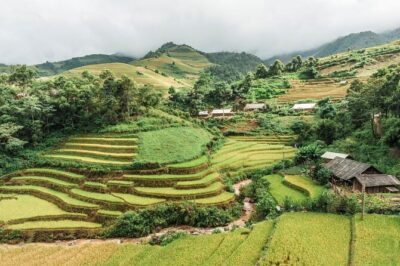
Two days, one stubborn trail, big quiet views. This private trek in Sapa sends you along terraced rice and smaller paths with fewer crowds, then settles you into a local family stay near Ta Phìn and Sa Xeng Village.
I love that the route is built for real walking, not just photo stops. And I especially like the rhythm of the day: a picnic by a waterfall on Day 1, then a break at a salmon farm on Day 2 where you learn how the fish are raised.
The one consideration: you’ll be hiking for hours on mountain paths, and the tour asks for strong physical fitness. If you dislike steep, slippery ground (especially in wetter conditions), this may be tougher than you expect.
In This Review
- Key highlights that make this trek worth your time
- Price and what you really get for $110
- Where you start in Sapa (and how the private format feels)
- Day 1: Ta Phìn trails, forests, rice terraces, and a waterfall lunch break
- Sa Xeng Village: hearing about Hmong and Red Dao cultural life
- Day 2: rice terraces, a salmon-farm lesson, and Dao family picnic
- Trek difficulty: what strong fitness really means here
- What to pack (so you don’t lose the whole day to wet feet)
- Food and overnight: what “local family” usually feels like
- Guide quality is the difference between a trek and a story
- Should you book this Sapa private trek?
- FAQ
- FAQ
- How much does the 2-day private trek cost?
- Where do we meet, and what time does the tour start?
- Is this tour private or shared with other people?
- What meals are included during the two days?
- How physically demanding is the trek?
- What happens if the weather is poor or plans change?
Key highlights that make this trek worth your time
- Quieter trails that get you away from the usual heavy-crowd routes
- Waterfall picnic on Day 1, plus more laid-back rest breaks than a nonstop grind
- Homestay night with a chance to hear how Hmong and Red Dao families live day-to-day
- Salmon-farm stop that connects food to work, not just scenery
- A private group format with guides praised for flexibility and clear communication
Price and what you really get for $110
At $110 per person for about two days, the value comes from what’s actually included: meals (breakfast, dinner, and two lunches), a guided trek, and an overnight with a local family. You’re not just paying for a route on a map; you’re paying for someone to guide you through the villages and trails, handle the walking pacing, and translate what you’re seeing.
Also pay attention to how the plan handles entrances. The schedule notes admission is free on Day 1 and included on Day 2. That usually means fewer surprise add-ons once you’re on the ground.
What’s not included matters too. Travel insurance and VAT are not listed as included, so plan on getting insurance separately. If VAT affects your final total, check your booking confirmation before you go.
More trails through the Sapa valleys
Where you start in Sapa (and how the private format feels)
You meet at Nomadtrails Boutique Sapa, at 15 Tuệ Tĩnh, Sa Pa, Lào Cai. The scheduled start time is 9:30 am, and the tour ends back at the same meeting point in Sapa.
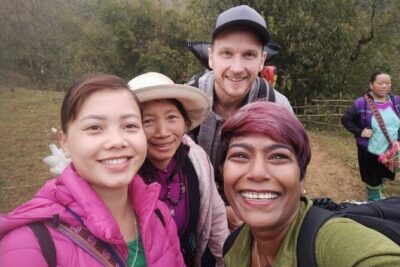
Because it’s private, it’s only your group. That’s a big deal on trek days. You can move at a pace that fits your fitness and comfort level, and your guide can adjust timing if someone needs slower steps or extra help. The reviews also highlight guides like Nhu, Su, Lam, and Li being friendly, enthusiastic, and willing to change the route based on what people want—so you’re not stuck following a rigid checklist.
This is also a “strong fitness” style trip. You’ll get a mountain trek with real walking time, not a gentle stroll.
Day 1: Ta Phìn trails, forests, rice terraces, and a waterfall lunch break
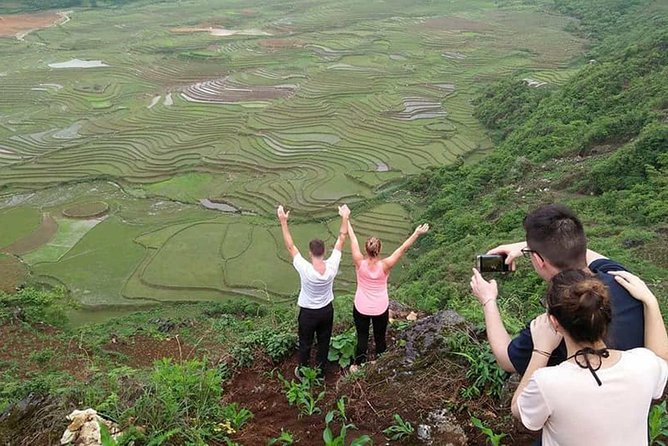
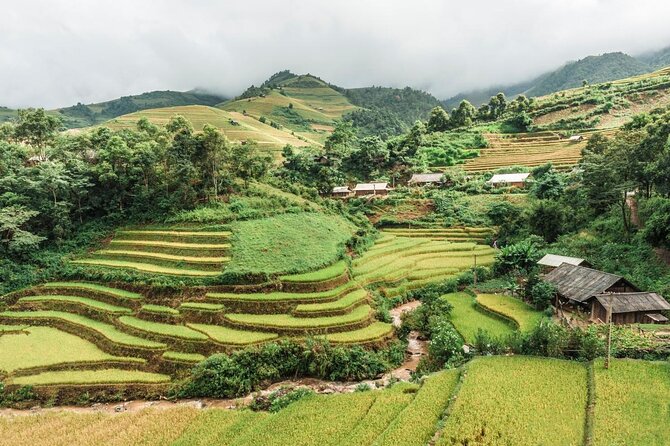
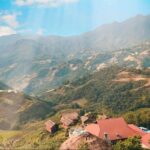
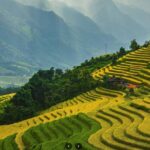
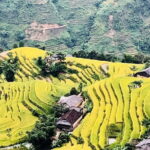
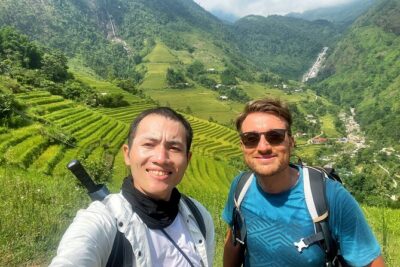
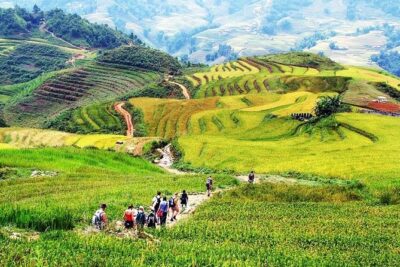
Day 1 begins with a short ride to Ta Phìn area, then you start trekking on a small trail designed to be less touristy. The route follows mountain paths that pass through forested areas and along the terraced rice fields—exactly the kind of walking where you notice the details, like how the trail hugs the slope and how the rice terraces shape the whole valley.
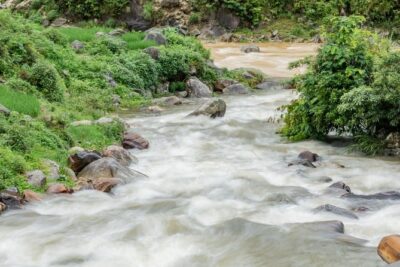
After about two and a half hours, you stop for picnic lunch beside a waterfall. This is one of the best value moments of the whole experience because it’s not just sitting with food. It’s a natural reset point: you cool down, rehydrate, eat something simple and filling, and then you can start again without feeling wrecked.
In the afternoon, the trek continues toward a valley viewpoint with even more terraced rice views. You then reach Sa Xeng Village (Tả Phìn village). This is where the trip shifts from scenery to people and culture.
Sa Xeng Village: hearing about Hmong and Red Dao cultural life
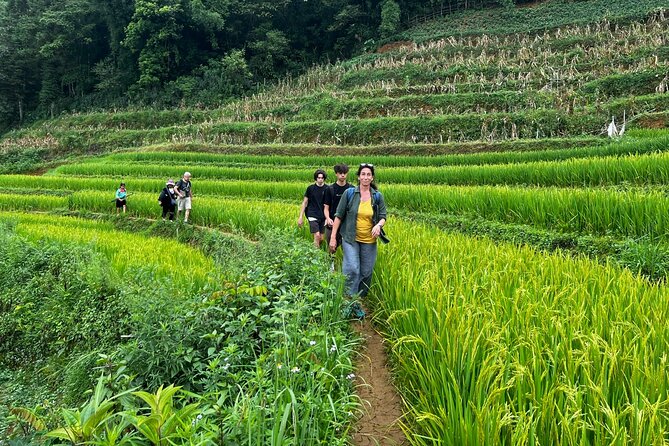
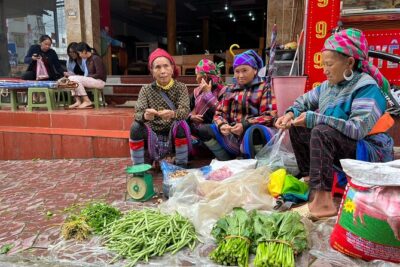
Sa Xeng Village is where you get context for what you’re seeing. The plan includes learning about the Hmong and Red Dao minorities, with a focus on the local cultural life and the way communities keep their own traditions.
This matters because Sapa can turn into a blur of matching outfits and generic storytelling. Here, the goal is more grounded: you’re walking into a village community and being introduced to how daily life works, not just snapping pictures from a bus window.
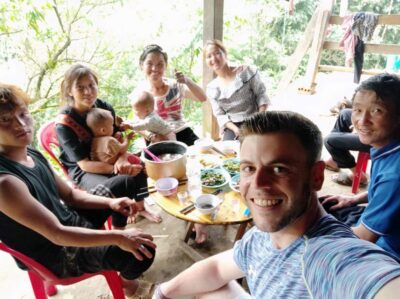
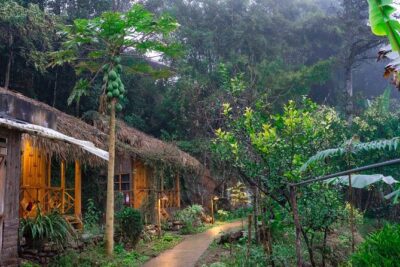
You’ll also have dinner and an overnight in a local family. That’s the part many people remember later because it forces the experience to become personal. Meals and conversations (and a little translation if needed) make it easier to understand what life looks like beyond the trail.
One practical thought: homestays often mean you’ll adapt to local routines—so keep your expectations flexible and respectful. The upside is that you’ll get a real sense of how communities live with the land and the weather.
Day 2: rice terraces, a salmon-farm lesson, and Dao family picnic
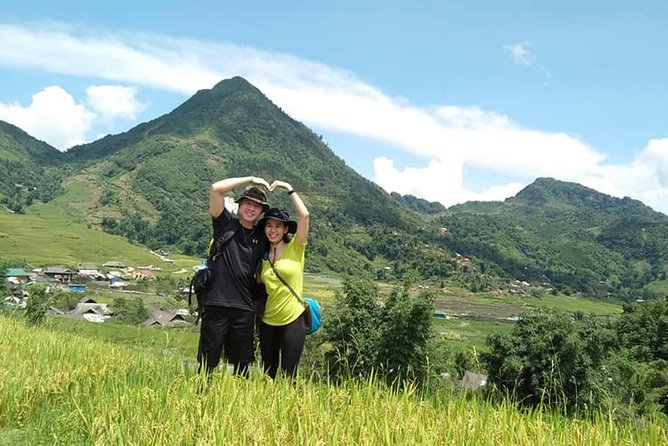
Day 2 starts with more trekking through rice terraces and mountain views over the valley. This is a day for steady walking plus watching the light change. When you’re moving through terraces, you get different angles quickly—ridges, steps of farmland, and winding paths that aren’t obvious from town.
Midday, you take a short break at a salmon farm. The experience includes an opportunity to learn about the raising technique for the fish. I like this stop because it connects the landscape to work. Rice terraces are one side of the economy; fish farming is another. It’s a reminder that these valleys aren’t just scenic—they’re productive.
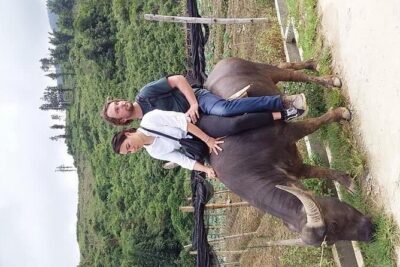
Then you have picnic lunch with a cozy Dao family. The plan keeps the food moments practical and social, instead of turning the whole day into a succession of views with no breaks.
In the afternoon, the trek continues along a river before you arrive at Ban Khoang Village. Here, you experience culture and traditions tied to the community, then you bus back to Sapa to finish at the meeting point.
More private, just-your-group bookings
- Private Transfers Hanoi <=> Sapa One Way (Free Hotel Pickup)★ 4.5 · 122 reviews
- Private Full Day Tour in Sapa by Car★ 5.0 · 96 reviews
- Sapa Private Car Rental–Half & Full Day & English Speaking Driver★ 5.0 · 37 reviews
Trek difficulty: what strong fitness really means here
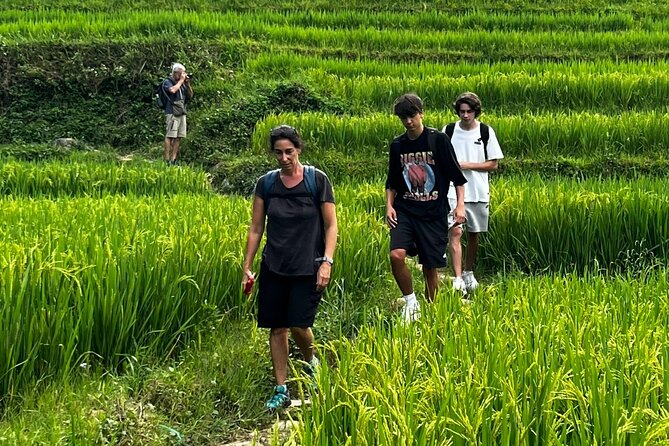
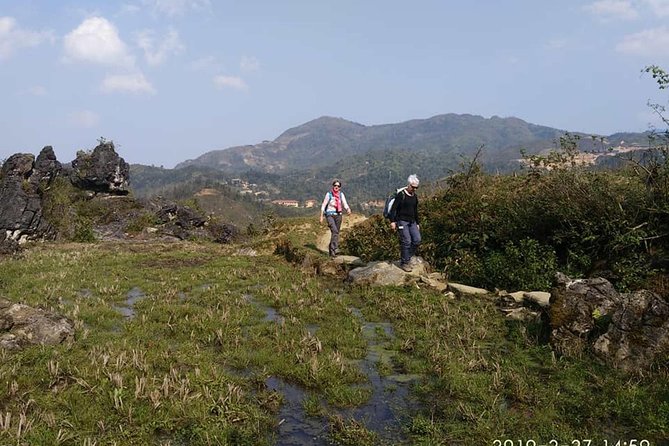
The tour explicitly says travelers should have a strong physical fitness level. In plain terms, you’re not doing a flat nature walk. You’re doing mountain trekking with hours of walking across uneven trails.
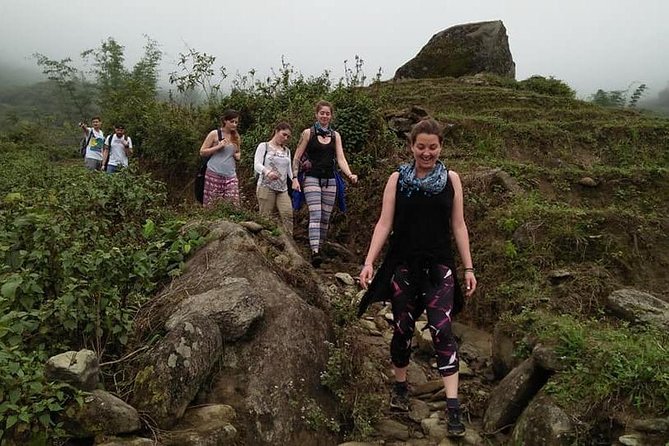
A detail from the guide feedback: people praised assistance on slippery tracks. That’s your clue for how to prepare. Even when trails look simple on a map, real-world footing matters—especially if it’s wet.
If you’re fit but not “mountain trail” fit, it can still work, but you should choose smart pacing:
- Wear shoes with solid grip.
- Expect some muddy or uneven sections.
- Plan to walk slower than you think you need early on, so your legs don’t fail later.
What to pack (so you don’t lose the whole day to wet feet)
The tour data doesn’t give a full packing list, so I’ll stick to what you can reasonably expect for a two-day trek in Sapa:
- Good traction shoes (not brand-new “fashion” sneakers with smooth soles)
- A rain layer or waterproof outer shell, since the trip requires good weather and conditions can turn fast
- Sunscreen and a hat, even if you don’t feel hot—mountains and terraces reflect light
- Water and snacks only if your guide indicates you should; the plan already includes meals, but you may still want extra personal comfort
- A small bag for muddy items and a way to keep your phone dry for photos
And bring a calm mindset for logistics. This is a walking experience. Your comfort is mostly about foot grip, weather protection, and pacing.
Food and overnight: what “local family” usually feels like
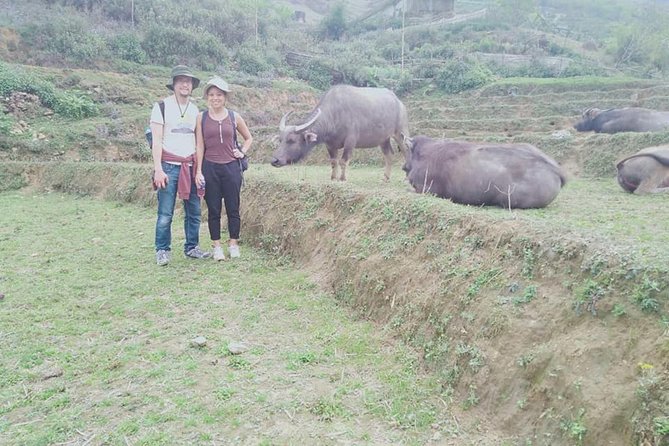
Food is part of the value here: breakfast and dinner are included, plus two lunches. That reduces friction. You won’t be hunting for meals after a long trek while your energy is low.
The overnight is also included, and it’s described as staying with a local family. That’s often where the experience becomes the least “touristy.” Instead of being shuttled between scripted stops, you get a chance to see how people handle daily life in a mountain village setting.
In reviews, guides like Nhu and Su are praised for being welcoming and helpful with translation. If you don’t speak Vietnamese, that matters. It means you can ask what you actually want to know—how farming works, how families manage daily chores, and what certain traditions mean.
Guide quality is the difference between a trek and a story
This trip lives and dies on the guide. And the feedback names a few standouts:
- Nhu: praised for friendliness, enthusiasm, and strong English, plus helping with translation and route choices.
- Su: praised for kindness, lots of information, and energy that keeps the day fun.
- Lam and Li: praised for explaining village culture and doing a solid job keeping things understandable.
The recurring theme is simple: you want someone who can connect you to the place. A good guide doesn’t just point at rice terraces—they explain why the terraces matter, how villagers keep traditions, and what the daily rhythm looks like.
Also, the reviews mention guides being able to change the route based on your preferences. That’s a real advantage on a trek. If you want an easier day, or you want to move faster, flexibility helps.
Should you book this Sapa private trek?
Book it if you want a two-day Sapa experience that feels like walking with locals rather than ticking off views. It’s a strong choice for hikers who enjoy:
- Rice-terrace walking
- Culture-focused village time (Hmong and Red Dao topics, plus Ban Khoang)
- Food moments built into the day (waterfall picnic, salmon-farm break, Dao family lunch)
- A private format with guides praised for warmth and communication
Skip it (or choose something easier) if you’re not comfortable with steep, uneven paths or you know you struggle with slippery footing. This is also weather-dependent, so you’ll want a plan for the possibility of changes if conditions are poor.
FAQ
FAQ
How much does the 2-day private trek cost?
It costs $110.00 per person.
Where do we meet, and what time does the tour start?
You meet at Nomadtrails Boutique Sapa, 15 Tuệ Tĩnh, Sa Pa. The start time listed is 9:30 am.
Is this tour private or shared with other people?
This is a private tour/activity, so only your group participates.
What meals are included during the two days?
The tour includes breakfast, dinner, and two lunches.
How physically demanding is the trek?
The tour requires travelers to have a strong physical fitness level.
What happens if the weather is poor or plans change?
The tour requires good weather. If it’s canceled due to poor weather, you’ll be offered a different date or a full refund. There is also free cancellation available up to 24 hours in advance for a full refund.
Book It Just for Your Group


More Tour Reviews in Sapa
More Sapa Treks We Walked
Latest Sapa write-ups from our team

Sapa Trekking Tours, compared.
 ★ 5.0Sapa 2 Days 1 Night From Hanoi – Overnight in Ta Van VillageFrom $592,669 reviews
 ★ 5.0Hanoi – Sapa 2 Days 1 Night Overnight At HomestayFrom $89899 reviews
 ★ 5.0Sapa: Fansipan Cable, Cat Cat Village & Moana Instagram TourFrom $30777 reviews
 ★ 4.8From Hanoi: 2-Day Sapa Trekking Trip with Homestay & MealsFrom $71704 reviews
 ★ 5.0Sapa 3 Days 2 Nights Trekking Tour (1 Night In Ta Van Village, 1 Night In Hotel)From $139699 reviews
 ★ 5.03-Day Trekking Adventure of Sapa from Hanoi – Stay Ta Van VillageFrom $109611 reviews
 ★ 4.82-Day Sa Pa Ethnic Homestay Tour & Trek with Limousine Bus440 reviews
 ★ 5.0Sapa 2 Days 1 Night From Hanoi – Overnight in HotelFrom $89440 reviews
Browse the lists this tour appears in