
Reviewed · WORKSHOPS
Vietnamese deep tissue neck and shoulder massage class
Neck and shoulder tension has a teachable fix. This class in Dong Bac turns massage from a mystery into repeatable technique. I like the hands-on practice with real feedback, and I also like that you get a certificate plus a handout you can actually use. One possible drawback: the course length can vary a lot (3 to 18 hours), so you’ll want to choose the option that matches how much time you want to spend learning.
You’ll start in a calm room with essential oils and soothing music, then work through warm-ups and core moves like effleurage and kneading. If your goal is to understand the principles, not just copy a routine, you’ll be glad the instructor keeps correcting your hand position and pressure. I also found the small-group, private-group feel helpful for getting your questions answered as you go.
In This Review
- Key Points to Know Before You Go
- Why Dong Bac’s Neck and Shoulder Class Feels Like a Skill
- Enter the Calm Room: Oils, Music, and a Teacher Who Corrects
- The Warm-Up: Stretch First, Massage Second
- Core Techniques You’ll Actually Use: Effleurage and Kneading
- Targeting Neck and Shoulder Tension: Practice in Pairs
- Building the Home Setup: Lighting, Music, and Oils
- Take-Home Materials: Certificate, Handout, and Follow-Up Support
- Price and Value: What $66 Buys You
- Who This Class Fits Best (And Who Should Skip It)
- Should You Book This Massage Class in Dong Bac?
- FAQ
- FAQ
- How long is the Vietnamese deep tissue neck and shoulder massage class?
- What’s the price per person?
- What languages are the instructors able to teach in?
- Do I get a certificate?
- What’s included besides the massage techniques?
- Is the class private or group-based?
- Is the course suitable for children or older adults?
Key Points to Know Before You Go
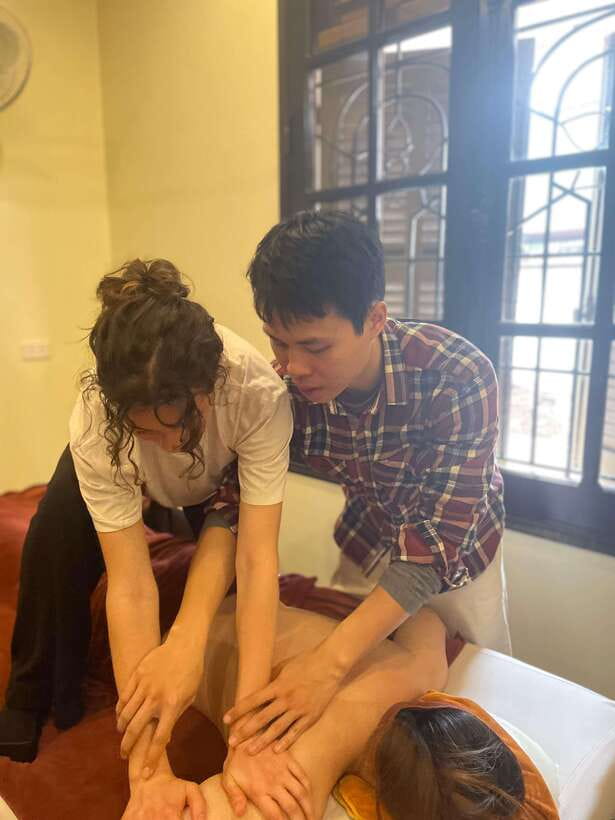
- Hands-on teaching, with you practicing on a partner or mannequin instead of just watching
- Neck-and-shoulder focus, including techniques for targeting tension areas
- Instructor support in multiple languages (English, Vietnamese, French)
- Instant, personalized feedback, with the instructor adjusting your form
- Certificate after completion, plus a take-home handout and follow-up resources
- A calm, spa-like setup (aromatherapy oils, relaxing music, and refreshments)
Why Dong Bac’s Neck and Shoulder Class Feels Like a Skill

This isn’t a ticket to lie down and hope for relief. It’s a class built around learning how to apply pressure and movement correctly, especially for the neck and shoulder area where people tend to feel tight and guarded.
I like that the format is practical from the first minutes. You warm up, learn a base set of techniques, then practice in pairs. That matters because massage is physical memory. If you only watch, you’ll miss the small details that make the difference between uncomfortable and soothing.
It’s also priced in a way that makes sense for a learning experience: $66 per person for expert instruction, practice time, and take-home materials. In plain terms, you’re paying for guided reps and corrections, not just ambiance.
Not sure yet? See how this one sits next to a few Ha Long favourites.


Enter the Calm Room: Oils, Music, and a Teacher Who Corrects
The session starts with an introduction in a quiet, welcoming space. You’ll likely notice the aroma of essential oils right away, plus soft music that keeps the mood steady and relaxed.
Then your instructor lays out the basics: what massage therapy is doing for the body and why certain movements work for tension relief. The course is taught by an experienced instructor (listed as 6+ years) who can teach in English, Vietnamese, and French, which is a big deal if you want to understand the why, not only the how.
From what I gathered, instructors take correction seriously. In one case, a professional masseur acted as a guinea pig while the instructor gave instant feedback. That kind of teaching style is what you want in a massage class, because hand placement and pressure matter more than fancy words.
And yes, it’s not all technique talk. You get refreshments such as herbal tea and light snacks. It’s a small thing, but it keeps you comfortable while you’re learning something physical.
The Warm-Up: Stretch First, Massage Second
Before anyone presses, pulls, or kneads, you start with a gentle warm-up. You’ll learn simple stretches meant to prepare your muscles and help you avoid going in cold.
This part is important. Neck and shoulder massage can feel intense even when it’s meant to be gentle, because the area is sensitive and crowded with nerves and muscles. A proper warm-up helps you practice with better control and makes your movements feel smoother to both the giver and receiver.
You’ll get instruction for what to do, and then you’ll transition into foundational massage techniques. This order is one reason the class is useful even if you’re brand-new: you learn how to set your body and your partner up for comfort.
Core Techniques You’ll Actually Use: Effleurage and Kneading
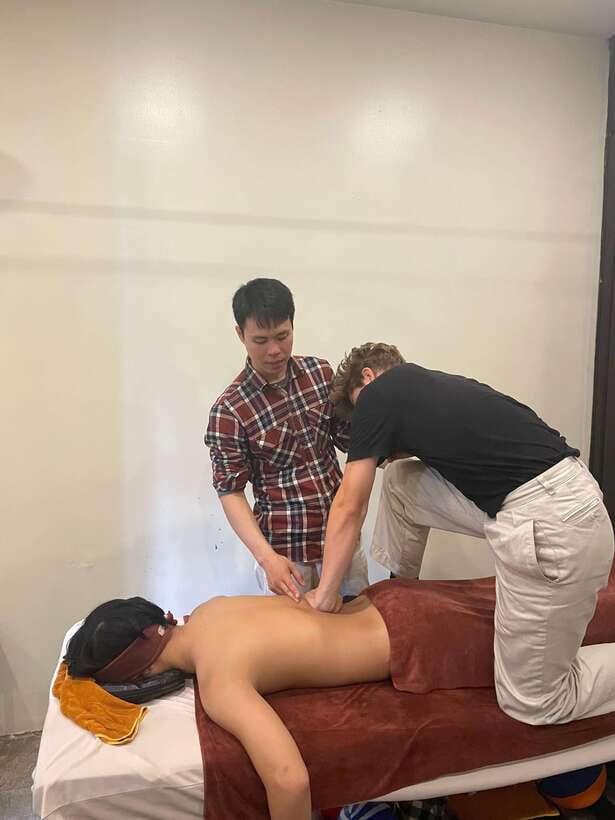
Two techniques are highlighted as your starting point: effleurage and kneading.
Effleurage is basically long, gliding strokes. In a class like this, you’re learning how to move steadily and keep your touch consistent. Kneading is more like working the soft tissues with controlled pressure and a repetitive hand motion. It’s the type of technique people often think of when they imagine massage, but doing it well takes practice and timing.
Here’s the practical value: once you understand the rhythm and pressure, you can adjust for different people. You’ll practice these moves on a partner while the instructor demonstrates and then circulates to coach you.
If you want to massage at home later, this is the part you’ll return to. It’s easier to repeat a few core movements correctly than to memorize a long routine you don’t fully understand.
Targeting Neck and Shoulder Tension: Practice in Pairs
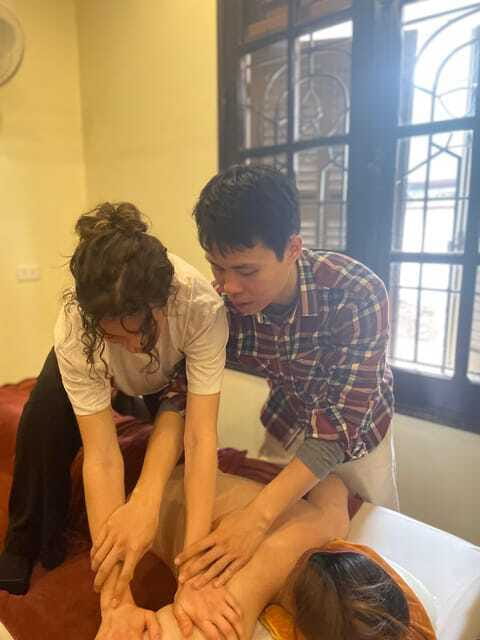
After the fundamentals, you move to more advanced methods for specific tension areas in the neck and shoulders. This is where the class shifts from general massage to something more targeted.
You’ll practice in pairs, which is the most useful learning setup for massage. You get both perspectives:
- As the receiver, you learn what feels good versus what feels too strong or poorly aligned.
- As the giver, you learn what your hands are actually doing, not just what you think you’re doing.
The instructor will circulate and offer personalized tips. I’d call this the heart of the value. Massage isn’t like cooking where you can wing it with taste. It’s hands-on. Your form needs someone watching it.
And if you’re wondering about realism, the class includes practice with partners or mannequins, so you’re not stuck waiting for the right moment. You’ll get repetitions.
- From Hanoi: 2-Day Lan Ha Bay 5-Star Cruise with Balcony★ 4.8 · 137 reviews
- Ha Long: Afternoon Cruise with Lunch, Kayaking, and Swimming★ 4.8 · 114 reviews
- Ha Long Bay: 2-Day Tour with La Pandora Boutique Cruise★ 4.7 · 66 reviews
Building the Home Setup: Lighting, Music, and Oils
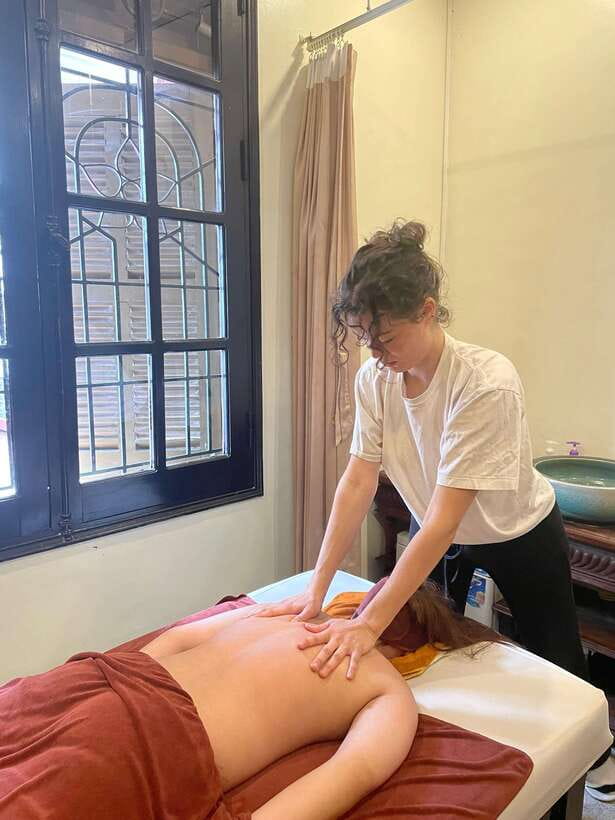
One thing I appreciate is that the class doesn’t end at technique. You also discuss how to create a massage environment at home.
You’ll get tips on things like:
- Lighting
- Music
- Oils (and using aromatherapy to set the mood)
That matters because massage works better when your partner is calm and receptive. If the environment is stressful or noisy, even good technique can feel off. Teaching you how to set the tone makes the skills more likely to stick after the class is over.
Take-Home Materials: Certificate, Handout, and Follow-Up Support
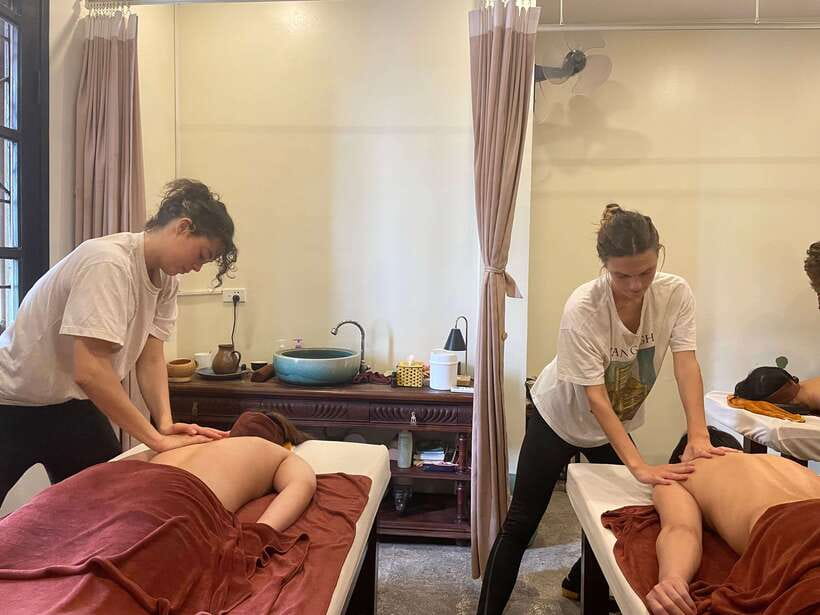
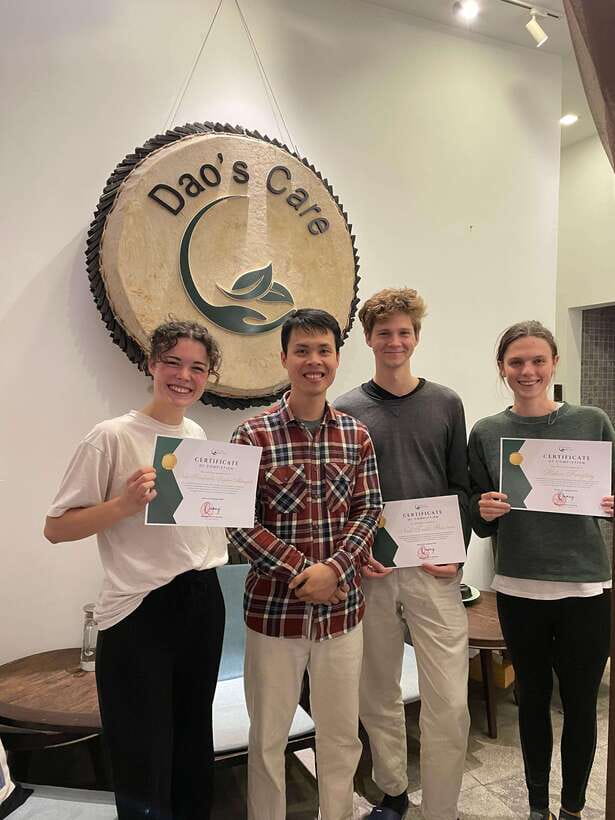
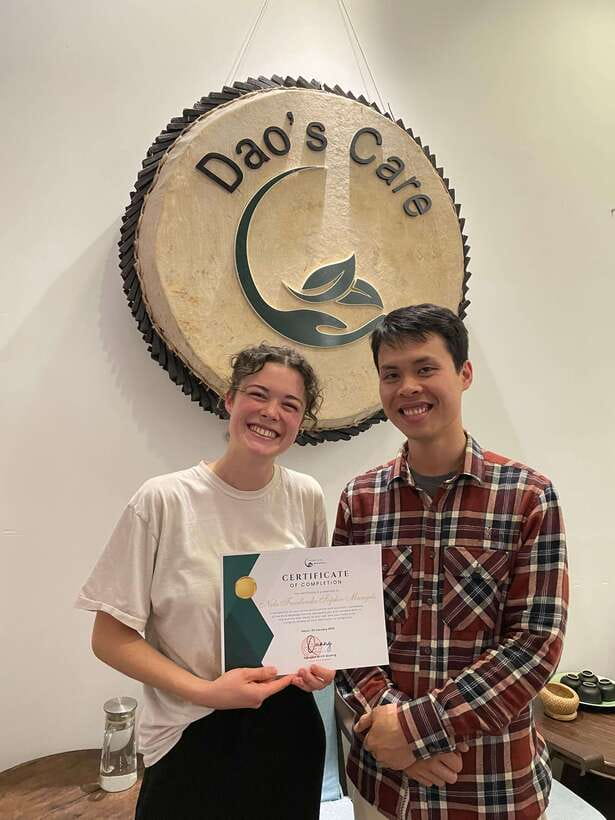
By the end, you should leave feeling more confident and empowered to perform a rejuvenating neck and shoulder massage. The course includes a certificate of completion, and you’ll receive a detailed handout to take home.
It also includes access to follow-up support and resources. That’s a nice safety net if you try a move later and think, Okay, is this right?
One caution: certification renewal or upgrades may cost extra if you decide to pursue more. The basics are included, but if you’re planning future training beyond this course, you’ll want to check what’s optional versus required.
Price and Value: What $66 Buys You
For $66 per person, you’re paying for several things that usually cost more separately:
- Expert instruction from a certified massage therapist
- Hands-on guidance and personalized feedback
- Practice time using high-quality oils and lotions
- A calming atmosphere with aromatherapy and soothing music
- Refreshments (herbal tea and light snacks)
- A certificate plus a take-home handout
- Follow-up support and resources
If you compare this to typical “watch and leave” experiences, the value is in the practice and corrections. The instructor isn’t just describing; you’re actively doing and getting adjusted.
The only pricing-related thing to think about is duration. Since options range from 3 up to 18 hours, the best value depends on how much time you need to learn comfortably. If you want a short, focused intro, pick the shorter option. If you want deeper repetition and more coaching, choose the longer one.
Who This Class Fits Best (And Who Should Skip It)
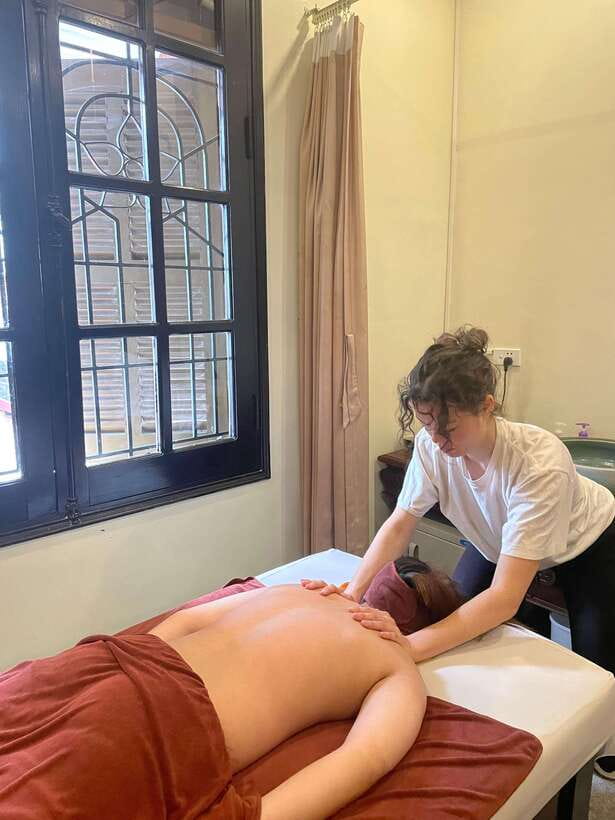
This is designed for people who want real skills, whether you’re learning for personal relief or potentially as a hobby or business practice.
It’s also taught in multiple languages (English, Vietnamese, French), which helps if you don’t want to learn by guessing.
That said, it’s not suitable for:
- Children under 10
- People with altitude sickness
- People over 70
Also, alcohol and drugs aren’t allowed. That’s not there to be strict for its own sake. It helps keep everyone safe and focused during a hands-on session.
If you want extended practice sessions or one-on-one coaching beyond what’s included, additional costs may apply. So if you’re someone who needs extra time to feel confident, plan for that possibility before you book.
Should You Book This Massage Class in Dong Bac?
If you want a practical skill you can use soon after you get home, I think this class is a smart bet. You learn the kind of techniques that map directly to daily tension relief, and you practice them in a way that builds real confidence.
Book it if:
- You want hands-on instruction and personalized feedback
- You’re interested in neck and shoulder tension specifically
- You like the idea of a certificate, handout, and follow-up resources
- You’d benefit from an instructor who can teach in English, Vietnamese, or French (depending on the session)
Skip it if:
- You only want a relaxing spa massage and don’t care about technique
- You’re uncertain about the duration options (3 to 18 hours is a big range)
- You fall into one of the listed age or altitude-sickness limitations
FAQ
FAQ
How long is the Vietnamese deep tissue neck and shoulder massage class?
The duration is listed as 3 to 18 hours, and you should check availability to see the starting times for the option you choose.
What’s the price per person?
The price is $66 per person.
What languages are the instructors able to teach in?
The instructor can teach in English, Vietnamese, and French.
Do I get a certificate?
Yes. You’ll receive a certificate after completing the course.
What’s included besides the massage techniques?
Included items include expert instruction, hands-on guidance with feedback, practice with partners or mannequins, use of high-quality oils and lotions, aromatherapy and soothing music, herbal tea and light snacks, tips for creating a massage environment at home, the certificate, and access to follow-up support and resources.
Is the class private or group-based?
It’s listed as a private group.
Is the course suitable for children or older adults?
It’s not suitable for children under 10 years old, and it’s also not suitable for people over 70 years old. It’s additionally not suitable for people with altitude sickness.
If you tell me which duration option you’re considering (the 3-hour vs the longer sessions), I can help you choose based on what level of practice and coaching you likely want.
More Tour Reviews in Ha Long


Latest Ha Long write-ups from our team




Workshops, compared.
 ★ 5.0Hanoi Cooking Class: Culture, Local Market & Meaning CSR ImpactFrom $395,147 reviews
 ★ 5.05 Traditional Dishes Hanoi Cooking Class with Market TripFrom $354,890 reviews
 ★ 5.0Hanoi Coffee Workshop: Taste Salt, Coconut and Egg CoffeeFrom $161,286 reviews
 ★ 5.0Salt Coffee Workshop Awake Your Senses With 6 BrewsFrom $23792 reviews
 ★ 5.0Vietnamese Food Cooking Class in Hanoi with Market ExperienceFrom $45778 reviews
 ★ 5.0Handcrafted Wood Carving Workshop with Local ArtisanFrom $19733 reviews
 ★ 5.05 Local Dishes Cooking Class with Meal & Market VisitFrom $40420 reviews
 ★ 5.0Hanoi Cooking Class and Market Tour in Ancient HouseFrom $45379 reviews
Browse the lists this tour appears in