
Reviewed · COFFEE EXPERIENCES
Vietnamese Coffee 101 Workshop
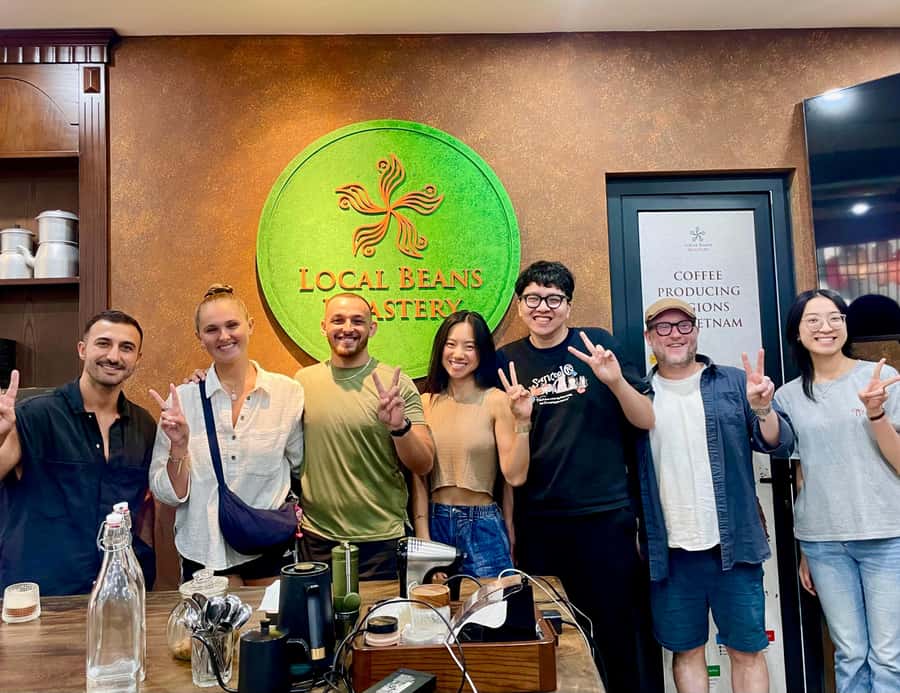
Hanoi’s coffee lessons beat another museum day. In a 3-hour workshop in Dong Bac, I like how you understand the phin filter method, and you actually brew for yourself with hands-on brewing instead of just sipping. You’ll taste classics and playful drinks, while getting the kind of practical know-how that helps you order or make coffee in Vietnam with confidence.
I do think the session is built for people who enjoy trying multiple styles. If strong coffee (hot or iced) isn’t your thing, you may want to steer your choices during tastings so you don’t get stuck with flavors you don’t love.
In This Review
- Key things I’d bet on before you book
- Vietnamese Coffee 101 Workshop in Hanoi: what the 3 hours is really like
- The star skill: mastering the phin filter
- Tasting menu: from classic brown coffee to egg coffee
- Coffee history and beans: knowing what’s in your cup
- Brewing beyond the phin: pour-over and espresso-style thinking
- Coffee-to-water ratio and grind size: the stuff that fixes bad cups
- Coffee art and latte art: for the fun learners
- What’s included (and why it matters for value)
- Location and logistics: dong bac, pickup, and timing
- Optional add-ons: if you want a deeper Hanoi coffee day
- The people factor: what you should expect from the guide
- Who this workshop is best for
- Should you book Vietnamese Coffee 101 in Hanoi?
- FAQ
- FAQ
- How long is the Vietnamese Coffee 101 Workshop?
- What does the workshop cost?
- Is the workshop taught in English?
- What kinds of coffee will I taste?
- Will I brew my own coffee?
- Is pickup included, and are there extra fees?
Key things I’d bet on before you book
- Phin filter brewing, taught clearly: You learn how this iconic Vietnamese method changes the cup.
- Hands-on tasting + brewing: You don’t just learn theory; you practice making your own.
- A lineup of Vietnamese favorites and twists: Expect options like egg coffee, coconut coffee, and pour-over.
- Coffee-to-water and grind guidance: You’ll get ratio and grind-size tips you can reuse later.
- Take-home support: A recipe book and digital coffee books help you recreate what you liked.
- English instruction in a small-group feel: You get interaction with an English-speaking guide.
Vietnamese Coffee 101 Workshop in Hanoi: what the 3 hours is really like
This workshop is designed for one main goal: to get you comfortable with Vietnamese coffee, not just impressed by it. At $22 for about three hours, it’s a strong value if you’re the type who wants skills you can use at home (or at least order correctly later).
The experience centers on Hanoi’s coffee culture and the practical mechanics behind it. You’ll learn why Vietnamese coffee can taste bolder, deeper, and sometimes creamier than what you might expect from Western-style brews. Then you’ll taste a range of drinks and try brewing yourself, guided in English.
Worth a glance beside this Hanoi pick:

The star skill: mastering the phin filter
Vietnamese coffee is famous for the phin filter, and that’s not just trivia here. You learn the traditional brewing technique step by step, including how the coffee is prepared for that slow drip style.
What makes this part useful is that the phin is more than a tool. It teaches you about brew strength and extraction. You’ll also get guidance on things like the coffee-to-water ratio and grind size, which is exactly where many coffee fails happen (too weak, too bitter, or overly sharp).
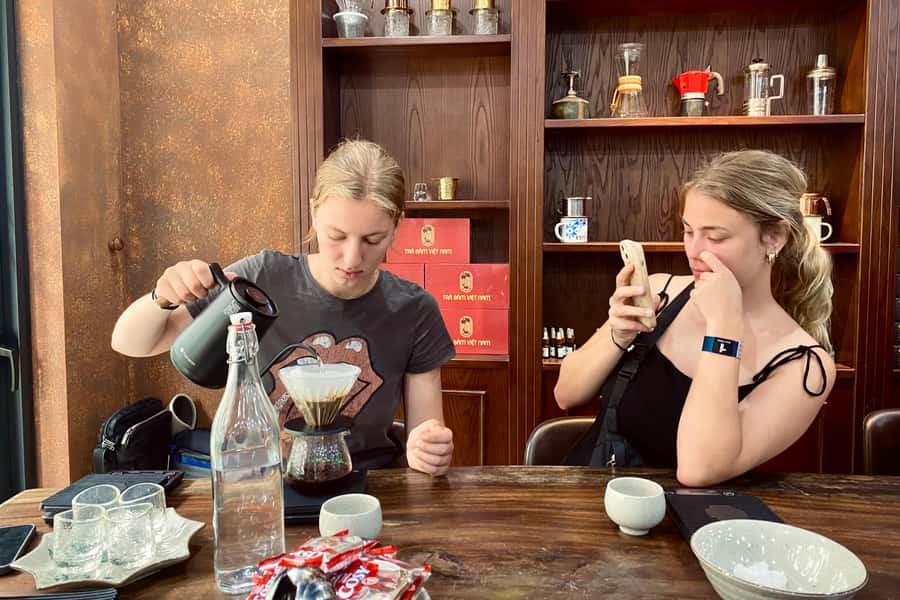
If you like a hands-on class, this section is your payoff. You’ll roll up your sleeves and brew your own coffee, and that turns Vietnamese coffee from something you order into something you can reproduce.
Tasting menu: from classic brown coffee to egg coffee
The workshop’s tasting lineup is where you can map your preferences fast. You’ll try multiple Vietnamese coffee specialties, including both familiar and surprising options.
Here are the menu highlights you can expect:
- Original Vietnamese brown coffee, brewed with the phin filter, served hot or iced
- Pour-over coffee, aimed at highlighting the natural character of each bean
- Vietnamese coconut coffee, a coffee-and-coconut-milk fusion style
- Signature Vietnamese egg coffee, with an egg yolk mixture for a creamy, sweet finish
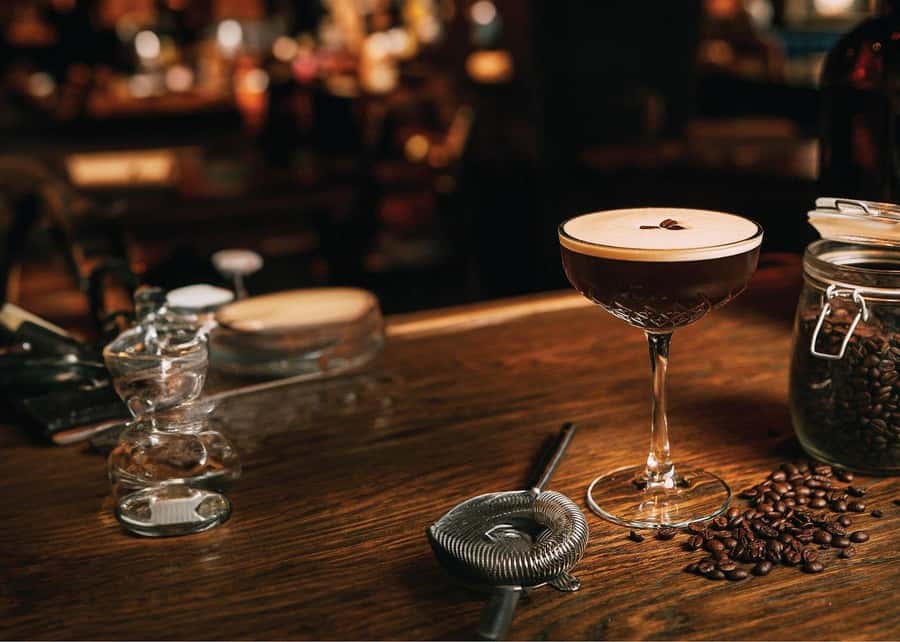
- Coffee cocktail options, where coffee is blended with spirits for a more playful route
This is a smart mix because it covers different directions Vietnamese coffee can go: strong and traditional, cleaner and more aromatic (pour-over), creamy and dessert-like (egg coffee), and refreshing (coconut). Even if you end up loving one style best, the tasting helps you understand what you’re actually tasting.
One extra note from real-world experience: some classes may include small add-ons beyond coffee alone, like local wine served alongside the tastings. If you’re curious about pairing flavors, that’s the kind of pleasant surprise worth asking about before you start.
Coffee history and beans: knowing what’s in your cup
A good coffee workshop gives you context without turning into a lecture that kills your appetite. This one includes a guided look at coffee history, especially how coffee arrived in Vietnam and why it became such a part of daily life.
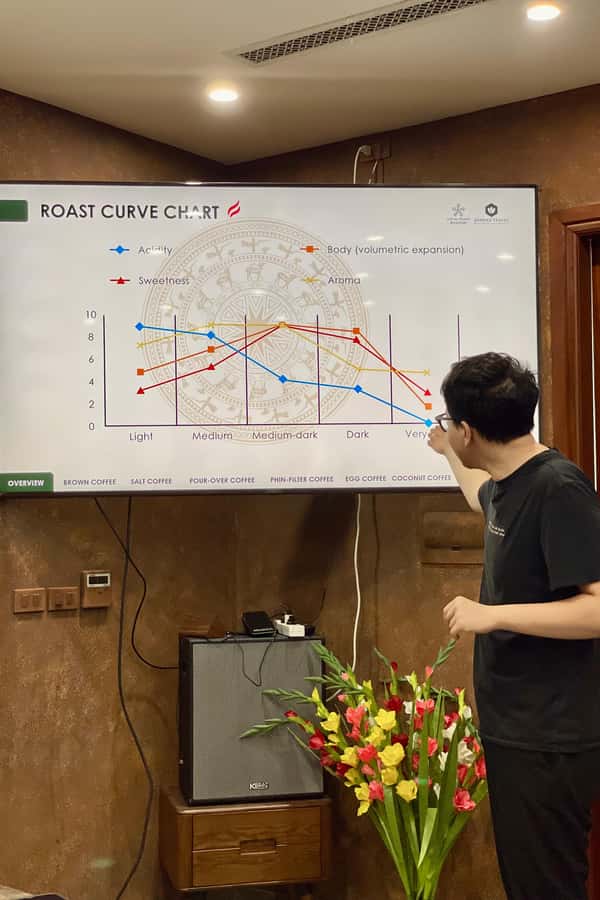
You’ll also learn about diverse coffee bean varieties and how their traits show up in flavor. That matters because Vietnamese coffee is often associated with robust, dark profiles, but bean type and roasting decisions change the story.
Another practical piece: the workshop includes coffee roasting secrets and what makes a good cup. You won’t need to become a roaster, but understanding roasting basics helps you explain to yourself why one coffee tastes chocolatey, another tastes nutty, and another feels more floral or bright.
Brewing beyond the phin: pour-over and espresso-style thinking
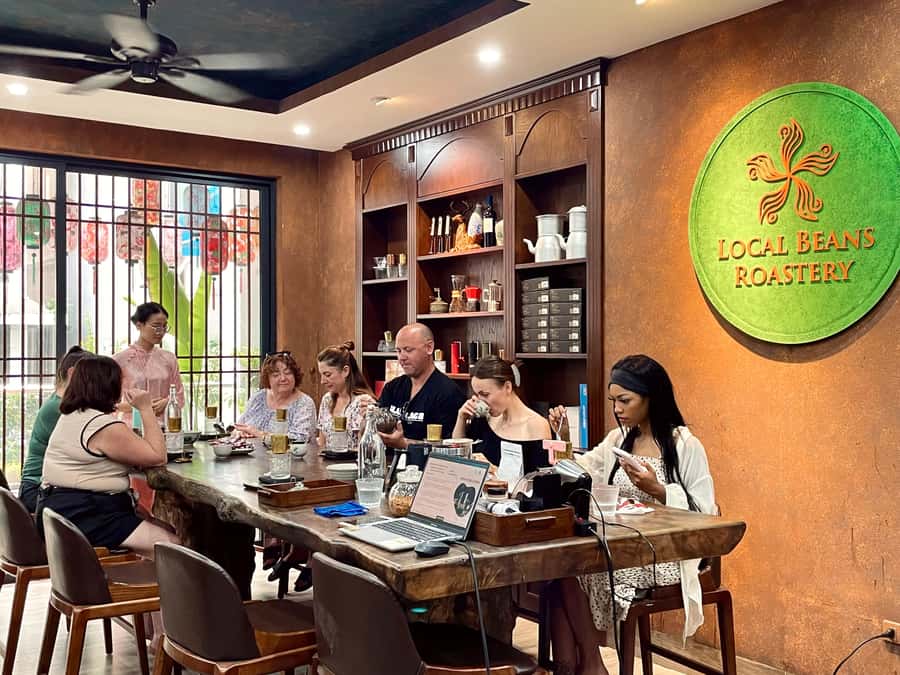
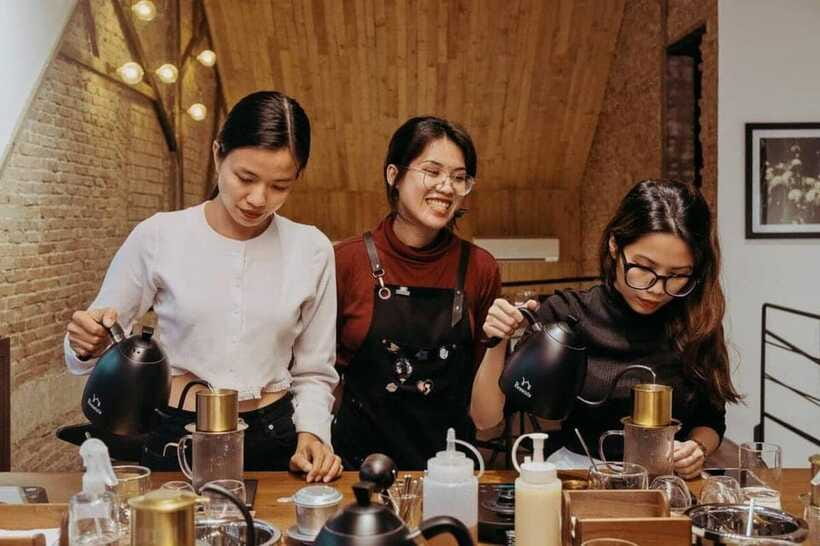
Even though the phin filter is the centerpiece, you’re not locked into one method. The workshop also covers modern brewing approaches like pour-over and espresso.
The practical value here is technique transfer. When you learn how grind size and ratio affect extraction in one method, you can use that mindset elsewhere. Pour-over, for example, tends to highlight the natural flavor of each bean, so you can taste the difference between roast profiles and brewing adjustments more clearly.
If you’ve ever wondered why two people can order the same coffee and get totally different cups, this part helps you answer that with something real: method, grind, and water amount.
Worth a glance beside this Hanoi pick:
- Hanoi Cooking Class: Culture, Local Market & Meaning CSR Impact★ 5.0 · 5,147 reviews
- 5 Traditional Dishes Hanoi Cooking Class with Market Trip★ 5.0 · 4,890 reviews
- Vietnamese Food Cooking Class in Hanoi with Market Experience★ 5.0 · 778 reviews
Coffee-to-water ratio and grind size: the stuff that fixes bad cups
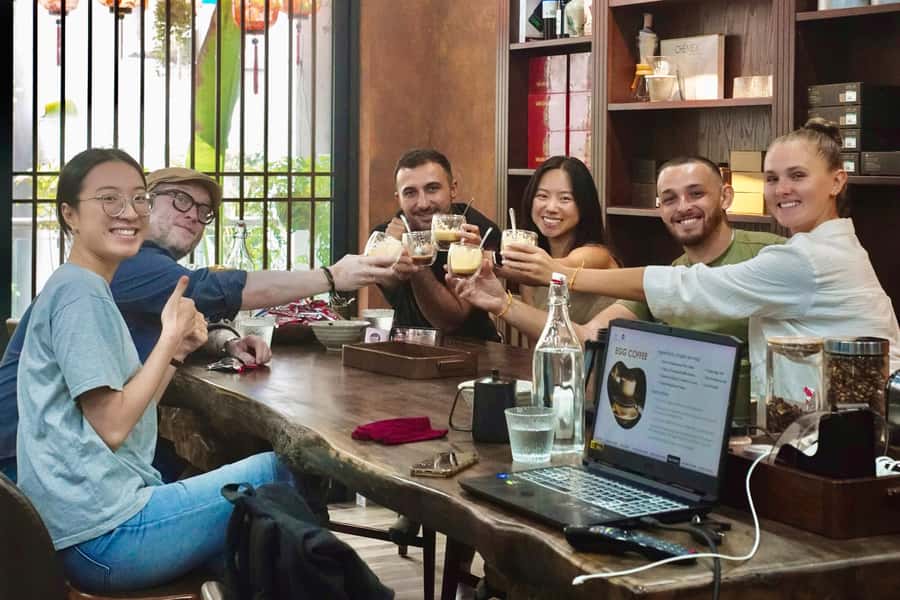
This is the part I wish more coffee classes taught. Many tasting experiences are fun, but you leave with opinions and no tools. Here, you learn how to create the right coffee-to-water ratio and what grind size to use for the brew style you’re making.
That’s not just nerdy detail. It’s the core of avoiding common problems:
- too watery and weak
- too strong and bitter
- uneven extraction that makes the cup taste harsh or flat
Once you understand those basics, you can adjust when you brew at home or when you order in Vietnam. You’ll be able to say something like, I want it strong but not harsh, or I want it balanced instead of bitter, and you’ll know what might cause the difference.
Coffee art and latte art: for the fun learners
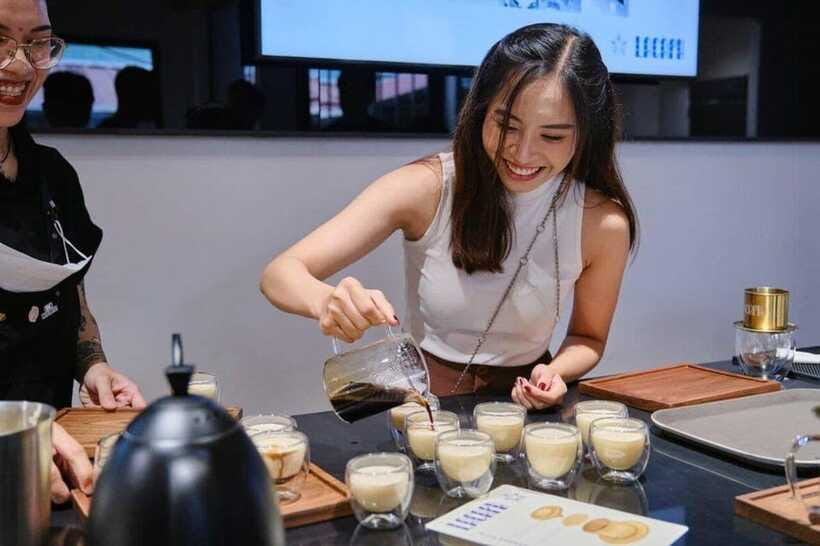
The workshop includes creating coffee art and latte art. Even if you’re terrible at it at first (I usually am), it’s a useful skill. It trains your pour control and attention, which also helps your brewing because you start noticing timing and texture.
Think of it as a confidence booster. It turns the class from a single tasting lesson into a full experience where you feel involved at multiple stages.
Also, it’s the kind of activity you’ll remember later. Brewing your own cup and then making it look good is a combo that sticks.
What’s included (and why it matters for value)
For $22, the workshop includes more than just instruction. You get:
- An expert coffee guide who can explain coffee history, cultivation, roasting, and brewing
- Hands-on brewing practice, including traditional phin filtering and modern methods
- Premium coffee beans and fresh ingredients for the drinks you make and taste
- A recipe book you can use anywhere
- Free digital copies of coffee books related to what you learn
- A professional certificate if you request it
That recipe book + digital extras are what make the price feel fair. Otherwise, a class like this can feel like entertainment. With take-home materials, you get actual follow-through after you leave Hanoi.
If you’re a coffee hobbyist, the certificate request option is also a fun bonus, even if you don’t need it for anything practical.
Location and logistics: dong bac, pickup, and timing
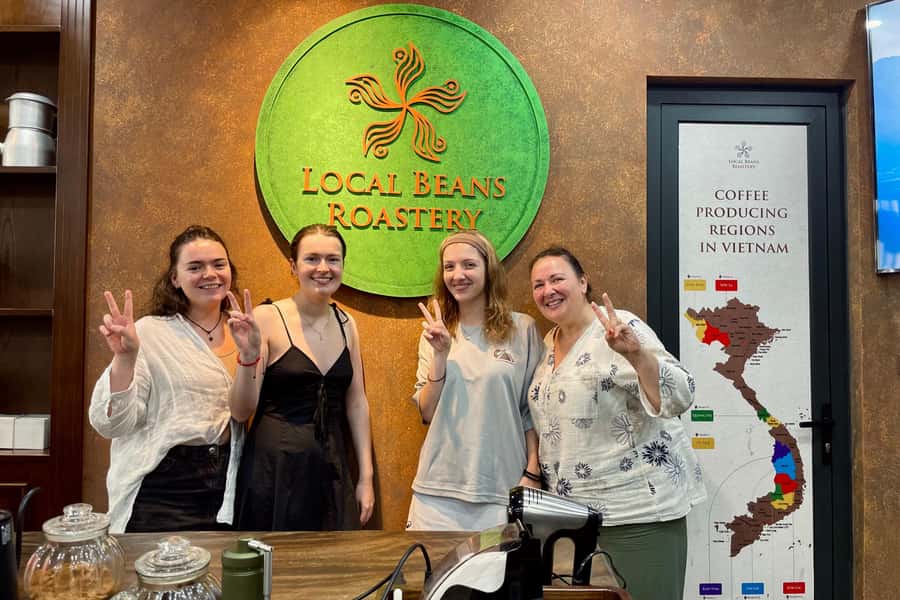
The workshop runs about 3 hours, with starting times that depend on availability. It’s conducted in English, and the venue is wheelchair accessible.
Pickup fees can vary depending on where you’re staying. If you’re outside the Old Quarter area, you might face extra pickup charges. If you want the simplest experience, staying near the Old Quarter makes the logistics easier.
Small-group style instruction is mentioned as part of how the workshop runs. That’s a big deal here because coffee brewing is hands-on. You want enough time with the guide to fix technique mistakes while you’re still learning.
Optional add-ons: if you want a deeper Hanoi coffee day
If you enjoy the workshop and want more, the provider offers add-ons like:
- A coffee tasting tour through Hanoi’s historic coffee shops
- Private coffee workshop options tailored to your interests
- Coffee bean shopping, including roasted Vietnamese coffee beans and phin filter instruments
Bean shopping can be especially worth it if you fall in love with a specific blend during the tasting. You’ll have a clearer idea of what to buy because you tasted it and learned how it’s brewed.
The people factor: what you should expect from the guide
You’ll be working with an English-speaking coffee guide who explains everything from history to roasting to brewing technique. The tone is meant to be friendly and interactive, not intimidating.
From practical experience with classes like this, the difference between a good workshop and a forgettable one is how quickly the instructor helps you correct technique. This one is built with plenty of hands-on time and a focus on making and drinking what you brew.
Who this workshop is best for
This is a great fit if you:
- want a hands-on Hanoi experience that’s short, focused, and tasty
- enjoy coffee but also want to understand how to make better cups
- like learning practical skills, not just sightseeing
- are comfortable trying several styles, including strong coffee options
It’s less ideal if you strongly prefer only one type of coffee and would be unhappy tasting across a lineup.
Should you book Vietnamese Coffee 101 in Hanoi?
Yes, if you want real skills. For $22 and around 3 hours, you get phin filter technique, modern brewing concepts, multiple tastings (including egg and coconut options), and take-home materials that actually extend the experience.
I’d say book it sooner rather than later in your Hanoi trip. Once you understand how Vietnamese coffee works, you’ll order more confidently at cafés, and you’ll notice the details you would’ve missed before.
FAQ
FAQ
How long is the Vietnamese Coffee 101 Workshop?
The workshop lasts about 3 hours. Starting times vary, so you’ll need to check availability for the next options.
What does the workshop cost?
The price is listed as $22 per person.
Is the workshop taught in English?
Yes. The instructor is listed as English-speaking.
What kinds of coffee will I taste?
The menu includes options such as Original Vietnamese Brown Coffee (phin filter), Vietnamese Coconut Coffee, Pour-over Coffee, Signature Vietnamese Egg Coffee, and coffee cocktail options.
Will I brew my own coffee?
Yes. The workshop includes hands-on brewing so you can try making coffee yourself, including using a phin filter.
Is pickup included, and are there extra fees?
Pickup fees may apply if your position is out of the Old Quarter Area. If you’re staying in that area, you’ll likely have a smoother, lower-cost setup.
More Workshops in Hanoi



More Coffee Experiences in Hanoi
More Tour Reviews in Hanoi





Latest Hanoi write-ups from our team




Coffee Experiences, compared.
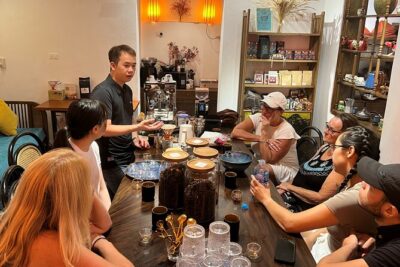 ★ 5.0Hanoi Coffee Experience: 6 Brews, 9 Recipes & 3 Liquor TastingsFrom $172,945 reviews
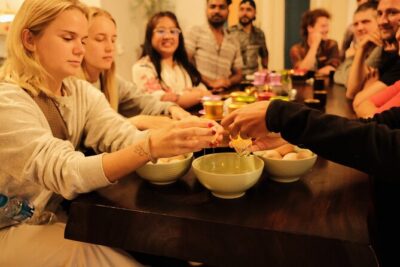 ★ 5.0Hanoi Coffee Workshop: Taste Salt, Coconut and Egg CoffeeFrom $161,286 reviews
 ★ 5.0Salt Coffee Workshop Awake Your Senses With 6 BrewsFrom $23792 reviews
 ★ 4.9Vietnamese Street Food Tour with Egg CoffeeFrom $24315 reviews
 ★ 5.0Hanoi Cooking Class: Pho/Bun Cha/Banh Xeo…+Free Egg/Salt CoffeeFrom $19267 reviews
 ★ 5.0Vietnamese Coffee Workshop with 6 Brews and 8 RecipesFrom $34237 reviews
 ★ 5.0Ha Noi Egg Coffee ClassFrom $12227 reviews
 ★ 5.0Hanoi Coffee Workshop: Master 6 Signature Vietnamese CoffeeFrom $18171 reviews
Browse the lists this tour appears in