
Reviewed · SAPA TREKKING TOURS
Sapa 2-Day Trekking Tour – Explore Villages & Scenic Trails
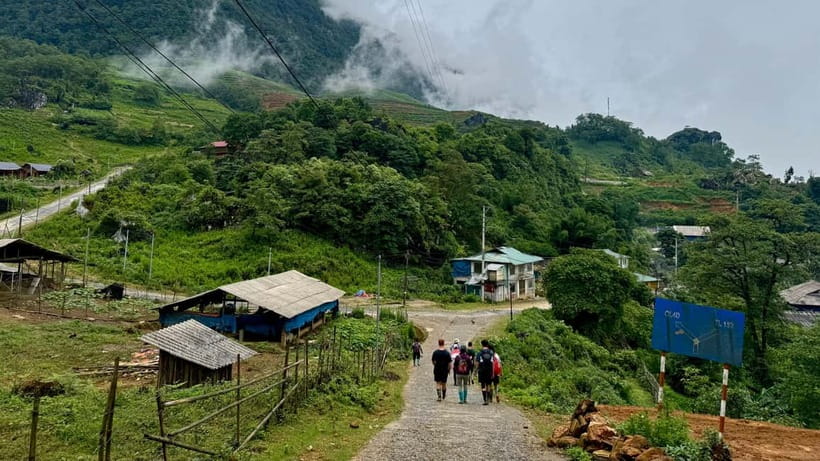
Some treks feel like a checklist. This one feels like a real walk through Sapa’s ethnic villages and rice terraces, with a homestay night that lets you slow down and see village life up close. I love that you get to choose Tả Van for a gentler cultural route or Hầu Thào for a quieter, more remote feel, instead of doing the same trail as everyone else. I also like that the tour runs on a practical, small-group setup with local guides such as Mao, Thao, Sung, Su, and Chai who explain what you’re seeing and adjust the pace when needed. One drawback to consider: the trek is moderate and can get muddy in rainy season, so good shoes and long pants really matter.
In This Review
- Key parts to love before you go
- Sapa in two days: why this trek works
- Tả Van vs Hầu Thào: pick your kind of Sapa
- Tả Van route: cultural immersion with easier rhythm
- Hầu Thào route: remote trails and a quieter feel
- Day 1 from Sapa Town into Muong Hoa Valley
- Sapa → Y Linh Ho → Lao Chai → Ta Van or Hầu Thào
- What to expect on day one (and what might annoy you)
- Homestay night: food, comfort, and village time
- A note on the meal style
- Evening pacing
- Day 2: bamboo forests, waterfalls, and the Giang Ta Chai finish
- Ta Van route return: Ta Van → Giang Ta Chai → Sapa
- Hầu Thào route return: Hau Thao → Giang Ta Chai → Sapa
- How long does day two actually feel?
- Transportation and the Cat Ba package wrinkle
- Price at $58: what you’re really buying
- When you might want to spend extra
- Who this trek is best for (and who should skip it)
- Best matches
- Avoid it if you have certain constraints
- What to pack: simple gear that saves your day
- One small daypack rule
- Picking the right route based on your travel style
- Should you book this Sapa 2-day trek?
- FAQ
- What time does the trek start in Sapa?
- How long is the trek and where do you sleep?
- What are the two route options and how do they differ?
- Are meals included, and can you accommodate vegetarian or vegan diets?
- Where is the meeting point, and how close is it to Sapa town?
- What should I bring and what is not allowed?
Key parts to love before you go
Small-group pacing means you walk together, take breaks, and don’t feel rushed.
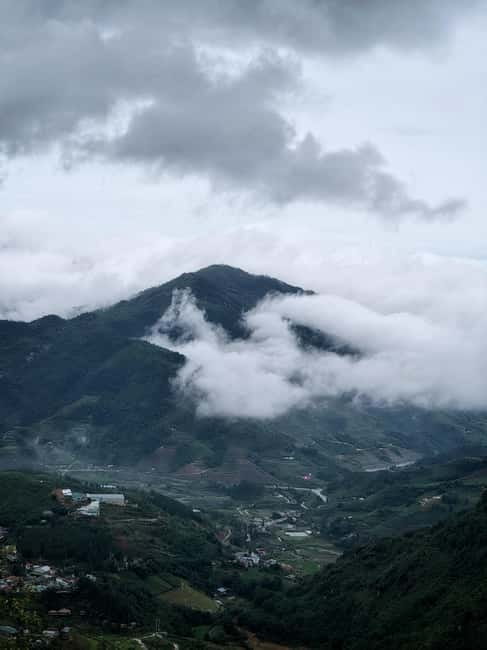
Two route choices (Tả Van vs Hầu Thào) let you pick between cultural valley walking or a more remote mountain vibe.
Homestay food with dietary care: you’ll get Vietnamese meals, and guides have helped guests with allergies by checking with host families.
Rice terraces and village stops are built into a two-day rhythm with short transfers and focused walking.
Sapa in two days: why this trek works
Sapa can be busy. The biggest reason this tour feels different is that it’s built around walking villages and trails, not bouncing between viewpoints. You start in Sapa Town and head into Muong Hoa Valley, where you’ll pass through places like Y Linh Ho and Lao Chai, then continue to your chosen homestay village.
Another strong point: your guide isn’t just there to lead the route. People talk about guides like Mao, Thao, Sung, and Chai for a reason—they share village context as you go, answer questions, and often help manage the group pace so you don’t end up hiking in a stressed rush.
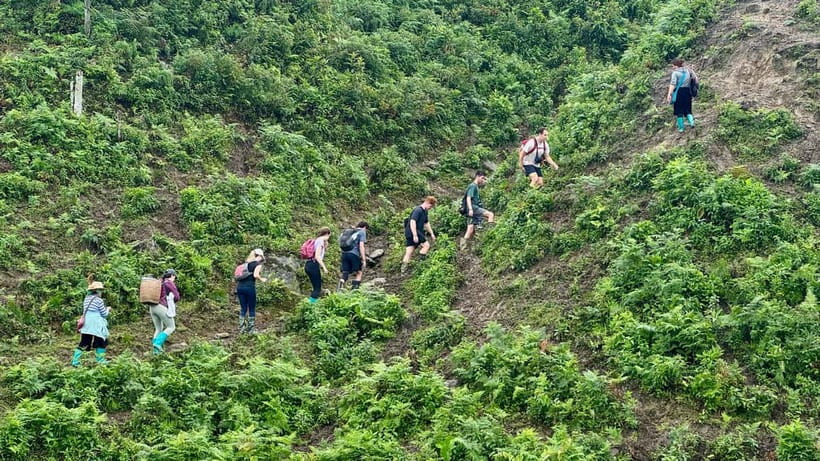
The practical consideration is that you’re doing real trekking. Distances are typically 10–14 km per day, and rainy season can mean slippery trails, so pack for the conditions instead of assuming Sapa will be dry and perfect.
More trails through the Sapa valleys




Tả Van vs Hầu Thào: pick your kind of Sapa
Choosing between Tả Van and Hầu Thào isn’t just a route swap. It changes the feel of the trip: easier cultural valley time versus more remote mountain trekking.
Tả Van route: cultural immersion with easier rhythm
This option is a great fit if you want big views but don’t want every day to feel like a grind. Day 1 follows the path into Muong Hoa Valley with village stops at Y Linh Ho and Lao Chai—both known for colorful local costumes and everyday crafts. The walking tends to feel gentler with more relaxed stops.
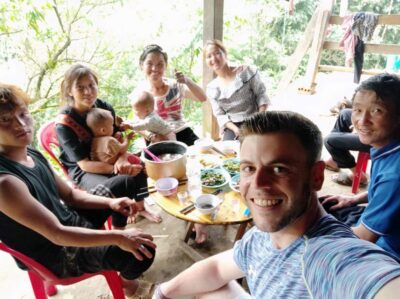
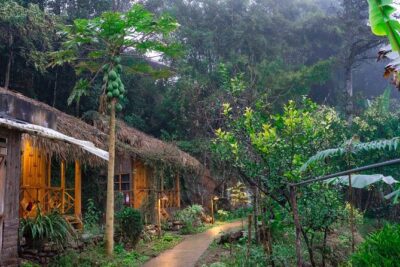
You’ll overnight in a Dzay homestay in Ta Van, and that matters. A homestay night turns the trek from sightseeing into a lived-in experience—traditional meals, stories by the fire, and a slower evening that helps you actually understand what you saw earlier in the day.
Hầu Thào route: remote trails and a quieter feel
If you’re the type who wants fewer crowds and more rugged scenery, pick Hầu Thào. You follow the same early part of the day as Ta Van, then continue farther into the mountains to reach a more remote village.
People describe this route as deeper and less touristy. Guides like Thao or Su (depending on your group) are often the ones who help you avoid busier areas and keep the trail feeling local and calm.
Day 1 from Sapa Town into Muong Hoa Valley
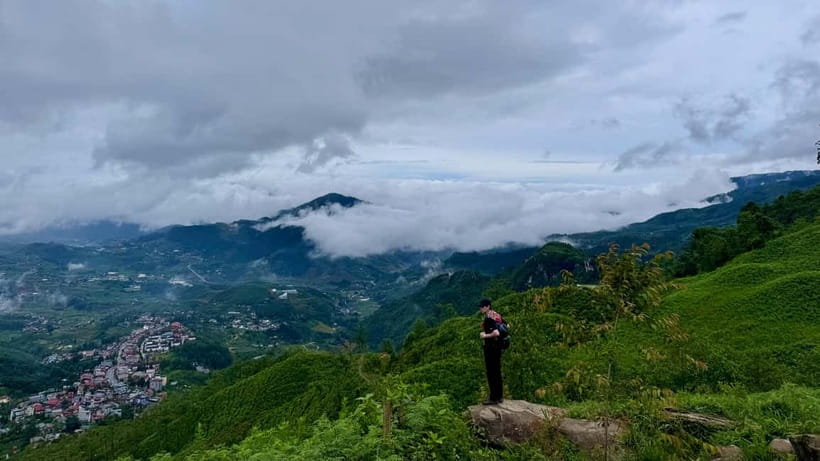
The trek starts at 9:00 AM from Sapa Town. Plan to arrive about 15–30 minutes early at Sapa TT Homestay, especially if you need to check in, store luggage, and get a quick briefing before you set off.
Worth a glance beside this Hanoi pick:
- Halong Bay Full Day with Kayaking, Hiking viewpoint, Cave – Deluxe To Luxury★ 5.0 · 884 reviews
- 3-Day Trekking Adventure of Sapa from Hanoi – Stay Ta Van Village★ 5.0 · 611 reviews
- 3D and 2N Lan Ha Bay Cat Ba Island Kayaking & Trekking with Vega★ 5.0 · 593 reviews
Sapa → Y Linh Ho → Lao Chai → Ta Van or Hầu Thào
Most groups start walking into Muong Hoa Valley and make two key village stops:
- Y Linh Ho: a classic first taste of Sapa’s ethnic village life. Expect costume color, craft details, and plenty of chances to ask your guide what you’re seeing.
- Lao Chai: another village stop that connects the walking experience to local culture through everyday routines.
Lunch is built into the day with rice terrace views, which is exactly what you want halfway through the hike: a pause where the scenery actually helps your legs recover.
Then you continue to your homestay village:
- Ta Van (overnight in a Dzay homestay) for a calmer, cultural-leaning route.
- Hầu Thào for a quieter, more remote mountain finish.
What to expect on day one (and what might annoy you)
Day one is often where you’ll feel the most “interaction” along the trail. Some guides manage it by keeping you moving at a steady pace, but you may still notice more local sellers early in the trek than later.
My practical advice: bring small cash for ethical purchases, be polite if you’re approached, and stay focused on your route. If you want a quieter day overall, that’s one reason Hầu Thào can feel calmer later on.
Homestay night: food, comfort, and village time
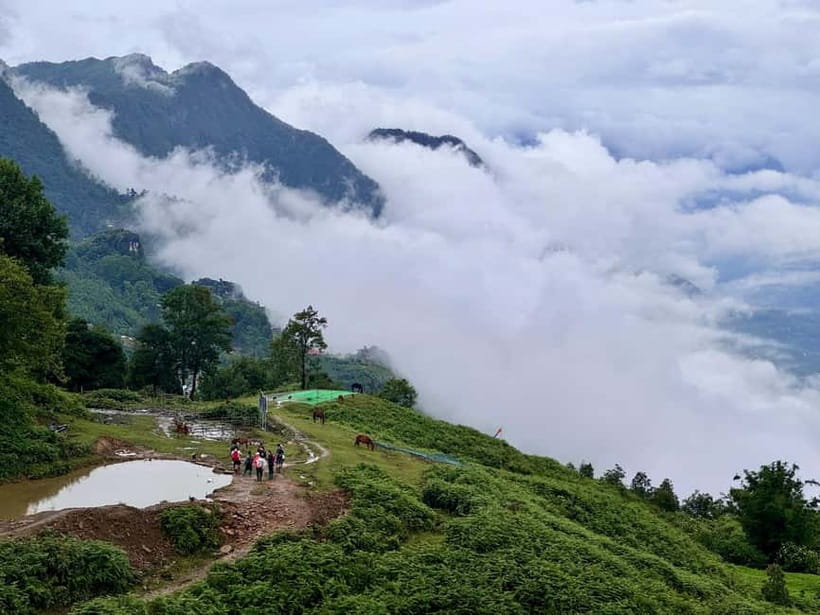
You’ll stay 1 night in a homestay with a private room. Big plus: the meeting point homestay (Sapa TT Homestay) is described as having free Wi‑Fi and comfortable basics, and you can store larger bags there so your daypack stays light.
Meals are included, and they’re Vietnamese-style dishes made with local ingredients. Many guests highlight the quality here, not just quantity. One guest with a food allergy shared that their guide (Sung) double-checked with the host family to keep meals safe, which is a big deal if you’re sensitive to ingredients.
A note on the meal style
Meals are typically more meat-based, but vegetarian or vegan options are available if you ask in advance. If you have dietary needs beyond vegetarian/vegan, tell your tour team before you go—guides have shown they’re willing to confirm details with hosts.
Evening pacing
This part is why the trek is worth doing as a 2-day, 1-night plan. You’re not racing to tick boxes. You usually get a real evening: dinner with the host family, conversation, and a chance to cool down before day two.
One optional bonus some people mention: a nearby waterfall swim to cool off. That’s not guaranteed, so pack a swimsuit if you like the idea, and follow your guide’s call based on conditions.
Day 2: bamboo forests, waterfalls, and the Giang Ta Chai finish
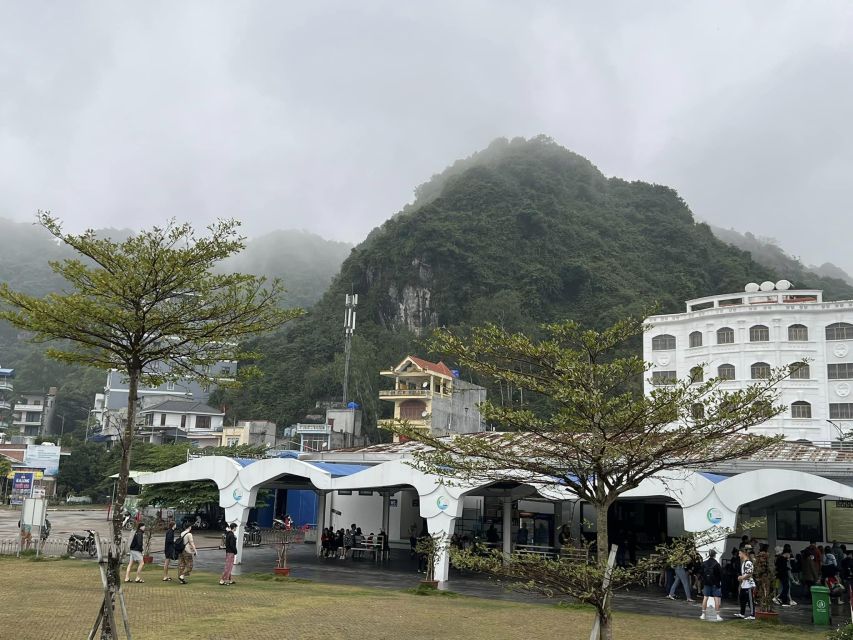
Day two is shorter and sharper—less time hiking, more payoff in scenery and village feel. Breakfast is included at the homestay, and then you’ll start your final walking section.
Ta Van route return: Ta Van → Giang Ta Chai → Sapa
If you picked Ta Van, you’ll cross a suspension bridge and move through bamboo forests. Bamboo sections can feel surprisingly quiet—no car noise, just footsteps and soft bird sounds. You then head to Giang Ta Chai, described as a Red Dao village by a waterfall.
Lunch is included after the village portion, and your driver will take you back to Sapa. The tour ends back at the meeting point area, so you’re not stuck guessing transport plans.
Hầu Thào route return: Hau Thao → Giang Ta Chai → Sapa
For Hầu Thào, day two leans more into narrow mountain trails with dramatic cliffside scenery. This is the tradeoff for the quieter, remote experience: you’ll work a bit more for your views.
Again, you finish at Giang Ta Chai for lunch, then return to Sapa after.
How long does day two actually feel?
A common timing pattern from guides’ walk lengths is around:
- roughly 3.5 hours on day one
- about 2 to 2.5 hours on day two
Your exact timing depends on weather and group pace. The key is that guides focus on manageable walking blocks, not marathon suffering.
Transportation and the Cat Ba package wrinkle
Your included list says more than just the Sapa trek. It covers transportation linked to Hà Nội → Cát Bà by public bus, plus private car transfers between your Cat Ba accommodation and the harbor. It also includes a day cruise visiting Lan Ha Bay and Hạ Long Bay, with kayak rentals and a cruise guide, plus lunch on the cruise (day 2 according to the included details).
Here’s the useful takeaway: if you’re planning this as a strict “only Sapa trekking” trip, double-check how the Cat Ba cruise days fit your calendar. The trek description focuses tightly on Sapa, but the package inclusions clearly add Cat Ba and bay time, so you may be getting a bigger Vietnam mix than you expect.
Also, transport comfort gets mentioned positively—people describe sleeper bus comfort and smooth scheduling. If you’re coming from Hà Nội, that matters more than you think: the less chaotic your travel day is, the better your legs feel before the hike.
Price at $58: what you’re really buying
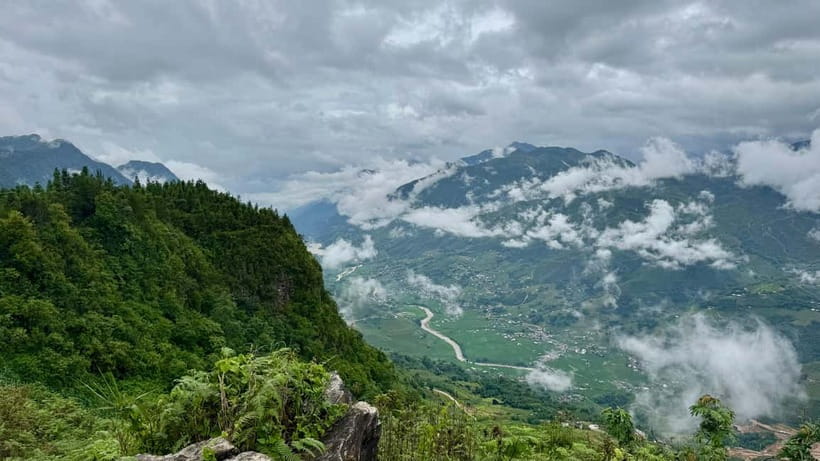
At $58 per person, the value is mostly in the structure. You’re paying for:
- a guided trek through villages and trails
- an included homestay night
- included meals during the trekking portion
- and included sightseeing components that go beyond Sapa if you’re using the full package inclusions
The best bargain point is the guide-to-logistics ratio. A local guide who can answer questions, keep the group together, and adjust pace for someone who needs an easier path is a big service value. People also mention strong English communication from guides like Mao and Tung, which means you get context rather than just a line on a map.
When you might want to spend extra
The data you provided doesn’t list specific upgrades for the trek itself, so I can’t promise what’s available. But if upgrades like train cabin changes appear in your overall Vietnam plan, make sure the upgrade actually improves sleep. Sleep quality affects trekking comfort more than any single gear item.
Who this trek is best for (and who should skip it)
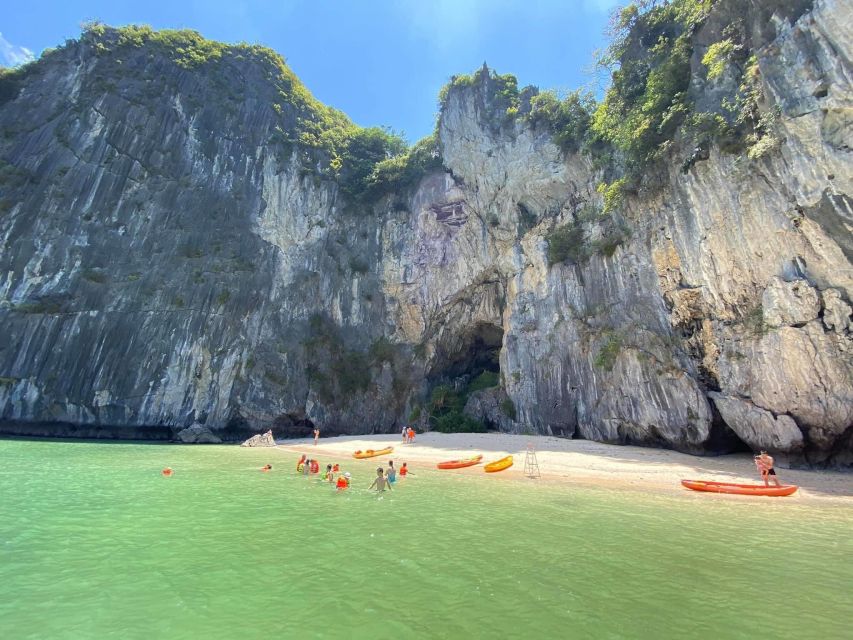
This tour is marked as moderate difficulty with basic fitness needed. Trekking distance is typically 10–14 km/day, and the day involves hills, uneven paths, and potentially muddy sections.
Best matches
You’ll likely love this if you:
- want ethnic village time with a human guide, not only viewpoint photos
- like walking and want short hiking blocks with breaks
- care about food quality and dietary adjustments
- prefer a small group feel, where you can ask questions and pause when needed
Avoid it if you have certain constraints
The tour data says it’s not suitable for:
- pregnant women
- people with back problems
- mobility impairments
- heart problems
- wheelchair users
- visually impaired people
- people with insect allergies
Even if you’re “okay with walking,” uneven trails plus muddy conditions can turn the trip into a safety issue. If any of the above applies, it’s smarter to pick a different style of Sapa tour.
What to pack: simple gear that saves your day

This is one of those trips where being prepared pays fast.
Bring:
- comfortable shoes (hiking shoes are strongly preferred)
- long pants (helps for mud and trail plants)
- sunglasses and a sun hat
- water bottle and water
- insect repellent
- a change of clothes
- comfortable clothes and, ideally, a rain jacket
Some people specifically mention needing proper shoes because the trek can push you out of your comfort zone. If you hate wet socks, pack with that in mind.
One small daypack rule
Big bags can be stored at the office, so you only carry what you need for walking. Keep your daypack light to protect your knees and energy.
Picking the right route based on your travel style
Use this quick decision guide:
- Choose Ta Van if you want a gentler day with village culture, rice-terrace views, and shorter, more manageable walking blocks.
- Choose Hầu Thào if you want fewer crowds and more dramatic mountain trail segments, even if the days feel longer or tougher.
Either route ends with Giang Ta Chai and a lunch break, so you’ll get that waterfall-village payoff either way.
Also think about pacing. People describe the trek as well-paced and manageable for many participants, but knee issues can make long uneven sections harder. If you’ve had knee problems, tell your guide early. The route can sometimes be adjusted.
Should you book this Sapa 2-day trek?
Book it if you want a Sapa trip that feels real: small group trekking, ethnic village visits, and a homestay night with included meals. If you care about guidance quality, the guide names you’ll hear in past trips—Mao, Sung, Su, Thao, Tung, and Chai—give you a clue that explanation and pacing are part of the service, not just an add-on.
Skip it or switch plans if you can’t handle uneven trails, rainy-season mud, or any of the listed health and mobility limits. And if you only want Sapa (not Cat Ba and bay cruising), confirm the dates and package flow so you’re not surprised by extra travel days.
If you like walking, asking questions, and trading speed for village time, this is a strong value way to experience northern Vietnam in just two days.
FAQ
What time does the trek start in Sapa?
The trek starts at 9:00 AM from Sapa Town. You’re advised to arrive about 15–30 minutes early for check-in, luggage storage, and a pre-trek briefing.
How long is the trek and where do you sleep?
It’s a 2-day, 1-night trekking experience. You’ll sleep one night in a homestay with a private room.
What are the two route options and how do they differ?
You can choose between the Tả Van route or the Hầu Thào route. Tả Van is described as easier and more cultural with a gentler valley walk, while Hầu Thào is described as more remote and adventurous with longer distances and fewer tourists.
Are meals included, and can you accommodate vegetarian or vegan diets?
Yes. Meals are included during the trekking package, including 2 lunches and 1 dinner plus 1 breakfast. Vegetarian/vegan options are available, and you should inform the team in advance about dietary needs.
Where is the meeting point, and how close is it to Sapa town?
The meeting point is at Sapa TT Homestay, about 1 km from Sapa’s central area. You can reach it easily by taxi or motorbike.
What should I bring and what is not allowed?
Bring comfortable shoes, water, sun protection (sunglasses and hat), long pants, insect repellent, and a rain jacket if needed. The tour data says electric wheelchairs and explosive substances are not allowed.
More Tours in Hanoi
- Ninh Binh Full-Day Tour from Hanoi to Hoa Lu, Tam Coc & Mua Cave Via Boat & Bike
★ 5.0 · 4,384 reviews





More Tour Reviews in Hanoi


More Sapa Treks We Walked

Latest Hanoi write-ups from our team




Sapa Trekking Tours, compared.
 ★ 5.0Sapa 2 Days 1 Night From Hanoi – Overnight in Ta Van VillageFrom $592,669 reviews
 ★ 5.0Hanoi – Sapa 2 Days 1 Night Overnight At HomestayFrom $89899 reviews
 ★ 5.0Sapa: Fansipan Cable, Cat Cat Village & Moana Instagram TourFrom $30777 reviews
 ★ 4.8From Hanoi: 2-Day Sapa Trekking Trip with Homestay & MealsFrom $71704 reviews
 ★ 5.0Sapa 3 Days 2 Nights Trekking Tour (1 Night In Ta Van Village, 1 Night In Hotel)From $139699 reviews
 ★ 5.03-Day Trekking Adventure of Sapa from Hanoi – Stay Ta Van VillageFrom $109611 reviews
 ★ 5.0Sapa 2 Days 1 Night From Hanoi – Overnight in HotelFrom $89440 reviews
 ★ 4.82-Day Sa Pa Ethnic Homestay Tour & Trek with Limousine Bus440 reviews
Browse the lists this tour appears in