
Reviewed · PHOTOGRAPHY SESSIONS
Photography Tour to Tho Ha – The rice paper making village
Rice paper village photo light is addictive.
This Tho Ha tour is interesting because you get to photograph a working northern Vietnamese village, not a staged set, with patient coaching from guides like James and Son. You’ll walk narrow lanes and watch daily life unfold while you learn how to shape shots with real, on-the-ground advice. The main drawback is timing and walking: you should be ready for an early start and a bit of alley footwork.
I like how the experience stays focused on the Red River Delta way of life—rice paper making, homes, and everyday scenes—so your camera finds plenty to work with. Another strong point is the small group size (2 to 4 people), which means your guide can actually correct your framing and camera settings instead of yelling over a crowd. One more thing: if you prefer a super slow, sit-and-stare pace, this won’t be that kind of tour.
You’ll start from Hanoi with pickup, ride in an air-conditioned vehicle, and include breakfast and admission fees. Dress in smart casual and bring a moderate level of fitness; the goal is to move through the village and photograph what you see.
In This Review
- Key highlights worth knowing before you go
- Tho Ha rice paper village: what makes it a great photo subject
- Price and logistics: what you’re really paying for at $138
- The 6-hour day in the Red River Delta: how the flow usually works
- Stop: Tho Ha Village (the main event)
- Pace and “what you’ll come home with”
- How Momentlives guides help your camera settings work in real life
- What to photograph in Tho Ha (and how to make it look intentional)
- 1) Work and hands
- 2) Alleyways and doorway frames
- 3) Small moments of daily life
- Who this tour fits best (and who might feel disappointed)
- Practical tips before you book so you get the most shots
- Should you book this Tho Ha photography tour?
- FAQ
- How long is the Tho Ha photography tour?
- Where does the tour take place?
- What is the price per person?
- Is pickup offered?
- Is breakfast included?
- Is an admission ticket included?
- How many people are in a booking?
- Is this a private tour?
- What is the dress code?
- How does cancellation work?
Key highlights worth knowing before you go
- Small group, hands-on help with a guide who can adjust your settings and composition
- Working rice paper village scenes that reflect day-to-day life in the Red River Delta
- Early-morning style shooting that can catch calmer light and quieter streets
- AC vehicle + breakfast included, so the morning feels easier before you start shooting
- Access beyond the street view in many cases, with chances to photograph multiple houses
Tho Ha rice paper village: what makes it a great photo subject
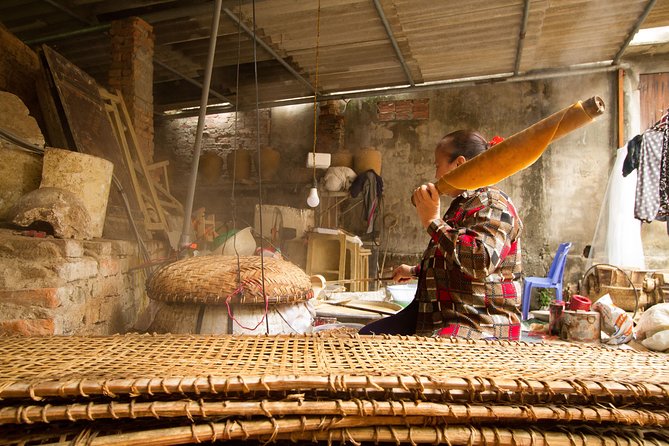
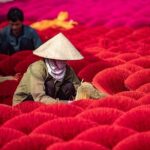
Tho Ha is the kind of place where photography feels practical. You’re not chasing one dramatic monument; you’re learning to look at patterns—hands at work, doorways and alleys, textures, and the small choreography of village life. Rice paper making naturally gives you visual rhythm: repeated steps, close activity, and plenty of surfaces that catch light in interesting ways.
The tour also helps you slow down in the right places. With a photo guide from Momentlives, you’re guided toward scenes that read well in a camera, instead of wandering around hoping to find a shot. That coaching matters most when you’re in tight spaces like narrow lanes, where one small change in angle or exposure can make the difference between a messy frame and a story.
Finally, I like that this is tied to a real community routine. When your subject is a working village, you tend to get more genuine moments—less posing, more everyday interactions. That’s what makes Tho Ha so rewarding for photographers, even if you’re not a full-time pro.
Worth a glance beside this Hanoi pick:



Price and logistics: what you’re really paying for at $138
At $138 per person, you’re not just buying a van ride and a ticket. You’re paying for a package that includes a dedicated photographic tour guide, an air-conditioned vehicle, breakfast, and all fees and taxes (including admission). For Hanoi, that bundling is usually where you get value, especially if you’d otherwise spend time figuring out transportation and timing on your own.
The other part of the value is the group limit. With a maximum of 4 people per booking, the guide can pay attention to you directly. If you’re the kind of traveler who wants to improve their photos, that one-on-one attention can be worth more than the discount you might save by going independently.
There’s also a simple practical comfort factor: pickup is offered and you’re not stuck navigating the morning logistics before you start shooting. If you’ve ever tried to do a rural photo outing on your own, you know how much time can disappear before you even get your first good frame.
The 6-hour day in the Red River Delta: how the flow usually works
This experience is listed at about 6 hours total, with a focused village visit that lasts roughly around that ballpark. In practice, you should think of it as a morning-to-midday plan built around getting you to Tho Ha early enough to photograph village life at a good pace.
Stop: Tho Ha Village (the main event)
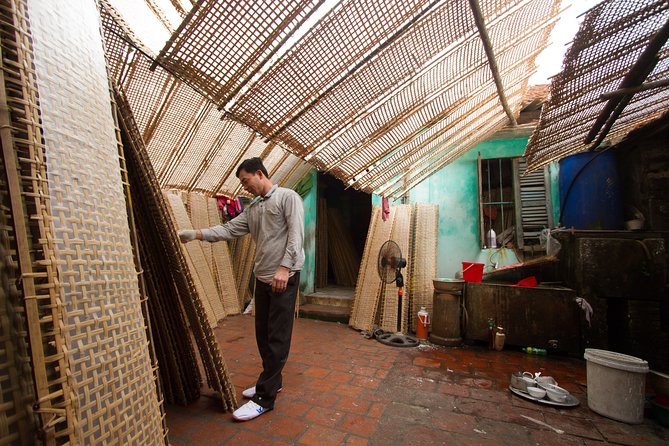
You’ll go straight to Tho Ha and spend the bulk of your time photographing the rice paper making village. The emphasis is on moving through narrow alleys and capturing photogenic scenes from different angles—street-level views, work-focused moments, and small details that show how daily life functions.
What you can expect:
- Walking and framing in tight spaces, where composition and timing matter
- Village daily life, not just the production process
- Opportunities to photograph within the village’s everyday environment, including multiple houses in many cases
One useful note from the way these tours have run: some departures start very early, with an early morning market stop before Tho Ha (around 4:00 am has been mentioned). That means your day can feel like a true photo shoot morning, not a casual sightseeing stroll. If you’re sensitive to early wake-ups, plan accordingly.
Pace and “what you’ll come home with”
Because it’s a photo tour, the goal isn’t to check boxes. It’s to help you leave with a set of images that look like they belong together: a storyline of hands working, village lanes, and the daily texture of Tho Ha. Even if you arrive with a smartphone or a simple camera, the coaching can help you capture cleaner frames and better exposure.
- Hanoi Motorbike Tour: Food, Culture and Fun by Vintage Motorbike★ 5.0 · 6,699 reviews
- Hanoi: Guided Food Tour with Train Street Visit★ 4.9 · 6,239 reviews
- Hanoi Cooking Class: Culture, Local Market & Meaning CSR Impact★ 5.0 · 5,147 reviews
How Momentlives guides help your camera settings work in real life
What gets the strongest praise is the guidance itself—especially the patience and the practical nature of it. Names that come up are James and Son, and another guide mentioned is Mike. The key theme is simple: the guide doesn’t just point and shoot. They help you make better images.
Here’s what that typically means for you as a photographer:
- You’ll get tips that connect to what’s in front of you (lighting, angle, and scene layout)
- You’re more likely to understand why a shot is or isn’t working
- The guide can adjust the pace so you get time to try again rather than moving on instantly
In a village like Tho Ha, small adjustments matter. Tight alleys can trick your exposure. Bright surfaces near shaded doorways can confuse your camera. A patient guide helps you deal with these realities on the spot, so you don’t lose the shot while you’re fiddling.
And because group sizes are small (2 to 4), you’re not stuck competing for attention. That matters if you’re learning, or if you’re returning to photography after a break.
What to photograph in Tho Ha (and how to make it look intentional)
Tho Ha gives you multiple photo “modes” in one visit. You can shoot close-up work, medium scenes of daily life, and wider frames that show how narrow lanes shape movement.
If you want your images to feel cohesive, think in three buckets:
1) Work and hands
Rice paper making naturally creates repeating gestures. Look for hands in action, tools, and the textures of materials. These shots usually benefit from getting close and keeping your background clean, even if that means adjusting your position carefully.
2) Alleyways and doorway frames
Narrow lanes are built for framing. Stand where lines lead you through the scene. Watch how people move, then wait for the moment when the human element completes the composition. Don’t just grab the first pass.
3) Small moments of daily life
The best village photos often come from “in-between” scenes: a pause, a glance, someone stepping into light. Your guide can help you spot which moments make the story readable.
If you’re using a camera with manual controls, it’s worth being ready to test exposure. Village shadows and bright work areas can swing contrast fast. If you’re on a smartphone, the coaching on timing and angle can do most of the heavy lifting.
Who this tour fits best (and who might feel disappointed)
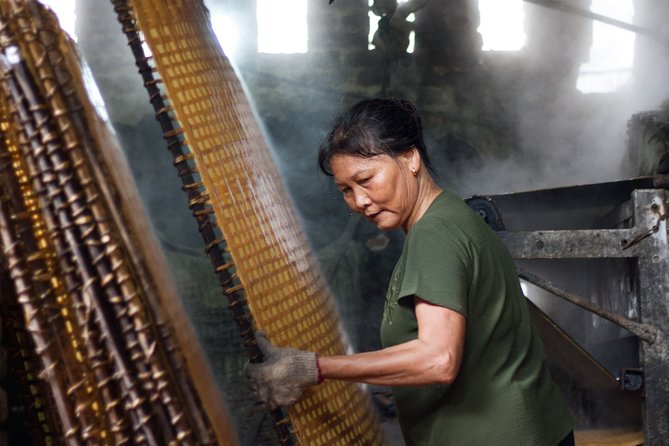
This is a strong match if you:
- want structured photo guidance without spending hours learning the hard way
- like authentic village life and want to photograph real routines
- enjoy working with a small group and getting direct feedback
- are comfortable with walking through narrow lanes and standing for short periods
It might be less ideal if you:
- want a classic sightseeing itinerary with lots of long stops for resting
- dislike early starts (some runs begin as early as 4:00 am, depending on the day’s flow)
- don’t want to move much—this tour involves moderate footwork through the village
Also, remember the dress code is smart casual. That’s not a deal-breaker, but it’s a useful planning clue so you can wear shoes you’ll be happy walking in.
Practical tips before you book so you get the most shots
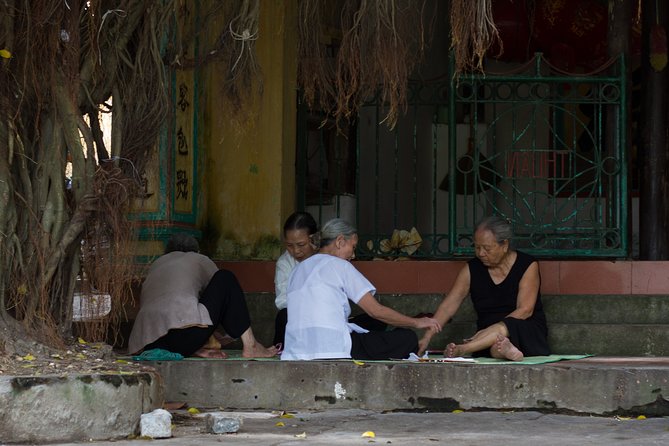
Even with a guide, you’ll benefit from being ready.
- Bring a way to keep your gear charged. Morning light can be quick, and you’ll likely shoot more than you planned.
- Wear comfortable shoes. Village alleys are not where you test new footwear.
- Use layers. Early mornings can feel cooler, and you’ll be moving between lighter and darker areas.
- If you care about camera settings, tell your guide what you shoot on (and what you struggle with). They can adapt the advice.
And one more thought: this is a photography-focused experience, so treat it like a photo outing first, sightseeing second. You’ll get better images because you’re giving your attention to what the guide is showing you.
Should you book this Tho Ha photography tour?
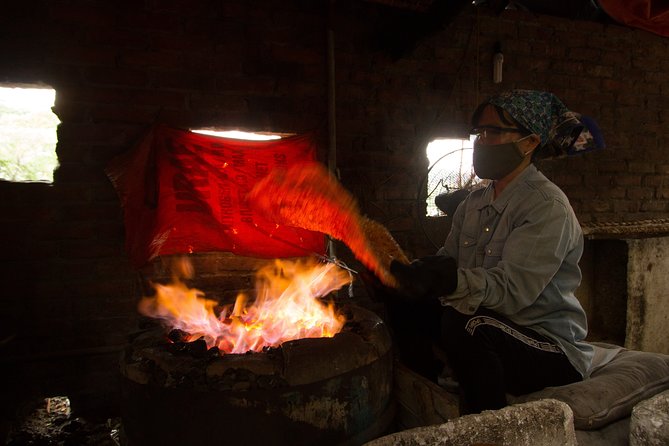
If you’re the kind of traveler who wants better photos without turning your day into DIY logistics, I’d book it. The value is in the combination of a small-group setup, real photo coaching from guides like James and Son (and Mike on some departures), and an experience that centers on the rice paper village’s everyday life.
I’d skip or hesitate only if early starts and walking through narrow lanes sound like a hassle. Otherwise, this is exactly the sort of morning in Hanoi that rewards both beginners and serious shooters—because the subject is real, the pace supports learning, and the guide helps you make your camera see the story.
FAQ
How long is the Tho Ha photography tour?
It’s about 6 hours (approx.).
Where does the tour take place?
It’s in Hanoi, Vietnam, with the main visit to Tho Ha Village.
What is the price per person?
The price is $138.00 per person.
Is pickup offered?
Yes, pickup is offered.
Is breakfast included?
Yes, breakfast is included.
Is an admission ticket included?
Yes, admission ticket is included.
How many people are in a booking?
A minimum of 2 people is required, and a maximum of 4 people per booking.
Is this a private tour?
Yes. It’s private, and only your group participates.
What is the dress code?
Smart casual.
How does cancellation work?
You can cancel for a full refund up to 24 hours before the experience’s start time.
More Photography Sessions in Hanoi
More Tours in Hanoi
- Ninh Binh Full-Day Tour from Hanoi to Hoa Lu, Tam Coc & Mua Cave Via Boat & Bike
★ 5.0 · 4,384 reviews


More Tour Reviews in Hanoi

Latest Hanoi write-ups from our team


Photography Sessions, compared.
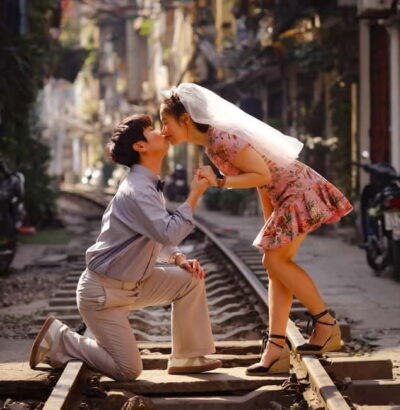 ★ 5.0Hanoi Private Photoshoot – Iconic Spots & Hidden GemsFrom $20118 reviews
 ★ 5.0Hanoi Explorer Photo TourFrom $11940 reviews
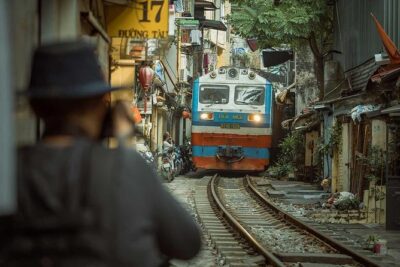 ★ 5.0Hanoi On the Tracks Photo TourFrom $14433 reviews
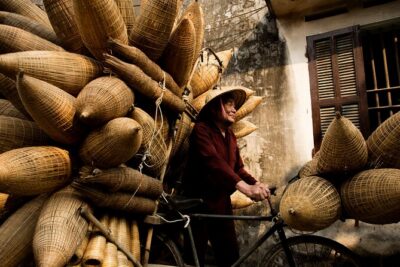 ★ 5.0Photo Tour to Capture The Vanishing Craft of Making Fish TrapsFrom $16831 reviews
 ★ 5.0Hanoi Street Photography with a Pro – Phone & CameraFrom $3527 reviews
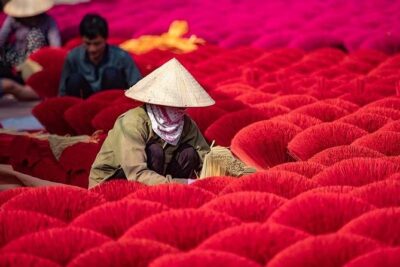 ★ 5.0Ultimate Hanoi Photography TourFrom $35919 reviews
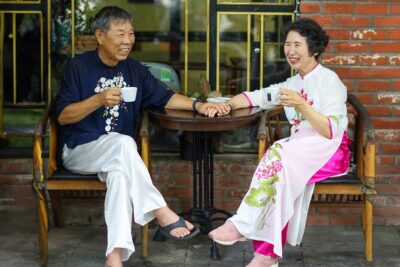 ★ 5.0Private Hanoi Photoshoot – Iconic Spots & Hidden GemsFrom $4016 reviews
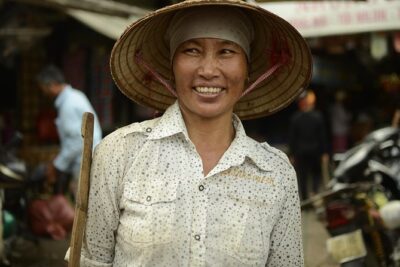 ★ 5.0Hanoi Long Bien Sunrise Photo TourFrom $14416 reviews
Browse the lists this tour appears in