
Reviewed · PHOTOGRAPHY SESSIONS
Hanoi On the Tracks Photo Tour
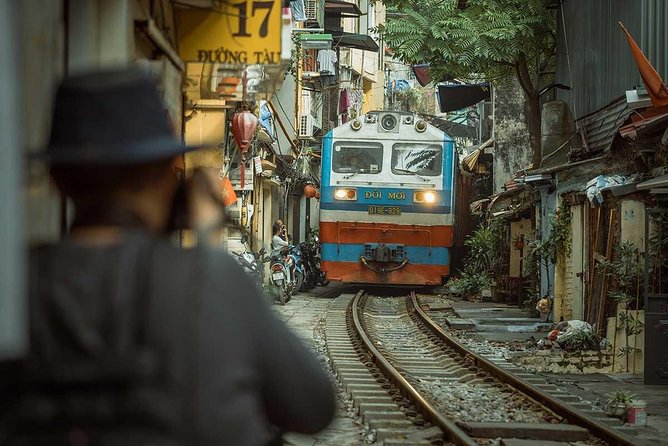
Railway tracks, real people, and great photos. This early-morning Hanoi photo walk takes you away from the usual sights and into the working rail corridor between Hanoi and Long Bien. You’ll learn where to stand, what to watch, and how to photograph daily life around the trains.
I particularly like the professional photography guide coaching your camera settings and your storytelling style, whether you shoot a DSLR or with your phone. I also like how the tour mixes photography with local morning scenes—markets, lakes and parks, and conversations with people who live and work along the line. The main drawback to plan for is the start time: 5:30am is early, and there’s no food or drinks included.
In This Review
- Key things I’d put on your radar
- Why the Hanoi tracks tour is built for early mornings
- Hanoi Railway Station: the real atmosphere before the photos start
- The stretch between Hanoi and Long Bien: where your images get story
- Pro photo coaching that works for DSLR and iPhone
- Markets, cafés, and conversations: the “how” behind the photos
- Price and value: why $144 can make sense for a 4-hour rail shoot
- What to bring (and what to plan for) so the morning feels easy
- Who this tour suits best
- Booking decision: should you book Hanoi On the Tracks?
- FAQ
- What time does the Hanoi On the Tracks Photo Tour start?
- How long does the experience last?
- Where is the tour meeting point?
- Is hotel pickup and drop-off included?
- Is this a private tour?
- Is food included in the tour price?
- What happens if the weather is poor or I cancel?
Key things I’d put on your radar
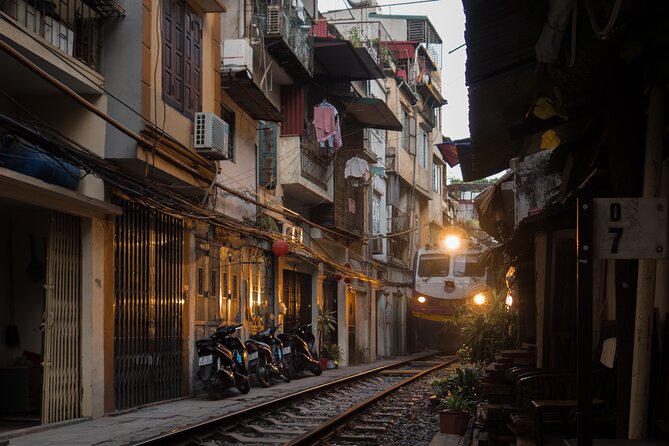
- Trackside access beyond tourist clichés between Hanoi and Long Bien stations
- Hands-on instruction for street photojournalism, not just theory
- Small-group feel with personalized attention for your camera and your questions
- Market and café time to practice talking with locals while you shoot
- Hotel pickup and drop-off so you’re not racing across town before sunrise
Why the Hanoi tracks tour is built for early mornings
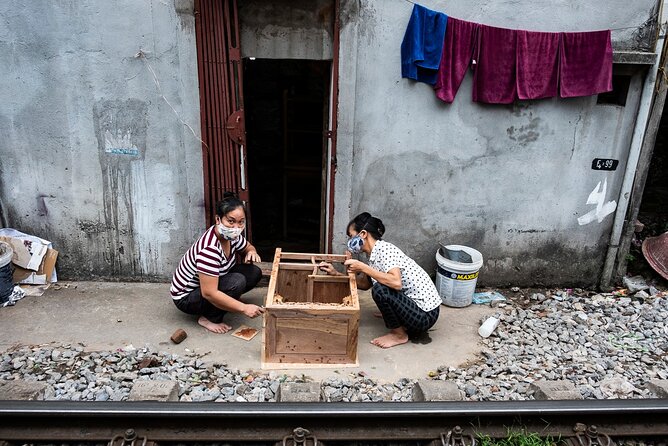
This tour starts at 5:30am, which changes everything. You’re there while the city is still moving into the day—markets are getting going, and locals are out doing normal routines, not performing for cameras. For photography, that timing matters because you’re capturing real behavior, not staged moments.
The other benefit is practical: you don’t waste your limited travel time figuring out how to reach the railway area on your own. With round-trip hotel transfers handled, you can focus on the assignment—finding moments and shooting them well—without the stress of logistics.
Worth a glance beside this Hanoi pick:

Hanoi Railway Station: the real atmosphere before the photos start
You begin at Hanoi Railway Station, and the whole point is to experience the local working world without the typical tourist bubble. This is the part of Hanoi where trains roll through neighborhoods, and where everyday life happens close to the tracks. If you want photos with context—people, movement, and place—this start sets the tone.
From there, you’ll explore morning life: markets, lakes, and parks where Hanoians start their day. That mix matters because it gives you more than one kind of subject. You’re not only chasing trains; you’re learning how to frame human routine—hands at work, faces in motion, and the textures of a neighborhood waking up.
One thing to keep in mind: this is street-level photography. You’ll be walking and watching closely, so go in ready to move quickly, stand where your guide recommends, and adjust as the scene changes.
The stretch between Hanoi and Long Bien: where your images get story
The standout experience here is learning photography around the railway corridor between Hanoi and Long Bien stations. The tour focuses on the stretch of track where people live and work close to the line, so your photos become more than “cool train shots.” You’re capturing relationships between infrastructure and daily life—homes, storefronts, and routines shaped by the rails.
Your guide helps you find interesting spots, which is huge if you’ve never shot in this kind of environment. Railway photography has its own rhythms: you need to be in the right position early, not after the moment passes. The guide’s job is to steer you to places with good angles and workable vantage points.
You’ll also practice street photojournalism skills by engaging with the setting more directly—looking for moments that tell a slice of life, then using conversation to understand what you’re seeing. That’s how your pictures move from documentary snapshots to real storytelling.
Pro photo coaching that works for DSLR and iPhone
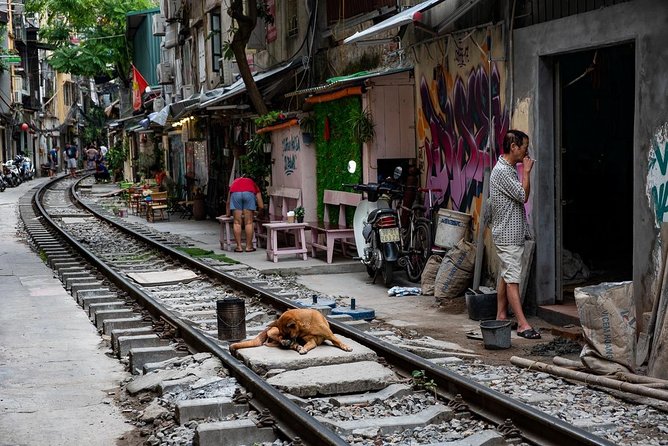
This is not a sit-and-watch workshop. You get a professional photography guide, and the coaching is meant to be practical while you’re out shooting.
In the past, guides such as Tung, Fuong, and William have been highlighted for instruction that fits different devices and different experience levels. One session even described how the approach worked for a DSLR user and an iPhone user at the same time—so you shouldn’t feel like you’re stuck waiting for tips that only apply to one camera.
What you’re learning isn’t just camera technique; it’s how to see like a street photojournalist. That includes how to approach scenes, how to stay respectful when locals are present, and how to spot details that make an image read as Hanoi—not just trains.
Markets, cafés, and conversations: the “how” behind the photos
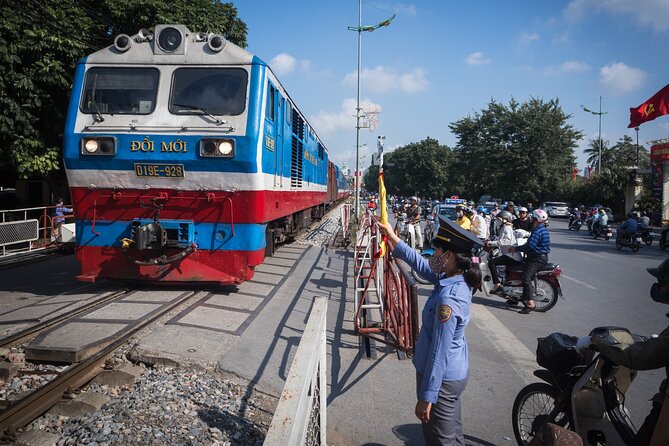
A big part of the tour’s value is that you don’t just point your camera and hope. You spend time at markets and cafés, and you learn how to talk with locals as you shoot. That changes the quality of your images because you’re not photographing from a distance.
Markets are especially useful for photographers because they naturally produce layers: movement, faces, hands, and goods arranged in patterns. Lakes and parks add another layer of atmosphere—space, light, and people doing routine activities. Together, these stops help you build a small visual narrative, so your final set feels like a morning story rather than a single event.
If you’re nervous about speaking or interacting, you’ll still get structure. The guide can help you find the best moments to ask questions and frame your images, so you’re not floundering while trying to be social and technical at the same time.
- Hanoi Motorbike Tour: Food, Culture and Fun by Vintage Motorbike★ 5.0 · 6,699 reviews
- Hanoi: Guided Food Tour with Train Street Visit★ 4.9 · 6,239 reviews
- Hanoi Cooking Class: Culture, Local Market & Meaning CSR Impact★ 5.0 · 5,147 reviews
Price and value: why $144 can make sense for a 4-hour rail shoot
At $144 per person for about 4 hours, this tour isn’t the cheapest way to see Hanoi—but it also isn’t pricing itself as a casual walk. You’re paying for three things that are hard to replicate on your own:
Professional photography coaching. A good guide doesn’t just say where to stand; they help you see, adjust, and keep shooting through changing conditions.
Hotel pickup and drop-off. Starting at 5:30am is exactly when transportation costs time and energy. Having it included makes this far easier to do well.
A specific subject you usually can’t “wing.” The track corridor between Hanoi and Long Bien is not a typical checklist stop. Getting access to the right rhythm, the right spots, and the right approach takes local knowledge.
Also, your ticket cost is listed as free, so the price is mainly for the guide and the logistics. In other words, you’re not paying extra for entry fees you probably wouldn’t notice.
One more small but real value point: the tour is often booked far in advance (around 98 days on average). When something sells that early, it usually means people find it worth planning around—especially for an early-morning, niche photography theme.
What to bring (and what to plan for) so the morning feels easy
Because food and drinks aren’t included, I’d treat this like an early workout: plan to arrive ready, and consider bringing a basic water plan for your comfort. You’re starting before most of the city is fully awake, and you’ll want your energy for walking and shooting.
Weather matters too. The tour notes it requires good weather, and if it’s canceled due to poor conditions, you’ll be offered another date or a full refund. Since you’ll be outside during a relatively long morning window, I’d come prepared for whatever Hanoi gives you—especially if you’re photographing the tracks where conditions can shift quickly.
Finally, think about your camera setup realistically. This tour is designed for both DSLR and phone photography, but you should still make sure you can switch settings or frame quickly. Railway scenes change fast, and you’ll get more from the tour if you’re not battling your own gear.
Who this tour suits best
This experience is ideal if you want photography with local texture, not just classic postcard angles. It’s also a strong match if you like learning by doing—standing in a real environment, shooting through it, then adjusting based on a guide’s feedback.
You’ll get extra value if you’re:
- curious about how to photograph everyday life respectfully
- working on street photojournalism skills
- eager for a niche Hanoi subject—rail life and morning markets—without guessing your way around
If you’re looking for a slow, comfortable sightseeing pace with lots of downtime, this may feel like too much action and early rising. But if you want an organized route into a part of Hanoi most visitors skip, the early start is part of the payoff.
Booking decision: should you book Hanoi On the Tracks?
Yes—if you care about getting beyond the obvious Hanoi photos and you want hands-on coaching while photographing a working railway neighborhood. The mix of trackside access, market mornings, and pro guidance is exactly what makes this kind of tour worth paying for.
Skip it (or at least think twice) if 5:30am is a deal-breaker for you, or if you need food included as part of the experience. Otherwise, this is a smart choice for photographers who want a story-driven morning with real people in the frame.
FAQ
What time does the Hanoi On the Tracks Photo Tour start?
The tour starts at 5:30am.
How long does the experience last?
It runs for about 4 hours.
Where is the tour meeting point?
You start at Hanoi Railway Station.
Is hotel pickup and drop-off included?
Yes. Hotel pickup and drop-off are included.
Is this a private tour?
Yes. It’s listed as a private tour/activity, with only your group participating.
Is food included in the tour price?
No. Food and drinks are not included.
What happens if the weather is poor or I cancel?
The tour requires good weather. If it’s canceled due to poor weather, you’ll be offered a different date or a full refund. You can also cancel for a full refund up to 24 hours before the experience’s start time.
More Photography Sessions in Hanoi

More Tours in Hanoi
- Ninh Binh Full-Day Tour from Hanoi to Hoa Lu, Tam Coc & Mua Cave Via Boat & Bike
★ 5.0 · 4,384 reviews

More Tour Reviews in Hanoi
Latest Hanoi write-ups from our team


Photography Sessions, compared.
 ★ 5.0Hanoi Private Photoshoot – Iconic Spots & Hidden GemsFrom $20118 reviews
 ★ 5.0Hanoi Explorer Photo TourFrom $11940 reviews
 ★ 5.0Photo Tour to Capture The Vanishing Craft of Making Fish TrapsFrom $16831 reviews
 ★ 5.0Hanoi Street Photography with a Pro – Phone & CameraFrom $3527 reviews
 ★ 5.0Ultimate Hanoi Photography TourFrom $35919 reviews
 ★ 5.0Private Hanoi Photoshoot – Iconic Spots & Hidden GemsFrom $4016 reviews
 ★ 5.0Hanoi Long Bien Sunrise Photo TourFrom $14416 reviews
 ★ 5.0Into the Thieves Market Hanoi Photo TourFrom $14410 reviews
Browse the lists this tour appears in