
Reviewed · PHOTOGRAPHY SESSIONS
Ultimate Hanoi Photography Tour
Early mornings in Hanoi change your photos fast. This Ultimate Hanoi Photography Tour is built for dawn-to-night shooting across iconic streets, craft villages, and evening life—so you’re not just taking pictures, you’re collecting story. You’ll move on foot and by private car, with a professional photographer guide shaping what and how you shoot from first light to after-dark.
I especially like the small group limit (max 5). That keeps it personal when you’re waiting for light, trying a new angle, or getting quick feedback. I also like the hands-on photo coaching, with guidance on exposure, composition, and working the scene instead of simply standing back and hoping for the best.
The main drawback is the pace: it runs about 16 hours, starting at 5:30 am and ending well into the night. If you hate early starts or you’re chasing a slow, sit-down day, this might feel like a photo assignment.
In This Review
- Key highlights you’ll actually feel during the day
- Why the 5:30 am start matters for Hanoi photos
- Duờng Tàu train street at dawn and what to photograph there
- Reunification Park exercises: the calm part that still teaches timing
- Thieves Market: textures, trade, and how to keep your photos honest
- Cu Da village by private car: vermicelli craft for close-up storytelling
- Hanoi reset and the 7:30 pm pickup: why the night session works
- Night market and incense village scenes: contrast, motion, and mood
- The guides make the difference: Brian, Tung, and the teaching style
- Price and value: what $359 buys for 16 hours
- Who should book this tour, and who might skip it
- Practical tips to make the day easier (and your photos better)
- Should you book the Ultimate Hanoi Photography Tour?
- FAQ
- FAQ
- What time does the tour start?
- How long is the Ultimate Hanoi Photography Tour?
- Where does the tour take place?
- What is included in the price?
- Is pickup offered?
- How many people are in a group?
- What is the price per person?
- Can I cancel and get a full refund?
Key highlights you’ll actually feel during the day
- Dawn arrival for train-street light at Duờng Tàu, before the crowds fully lock in
- Morning movement moments with tai chi and aerobics at Reunification Park
- Thieves Market photo opportunities with strong textures and street energy
- Cu Da village craft focus around vermicelli-noodle making, one hour south by car
- A true night session starting with a hotel reset and a 7:30 pm pickup
Why the 5:30 am start matters for Hanoi photos
You’ll feel the difference immediately. Starting at 5:30 am means you’re catching softer light and calmer streets while Hanoi is still waking up. For photography, that’s everything: fewer harsh shadows, more natural color, and a good chance to shoot people without the scene feeling like a performance.
This tour also avoids the common trap of “one big viewpoint, one quick walk, done.” Instead, you’re in motion—starting in central Hanoi, then heading south, then returning for the night. That structure matters because Hanoi changes mood by the hour. Morning is for body language and routines. Afternoon is for crafts and work. Night is for contrasts: lights, movement, and street life.
One more value point: you’re not stuck in a van all day. The day mixes walking with private transportation, so you can actually work a location. If you like photography that’s about observation—hands, expressions, textures—this layout fits.
Worth a glance beside this Hanoi pick:
Duờng Tàu train street at dawn and what to photograph there
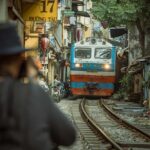
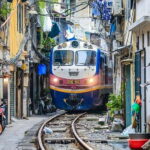
The day begins at Duờng Tàu with an early train-street exploration. The key is timing. You’ll start early so you can position yourself with fewer obstacles, then shoot with a plan rather than luck.
This is also where the coaching really helps. With guidance you can expect things like:
- how to think about composition when the scene is tight
- how to manage exposure so the bright sky doesn’t wash out people and details
- how to move with the moment instead of constantly changing settings
Then you’ll shift to Reunification Park for morning tai chi and aerobics. That’s a smart pairing. Train-street scenes give you geometry and motion potential, while tai chi brings slower, more graceful movement you can time and frame. Morning exercise also gives you a natural mix of subjects: participants in full-body poses, plus spectators and passersby.
Practical consideration: even with early timing, train-street and park locations can involve crowds and close quarters. If you want wide empty streets with zero people in frame, this may frustrate you. If you want real Hanoi with real life in the viewfinder, it’s ideal.
Reunification Park exercises: the calm part that still teaches timing
Reunification Park isn’t just a break between busy stops. It’s a teaching stop. Tai chi and aerobics are great for practicing timing because movements repeat. You can shoot sequences without guessing every second.
Here’s why that matters: when people move in a predictable pattern, you can improve faster. You’ll likely get the kind of suggestions that help you:
- anticipate when a pose will hit
- keep the subject sharp while the background stays less distracting
- use framing to show rhythm, not just a single frozen moment
Also, dawn light at a park tends to flatter faces and skin tones more than mid-day sun. That makes it easier to capture expression alongside action.
The tour timing keeps this stop from turning into a long wait. The idea is to get you to the right moments, not spend half the morning standing around.
Thieves Market: textures, trade, and how to keep your photos honest
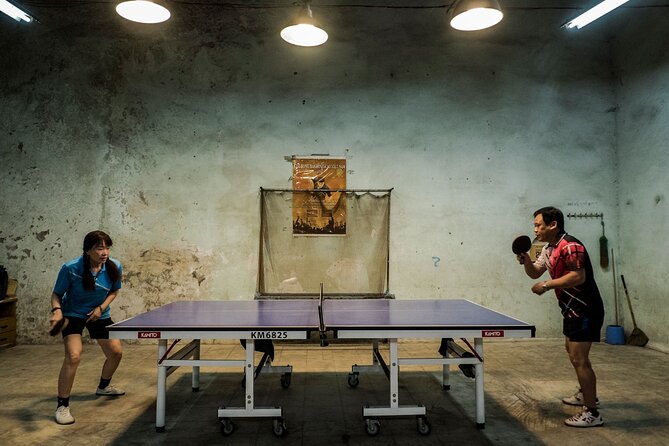
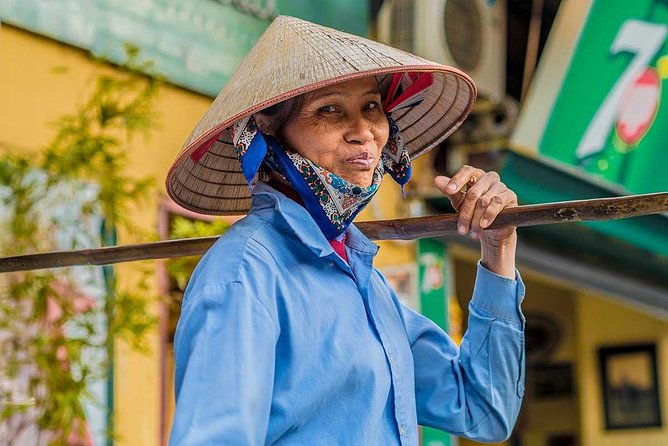
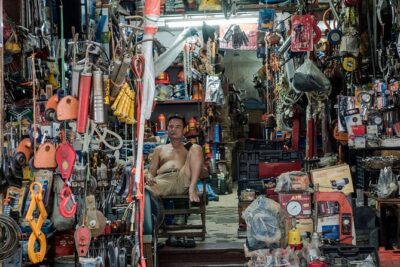
Next up is the city’s infamous Thieves Market. This is street photography fuel. You’ll find visual clutter, lots of small objects, and the kind of chaotic order that Hanoi does well—bikes, shop displays, hands at work, and constant background motion.
For photos, that environment can go two ways:
- It can look like random mess
- Or it can look like story, with layers and meaning
The difference is your approach. With a photographer guide, you’ll get help making sense of the scene—choosing what to emphasize and what to leave out.
A good goal here is to photograph activity, not just goods. Focus on:
- hands packaging or negotiating
- faces reacting to customers
- patterns in objects (lines of merchandise, repeated colors, or stacked shapes)
Possible drawback: Thieves Market can be visually intense. If you’re easily overwhelmed by noise and crowds, take a breath before shooting. The coaching is helpful, but you still control how much you try to capture at once. If you try to photograph everything, you’ll miss the best scenes.
Cu Da village by private car: vermicelli craft for close-up storytelling
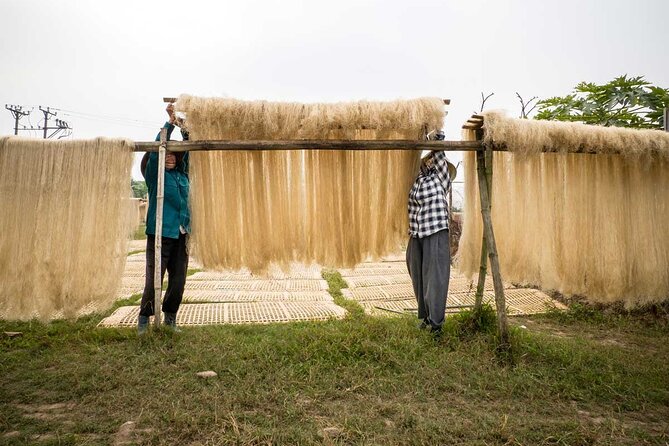
After your morning push, you’ll get into the private car and head about one hour south to Cu Da village. This is where the tour shifts from city motion to craft.
Cu Da is known for vermicelli-noodle manufacturing, and that matters because it’s a photo subject with texture and process. You’re not only photographing a finished product. You’re photographing work: preparation, handling, and the steps that make a simple food item feel like a craft.
This stop is valuable for a few reasons:
- You can get closer to the action (hands, surfaces, tools).
- The lighting often feels more forgiving than street alleys.
- You’re building variety in your portfolio: street life plus human craft.
The tour includes a long block here (about 8 hours total for the middle stop area), which gives time for shooting and re-positioning without panic. That’s especially good if you like to work slowly and wait for the right moment.
Practical note: craft photography often rewards patience. If you only like fast, easy shots, this might feel slower. If you like process photos, it’s one of the stronger parts of the day.
- Hanoi Motorbike Tour: Food, Culture and Fun by Vintage Motorbike★ 5.0 · 6,699 reviews
- Hanoi: Guided Food Tour with Train Street Visit★ 4.9 · 6,239 reviews
- Hanoi Cooking Class: Culture, Local Market & Meaning CSR Impact★ 5.0 · 5,147 reviews
Hanoi reset and the 7:30 pm pickup: why the night session works
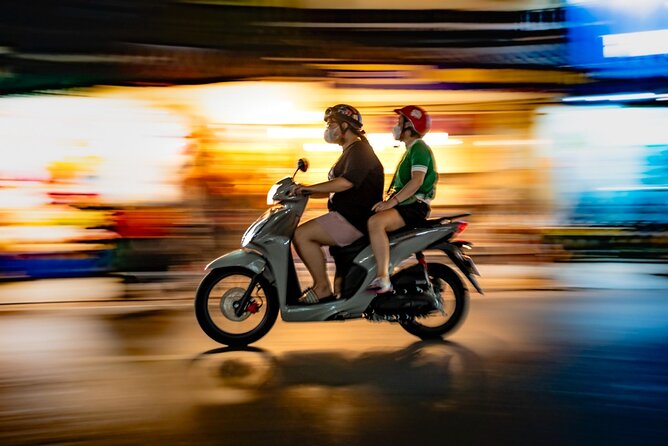
At some point, you head back to Hanoi and get dropped at your hotel. The tour gives you real time to refresh, have dinner, and get ready. Then you’ll be picked up at 7:30 pm for the night tour.
This break is not a small detail. For photography, night work is exhausting. Your eyes adjust, your hands get tired, and you start rushing if you skip meals or don’t recharge. Having that recovery window helps you shoot better, not just shoot more.
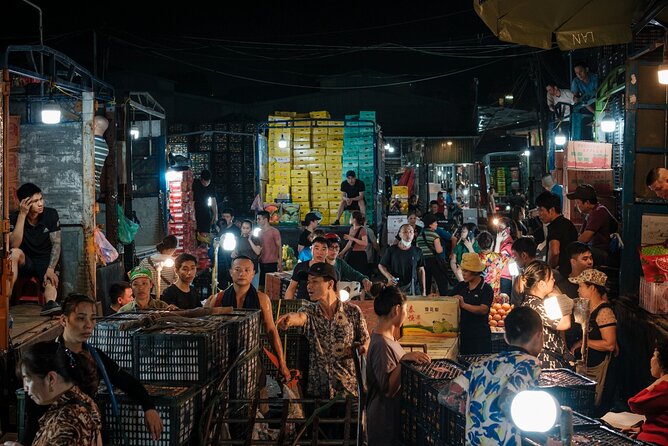
When the night segment starts, the goal shifts. You’ll likely be photographing night market scenes and daily public life under artificial light. This is where you learn to work with contrast and movement—street lights, reflections, and people who don’t pause for you.
If you’re carrying camera gear, consider keeping it simple for the night portion. Less fiddling means more time capturing the scene as it changes.
Night market and incense village scenes: contrast, motion, and mood
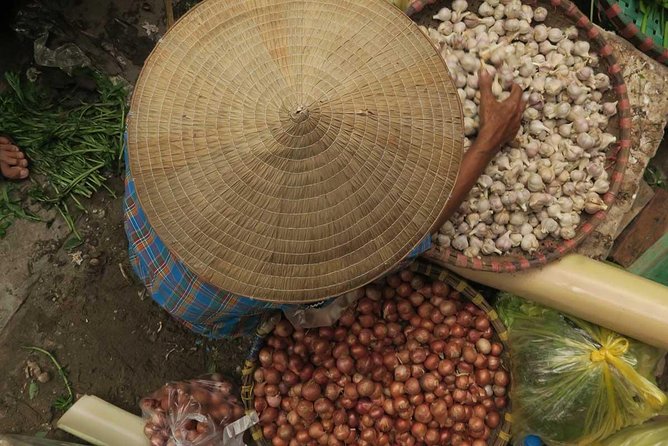
The final adventure includes scenes such as night markets and an incense village visit where you tour the factory. That blend is great because it gives you both:
- street energy (movement, shopping, interaction)
- craft atmosphere (work settings, materials, workshop visuals)
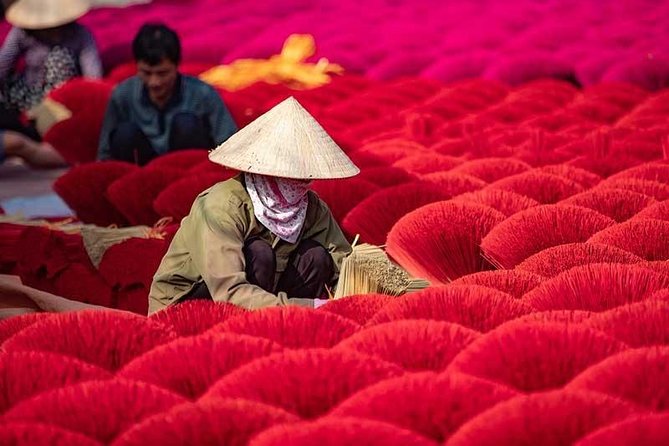
Incense-factory visits can be visually dramatic because of smoky haze, warm tones, and close working spaces. Even if you’re not a specialist in low-light, this environment offers shapes and layers that read well in photos.
At night markets, the challenge is keeping your image from turning into blur soup. A photographer guide can help you decide when to prioritize sharp faces, when to let motion show movement, and how to compose around busy backgrounds.
One thing to watch: night photography can push you to over-shoot. Pick a few “assignments” for yourself. For example, one series about faces and reactions, one about hands at work, and one about light and signage. Then you’ll build a coherent set instead of a random pile of images.
The guides make the difference: Brian, Tung, and the teaching style
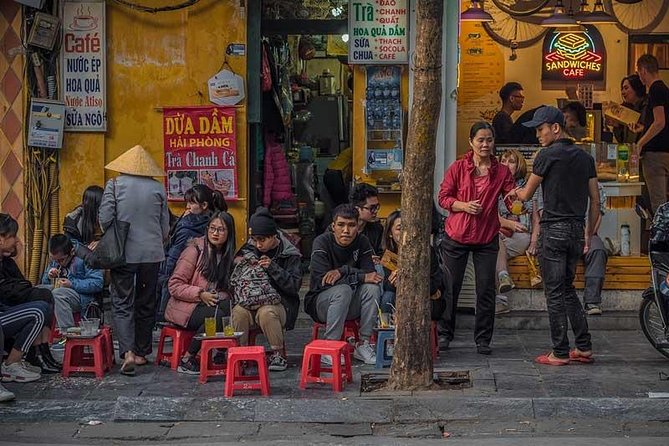
The best part of this tour isn’t the places alone—it’s the teaching energy of the guides. In the guidance I’ve heard about, photographers like Brian and Tung focus on practical improvements while you’re still in the location. That means you’re not waiting until later to learn.
Common coaching themes you can expect include:
- help with exposure and composition during high-stakes moments
- suggestions on camera angles so you can simplify busy scenes
- timing advice so you’re ready when action happens
One thing I like about a team approach is that you can get different photo perspectives without feeling lost. When you have professionals who understand both Hanoi and photography fundamentals, you get better shots faster.
Also, the small group size helps. You’re more likely to get direct feedback instead of watching the guide from a distance.
Price and value: what $359 buys for 16 hours
At $359 per person, this is not a casual add-on. But the day is long and the structure is designed to justify the spend.
Here’s what you’re paying for, in plain terms:
- private transportation (not just a shared shuttle)
- professional photographer guide
- breakfast and lunch
- a full day that runs about 16 hours, including a night pickup at 7:30 pm
- a maximum of 5 travelers, so you’re not squeezed into a huge group
If you’re the type who wants photography guidance, this can be good value because hiring a guide privately would likely cost more, especially for a full schedule that spans dawn plus a second night session.
If you’re mainly looking for sightseeing with occasional photos, you might feel like the price is higher than you expected. This is aimed at people who want to shoot and improve—not just look.
Who should book this tour, and who might skip it
You’ll probably love it if:
- you’re serious about photography (or want to level up quickly)
- you can handle an early start without grumbling
- you like a mix of street life and craft scenes
- you want small-group attention rather than a crowded tour
You might skip it if:
- you hate long days and want lots of downtime
- you want a mostly relaxed, low-walking itinerary
- you’re not interested in guided shooting or technical coaching
It’s also nice that most travelers can participate and there are no specific health restrictions listed. Still, the schedule is active, so use common sense about footwear and stamina.
Practical tips to make the day easier (and your photos better)
This is a dawn-to-night plan, so think comfort first:
- Wear shoes you can stand and walk in all day.
- Bring a layer for the morning and keep a light option for night.
- Plan for hydration; you’ll be moving through multiple areas.
- If you bring a tripod, you’ll want to consider whether you’ll actually use it in crowded scenes.
For photography gear, keep it realistic. One good camera setup beats a bag full of stuff you never touch. Night markets often reward simple, fast handling over complicated accessories.
And mentally, set expectations: you’re going to photograph real people, active workspaces, and busy streets. The tour helps you frame the chaos into something coherent.
Should you book the Ultimate Hanoi Photography Tour?
I’d book this if your priority is better photos through guided shooting across Hanoi’s day-and-night rhythms. The strongest case is the mix: train-street dawn, park movement, market texture, noodle-making craft, then a night run with night market life and an incense factory visit. That variety gives you a portfolio that feels like Hanoi, not just Hanoi’s postcards.
I’d think twice if you’re looking for a relaxed, low-effort day. This is long and focused. If you can handle the early start and you want a small group with hands-on help, it’s a smart use of time in Hanoi.
FAQ
FAQ
What time does the tour start?
The tour starts at 5:30 am.
How long is the Ultimate Hanoi Photography Tour?
It runs about 16 hours (approx.).
Where does the tour take place?
It takes place in Hanoi, Vietnam, including stops around central Hanoi and a trip about one hour south to Cu Da village.
What is included in the price?
The tour includes breakfast, lunch, private transportation, and a professional photographer guide.
Is pickup offered?
Yes, pickup is offered, and there is also pickup for the night tour at 7:30 pm.
How many people are in a group?
The tour has a maximum of 5 travelers.
What is the price per person?
The price is $359.00 per person.
Can I cancel and get a full refund?
Free cancellation is available up to 24 hours in advance of the experience start time for a full refund.
More Photography Sessions in Hanoi

More Tours in Hanoi
- Ninh Binh Full-Day Tour from Hanoi to Hoa Lu, Tam Coc & Mua Cave Via Boat & Bike
★ 5.0 · 4,384 reviews


More Tour Reviews in Hanoi
Latest Hanoi write-ups from our team


Photography Sessions, compared.
 ★ 5.0Hanoi Private Photoshoot – Iconic Spots & Hidden GemsFrom $20118 reviews
 ★ 5.0Hanoi Explorer Photo TourFrom $11940 reviews
 ★ 5.0Hanoi On the Tracks Photo TourFrom $14433 reviews
 ★ 5.0Photo Tour to Capture The Vanishing Craft of Making Fish TrapsFrom $16831 reviews
 ★ 5.0Hanoi Street Photography with a Pro – Phone & CameraFrom $3527 reviews
 ★ 5.0Private Hanoi Photoshoot – Iconic Spots & Hidden GemsFrom $4016 reviews
 ★ 5.0Hanoi Long Bien Sunrise Photo TourFrom $14416 reviews
 ★ 5.0Into the Thieves Market Hanoi Photo TourFrom $14410 reviews
Browse the lists this tour appears in