
Reviewed · FARMS
Mai Chau &Pu Luong 3D2N: Local Culture, Farming,Rafting& Swimming
Rice paddies beat jet lag. This small-group route mixes Thai village life with hands-on craft time, then adds river fun in Pu Luong. You’ll move between Mai Chau and Pu Luong Nature Reserve with guided visits focused on farming, weaving, bridges, and local routines.
Two things I especially like: learning silk weaving in Lan Village, and spending real time around working fields instead of only photo stops. One consideration: the early start and the long Hanoi-to-Mai Chau drive can feel like a jump straight into the adventure.
In This Review
- Key highlights you’ll actually feel
- Getting from Hanoi to Mai Chau: the long drive is the price of calm
- Mai Chau’s Thai feel: a cultural reset before Pu Luong
- Pu Luong Nature Reserve: where the pace slows (and that’s the point)
- Lan Village silk weaving: the craft lesson that makes the region make sense
- Bamboo Bridge and cycling through Chieng Ai Village: the quickest way to feel local rhythm
- Waterwheels, farms, and the “how food gets made” tour vibe
- Bamboo rafting and Cham Stream: the adventure break you’ll be glad you planned for
- Food, lodge time, and that pool moment
- Transport, group size, and why the guide really matters here
- Price and value: is $235 per person fair?
- Who this tour is best for
- Should you book Mai Chau & Pu Luong 3D2N?
- FAQ
- What’s the price for Mai Chau & Pu Luong 3D2N?
- How long is the tour?
- Are meals included?
- What activities are included?
- Do you get picked up in Hanoi?
- How big is the group?
- Is a swimming stop guaranteed?
Key highlights you’ll actually feel
- Lan Village silk weaving: watch the process from cocoon to textile and try the craft at a Thai household.
- Small group size (max 12): it keeps the pace friendly and makes questions easier.
- Bamboo rafting on the Ma River: a low-key way to enjoy the scenery without needing tough hiking.
- Cham Stream lunch and swim time (weather permitting): a refresh break after village and farm walks.
- Bamboo Bridge + cycling through villages: great local texture—rural paths, work spaces, and everyday movement.
Getting from Hanoi to Mai Chau: the long drive is the price of calm
This tour starts early. Pickup is offered from Hanoi Old Quarter hotels or from Ninh Binh, with morning pickup that typically lands you on the road around the 7:00–8:30 window. Expect about a 3.5-hour drive to Mai Chau, so plan for a proper breakfast before you’re collected.
I like this kind of start because it gets you to Mai Chau while the day is still soft and quiet. It also means you’re not rushing Pu Luong later when everyone’s already tired. The trade-off is simple: you’ll want comfortable clothes for the ride and a bit of patience for traffic outside Hanoi.
More stilt-house stays out in Mai Chau


Mai Chau’s Thai feel: a cultural reset before Pu Luong
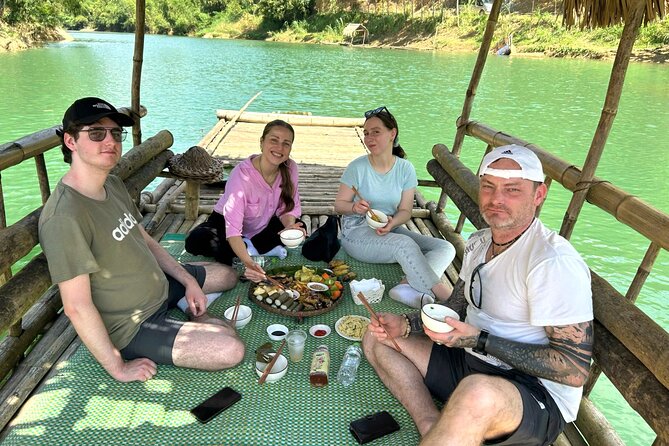
Mai Chau is known as a cultural hub for the Thai people, and you’ll feel that right away when you arrive. After pickup and the long drive, you’ll settle in with lunch and an orientation to the area before the day shifts toward Pu Luong.
The practical value here is that Mai Chau acts like a buffer. Instead of going straight into multi-activity rural touring, you get a human-paced arrival and a meal before check-in plans. If you’re the type who likes to understand how people live before you start walking, this helps a lot.
Pu Luong Nature Reserve: where the pace slows (and that’s the point)
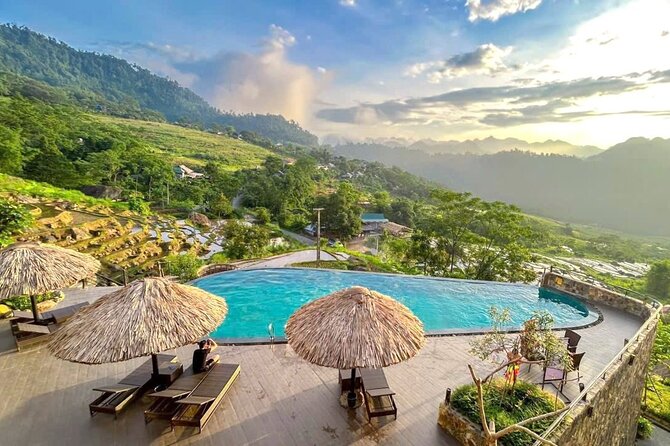
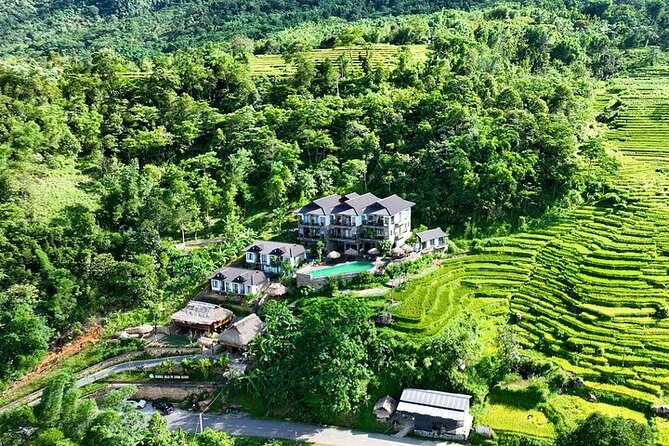
Pu Luong Nature Reserve is your main base, and it’s the heart of the trip. You arrive in the early evening, check in, then have dinner and downtime at your lodge/hotel. That timing matters: you’re not only seeing views—you’re settling into the place long enough to feel like you belong there for a couple nights.
The scenery is a big part of the appeal, but the real win is how the activities link to daily work. You’ll spend time around farming areas, village craftsmanship, and routes people use every day, not just scenic pull-offs. That balance is why this route works even if you’re not an all-day hiking person.
Lan Village silk weaving: the craft lesson that makes the region make sense
One full day is built around Lan Village and the surrounding Thai households. You’ll head from your hotel through rice fields and mountains toward the village, and the day focuses on local life and skill.
The weaving component is the star. You’ll see silk production from cocoon to textile with an expert artisan guiding you, and you may even get hands-on practice. I like this approach because it turns a cultural visit into something you can picture and repeat later when you’re home.
It’s also a good mental break. After the driving and check-in on day one, this day gives you a structured activity that’s calm, social, and detailed. If you’re traveling with someone who gets bored with only walking routes, a craft day is a great match.
Bamboo Bridge and cycling through Chieng Ai Village: the quickest way to feel local rhythm

On the final day, you’ll start with the Bamboo Bridge over the Ma River. It’s a classic Pu Luong moment: you cross, pause for views, and watch local artisans at work. From there, you cycle through villages such as Chieng Ai, which is where rural life stops being abstract.
Cycling here is especially useful because it’s active without being punishing. You move past homes, work areas, and paths that feel lived-in, and the route helps you cover more ground than walking would. One thing to consider: cycling can be a bit bumpy depending on the road surface, so wear shoes you can rely on.
This segment also tends to be when the photos look best for people who care about real scenes, not just monuments. You’re moving through working areas, not only beside them.
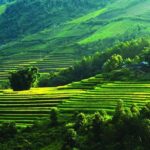
More of the terraces at Pu Luong
- 2 Days Pu Luong Offbeat Trekking Best for Mountain Lovers★ 5.0 · 47 reviews
- Pu Luong 2 Days Trekking & Village Experience with local Family★ 5.0 · 46 reviews
- Pu Luong 3-Day Adventure: Trekking, Cycling & Local Cooking Class★ 5.0 · 26 reviews
Waterwheels, farms, and the “how food gets made” tour vibe

The tour’s culture side isn’t limited to crafts. You’ll also see traditional farming and craftsmanship, including visits connected to older waterwheels and local homes. This kind of stop is valuable because it explains why the region looks the way it does—people built routines around water, fields, and seasonal work.
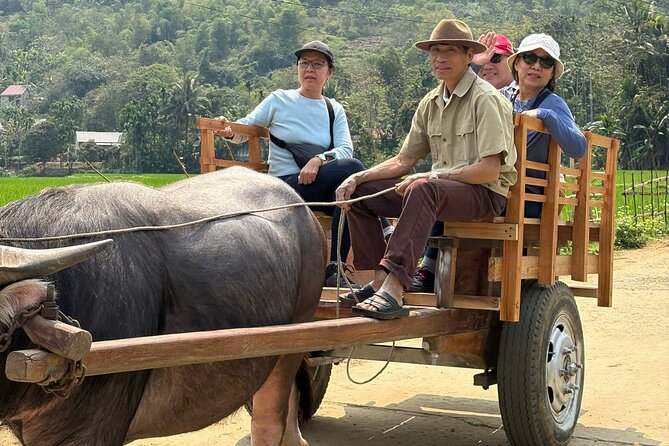
In particular, you’ll get time around farms and village homes, plus experiences like observing household life and traditional practices. Some editions of this trip also include a cooking class and a buffalo cart ride as part of the on-the-ground rural routine.
If you’re the type who enjoys understanding systems—how people farm, how materials turn into textiles, how water supports daily life—this is the portion that clicks. If you only want big scenery moments, you might find these stops slower, but they’re usually the parts that stick.
Bamboo rafting and Cham Stream: the adventure break you’ll be glad you planned for
A bamboo rafting adventure and lunch on Cham Stream are key highlights. This is your “let’s have fun outside” block, and it’s the kind of activity that feels different from trekking—lighter on effort, heavier on the river mood.
You’ll also have time to swim at Cham Stream if conditions allow. Weather permitting matters here: water temps, current, and rain patterns can change the safety and comfort. Bring swimwear and a towel if you have one, but also keep a dry layer handy in case the weather shifts.
If you’re wondering whether rafting is worth it: bamboo rafting is a smart compromise. You get on the water, you slow down enough to look around, and you don’t need technical skills. It’s also a nice reset between village/craft learning and the ride back.
Food, lodge time, and that pool moment
Food is built into the trip in a practical way. You’ll have 3 lunches and 2 dinners included, which helps you avoid the typical Northern Vietnam problem of hunting for meals between rural stops. After active days, having meals scheduled keeps energy up and planning stress low.
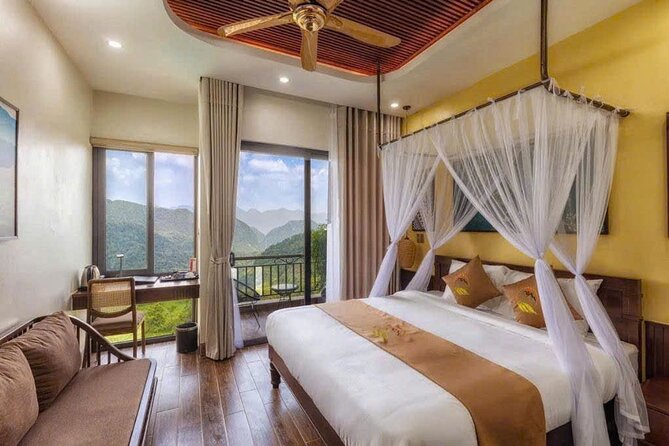
Your lodge/hotel base in Pu Luong matters too. You’ll have check-in time and downtime to relax, including time to enjoy the pool at your stay. I like this because it keeps the trip from feeling like a nonstop checklist. Two full days of rural experiences can wear you out, and pool time is a simple way to reset your body and head.
Transport, group size, and why the guide really matters here
This is a small-group experience with a maximum of 12 people. Some participants also describe groups staying fairly small, which can make a big difference when you’re doing village visits and craft activities. You’ll likely have more room to ask questions and take breaks when you need them.
Guides are also a real part of the value. Names that show up strongly include Nga, Vinh, and Ed Nguyen, and they’re described as clear, patient, and able to explain farming and village life in a way that doesn’t feel like a lecture. For this kind of tour—where meaning matters as much as views—a strong guide is what turns walking into understanding.
One small practical note: you’ll be moving between stops with organized transfers. This keeps logistics simpler, but it also means you should pack light for quick changes between indoor weaving lessons, outdoor river time, and village walking.
Price and value: is $235 per person fair?
At $235 per person for about 3 days, this sits in the midrange for a rural Northern Vietnam package. What makes it feel reasonable is that it’s not just transportation and scenery.
You get entry fees included, plus 3 lunches and 2 dinners. You also get pickup service, mobile ticket support, and transfers between Hanoi and Pu Luong. In rural areas, those details are rarely free once you’re doing it on your own.
What’s not included is the 8% government tax, and you’ll want to budget for gratuities and personal expenses. As always, the real value question is whether you’ll use the included activities—silk weaving, bamboo rafting, Cham Stream lunch, and the village cycling and bridge time. If you’re excited for craft + river + village routines, the price starts making sense fast.
Who this tour is best for
This trip is a strong fit if you want more than photos. You’ll enjoy it most if you like learning how people live—how silk is made, how farming works, and how water supports daily routines. It also suits couples and small groups who want a guided structure without feeling crowded.
It’s also good for travelers who want adventure but don’t want to commit to all-day, high-effort trekking. The rafting and swim time give you action, while the crafts and village visits slow the day down.
If you hate early mornings or dislike long car rides, it may feel like too much on day one. But if you accept that trade-off, the rest of the itinerary is paced enough to keep you from burning out.
Should you book Mai Chau & Pu Luong 3D2N?
I’d book it if you want a culturally focused Northern Vietnam experience with real village contact. The standout value comes from silk weaving in Lan Village and the mix of river fun (bamboo rafting and Cham Stream) with slower, meaningful visits around farms and household life.
I wouldn’t book it if you’re chasing only dramatic, high-impact sights with minimal explanation or you’re sensitive to early starts and long transfers. This tour works best when you’re here to learn how the region runs day to day—then enjoy the fun parts on top.
FAQ
What’s the price for Mai Chau & Pu Luong 3D2N?
The price is $235.00 per person, and an 8% government tax is not included.
How long is the tour?
It runs for about 3 days.
Are meals included?
Yes. The tour includes 3 lunches and 2 dinners.
What activities are included?
You’ll do village and farming visits, learn about silk weaving in Lan Village, visit places like a bamboo bridge and waterwheels, enjoy bamboo rafting, have lunch on Cham Stream, and swim there if weather permits.
Do you get picked up in Hanoi?
Yes. Pickup is offered, including from Hanoi Old Quarter hotels (and also from Ninh Binh), with pickup typically in the morning.
How big is the group?
The maximum group size is 12 travelers.
Is a swimming stop guaranteed?
No. Swimming at Cham Stream is listed as weather permitting, so it can depend on conditions.
More Tour Reviews in Hanoi

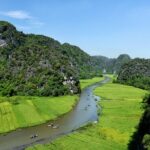




Deeper into Pu Luong

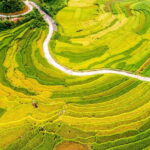
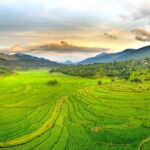
More Time in Mai Chau
Latest Hanoi write-ups from our team

Farms, compared.
 ★ 4.9Hanoi Farm Tour and Cooking Class with Local FamilyFrom $4314 reviews
 ★ 5.0Village Farm Tour and Cooking Class with LunchFrom $757 reviews
 ★ 5.0Farm tour & Home cooking class with local family in HanoiFrom $383 reviews
 ★ 5.0Sapa Half Day Local Farming ExperienceFrom $353 reviews
Browse the lists this tour appears in