
Reviewed · WORKSHOPS
Hanoi: Pottery Making Class for Beginners
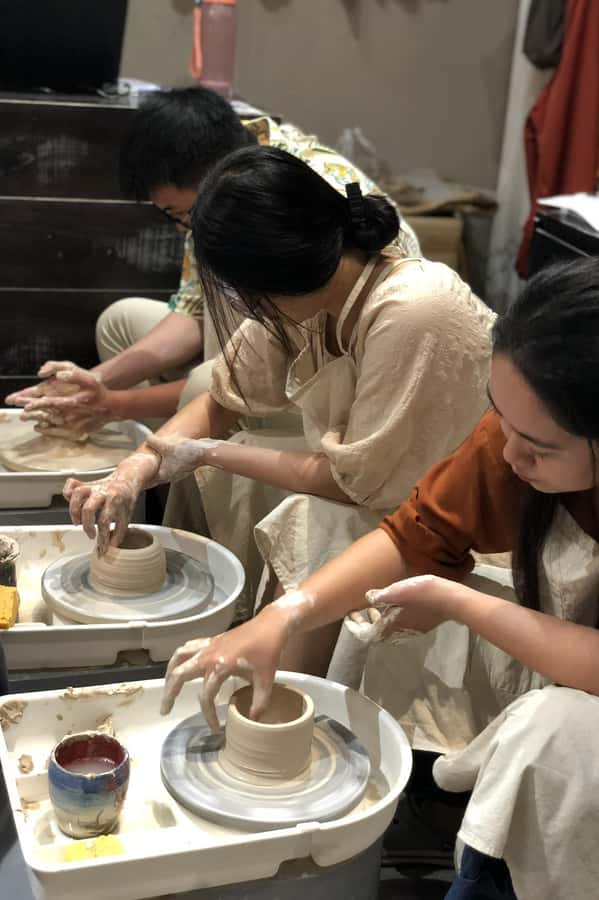
Wheel time in Hanoi, with a small-group pace. This beginner-friendly pottery class in central Hanoi is built around your first attempts at shaping clay on throwing wheels, with an English interpreter and a patient, hands-on instructor. The best part is you’re not stuck watching from the sidelines. You work with the tools, make something real, and plan how you want it fired afterward.
I love that the class is comfortable and focused: air conditioning keeps things pleasant, and the group is limited to just 6 people, so you get real attention instead of quick instructions. I also like the flexibility around results, because the firing is separate and you can choose your glaze and timing, including an express option.
One thing to consider: the main class price does not include firing. You’ll need to budget an additional 50,000–250,000 VND per piece, and express firing costs extra too.
In This Review
- Key Things That Make This Class Worth Your Time
- A Small Pottery Workshop in the Middle of Hanoi
- Inside the 150-Minute Beginner Session (What Happens When)
- What you’ll be thinking about during class
- Wheel Time: Your First Attempts at Throwing Clay
- The Part You Can Choose: Glaze and Firing Fees
- Why this separation can be a good deal
- A timing option: express firing in 2–3 days
- Taking Your Pottery Home: Fast Pickup vs DHL/FedEx Shipping
- How to decide what fits your trip
- Comfort, Language, and Class Size That Help Beginners
- Air conditioning
- English support
- Small group size
- Cost and Value: What You’re Really Paying For
- When it’s great value
- When you should be careful with budgeting
- Who This Hanoi Pottery Class Is Best For
- Should You Book Pottery Hai Doan in Hanoi?
- FAQ
- How long is the pottery class?
- What’s included in the $30 price?
- Is the firing fee included?
- Can I get my pottery fired faster?
- Can I have my pottery shipped home?
- What group size should I expect?
- What do I need to bring?
- Is there air conditioning?
Key Things That Make This Class Worth Your Time
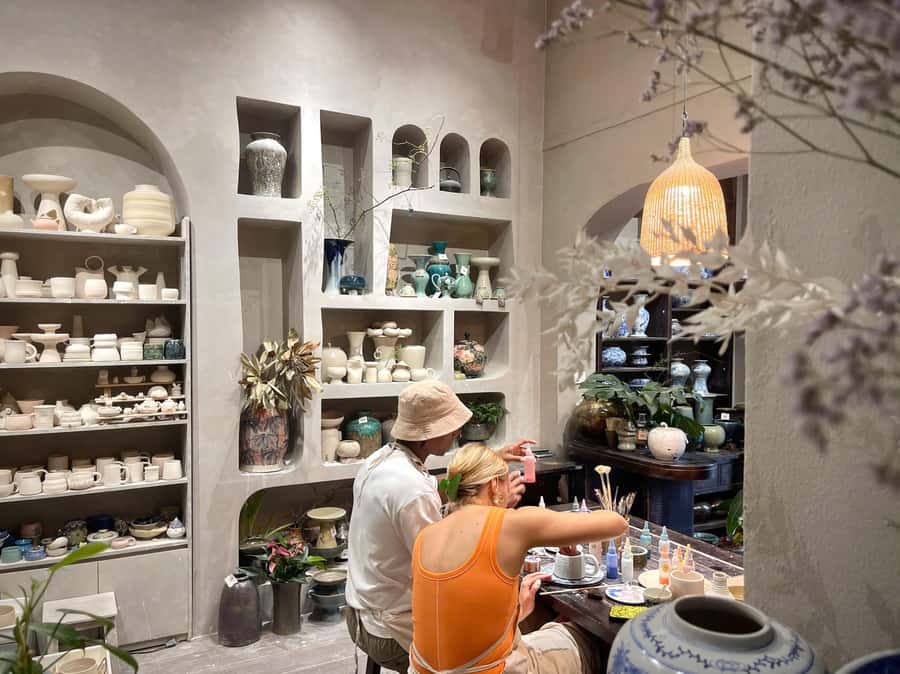
- Small group size (max 6) means more hands-on help when you’re learning wheel basics
- Throwing wheels + beginner guidance helps you create a piece even if you’ve never touched pottery before
- Comfortable AC makes a 150-minute session easier, especially on warmer days
- Firing is separate so you control glaze choices and piece size decisions
- Express firing (2–3 days) and DHL/FedEx shipping help if your Hanoi time is tight
A Small Pottery Workshop in the Middle of Hanoi
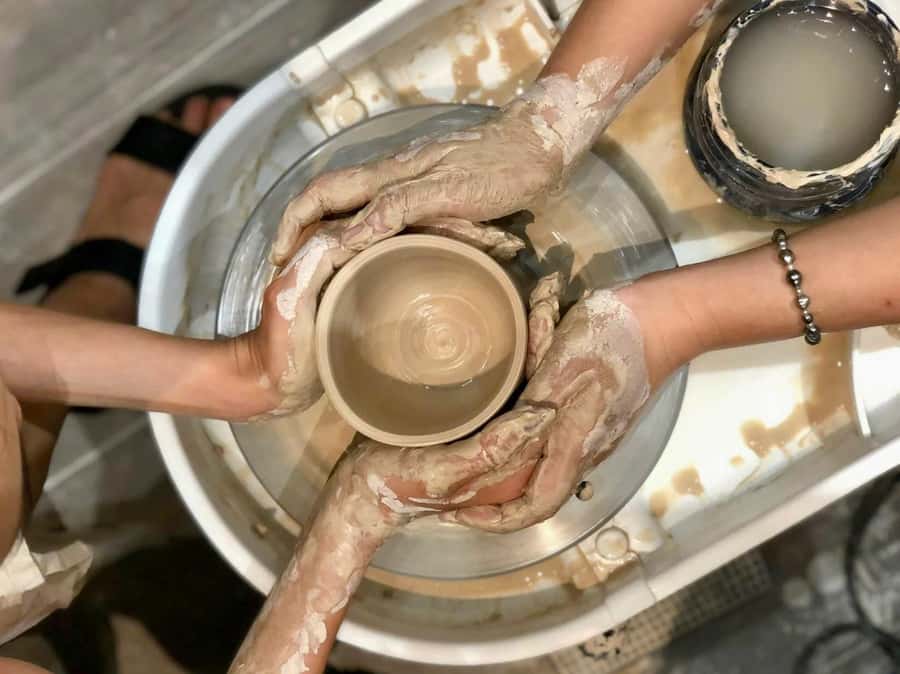
Hanoi can feel like it’s always in motion. This class is a reset button. You trade honking streets and crowded sidewalks for a calmer room where you focus on one task: getting clay to do what you want.
What makes this workshop practical is how beginner-friendly it is. The session runs 150 minutes, which is long enough to learn the basics, get a piece started, and shape it into something you’ll actually be proud to keep. You’re not rushed through a demo. Instead, you work with clay, pottery tools, and a throwing wheel, guided step by step.
The location matters too. The class is described as being in the heart of Hanoi, which means you’re not spending your day commuting across town. That’s a hidden value for short trips. If you’re staying central, you can fit this into an afternoon without turning your evening into a travel scramble.
And yes, the comfort detail is real: the workshop has air conditioning, so you won’t feel like you’re doing arts and crafts while melting. If you’ve ever tried a “hands-on” activity in Vietnam heat, you’ll appreciate this more than you think.
Worth a glance beside this Hanoi pick:




Inside the 150-Minute Beginner Session (What Happens When)
You’ll start with the kind of setup that makes beginners less nervous. An English interpreter supports communication, and the instructor can work in English and Vietnamese. That matters because pottery has small technique points. The difference between a passable pot and a frustrating flop is often one quick adjustment you can’t guess on your own.
From there, the class is built around learning by doing. You’ll use the throwing wheel, and your instructor will guide you through the basic moves and habits you need on the wheel. This is where the class earns its beginner label. Wheel work looks simple from far away, but it takes coordination and timing. A good instructor helps you feel what the clay needs rather than just memorizing instructions.
During the session, you’ll shape your own pottery piece. The goal is simple and concrete: make something you can keep. You also get the comfort of having the tools and materials handled for you, including an apron so your clothes stay clean. You bring your passport or ID card, not money or extra supplies beyond what you decide for firing.
What you’ll be thinking about during class
Even without being an art person, you’ll quickly notice pottery has rules:
- Clay responds to speed and pressure
- Edges need shaping, not just pushing
- Patience is part of the skill
The class structure gives you time to build those instincts without feeling like you’re failing the whole time.
Wheel Time: Your First Attempts at Throwing Clay
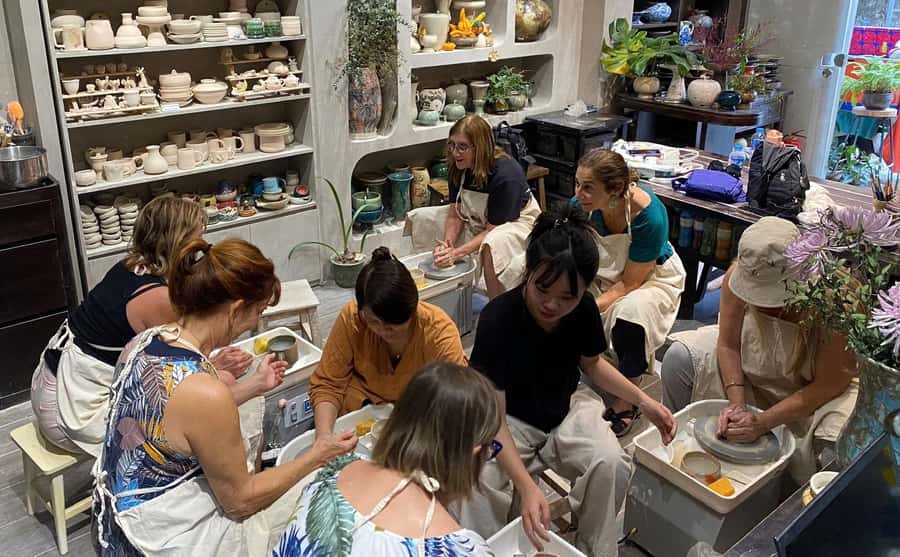
The throwing wheel is the headline feature, and it’s also where your biggest learning happens.
I like that this class focuses on core wheel technique instead of turning the lesson into a craft project with no real learning. When a workshop includes throwing wheels in the included setup, it usually means you’ll actually practice the motions that make pottery work.
As a beginner, you’ll likely do better if you approach the wheel like a skill session, not a test. You’re learning pressure, centering, and shaping. The instructor’s job is to help you correct what’s going wrong in the moment, and that’s why the small group size (max 6) is a big deal. With fewer people, you can get quick feedback.
The experience also has a relaxed tone. One name that came up in the instructor role is Ti. In the feedback, Ti is described as patient, with humor and energy that keeps the session light. If your class has an instructor like that, you’ll probably feel less self-conscious while you’re learning.
A practical tip: pottery is tactile. If you’re wearing anything that restricts movement or you’re worried about getting messy, you’ll lose time and confidence. The apron helps, but wear clothes you don’t mind getting a little dirty.
The Part You Can Choose: Glaze and Firing Fees
Here’s the key detail that can surprise people: the class price covers the making session, not the firing.
The information is clear that the firing fee is not included in the class package. That setup actually gives you choices. Since firing cost depends on what you choose for your final look and what size your piece becomes, you can decide how fancy you want to go.
Typical firing costs run from 50,000 VND to 250,000 VND per piece, and the amount varies based on:
- Your chosen glaze
- The size of your piece
So you’re not just paying a flat surcharge. You’re paying for the result you want.
- Hanoi Motorbike Tour: Food, Culture and Fun by Vintage Motorbike★ 5.0 · 6,699 reviews
- Hanoi: Guided Food Tour with Train Street Visit★ 4.9 · 6,239 reviews
- Hanoi Cooking Class: Culture, Local Market & Meaning CSR Impact★ 5.0 · 5,147 reviews
Why this separation can be a good deal
It’s easy to think, I thought the class included everything. But splitting the costs has a practical upside: you get control over the finishing. If you want a simple look, your firing may land toward the lower range. If you want a larger piece or a specific glaze choice, you know where the extra cost comes from.
A timing option: express firing in 2–3 days
If you’re on a tight schedule, you can opt for express firing. The express service takes 2–3 days and costs a 300,000 VND surcharge for up to 10 pieces. That means your kiln time is faster, and you don’t have to wait as long to see your pottery become durable, finished ware.
In many places, pottery involves a longer wait. Here, the express option is a real advantage if you’re leaving Hanoi soon.
Taking Your Pottery Home: Fast Pickup vs DHL/FedEx Shipping
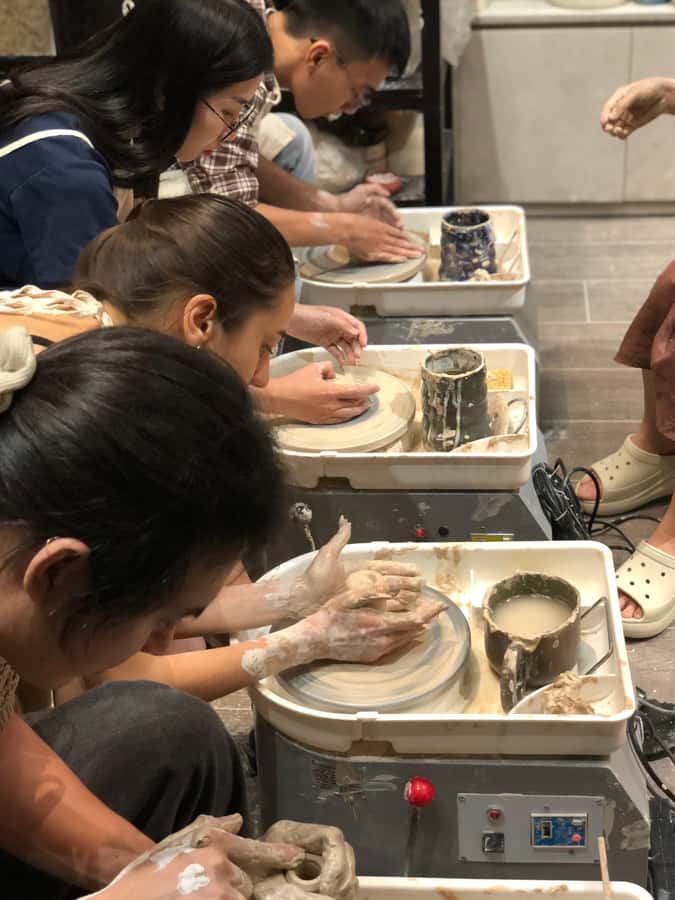
You can leave Hanoi with your creation, but the timing depends on firing.
Because firing isn’t included, the piece you make in class needs that next step to become the final product. If you’re choosing express, you can expect your fired pottery back in 2–3 days, which lines up neatly with typical short Hanoi stays.
If you’re pressed for time, you can also have your pieces sent home. The workshop offers shipping via DHL or FedEx, which is useful when you don’t want to carry a fragile ceramic item through travel days.
How to decide what fits your trip
Ask yourself two questions:
- Are you staying long enough to wait for normal or express firing?
- Do you want to pack pottery yourself or pay for shipping convenience?
If you’re doing a multi-city Vietnam trip, shipping often beats stuffing ceramics into a suitcase. If you’re here just for Hanoi, express firing can help you keep the pottery in your travel timeline.
Comfort, Language, and Class Size That Help Beginners
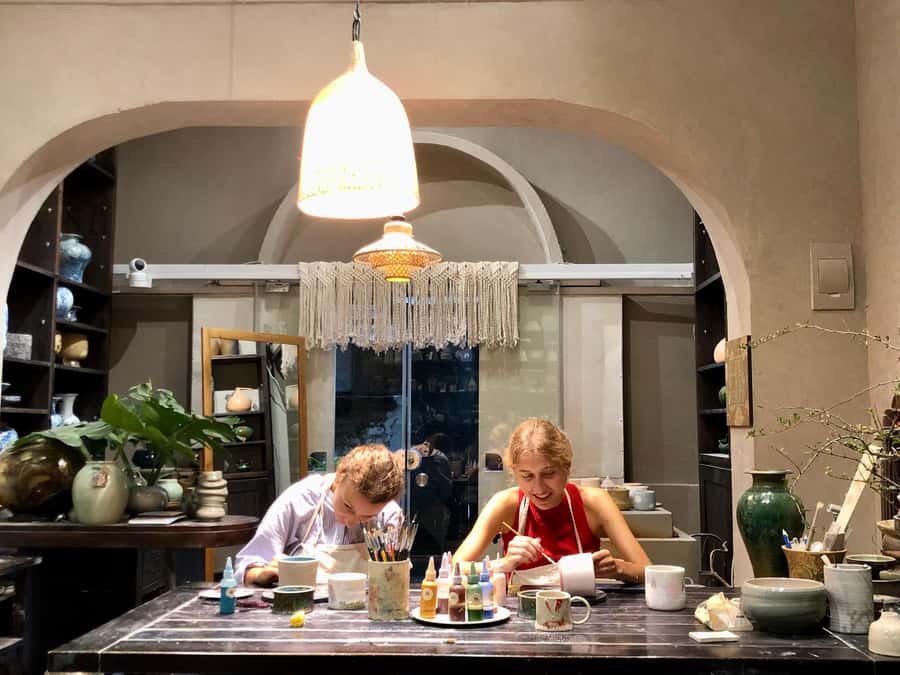
The details that make this class easier are mostly invisible until you need them.
Air conditioning
This matters for energy. You’ll spend a chunk of time shaping clay, leaning in, and staying focused. A hot room drains attention. With air conditioning, you can stay present and learn.
English support
There’s an English interpreter, and the instructor works in English and Vietnamese. For beginners, that’s important because pottery is hard to learn from vague directions. You want to understand what the instructor is saying about pressure, speed, and how to correct problems quickly.
Small group size
With a max of 6 participants, you’re not stuck waiting for turns. Beginners tend to hit the same issues (clay wobbling, uneven walls, slipping at the wheel). In a larger group, you wait your turn for help. Here, you’re more likely to get feedback while the wheel time is still relevant.
Cost and Value: What You’re Really Paying For
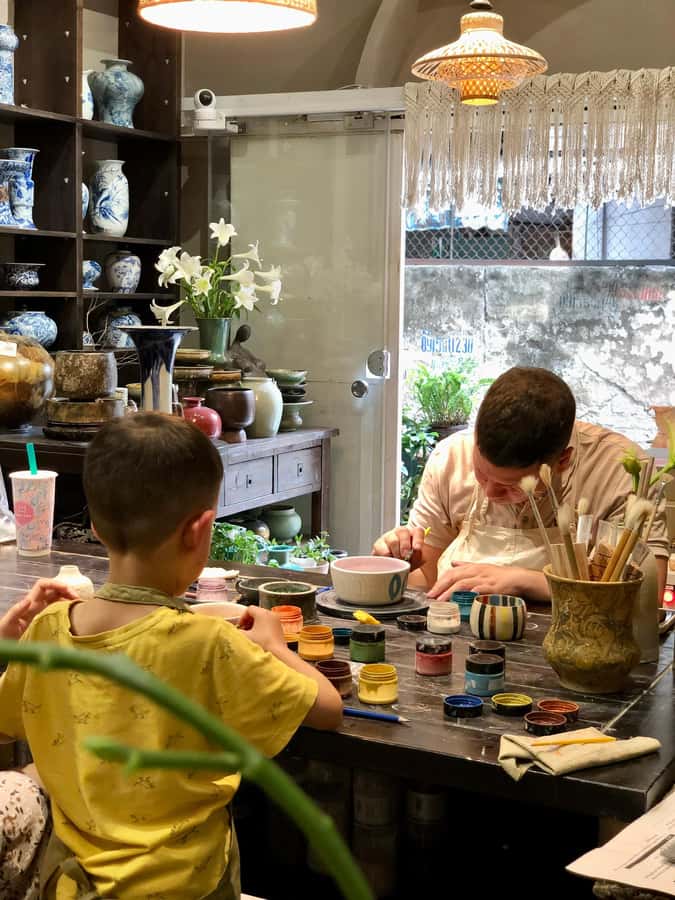
The starting price is $30 per person for the 150-minute session. On its own, that sounds straightforward. But pottery value is about what’s included and what’s adjustable afterward.
You get:
- English interpretation
- Throwing wheels
- Clay
- Pottery tools
- Apron
- A guided session to make your own piece
Then you add:
- Firing, which is not included (50,000–250,000 VND per piece)
- Optional express firing (300,000 VND surcharge for up to 10 pieces)
- Optional shipping if you don’t want to manage travel with fired ceramics
So the real question is: does this work out well for you?
When it’s great value
- You want a real activity, not just a pass/fail craft session
- You’re traveling with time flexibility and can handle the firing wait (or pay for express)
- You want personal guidance in a small group
When you should be careful with budgeting
If you’re hoping for a finished pottery item without any extra charges, you need to plan for firing. Also, firing cost depends on glaze and size, so the final total can vary.
Still, knowing the firing range up front is helpful. It’s not a mystery fee after the fact.
Who This Hanoi Pottery Class Is Best For
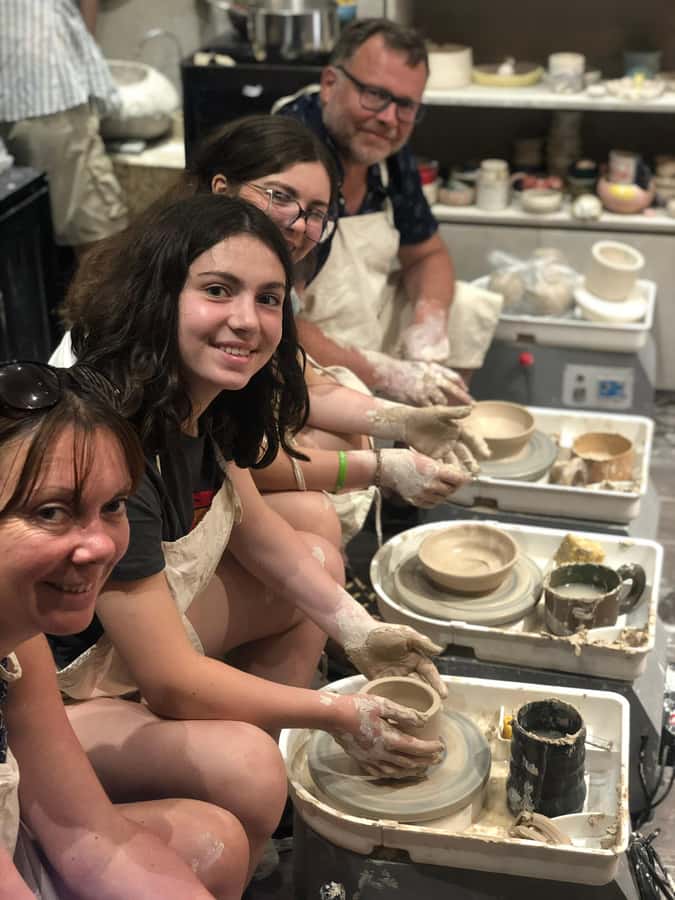
This is a beginner class, so you don’t need artistic experience. It’s best for people who want something hands-on and calming, with enough structure to help you succeed.
I’d say it fits especially well if you’re:
- Traveling solo or as a small group and want more attention
- Looking for a break from Hanoi street life
- Interested in making something real you can keep, not just a photo stop
- Comfortable with the idea that firing is an extra step after class
It’s also a nice option for families if kids can handle a hands-on workshop length. The class being small and paced helps adults and kids get help. (Just keep expectations realistic: the point is learning and making a piece, not producing professional-grade ceramics in one afternoon.)
Should You Book Pottery Hai Doan in Hanoi?
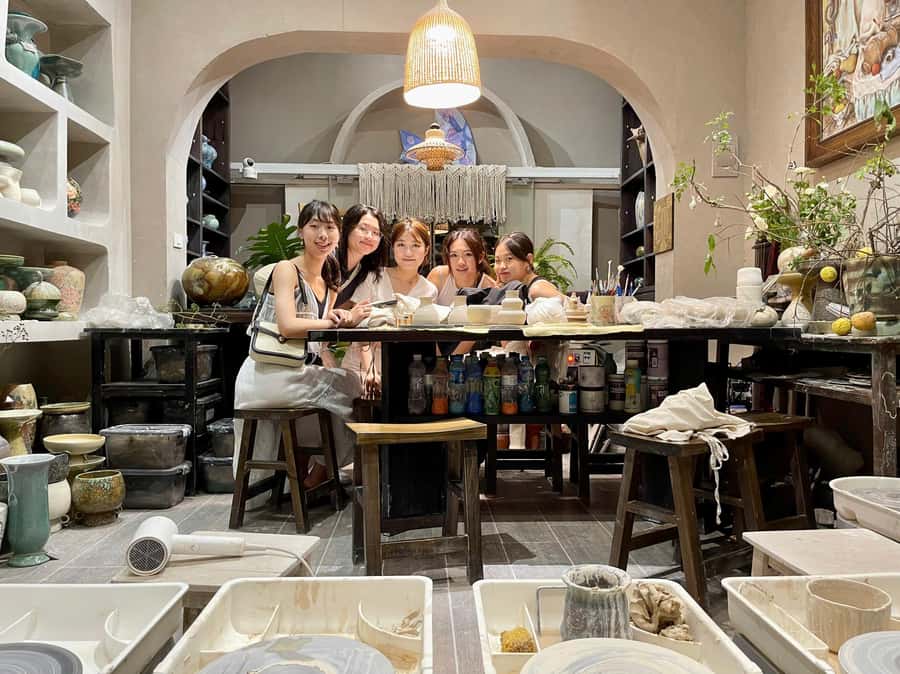
If you want a meaningful, hands-on activity that doesn’t require prior skill, book it. The combination of throwing wheel time, a small group of up to 6, and English support makes it easier for beginners to actually learn something instead of just trying random motions.
Do book it with a plan for the next step. Decide now whether you’ll budget for standard firing or go for express firing if you’re leaving soon. Also, if you don’t want fragile ceramics in your luggage, consider using DHL or FedEx.
One more smart move: if you have an instructor like Ti assigned, take that as a sign you’ll likely get patience and humor while you learn the basics.
FAQ
How long is the pottery class?
The class lasts 150 minutes.
What’s included in the $30 price?
The included items are an English interpreter, throwing wheels, clay, pottery tools, and an apron.
Is the firing fee included?
No. The firing fee is not included and typically ranges from 50,000 VND to 250,000 VND per piece, depending on glaze choice and the size of your piece.
Can I get my pottery fired faster?
Yes. There’s an express firing service that takes 2–3 days. It has a 300,000 VND surcharge for up to 10 pieces.
Can I have my pottery shipped home?
Yes. If you’re short on time, you can send pottery home via DHL or FedEx.
What group size should I expect?
The class is a small group limited to 6 participants.
What do I need to bring?
Bring your passport or ID card.
Is there air conditioning?
Yes, you’ll be comfortable with air conditioning during the class.
More Workshops in Hanoi


More Tour Reviews in Hanoi






Latest Hanoi write-ups from our team





Workshops, compared.
 ★ 5.0Hanoi Cooking Class: Culture, Local Market & Meaning CSR ImpactFrom $395,147 reviews
 ★ 5.05 Traditional Dishes Hanoi Cooking Class with Market TripFrom $354,890 reviews
 ★ 5.0Hanoi Coffee Workshop: Taste Salt, Coconut and Egg CoffeeFrom $161,286 reviews
 ★ 5.0Salt Coffee Workshop Awake Your Senses With 6 BrewsFrom $23792 reviews
 ★ 5.0Vietnamese Food Cooking Class in Hanoi with Market ExperienceFrom $45778 reviews
 ★ 5.0Handcrafted Wood Carving Workshop with Local ArtisanFrom $19733 reviews
 ★ 5.05 Local Dishes Cooking Class with Meal & Market VisitFrom $40420 reviews
 ★ 5.0Hanoi Cooking Class and Market Tour in Ancient HouseFrom $45379 reviews
Browse the lists this tour appears in