
Reviewed · COFFEE EXPERIENCES
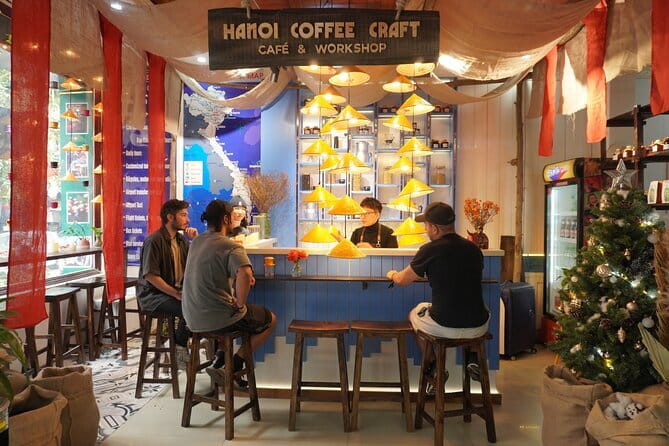
Hanoi Coffee Workshop Brew Taste and Culture Experience
Egg coffee starts with a tiny trick. This Hanoi Old Quarter workshop turns that trick into a hands-on lesson, with guided brewing of iconic Vietnamese drinks like Egg Coffee. I really like the mix of practical steps and cultural talk, and I love that you leave with recipes you can use later; the only drawback is the class runs about an hour, so it moves fast.
Expect a warm welcome (a complimentary drink) and included snacks as you settle in near 35–37 Mã Mây in Hoàn Kiếm. You’ll leave back at the same meeting point, and since it uses a mobile ticket and caps group size at 100, it’s set up for an easy, low-stress afternoon.
In This Review
- Key highlights
- Why This Hanoi Coffee Workshop Works in the Old Quarter
- Meeting on Mã Mây (Near Hoàn Kiếm) and What Happens First
- Vietnamese Coffee Culture 101: Beyond the Flavor
- The Hands-On Brewing Workshop: The Core Skills You’ll Use
- Join-in class: 3 coffee types
- Private class: 4 coffee types
- Egg Coffee and Your Second Choice: What You Should Expect to Taste
- Instructors You Can Relax With: Maxie, Alex, Trung
- Market Stop Moments: Why Ingredient Choices Matter
- Private vs Join-In: Picking the Right Amount of Time
- Join-in is for quick wins
- Private is for customization
- What the Workshop Includes (and What It Doesn’t)
- Price and Value: Is $30 a Fair Deal?
- Practical Tips to Get the Most Out of Your Class
- Accessibility and Getting There
- Should You Book This Hanoi Coffee Workshop?
- FAQ
- How long is the Hanoi Coffee Craft workshop?
- How much does the workshop cost?
- Where do I meet for the workshop?
- What coffee drinks will I learn to make?
- Is a tasting included?
- What’s included in the price?
- Is there free cancellation?
Key highlights
- Egg Coffee technique, explained clearly: you learn the method rather than just watching.
- 3 or 4 drinks, depending on format: join-in focuses on 3; private focuses on 4.
- Tasting your own brews: you sample what you make, not just pre-made cups.
- Friendly instruction style: instructors like Maxie, Alex, and Trung get praise for being patient and easy to talk with.
- Old Quarter location: convenient base near Hoàn Kiếm and easy to reach with public transport.
- Take-home recipes: you’re taught enough to recreate your favorites later.
Why This Hanoi Coffee Workshop Works in the Old Quarter
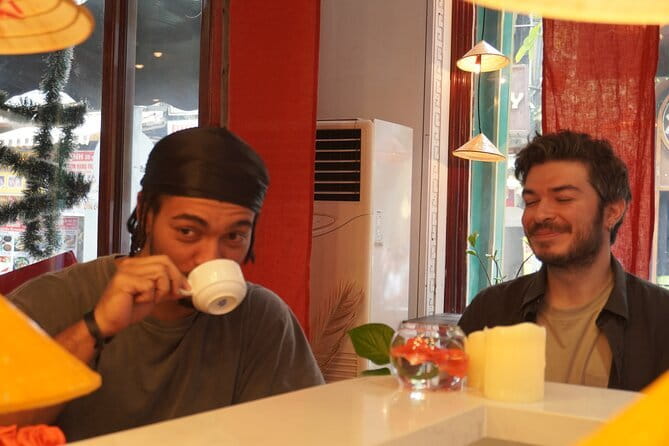
Hanoi is full of coffee shops, but most of them are about buying coffee, not learning it. This experience is built for the opposite goal: you make the drinks yourself, while someone explains what’s happening and why it tastes the way it does.
The best part is that you get both the how and the story. You’ll hear about Vietnamese coffee culture, then you’ll apply that knowledge immediately during the brewing lesson. I like experiences that turn curiosity into a real skill, and this one does that fast.
One thing to keep in mind: this is a short class (about an hour), so it’s not the place for ultra-deep roasting science or slow practice sessions. You’ll come away with solid technique, but you won’t have time to experiment endlessly.
Worth a glance beside this Hanoi pick:


Meeting on Mã Mây (Near Hoàn Kiếm) and What Happens First
You’ll meet at 35–37 Mã Mây in Hoàn Kiếm, at the Hanoi Solo Hostel area. It’s a convenient starting point in the Old Quarter, which matters because Hanoi streets can be a maze. If you like having one simple waypoint instead of coordinating multiple stops, you’ll appreciate this.
When you arrive, you get a warm welcome and a complimentary drink. That’s a smart way to start because it sets your taste expectations before you start brewing—plus it helps you get comfortable without feeling rushed.
Also note the basics that affect your day: the tour is roughly one hour, and it ends back at the meeting point. You can fit it between other Old Quarter plans without your evening getting swallowed.
Vietnamese Coffee Culture 101: Beyond the Flavor
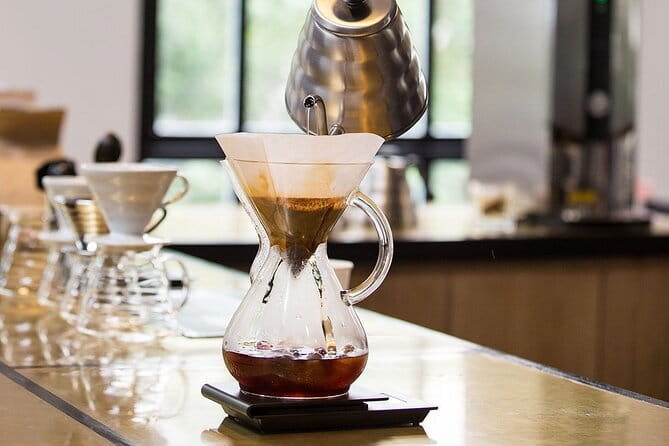
Vietnamese coffee has a different personality than what most people expect if they’re used to espresso or filter drip. In this workshop, you’re guided through what makes iconic Vietnamese drinks what they are—especially the way the coffee is brewed and flavored.
You’ll learn about the cultural significance of these well-known beverages, not just the ingredients. That matters because many Vietnamese coffee styles are built around balance: coffee intensity meets sweetness, eggs or coconut add texture, and certain versions use salty accents for contrast.
If you’re the type of traveler who likes to understand what you’re tasting—why it exists, where it fits, and how people order it—this part is usually what makes the rest of the class click.
The Hands-On Brewing Workshop: The Core Skills You’ll Use
This is the practical center of the experience. You’ll learn to brew Vietnamese coffee using a guided, step-by-step approach, with time for you to taste what you make.
Join-in class: 3 coffee types
If you choose the join-in option, you learn three coffee types:
- Black coffee
- Egg coffee
- One choice from a menu that includes coconut coffee, brown coffee, Vietnamese salted coffee, or Dreamy coffee
Worth a glance beside this Hanoi pick:
- Hanoi Cooking Class: Culture, Local Market & Meaning CSR Impact★ 5.0 · 5,147 reviews
- 5 Traditional Dishes Hanoi Cooking Class with Market Trip★ 5.0 · 4,890 reviews
- Vietnamese Food Cooking Class in Hanoi with Market Experience★ 5.0 · 778 reviews
Private class: 4 coffee types
If you book a private class, you learn four coffee types:
- Egg coffee
- Plus a selection from an extended menu, with options mentioned like salt coffee and yogurt coffee
The difference is mostly about variety and time with the instructor. If you want a menu buffet of flavors (and don’t want to compromise on what you pick), private is the better fit.
Egg Coffee and Your Second Choice: What You Should Expect to Taste

Egg coffee is the headline, and for good reason. The class teaches you how to make it, and you’ll taste what you brewed. Egg coffee often feels like dessert-adjacent coffee, with a creamy texture that contrasts with the strength of the coffee itself.
For your other drink, your choice determines the whole vibe. Here’s how to think about it:
- Coconut coffee: expect sweetness and a more tropical feel, usually smoother on the palate.
- Brown coffee: often leans into caramel-like depth and comfort.
- Vietnamese salted coffee / salt coffee: salty-sweet contrast, which can be surprisingly addictive once you get the balance right.
- Dreamy coffee: this name signals a softer, drinkable profile. It’s a crowd-pleaser when you want something less bitter and more indulgent.
In addition to your chosen drinks, you’ll do a tasting session where you savor your freshly crafted cups. That tasting moment is important. It’s where you catch mistakes early, learn what you like, and build confidence for brewing at home.
Instructors You Can Relax With: Maxie, Alex, Trung
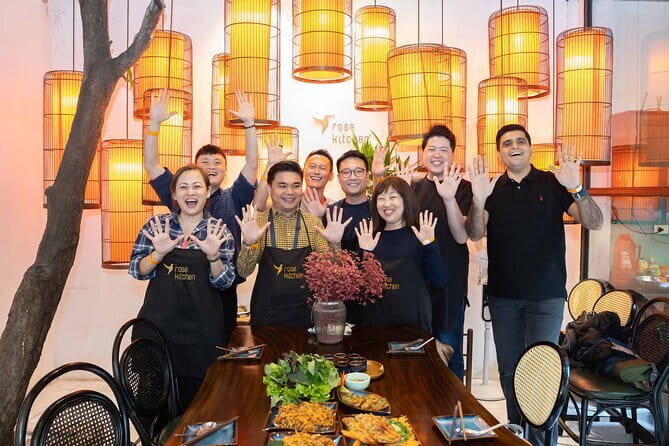
The workshop is only as good as the teacher in the room, and the instruction style here is a big reason people love it. If you get Maxie, you’ll likely notice the calm, patient teaching approach—step-by-step guidance and explanations that feel easy to follow.
If you’re with Alex, the vibe tends to be enthusiastic and detail-forward, including explanation of coffee origins and bean differences. If you end up with Trung, expect a friendly, high-energy style that keeps the mood light while still teaching you how the flavors connect.
Even if you don’t know who you’ll get ahead of time, the consistent theme is clear: you’ll be taught in a way that makes the process feel manageable, not intimidating. That’s especially useful if you’re not a coffee nerd and just want to understand what you’re doing.
Market Stop Moments: Why Ingredient Choices Matter
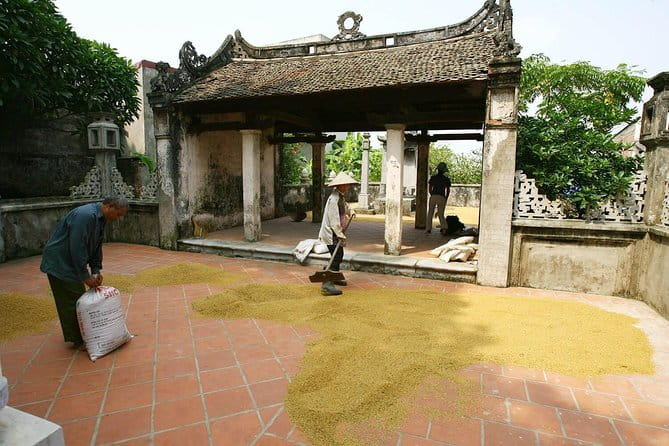
Some class formats include a market visit at the start to help you understand ingredients and selection. In other words, you don’t just learn how to brew; you also learn how ingredient choices affect flavor.
That’s valuable because Vietnamese coffee flavors depend heavily on what’s used and how it’s prepared. When you see or discuss the ingredients first, your tasting later feels more meaningful. You’ll know what changed the cup.
If you’re the type who loves food basics—smells, sourcing, and how locals think—this extra ingredient context is often the part people talk about afterward.
Private vs Join-In: Picking the Right Amount of Time
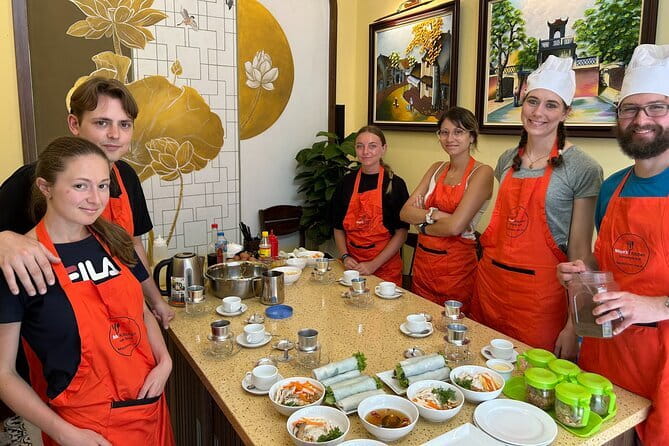
Choosing between join-in and private isn’t just about price—it’s about how you want your learning to feel.
Join-in is for quick wins
The join-in class is perfect if you want the essential lineup fast. You’ll brew three styles including black coffee and egg coffee, then one more based on your taste preference. If your schedule is tight and you’re choosing from flavors you already suspect you’ll love, join-in is a strong value.
Private is for customization
Private class is better if you want deeper choice. You learn egg coffee plus one additional selection from a longer menu (including salt coffee and yogurt coffee, among others). If you’re traveling with someone and you both want to tailor the drinks, private is usually easier to plan around.
Also, private generally means you can ask more questions without waiting your turn. If you’re curious about the differences between beans and preparation, that extra time is helpful.
What the Workshop Includes (and What It Doesn’t)
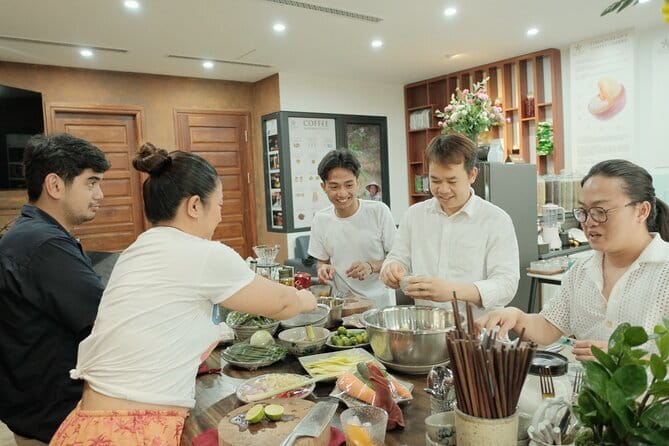
You’ll get:
- Snacks
- A complimentary drink upon arrival
- A guided class with brewing and tasting
- A takeaway with authentic recipes and expert tips to recreate your favorite Vietnamese coffee
You do not get all fees and taxes included, so your final cost may vary depending on what’s added at checkout.
Price and Value: Is $30 a Fair Deal?
At $30 for about one hour, this can be good value if you want more than a casual tasting. You’re not just sampling coffee—you’re learning the process and making multiple drink styles.
The included snacks and starter drink help, but the real value is the instruction plus recipes. One hour is short, but it’s also focused. If you’re comparing this to paying for multiple café drinks across a day, you’re effectively paying for a hands-on skill session plus several tastings.
This is also a good choice when you want an Old Quarter activity that doesn’t require heavy walking, complicated planning, or a full afternoon commitment.
Practical Tips to Get the Most Out of Your Class
Here’s how to set yourself up for success.
- Pick your second drink based on mood, not just curiosity. If you like dessert-like flavors, go coconut or Dreamy. If you enjoy contrast, pick salted.
- Ask the instructor to connect flavor to method. The best learning comes when you understand what caused the taste, not just what you did.
- Taste with attention, especially after egg coffee. It’s easy to think you know it, then realize you prefer one texture or sweetness level.
- Take notes during the recipe takeaway. Even if you don’t cook often at home, a few key steps help you repeat the drink without guessing.
If you’re traveling with a friend, it also helps to compare which drink you liked best and why. That turns the tasting session into a mini flavor lesson.
Accessibility and Getting There
The workshop is near public transportation, which helps in Hanoi where getting around can be unpredictable. Service animals are allowed, and that’s always worth noting if you need it.
Since the meeting point is clearly specified and you return to it, you won’t have to worry about ending up in the wrong neighborhood after class.
Should You Book This Hanoi Coffee Workshop?
If you love food and you like learning by doing, I think this is a smart booking. It’s short, practical, and built around classic Vietnamese drinks you can actually recreate.
You should book if:
- you want Egg Coffee taught with clear steps
- you’re curious about the difference between multiple Vietnamese coffee styles
- you like meeting friendly instructors and learning in a small, guided setting
- you want a take-home recipe packet instead of just taking photos
You might skip it if:
- you’re hoping for a long, slow, in-depth coffee-nerd workshop (this is about learning and tasting in about an hour)
- you’re not interested in making coffee and just want a casual café stop
FAQ
How long is the Hanoi Coffee Craft workshop?
The experience lasts about 1 hour.
How much does the workshop cost?
It costs $30.
Where do I meet for the workshop?
The meeting point is 35–37 Mã Mây, Hoàn Kiếm, Hà Nội (the Hanoi Solo Hostel area). The activity ends back at the meeting point.
What coffee drinks will I learn to make?
In a join-in class, you learn black coffee, egg coffee, and one additional option chosen from coconut coffee, brown coffee, Vietnamese salted coffee, or Dreamy coffee. In a private class, you learn egg coffee and three additional options chosen from an extended menu, with examples including salt coffee and yogurt coffee.
Is a tasting included?
Yes. You’ll taste the coffee you make during the tasting session.
What’s included in the price?
Included: snacks, plus a complimentary drink upon arrival. All fees and taxes are not included.
Is there free cancellation?
Yes, you can cancel for a full refund up to 24 hours before the start time.
More Workshops in Hanoi



More Coffee Experiences in Hanoi
More Tour Reviews in Hanoi






Latest Hanoi write-ups from our team






Coffee Experiences, compared.
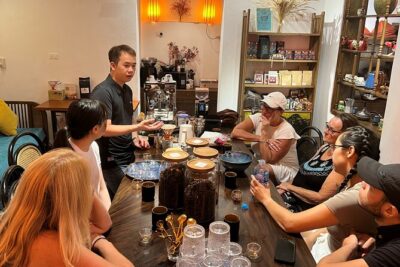 ★ 5.0Hanoi Coffee Experience: 6 Brews, 9 Recipes & 3 Liquor TastingsFrom $172,945 reviews
 ★ 5.0Hanoi Coffee Workshop: Taste Salt, Coconut and Egg CoffeeFrom $161,286 reviews
 ★ 5.0Salt Coffee Workshop Awake Your Senses With 6 BrewsFrom $23792 reviews
 ★ 4.9Vietnamese Street Food Tour with Egg CoffeeFrom $24315 reviews
 ★ 5.0Hanoi Cooking Class: Pho/Bun Cha/Banh Xeo…+Free Egg/Salt CoffeeFrom $19267 reviews
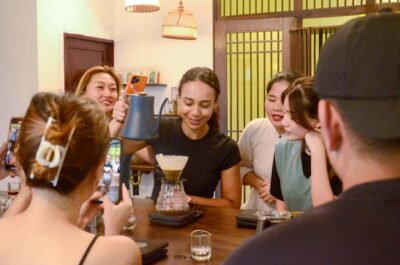 ★ 5.0Vietnamese Coffee Workshop with 6 Brews and 8 RecipesFrom $34237 reviews
 ★ 5.0Ha Noi Egg Coffee ClassFrom $12227 reviews
 ★ 5.0Hanoi Coffee Workshop: Master 6 Signature Vietnamese CoffeeFrom $18171 reviews
Browse the lists this tour appears in