
Reviewed · PHOTOGRAPHY SESSIONS
Hanoi by dawn Photo Tour
Early light turns Hanoi into a photo playground. This Hanoi by dawn photo tour sends you into the day when streets are quieter, colors are cleaner, and you can practice shooting real life instead of posing. I especially like the hands-on focus on ISO and camera modes, and the tight group size that keeps you from getting lost in the crowd while you learn.
The only catch is the timing: you’re up very early, and the market morning is active on your feet. If you hate early starts or need lots of breaks, this may feel like a lot.
In This Review
- Key points to know before you go
- Dawn in Hanoi: when the city looks like a photograph
- Long Bien Market: motion, light bulbs, and cargo in motion
- A quick reality check for Long Bien
- Old Quarter photography: street textures before the crowds
- The photo coaching: ISO, camera modes, and real choices
- Lens and gear advice (and why 50mm is suggested)
- Timing and logistics: hotel pickup, small group flow, and walking
- Dress and comfort
- What’s included (and how it affects value)
- Who this tour fits best (and who should skip it)
- Guide quality: clear communication and pleasant direction
- Should you book this Hanoi by dawn photo tour?
- FAQ
- FAQ
- What time does the tour start?
- How long is the Hanoi by dawn photo tour?
- What camera lens is recommended?
- How many people are in the group?
- Is hotel pickup and drop-off included?
- What’s included for food and drinks?
- Is there a restroom available during the tour?
- What’s the cancellation window?
Key points to know before you go
- Long Bien Market at sunrise: you’ll practice photographing shifting cargo and moving people in one of Southeast Asia’s busiest markets
- Practical camera coaching: learn ISO techniques and how to switch between camera modes for fast-changing scenes
- A small group (max 4): easier guidance, less waiting, and more time for your own shots
- Old Quarter photography time: you get street texture shots before the day fully wakes up
- Professional support: guided shooting plus a workshop-style approach led by the photo team
- Short and focused: around 4.5 hours, so it works without swallowing your whole day
Dawn in Hanoi: when the city looks like a photograph
Hanoi at dawn has a different mood. Less traffic noise. Fewer people in your frame. More time to watch how light touches faces, bikes, and shop fronts before the city speeds up.
That’s why the timing matters. This tour starts early enough that you’re not just photographing buildings—you’re photographing the moment the city starts moving. The market becomes a living subject. Even if you’ve shot street scenes in daylight, sunrise gives you contrast and detail that’s easier to manage.
You also get a real photo plan, not a vague walking tour. The morning includes a techniques and workshop component, and then you head into the action with an instructor who can help you fix what’s happening in your shots. It’s the difference between taking photos and learning how to take photos that work.
Worth a glance beside this Hanoi pick:

Long Bien Market: motion, light bulbs, and cargo in motion
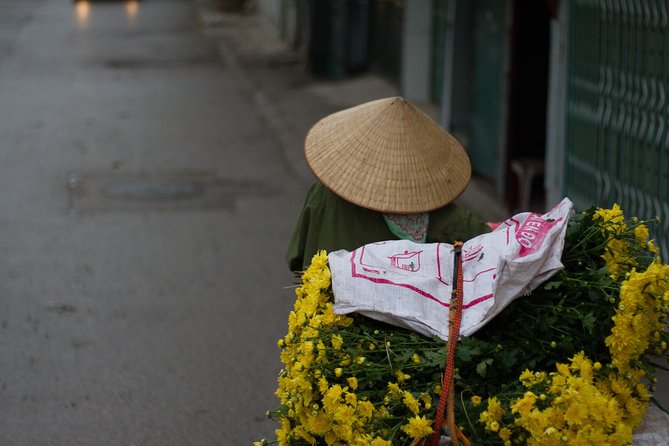
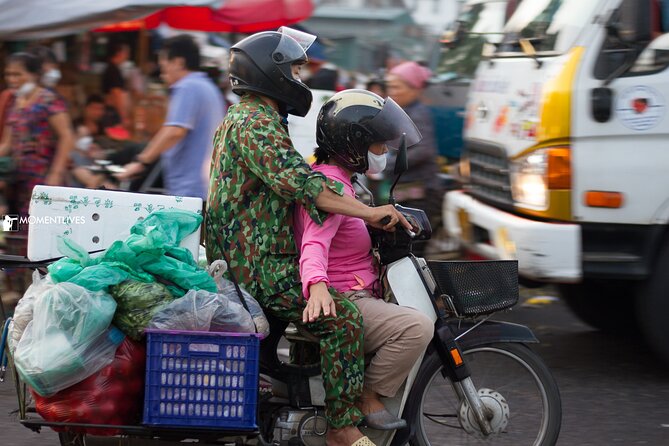
Long Bien Market is the main photo training ground, and it’s exactly the kind of place where learning camera settings pays off. You’ll be picked up very early (the schedule lists a start time of 3:45 am, with pickup to reach the market around 4:45 am), then travel to the market for a sunrise shooting window.
Once you arrive, you’re not wandering aimlessly. You’re there to practice shooting how the market truly works: constant movement of cargo carts and goods carried by people. From a vantage point, you’ll see shifting loads moving stall to stall—busy, but organized enough that you can anticipate moments.
A few details make this market a photographer’s workout:
- Lighted stalls: small light bulbs with different colors help create separation and mood even when the rest of the scene is dim
- Constant motion: carts pull through tight lanes and workers handle goods quickly, so shutter speed and ISO decisions matter fast
- Story shots: you can frame action across layers—foreground carriers, mid-stall activity, and background movement
The tour also emphasizes how to use different modes and settings. In practical terms, this matters because market scenes change every few seconds. You’ll likely be switching between:
- darker areas near stalls versus brighter spots under lights
- close subjects (faces/hands) versus wider motion frames
- steady shots versus quick timing for moving cargo
So if you come in knowing your camera only sort of works, this is where you get real feedback and a chance to apply it immediately.
A quick reality check for Long Bien
Long Bien is busy and visually overwhelming. That’s part of the value—but it can also be a distraction if you show up with no idea what you want to shoot.
One of the best pieces of advice from guides on this style of sunrise tour is simple: decide on a few shot themes before you step in. Think in categories like movement, hands working, portraits, and colored lighting. Then you’ll get better photos faster, because you’re not constantly rethinking your plan.
Old Quarter photography: street textures before the crowds
Along with the market time, you’ll also get photography time in the Old Quarter. The appeal here is that you can slow down after the market’s chaos. You’re looking for different kinds of frames now: street textures, storefront rhythm, and the small scenes that show daily life.
Dawn helps again. In the early hours, the Old Quarter still feels human-scaled. Light is angled and shadows are longer, which gives depth to narrow streets. And because fewer people are out, you can compose more carefully and wait for the right moment without battling heavy crowds.
This portion is also a good place to put your new settings to work. After shooting motion at Long Bien, you can test what you learned on steadier subjects—doorways, signage details, faces turning toward you, and street corners where the city’s character shows up.
If you’re the type who likes mixing action shots with composition work, this pairing is strong. You get both: market energy and Old Quarter atmosphere.
The photo coaching: ISO, camera modes, and real choices
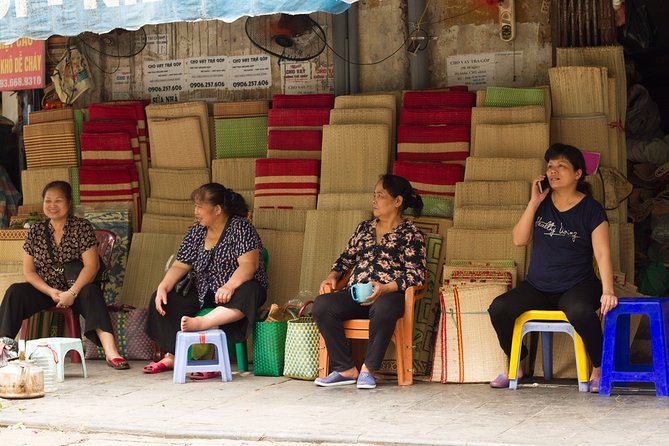
This tour doesn’t sell you on theory. It teaches you how to make decisions in the moment—because dawn lighting and fast action don’t give you time to guess.
Here’s what the tour focuses on:
- ISO techniques for low light and changing brightness
- using different camera modes so your camera can keep up with motion
- practical guidance on how to shoot from where you stand in the market
In plain terms, you’ll learn what settings help when the light bulb colors start popping, when the scene turns darker, and when people move quickly through your frame. Even if you already understand exposure basics, seeing how your settings affect results in a real environment is the fastest way to improve.
And because the tour caps at 4 travelers, guidance is less like a lecture and more like tailored help. That matters. In bigger groups, a guide can only spot a few problems at a time. With a tiny group, you have a better chance to get your questions answered and adjust your approach.
- Hanoi Motorbike Tour: Food, Culture and Fun by Vintage Motorbike★ 5.0 · 6,699 reviews
- Hanoi: Guided Food Tour with Train Street Visit★ 4.9 · 6,239 reviews
- Hanoi Cooking Class: Culture, Local Market & Meaning CSR Impact★ 5.0 · 5,147 reviews
Lens and gear advice (and why 50mm is suggested)
The tour recommends a 50mm prime lens. That’s a smart suggestion for dawn street and market shooting. A 50mm can feel natural for portraits and story shots without being too wide or too tight.
What this usually helps with:
- picking out faces and hands in a busy scene
- creating a balanced frame where background movement still adds life
- avoiding distortion you often get from very wide lenses
If you don’t own a 50mm prime, you can still do fine with other lenses. But if you want to follow the tour’s suggested setup, 50mm is a good match.
Also, come with a sense of how you like to shoot. If you prefer manual control, you’ll be able to test and adjust quickly. If you use semi-auto modes, the coaching on camera modes should still help you make better choices at dawn.
Timing and logistics: hotel pickup, small group flow, and walking
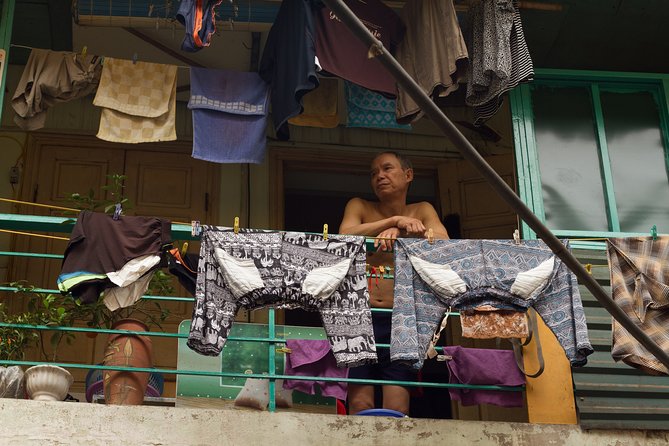
This morning runs on early timing. The listed start time is 3:45 am, and the market pickup is shown as 4:45 am. Either way, you’ll want to be ready before the sun is really up.
Good news: the tour includes hotel pickup and drop-off, plus an air-conditioned vehicle. That’s a real comfort factor when you’re starting so early.
Group size is the other big practical win. With a maximum of 4 travelers, the pace is easier to manage. You’re less likely to lose sight of the guide, and you can get more direction without sprinting to catch up.
Fitness-wise, the requirement is moderate physical fitness. You will be walking and moving through a working market environment. You don’t need to be an athlete, but you should be comfortable on your feet.
One thing to plan for: there is no restroom on board. So if you need a stop, handle it before you get in the vehicle or before the main market portion begins.
Dress and comfort
Dress code is casual. I’d still think like a dawn shooter: you may be up before it fully warms up, and the market morning involves time standing and walking. Comfortable shoes matter more than style.
What’s included (and how it affects value)
At $110 per person for about 4 hours 30 minutes, the price makes sense when you look at what’s covered.
You get:
- coffee and/or tea
- breakfast
- bottled water
- air-conditioned vehicle
- all fees and taxes
- professional photographer guide
- hotel pickup/drop-off
- admission ticket included
- mobile ticket
That package matters because the market portion isn’t just sightseeing. The admission and the guided photo coaching are part of the experience, and breakfast + early drinks help you handle the morning without running out of energy fast.
And because the group is small, your money is less likely to turn into a generic group walk. You’re paying for direction, timing, and a chance to practice with real subjects right away.
Who this tour fits best (and who should skip it)
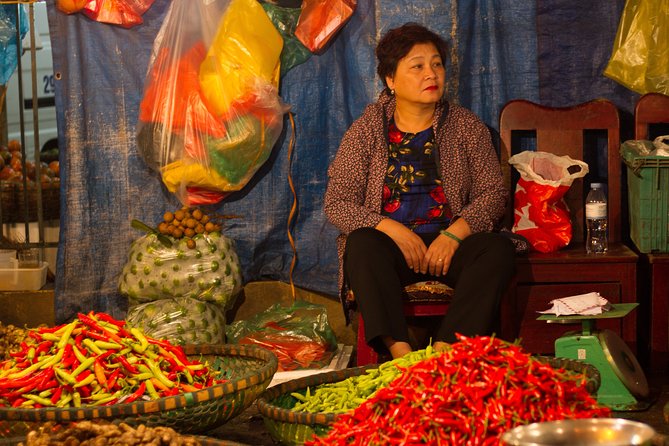
This is best for you if:
- you want sunrise practice with a guide who helps you fix camera decisions
- you enjoy street and market photography and can handle motion and crowds
- you like small groups and personal coaching
- you’re willing to wake up very early
You might choose something else if:
- you hate early departures and early-morning crowds (even if it’s lighter at dawn)
- you need lots of downtime and a slow pace
- you’re not interested in camera settings and would rather just wander
Also, if you’re a photographer who can’t stop changing lenses or tweaking settings, this tour is a good match because the environment is demanding enough to justify it. If you’re a casual phone shooter, you can still enjoy the sights, but the real value is in learning how to control your camera.
Guide quality: clear communication and pleasant direction
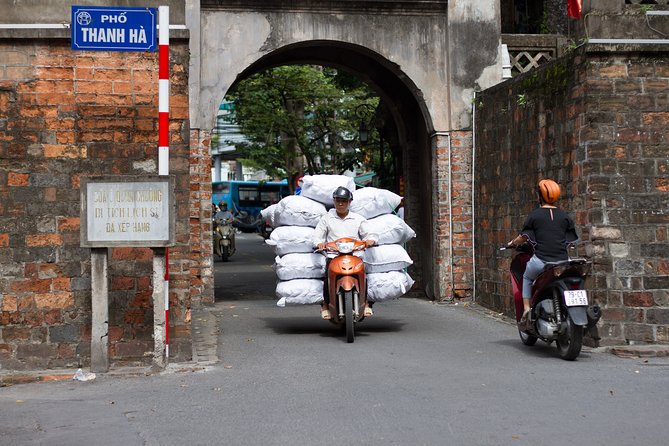
The biggest strength that comes through in experience feedback is the guide tone: friendly, professional, and genuinely pleasant. People often highlight clear communication before the tour and a calm style during the shoot.
For example, communications were associated with Mike Nguyen, and on-tour guidance was linked with Mr. Hung and also a guide named Mikey. Across those notes, the common thread is attention to how you shoot—like advice on going into the market with a shooting plan so you don’t get overwhelmed.
That kind of guidance is exactly what makes this dawn tour feel like more than a photo walk. You’re not just in a cool place. You’re being taught how to take better photos in that exact place.
Should you book this Hanoi by dawn photo tour?
I’d book it if you want a structured way to shoot Long Bien at sunrise and you like practical instruction. The value is strong because you get coaching, a small group, transport, and early food—plus you’re working with light and motion that will actually improve your skills.
I would hesitate if you’re easily stressed by active markets or you can’t commit to an early start. Dawn is the whole point here, and the market environment is part of the learning.
FAQ
FAQ
What time does the tour start?
The start time is listed as 3:45 am, and the market pickup is shown around 4:45 am.
How long is the Hanoi by dawn photo tour?
It runs for about 4 hours 30 minutes (approx.).
What camera lens is recommended?
A 50mm prime lens is recommended.
How many people are in the group?
The tour has a maximum of 4 travelers.
Is hotel pickup and drop-off included?
Yes, hotel pickup and drop-off are included.
What’s included for food and drinks?
Coffee and/or tea and breakfast are included, plus bottled water.
Is there a restroom available during the tour?
No restroom is available on board.
What’s the cancellation window?
Free cancellation is offered up to 24 hours in advance for a full refund.
More Photography Sessions in Hanoi
More Tours in Hanoi
- Ninh Binh Full-Day Tour from Hanoi to Hoa Lu, Tam Coc & Mua Cave Via Boat & Bike
★ 5.0 · 4,384 reviews

More Tour Reviews in Hanoi
Latest Hanoi write-ups from our team

Photography Sessions, compared.
 ★ 5.0Hanoi Private Photoshoot – Iconic Spots & Hidden GemsFrom $20118 reviews
 ★ 5.0Hanoi Explorer Photo TourFrom $11940 reviews
 ★ 5.0Hanoi On the Tracks Photo TourFrom $14433 reviews
 ★ 5.0Photo Tour to Capture The Vanishing Craft of Making Fish TrapsFrom $16831 reviews
 ★ 5.0Hanoi Street Photography with a Pro – Phone & CameraFrom $3527 reviews
 ★ 5.0Ultimate Hanoi Photography TourFrom $35919 reviews
 ★ 5.0Hanoi Long Bien Sunrise Photo TourFrom $14416 reviews
 ★ 5.0Private Hanoi Photoshoot – Iconic Spots & Hidden GemsFrom $4016 reviews
Browse the lists this tour appears in