
Reviewed · HIKING & TREKKING
3 Day 2 Night Trek
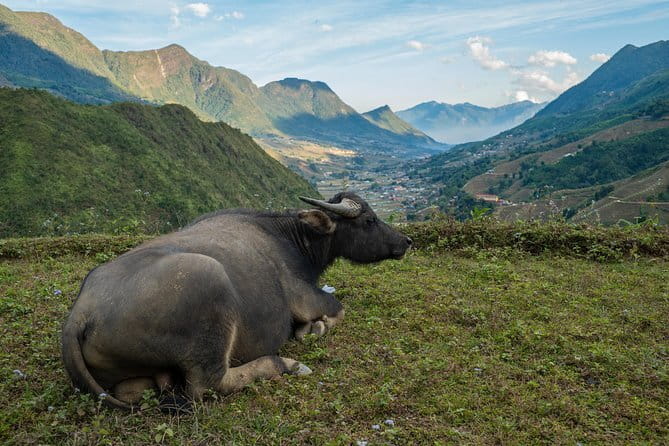
Rice terraces meet real village life. This 3-day, 2-night trek around Sa Pa pairs English-speaking local guides with time in ethnic communities like H’Mong, Black Hmong, Dzay (Dzao), Tay, and Red Dzao, while you walk paths that feel quieter and more local than the standard big-tour routes. What I like most is the way the guiding is tailored to your pace, and the way the homestay nights turn into real conversations, including shared meals and time around a fire with local treats. One thing to keep in mind: this is a moderate-fitness trek and it runs on good weather, with hiking that can include about 12 km (roughly 3.5 hours) on day one.
You start at 9:00 am in Sa Pa and end back at the same meeting point, with meals handled and homestay or local-house stays built into the schedule. I also appreciate the fairness angle here: booking supports local H’Mong guides and community members in a region where poverty is widespread, so your money is doing more than just paying for logistics.
In This Review
- Key highlights you’ll actually feel on the ground
- Tribal Trek in Sa Pa: what this experience is really about
- Homestay nights in Dzay and Tay villages: the part you’ll talk about later
- Day 1: from Y Linh Ho down to Lao Chai, then Ta Van
- Day 2: bamboo forest, Red Dzao panoramas, then Ban Ho with Tay hosts
- Day 3: Ban Ho sunrise, Nam Toong villages, and back to Sa Pa
- Giang and the guide-family approach: why timing and route feel personal
- How hard is it really? Fitness, weather, and what the trek asks of you
- Price and value: what $180 covers and what makes it worth it
- Logistics that make the trip smoother than DIY
- Should you book this trek or keep looking?
- FAQ
- What’s the trekking distance and time on day one?
- What meals are included during the trek?
- Where do you sleep during the 2 nights?
- What time does the trek start, and where does it end?
- Is this a private tour?
- What happens if the weather is poor?
Key highlights you’ll actually feel on the ground
- English-speaking native guides (including Giang) who explain the people, history, and everyday life as you walk
- Homestay/community time with hosts from Dzay and Tay villages, plus shared food and fire-side evenings
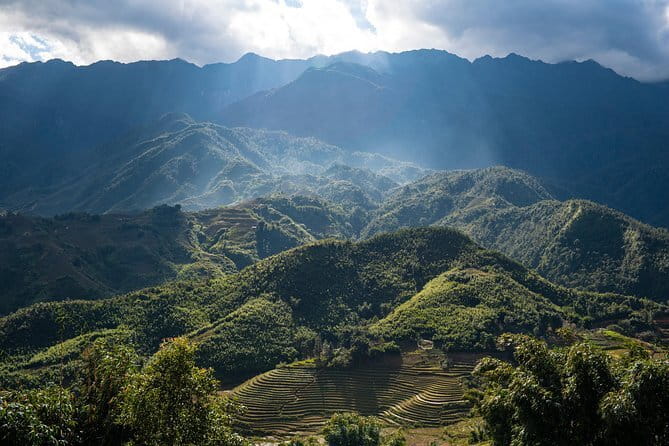
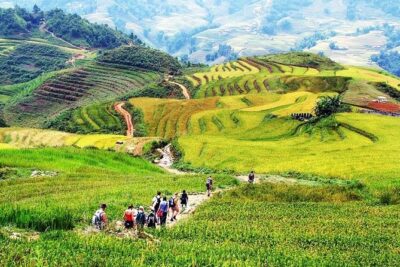
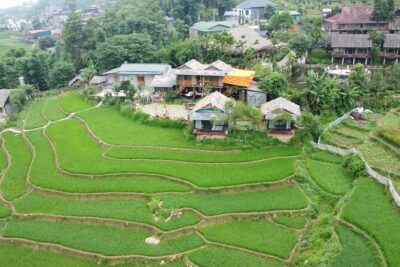
- Rice-terrace trekking along Muong Hoa Stream and through valley paths with long view breaks
- Ethnic village visits across Lao Chai, Ta Van, Giang Ta Chai, Su Pan, and Ban Ho (plus Nam Toong on day three)
- Smaller-group feel with a private format where your group is the only one participating
- Practical help beyond the trail, like transport tips from Hanoi and even taxi/luggage coordination via guide Giang
Tribal Trek in Sa Pa: what this experience is really about
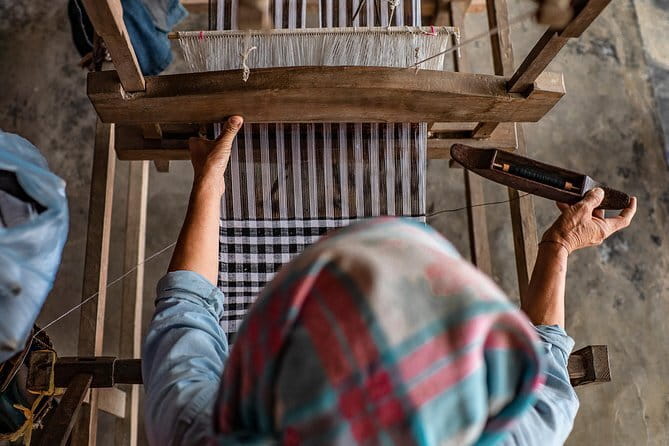
This trek sells scenery, but it’s the people that make it worth your time. You’ll spend your days moving between ethnic village areas, meeting communities known for distinct traditional clothing and local crafts. Instead of rushing through a couple of photo stops, the plan keeps you on foot long enough to see how the terrain shapes daily life, especially around the rice terraces and stream valleys.
Another detail I value: the guides talk about more than facts. With native local guidance, you get explanations that connect the land, the seasons, and the cultures you’re passing. It’s a big difference from a checklist tour, and it’s exactly why this format tends to feel like something you’ll remember long after the photos fade.
One more motivation check: this tour emphasizes giving back to local guides and households by offering fair wage opportunities. When you’re paying $180 for a 3-day, 2-night guided trek with multiple meals and homestays included, that “who benefits” question matters. Here, the answer is directly tied to the communities you’re walking with.
Worth a glance beside this Hanoi pick:



Homestay nights in Dzay and Tay villages: the part you’ll talk about later
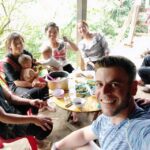
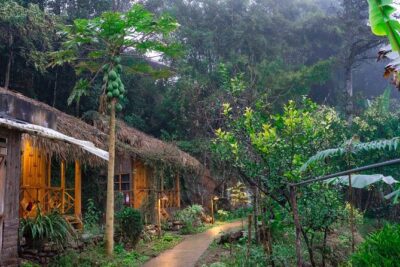
You have two nights, and the overnight stays are the heart of the trip. The schedule puts you in a homestay or a local house with a family, and you get time to slow down and connect. On day one, you check in after trekking toward Ta Van, then you spend the evening with a Dzay host family. On day two, after approaching Ban Ho village, you’ll check in with a Tay family.
What this looks like in real life:
- Breakfast is prepared by your host family/local house.
- Meals may be shared with the family or eaten at the homestay in a calmer setting.
- You get time for sunset viewing and more casual chatting, not just a quick photo and leave.
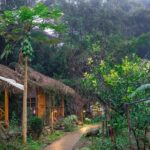
You might also get modern comforts, depending on which style of homestay you’re assigned. The tour describes stays where you can have wifi and hot showers, while still allowing for the chance to stay in a more authentic local house. If you’re hoping for one specific comfort level, it’s worth asking before you go so your expectations match the reality of the night.
And yes, there’s the communal side: the experience description includes huddling around an open fire with rice wine and local delights. That kind of shared evening is where the trek stops feeling like exercise and starts feeling like cultural exchange.
Day 1: from Y Linh Ho down to Lao Chai, then Ta Van
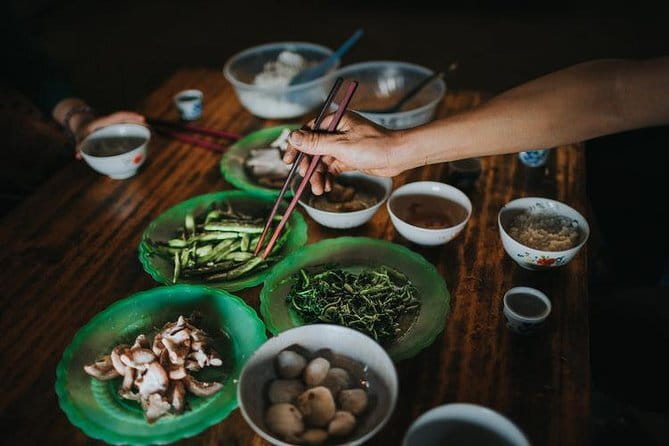
Day one is the long, scenic opener, and it’s where the trek teaches you the rhythm. You start with a cultural intro through traditional costumes of groups in the area, including H’Mong, Dzao, Tay, Zay, and Xa pho. Then you move into the village and terrace zone with the itinerary connecting cultural time to walking time.
Here’s the day’s flow, step by step:
1) Y Linh Ho and village color
You’ll experience traditional costumes up close, then continue to the first trek section. This is one of those good “set your bearings” moments: you see what people wear, understand that identity is tied to community, and then you start the hike that leads into the mountain valleys.
2) Trek through rice terraces and Muong Hoa Stream
The route takes you through rice terraces and along Muong Hoa Stream. Expect the walk to alternate between terrace paths and small stretches with water nearby. Even without exact pace guarantees, this section tends to give you frequent view breaks—great if you like stopping for photos but also good if you prefer just watching the light change across the fields.
3) Lao Chai: Black Hmong village views
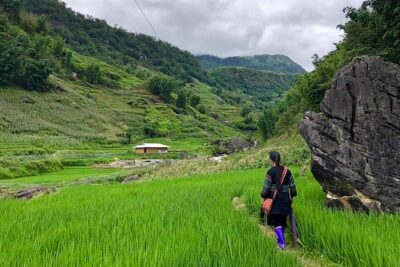
You’ll trek toward Lao Chai, described as a Black Hmong village. This part matters because you’re not only seeing buildings; you’re also seeing the relationship between settlement and the terrain—where paths run, where terraces hold water, and how people live with the slope rather than fighting it.
4) Late afternoon approach to Ta Van
In the late afternoon, you approach Ta Van, where Dzay ethnic people live. The day’s pace is given as about 12 km and roughly 3.5 hours for the trekking portion.
5) Homestay check-in and Dzay family time
After the hike, you check in at your homestay or local house and spend time with your Dzay host family. You’ll have time to watch the sunset and enjoy your meal—either with the family or at the homestay—then sleep for the night.
Drawback to plan around: day one is your foundation day. If you overpack or move too fast early, you’ll feel it by sunset. Keep your pace steady, and treat the final portion into Ta Van as part of the acclimation, not a race.
Day 2: bamboo forest, Red Dzao panoramas, then Ban Ho with Tay hosts

Day two keeps the “walk, look, learn” structure but shifts the scenery feel. You start with breakfast prepared by your host family/local house, then get back into trekking mode through fields and forest.
Morning: rice fields into bamboo forest
You’ll walk through rice fields where the views tend to open up, then head into a bamboo forest section. Bamboo paths can feel cooler and shaded compared with the terrace walking, and it’s a nice change when the day is warm.
Mid-morning: panoramic views of Ta Van to Giang Ta Chai
There’s a key scenic stop described as a panoramic view connecting Ta Van to Giang Ta Chai, which is home to Red Dzao people. This is where it helps to have an experienced guide: you’re looking at multiple village areas from above, and the guide can explain what you’re seeing instead of leaving you with a vague “nice view.”
Lunch in Su Pan
You trek to Su Pan, then have lunch at the home of an H’Mong or Dzao host. That matters because it breaks the day into human-scale moments. It’s not just lunch as fuel; it’s lunch in a community setting.
Afternoon: quieter valley walking to Ban Ho
After lunch, you continue through rice terraces along the valley. The plan highlights peaceful scenery and fewer tourists in this stretch. Practically, this often means the soundscape changes—less traffic, more birds and footfalls—so the trek feels more like moving through the region than moving between checkpoints.
Ban Ho check-in with Tay hosts
You approach Ban Ho village in the afternoon and check in at your homestay. Then you spend time getting to know the Tay family.
You may also have options like farming participation or cooking local food with the family, depending on what’s happening during your dates. If you like hands-on experiences, this is where you’ll likely enjoy the most.
Day 3: Ban Ho sunrise, Nam Toong villages, and back to Sa Pa

Day three starts early enough to enjoy sunrise. You watch the sunrise and have breakfast prepared by the family in Ban Ho. Then the trek resumes with a village walk through Nam Toong, home to Tay and Red Dzao people.
Walking and meeting time
After you reach Nam Toong, you enjoy lunch at a restaurant or local house. The plan includes time meeting local people and learning their way of life, which is a good way to end: you get the culture first, then the food, then the return.
Return to Sa Pa
After lunch, you return to Sa Pa, and the activity ends back at the meeting point.
One consideration: by day three, your body knows it’s a trek. Keep it practical—hydration and sensible pace now matter as much as on day one. You still want the last hours to feel good, not painful.
Worth a glance beside this Hanoi pick:
- Halong Bay Full Day with Kayaking, Hiking viewpoint, Cave – Deluxe To Luxury★ 5.0 · 884 reviews
- From Hanoi: 2-Day Sapa Trekking Trip with Homestay & Meals★ 4.8 · 704 reviews
- Sapa 3 Days 2 Nights Trekking Tour (1 Night In Ta Van Village, 1 Night In Hotel)★ 5.0 · 699 reviews
Giang and the guide-family approach: why timing and route feel personal
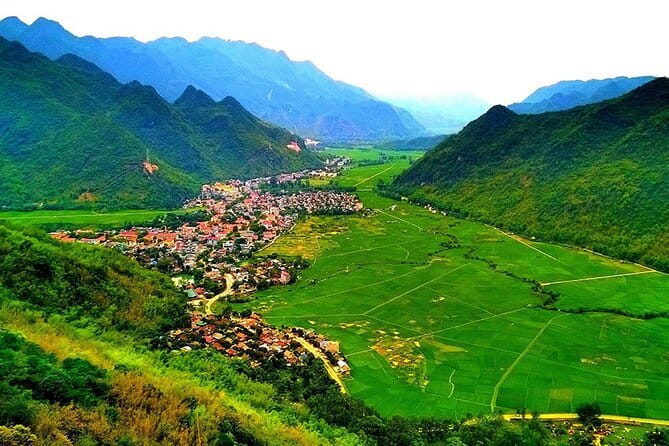
In many trekking tours, the guide is mostly a safety and pace manager. Here, the guide is also a cultural translator—someone who can explain what you’re seeing and who can adjust the day so it fits your group.
A standout detail from the experience descriptions and guide notes is how Giang supports more than just the trail. She’s described as offering helpful suggestions on getting to Sa Pa from Hanoi and coordinating practical pieces like arranging a taxi from the bus office and handling luggage storage. That kind of detail is not glamorous, but it removes stress so you can focus on the trek.
There’s also mention of route and timing being pitched to your requirements. That’s a big deal on a hike with multiple village stops and uneven terrain. If you’re the type who hates being forced into a rigid timetable, this flexibility is one of the best value drivers.
And the family connection matters too. The guide-family setup means you aren’t only being shown around—you’re being folded into the rhythm of the community for meals and evenings.
How hard is it really? Fitness, weather, and what the trek asks of you
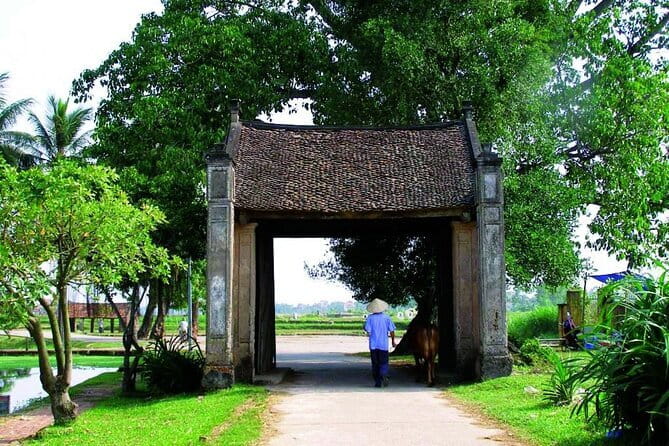
The tour is rated for moderate fitness. Day one includes about 12 km and around 3.5 hours, and the description frames day-by-day trekking as manageable but not casual.
Here’s how to judge difficulty correctly:
- If you can walk 2–3 hours on uneven ground, you’re likely in the right zone for day one.
- Expect some level of hills and village-path terrain.
- Weather matters because the experience notes that it requires good conditions. If conditions are poor, dates may change or you may get a full refund.
Pack smart for mountain walking. Even when the hike is calm, mountain weather can shift fast. Bring shoes with grip, a light rain layer, and sun protection. Also plan for chilly mornings since there’s sunrise watching on day three.
Price and value: what $180 covers and what makes it worth it
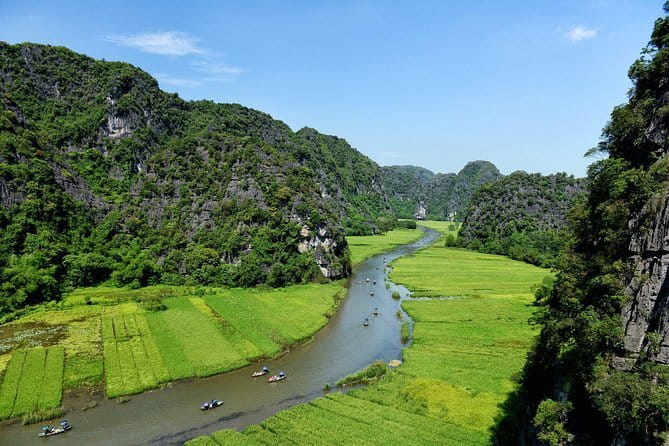
At $180 per person for a 3-day, 2-night guided trek with homestays and multiple meals, the value comes from what’s included and what’s not.
Included meals:
- Breakfast (2)
- Lunch (3)
- Dinner (2)
You’re also paying for:
- A guided route with village cultural time
- Homestay/local-house check-ins
- Pickup offered (depending on your arrangement)
- A private format for your group only
What you don’t want to ignore: travel insurance isn’t included, and the trek depends on weather. That’s normal for active experiences, but it’s important because your costs can multiply if something goes wrong without coverage.
If you compare this to the cost of arranging a guide, paying for homestays separately, and coordinating meals on your own, this price starts to look fair. The biggest “value signal” is that your money supports local families and guides instead of only going to outside operators.
Logistics that make the trip smoother than DIY
The meeting point is at 690 Đường Điện Biên Phủ, TT. Sa Pa, Sa Pa, Lào Cai, Vietnam, and the tour starts at 9:00 am. It ends back at the meeting point.
A few practical notes from the experience info:
- Pickup is offered.
- It’s private, meaning your group is the only group participating.
- Mobile tickets are used.
- Service animals are allowed.
- It’s near public transportation, which can help if you’re staying in Sa Pa already.
One more practical piece: since this is a Hanoi-to-Sa Pa region trip for many people, plan how you’ll reach Sa Pa ahead of time. The guide’s help with taxi and luggage storage is exactly the kind of planning you want to line up early.
Should you book this trek or keep looking?
Book it if you want:
- A trek that mixes rice terraces, streams, and village life in a way that feels lived-in
- Homestay time where you can eat with hosts and spend evenings chatting
- A guide like Giang who can handle both trail logistics and real-world support (route timing, transport tips, luggage coordination)
Keep looking if:
- You want a fully hotel-based comfort level every night. The tour includes homestays and also mentions the option of staying in more authentic local houses.
- You’re not comfortable with moderate hiking and long walking windows. Day one alone is about 12 km.
If you’re on the fence, here’s my simple advice: if you can handle a decent day of walking and you like meeting people beyond a quick market stop, this is a strong choice. The price feels reasonable for what’s included, and the homestay nights are the kind of experience that turns a mountain trek into a story you’ll keep.
FAQ
What’s the trekking distance and time on day one?
Day one includes about 12 km of trekking and lasts roughly 3.5 hours, with time also spent on cultural activities and then checking into your overnight stay.
What meals are included during the trek?
The tour includes 2 breakfasts, 3 lunches, and 2 dinners.
Where do you sleep during the 2 nights?
You stay in homestays or an authentic local house with a local family. The description notes that some homestays include wifi and hot showers, while other stays may be more traditional.
What time does the trek start, and where does it end?
It starts at 9:00 am at 690 Đường Điện Biên Phủ, TT. Sa Pa, Sa Pa, Lào Cai, Vietnam. It ends back at the same meeting point.
Is this a private tour?
Yes. It’s listed as private, so only your group participates.
What happens if the weather is poor?
The experience requires good weather. If it’s canceled due to poor weather, you’re offered a different date or a full refund.
More Hiking & Trekking in Hanoi


More Evening Experiences in Hanoi

More Tour Reviews in Hanoi




Latest Hanoi write-ups from our team





Hiking & Trekking, compared.
 ★ 5.0Halong Bay Full Day with Kayaking, Hiking viewpoint, Cave – Deluxe To LuxuryFrom $38884 reviews
 ★ 4.8From Hanoi: 2-Day Sapa Trekking Trip with Homestay & MealsFrom $71704 reviews
 ★ 5.0Sapa 3 Days 2 Nights Trekking Tour (1 Night In Ta Van Village, 1 Night In Hotel)From $139699 reviews
 ★ 5.03-Day Trekking Adventure of Sapa from Hanoi – Stay Ta Van VillageFrom $109611 reviews
 ★ 5.0Number one top rated ethical cultural trekking and homestay by ETHOSFrom $93456 reviews
 ★ 4.82-Day Sa Pa Ethnic Homestay Tour & Trek with Limousine Bus440 reviews
 ★ 5.0Sa Pa Full Day Trekking TourFrom $25414 reviews
 ★ 5.0Hanoi – Sapa 3 Day 2 Night Trekking With Hotel & HomestayFrom $125389 reviews
Browse the lists this tour appears in