Reviewed · HANOI
Vietnam War: Uncovering Hanoi’s Untold Stories
Hanoi’s war stories don’t fit in a postcard. This stroll puts you close to everyday life under division and shows how places you’ll pass every day connect to wartime decisions, from North and South to unification. I especially liked the way the Kham Thien B52 memorial and nearby neighborhoods turn big events into human-scale moments.
Two things I’d put at the top of your checklist: the 3-hour pacing (with a short taxi mid-walk so you don’t arrive exhausted) and the chance to talk with guides like Dung or Kien and ask real questions without the feeling of sitting in a classroom. You also get coffee or tea as a small reset during the walk.
One consideration: this tour is rain or shine, and you’ll be walking on city sidewalks and local streets, so comfortable shoes matter. Also, it’s not suitable if you have vertigo or epilepsy, since parts of the route involve uneven ground and close quarters.
In This Review
- Key Points You’ll Care About
- Hanoi War Stories You Only Hear on Side Streets
- Where You Meet and How the 3 Hours Flow
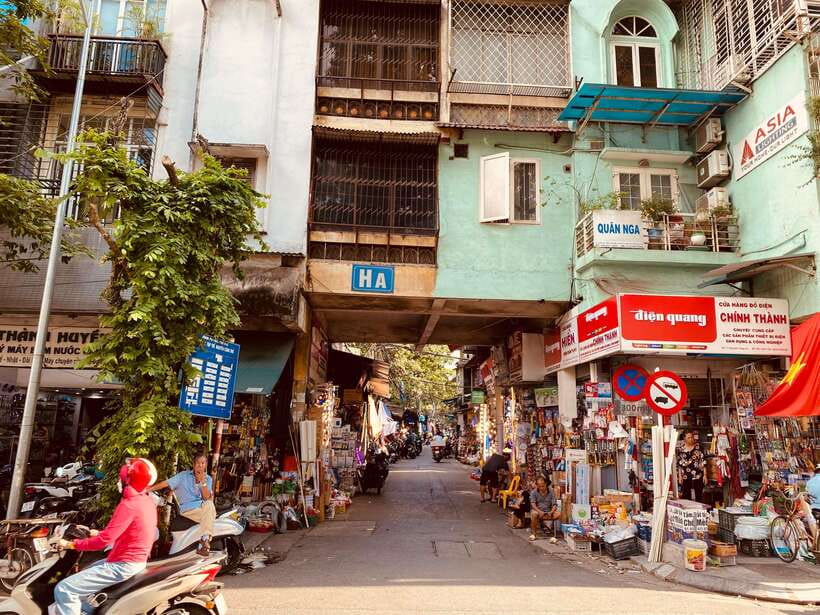
- Cho Gioi Area: Life Under a Planned Economy
- Kham Thien B52 Memorial: When History Has a Shape
- Black-Market Alleys, Communal Housing, and Cold War Reality
- Train Street: Coffee, a Breather, and a New Lens
- Guides Like Kien and Dung: Why the Stories Land
- Price and Value: $28 for More Than Sightseeing
- Who Should Book This (and Who Might Not)
- Should You Book Vietnam War: Uncovering Hanoi’s Untold Stories?
- FAQ
- How long is this tour?
- Where is the meeting point, and where does the tour end?
- What stops are included?
- Is coffee or tea included?
- What should I wear or bring?
- Is it suitable for vertigo or epilepsy?
Key Points You’ll Care About
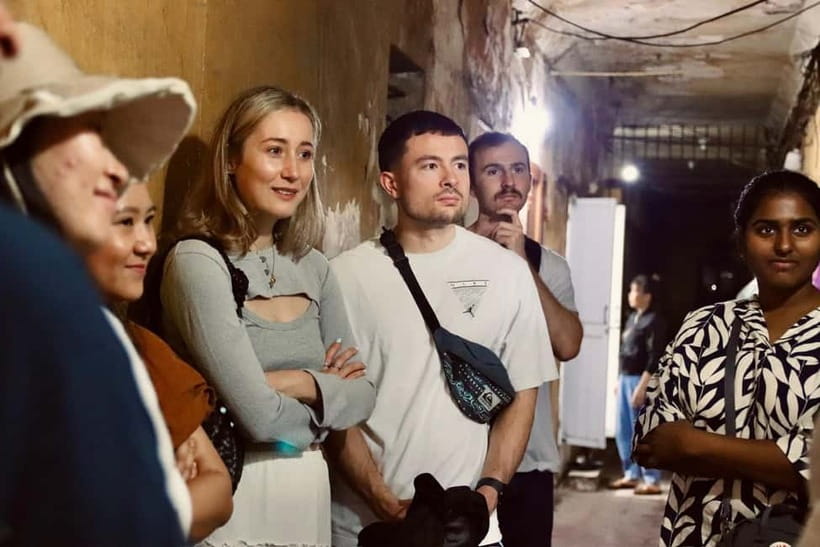
- Cho Gioi area first: you start by grounding the story in local neighborhood life, not grand monuments.
- Kham Thien B52 memorial stop: you’ll connect air-war consequences to what people had to live with afterward.
- Train Street coffee moment: you slow down at the end, so you can digest what you just learned.
- Conversation style: guides like Kien and Dung keep it interactive, with answers that make history feel less abstract.
- Planned economy explained through daily life: you learn how systems shaped what families could buy, sell, and share.
- 20% of profit donated locally: part of what you pay supports help for Agent Orange victims and children’s programs in Hanoi.
Hanoi War Stories You Only Hear on Side Streets
Hanoi has plenty of famous sights. But this experience focuses on the other version of the city: the one shaped by rationing, black-market work, communal housing, and the very real long shadow of Cold War choices.
You’re not just seeing memorials and plaques. You’re learning how ordinary people adapted when Vietnam was divided between communist and anti-communist forces, and how daily life changed when the country moved toward unification. The goal is simple: help you understand why Hanoi looks the way it does now, by tracing what happened to people back then.
And you’ll notice something important from the start. The tour doesn’t treat war as a distant chapter. It treats it like a system that affected jobs, homes, trade, and even what people dared to say.
Not sure yet? See how this one sits next to a few Hanoi favourites.



Where You Meet and How the 3 Hours Flow
You meet at 24B Chua Vua Street, about 2.5 km from Hoan Kiem Lake (or about 3.5 km from Hanoi Old Quarter). The meeting point is in front of a secondary school called Trường Tung học cơ sở Đoàn Kết. Nearby you’ll find a coffee shop and second-hand bicycle shops, which makes it easier to orient yourself.
The stroll lasts about 3 hours. You’ll do most of it on foot, then take a short taxi ride halfway through to reset your legs and keep the timing smooth. That taxi pause also helps you cover ground without turning this into a marathon.
The tour ends back at the meeting point. That’s handy if you want to continue on toward the Old Quarter afterward, or if you’re combining this with another visit later in the day.
Cho Gioi Area: Life Under a Planned Economy
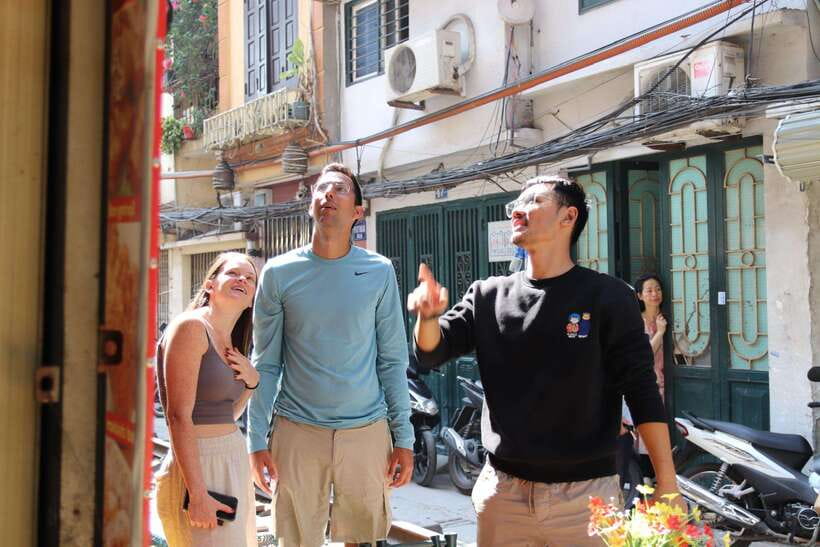
The first stop frames everything that comes later. The Cho Gioi area is a good starting point because it’s the kind of Hanoi that feels everyday, even when the past is heavy.
Here, the story shifts from dates and campaigns to systems. You’ll hear how life worked under a planned economy, and what that meant for people trying to survive day to day. Instead of treating the economy like a textbook concept, the guide ties it to behaviors you can still recognize in the way markets and street trade work.
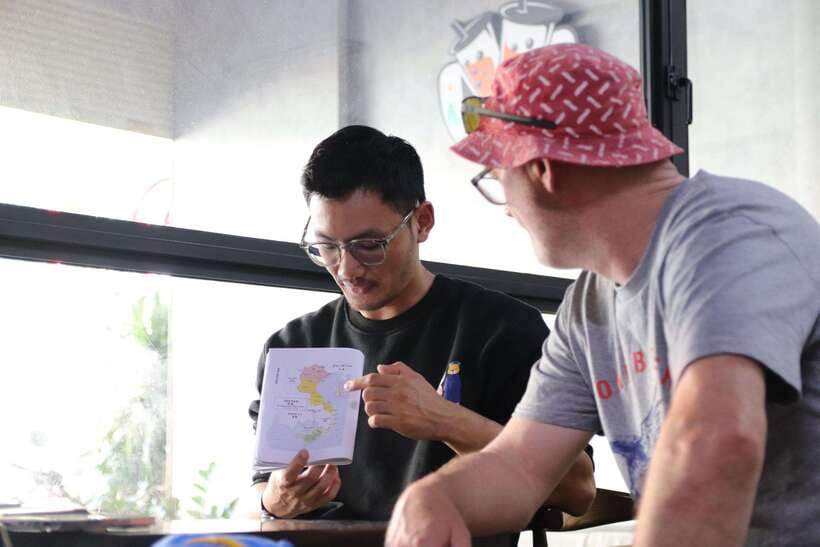
This is where conversation matters. Guides like Kien are known for explaining history in a chatty, grounded way, then responding to your questions on the spot. If you’ve wondered why certain areas developed the way they did, or why people talk about old shortages and work the way they do now, this is the moment you’ll get clarity.
Also, keep your eyes open for details. Even when the tour doesn’t stop at every small thing, the guide’s commentary helps you read the neighborhood like a map.
Kham Thien B52 Memorial: When History Has a Shape
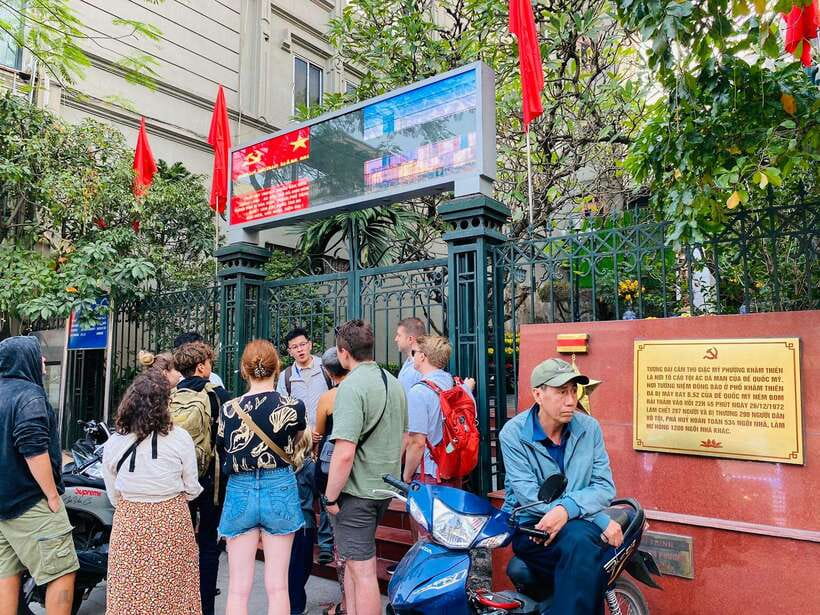
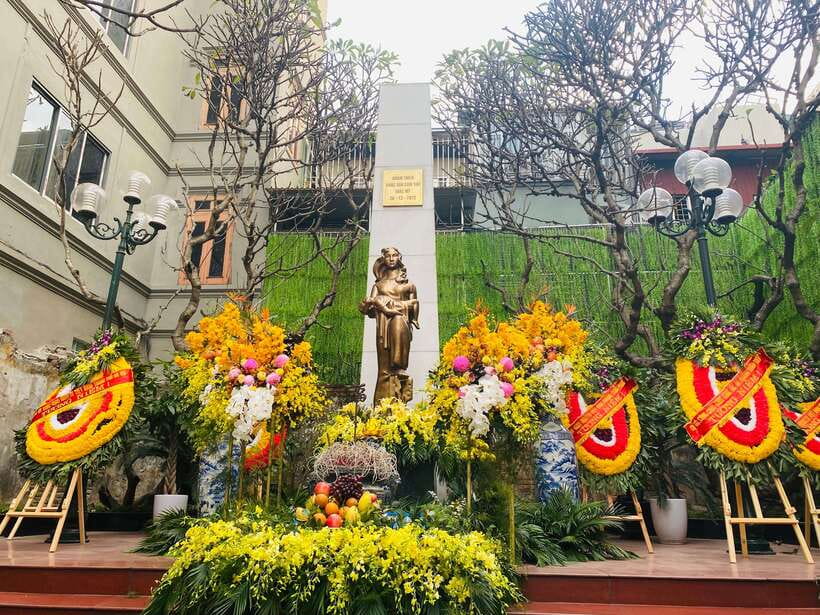
Next comes a stop with a very specific emotional weight: the Kham Thien War memorial connected to the B52 bombing campaign.
Memorials can sometimes feel like they’re designed for quick photo ops. This one is different because the guide uses it as a bridge. You don’t just learn that bombings happened. You learn how air power changed daily routines, how families coped, and what the consequences meant long after the attacks ended.
This is also where the tour’s title makes sense. The experience calls out untold stories, and that’s what you get here: the human cost behind the big labels, plus the way people carried that cost into rebuilding and later politics.
One practical tip: take a moment to stand still at the memorial. If you keep walking too fast, you’ll miss the slower parts of the lesson—especially the parts about how people rebuilt their lives.
Black-Market Alleys, Communal Housing, and Cold War Reality
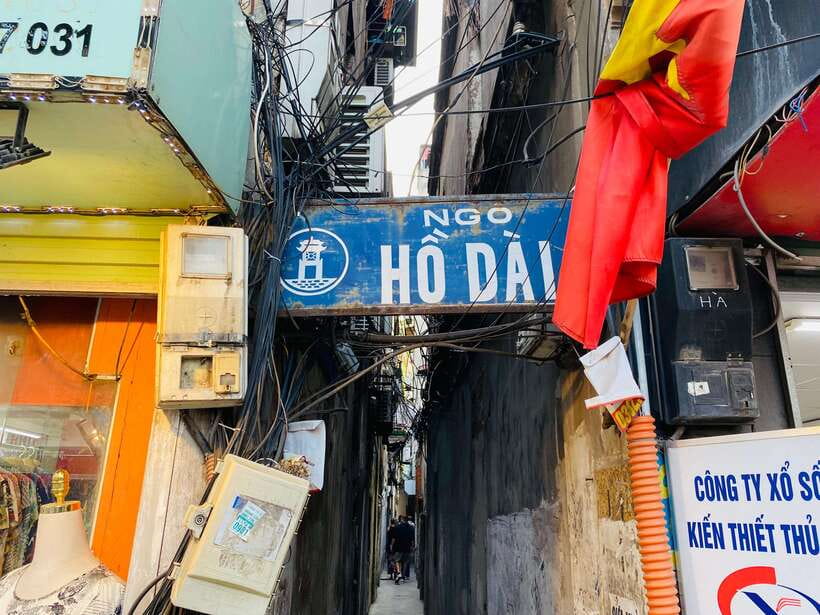
War doesn’t only change what gets destroyed. It changes how people live when rebuilding begins—and how societies organize the basics: housing, work, and access to goods.
On the route, you may also encounter areas tied to communal housing projects and black-market life. This isn’t sensational tourism. The point is to show how people navigated shortages and restrictions in practical, sometimes creative ways.
In fact, the most useful part of this section is the balanced framing. You learn that both sides faced their own realities, and that the lasting effects weren’t just political—they were personal and economic. You see why the story of Vietnam’s unification isn’t just a single moment. It’s a long transition that shaped everyday choices for years.
And if you have history questions, this is where your guide can answer them with specifics. I like when the guide explains how policies moved through real neighborhoods—what people could trade, what families counted as security, and how “normal life” had to be rebuilt under pressure.
You may also stop near remembrance tied to the Christmas bombings of Hanoi. If that happens on your day, treat it as another pause point rather than a quick side note. It’s the kind of moment that makes the rest of the city make more sense.
- Hanoi Motorbike Tour: Food, Culture and Fun by Vintage Motorbike★ 5.0 · 6,699 reviews
- Hanoi: Guided Food Tour with Train Street Visit★ 4.9 · 6,239 reviews
- Hanoi Cooking Class: Culture, Local Market & Meaning CSR Impact★ 5.0 · 5,147 reviews
Train Street: Coffee, a Breather, and a New Lens
Yes, Hanoi Train Street has a reputation. But on this tour, it’s not a “look and leave” stop. It’s a carefully timed breather.
After the war memorial and neighborhood context, you get coffee or tea and time to slow down while the city carries on around you. In some cases, the guide may also stop for snacks and cold drinks, which helps the whole experience feel less intense and more human.
This is a smart way to end a war-focused walk. You don’t just finish with another landmark. You finish with a small pause that lets you reflect on the contrast between what Hanoi endured and what it does now to make life workable.
You’ll also get a better sense of how “tourist Hanoi” and “local Hanoi” share the same streets. The guide’s commentary helps you see that the modern buzz isn’t fake—it’s just another layer over the past.
Guides Like Kien and Dung: Why the Stories Land
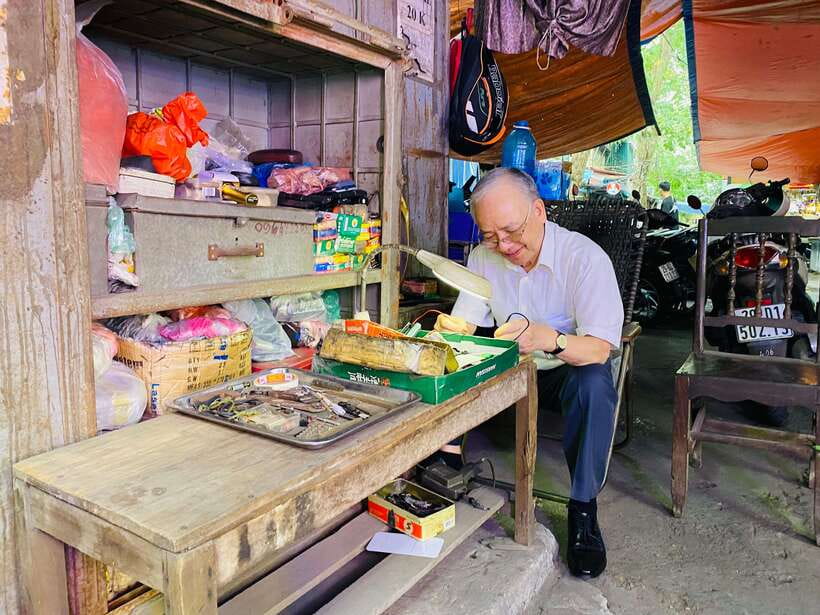
The biggest reason this tour feels different is the human delivery. Guides such as Kien and Dung are praised for storytelling that feels like a real conversation, not a lecture.
That matters more than you might think. Vietnam War history can get tangled fast—too many sides, too many terms, too much propaganda on both sides. A good guide keeps the story moving and focuses on what you can actually understand: how policies affected daily life, how families adapted, and how unification changed what people expected from the future.
From the way people describe the guides, you also get the benefit of questions. You can ask about what you don’t get yet—why the planned economy shaped behavior, what communal living meant, or how people from North and South experienced the transition.
And a nice detail: guides may include small extras like paying for your drink during the coffee stop. Those gestures aren’t the point, but they signal that the tour is meant to feel personal.
Price and Value: $28 for More Than Sightseeing
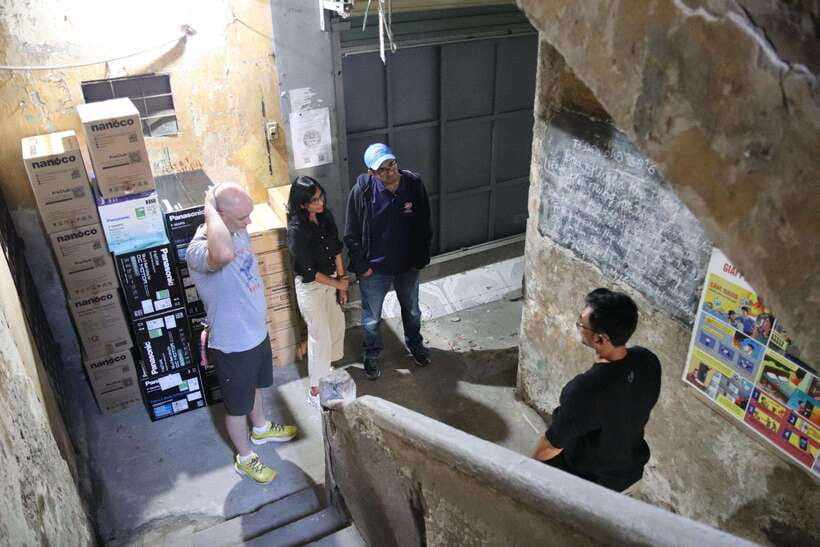
At $28 per person, this is priced like a small local experience rather than a big-ticket “big attraction” tour. What makes it worth thinking about is what you’re getting included:
- A guide focused on specific neighborhood history
- Coffee or tea
- A short taxi ride halfway through
- Stories tied to everyday life, not just war dates
- A donation component: 20% of the profit goes to Vietnam Association for Victims of Agent Orange/Dioxin and Blue Dragon Children’s Foundation in Hanoi
If you care about value, the donation matters because it connects your visit to ongoing local support. You’re not paying for tragedy as entertainment—you’re supporting people dealing with long-term consequences.
Also, the timing helps. About 3 hours is long enough to see meaningful places, but short enough that you can still keep exploring Hanoi the same day without feeling wrecked.
Who Should Book This (and Who Might Not)
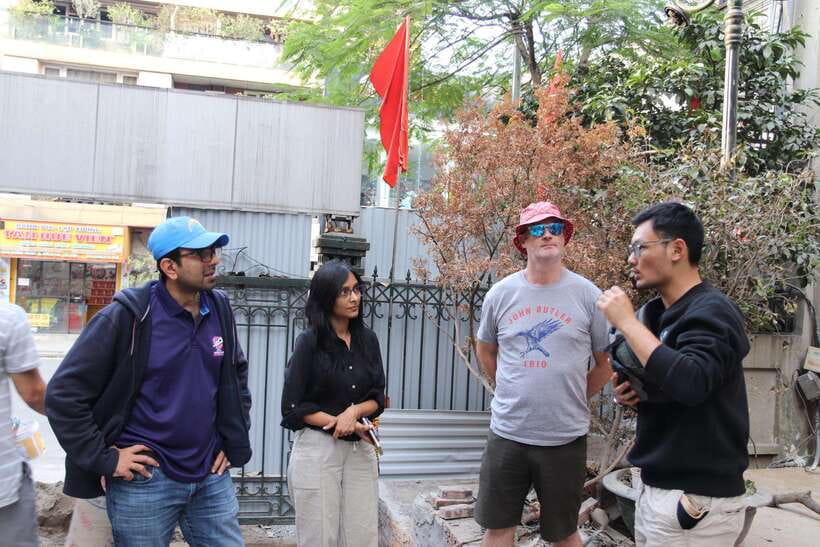
This tour is a strong fit if you want:
- History that connects to how people lived, not only what leaders decided
- A walk through areas off the tourist radar, especially around Cho Gioi
- A guide who can explain the Vietnam War era in a way that feels conversational
- A chance to understand both sides of the North/South division and the path to unification
It’s also ideal for you if you like asking questions. The tone is designed for interaction.
But you should skip it if:
- You have vertigo or epilepsy, since the route isn’t described as suitable for these conditions
- You don’t want weather exposure, because it runs rain or shine
- You’re expecting only major war monuments. This walk spends a lot of time on neighborhood life and the everyday effects, not just big official sites
Should You Book Vietnam War: Uncovering Hanoi’s Untold Stories?
If you’re choosing one Hanoi history walk, I’d seriously consider booking this one—especially if you want the Vietnam War to make more sense in real streets, real homes, and real routines.
You’ll likely leave with a different mental map of Hanoi. Not just where things are, but why certain spaces feel the way they do. The Kham Thien stop gives weight, the Cho Gioi area gives context, and the end at Train Street gives you a human breather to process it all.
Book it if you’re ready for a story that’s frank, grounded, and tied to daily life. Just wear comfortable shoes, bring rain gear if the forecast looks iffy, and give the walk the full three hours. It’s the kind of experience where slowing down actually improves the lesson.
FAQ
How long is this tour?
The stroll lasts about 3 hours, with a short taxi ride halfway through.
Where is the meeting point, and where does the tour end?
Meet at 24B Chua Vua Street, in front of Trường Tung học cơ sở Đoàn Kết. The tour ends back at the same meeting point.
What stops are included?
You’ll visit the Cho Gioi area, the Kham Thien War memorial (B52 memorial), and the Hanoi Train Street area.
Is coffee or tea included?
Yes. Coffee or tea is included.
What should I wear or bring?
Bring comfortable shoes and breathable clothing. Since the experience runs rain or shine, you should check the forecast the day before and bring an umbrella or raincoat if needed.
Is it suitable for vertigo or epilepsy?
No. It is not suitable for people with vertigo or epilepsy.