
Reviewed · SAPA TREKKING TOURS
Sapa Trekking Tour 2 Days 1 Night By Bus
Winding mountain trails beat sitting in traffic every time. This 2 days / 1 night Sapa trek gives you a packed northern Vietnam taste: ethnic minority village time, two guided walks with real-meal breaks, and an overnight that can be as simple as a homestay or as comfy as a hotel.
I really like two things here: the smooth Hanoi pickup plus sleeper bus setup, and the chance to meet communities like the Black H’mong, Dao, and Dzay through village visits and daily-life moments. Your trek days are also built around stops that feel social, not just scenic viewpoints.
One thing to think about: this is trekking with rough sections in places, and the ride timing can vary. One guest reported a slower bus driver on the way to Sapa, turning a planned shorter drive into a longer one with fewer toilet breaks.
In This Review
- Key things to know before you go
- Sapa Trekking Tour in 2 Days: Setting Expectations Fast
- Price and Logistics: Is $85 Good Value Here?
- Day 1: Hanoi Pickup to Sapa Arrival, Then You Start Walking
- The Villages You Actually Visit: Lao Chai, Y Linh Ho, Cat Cat, Giang Ta Chai, Su Pan
- Waterfall Time and Traditional Food Breaks
- Overnight Options: Homestay vs Hotel (and What Each Feels Like)
- Day 2: Morning Dzay Life, Then the Second Trek
- Guides and Group Size: When Names Matter
- Trekking Reality Checks: Terrain, Weather, and the Ride Home
- Packing Tips That Actually Help on This Route
- Should You Book This Sapa Trek in 2 Days 1 Night?
- FAQ
- What time does the tour start?
- Do you get hotel pickup in Hanoi?
- How do you travel to Sapa?
- What’s included in the price?
- Are meals included during the trek days?
- How many people are in the group?
- What villages are visited on the trek?
- What overnight accommodation options are available?
- Can I cancel and get a refund?
Key things to know before you go
- Sleeper bus with hotel pickup from Hanoi Old Quarter keeps the logistics low-stress
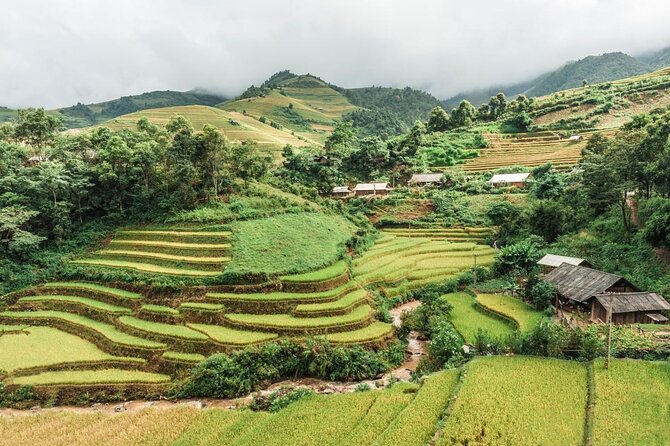
- Village variety: Black H’mong, Dao, and Dzay communities with planned walking days
- Overnight choice: homestay or hotel, including an option up to a 5-star level
- Small group size with a maximum of 15 people, so questions don’t get lost
- Guides matter (I saw names like Vu, Koo, Mu, and Su tied to strong cultural explanations)
- Trek reality check: rough ground and weather can make the “easy” moments feel tougher
Sapa Trekking Tour in 2 Days: Setting Expectations Fast

Sapa is the kind of place where even a short trek can make you feel like you left everything behind. This tour is designed for that exact effect—without asking you to take a week off. You start in Hanoi, ride to Sapa overnight, then walk two days with meals built in.
You’re also not just “walking through scenery.” The route is planned around ethnic minority villages and cultural encounters, including groups connected to Black H’mong, Dao, and Dzay communities. That matters because Sapa trekking can easily turn into souvenir-strip land if a tour gets lazy with its stops.
The pace is solid but not reckless. You’ll want a moderate fitness level, since the ground can be uneven and some sections are described as rough.
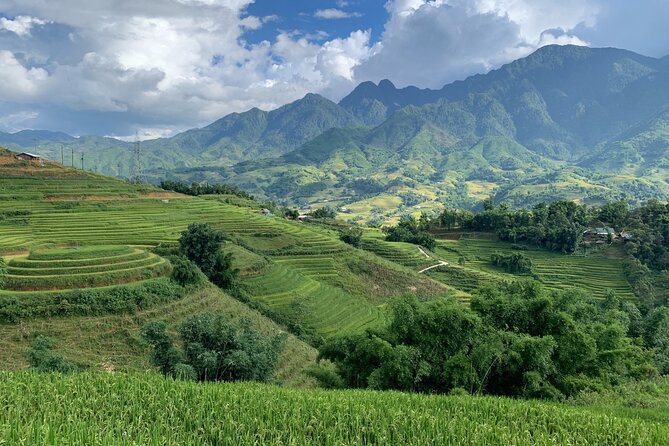
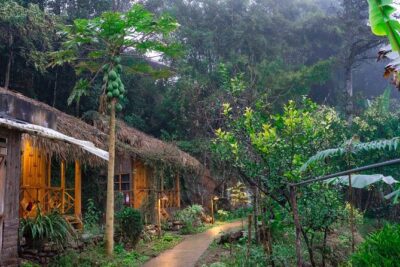
More trails through the Sapa valleys



Price and Logistics: Is $85 Good Value Here?
At $85 per person, you’re paying for more than a couple of hours of hiking. The tour includes air-conditioned sleeping bus, hotel pickup in Hanoi, at least one guided day of village visiting, and meals—breakfast and dinner, plus two lunches.
That pricing structure is often where good value shows up in northern Vietnam. If you tried to buy transport and guides separately, you’d typically spend time and money coordinating. Here, the planning is bundled: you get the ride, you get the guide-led trekking, and you get the food blocks.
Also pay attention to what’s included beyond the headline. You’ll have WiFi on board, admission tickets are free for the listed parts, and there’s a mobile ticket. You’re not juggling paperwork all morning, which is a small detail that becomes a big deal at 6:30 a.m.
Day 1: Hanoi Pickup to Sapa Arrival, Then You Start Walking
You begin early. The tour start time is 6:30 am, and pickup is offered in the Hanoi Old Quarter by taxi to the bus station. Then you depart to Sapa on a sleeper bus.
The goal is simple: arrive in Sapa with daylight left for trekking. One of the listed schedules has you reaching Sapa town around 13:00, then meeting your local guide.
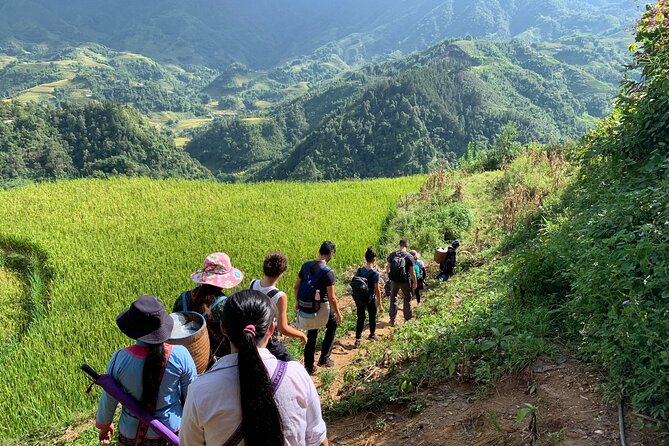
After that, day one becomes your first real taste of highland life. If you choose the homestay option, your afternoon trek starts with a descent into the Muong Hoa Valley toward the Black H’mong village of Lao Chai. The walk is about getting your legs moving and your eyes adjusted to the terraced hills and village patterns right away.
The Villages You Actually Visit: Lao Chai, Y Linh Ho, Cat Cat, Giang Ta Chai, Su Pan
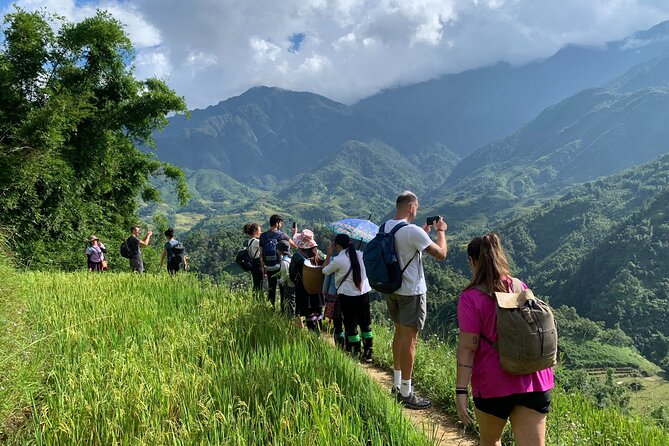
This tour ties the trekking days to specific village names. You’ll see Lao Chai and Y Linh Ho during the Black H’mong-focused portion, and the broader program also includes Cat Cat, Giang Ta Chai, and Su Pan.
Here’s how to think about these stops:
- Lao Chai and Y Linh Ho: These are the kinds of villages where your guide’s explanations help you connect what you see to how people live. You’re not just taking photos—you’re learning what you’re looking at and why the patterns matter.
- Cat Cat: It can be fun for first-timers, especially if you’re curious about traditional costumes and stage-like demonstrations. But there’s also a downside: some people feel it leans touristy, with performance-style viewing rather than everyday life.
- Giang Ta Chai and Su Pan: These are the extra variety stops that spread your day across multiple communities and viewpoints. They also help break up the trek so the day doesn’t feel like one long line of huts and steps.
A practical tip: keep your pace. When you slow down, you’ll notice details—how paths connect, where people gather, and how the terraces shape movement. That’s where Sapa trekking stops being “a walk” and starts becoming a place you understand.
Waterfall Time and Traditional Food Breaks

This tour includes time that’s not just trekking math. You’ll have a chance to swim by a waterfall and also enjoy traditional Vietnamese food.
Swim time in Sapa can be one of those “only in this region” moments. Still, plan like a realist: water can be cold, and rocks can be slippery. Even if you don’t swim, you’ll likely want to keep a dry layer ready for after.
As for food, the tour provides lunches and also covers breakfast and dinner. That’s a big deal because trekking days in mountain weather are when you’ll most appreciate not hunting for a meal while you’re tired.
Worth a glance beside this Hanoi pick:
- Hanoi Motorbike Tours Led By Women: Hanoi By Night Foodie Motorbike Tours★ 5.0 · 1,734 reviews
- From Hanoi: Ha Long – Bai Tu Long Bay 2-Day 1-Night Cruise★ 4.6 · 1,113 reviews
- Halong Bay Cruise 2 days 1 night from Hanoi included transfer★ 5.0 · 1,061 reviews
Overnight Options: Homestay vs Hotel (and What Each Feels Like)

This is where the tour has real flexibility. You can pick an overnight homestay experience or a hotel option, with the tour description noting choices from homestay up to a 5-star hotel.
Homestay is usually about connection and routine. You’ll get morning and daily-life moments tied to local families—especially if you choose the homestay schedule on day two, where you wake up to the daily life of a Dzay minority and have breakfast with the Dzay family.
Hotel is usually about comfort and recovery. After trekking, that matters. One strong detail from guide-focused feedback is that warmth gear can be appreciated after a rainy walk—people specifically mentioned a heating blanket being helpful.
So how do you choose?
- If you want cultural exchange, choose homestay.
- If you want to sleep well and reset your body, choose hotel.
- If you’re on the fence, pick the one that matches your energy level. There’s no point choosing homestay if you’re planning to be miserable from exhaustion.
Day 2: Morning Dzay Life, Then the Second Trek

Day two depends on which overnight option you picked.
If you stayed in a homestay, you start early. The plan includes waking up to the day-to-day rhythm of the Dzay community, then having breakfast with the family before you check out. After that, you start a shorter trek in the 6–8 km range, and the route is still focused on village context rather than only panoramic photos.
If you stayed in a hotel, day two shifts into a longer walk right after breakfast and checkout. The program lists a 12 km trek downhill for the hotel option, with a different set of timing changes compared to the homestay schedule.
Either way, day two is about finishing with enough variety that you don’t feel like you repeated the same afternoon twice. Your final day keeps the theme: walking routes that connect ethnic communities and viewpoints, plus a clear meal pattern to prevent you from getting wrecked halfway through.
Guides and Group Size: When Names Matter
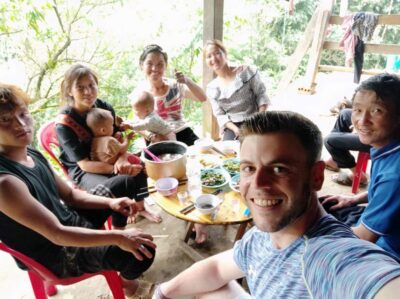
This tour runs with a maximum of 15 travelers, which is perfect for trekking. You get enough people for a lively group vibe, but small enough that your guide can still answer questions and keep the group together.
The guide quality shows up clearly through names like Vu, Koo, Mu, and Su. Strong guiding here isn’t just translation—it’s context. You get explanations that help you understand why people live in certain areas, how they view their surroundings, and what to notice beyond the obvious.
I also think this is where the tour’s value really lives. In Sapa, the scenery is easy to market. The explanation is what makes it memorable.
One more small reality check: if you’re on the trail, you might encounter locals who approach you to sell items. It can feel like you’re being followed. That’s not something a guide can always fully remove, but a good guide can help you handle it calmly and respectfully.
Trekking Reality Checks: Terrain, Weather, and the Ride Home
Sapa trekking is weather-sensitive. You’ll do best when the day is clear enough to make walking routes and viewpoints worth it. The tour also notes that it needs good weather, which matters because trekking plans change when conditions are poor.
Terrain is another factor. One guest called out rough ground in parts, and mentioned needing help from local women on the trickiest sections. That’s a reminder: you don’t need to be an athlete, but you do need stable shoes and a willingness to go slower than you might on flat paths.
Then there’s the sleeper bus. This is where your experience can swing from smooth to annoying. One reported issue was a slow driver on the way to Sapa, with a planned shorter drive taking longer and including only one toilet stop after about five hours. On the return trip, they said the bus driver was better.
My practical advice: pack patience. If you’re sensitive to long rides, bring a small snack, water, and plan for fewer breaks than you’d like.
Packing Tips That Actually Help on This Route
You don’t need fancy gear, but you do need the basics for mountain weather and muddy paths.
I’d bring:
- Good hiking shoes with grip for rough and possibly wet sections
- A rain layer and something warm for after trekking
- A small daypack so your hands stay free
- A lightweight warm layer, since Sapa mornings and rainy walks can chill you fast
- Any essentials for bus time (water, snacks), even though meals are included
If you’re doing the homestay option, it also helps to have a little “comfort kit.” Even small warmth items can make a difference, and people have specifically appreciated heating support after trekking in rain.
Should You Book This Sapa Trek in 2 Days 1 Night?
Book it if you want a guided Sapa experience that’s structured and not chaotic. The Hanoi pickup + sleeper bus combo alone saves you headaches, and the tour includes enough meals and planning that you won’t spend day one and day two stressed about logistics.
Choose the homestay if your priority is cultural contact—especially the Dzay morning daily-life time. Choose the hotel if you want more comfort and an easier recovery after tougher walking.
Skip it or reconsider if:
- you’re expecting totally easy walking the whole way, or
- you don’t handle long bus rides well (timing can vary), or
- you’d hate any part of the program that feels more tourist-focused (Cat Cat has that risk).
Overall, for the money, this is a strong way to get into Sapa quickly, see multiple communities, and still have a clear “what happens when” plan.
FAQ
What time does the tour start?
The tour starts at 6:30 am.
Do you get hotel pickup in Hanoi?
Yes. Pickup is offered, with taxi transfer from the Hanoi Old Quarter to the bus station.
How do you travel to Sapa?
You travel from Hanoi to Sapa by sleeper bus.
What’s included in the price?
The tour includes breakfast, dinner, two lunches, an air-conditioned sleeping bus, WiFi on board, all fees and taxes, and admission tickets (listed as free). A private transportation option is not included.
Are meals included during the trek days?
Yes. Breakfast, dinner, and lunch (2) are included.
How many people are in the group?
The maximum group size is 15 travelers.
What villages are visited on the trek?
The program includes visits connected to the Black H’mong, Dao, and Dzay people, and it specifically lists Cat Cat, Giang Ta Chai, and Su Pan.
What overnight accommodation options are available?
You can choose from homestay to hotel options, including a choice up to a 5-star hotel.
Can I cancel and get a refund?
Free cancellation is available up to 24 hours in advance for a full refund. Within 24 hours, the amount paid is not refunded. The tour also notes it requires good weather. If canceled due to poor weather, you’ll be offered another date or a full refund.
More Tours in Hanoi
- Ninh Binh Full-Day Tour from Hanoi to Hoa Lu, Tam Coc & Mua Cave Via Boat & Bike
★ 5.0 · 4,384 reviews





More Tour Reviews in Hanoi


More Sapa Treks We Walked

Latest Hanoi write-ups from our team






Sapa Trekking Tours, compared.
 ★ 5.0Sapa 2 Days 1 Night From Hanoi – Overnight in Ta Van VillageFrom $592,669 reviews
 ★ 5.0Hanoi – Sapa 2 Days 1 Night Overnight At HomestayFrom $89899 reviews
 ★ 5.0Sapa: Fansipan Cable, Cat Cat Village & Moana Instagram TourFrom $30777 reviews
 ★ 4.8From Hanoi: 2-Day Sapa Trekking Trip with Homestay & MealsFrom $71704 reviews
 ★ 5.0Sapa 3 Days 2 Nights Trekking Tour (1 Night In Ta Van Village, 1 Night In Hotel)From $139699 reviews
 ★ 5.03-Day Trekking Adventure of Sapa from Hanoi – Stay Ta Van VillageFrom $109611 reviews
 ★ 5.0Sapa 2 Days 1 Night From Hanoi – Overnight in HotelFrom $89440 reviews
 ★ 4.82-Day Sa Pa Ethnic Homestay Tour & Trek with Limousine Bus440 reviews
Browse the lists this tour appears in