

Reviewed · SAPA TREKKING TOURS
Sapa Trekking 3 Days 2 Nights (Homestay) – Departure From Hanoi
That early morning pick-up really sets the pace. This 3-day Sapa trek from Hanoi mixes ethnic village walks with homestays in the valley, so you’re not just watching northern Vietnam from a bus window. You’ll travel by air-conditioned bus, hike through rice fields and forest paths, and sleep in real homes run by local families.
I especially like the way the itinerary builds in genuine village time. Homestays in Ta Van and Giang Ta Chai mean you’re eating meals at the household level and getting a calmer, more personal feel than you’d get in a town hotel. One consideration: parts of the trek can bring persistent sellers along the route, and that can affect your peace on the trail if you prefer quiet walking.
In This Review
- Key things to notice before you go
- Getting from Hanoi to Sapa: the air-conditioned start that matters
- Day 1: Y Linh Ho (Black H’mong) fields to Tả Van life
- Day 2: Bamboo forest, a waterfall stop, and Giang Ta Chai (Red Dao)
- Day 3: Su Pan trekking, Hau Thao best views, and back to Sapa
- Homestay living in Ta Van and Giang Ta Chai: what you’re really buying
- Price and value around $98.74: what you’re actually getting
- Logistics and pace: when the day feels busy (and when it won’t)
- Who should book this trek (and who should skip it)
- Should you book Sapa Trekking 3 Days 2 Nights from Hanoi?
- FAQ
- How long is the Sapa trekking tour?
- Where do I stay during the trek?
- What meals are included?
- What time and meeting point are used in Hanoi?
- Is transportation included, and is it air-conditioned?
- What if the weather is poor or I need to cancel?
Key things to notice before you go
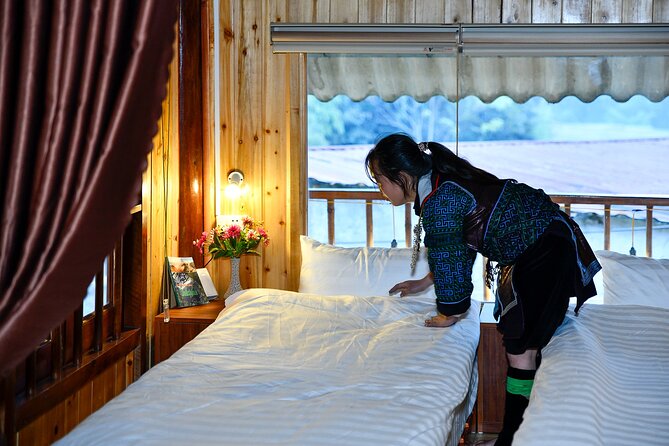
Homestay nights in Ta Van and Giang Ta Chai
Two overnights, so you actually slow down after hiking instead of just passing through.
Black H’mong and Red Dao village stops
You’ll walk to Y Linh Ho and Giang Ta Chai to see how different ethnic communities live and dress.
Moderate fitness with real trail time
You should expect multi-hour trekking days and narrow paths where good shoes matter.
Meals are handled for you
Lunches, dinners, and breakfasts are included, which lowers stress (and cost) on the ground.
Small group size (up to 15)
This usually makes the pace easier to manage and helps the guide keep the group together.
Getting from Hanoi to Sapa: the air-conditioned start that matters
The day begins early in Hanoi’s Old Quarter. You’ll meet at 6:30 am at your hotel lobby, then board an air-conditioned bus heading to Sapa. The drive takes time, so the bus includes two short breaks, which helps you arrive less stiff and more ready to walk.
Arriving around 1:00 pm, you don’t waste the first afternoon. You transfer by van to the trekking area and then start hiking later in the day. This matters because in Sapa, weather and energy can swing fast. Having transport sorted keeps the trek from turning into a logistical scramble.
If you’re coming straight from a late night in Hanoi, this tour will still pull you back into a morning rhythm. I’d plan an earlier bedtime the night before so your trekking day feels fun instead of forced.
More trails through the Sapa valleys




Day 1: Y Linh Ho (Black H’mong) fields to Tả Van life
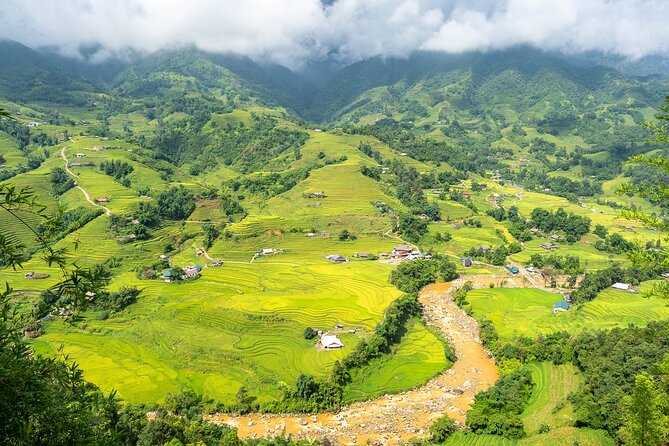
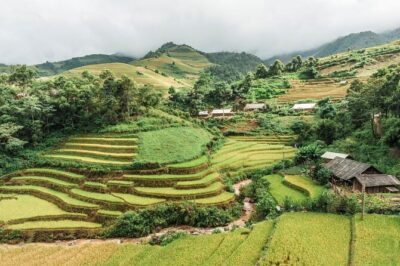
Day 1 is the “get your bearings” trek. You start walking around 2:30 pm toward Y Linh Ho, a village linked with the Black H’mong community. This part of the hike is focused on seeing everyday life close up—fields, paths, and small village scenes rather than big-ticket sights.
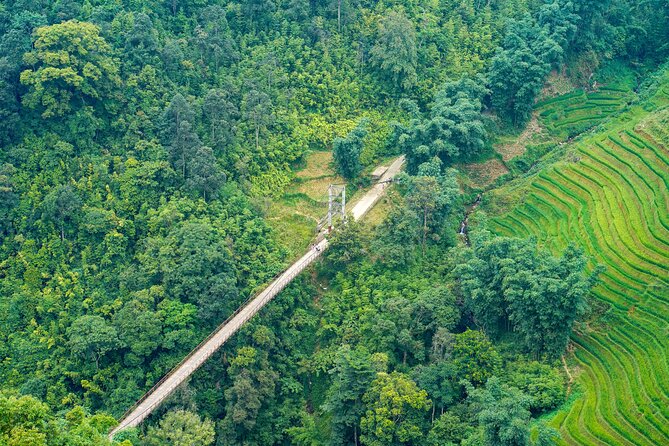
After Y Linh Ho, you continue toward the village area of Lao Chai and then on toward Tả Van. The route is described as narrow paths through fields, which is exactly what makes Sapa treks memorable. You’re not sitting in a scenic car. You’re moving at walking speed, so your brain has time to register details: how people farm the slopes, how paths connect homes, and how the hills change as you walk.
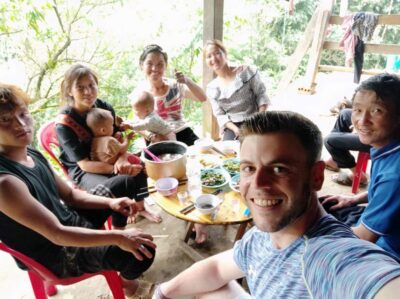
You’ll eventually settle into your first homestay in Tả Van. This is where the tour shifts from sightseeing to living. In past stays around these villages, families like Chin and Cha have been known for treating visitors in a family-style way, and people often talk about food that shows up right after a hard day of walking. Even without a huge performance of hospitality, the simple rhythm—meal, rest, conversation—tends to be the real payoff.
Drawback to plan for: if sellers cluster near village edges or along popular paths, they can follow at a walking pace. If that’s a deal-breaker for you, go in with a calm plan: keep your pace steady, don’t engage, and let your guide handle any direct communication if needed.
Day 2: Bamboo forest, a waterfall stop, and Giang Ta Chai (Red Dao)
After breakfast, you’ll say goodbye to your homestay hosts around 9:00 am. Day 2 shifts scenery. You’ll trek through a bamboo forest and pass by a waterfall area before reaching Giang Ta Chai village.
The value here is not just the scenery. Bamboo forest trails tend to feel cooler and quieter than open fields, which makes the walking easier mentally. And a waterfall stop adds a natural reset point—good for photos, stretching, and catching your breath before the final village segment.
Giang Ta Chai is connected with the Red Dao community. In village time like this, you’re usually learning through what you can observe: daily routines, local clothing, and how homes fit into the terrain. You’ll also have an English-speaking local guide, which helps you understand what you’re seeing instead of just walking through it.
This is also the day where you’re most likely to notice how well you packed. When trails combine forest shade, wet patches, and uneven ground, decent footwear helps. Bring something you trust. The tour calls for moderate physical fitness, which is a good sign: it’s not a mountain climb, but it’s still real hiking.
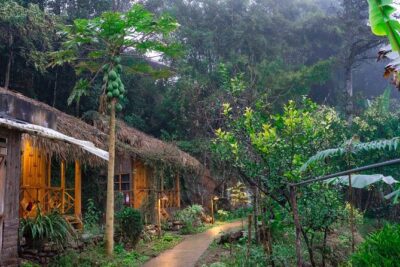
By the end of Day 2, you’ll move into your second homestay night in the Giang Ta Chai area. Many homestays in this region are described as clean, welcoming, and practical. In some stays, people also mention better-than-expected comfort like hot shower access and comfortable bedding, plus meals that are straightforward but satisfying after trekking.
Day 3: Su Pan trekking, Hau Thao best views, and back to Sapa
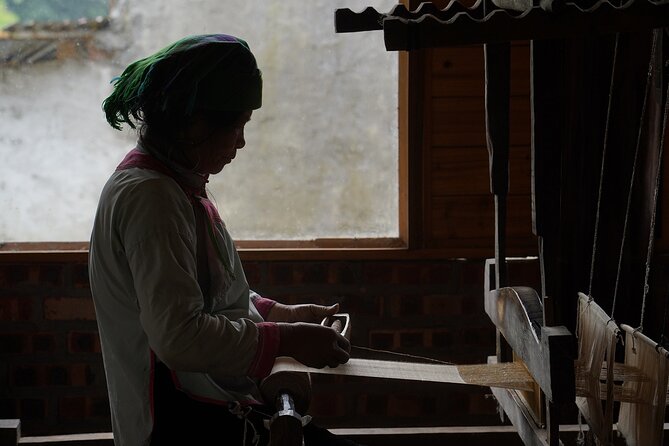
Day 3 starts with village life. You wake up around 8:00 am, breathe in the fresh air, and enjoy breakfast in the village. This part can feel surprisingly restful, because you’re not packing and moving right away—you’re getting one calm morning before the final hike.
Around 9:00 am, you set off again, trekking toward Su Pan village. The itinerary then brings you to Hau Thao at about 11:00 am, described as a place to see the best view. This is classic Sapa timing: mid-morning views often look clearer than late afternoon, and it’s far enough into the day that your body is warmed up but not exhausted yet.
Then the tour becomes about recovery and logistics. Between 1:00 pm and 1:30 pm, a car picks you up and returns you to Sapa town, where you can relax at Sapa House Hotel until your afternoon bus back to Hanoi.
Why this structure works: you get a final high point (Hau Thao) and then you get downtime. That makes the ride back more tolerable, especially because the tour includes bus transportation to and from Hanoi, not just one-way logistics.
Homestay living in Ta Van and Giang Ta Chai: what you’re really buying
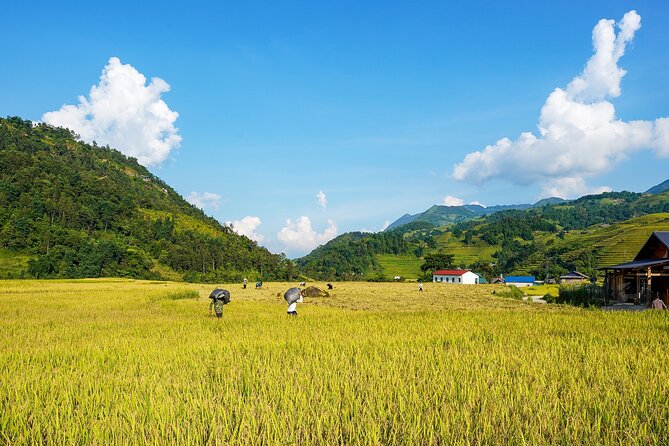
The headline feature is homestay, but here’s what that means in practice. You’re sleeping in a village household, which usually comes with home-style meals and a slower rhythm. The tour includes 2 nights total—one in Tả Van and one in Giang Ta Chai—so you get more than a quick overnight stop.
Based on real experiences shared with homestays around this area, the strongest stays often feel like family support rather than a hotel service script. People have highlighted owners like Chin and Cha, and also families such as the Song family, with descriptions like warm welcome, comfortable beds, and clean facilities. Some also mention extras that go beyond expectations, like shared evening games or a motorbike trip to a nearby cascade for a swim.
You should still expect “homestay basics,” not five-star amenities. But the included setup is designed to reduce friction: breakfasts and most meals are covered, and you’re not left guessing what to do after hiking.
If you want to make the most of homestay time, keep your attitude simple and curious. Ask about daily life in a respectful way. And accept that you may not always understand every word—this is where the guide’s translation (and your own patience) makes a difference.
Worth a glance beside this Hanoi pick:
- Halong Bay Full Day with Kayaking, Hiking viewpoint, Cave – Deluxe To Luxury★ 5.0 · 884 reviews
- From Hanoi: 2-Day Sapa Trekking Trip with Homestay & Meals★ 4.8 · 704 reviews
- Sapa 3 Days 2 Nights Trekking Tour (1 Night In Ta Van Village, 1 Night In Hotel)★ 5.0 · 699 reviews
Price and value around $98.74: what you’re actually getting
At about $98.74 per person, this is positioned as a budget-to-midrange trek. The best way to judge value is to count what’s included and what that prevents you from paying separately.
Here’s the value math that matters:
- Transport included: an air-conditioned bus from Hanoi to Sapa and back, plus insurance while using the bus.
- Meals included: 3 lunches, 2 dinners, and 2 breakfasts.
- Local guide included: English-speaking guide support for the village walking sections.
- Fees and taxes included: you’re not chasing extra tickets.
So you’re paying for logistics, food, and interpretation—not just walking time. In Sapa, that’s a big deal because transport and meals can add up quickly if you organize everything yourself.
One cost note: there’s a $20 single room surcharge. If you’re traveling solo and want a private room, plan for that add-on. If you’re fine sharing, you’ll likely stay within the advertised base price.
Logistics and pace: when the day feels busy (and when it won’t)

This tour runs on a fixed rhythm: early start in Hanoi, then arrival mid-afternoon, then full trekking days, then a final view stop before heading back. That can feel packed, but it’s also the reason the trek works without long waiting times.
Key time anchors:
- 6:30 am meet-up in Hanoi Old Quarter
- around 1:00 pm arrival in Sapa
- hikes starting mid-afternoon Day 1, late morning Day 2, and morning Day 3
- 1:00–1:30 pm pickup back to town on Day 3
This is also a small group experience, with a maximum of 15 people. That usually helps the guide keep the pace manageable and reduces the chance you’ll be split up on narrow trails.
The biggest practical consideration is footwear and comfort for multi-hour walking on uneven paths. Bring layers for temperature changes, and keep a rain-ready plan since the tour says it requires good weather.
Who should book this trek (and who should skip it)
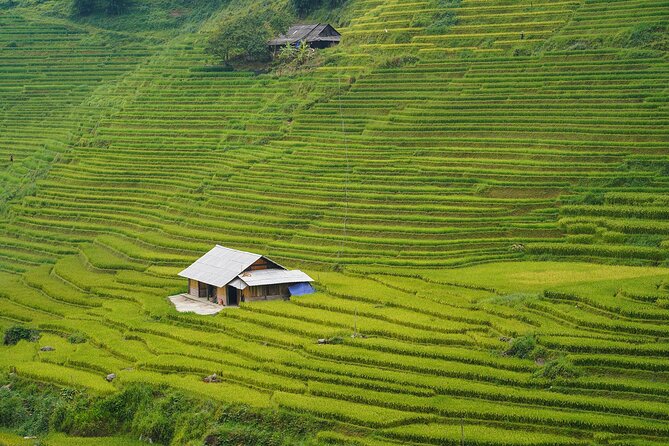
This Sapa trekking tour fits you best if you want:
- a short but real hike (moderate fitness)
- village contact with ethnic communities like Black H’mong and Red Dao
- homestays in Ta Van and Giang Ta Chai, not just hotel nights
- included meals and a guide in English, so you’re not figuring everything out alone
You might want to skip it if:
- you strongly dislike being approached by sellers on or near trekking routes
- you need a very unstructured itinerary with lots of free time
- you’re not comfortable with early starts and a steady multi-day pace
If you’re the type who likes calm, local experiences and can roll with basic trail conditions, this kind of trek tends to feel worth every step.
Should you book Sapa Trekking 3 Days 2 Nights from Hanoi?
I think you should book if your goal is simple: walk between villages, sleep with local families, and let a guide handle the coordination. The included bus, meals, and two homestays make the price feel more fair than many bare-bones treks where you end up paying for everything separately.
Before you commit, think about one thing: your tolerance for trail interruptions. If sellers follow you for parts of the route, having that awareness helps you stay calm and keep your focus on the hike and village stops.
If that consideration doesn’t bother you, this is a strong way to see Sapa beyond the town center without turning the trip into a hectic schedule.
FAQ
How long is the Sapa trekking tour?
The tour runs for 3 days and includes 2 nights in homestays.
Where do I stay during the trek?
You stay in homestays for 2 nights in Ta Van village and Giang Ta Chai village.
What meals are included?
The tour includes 3 lunches, 2 dinners, and 2 breakfasts.
What time and meeting point are used in Hanoi?
You’re picked up at 6:30 am from your hotel lobby in Hanoi’s Old Quarter.
Is transportation included, and is it air-conditioned?
Yes. You travel by comfortable air-conditioned bus from Hanoi to Sapa and back, with insurance covered during bus travel.
What if the weather is poor or I need to cancel?
The experience requires good weather. If it’s canceled due to poor weather, you’ll be offered a different date or a full refund. For cancellations, you can cancel up to 24 hours in advance for a full refund. Less than 24 hours before the start time isn’t refunded.
More Hiking & Trekking in Hanoi


More Tour Reviews in Hanoi





More Sapa Treks We Walked

Latest Hanoi write-ups from our team






Sapa Trekking Tours, compared.
 ★ 5.0Sapa 2 Days 1 Night From Hanoi – Overnight in Ta Van VillageFrom $592,669 reviews
 ★ 5.0Hanoi – Sapa 2 Days 1 Night Overnight At HomestayFrom $89899 reviews
 ★ 5.0Sapa: Fansipan Cable, Cat Cat Village & Moana Instagram TourFrom $30777 reviews
 ★ 4.8From Hanoi: 2-Day Sapa Trekking Trip with Homestay & MealsFrom $71704 reviews
 ★ 5.0Sapa 3 Days 2 Nights Trekking Tour (1 Night In Ta Van Village, 1 Night In Hotel)From $139699 reviews
 ★ 5.03-Day Trekking Adventure of Sapa from Hanoi – Stay Ta Van VillageFrom $109611 reviews
 ★ 4.82-Day Sa Pa Ethnic Homestay Tour & Trek with Limousine Bus440 reviews
 ★ 5.0Sapa 2 Days 1 Night From Hanoi – Overnight in HotelFrom $89440 reviews
Browse the lists this tour appears in