

Reviewed · SAPA TREKKING TOURS
Sapa trekking 2days by bus from Hanoi ( over night in homestay)
Pre-dawn Hanoi to mountain villages in two days. That’s the hook of this Sa Pa trek from Hanoi by overnight bus and homestay. You’ll spend time walking between real ethnic villages, with mountain views and terraced fields in the mix, plus meals handled for you and a local English-speaking guide who knows the places you pass through.
I like this tour for the village-focused trekking: Lao Chải, Ta Van, then Giang Tả Chải, with cultural stops rather than just point-to-point sightseeing. I also like the small group feel (max 15) and the way the guiding shows up in the details, with standout guides like Zu, Nhu, Khu, Khu Ly, and Chinh who are repeatedly praised for clear English and practical help.
One thing to consider: the trek can be more about muddy rice-field paths and valley walking than a big mountain climb. If you’re expecting steep ridgelines all day, you might feel the hike is flatter than imagined, especially after rain.
In This Review
- Key things to know before you go
- Two days in Sa Pa: what this trip really delivers
- Starting from Hanoi: the Old Quarter pickup at 6:30
- The bus ride and your midday reset in Sa Pa
- Day 1 walk: Lao Chải into Ta Van culture
- Lao Chải: the Black H’mong valley start
- Ta Van: where the vibe changes from viewing to living
- Homestay night in Ta Van: the part you remember
- Day 2 trek: bamboo forest, rice fields, and a suspension bridge
- Back to town by lunch, then Hanoi by evening
- Price and value: is $79 a fair deal?
- Guides matter: why Zu, Nhu, Khu, Khu Ly, and Chinh show up in the praises
- The main drawbacks to plan around: pace, mud, and selling moments
- Expect muddy rice-field walking, not constant mountain climbing
- You may encounter frequent selling at village points
- Weather can change the plan
- Packing tips that match this exact route
- Who should book this Sa Pa trek from Hanoi
- Should you book it? A quick decision checklist
- FAQ
- FAQ
- What time does the trip start in Hanoi?
- Where does the tour end?
- What’s included in the price?
- Is the homestay included for one night?
- Do I have transportation during the trekking?
- How physically demanding is the trek?
- How large is the group?
Key things to know before you go
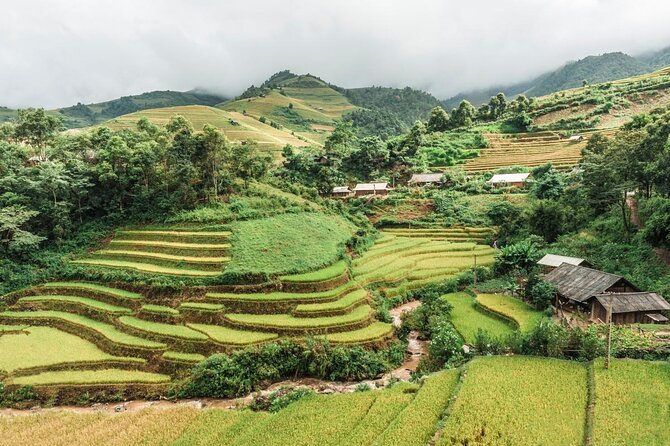
- Early pickup in Hanoi (Old Quarter) keeps the schedule efficient for a 2-day trip.
- Overnight homestay in/near Ta Van means you’re sleeping where the village life is.
- Lao Chải and Ta Van give you a strong first look at minority culture and homes.
- Giang Tả Chải route includes bamboo forest, rice fields, and a suspension bridge crossing.
- Local English-speaking guides are a major highlight, with Zu and others earning high praise.
- You walk for the trekking; no transportation is provided during the hikes.
Two days in Sa Pa: what this trip really delivers

Sa Pa is famous for crisp northern air and big mountain scenery, but the best part is what sits in between the views: the villages and the farming. This 2-day trek is built to get you from Hanoi into the walking rhythm quickly, then slow down just enough to feel the village change of pace.
You’re not doing a “see the highlights, take photos, leave” plan. Instead, the route connects Lao Chải and Ta Van first, then moves toward Giang Tả Chải with a trail through bamboo and rice. That village-to-village structure matters because you’re able to compare how people live across valleys and farming zones—especially with the guide explaining customs and day-to-day life as you go.
The small group size also helps. When there are fewer people, it’s easier for a guide to keep track of the pace and answer questions, and that’s exactly what the best guide reviews seem to focus on.
More trails through the Sapa valleys




Starting from Hanoi: the Old Quarter pickup at 6:30
This trip begins at 54 P. Hàng Tre, Lý Thái Tổ, Hoàn Kiếm, Hà Nội, with pickup available in the Old Quarter. Start time is 6:30 am, and the bus departs from there shortly after your pickup window.
Why this matters: if you live outside the Old Quarter, you’ll want to plan how you’ll get to the meeting point early. The tour’s pickup is limited to that area, so don’t count on last-minute “easy fixes” if you’re staying elsewhere.
On the road, you get one or two short breaks so you can use the restroom and stretch your legs. This is a long travel day at the beginning, so the breaks aren’t a luxury—they help you arrive in Sa Pa with enough energy to actually enjoy the trekking later.
The bus ride and your midday reset in Sa Pa
The schedule is designed so you’re not trekking immediately after arrival. You typically reach Sa Pa town around 12:30–13:00, then you have lunch at the hotel.
That lunch stop is more than just food. It’s your reset button. After the early departure from Hanoi, you’ll want time to sit down, get your bearings, and gear up for walking. This is also where you can handle anything small that matters on a trek: checking shoes, adjusting your daypack, and deciding how you’ll manage layers as temperatures shift.
Then, around 14:00, you start trekking toward Lao Chải and Ta Van. The timing is tight enough to keep the trip interesting, but not so rushed that you’ll feel like you missed your only chance to eat and rest.
Day 1 walk: Lao Chải into Ta Van culture
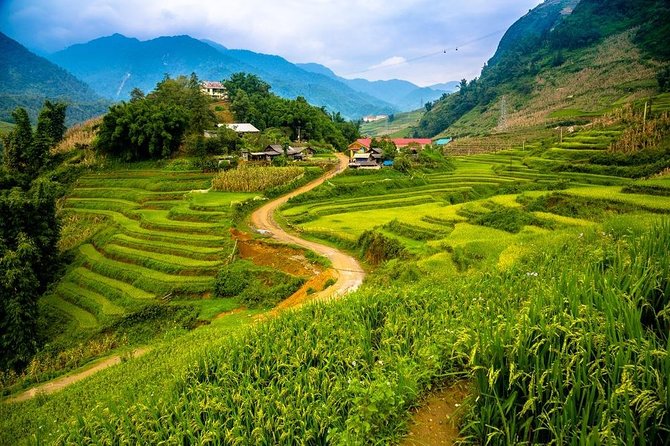
Day 1 is built in clear segments, and that’s helpful if you’re pacing yourself.
You leave Sapa and trek toward Lao Chải – Ta Van village for about 2 hours. Even before you reach the village areas, you’re in the valley walking feel—paths that connect fields and homes rather than landscaped viewpoints.
Lao Chải: the Black H’mong valley start
In Lao Chải, you spend about 1 hour. This is a village about 6 km from the center of Sa Pa, and it’s where you’ll meet the Black H’mong community. You’ll also get your first big “valley context” moment: Lao Chải sits at the beginning of Muong Hoa valley.
For me, that context is key. When the guide explains where you are in the valley system, it becomes easier to understand why you see terraced fields and how the farms link up across slopes. It’s not just scenery—it’s how people organize land and work.
Worth a glance beside this Hanoi pick:
- Hanoi Motorbike Tours Led By Women: Hanoi By Night Foodie Motorbike Tours★ 5.0 · 1,734 reviews
- From Hanoi: Ha Long – Bai Tu Long Bay 2-Day 1-Night Cruise★ 4.6 · 1,113 reviews
- Halong Bay Cruise 2 days 1 night from Hanoi included transfer★ 5.0 · 1,061 reviews
Ta Van: where the vibe changes from viewing to living
After Lao Chải, you head to Ta Van Village. You’ll spend the afternoon/evening there, including the homestay experience for the night.
Ta Van is described as the place where “heaven and earth” converge—language that’s trying to capture the feeling of the area: rustic homes, calm village life, and a strong sense of local identity. The point of Ta Van on this trek is that it’s not only a stop you pass through. You settle in, eat dinner, and wake up still in the village rhythm the next morning.
Homestay night in Ta Van: the part you remember
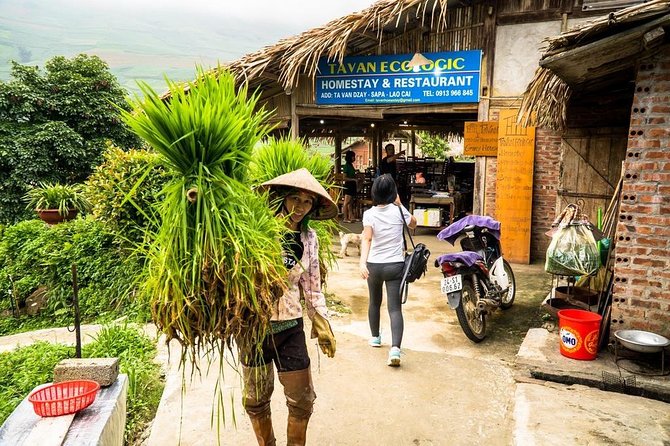
This tour includes 1-night accommodation at a homestay plus dinner. Breakfast is served the next morning before the second-day hike.
What makes the homestay night valuable isn’t just the sleep. It’s the chance to slow down and see how village routines shape daily life. Multiple guides, including Zu, get praised for helping visitors understand village living and local customs in a way that feels personal—not like a scripted lesson.
Food is another point. The information you’re given includes meals, and the guide-driven homestay setup usually aims for safe, tasty food. You should still expect it to be different from what you eat in Hanoi. If you have dietary restrictions, you’ll want to clarify them before you go, because the tour data only promises the included meals—not specific menus.
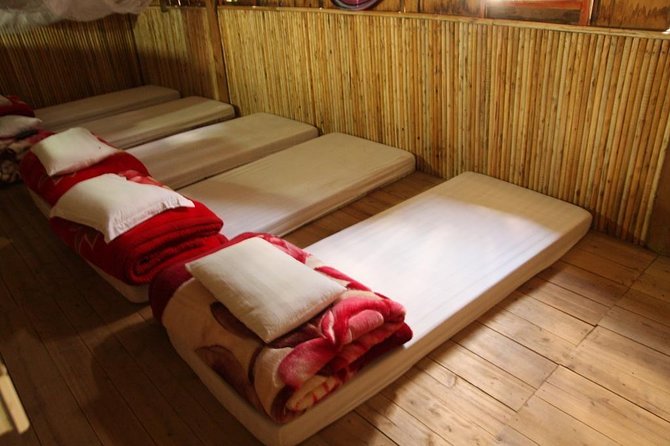
One extra practical note: some reviews specifically mention very clean rooms and bathrooms at the homestay partner setting. That’s not something you can guarantee in every village situation, but it’s a reassuring sign that hygiene is taken seriously.
Day 2 trek: bamboo forest, rice fields, and a suspension bridge
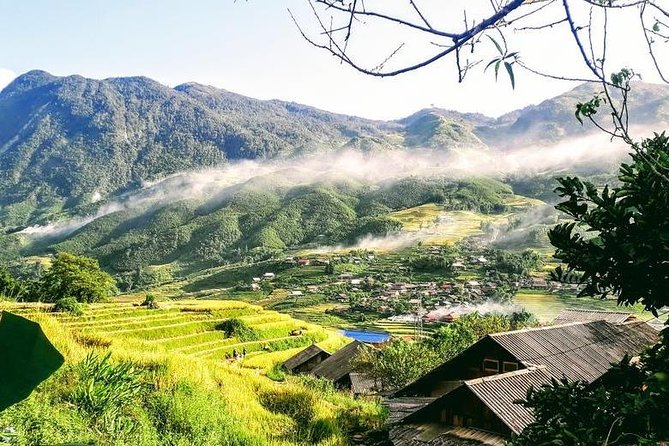
Day 2 starts with breakfast at 07:00 at the homestay. Then you begin trekking in the 08:30–09:00 window.
The hike continues for about 2 hours before you reach Giang Tả Chải village. From there, you spend about 4 hours on the trail area, with the standout features clearly spelled out: bamboo forest and rice fields, plus a suspension bridge crossing.
That bridge moment is usually what helps the trek feel like a real adventure instead of just walking between villages. Even if you’re not chasing extreme terrain, crossing by foot brings a different physical focus, and it helps break up the day.
Giang Tả Chải also acts like a “second look” at village life after Ta Van. By the time you reach Sapa town again, you’ll have already compared two village styles and two ways of living with the valley’s farming geography.
Back to town by lunch, then Hanoi by evening
Around 13:00, you come back to Sapa town for lunch at the hotel. Then the bus starts the return to Hanoi around 15:00.
You arrive back in Hanoi around 22:00 and the experience ends back at the starting meeting point area. So this is a true two-day loop: walking + village overnight on Day 1, longer village trail on Day 2, then a late-evening return to the city.
Price and value: is $79 a fair deal?
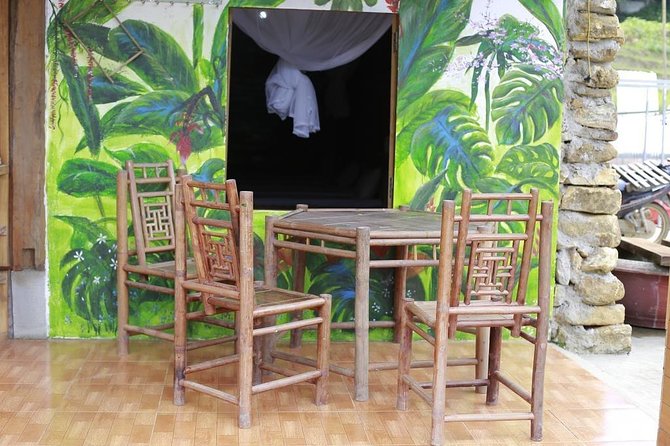
At $79 per person, the value here comes from stacking the big costs that are often annoying to arrange yourself.
Included basics that matter:
- Round-trip air-conditioned coach between Hanoi and Sa Pa
- Hotel pickup in the Old Quarter only
- Local English-speaking guide
- Homestay accommodation (1 night)
- Meals: breakfast, dinner, and two lunches
- Bottled water
- Handling fees and other listed charges
Not included:
- Drinks (so bring cash if you expect to buy water or other drinks)
- Anything not in the plan
- Transportation during trekking (you’re walking the trails)
If you tried to DIY this, the hardest parts to price are usually a reliable guide and a real homestay setup for an overnight. The tour bundles those pieces with a timed route so you don’t have to coordinate village connections on your own.
Also, the max group size of 15 supports value because you’re paying for guided walking, not just being herded through a schedule.
Guides matter: why Zu, Nhu, Khu, Khu Ly, and Chinh show up in the praises
The most consistently praised aspect in the feedback is guide quality. Names come up a lot: Zu, Nhu, Khu, Khu Ly, and Chinh.
Here’s what you should take from that, even if you don’t meet the same person:
- Great guides explain what you’re looking at, not just where to walk.
- They answer questions about customs and village life in clear English.
- They help you keep the day running smoothly when conditions change, like trail firmness or timing.
If you get a guide like Zu, the experience tends to feel more like a conversation with the place. You’re not only hiking; you’re learning how people live with the geography—why they farm in terraces, how communities organize homes, and what daily routines look like beyond the photo spots.
Practical tip: ask small, direct questions while walking. If you wait until the end, the moment passes. The best guides will happily point things out as you go.
The main drawbacks to plan around: pace, mud, and selling moments
No trek is perfect, and this one has a few reality checks.
Expect muddy rice-field walking, not constant mountain climbing
One common expectation mismatch: some people hoped for more uphill mountain hiking and found more walking through muddy rice fields instead. That doesn’t make the trek bad—it just means your effort will go into steady footing more than steep climbs.
If you wear shoes with decent traction, you’ll enjoy it more. If you go with slick soles, you’ll be frustrated fast.
You may encounter frequent selling at village points
Another consideration mentioned in feedback is that you can see locals asking to sell items during village stops. This is part of the local economy, but it can feel constant if you’re not in the mood for it.
The practical solution is simple: decide ahead of time if you want to buy anything. If not, you can still be polite and keep moving. The walk is the goal; shopping is optional.
Weather can change the plan
The tour explicitly says it requires good weather. If conditions aren’t right, the experience can be canceled with an option for a different date or a full refund.
So don’t book this as a last-minute whim if your schedule is tight. If you’re traveling around northern Vietnam in rainy season, check forecasts and keep flexibility.
Packing tips that match this exact route
Because you’re walking village trails for long stretches, pack like a walker, not a city tourist.
Bring:
- Shoes you’re okay getting muddy
- A light rain layer in case the trail turns slick
- A small daypack for water, your phone, and a snack if you want one
- Layers you can adjust throughout the day
You’ll have bottled water included, which helps, but it’s still smart to carry what you need between stops—especially if you tend to drink more in cool mountain weather.
And because the start is 6:30 am pickup, you’ll want an early sleep night before. The bus day is already long enough that fatigue shows up during the first hours of trekking.
Who should book this Sa Pa trek from Hanoi
This tour fits best if you:
- Want a 2-day structure that includes trekking, village time, and an overnight homestay
- Like learning about minority culture through a guide, not only through photos
- Are comfortable walking several hours a day and handling uneven, sometimes muddy paths
You might want to skip it (or choose a gentler plan) if:
- You hate muddy trails or have trouble with slippery footing
- You only want steep climbs and dramatic ridge hikes
- You’re very sensitive to frequent requests to buy items during village visits
Should you book it? A quick decision checklist
Yes, I’d book this if you want real village walking, clean organization, and meals + homestay handled without extra planning. The strongest signals are the guide quality (Zu, Nhu, Khu, Khu Ly, Chinh), the small group size, and the fact the itinerary actually gives you time in Lao Chải, Ta Van, and Giang Tả Chải.
I’d think twice if you’re expecting a “mountain summit hike” style day or if mud is a dealbreaker. In that case, you’ll probably still find beauty in the valleys, but you may not get the hike shape you pictured.
FAQ
FAQ
What time does the trip start in Hanoi?
Pickup starts around 6:30 am from the Old Quarter meeting area at 54 P. Hàng Tre, Lý Thái Tổ, Hoàn Kiếm.
Where does the tour end?
It ends back at the meeting point area in Hanoi, the same location where you start.
What’s included in the price?
The price includes round-trip transport by air-conditioned coach, pickup within the Old Quarter only, a local English-speaking guide, bottled water, meals (breakfast, dinner, and two lunches), and a 1-night homestay.
Is the homestay included for one night?
Yes. The tour includes accommodation for 1 night at a homestay, plus dinner that evening and breakfast the next morning.
Do I have transportation during the trekking?
No. Any transportation during the trekking is not included, so you’ll be walking the route.
How physically demanding is the trek?
The tour states that travelers should have a strong physical fitness level.
How large is the group?
The maximum group size is 15 travelers.
More Evening Experiences in Hanoi




More Tour Reviews in Hanoi






More Sapa Treks We Walked


Latest Hanoi write-ups from our team






Sapa Trekking Tours, compared.
 ★ 5.0Sapa 2 Days 1 Night From Hanoi – Overnight in Ta Van VillageFrom $592,669 reviews
 ★ 5.0Hanoi – Sapa 2 Days 1 Night Overnight At HomestayFrom $89899 reviews
 ★ 5.0Sapa: Fansipan Cable, Cat Cat Village & Moana Instagram TourFrom $30777 reviews
 ★ 4.8From Hanoi: 2-Day Sapa Trekking Trip with Homestay & MealsFrom $71704 reviews
 ★ 5.0Sapa 3 Days 2 Nights Trekking Tour (1 Night In Ta Van Village, 1 Night In Hotel)From $139699 reviews
 ★ 5.03-Day Trekking Adventure of Sapa from Hanoi – Stay Ta Van VillageFrom $109611 reviews
 ★ 4.82-Day Sa Pa Ethnic Homestay Tour & Trek with Limousine Bus440 reviews
 ★ 5.0Sapa 2 Days 1 Night From Hanoi – Overnight in HotelFrom $89440 reviews
Browse the lists this tour appears in