

Reviewed · SAPA TREKKING TOURS
Sapa Trekking 2 Days 1 Night From Hanoi With Local Guide
Sapa feels big, but this trip keeps it human. You get local, ethnic-guided hiking plus real views over Sapa’s rice terraces. I especially like the mix of village time and walking time on Muong Hoa Valley trails, not just a quick photo stop. One thing to consider: the trekking adds up over two days, and the schedule starts early.
What makes it work is the pacing and the people. You travel from Hanoi on a sleeper bus, meet your guide in Sapa, then build in time for lunch, village walks, and a dinner/free evening the first night. Guides highlighted in past trips include Cat, Vu, and Ku—names you’ll hear because they’re the ones doing the talking and keeping things smooth.
By day two, you’re on proper trails: distances are clearly laid out, and you’ll spend hours moving downhill and across valley paths. If you have moderate fitness and you’re okay with an active day, you’ll probably feel like the itinerary earns its keep.
In This Review
- Key things to know before you go
- How this Hanoi to Sapa trek fits together
- Hanoi to Sapa by sleeper bus: your first big time win
- Day 1 in Sapa: Cat Cat Village, waterfall time, and the power plant story
- Day 2: Muong Hoa Valley trekking and the village chain (Y Linh Ho, Lao Chai, Ta Van)
- Local guide impact: names, language, and getting the story right
- Comfort and value: what you get for $85
- Trekking logistics: pace, timing, and what to prepare for
- Where the stops pay off (and where they’re just part of the day)
- Who this Sapa trek is best for
- Should you book this Sapa Trekking 2 Days 1 Night from Hanoi?
- FAQ
- FAQ
- What time does pickup start in Hanoi?
- How long is the Sapa trek, overall?
- How many people are in the group?
- What is the trekking distance and difficulty?
- What language is the guide?
- Do you get meals on the tour?
- Is accommodation included?
- What villages are visited during the trek?
- What’s included in the price?
- What if weather is bad?
Key things to know before you go
- Small group capped at 15 travelers, so questions and pace stay manageable
- English-speaking guide with strong local knowledge tied to the villages you visit
- Cat Cat Village walk with a waterfall stop and a French-built power plant mention (1925)
- Muong Hoa Valley trekking plus three village stops: Y Linh Ho, Lao Chai, and Ta Van
- Overnight in a hotel or homestay, depending on the operator’s setup for your dates
- Sleeper bus between Hanoi and Sapa to reduce lost daylight hours
How this Hanoi to Sapa trek fits together

This is a classic 2 days 1 night Sapa format, but it’s structured in a way that feels efficient rather than rushed. Day one is mostly transit plus an introduction trek at Cat Cat Village. Day two is where the real hiking happens—down into Muong Hoa Valley, then along valley paths between multiple minority communities.
Also, the tour is designed around a small-group feel. With up to 15 people, you’re not fighting a crowd on narrow trails or waiting endlessly at viewpoints. That matters in Sapa, where popular routes can bottleneck fast when groups stack up.
If you want Sapa in one hit—terraces, village culture, and a guided story for each place—this itinerary is a strong match. It’s not “relax and take it slow,” but it is thoughtful about meals and scheduled breaks.
More trails through the Sapa valleys




Hanoi to Sapa by sleeper bus: your first big time win
The day starts early, with pickup at 6:30 am from the Hanoi Old Quarter area. From there, the plan is to move you to Sapa via sleeper bus. The practical advantage is simple: you’re using transport time instead of losing an entire day to long-distance travel.
Once you arrive in Sapa town (scheduled around 13:00), the tour doesn’t throw you straight onto a strenuous hike. You’ll meet your local guide, then head for lunch at a local restaurant at 13:30. That buffer is smart. It gives you a chance to settle in before the Cat Cat portion.
If you dislike morning chaos, you’ll still have an early start, but at least the day is paced with food and breaks. You also get an evening plan on day one: dinner at 19:00 and then free time to explore Sapa town.
Day 1 in Sapa: Cat Cat Village, waterfall time, and the power plant story
Day one focuses on an easy-to-moderate intro to hiking plus a strong cultural stop. Around 14:30, you’ll drive to the gate of Cat Cat Village, a home to Black H’mong ethnic people. It sits near the foot of Fansipan Peak, in a deep valley. That setting is part of why this area is famous: the terrain naturally forces dramatic views.
Then you walk down the village. The trek distance is about 2.5 km, and it lasts around 2 hours. Along the way, you’ll see a waterfall area and also a power plant built by the French during the colonial time in 1925. Even if you don’t care about engineering details, it’s a useful contrast point—this is a living village, but it also carries signs of older outside influence.
There’s also a 40-minute performance by boys and girls from the village scheduled during the visit. Some people like these moments for a quick cultural snapshot, while others prefer more time simply watching daily life. Either way, it’s built into the timeline, so you’ll know what you’re getting.
You’re back in Sapa town around 17:00, then dinner at 19:00. After that, you can wander at your own pace—useful if you want a change of scenery from terraces and trails.
One small drawback to flag: day one is not the longest hike, but it is a long day overall because of travel and timing. If you’re sensitive to early starts, plan for an earlier night after dinner.
Day 2: Muong Hoa Valley trekking and the village chain (Y Linh Ho, Lao Chai, Ta Van)
Day two is the heart of the trip. You start with breakfast between 7:00 and 8:00, check out, and pack a light bag for trekking. The itinerary calls for a total trekking distance of 12 km to visit three villages and see two different kinds of minorities.
The walking is described in sections:
- 9 km downhill to Muong Hoa Valley
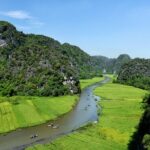
Muong Hoa Valley is described as one of the most beautiful valleys in Sapa, where local hill tribes live and work on rice terrace fields. Since you’re going downhill, your legs do the work—bring shoes you trust on uneven paths.
- A downhill trail through Y Linh Ho and Lao Chai
After the initial descent, the plan says you’ll trek for about 3.5 hours through Y Linh Ho and Lao Chai, then reach a mountainside sleep area with terraced rice paddies.
- Lunch at a local restaurant around 12:30
This break is important. It keeps the day from turning into an all-day grind and gives you energy before the last village segment.
- Continue to Ta Van, then experience local life
After lunch (around 13:30), you continue along the bottom of the valley to Ta Van village, home to the Dzay people. The plan includes experiencing daily life while staying in a local family’s cottage.
What I like about this day sequence is that it’s not just “one village.” You move through a corridor of settlements and terraces. The route changes as you go—from broad valley views to closer village path walking—so the day doesn’t feel repetitive.
Trade-off: you’ll be hiking enough that it’s not a casual stroll. Even if you’re not struggling, you’ll likely feel it by late afternoon.
Local guide impact: names, language, and getting the story right
This tour leans hard on local ethnic guides, which makes a difference in how the experience feels. Instead of hearing generic facts, you get explanations tied to the people living there.
Previous guides that stood out include:
- Ku, described as phenomenal and making the trip a cultural, physical, and visual peak moment
- Cat, praised for strong English and for caring attention during the visit
- Vu, noted as kind and helpful, and for knowing where to eat and how to navigate the area
Even if you never meet Ku, Cat, or Vu specifically, the point is the same: the guide isn’t just escorting you. They’re interpreting the places you walk through—village roles, terrain, and practical realities like where meals fit into the day.
Also, the tour is capped at 15 travelers, which helps the guide manage the group and keep communication clear. For Sapa trekking, that matters more than people expect.
Worth a glance beside this Hanoi pick:
- Hanoi: Guided Food Tour with Train Street Visit★ 4.9 · 6,239 reviews
- Hanoi: Guided Street Food Tour with Train Street Experience★ 4.9 · 2,479 reviews
- Ninh Binh Full-Day Small Group of 9 Guided Tour from Hanoi★ 5.0 · 1,422 reviews
Comfort and value: what you get for $85
At $85 per person, this is priced for travelers who want to do Sapa without a private car-and-guide splurge. The key is what’s included:
- Air-conditioned vehicle
- All fees and taxes
- English-speaking guide
- Pickup offered (from the Hanoi Old Quarter area at 6:30 am)
- Mobile ticket
- Meals included (lunch and dinner day one; breakfast day two; lunch day two—plus the scheduled meals in the plan)
- Overnight accommodation included (hotel or homestay)
If you compare that to the cost of arranging Sapa transport plus an English guide plus an overnight stay, the price starts to look more reasonable. You’re also not doing all the heavy planning yourself. The itinerary handles the order: arrive, eat, hike, sleep, hike again, then return.
The biggest value driver is the combination of transport + guided trekking + at least one overnight. Sapa’s routes are not the sort of thing you always want to “wing it,” especially when you’re doing a multi-village plan across a valley.
Trekking logistics: pace, timing, and what to prepare for
The tour asks for moderate physical fitness. That’s accurate in practice because your day two is long on the legs. Day one is shorter at about 2 hours (2.5 km), but day two stretches to 12 km total, including a 9 km downhill segment and additional walking hours between villages.
Timing is also a factor. Day two ends late because the return bus is scheduled to bring you back to Hanoi around 21:30. That means you won’t come back “early afternoon” no matter how good you feel at the start.
My practical advice:
- Wear proper hiking shoes with grip. Sapa trails can be slick or uneven depending on conditions.
- Keep your day pack light. The plan specifically mentions a light pack for trekking.
- Plan for weather changes. The itinerary depends on good conditions, and Vietnam’s mountain weather can shift.
Where the stops pay off (and where they’re just part of the day)
Here’s the role each main stop plays:
Cat Cat Village (Day 1):
This is your cultural and scenery introduction. You get a walk down to a waterfall area and a story about a power plant built in 1925. It’s a good first taste before the longer valley trek.
Muong Hoa Valley (Day 2):
This is where the views and terrace work live. The downhill section gives you a “moving across the valley” feel rather than only stopping at viewpoints.
Y Linh Ho and Lao Chai (Day 2):
These are village segments on the route. You’re walking smaller paths, then reaching places where rice terraces and settlement patterns show up clearly.
Ta Van (Day 2):
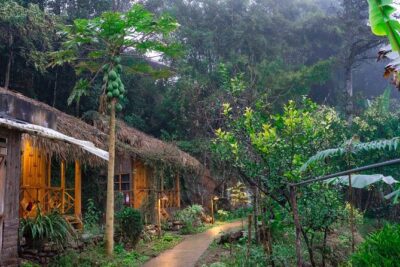
Ta Van is both a location and an experience. The schedule includes staying in a local family’s cottage, so it’s more than a pass-through stop.
If you’re trying to decide between focusing on hiking or focusing on villages, this itinerary gives you a balanced ratio. Hiking is real both days, but village time is built into the structure too.
Who this Sapa trek is best for
This works especially well if:
- you want a guided, multi-village trek rather than a single-point “tour bus” day
- you care about ethnic communities and like learning from a local guide
- you’re comfortable with an early start and a full active day on day two
- you want small-group attention (max 15)
It might be less ideal if:
- you’re hoping for mostly flat walking
- you want a slow, restful schedule
- you dislike long travel days (early pickup to late return)
Should you book this Sapa Trekking 2 Days 1 Night from Hanoi?
I’d book it if your goal is to get real Sapa terrain and village connections in a tight timeframe. The $85 price makes the biggest sense when you value an English-speaking local guide, overnight accommodation, and a planned route that covers multiple villages instead of repeating the same scenery.
If you’re the type who wants to sleep in and take short walks only, you might feel pushed by day two. But if you can handle a moderate fitness level and you’re excited by terraced valleys and village life, this is a solid, good-value way to experience Sapa without the headache of figuring everything out yourself.
FAQ
FAQ
What time does pickup start in Hanoi?
Pickup starts at 6:30 am from the Hanoi Old Quarter area.
How long is the Sapa trek, overall?
It’s a 2 days 1 night format: you return to Hanoi around 21:30 on day two.
How many people are in the group?
The tour has a maximum of 15 travelers.
What is the trekking distance and difficulty?
Day one includes a trek of about 2.5 km for around 2 hours. Day two totals about 12 km trekking, including a 9 km downhill segment. The tour is best for people with moderate physical fitness.
What language is the guide?
The guide is an English-speaking guide.
Do you get meals on the tour?
Yes. The itinerary includes lunch and dinner on day one, breakfast and lunch on day two (as scheduled in the plan). Meals are listed as included.
Is accommodation included?
Yes for the overnight portion. The itinerary states overnight in a hotel or homestay. No accommodation is included on the return day after the trekking segment.
What villages are visited during the trek?
The tour includes Cat Cat Village on day one, and on day two it covers Y Linh Ho, Lao Chai, and Ta Van.
What’s included in the price?
Included items listed are an air-conditioned vehicle, all fees and taxes, and an English speaking guide. Pickup is offered, and the itinerary also includes meals and overnight accommodation as scheduled.
What if weather is bad?
The tour requires good weather. If it’s canceled due to poor weather, you’ll be offered a different date or a full refund.
More Guided in Hanoi






More Tour Reviews in Hanoi




More Sapa Treks We Walked


Latest Hanoi write-ups from our team






Sapa Trekking Tours, compared.
 ★ 5.0Sapa 2 Days 1 Night From Hanoi – Overnight in Ta Van VillageFrom $592,669 reviews
 ★ 5.0Hanoi – Sapa 2 Days 1 Night Overnight At HomestayFrom $89899 reviews
 ★ 5.0Sapa: Fansipan Cable, Cat Cat Village & Moana Instagram TourFrom $30777 reviews
 ★ 4.8From Hanoi: 2-Day Sapa Trekking Trip with Homestay & MealsFrom $71704 reviews
 ★ 5.0Sapa 3 Days 2 Nights Trekking Tour (1 Night In Ta Van Village, 1 Night In Hotel)From $139699 reviews
 ★ 5.03-Day Trekking Adventure of Sapa from Hanoi – Stay Ta Van VillageFrom $109611 reviews
 ★ 4.82-Day Sa Pa Ethnic Homestay Tour & Trek with Limousine Bus440 reviews
 ★ 5.0Sapa 2 Days 1 Night From Hanoi – Overnight in HotelFrom $89440 reviews
Browse the lists this tour appears in