

Reviewed · SAPA TREKKING TOURS
Sapa Hard Trekking by Bus for 2 days
Waking up in Hanoi early pays off. This 2-day Sapa trekking tour mixes real village life with serious walking through terraced rice valleys and mountain views, plus an overnight stay in a family home. I like the mix of Lao Chai and Ta Van communities and the chance to cook dinner with your hosts, not just sleep near them. The one drawback to plan for is the “hard” part: you’re covering about 16 km (10 miles) total, on rustic paths with no fancy facilities.
You also get the practical side handled: a local English-speaking guide, meals during the trek, and round-trip transport by air-conditioned coach. I like that the itinerary is timed so you’re in Sapa by midday on day one, then back in Hanoi late day two. The consideration is logistics: hotel pickup is limited to the Old Quarter, and the trip starts around 6:30 am, so you’ll want to be ready for a very early day.
Bottom line: if you want Sapa that feels lived-in—rice paddies below you, mountains all around you, and a homestay dinner that’s more than a photo stop—this is a solid way to do it. If you’re hoping for a mostly flat walk with minimal roughness, you’ll probably feel underwhelmed.
In This Review
- Key Points I’d Plan Around
- Two Days In Sapa: What This Trek Really Gives You
- Morning Departure From Hanoi: The Part Everyone Forgets Until It’s Time
- Arrival in Sapa and Lunch Before the Walking Begins
- Day One Trek: Lao Chai to Ta Van (Rice Terraces and Real Villages)
- Lao Chai (H’Mong)
- Ta Van (Tay) and the Homestay Night
- The potential drawback on day one
- What Dinner With the Host Family Actually Means
- Day Two Trek: Bamboo Forest to Giang Ta Chai (Red Dzao Weaving)
- Bamboo forest on the way
- Giang Ta Chai and weaving skills
- Lunch and Return to Sapa: The Transition Day
- Late Afternoon to Late Night: Back to Hanoi
- Price and Value: Is $97.44 a Fair Deal?
- Who This Trek Is Best For (and Who Should Think Twice)
- Best fit
- Consider thinking twice if
- Tips to Make This Feel Smooth (Not Miserable)
- Shoes and clothes matter
- Bring a simple comfort kit
- Pace yourself for the homestay day
- A Note on Operator and Local Support
- Should You Book This Sapa Hard Trekking by Bus?
- FAQ
- Where does the tour start and what time?
- How long is the trek?
- How long is the trekking on day one?
- Where do you stay overnight?
- What meals are included?
- Is a guide included?
- What transportation is included?
- What villages are visited?
- What is included in the tour price?
- Who can join and are there limits?
Key Points I’d Plan Around

- Overnight homestay in Ta Van with dinner-making time with the host family
- About 16 km (10 miles) total walking across two days, including steep, uneven village paths
- Ethnic village route: H’Mong (Lao Chai), Tay (Ta Van), and Red Dzao (Giang Ta Chai)
- Bamboo forest morning trek on day two, before reaching Giang Ta Chai
- Small group size (max 20), which helps keep the pace manageable
- Meals and bottled water included, but drinks aren’t, so bring your own preferences
Two Days In Sapa: What This Trek Really Gives You
Sapa sits in a bowl of mountains, and that matters because your walking route puts you in the right places at the right times—overlooking rice terraces in the valley and then moving down toward villages where everyday life carries on regardless of tourism. This tour is built around that rhythm: travel from Hanoi, walk through multiple communities, sleep with a family, then return by late afternoon.
You’ll be trekking for about 3–4 hours on day one, and then on day two you’ll continue on the trail through a bamboo forest toward Giang Ta Chai, the Red Dzao village known for weaving skills. The total walking adds up to around 10 miles (16 km). That’s a meaningful amount of effort over two days, especially if the ground is slick or you’re not used to steep descents and ascents.
More trails through the Sapa valleys




Morning Departure From Hanoi: The Part Everyone Forgets Until It’s Time
This experience starts in Hanoi with pickup from the Old Quarter around 6:15 to 6:30 am, followed by a coach ride to Sapa. The schedule gives you a few short breaks on the way—enough to reset, grab the restroom, and stretch your legs.
Here’s why I think this part is worth paying attention to: if you hate early starts, the bus day can feel like the trip instead of the introduction. But if you’re okay with a fast morning, the upside is big. You arrive in Sapa by about 12:30 pm, which means you don’t waste the whole day sitting around waiting for sunset.
Practical notes:
- Plan to dress in layers. The temperatures in the mountains can feel different from Hanoi.
- Eat something light before pickup. You have lunch after arrival, but you’ll still want energy for the first trek segment.
Arrival in Sapa and Lunch Before the Walking Begins
Once you arrive in Sapa, the staff transfers you for lunch. This matters because day one includes a true trekking block—about 3–4 hours—so you don’t want your stomach running on fumes.
Lunch is included, and after that you head directly into the walking portion. Expect the route to take you through Lao Chai (H’Mong people) and onward to Ta Van (Tay people). The route is in the valley, surrounded by mountains and rice paddies, so you’ll get viewpoint moments both above and below the terraces as the trail opens up.
The one thing to remember: viewpoint stops are not luxury stops. They’re usually quick—enough time to see, breathe, and move on. If you want long photography sessions, build extra time into your pace.
Day One Trek: Lao Chai to Ta Van (Rice Terraces and Real Villages)
Day one is where the trip identity shows up. You’re walking past terraces and through village paths rather than doing a single scenic viewpoint and calling it a day. The itinerary is designed to connect you with multiple communities across a single walking block.
Lao Chai (H’Mong)
Lao Chai is one end of your day one route. This is a place where the valley scenery and the daily pattern of village life come together. You’re not just looking at the mountains—you’re moving through a living agricultural area.
Worth a glance beside this Hanoi pick:
- Halong Bay Full Day with Kayaking, Hiking viewpoint, Cave – Deluxe To Luxury★ 5.0 · 884 reviews
- From Hanoi: 2-Day Sapa Trekking Trip with Homestay & Meals★ 4.8 · 704 reviews
- Sapa 3 Days 2 Nights Trekking Tour (1 Night In Ta Van Village, 1 Night In Hotel)★ 5.0 · 699 reviews
Ta Van (Tay) and the Homestay Night
You’ll reach Ta Van by late afternoon, usually arriving at the homestay around 5:00 to 6:00 pm. This timing is smart. It gives you enough daylight for the trek to feel like a trek, but still arrives early enough to settle in and enjoy the evening.
What makes Ta Van special here is the homestay experience itself:
- You get welcomed by the host family.
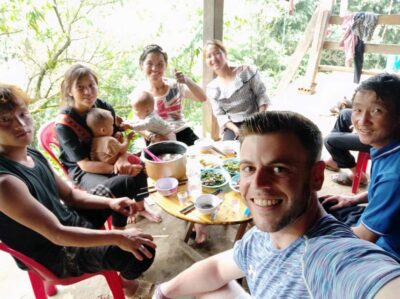
- You have a chance to cook dinner together in a traditional way.
- You’ll learn about daily life with the family, not through a script—through conversation and routine.
And yes, the evening has that classic mountain feel. You’ll often get a starry night once you’re away from city light. The value isn’t the stars by themselves. It’s that you’re sharing the night with people who live there every day.
The potential drawback on day one
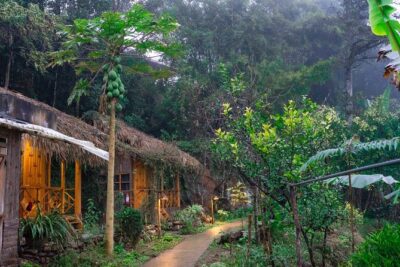
Rustic homestay conditions are part of the deal. You’re choosing authenticity over polish. I’d come prepared for simpler facilities and basic comfort, and focus on what you’re there for: the family meal, the village conversation, and the walk through terraced valley scenery.
What Dinner With the Host Family Actually Means
Dinner is included, and you’ll have hands-on time helping prepare it. This is one of the most meaningful parts of this kind of trek because it turns you from a spectator into a participant—within reasonable limits, of course.
You’re also there at the right time of day to feel village life switch from work mode into evening mode. That’s often when stories come out, and that’s when the differences between your routine and theirs become real in your head, not just in your guidebook.
A good attitude helps. Try to be flexible about what you can eat and how the meal is served. If you have dietary needs, tell the operator during booking so they can plan.
Day Two Trek: Bamboo Forest to Giang Ta Chai (Red Dzao Weaving)
The second day starts with breakfast at the homestay, then you continue trekking through a bamboo forest before reaching Giang Ta Chai, the Red Dzao village. This morning section is the part that often feels different from day one—more about the trail itself and the calm transition deeper into the village network.
Bamboo forest on the way
A bamboo forest tends to feel cooler and more enclosed than the open valley areas. It also breaks up the trek mentally. Instead of only thinking in terms of “climb and descend,” you also get a natural rhythm—quiet footsteps, shade, and the occasional open view when the path changes elevation.
Giang Ta Chai and weaving skills
Giang Ta Chai is known for weaving, and the route includes time after the trek for lunch and onward travel. Even without detailed workshop timing listed, the village focus matters: you’re not just passing by. The experience is built around a community identity, not only scenery.
If weaving is your interest, it’s smart to ask your guide what you can expect and where you’ll see the weaving skills in practice during your time there.
Lunch and Return to Sapa: The Transition Day
After finishing the trekking portion on day two, you have lunch in the area, then you head back to Sapa by car or bus.
The tour timing is built to keep you from feeling like you’re stuck in transit all day. You start the morning early, walk through the bamboo forest, then get lunch and get moving back toward the return ride.
There’s also a dinner included later in the timeline. Before the bus arrives in Sapa, your dinner is prepared and given to you.
Late Afternoon to Late Night: Back to Hanoi
You’ll board the bus around 3:30 pm for the return to Hanoi. The schedule puts you arriving around 10:00 pm, when the bus stops at a bus station or office. That means you should plan on a longer day overall—tiring, but also efficient.
One thing to note: the tour includes hotel pickup within the Old Quarter, but it doesn’t explicitly mention hotel drop-off. So don’t build your plans around a door-to-door ending.
Price and Value: Is $97.44 a Fair Deal?
At about $97.44 per person, this trek isn’t trying to be the cheapest bus-and-hike option in the market. It’s positioned as a package: transport from Hanoi, an English-speaking guide, homestay lodging for one night, and multiple meals.
Here’s how I see the value:
- You’re buying effort management. Someone plans the route, sets the pace for the group, and coordinates the homestay.
- Meals are included (breakfast, lunch, dinner on day two, plus breakfast/lunch/dinner on day one). For Sapa treks, that matters because eating can get expensive and inconsistent if you’re on your own.
- You’re paying for a real night with a local family in Ta Van, not a generic hotel in Sapa town.
Where the value can feel weaker:
- If you already have a driver, you can sometimes cobble together a trek independently.
- If you’re not comfortable with active walking and rustic conditions, you might feel like the price didn’t match your comfort.
But if you want the homestay piece and the guided ethnic-village route, this price starts to look reasonable.
Who This Trek Is Best For (and Who Should Think Twice)
This is clearly aimed at active people. The tour notes that it’s best for participants with a good fitness level. The walking total—about 16 km (10 miles)—plus village paths and likely uneven steps means your legs will do real work.
Best fit
- You like walking and don’t mind “hard” being a description you can feel.
- You’re curious about ethnic village life and homestay meals.
- You’re okay with rustic conditions for one night in exchange for cultural contact.
Consider thinking twice if
- You want minimal walking.
- You have knee issues or low endurance.
- You hate very early starts and late return.
Also: the minimum age is 14, and children must be accompanied by an adult. The group size is capped at 20, which helps keep the experience from feeling like a stampede.
Tips to Make This Feel Smooth (Not Miserable)
A few practical moves can turn this into a satisfying trek instead of a chore.
Shoes and clothes matter
Wear good walking shoes. The tour specifically recommends sporty clothes and gear like a hat and sunglasses. That’s not fluff; mountain weather changes and trails can be hard on feet.
Bring a simple comfort kit
The tour includes bottled water, but it doesn’t list other drinks. Pack any extras you like (tea, electrolyte drinks, or just your favorite water bottle). Also consider a small rain layer. Even if rain isn’t guaranteed, Sapa is a mountain area and you don’t want to get caught without cover.
Pace yourself for the homestay day
Day one ends with cooking dinner and learning about life in the home. If you go out too fast on the first trek stretch, you’ll feel it by late afternoon. Plan to enjoy the viewpoints rather than power through them.
A Note on Operator and Local Support
This trip is provided by Wati Travel. In a separate trekking experience review connected to Wati Travel, a local coordinator named Kathy Vu was praised for handling requirements professionally. That’s not identical to this exact Sapa trek, but it’s a useful sign: the company appears to use local support that can handle details when things get complicated.
That kind of behind-the-scenes help matters on long transport days and multi-part routes.
Should You Book This Sapa Hard Trekking by Bus?
Book it if you want Sapa that’s active and human. If you’re excited to walk through Lao Chai and Ta Van, sleep in a Ta Van homestay, cook alongside a host family, and finish with the bamboo forest morning into Giang Ta Chai for the Red Dzao weaving focus, this tour lines up your priorities well.
Pass or consider a softer option if you’re mainly chasing easy views, want a long comfortable hotel stay, or don’t think your body will enjoy about 16 km of trekking over two days.
If you’re in the middle—curious, but slightly unsure about fitness—this is still workable. Just be honest about your walking level, wear proper shoes, and bring patience for rustic conditions. You’ll get the part that matters most: time in the valley with people who live there, not just a quick photo loop.
FAQ
Where does the tour start and what time?
The tour starts in Hanoi with pickup from the Old Quarter around 6:15 to 6:30 am (start time listed as 6:30 am).
How long is the trek?
The experience is 2 days (approx.), with trekking across two days and total walking of about 10 miles (16 km).
How long is the trekking on day one?
Day one trekking lasts about 3 to 4 hours.
Where do you stay overnight?
You stay one night at a homestay in the Ta Van village area.
What meals are included?
Meals included are B (breakfast), L (lunch), and D (dinner) according to the itinerary, plus bottled water.
Is a guide included?
Yes. The tour includes a local English-speaking guide.
What transportation is included?
You get round-trip transport by air-conditioned coach from Hanoi to Sapa. The itinerary also mentions return by bus around 3:30 pm.
What villages are visited?
The trek includes Lao Chai (H’Mong people) and Ta Van (Tay people). Day two includes Giang Ta Chai (Red Dzao people).
What is included in the tour price?
Included items are the homestay (1 night), meals as per itinerary, local guide, Old Quarter pickup, round-trip A/C coach transport, breakfast/lunch/dinner, taxes and fees, and bottled water.
Who can join and are there limits?
The minimum age is 14, children must be with an adult, and the tour has a maximum group size of 20 travelers with a minimum of 2 people per booking.
More Hiking & Trekking in Hanoi


More Tour Reviews in Hanoi





More Sapa Treks We Walked
Latest Hanoi write-ups from our team






Sapa Trekking Tours, compared.
 ★ 5.0Sapa 2 Days 1 Night From Hanoi – Overnight in Ta Van VillageFrom $592,669 reviews
 ★ 5.0Hanoi – Sapa 2 Days 1 Night Overnight At HomestayFrom $89899 reviews
 ★ 5.0Sapa: Fansipan Cable, Cat Cat Village & Moana Instagram TourFrom $30777 reviews
 ★ 4.8From Hanoi: 2-Day Sapa Trekking Trip with Homestay & MealsFrom $71704 reviews
 ★ 5.0Sapa 3 Days 2 Nights Trekking Tour (1 Night In Ta Van Village, 1 Night In Hotel)From $139699 reviews
 ★ 5.03-Day Trekking Adventure of Sapa from Hanoi – Stay Ta Van VillageFrom $109611 reviews
 ★ 4.82-Day Sa Pa Ethnic Homestay Tour & Trek with Limousine Bus440 reviews
 ★ 5.0Sapa 2 Days 1 Night From Hanoi – Overnight in HotelFrom $89440 reviews
Browse the lists this tour appears in