

Reviewed · SAPA TREKKING TOURS
Sapa – Bac Ha Trek Tour – Night Train & Bus & Homestay overnight
Sapa can feel like a different world, and this tour makes it practical. You get a guided trek around Sapa Valley, plus an overnight homestay in Ta Van, without you having to wrestle with transport or figuring out where to eat. I like how the plan strings together the big sights (Cat Cat, Lao Chai, Ta Van, then Bac Ha) with real local life baked in.
Two things I really like: first, the logistics are built around the Hanoi-to-Sapa night train and a morning transfer, so you’re not losing the whole day to travel. Second, most meals are included—so you can focus on walking, looking, and chatting instead of doing meal math on the fly. One consideration: Sapa weather can be cold and foggy in winter, and the trekking days can include a 9 km stretch, so you’ll want decent stamina and the right gear.
In This Review
- Key things to know before you go
- Getting from Hanoi to Sapa without fuss (night train + early transfer)
- The Sapa trekking loop: Cat Cat and Lao Chai trails (plus that 9 km day)
- Cat Cat village: waterfalls, terrace views, and old French-era leftovers
- Lao Chai: Black H’Mong village life under Fansipan’s shadow
- Ta Van homestay overnight: the simple rooms, shared bathrooms, and real conversations
- Day 2: bamboo forest and rice terraces at Giang Ta Chai
- Bac Ha market on Sunday: trading culture and Hoang A Tuong’s castle
- Bac Ha Market: Sunday morning exchange
- Hoang A Tuong’s Castle: the H’Mong leader’s palace
- Pho village walk: a calmer edge near the market
- Price and value: why $54.20 can make sense here
- Weather, packing, and fitness: staying warm and steady on the trail
- Who should book this trek package (and who should skip it)
- Should you book this Sapa – Bac Ha trek tour?
- FAQ
- FAQ
- Where does the tour start in Hanoi?
- How do you get from Hanoi to Sapa?
- What are the homestay sleeping and bathroom arrangements?
- What’s included for food during the tour?
- Is Bac Ha market day tied to a specific day of the week?
- What entrance fees are included?
- What are the main trekking and fitness limitations?
Key things to know before you go
- Night train from Hanoi to Sapa area keeps the trip moving while you sleep, then you’re picked up early in the Lao Cai area.
- Small group size (max 15) means you actually get time with your English-speaking guide.
- Homestay is basic (shared room or single mattress; public bathroom), so pack your patience.
- Bac Ha market works on Sunday mornings, because that’s when the market takes place.
- Most meals are included (3 breakfasts, 3 lunches, and dinner), which is a big part of the value.
- Bring cash in dong, since banking in Sapa can be unreliable.
Getting from Hanoi to Sapa without fuss (night train + early transfer)
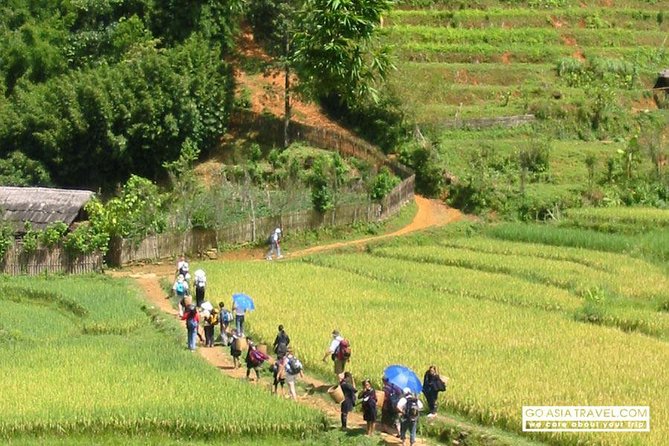
This is one of those tours that treats travel time as part of the experience, not a detour. You meet at 160 Đ. Trần Quang Khải, Lý Thái Tổ, Hoàn Kiếm, Hà Nội and then head to Hanoi train station for the SP1/SP2/SP3 night train departing at 21:30 to Sapa.
You’re then collected at around 5:00 from Lao Cai Train Station for the 40 km ride into Sapa (arriving early morning). This matters more than it sounds. If you try to do Sapa day-by-day on your own, you often lose a morning to late arrivals and waiting around. Here, you land in Sapa with enough day left to start walking.
The tour also gives you flexibility in how you transfer back—your return includes a limousine bus depending on options, and it’s part of the package rather than an extra scavenger hunt.
More trails through the Sapa valleys




The Sapa trekking loop: Cat Cat and Lao Chai trails (plus that 9 km day)
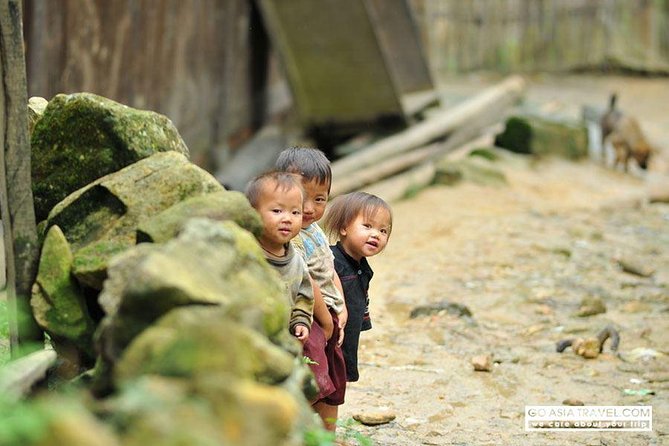
Once you arrive, the first trekking block is built for variety: short village exploring, then longer stretches through the Muong Hoa area.
Cat Cat village: waterfalls, terrace views, and old French-era leftovers
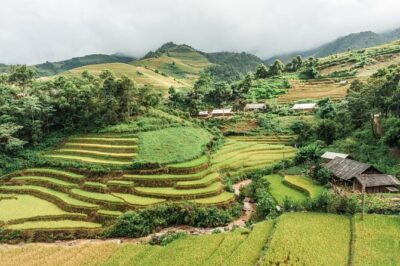
After breakfast at your hotel, you pack a light day bag and set out for Cat Cat village with a local H’Mong guide. Cat Cat is known for scenery that feels close-up: waterfall and the Muong Hoa stream nearby, plus terrace fields that frame the walking paths.
You’ll also see a hydroelectric power plan from French time, plus village schools. That mix is useful. It’s not just pretty photos—you’re seeing how the community’s day-to-day life links to the land and water.
If the weather is damp, the trails can be slippery, so trekking shoes really pay off here. Also, the tour includes the relevant site access fees, so you’re not constantly paying small amounts at stops.
Lao Chai: Black H’Mong village life under Fansipan’s shadow
From Cat Cat, the itinerary keeps you moving toward the Muong Hoa valley and stream, with Lao Chai as a key village stop. Lao Chai is a home of Black H’Mong people and sits near the base of Fansipan mountain, so your views tend to feel framed—valley below, ridgelines above.
You’ll trek through areas with terraces and village pathways. This is also where you’ll feel the walking intensity. The tour notes that there’s a long trek around 9 km, and it advises older people not to take it, especially in rain, due to challenge and danger. Translation: if you’re even slightly unsure about endurance, treat the longer stretch as a serious part of your trip, not a casual stroll.
Ta Van homestay overnight: the simple rooms, shared bathrooms, and real conversations
The biggest “this is why I’m here” moment comes when the tour shifts from sightseeing to staying with the people who live there.
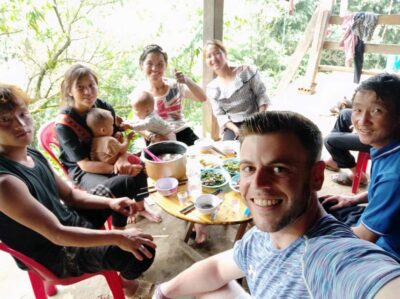
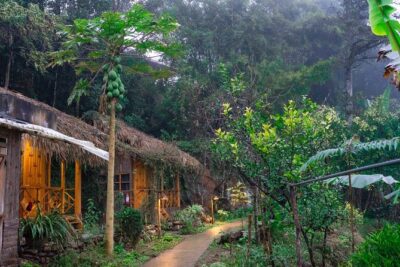
You go to Ta Van village (home of the Zday people) along the Muong Hoa stream and then overnight at a homestay in the Ta Van villa area. This is where the tour deliberately trades comfort for authenticity. The homestay is described as basic and simple, with shared room or single mattress options and a public bathroom.
That setup isn’t a flaw—it’s the point. In a hotel, Sapa life stays something you look at. In a homestay, it becomes something you live beside for a night. You’ll eat dinner as part of the tour, and the next day you’ll continue exploring with the host environment as your reference.
A quick practical note: if you’re sensitive to cold nights, plan for it. The tour guidance is clear that Sapa can be unpredictable and cold in Sep through Mar, and nights can feel colder in winter fog conditions.
Worth a glance beside this Hanoi pick:
- Hanoi Motorbike Tours Led By Women: Hanoi By Night Foodie Motorbike Tours★ 5.0 · 1,734 reviews
- From Hanoi: Ha Long – Bai Tu Long Bay 2-Day 1-Night Cruise★ 4.6 · 1,113 reviews
- Halong Bay Cruise 2 days 1 night from Hanoi included transfer★ 5.0 · 1,061 reviews
Day 2: bamboo forest and rice terraces at Giang Ta Chai
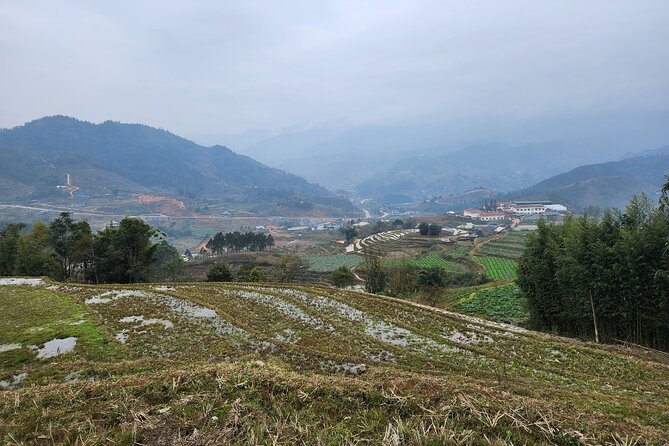
Day 2 focuses on another village landscape—one with strong scenery potential and a different mix of ethnic groups.
You visit Giang Ta Chai village, where Red Zdao, Zday, and Black H’Mong people live together. The route description highlights bamboo forest and rice terrace fields, plus views over the Muong Hoa valley.
This day is a good balance if you like walking but also want time to breathe and watch. The itinerary also includes the option to stay with the host at the homestay again, which helps you settle into the rhythm of the area rather than always feeling on the move.
Bac Ha market on Sunday: trading culture and Hoang A Tuong’s castle
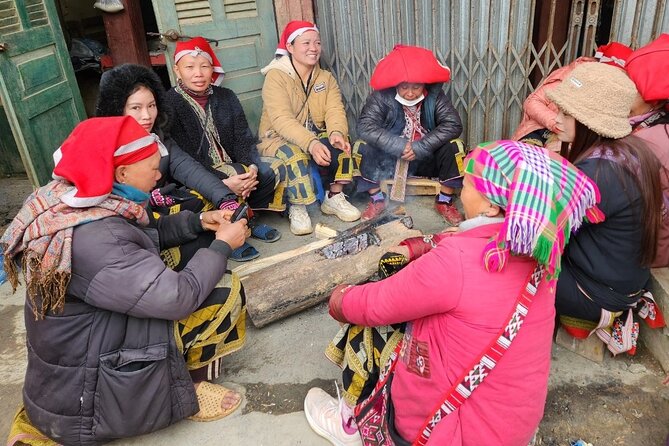
Then comes the pivot from walking valleys to seeing a market that works like a living snapshot of the region.
Bac Ha Market: Sunday morning exchange
Bac Ha market takes place only on Sunday morning. It’s described as showing the original way of exchanging goods from older times and contemporary practice. You can see people trading items like pig, souvenirs, hens, and swapping those goods for other products.
What I like about this kind of market visit is the pacing. Markets are busy, but they’re also structured—you can watch what people carry, how they bargain, and how the market connects households to the wider region.
Hoang A Tuong’s Castle: the H’Mong leader’s palace
You also visit Hoang A Tuong’s castle, described as the home of the King of the H’Mong people in the past. It’s framed as the most luxurious place for him and his family to live and rule.
This stop adds a different lens. Village trekking gives you daily life. A palace visit gives you the social structure that shaped the region.
Pho village walk: a calmer edge near the market
After the castle, you get a short walk toward Pho village, close to Bac Ha market. The description keeps it simple: it’s a peaceful road where you can see daily life of ethnic communities without the same intensity as the market.
The tour includes the relevant entrance fees for Ta Van and Hoang A Tuong’s palace in Bac Ha, and it also includes a private tour to Bac Ha (private car plus guide).
Price and value: why $54.20 can make sense here
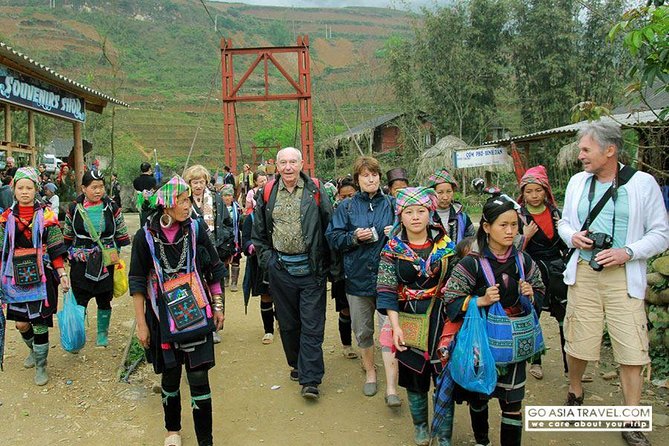
At $54.20 per person for about 3 days, this package can be a pretty good deal—if you’re the kind of traveler who wants “guided + included” rather than building everything yourself.
Here’s what you’re paying for that adds up fast when you plan on your own:
- Overnight train from Hanoi to the Sapa area (SP1/SP2/SP3 at 21:30)
- A guide in Sapa (English speaking, and guides can vary by route)
- Homestay overnight in Ta Van
- Most meals included: 3 breakfasts, 3 lunches, and dinner
- Entrance fees included for Ta Van and the Hoang A Tuong palace
- Private car + guide for the Bac Ha day
You’ll still want to budget for what’s not included: drinks, travel insurance, and personal spending. The tour also notes single supplement isn’t included, and that can affect the real total if you prefer private sleeping arrangements.
Also: group size is capped at 15, which usually means the guide can keep the pace from turning into a cattle-drive situation.
Weather, packing, and fitness: staying warm and steady on the trail
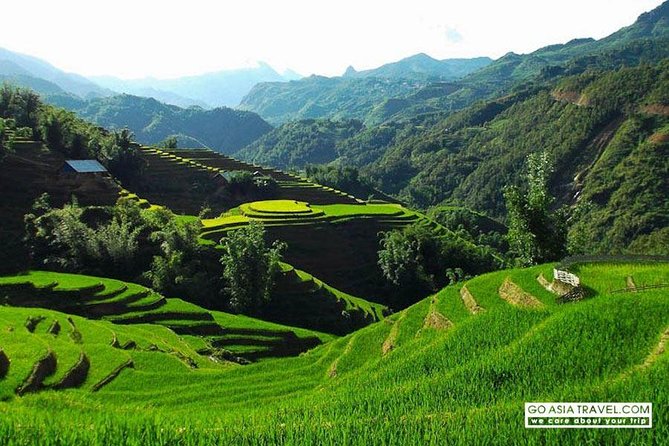
Sapa’s weather is the big variable in how your trip feels. The tour guidance is straightforward: bring warm layers—warm clothes, scarf, hat, cap—because it’s often cold in Sep through Mar. Fog is also possible during Dec, Jan, Feb, which can affect visibility for views.
What I’d add as practical advice based on how the trek is described:
- Trekking shoes matter more than fancy looks. You’re walking village trails and terrace-adjacent paths, and rain can make surfaces slick.
- Bring sunglasses and sun cream even when it’s cold—fog or clouds can still leave you exposed.
- Insect repellent is smart for rural areas.
- Pack a small first-aid kit or at least basic medicine. The tour notes there are chemist shops in Sapa, but it’s better to carry what you need.
Money tip that saves headaches: the tour recommends bringing cash in Vietnamese dong, because banking in Sapa sometimes doesn’t work smoothly. US dollars and euros are accepted in Sapa, so you have options if you’re short on dong.
Who should book this trek package (and who should skip it)

This tour fits well if you want:
- A guided trekking experience with village context
- A genuine homestay overnight (not a hotel replacement)
- A trip structure that handles transportation between Hanoi and Sapa for you
- Meals mostly taken care of
It’s also aimed at people with moderate physical fitness, since you’re trekking through villages and valleys. The tour is clear about limitations:
- Older people should not attend the long trek (~9 km), especially in rain.
- Handicapped people and children under 6 shouldn’t attend the tour.
Homestay expectations matter here. If you need a private, modern bathroom and a padded mattress, this won’t feel like the kind of comfort you’re used to. But if you can handle basic facilities for one night, it’s a memorable trade.
Should you book this Sapa – Bac Ha trek tour?
I’d book it if you want the best kind of “middle ground”: guided enough to be easy, local enough to feel real, and structured enough that you don’t spend your trip solving logistics. The value is strongest when you like having meals included, you’re okay with simple homestay lodging, and you can handle at least one tougher trekking stretch.
I’d skip it if your priority is comfort over walking, or if the idea of cold, fog, and a potentially slippery trail (especially around that longer 9 km day) would stress you out. This isn’t a short sightseeing loop. It’s a real trek with a homestay night and a market day.
FAQ
FAQ
Where does the tour start in Hanoi?
It starts back at the meeting point at 160 Đ. Trần Quang Khải, Lý Thái Tổ, Hoàn Kiếm, Hà Nội, Vietnam.
How do you get from Hanoi to Sapa?
You catch an overnight train from Hanoi train station to the Sapa area (SP1/SP2/SP3) departing at 21:30, then there’s a morning pickup around 5:00 from Lao Cai Train Station to Sapa (about 40 km).
What are the homestay sleeping and bathroom arrangements?
You stay in Ta Van with shared room or a single mattress, and the homestay uses a public bathroom. The accommodations are described as basic and simple.
What’s included for food during the tour?
The tour includes 3 breakfasts, 3 lunches, and dinner.
Is Bac Ha market day tied to a specific day of the week?
Yes. Bac Ha market only takes place on Sunday morning, and that’s part of the tour schedule.
What entrance fees are included?
Entrance fees are included for Ta Van and Hoang A Tuong’s palace/castle in Bac Ha, and the itinerary also notes an entrance fee included at Cat Cat village.
What are the main trekking and fitness limitations?
The tour advises a moderate physical fitness level and says older people should not attend the long trek of about 9 km, especially if it rains. It also notes handicapped people and children under 6 years old should not attend.
More Tours in Hanoi
- Ninh Binh Full-Day Tour from Hanoi to Hoa Lu, Tam Coc & Mua Cave Via Boat & Bike
★ 5.0 · 4,384 reviews





More Tour Reviews in Hanoi


More Sapa Treks We Walked

Latest Hanoi write-ups from our team






Sapa Trekking Tours, compared.
 ★ 5.0Sapa 2 Days 1 Night From Hanoi – Overnight in Ta Van VillageFrom $592,669 reviews
 ★ 5.0Hanoi – Sapa 2 Days 1 Night Overnight At HomestayFrom $89899 reviews
 ★ 5.0Sapa: Fansipan Cable, Cat Cat Village & Moana Instagram TourFrom $30777 reviews
 ★ 4.8From Hanoi: 2-Day Sapa Trekking Trip with Homestay & MealsFrom $71704 reviews
 ★ 5.0Sapa 3 Days 2 Nights Trekking Tour (1 Night In Ta Van Village, 1 Night In Hotel)From $139699 reviews
 ★ 5.03-Day Trekking Adventure of Sapa from Hanoi – Stay Ta Van VillageFrom $109611 reviews
 ★ 4.82-Day Sa Pa Ethnic Homestay Tour & Trek with Limousine Bus440 reviews
 ★ 5.0Sapa 2 Days 1 Night From Hanoi – Overnight in HotelFrom $89440 reviews
Browse the lists this tour appears in