

Reviewed · SAPA TREKKING TOURS
Sapa 3 days 2 nights ( 01 night in hotel, 01 night in homestay)
Misty mountains, simple village life, and real hiking. This 3-day Sapa tour packs in Cat Cat, old rice-terrace views, and a night in a Giay homestay with meals included. The big win for you is the small group size (max 10) plus an English-speaking guide who helps you keep moving, including practical support like warm cloths and medication when needed. The main drawback to plan for is that you’re doing daily trekking in weather-dependent conditions and the pace is active.
You’ll sleep one night in a hotel, then one night with a local family in Ta Van, which changes the whole vibe of the trip from sightseeing to shared daily routine. On top of that, the itinerary focuses on specific ethnic villages—Hmong and Giay—so you’re not just taking photos, you’re learning why places like Y Linh Ho and Lao Chai matter to local life. The trade-off is that you start early, walk between villages, and spend more time outdoors than in any bus-comfort bubble.
Small details matter here. You’ll get pickup/transfer support, a mobile ticket, and eight meals across the three days—useful when you’re burning energy on the trails. Just make sure you’re ready for lots of stairs and walking days, because comfort gear (good shoes, layers) will matter more than souvenirs.
In This Review
- Key highlights that make this Sapa trip worth your time
- Hotel comfort, homestay reality: the rhythm of this 3D/2N plan
- Price and logistics: what you’re paying for (and what you still control)
- Day 1: Cat Cat Village, a waterfall stop, and crafts that connect to Hmong life
- Day 2: Y Linh Ho rice terraces, Lao Chai lunch, then a Giay welcome in Ta Van
- Day 3: bamboo forest to Giang Ta Chai, silk waterfall vibes, then back to Hanoi
- Why eight included meals are more than a perk
- The guide factor: what “Zai prepared for everything” really means
- What to pack for Sapa treks with hotel plus homestay
- Who this tour is best for (and who should look elsewhere)
- Should you book Sapa 3 days 2 nights with Cat Cat + Ta Van?
- FAQ
- What does the tour include?
- How long is the Sapa tour?
- Is the group size small?
- What type of accommodation is included?
- Does the itinerary include trekking?
- Where do the tour activities focus on?
- Does it include meals every day?
- Is transportation from Hanoi included?
- Is tips included in the price?
- What happens if the weather is poor?
Key highlights that make this Sapa trip worth your time
- Hotel + homestay mix: one hotel night, one night with a Giay family in Ta Van
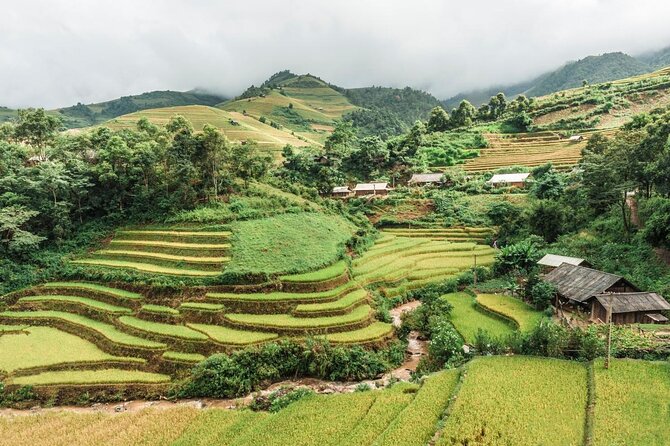
- Rice-terrace photo stops: Y Linh Ho is known for older terrace scenery (about 100 years)
- Village trekking with village-to-village context: Hmong and Giay home areas, not just roadside views
- Cat Cat focus: hydropower station, Cat Cat waterfall, and traditional crafts like weaving and carving
- A guide who shows up prepared: feedback specifically calls out Zai helping with tough sections, plus warm cloths and medication
- 8 meals included: 3 breakfasts, 3 lunches, 2 dinners—so you’re not scrambling between hikes
Hotel comfort, homestay reality: the rhythm of this 3D/2N plan
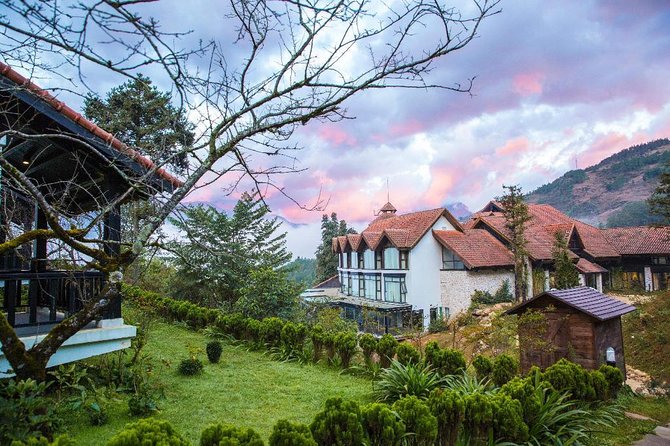
This is a 3-day, 2-night Sapa format with one hotel stay and one homestay stay. That split is more than a line on a booking page. You’ll get the best of both worlds: a simple place to reset in the middle, then a chance to experience daily life in a home where you eat, cook, and sleep as part of the routine.
The tour is built around daily trekking excursions, with multiple village stops and time outside for views. With a maximum of 10 travelers, you’re less likely to feel like you’re in a crowd, and it’s easier for the guide to manage the pace when paths get steep or uneven.
You’ll also want to know what’s included because it changes value. Here, transportation (round-trip from Hanoi), the English-speaking guide, and all fees and taxes are covered. Meals are covered too: eight meals total—3 breakfasts, 3 lunches, and 2 dinners. If you’ve ever done Sapa trips where you pay extra for food between hikes, this package structure is a real relief.
More trails through the Sapa valleys



Price and logistics: what you’re paying for (and what you still control)
The price is $179 per person for about three days of guided trekking plus transfers and lodging. On paper, that can look “mid-range,” but the practical question is: are you buying convenience, or just coverage?
In this case, you are buying convenience. You’re not responsible for planning village routes, negotiating local transport, or finding food while you’re between trails. You’re also not spending your time hunting for tickets; the tour uses a mobile ticket. Add in the group size limit of 10, and you get a better chance at an orderly experience rather than a hurried stampede through the stops.
What you control is the real variable: your effort and your timing with the weather. The activity requires good weather. That matters in Sapa because mist and rain can make paths slower and visibility worse. If the tour is canceled due to poor weather, you’ll be offered a different date or a full refund—but if you hate uncertainty, you’ll want a flexible mindset.
Also note the fine print vibe: this experience is not refundable and can’t be changed once booked. So treat it like a commitment and keep an eye on conditions as your dates approach.
Day 1: Cat Cat Village, a waterfall stop, and crafts that connect to Hmong life
Day 1 starts early with pickup support in Sapa. There’s a plan to meet you around 6:00 AM at the bus office in Sapa, then get you to the tour office area (Golden Villa Hotel). Once you’re checked in, you get breakfast and time to freshen up, then you head out at 8:30 AM.
The walking begins right away: you’ll go down about 3 km toward the Cat Cat area. That distance sets the tone for the whole trip—this isn’t a “step off the van, snap a photo, step back in” day.
At Cat Cat, you’ll cover a mix of sights and context:
- Cat Cat hydropower station (a working landmark you can actually see)
- Cat Cat waterfall (the classic reason many people come)
- Time learning about local culture, customs, and unique people
- Traditional craft demonstrations, including weaving and carving
The reason I like this first day structure is simple: it gives you instant variety. You move from landscape views to built structures (the hydropower station) and then to culture you can understand by watching crafts. It’s easier to keep your attention because each stop changes the kind of information you’re getting.
Possible consideration: first-day walking is the kind you feel later. If you’re not used to downhill and uneven ground, start the day with comfortable shoes and take your breaks seriously. The guide’s role here isn’t just storytelling—it’s managing effort so the rest of the trip feels enjoyable rather than punishing.
Day 2: Y Linh Ho rice terraces, Lao Chai lunch, then a Giay welcome in Ta Van
Day 2 is the “views plus community” day. After breakfast and checkout (again, you’re moving out by 8:30 AM), you head down toward Y Linh Ho, a village inhabited by the Hmong minority.
Y Linh Ho is where you get the classic rice-terrace perspective—specifically, terraces that are estimated to be around 100 years old. That detail matters. Older terrace systems are not just pretty geometry; they reflect long-term farming and the way people have shaped slopes to make agriculture possible.
From there, you move to Lao Chai for a lunch break of about 1 hour and time to visit the Hmong home area. This isn’t only a meal stop. It’s a reset point inside the trekking rhythm so you can recharge before the next village segment.
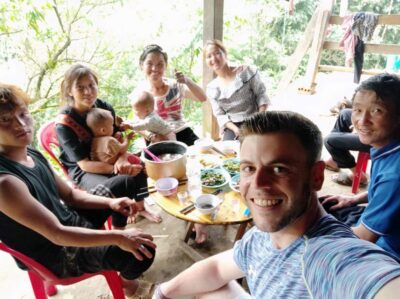
Then comes Ta Van. You’ll continue on to Ta Van, described as an established Hmong and Giay village. Here you get the key shift: instead of only visiting a place, you’re welcomed by a local Giay family and stay for the night in their homestay.
In the homestay, the schedule is hands-on:
- Cooking with the family
- Dinner with them
This is the kind of experience that tends to stick, because it turns the trip from “seeing a culture” into participating in a small slice of everyday life. Even if your comfort zone is limited, the homestay format usually makes it easier to interact naturally: you’re doing tasks, eating together, and watching how a home runs.
Possible drawback: homestays mean you live by the home’s schedule. On the next morning, you’ll wake naturally (more on that in Day 3). If you’re sensitive to noise or early wake-ups, plan for a lighter sleep experience than a hotel.
Day 3: bamboo forest to Giang Ta Chai, silk waterfall vibes, then back to Hanoi
Day 3 starts with breakfast in the homestay, after you wake up naturally—described as being triggered by a rooster or pigs. That’s not a complaint; it’s part of the homestay authenticity. If you like the idea of travel that feels human-sized, this detail is a selling point.
You’ll eat breakfast with pancakes plus hot tea or hot coffee, served outdoors, then you get views across the rice terraces before you say goodbye to your hosts.
After breakfast, the trekking continues through:
- A bamboo forest
- A stop described as the silk waterfall area
- Time trekking toward Giang Ta Chai
You’ll spend a few hours on this stretch, then stop for a picnic lunch with scenic views. Lunch here is practical: it prevents the usual mid-trek scramble, and it keeps you from rushing through the best parts of the day.
Then it’s back to Sapa Town by car or mini van after walking back to the main road. You’re expected to return around 2:00 PM, shower at the hotel, and then have a 3:00 PM shuttle to the bus office. From there, you check in for your bus back to Hanoi, and the tour prepares sandwiches to take away before you leave.
The upside of the Day 3 structure is that it ends cleanly. You finish with views and food, not with exhaustion and last-minute logistics.
The only “consideration” I’d keep in mind: you’re packing in one more active trekking segment plus the return transfer. So keep your early-day energy from Day 1 and Day 2 in mind. This day goes faster when you’re already in hiking mode.
Worth a glance beside this Hanoi pick:
- Hanoi Motorbike Tours Led By Women: Hanoi By Night Foodie Motorbike Tours★ 5.0 · 1,734 reviews
- From Hanoi: Ha Long – Bai Tu Long Bay 2-Day 1-Night Cruise★ 4.6 · 1,113 reviews
- Halong Bay Cruise 2 days 1 night from Hanoi included transfer★ 5.0 · 1,061 reviews
Why eight included meals are more than a perk
Meals are often listed as a “nice-to-have” in tour packages. Here, they matter because you’re trekking daily across different village areas. When you have 3 breakfasts, 3 lunches, and 2 dinners included, you don’t waste prime daylight hunting for food or negotiating on the spot.
Lunch breaks are timed into the route:
- Day 2 lunch in Lao Chai gives you the midday recharge you’ll need before continuing to Ta Van.
- Day 3 includes a picnic lunch while you’re already enjoying the hike payoff areas.
Dinner in Ta Van adds another layer: you’re not just fed, you’re hosted. Cooking with the Giay family turns dinner into a shared activity, not simply a meal at the end of a day.
Practical advice: you’ll feel better on trekking days if you treat breakfast as fuel, not a casual snack. The tour format gives you breakfast on multiple mornings, including one with pancakes and hot drinks and another with terrace views beforehand. Use it like energy prep.
The guide factor: what “Zai prepared for everything” really means
One thing that comes up strongly is how capable the guide support feels. Feedback highlights Zai for being resourceful—finding ways to make the tour easier, bringing practical items like warm cloths and medication, and physically helping during harder parts of the hike.
That kind of support changes your experience in a quiet way. It’s not only about explaining villages. It’s about reducing friction when the trail gets tough, the weather shifts, or someone needs a quick fix to keep going comfortably.
Since this tour includes daily trekking and weather-dependent conditions, having a guide who shows up prepared is a real value point. It’s also why the small group size works: the guide can actually manage assistance without turning the hike into a long waiting game.
What to pack for Sapa treks with hotel plus homestay
Even without an official packing list, you can infer what matters from the schedule: early mornings, downhill walking, bamboo forest trekking, and an overnight in a homestay.
Pack for comfort and warmth. The fact that warm cloths were mentioned in positive feedback is a clue that temperatures and wind can get uncomfortable on the trail. Bring layers you can remove and add, plus a hat or something for sun and drizzle.
For shoes, think grip over style. You’ll be walking down and moving between village paths. Your goal is to reduce slips and fatigue.
Also plan for a homestay night. You’ll be waking naturally the next morning, and mornings start with outdoor breakfast and terrace views. So bring what you need for a calmer sleep routine if you’re sensitive to early noise.
Who this tour is best for (and who should look elsewhere)
This Sapa 3 days 2 nights plan is best for you if:
- You want guided trekking with village stops rather than a quick scenic drive
- You like the hotel + homestay combination and want one night with a local family
- You care about learning the difference between Hmong and Giay village life through actual home areas and daily routine
- You prefer a small group (up to 10) so the guide can keep things organized
It’s less ideal if:
- You want a very relaxed pace with minimal walking
- You strongly dislike weather uncertainty and outdoors time
- You need a strict sleep schedule and are bothered by rooster/pig morning wake-ups in a homestay
Should you book Sapa 3 days 2 nights with Cat Cat + Ta Van?
If you want Sapa that feels real—rice terraces, village life, and an overnight where you cook and eat with a family—this is a strong match. The value is in the package design: transfers from Hanoi, all fees and taxes, an English-speaking guide, and eight included meals means less hassle and fewer extra bills while you’re hiking.
I’d book it when:
- Your travel dates can handle the weather factor
- You’re comfortable with early starts and walking between village areas
- You like small-group travel and appreciate practical guide support (especially the kind described around Zai)
I’d hold off if:
- You need free rescheduling or refunds if plans change
- You want a mostly hotel-based itinerary with little outdoors time
If you’re the type of traveler who enjoys learning while walking—and you’re excited to trade one night of hotel convenience for a homestay experience—this is the kind of Sapa trip that usually feels worth it long after you’re back in Hanoi.
FAQ
What does the tour include?
The tour includes all fees and taxes, an English-speaking guide, and 8 meals total: 3 breakfasts, 3 lunches, and 2 dinners. It also includes transportation and accommodation for 2 nights (1 night in a hotel and 1 night in a homestay).
How long is the Sapa tour?
It runs for about 3 days and includes 2 nights.
Is the group size small?
Yes. The maximum group size is 10 travelers.
What type of accommodation is included?
You get 1 night in a hotel and 1 night in a homestay (in Ta Van).
Does the itinerary include trekking?
Yes. Each day includes trekking excursions between villages, including sections through bamboo forest and stops around waterfalls and rice terraces.
Where do the tour activities focus on?
You’ll visit and trek through areas including Cat Cat, Y Linh Ho, Lao Chai, Ta Van, and Giang Ta Chai, plus viewpoints around rice terraces and waterfall areas.
Does it include meals every day?
Yes. Breakfast is included for 3 mornings, lunch for 3 days, and dinner for 2 evenings.
Is transportation from Hanoi included?
Yes. The tour offers round-trip transfers from Hanoi as part of the overall package, including shuttle time back toward the bus office.
Is tips included in the price?
No. Tips are not included.
What happens if the weather is poor?
This experience requires good weather. If it’s canceled due to poor weather, you’ll be offered a different date or a full refund.
More Evening Experiences in Hanoi




More Tour Reviews in Hanoi





More Sapa Treks We Walked

Latest Hanoi write-ups from our team






Sapa Trekking Tours, compared.
 ★ 5.0Sapa 2 Days 1 Night From Hanoi – Overnight in Ta Van VillageFrom $592,669 reviews
 ★ 5.0Hanoi – Sapa 2 Days 1 Night Overnight At HomestayFrom $89899 reviews
 ★ 5.0Sapa: Fansipan Cable, Cat Cat Village & Moana Instagram TourFrom $30777 reviews
 ★ 4.8From Hanoi: 2-Day Sapa Trekking Trip with Homestay & MealsFrom $71704 reviews
 ★ 5.0Sapa 3 Days 2 Nights Trekking Tour (1 Night In Ta Van Village, 1 Night In Hotel)From $139699 reviews
 ★ 5.03-Day Trekking Adventure of Sapa from Hanoi – Stay Ta Van VillageFrom $109611 reviews
 ★ 4.82-Day Sa Pa Ethnic Homestay Tour & Trek with Limousine Bus440 reviews
 ★ 5.0Sapa 2 Days 1 Night From Hanoi – Overnight in HotelFrom $89440 reviews
Browse the lists this tour appears in