

Reviewed · SAPA TREKKING TOURS
Sapa 3-Day Trekking Adventure from Hanoi
Three days, two village worlds, lots of steps. I like the small-group pace (max 12) and the way local ethnic guides help you understand daily life across H’Mong and Dao communities, from Cat Cat to Ta Van. The main drawback to plan for is that parts of the trek can get slippery and muddy when conditions turn wet.
The Ta Van homestay night is where the trip feels most real, especially with a cooking class and a dinner you make yourself. Just know the return to Hanoi runs late, with arrival around 22h00, so you will want a calm night after you get back.
In This Review
- Key Things I’d Put on Your Shortlist
- A Small-Group Sapa Trek That Doesn’t Feel Like a Conveyor Belt
- Hanoi to Sapa: The Morning Pick-Up, Then Sapa Town
- Cat Cat Village Walk: H’Mong Life, a Waterfall, and French-Era Tech
- Day 2 Trek: Y Linh Ho, Muong Hoa Stream, and Lao Chai’s Rice-Terrace Views
- Ta Van Homestay Night: Cooking Class and Dinner You Actually Made
- Day 3 Trek: Giang Ta Chai and Su Pan Villages (Red Dao)
- Price and Logistics: What $126 Actually Covers
- Packing for Real Trek Conditions: Shoes, Warm Layers, Insects
- Sapa Town Time: Useful, But Don’t Over-Plan
- Who This Sapa Trek Suits Best (And Who Should Skip It)
- Should You Book This Sapa 3-Day Trekking Adventure?
- FAQ
- How many people are in the group?
- What are the lodging arrangements?
- What meals are included?
- Is there a cooking class?
- How much trekking is involved?
- Where are you dropped off when the tour ends in Hanoi?
Key Things I’d Put on Your Shortlist
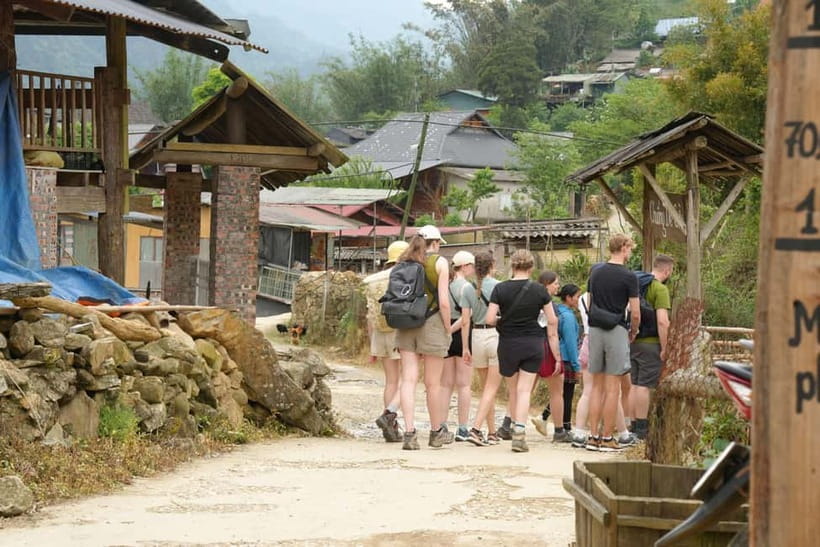
- Max 12 guests keeps the experience more personal and easier to manage on steep sections
- Local ethnic guides lead the route and village visits, not a generic scripted tour
- Muong Hoa rice terraces trekking links Y Linh Ho, Lao Chai, and big mountain views in Hoàng Liên Sơn
- Ta Van homestay plus cooking class turns one night into a cultural lesson, not just a bed for the night
- Cat Cat includes French-era hydroelectric history along with the village and waterfall area
- No add-on charges are promised, so you’re not constantly deciding what costs extra
A Small-Group Sapa Trek That Doesn’t Feel Like a Conveyor Belt
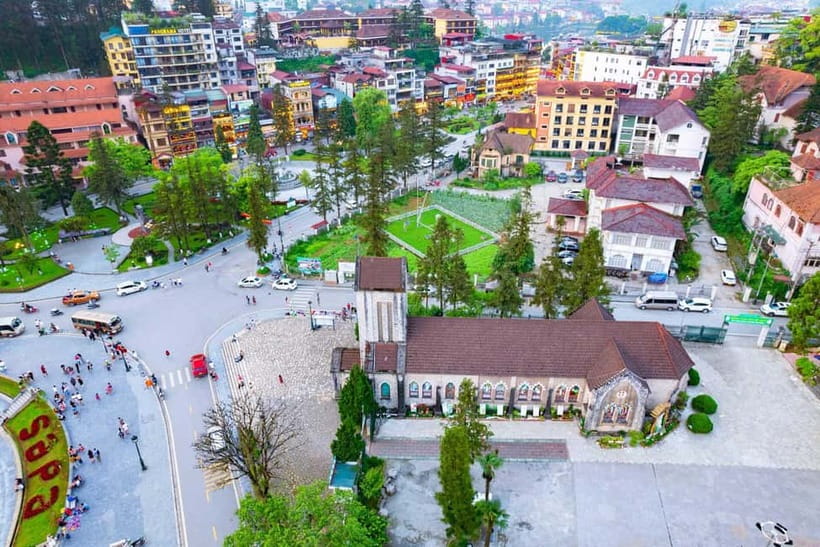
Sapa can be busy, but this tour’s design fights that problem. You travel in a group of up to 12, and the hiking is paced for walking together, not rushing past viewpoints. That matters because the trek isn’t just a stroll. Day 2 and Day 3 include a total of about 14 km of hiking, and when the ground is wet, footing becomes the whole game.
I also like that you’re guided by local ethnic guides and you visit multiple communities: H’Mong (like Lao Chai and Cat Cat areas), Dao (like Red Dao villages), plus the Giay community mentioned in the overall cultural focus. This isn’t about chasing the same photo angle over and over. It’s about learning how people live where the terraces, streams, and mountains shape everyday schedules.
One practical consideration: the tour can involve steep, slippery sections, and you’ll be walking dirt paths that may get muddy.
More trails through the Sapa valleys




Hanoi to Sapa: The Morning Pick-Up, Then Sapa Town
The day starts early. You’re picked up from your hotel in Hanoi’s Old Quarter or at a meeting point, around 06h10–06h30. After roughly 5 hours on the highway, you reach Sapa between 13h15 and 13h40.
Then it’s straightforward: check in with the group, have lunch, and get your bearings before the first village walk. This is a good setup because you’re not dumped into hiking the moment you arrive. You have time to settle, eat, and let your body adjust to Sapa’s cooler mountain air.
For your planning, remember one thing: you will be on the move most of the first day. If you hate long travel days, this trip is still doable, but you’ll want to treat Sapa town that evening as low effort.
Cat Cat Village Walk: H’Mong Life, a Waterfall, and French-Era Tech
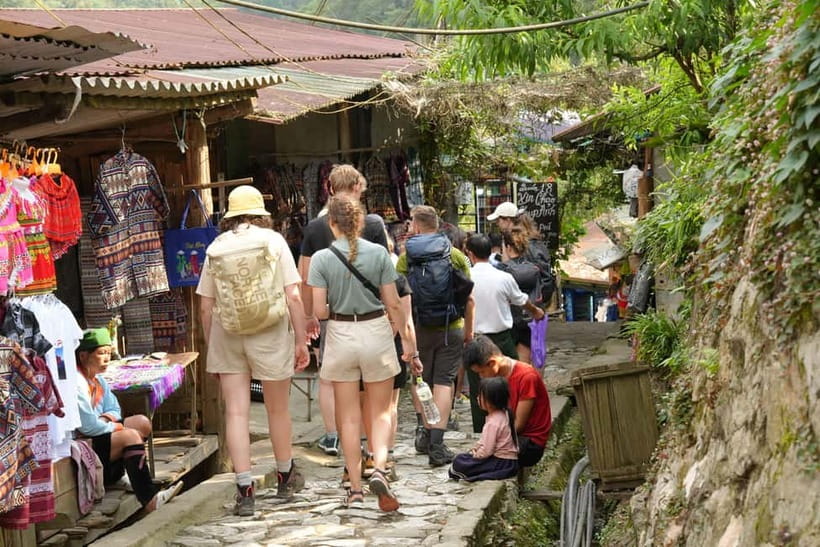
Day 1 is capped with a visit to Cat Cat Village. Around 14h30, you walk out with your guide and spend time seeing customs and habits of H’Mong communities. You also stop at Cat Cat waterfall and visit the hydroelectric power plant built by the French in the early twentieth century.
This mix is part of why the first day feels satisfying. You get culture, scenery by the water, and a little history tied to how the region’s water and technology developed. If you’re the kind of traveler who likes understanding how different forces shaped a place—people, water, and infrastructure—you’ll probably enjoy this stop.
The trade-off is that Cat Cat can feel a bit more tourist-facing than the homestay villages later in the trek. If your goal is purely remote village life, you may feel the difference. I’d treat Cat Cat as your orientation: learn the basics here, then look forward to the deeper walking and the Ta Van night.
Dinner follows in the restaurant area, and you’ll have free time to explore Sapa town. Many people use this window for a simple walk, a warm drink, or finding an early night.
Day 2 Trek: Y Linh Ho, Muong Hoa Stream, and Lao Chai’s Rice-Terrace Views

Day 2 starts with breakfast between 07h00 and 08h00, then the trek begins around 08h30. Your route takes you to Y Linh Ho village and then on through the rice terraces along the Muong Hoa Stream to Lao Chai, home to the Black H’Mong community.
This is the “wow” day for most walkers. The Hoàng Liên Sơn mountain range views come through during the hike, and the terraces make the trail feel like it’s part of a working system, not just a scenic route. If you like landscape photography in the literal sense—watching water, stairs, terraces, and layers of hills appear as you climb—you’re in the right place.
Now for the part you shouldn’t skip: the trek can get very muddy. When conditions are wet, you may deal with slick clay-like sections. One of the biggest practical takeaways is shoe choice. In these conditions, decent grip matters more than comfort alone. Waterlogged trails can turn normal steps into sliding steps, and you’ll want shoes that handle muddy edges and uneven ground.
Also, you’re not walking alone in the “survival” sense. Local women on the route often help people along slippery segments, and that can be the difference between a tough moment and a bad one. The goal is to walk steadily, take short pauses, and stay calm on the steep bits.
Lunch arrives at Ta Van village around 12h30, then you check in and rest.
Ta Van Homestay Night: Cooking Class and Dinner You Actually Made
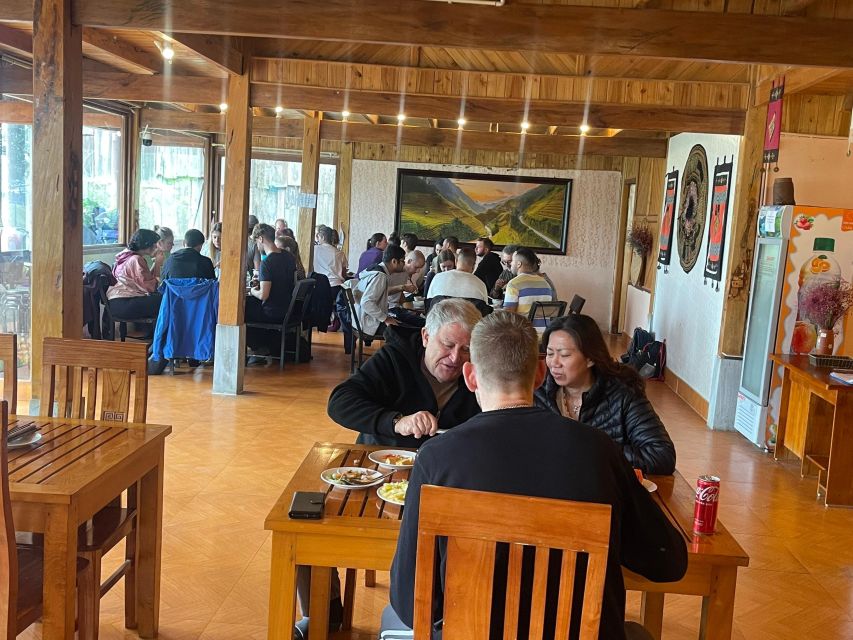
After lunch and a reset, Day 2 turns from trekking to community time. You’ll have afternoon downtime at the homestay, and at about 17h00–17h30 you join a cooking class with locals. The activity includes preparing and cooking the dishes, and then at about 18h30 you eat dinner made by yourself.
This part matters because it’s not only entertainment. It’s a practical way to learn what ingredients, rhythms, and basic techniques shape daily food. Even if you don’t remember every step, you walk away with a better sense of why the meal happens the way it does in that valley.
Homestay settings in Ta Van are also often a highlight for travelers who want something cleaner and more comfortable than they expected from a “basic village stay.” From the way the experience is described, the homestays are treated as proper overnight stops: you get dinner, and you can rest after a long day.
One more reality check: you are sleeping in the valley, so it can feel cooler at night. Bring the warm layers you planned for your season and keep your hiking socks ready for the morning.
Worth a glance beside this Hanoi pick:
- Halong Bay Full Day with Kayaking, Hiking viewpoint, Cave – Deluxe To Luxury★ 5.0 · 884 reviews
- From Hanoi: 2-Day Sapa Trekking Trip with Homestay & Meals★ 4.8 · 704 reviews
- Sapa 3 Days 2 Nights Trekking Tour (1 Night In Ta Van Village, 1 Night In Hotel)★ 5.0 · 699 reviews
Day 3 Trek: Giang Ta Chai and Su Pan Villages (Red Dao)
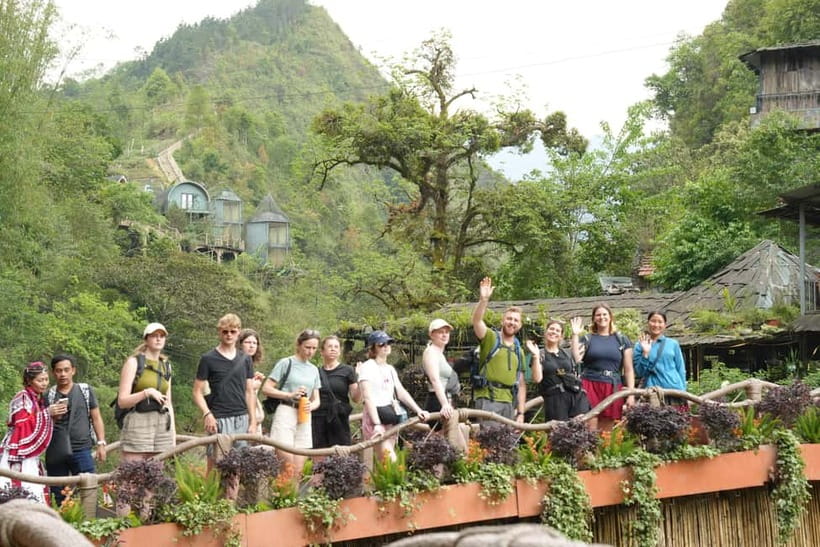
Day 3 begins with breakfast at the homestay between 07h30 and 09h00. Then trekking starts around 09h00–09h30 with a route to Giang Ta Chai and Su Pan villages. You’ll walk about 4 km in the morning, and these are Red Dao villages.
This day is shorter than Day 2, but the feel can be similar if the ground is wet. The key here is mindset. You’re not rushing for a final grand viewpoint. You’re finishing the cultural triangle: see more community life, keep your balance, then recover for the ride back.
Around 12h00, lunch happens, followed by a rest at the homestay. Then you shift back to logistics: at 13h00 a car picks you up to return to Sapa town, and at 15h30 you board the bus to Hanoi.
You arrive in Hanoi around 22h00, and the drop-off is at Tran Quang Khai Street, Hoan Kiem. If your hotel is elsewhere, you’ll likely need your own final short transfer.
Price and Logistics: What $126 Actually Covers
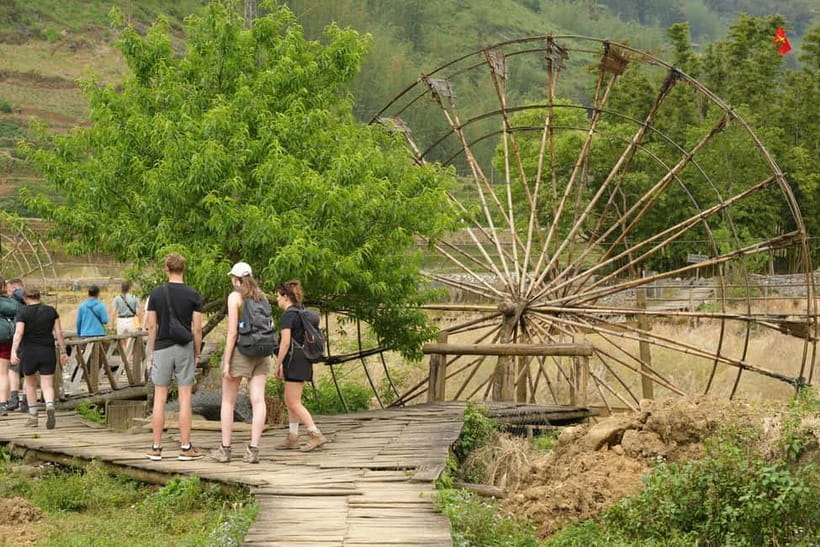
At $126 per person, the value is mainly in the package structure. You’re getting:
- Round-trip VIP cabin bus between Hanoi and Sapa (as described)
- 1 night homestay in Ta Van
- 1 night at a 3-star hotel in Sapa town (Sapa Retreat Condotel or Delta Sapa Hotel)
- English-speaking local guide
- Meals listed for 2 breakfasts, 2 dinners, 3 lunches
- Entrance fees and permits
- A cooking class at the homestay
That’s a lot included, and it matters because Sapa trekking often becomes expensive once you start adding on guide fees, entrance tickets, and “optional” experiences. Here, the tour explicitly promises no additional charges, which helps you budget without stress.
Two logistics notes that can affect your comfort:
- Pick-up is included, but it does not include drop-off at your Hanoi hotel when the tour ends. You will end at the Tran Quang Khai Street area.
- The day ends late in Hanoi, so you’ll want a hotel plan that can absorb a late arrival.
Packing for Real Trek Conditions: Shoes, Warm Layers, Insects
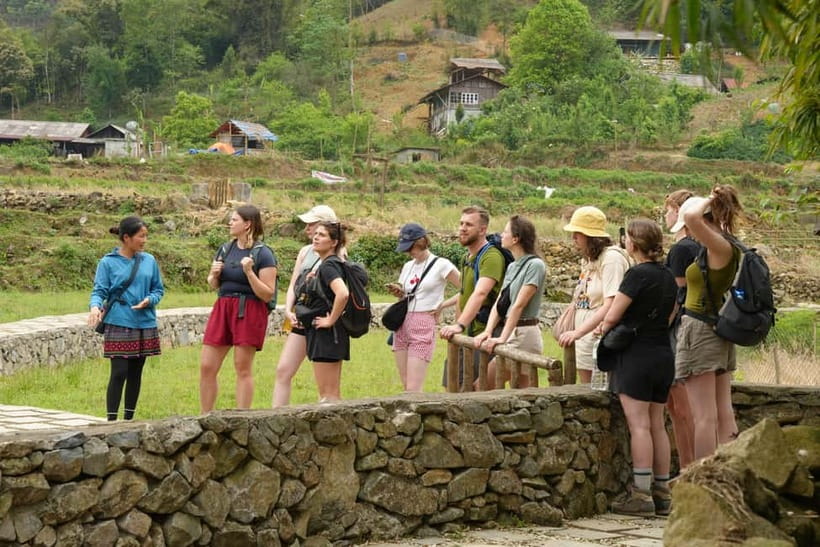
The tour spells out a clear packing direction, and I’m with it. You’ll want:
- Comfortable hiking shoes or boots (not just sneakers)
- Comfortable clothes plus warm layers if you’re traveling October to March
- Insect repellent
- Hiking pants
- Passport or ID card
On top of that, use the weather logic that the tour warns you about. If it has rained recently, the ground can be muddy and dirty, and the slippery sections can show up early on the trek. I’d treat waterproof shoes as the smarter choice. If you only have regular shoes, expect you might get wet and muddy feet.
The “don’ts” are also worth respecting: no high-heeled shoes, and avoid alcohol and drugs during the trek.
Sapa Town Time: Useful, But Don’t Over-Plan
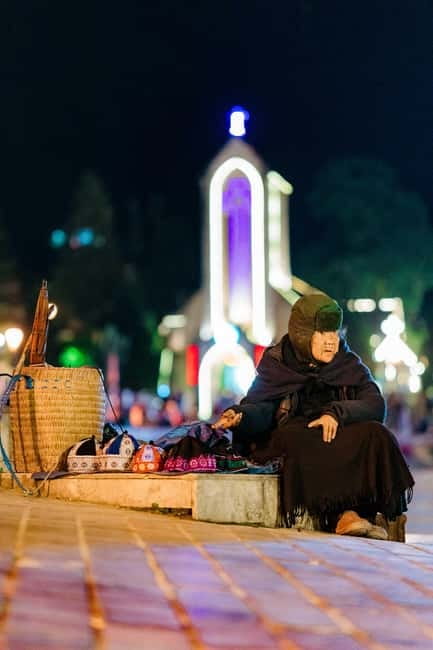
Sapa town is where you check in, eat, and breathe between village walks. It can be busy, and not everyone loves the town vibe. Still, you’re not there long enough for it to ruin your trip.
Think of town time as logistics and comfort:
- Get a warm shower after the first travel day
- Use the evening for an easy stroll or a simple dinner
- Recharge before a long day of trekking
If you’re tempted to schedule big activities in town on Day 1 or Day 3, keep them flexible. The trip’s hiking rhythm and late return can make strict plans feel stressful.
Who This Sapa Trek Suits Best (And Who Should Skip It)
This is a strong fit if you want:
- A small-group trekking experience with a serious village focus
- Terraced walking and valley views around Muong Hoa
- A homestay night where food is part of the cultural learning (thanks to the cooking class)
It’s less suitable if you:
- Have back problems
- Need mobility assistance
- Are traveling with very young children (the tour notes it is not suitable for children under 3)
- Are over 75 years old
- Want mostly flat walking
Also, if you dislike any chance of sales pressure in villages, prepare yourself. Along the routes, locals may approach to sell items they make. You do not have to buy anything, but it’s good to know it happens so you’re not caught off guard.
One more helpful note: if you get a guide like Dinh, praised for being kind and knowledgeable, the trip will likely feel smoother and more meaningful. Still, the tour’s core is the local leadership, not one person.
Should You Book This Sapa 3-Day Trekking Adventure?
Book it if you want an organized, small-group Sapa trek that takes you beyond town—into H’Mong and Dao village life, with a real Ta Van homestay and a cooking class included. The price-to-inclusions ratio is solid for a 3-day package that covers transport, meals, guide, permits, and lodging.
Skip it or rethink it if you’re not ready for steep, slippery walking in wet conditions, or if you’re sensitive to long travel days and a late Hanoi arrival. Also, if your top priority is totally remote, off-the-grid villages only, treat Cat Cat as your lighter, more accessible first-day stop and focus your expectations on the trekking days.
If you can bring strong shoes, warm layers, and a steady pace, you’ll likely come away with more than photos. You’ll leave with a clearer sense of how people live where mountains and terraces shape the day.
FAQ
How many people are in the group?
The tour is limited to a maximum of 12 guests.
What are the lodging arrangements?
You sleep 1 night in a private homestay in Ta Van village and 1 night at a 3-star hotel in Sapa town (Sapa Retreat Condotel or Delta Sapa Hotel).
What meals are included?
The tour includes 2 breakfasts, 2 dinners, and 3 lunches, based on the itinerary.
Is there a cooking class?
Yes. There is a cooking class activity at the homestay on Day 2, and you cook and then eat dinner.
How much trekking is involved?
On Day 2 and Day 3, the trekking totals about 14 km. The tour notes it may be muddy and dirty, especially in wet weather.
Where are you dropped off when the tour ends in Hanoi?
You get back to Hanoi around 22h00, and the bus drops you off at Tran Quang Khai Street, Hoan Kiem, Hanoi. Pickup is included from your Hanoi hotel area, but the tour does not include drop-off at your hotel.
More Hiking & Trekking in Hanoi


More Tour Reviews in Hanoi





More Sapa Treks We Walked
Latest Hanoi write-ups from our team






Sapa Trekking Tours, compared.
 ★ 5.0Sapa 2 Days 1 Night From Hanoi – Overnight in Ta Van VillageFrom $592,669 reviews
 ★ 5.0Hanoi – Sapa 2 Days 1 Night Overnight At HomestayFrom $89899 reviews
 ★ 5.0Sapa: Fansipan Cable, Cat Cat Village & Moana Instagram TourFrom $30777 reviews
 ★ 4.8From Hanoi: 2-Day Sapa Trekking Trip with Homestay & MealsFrom $71704 reviews
 ★ 5.0Sapa 3 Days 2 Nights Trekking Tour (1 Night In Ta Van Village, 1 Night In Hotel)From $139699 reviews
 ★ 5.03-Day Trekking Adventure of Sapa from Hanoi – Stay Ta Van VillageFrom $109611 reviews
 ★ 4.82-Day Sa Pa Ethnic Homestay Tour & Trek with Limousine Bus440 reviews
 ★ 5.0Sapa 2 Days 1 Night From Hanoi – Overnight in HotelFrom $89440 reviews
Browse the lists this tour appears in