
Reviewed · SAPA TREKKING TOURS
Sapa: 3-Day, 3-Night Trek and Hotel with Overnight Train
Few trips start on rails and end in village homes. This Sapa 3-day trek threads through the Muong Hoa Valley to Black Hmong, Zay, and Red Zao communities, with one night in a Ta Van homestay and one night in a 3-star Sapa hotel—while your sleeping time is handled by the overnight train from Hanoi to Lao Cai.
What I really like is the mix of logistics and time on your feet. You’re not just sightseeing from a bus window; you actually walk between villages (about 9 km total trek) and get local meals along the way. The other big win: the homestay in Ta Van Village, where traditional hospitality is the point, not a side note.
One consideration: the overnight train can feel noisy and bumpy, and even the toilet setup can be challenging on the move. If you’re a light sleeper, plan for it.
In This Review
- Key reasons this trek works
- The vibe: villages, not just viewpoints
- Overnight train from Hanoi to Lao Cai: efficient, not fancy
- Sapa Day 1: Sin Chai walk and a Sapa night
- Sin Chai Village (Black Hmong)
- Dinner and your choice of evening
- Day 2: Muong Hoa Valley trek to Y Linh Ho, Lao Chai, and Ta Van
- Y Linh Ho Village (Black Hmong)
- Lao Chai Village
- Ta Van Village (Zay homestay)
- Day 3: Red Dzao and Hmong villages, waterfall, and rattan bridge
- Waterfall and Rattan Bridge
- Back to Sapa, then limousine to Hanoi
- Included value: what you get for about $212
- Pace and difficulty: 9 km trek, cold weather, and fog
- Guides, group size, and how to handle the selling pressure
- What your meals feel like on a trek
- Getting the most out of it: smart expectations
- Should you book this Sapa trek with overnight train?
- FAQ
- How long is the trek and overall trip?
- What is included in the package price?
- What are the main villages and groups you visit?
- Do I stay in a hotel the whole time?
- How does the overnight train work?
- What kind of difficulty should I expect?
- What should I pack for Sapa’s weather?
- Do meals include drinks?
- Is cash recommended?
Key reasons this trek works
- Overnight train timing: sleep on the way to Sapa, so you start trekking with less “wasted” daylight
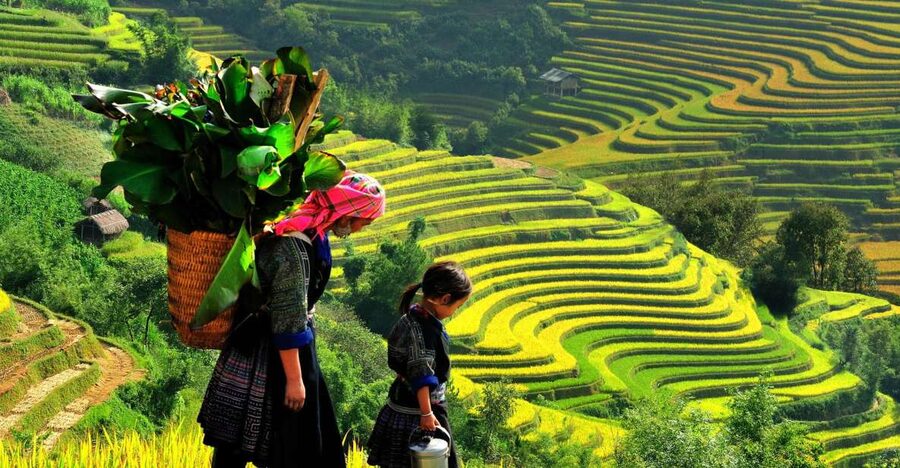
- Real village visits: Sin Chai, Y Linh Ho, Lao Chai, Ta Van, Giang Ta Chai, Su Pan—more than one village per day
- Homestay in Ta Van: one night with the Zay Hill Tribe, so you experience daily life firsthand
- Handicraft stop: a local center where women gather to exchange skills and craft items
- Meals are included: breakfast/lunch/dinner for the itinerary, which matters on a trek
The vibe: villages, not just viewpoints
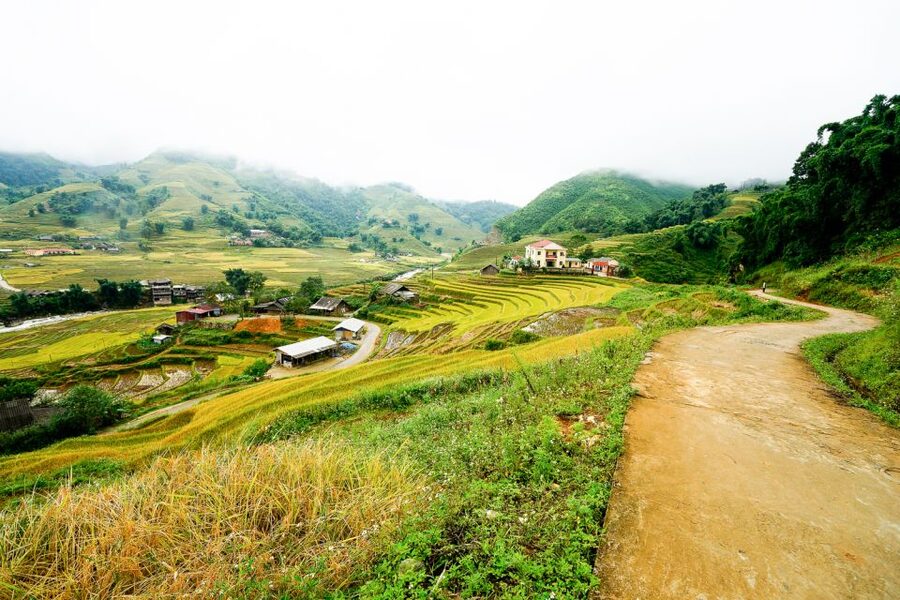
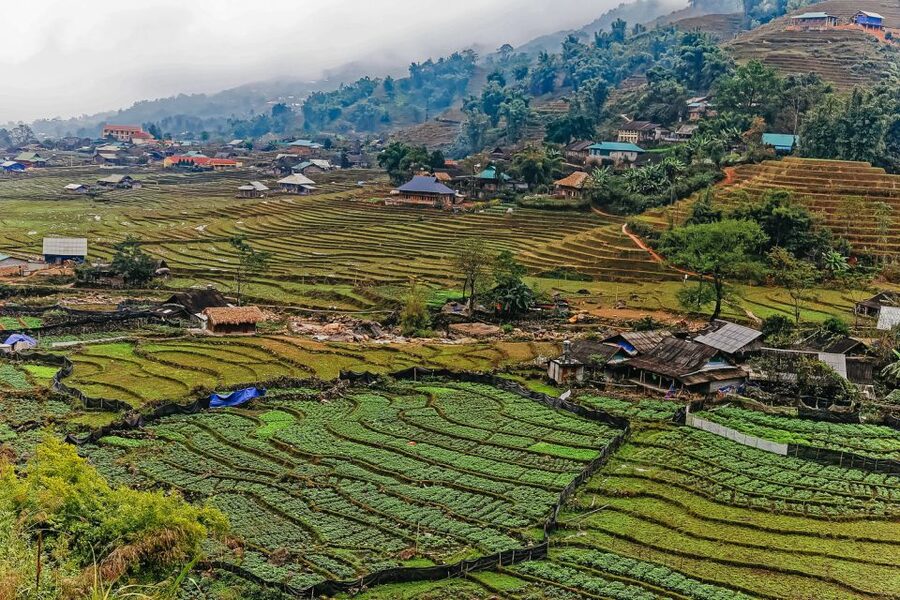
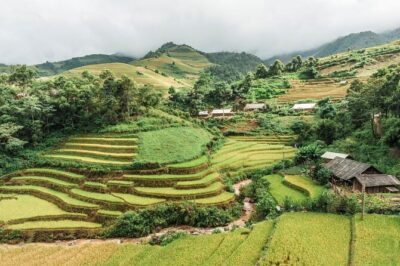
Sapa gets marketed as a mountain town. This trip does the smart thing and pushes you into the surrounding valleys—especially the Muong Hoa Valley—where you’ll walk past terrace fields and village paths instead of staying stuck in the Sapa center.
The people you meet are from Vietnam’s ethnic minority groups. Expect visits tied to everyday life: how communities farm, craft, and live through the seasons. You’ll hear and see different traditions as you move from Black Hmong villages to Zay in Ta Van and Red Zao villages later.
This also means you’re stepping into a place where selling is part of the encounter. You may be accompanied by local ethnic people along the trek to ask for money or sell items at prices they set. Your best move is to keep close to your guide, ignore pressure, and treat any buying as optional. It’s not about “missing the culture.” It’s about keeping the walk enjoyable.
More trails through the Sapa valleys

Overnight train from Hanoi to Lao Cai: efficient, not fancy
The itinerary uses an overnight train as Day 0. You’ll aim to be at the Hanoi train station by 9:00 PM, then board around 10:00 PM and reach Lao Cai the next morning.
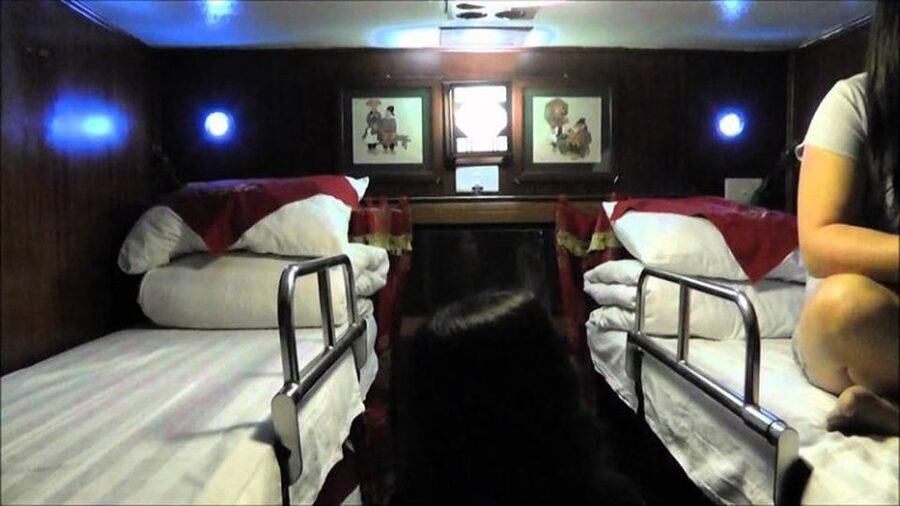
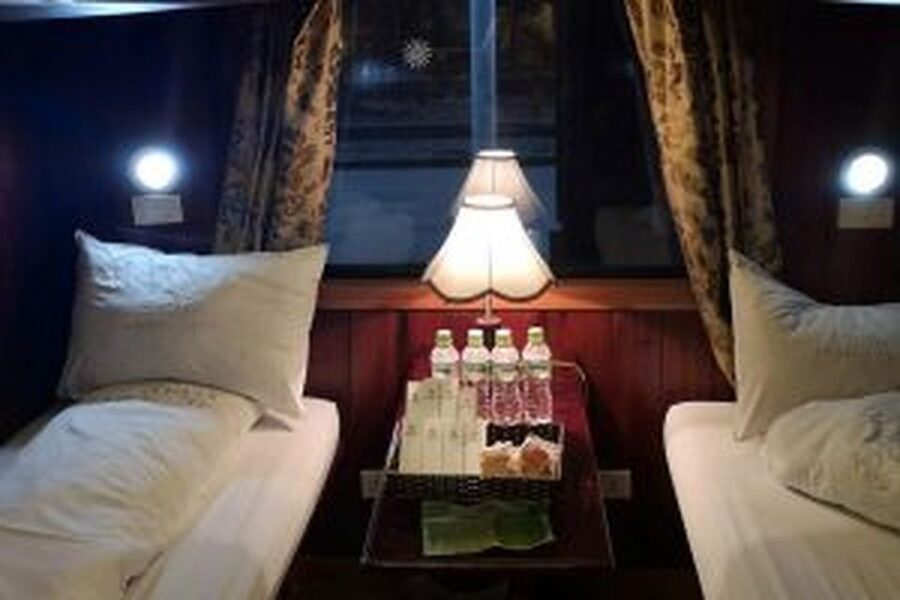
Here’s what that buys you: you avoid a separate day of travel. Instead, you “spend” one night getting to the mountains and wake up ready to transfer to Sapa. The cabin you’re assigned on the train is described as a shared 4-bed air-conditioned cabin, so you’re not fighting for space or heat.
What to know in real terms:
- The train is often comfortable enough to sleep, with soft berths mentioned in feedback.
- At the same time, there are warnings about noise and bumps.
- One practical complaint is that the toilet can be awkward when the train is moving.
If you’re traveling with motion sensitivity, bring whatever helps you sleep on trains (earplugs, a neck pillow). And pack warm layers, because morning cold in northern Vietnam hits fast.
Sapa Day 1: Sin Chai walk and a Sapa night
Day 1 starts early. You meet your guide at the train station in the morning, transfer back to a hotel in Sapa to store luggage, then go for breakfast.
A small but important detail: your room at the Sapa hotel isn’t guaranteed until 2:00 PM. Breakfast comes first, and you’re free to explore afterward. If you want early check-in, the option may cost extra—so factor that into your expectations for the first half of the day.
Sin Chai Village (Black Hmong)
After breakfast, you walk down toward Sin Chai Village, where Black Hmong families live. Sin Chai is described as rustic and more than 2 km from central Sapa, so you’ll feel like you’re leaving the town rather than just crossing the road.
This is one of the better parts of the day because it’s paced enough for photos and conversation. You also get a sense of how “simple and highland village life” looks when you’re not surrounded by tour shops.
Dinner and your choice of evening
Dinner is at 6:00 PM. One included meal option is described as roasted corn and baked eggs beside a charcoal fire, which is a nice cultural touch without being over-the-top.
Then you have free time. This is where I like to do something low-effort: wander the center for a bit, pick up a small souvenir only if it feels fair, or just rest for tomorrow’s trekking.
Worth a glance beside this Hanoi pick:
- Hanoi Motorbike Tours Led By Women: Hanoi By Night Foodie Motorbike Tours★ 5.0 · 1,734 reviews
- From Hanoi: Ha Long – Bai Tu Long Bay 2-Day 1-Night Cruise★ 4.6 · 1,113 reviews
- Halong Bay Cruise 2 days 1 night from Hanoi included transfer★ 5.0 · 1,061 reviews
Day 2: Muong Hoa Valley trek to Y Linh Ho, Lao Chai, and Ta Van
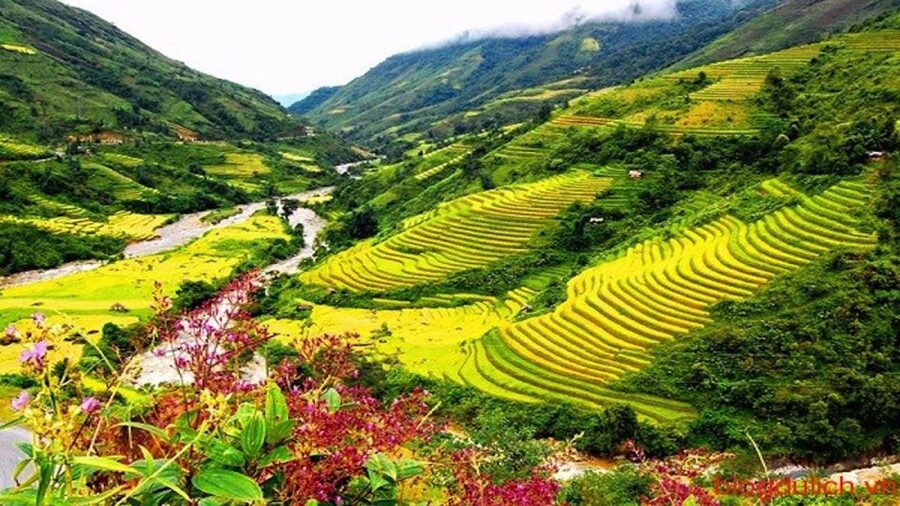
Day 2 is the longest “moving day,” and it’s where the name Muong Hoa Valley trek really matters. After breakfast, you start trekking along the side of the valley, visiting multiple villages in sequence.
Y Linh Ho Village (Black Hmong)
You’ll walk to Y Linh Ho, another Black Hmong village stop. This matters because it shows that the region isn’t one single “look.” You’re comparing how villages sit, how people farm, and how everyday life shifts by location.
Lao Chai Village
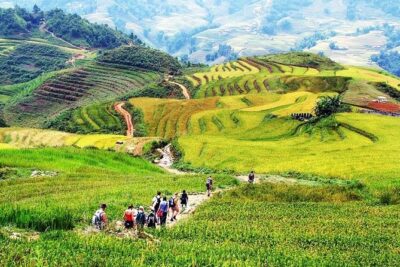
From Y Linh Ho you continue to Lao Chai. Lunch happens on the way (included), and after that you walk through terraced rice fields before heading onward.
Terraced fields are one of those things where photos can’t fully explain it. When you’re on the ground, you understand the work: the walking paths, the angles of the terraces, and how the view changes with each curve.
Ta Van Village (Zay homestay)
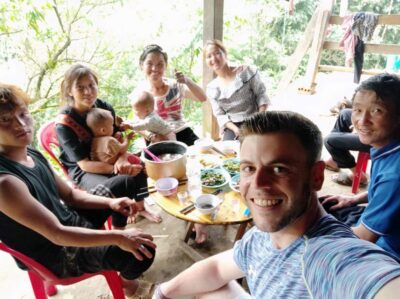
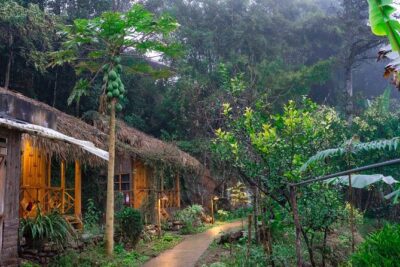
The final part of Day 2 brings you to Ta Van Village, home to the Dzay (Zay) minority. This is where you stay overnight at a homestay.
Why I think this is the core of the whole trip: it’s not a quick stop. You sleep there. That means you get the slower rhythm—later evening and early morning in the same setting, rather than arriving for an hour and leaving.
Expect a shared setup typical of homestays and simple village life. Also, since homestays are part of the local economy, this is where you’re most likely to see families trying to earn income in honest ways through hospitality and small sales. If someone offers something, it’s okay to say no and just be present.
Day 3: Red Dzao and Hmong villages, waterfall, and rattan bridge
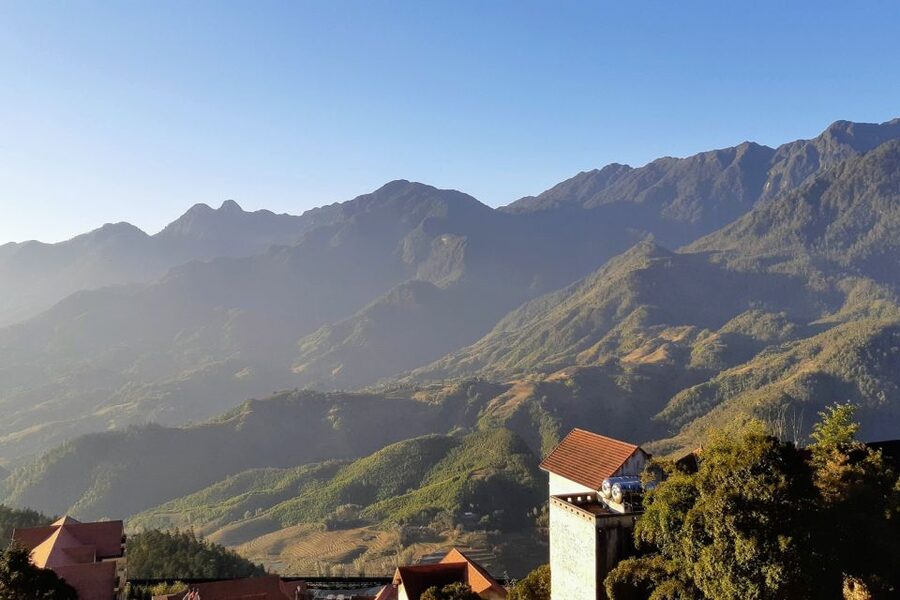
Day 3 begins with breakfast at Ta Van, then you continue trekking. You’ll visit two villages linked to Red Dzao and Hmong communities: Giang Ta Chai and Su Pan.
This day feels like a “wrap the valley” loop. Instead of repeating the exact same village rhythm, you’re looking for variety: different village layouts, different farming activity (depending on season), and a few set photo moments.
Waterfall and Rattan Bridge
One highlight on Day 3 is a waterfall and a Rattan Bridge. These are practical stops, not just scenic filler. The bridge gives you that “you’re actually in the valley system” feeling, and the waterfall is a good reset point before the walk finishes.
A bamboo forest stretch is also mentioned as part of the route, with views through the bamboo. If it’s foggy or rainy, those moments can shift from “pretty photo” to “dramatic and moody,” which is kind of the Sapa weather specialty.
Back to Sapa, then limousine to Hanoi
After the trek, you head to the main road and take a car back to Sapa. Around 2:00 PM you pack and prepare to leave. Then there’s a limousine back to Hanoi, dropping you at your hotel around 8:00–9:00 PM.
This end-of-day is good for energy management. Even if you’re tired, you’re not stuck solving transport issues at midnight.
Included value: what you get for about $212
At $212 per person (and starting times depending on availability), you’re paying for a bundle that’s easy to underestimate if you price things separately.
Here’s the value math, based on what’s included:
- Hanoi Old Quarter pickup and drop-off
- English local guide for the trip
- Overnight train from Hanoi to Lao Cai with shared 4-bed air-conditioned cabin
- One night in a Ta Van homestay
- One night in a 3-star hotel in Sapa center
- Transfers Lao Cai station to Sapa by shared minibus
- All meals listed in the itinerary (breakfast/lunch/dinner days)
- Sightseeing fees, taxes, and service charges
The biggest value isn’t any one line item. It’s that you don’t have to coordinate the train + village route + hotel blocks yourself. With Sapa treks, that coordination saves you stress and time.
Balance check: drinks aren’t included with meals, so you’ll want some cash budget for water, tea, or whatever you prefer. And if you’re picky about hotel room timing, remember the 2:00 PM check-in reality on Day 1.
Pace and difficulty: 9 km trek, cold weather, and fog
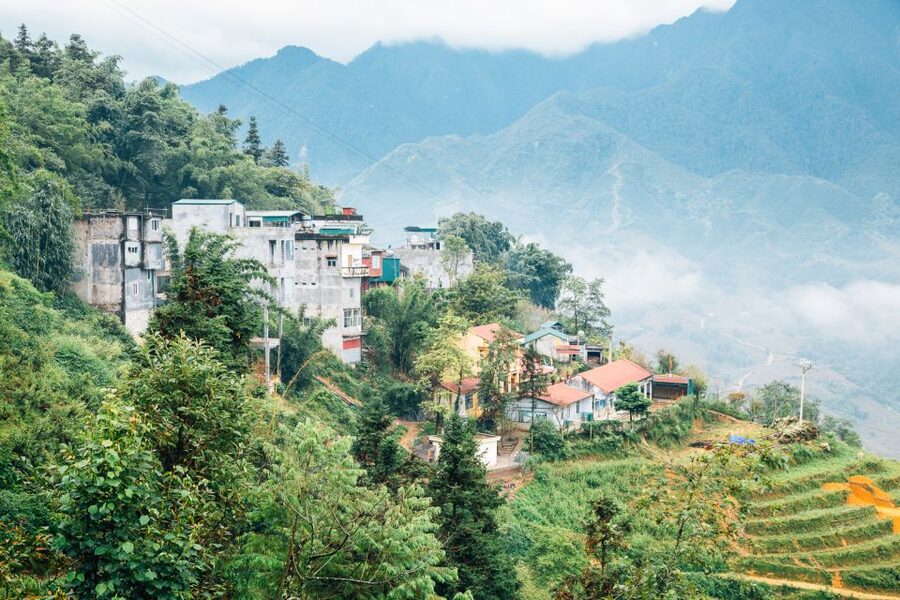
This trip includes trekking that’s described as not recommended for older guests or children, with mention that the 9 km trek is the benchmark. That doesn’t mean it’s a technical climb. It means you should expect sustained walking, uneven ground, and changing weather.
Sapa weather is unpredictable. You’ll be advised to bring warm clothing including a scarf and hat/cap. It’s normally cold from September to March, and it can be foggy in December, January, February, and March.
Practical packing tips that matter:
- Comfortable trekking shoes (not just sneakers)
- Warm layers plus sun protection (yes, sun can still happen)
- Insect repellent
- Cash in Vietnamese dong, since banking can be unreliable
- Basic medicine in case you get altitude discomfort or general illness
If fog rolls in, your photos might look different—but the trek still works. You just trade “crisp views” for “soft weather drama.”
Guides, group size, and how to handle the selling pressure
This tour leans on the guide’s ability to keep things moving and make the village encounters respectful. Names that come up in feedback include Chu and Mai, plus guides like Su Su and Ai. The common thread: friendly, chatty, and good at explaining what you’re seeing.
Small group format is also a big plus. It makes it easier to get your questions answered and to keep pace without everyone getting lost in the crowd.
Now, about the selling issue: it’s real. Local ethnic people may try to accompany you for the whole trek to ask for money or sell items at high prices. The advice here is simple—stick to your guide and ignore pressure. Your guide is there for a reason, and keeping the group together reduces those interruptions.
What your meals feel like on a trek
Meals are included for the days listed in the itinerary. That’s a relief because trek pricing can get messy fast if you’re buying food on the fly.
You’ll have:
- Breakfast at the Sapa hotel on Day 1 and Day 2
- Lunch during trekking days
- Dinner around 6:00 PM on Day 1
- Breakfast on Day 3 before your final trek and travel back
Drinks aren’t included, so water and soft drinks are extra. One small detail I like: the charcoal-fire dinner idea (roasted corn and baked eggs) can be more memorable than a generic buffet.
Food is also part of pacing. With meals built in, you don’t have to hunt for snacks while walking downhill or along valley sides.
Getting the most out of it: smart expectations
If you want the trip to feel “authentic” in a good way, adjust your expectations early.
- You’ll see some villages that are more touristic than others. Focus on learning what’s in front of you—how people live, work, and farm—rather than checking boxes.
- You’ll likely meet children and women selling items at points along the route. That doesn’t automatically ruin the experience. Stay friendly, but keep your boundaries.
- Bring patience for logistics. Overnight trains are an art form. You’ll sleep in shifts, and things will never be as smooth as a hotel bed.
If you’re a solo traveler, there may be a single supplement for the Sapa hotel and private bungalow (the exact amount updates at booking). Also, you should be sure you understand meeting points and timing on each day. One common complaint is that solo travelers can feel a bit unclear when guides switch groups. A quick check with your guide at the start of each day fixes most of that.
Should you book this Sapa trek with overnight train?
I think this is a strong choice if you want value plus structure. You’ll get the train, the trekking route, and the key village/homestay experiences without having to manage daily transport.
Book it if:
- You’re comfortable with a moderate trekking day (around 9 km total)
- You like cultural contact that happens through daily routines, not just photo stops
- You want to save time by using the overnight train
- You pack warm and you plan for Sapa weather
Skip it or choose a gentler alternative if:
- You’re a very light sleeper and train motion/noise will stress you out
- You want a fully polished, low-effort schedule with zero awkward moments
- You need a trek that’s suitable for older guests or children
If you go in with flexibility, warm layers, and a mindset of “watch how life works here,” this trip can deliver the kind of Sapa memory you’ll still talk about long after the photos cool down.
FAQ
How long is the trek and overall trip?
The experience runs about 3 to 3.5 days, depending on starting times.
What is included in the package price?
It includes Hanoi Old Quarter pickup and drop-off, an English local guide, train and cabin accommodations, one night in a Ta Van homestay, one night in a 3-star hotel in Sapa, transfers from Lao Cai to Sapa, sightseeing fees, taxes, service charges, and all meals listed in the itinerary.
What are the main villages and groups you visit?
You’ll visit Sin Chai (Black Hmong), Y Linh Ho (Black Hmong), Lao Chai (Hmong), Ta Van (Dzay/Zay), then Giang Ta Chai and Su Pan (Red Dzao and Hmong).
Do I stay in a hotel the whole time?
No. You spend one night at a Ta Van homestay and one night in a 3-star hotel in Sapa center, plus the overnight train night.
How does the overnight train work?
You board the overnight train from Hanoi to Lao Cai around 10 PM, sleep on the train, and arrive in the morning. Your cabin is described as a shared 4-bed air-conditioned cabin on the train. Transfers then take you from Lao Cai station to Sapa by shared minibus.
What kind of difficulty should I expect?
The trek includes a 9 km route and is not recommended for older guests or children.
What should I pack for Sapa’s weather?
Bring comfortable shoes, warm clothing (including a scarf and hat/cap), and also sunscreen, sunglasses, and insect repellent. Weather is unpredictable and is typically cold from September to March, with possible fog in winter months.
Do meals include drinks?
Drinks aren’t included with the meals. You’ll pay for personal drinks as needed.
Is cash recommended?
Yes. Bring cash in Vietnamese dong since the banking system in Sapa can be unreliable. US dollars, euros, and Australian dollars are accepted in Sapa.
More Evening Experiences in Hanoi

More Tour Reviews in Hanoi


More Sapa Treks We Walked
Latest Hanoi write-ups from our team



Sapa Trekking Tours, compared.
 ★ 5.0Sapa 2 Days 1 Night From Hanoi – Overnight in Ta Van VillageFrom $592,669 reviews
 ★ 5.0Hanoi – Sapa 2 Days 1 Night Overnight At HomestayFrom $89899 reviews
 ★ 5.0Sapa: Fansipan Cable, Cat Cat Village & Moana Instagram TourFrom $30777 reviews
 ★ 4.8From Hanoi: 2-Day Sapa Trekking Trip with Homestay & MealsFrom $71704 reviews
 ★ 5.0Sapa 3 Days 2 Nights Trekking Tour (1 Night In Ta Van Village, 1 Night In Hotel)From $139699 reviews
 ★ 5.03-Day Trekking Adventure of Sapa from Hanoi – Stay Ta Van VillageFrom $109611 reviews
 ★ 4.82-Day Sa Pa Ethnic Homestay Tour & Trek with Limousine Bus440 reviews
 ★ 5.0Sapa 2 Days 1 Night From Hanoi – Overnight in HotelFrom $89440 reviews
Browse the lists this tour appears in