

Reviewed · SAPA TREKKING TOURS
Sapa 2D1N Trekking to Giang Ta Chai Village from Hanoi by Bus
Cold mountain air and rice-terrace trails.
This Sapa 2D1N trek is a practical way to get out of Hanoi fast: you ride in comfort on a modern A/C bus, meet an English-speaking guide, then spend two days walking through rice terraces and minority villages like Ta Van and Giang Ta Chai. I like that it’s built around real village routes, not just viewpoints, and the group stays small (up to 15).
What I like most is the mix of walking and home base: you get included breakfast and dinner, plus you sleep in a homestay/bungalow instead of a big hotel. One possible drawback to plan for is the physical side of it—day 1 is about 9km—and the stay is basic, so you should be comfortable with simple facilities.
In This Review
- Key Points You’ll Care About
- Getting From Hanoi to Sapa Without Losing the Day
- Day 1: Ta Van Village Trek With Muong Hoa Stream and Hoang Lien Son Views
- Homestay Night in Ta Van: Simple Sleep, Real-Life Pace
- Day 2: Giang Ta Chai Village Trek With a Bamboo Forest Photo Stop
- Value for $88.47: What’s Included, What You’ll Pay Extra
- Trek Pacing, Weather, and What to Pack for Sapa Cold Turns
- Guide Support: English Help and Real Flex When Things Move
- Who This Trek Is Best For (and Who Should Skip It)
- Should You Book This 2-Day Hanoi-to-Giang Ta Chai Trek?
- FAQ
- Is pickup included for Hanoi hotels?
- What meals are included in the price?
- How long are the treks on each day?
- Is the cooking class included?
- Do I get dropped back at my hotel after the tour?
- What should I do if the weather is poor?
Key Points You’ll Care About
- Two different trekking days: about 9km (3.5 hours) on Day 1 and about 4km (2 hours) on Day 2
- Included meals: breakfast, dinner, and two lunches are part of the package
- Village-and-ridge walking: Y Linh Ho route, Muong Hoa Stream, plus photo stops near bamboo forest and bridge viewpoints
- Small-group pace: maximum 15 travelers, which helps keep things manageable
- Weather-ready packing matters: Sapa can be cold and changeable, especially from September to March
- Comfort trade-offs: the bungalow/homestay is simple, not hotel-style
Getting From Hanoi to Sapa Without Losing the Day
This trip earns its value on the front end: you start with pickup in Hanoi’s Old Quarter area and then head to Sapa on a modern A/C bus. You leave around the early morning slot (pickup 6:00–6:30), with rest stops along the highway before reaching Sapa Town.
Why that matters for you: it saves you from piecing together buses, taxis, and timetables—one fewer headache when you’re already committing to two days of trekking. It also means you’re not arriving at Sapa late and then trying to cram the first hike in the dark.
A practical tip: since the drop-off after the tour is not included, figure out how you’ll get back to your hotel from the bus station at the end of Day 2. If your hotel is outside the Old Quarter pickup zone, you’ll likely need to come to the meeting point instead.
More trails through the Sapa valleys




Day 1: Ta Van Village Trek With Muong Hoa Stream and Hoang Lien Son Views
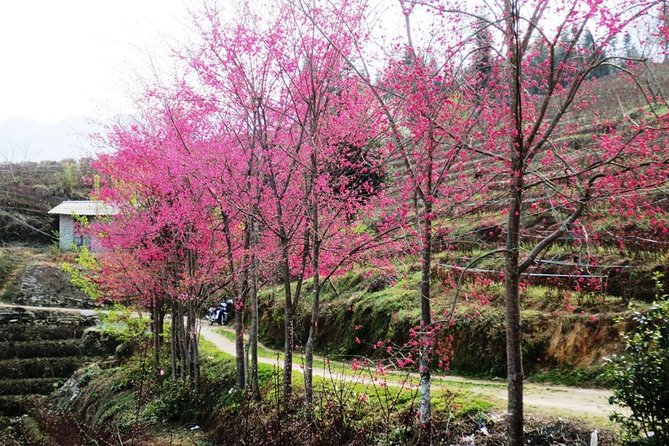
Day 1 is built for big scenery and a gradual shift from town to trail. After arriving in Sapa Town around early afternoon, you eat lunch at a local restaurant, then start walking at about 14:30.
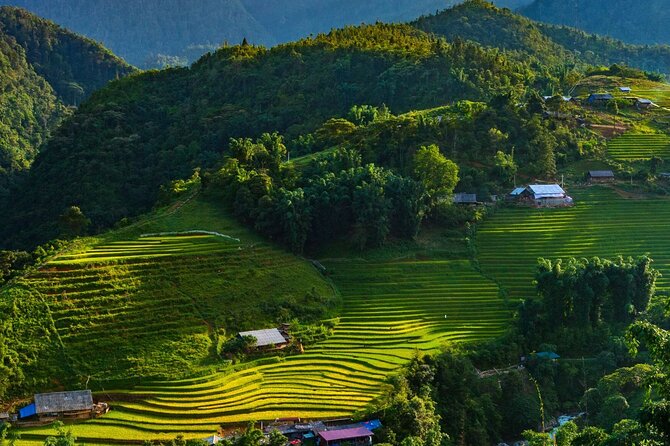
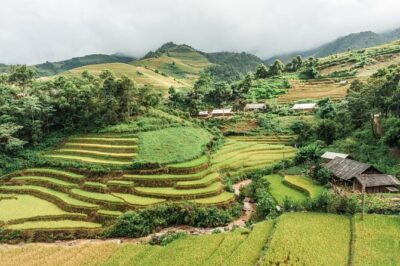
Your first big trail segment goes through Y Linh Ho and continues along rice terraces and the Muong Hoa Stream direction. This is the part where the “Sapa highlands” feeling becomes real: you’re moving through working agricultural land with mountain backdrops, not just standing at a photo spot.
Then you reach the Black Hmong village of Lao Chai area and continue toward the Ta Van direction. In the late afternoon, you approach Ta Van Village, where the Giay people are based. The total distance is about 9km, lasting around 3.5 hours.
Two things to love about this day:
- You get multiple “glances” at the area as you walk: terraces, water/stream views, and village edges, all with Hoang Lien Son mountain scenery in the background.
- The timing gives you a gentle payoff—late afternoon is a great moment for village atmosphere, before you settle in.
One consideration: 9km is not a “casual stroll.” The route is described as trekking through terraces and along the stream area, which usually means uneven paths and changes in elevation. If you’re the type who gets winded, you’ll want to keep your pace conservative and take water breaks when the group does.
Homestay Night in Ta Van: Simple Sleep, Real-Life Pace
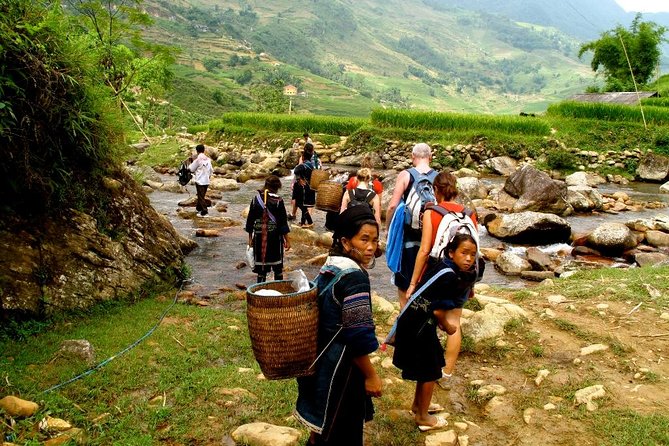
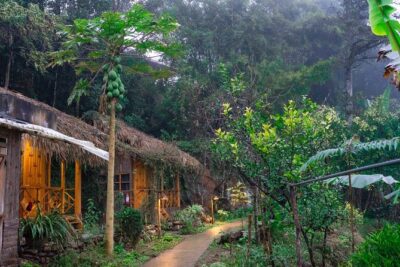
After the hike, you check in to a homestay or bungalow around late afternoon/evening (about 17:45). This is not a resort night. The package calls out that a bungalow is basic, with simple facilities.
That can sound like a warning, but it’s also the point. You’re trading hotel-style comfort for the rhythm of village life. If you’re polite, flexible, and prepared for simple comforts, it tends to feel more meaningful than another night in town.
The tour includes dinner, which helps because you’re not hunting for food after a full walking day. You can also expect a far quieter atmosphere than Hanoi, which matters if you’re traveling with early starts already stacking up.
Day 2: Giang Ta Chai Village Trek With a Bamboo Forest Photo Stop
Day 2 starts early, with breakfast prepared by the family. There’s also an optional cooking class in the morning—focused on Vietnamese dishes like pho and nem cuốn—but it’s opened upon request and costs $7–$10 per person.
I like having this choice. If you want the cultural extra, you can add it. If your legs are already talking back, you can skip it and go straight to the trail.
You head out around 8:45, keeping the pace lighter than Day 1. The trek is about 4km and lasts around 2 hours, with stops that are clearly designed for photos and panoramas. Along the route, you walk through a bamboo forest and pause for a view of Giang Ta Chai Village, home of the Red Dzao people.
Then you continue over the Giang Ta Chai Bridge area (around 11:00), and that’s where you get another “you made it” moment before returning toward the main road.
After the trek, you go back to the bungalow to shower and prepare for lunch. Then the bus pickup brings you back toward the Sapa bus station area (about 13:30), and you’ll arrange your own transfer from there to your hotel.
Value for $88.47: What’s Included, What You’ll Pay Extra
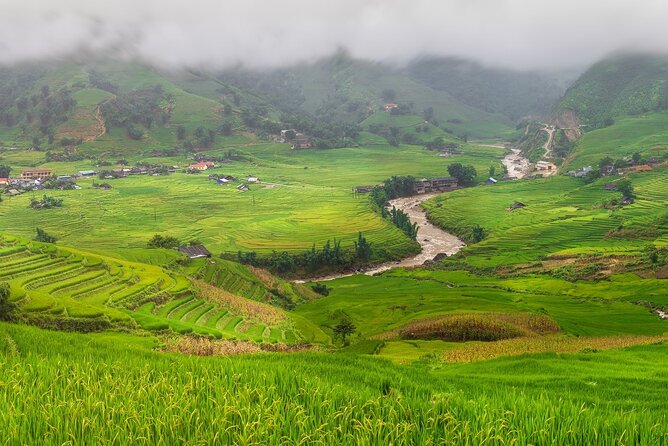
For a two-day plan, the price is on the lean side for what’s actually bundled. Here’s what you get:
- Round trip Hanoi–Sapa–Hanoi by modern A/C bus
- Free pickup from hotels in the Hanoi Old Quarter area
- English-speaking guide
- Homestay/bungalow for one night
- Breakfast + dinner
- Lunches (2)
- Admission ticket included
- Mobile ticket (so you’re not scrambling with paper confirmations)
What you don’t get:
- Hotel drop-off at the end (you handle it from the bus station)
- Drinks for meals (cash matters in Vietnam Dong)
- Tips and personal expenses
- Cooking class (optional, $7–$10 per person)
- A single room extra of $15 for solo travelers
- National holiday extra of $20 (the tour price doesn’t apply on holidays)
My practical take: if you want a low-friction package that includes food, guide support, and a full trek structure, this price can feel fair. If you’re cost-minimizing, you should still compare options sold through hotels locally, because you may find similar routes at different prices depending on what exactly is included.
Worth a glance beside this Hanoi pick:
- Halong Bay Full Day with Kayaking, Hiking viewpoint, Cave – Deluxe To Luxury★ 5.0 · 884 reviews
- From Hanoi: 2-Day Sapa Trekking Trip with Homestay & Meals★ 4.8 · 704 reviews
- Sapa 3 Days 2 Nights Trekking Tour (1 Night In Ta Van Village, 1 Night In Hotel)★ 5.0 · 699 reviews
Trek Pacing, Weather, and What to Pack for Sapa Cold Turns
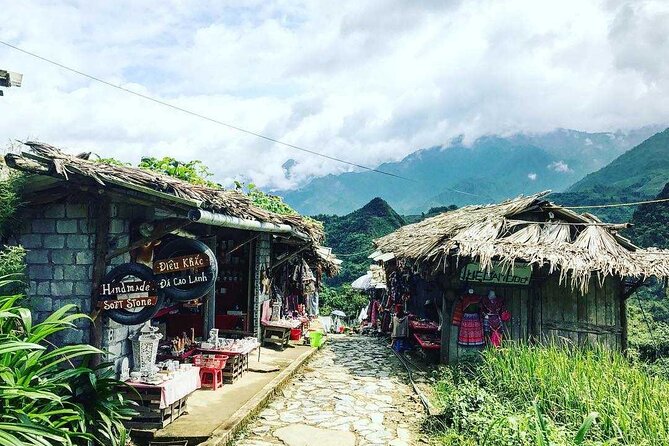
Sapa weather can be unpredictable. The tour notes it’s normally cold from September to March, and you should plan for that. Bring warm clothes, a scarf, and a hat or cap. You’ll also want trekking shoes, sunglasses, sun cream, and insect repellent.
This is one of those trips where “just wear sneakers” can backfire. Even if temperatures feel okay in town, the trail can feel colder, wetter, and windier. Rain also adds risk on trekking paths, which is why the tour flags safety limits for people with low physical health.
Fitness note: the tour asks for moderate physical fitness. It also says children and older people or anyone with low health are not allowed due to the length (especially the 9km Day 1) and rain danger. If you’re on the edge, this is the kind of tour where being honest about your stamina saves you stress.
Group size: maximum 15 travelers. That generally helps with pacing and logistics. It also makes the guide’s job more manageable if the day gets delayed by traffic or holiday conditions.
Guide Support: English Help and Real Flex When Things Move
The tour includes an English-speaking guide, which is a big deal for trekking like this. You’re not just walking—you’re also moving through village zones where context matters. Having clear guidance helps you stay on route, understand what you’re seeing, and keep the day from turning into confusion.
One relevant example: I’ve seen Sapa trips run smoother when the guide is calm and flexible during delays, and a guide named Khoi was specifically praised for managing a heavily delayed holiday start without derailing the rest of the day. You can’t guarantee conditions, but you can look for signals: a composed guide, clear timing, and a willingness to adjust the flow.
Who This Trek Is Best For (and Who Should Skip It)
This is a good fit if you want:
- A short, structured way to reach Sapa from Hanoi
- A real trekking experience with village stops (not just a bus-and-browse tour)
- Included meals and an overnight in a homestay/bungalow
- Mountain views, rice terraces, and photography-friendly pause points
You should think twice if:
- You’re not comfortable with a 9km trek and uneven paths on Day 1
- You hate simple lodging and basic facilities
- You’re traveling with someone who can’t handle cold, rain exposure, or sustained walking
If you’re solo and want companionship, the small group can help. If you’re a private comfort traveler, you might prefer a more hotel-based Sapa stay and shorter walks.
Should You Book This 2-Day Hanoi-to-Giang Ta Chai Trek?
I’d book it if you like your travel with clear structure: bus ride, guided trekking, included meals, and a real village overnight. The price makes sense when you consider how much is bundled—transport, guide, meals, and the homestay night—plus the routes hit several memorable village and scenery segments.
I’d hesitate if your main goal is comfort, because the bungalow/homestay is basic and you’ll be walking for hours in changing Highland weather. Also, since drop-off isn’t included, plan your return to your hotel in advance so the end of Day 2 doesn’t feel rushed.
If you’re happy trading some comfort for authentic village time, this is the kind of Sapa experience you’ll remember for the walking, the views, and the simple dinner you didn’t have to plan.
FAQ
Is pickup included for Hanoi hotels?
Pickup is included for hotels in Hanoi’s Old Quarter area. If your hotel is outside that area, you’ll need to come to the meeting point (details are provided after confirmation).
What meals are included in the price?
Breakfast and dinner are included, and there are two lunches during the two days.
How long are the treks on each day?
Day 1 includes a trek of about 9km lasting around 3.5 hours. Day 2 includes a trek of about 4km lasting around 2 hours.
Is the cooking class included?
The cooking class is not automatically included. It’s opened upon request and costs about $7–$10 per person.
Do I get dropped back at my hotel after the tour?
No. The tour includes pickup, but drop-off after the tour is not included. You’ll need your own transfer back to your hotel after getting off at the bus stop.
What should I do if the weather is poor?
This experience requires good weather. If it’s canceled due to poor weather, you’ll be offered a different date or a full refund.
More Hiking & Trekking in Hanoi


More Tour Reviews in Hanoi





More Sapa Treks We Walked
Latest Hanoi write-ups from our team






Sapa Trekking Tours, compared.
 ★ 5.0Sapa 2 Days 1 Night From Hanoi – Overnight in Ta Van VillageFrom $592,669 reviews
 ★ 5.0Hanoi – Sapa 2 Days 1 Night Overnight At HomestayFrom $89899 reviews
 ★ 5.0Sapa: Fansipan Cable, Cat Cat Village & Moana Instagram TourFrom $30777 reviews
 ★ 4.8From Hanoi: 2-Day Sapa Trekking Trip with Homestay & MealsFrom $71704 reviews
 ★ 5.0Sapa 3 Days 2 Nights Trekking Tour (1 Night In Ta Van Village, 1 Night In Hotel)From $139699 reviews
 ★ 5.03-Day Trekking Adventure of Sapa from Hanoi – Stay Ta Van VillageFrom $109611 reviews
 ★ 4.82-Day Sa Pa Ethnic Homestay Tour & Trek with Limousine Bus440 reviews
 ★ 5.0Sapa 2 Days 1 Night From Hanoi – Overnight in HotelFrom $89440 reviews
Browse the lists this tour appears in