
Reviewed · HIKING & TREKKING
Mai Chau – Pu Luong trekking 3 days 2 nights
Pu Luong delivers mountain views fast. This 3-day Mai Chau–Pu Luong trek pairs rice terraces and limestone scenery with nights in local homes, so the trip feels less like sightseeing and more like daily life with Thai and Muong communities.
You start with a morning drive out of Hanoi, then spend your hikes moving village-to-village through valleys, paddies, and forested slopes.
What I like most is how door-to-door pickup removes the usual Hanoi headache, and how the schedule builds in real rest time inside villages instead of rushing from one photo stop to the next. You also get all meals included across the days, which matters when you’re far from restaurants and want fewer decisions after long walking hours.
One thing to consider: this is trekking with homestay-style comfort, not a polished hotel stay. Add in possible chilly or rainy weather, plus a day that includes steep climbs and river crossings, and you’ll want solid shoes and the right expectations.
In This Review
- Key things to know before you go
- Pu Luong trekking from Mai Chau: what makes it feel special
- Price and what you’re really paying for at $514
- Hanoi to Mai Chau: why the 8:30 start matters
- Day 1: Bản Poom Coọng to Pu Luong Nature Reserve, then stilt-house dinner
- Stop 1: Bản Poom Coọng (Pom Coong) stilt-house lunch and reset
- Stop 2: Pu Luong Reserve hike through rice fields and small villages
- Day 2: Sunrise option in kho muong village, then 5–6 hours of climbs and river crossings
- Optional sunrise: watch farming start before the heat
- Breakfast with your homestay family, then the trek begins
- Day 3: Mai Chau Ecolodge, Ban Hieu Village, and Pho Doan views before heading back
- Morning trekking from easy to steep
- Pho Doan Village and the road back
- Homestays in Pu Luong: cozy family meals vs. simple room realities
- Guides and drivers: the human detail that makes the trek easier
- What to pack: the gear that actually matters on this route
- Weather and pace: how to handle chilly, cloudy, or rainy days
- Who this Mai Chau – Pu Luong trek is best for
- Should you book this Pu Luong trekking tour?
- FAQ
- What time does the tour start?
- Is pickup from Hanoi included?
- How long is the trek overall?
- What kind of accommodation do you stay in?
- Are meals included?
- Is there an optional sunrise activity?
- What should I bring for the trek?
- Is a passport required?
Key things to know before you go
- Door-to-door pickup from Hanoi keeps the start simple (meeting time is 8:30 am).
- Homestays with Thai families mean dinner and breakfast are part of the experience, not an afterthought.
- Trek day two is the toughest with steep climbs plus river crossings before the pace eases.
- An optional sunrise activity lets you catch farmers starting early before breakfast.
- Guides bring the region to life, including plant spotting and local daily routines (with guides like Sun, Son, Hoa/John, Loi, and Long reported on past departures).
- Most key costs are handled: guides, transfers, tickets/permits, and meals are included.
Pu Luong trekking from Mai Chau: what makes it feel special
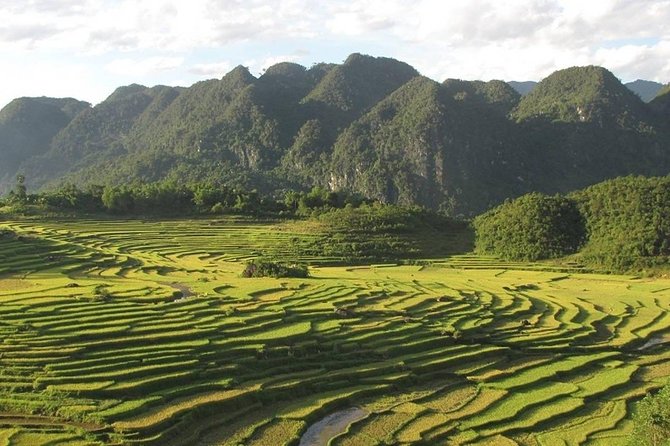
Pu Luong Nature Reserve stretches through a huge slice of north-west Vietnam’s hill country, with limestone shapes, forested ridgelines, and rice terraces that change texture and color as you move. The difference here is that the trek is built around small villages and community routes, so you’re not only walking through scenery—you’re walking through routines.
This kind of trip works best when you want fewer “big monument” moments and more lived-in ones: a stilt-house lunch, a family dinner, and trails that pass through farmland rather than beside roads. If you’re the type who remembers how a place smells at morning market time, this route will land well.
And because you’re based in Mai Chau Province, the scenery stays close to human scale. You’re not just looking at mountains from far away. You’re walking through the valley systems that farmers and families have used for generations to plant, work, and travel between hamlets.
More stilt-house stays out in Mai Chau



Price and what you’re really paying for at $514

At $514 per person for about 3 days, the value comes from packing in the stuff that usually costs time and money on your own:
What’s included helps explain the price:
- Private door-to-door pickup in Hanoi, plus private transfers
- An English-speaking guide
- Homestay accommodation
- All sightseeing tickets and travel permits
- 2 breakfasts, 2 dinners, and 3 lunches
What’s not included is the usual list:
- Drinks and personal expenses
- Tips/gratuities
- Travel insurance
Here’s the practical takeaway: if you’d otherwise pay for a driver, multiple guides, and each day’s meals while trekking, this price starts to look more like a “walking package” than a simple tour ticket. You’re also paying for smooth logistics—especially helpful on a multi-day itinerary where missed connections can ruin your day.
If you want maximum comfort and air-conditioned rooms, you might feel the price pinch. But if you want the route, the homestay meals, and a guide who can explain what you’re seeing, it’s a fair deal.
Hanoi to Mai Chau: why the 8:30 start matters
The meeting time is 8:30 am, and you’ll leave Hanoi for Hoa Binh Province, about 80 km west. That drive is a real part of the day, not dead time. Early in the trip, the goal is to set you up so you don’t spend your first afternoon scrambling for food, changing plans, or trying to find the right starting point.
Before you reach Mai Chau Valley, there’s a stop at a local market. Even a short market pause can be useful: it helps you calibrate to rural Vietnam—the pace, the colors, and the everyday rhythm of buying supplies before heading deeper into the valley.
Private transfers are a quiet win on tours like this. Group travel can mean waiting around for pickup errors. Door-to-door service means you’re more likely to start hiking when the light and trail conditions are best.
Day 1: Bản Poom Coọng to Pu Luong Nature Reserve, then stilt-house dinner
Day 1 starts with a village lunch setup and continues into your first hike inside Pu Luong’s core scenery.
Stop 1: Bản Poom Coọng (Pom Coong) stilt-house lunch and reset
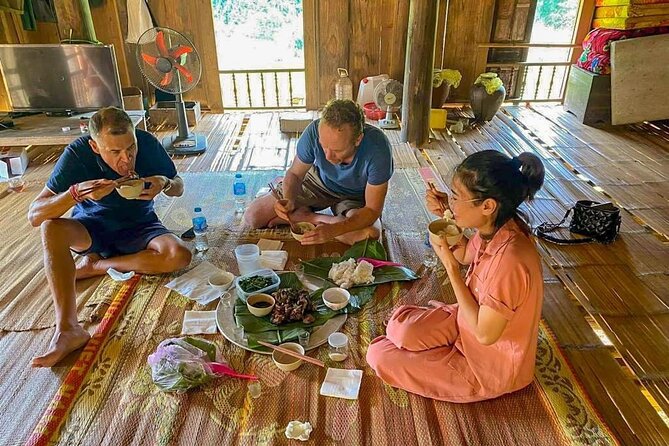
In Pom Coong, you’ll take a rest and have lunch in a typical Thai house built on stilts. This is more than a setting for a meal. Stilt houses tell you how families manage damp ground, seasonal flooding, and the need for ventilation in humid valleys.
Expect this portion to feel like a gentle introduction. It’s short enough that you won’t feel wrecked before dinner, but structured enough that you’ll understand what kind of trip you’re on: village-based, walking between daily spaces, and guided with cultural context.
The main drawback: if you’re the type who wants to skip cultural stops and get straight onto trails, you may find Day 1’s pacing a bit “warm-up first.” For most people, though, it’s the right tempo.
More of the terraces at Pu Luong
- 2 Days Pu Luong Offbeat Trekking Best for Mountain Lovers★ 5.0 · 47 reviews
- Pu Luong 2 Days Trekking & Village Experience with local Family★ 5.0 · 46 reviews
- Pu Luong 3-Day Adventure: Trekking, Cycling & Local Cooking Class★ 5.0 · 26 reviews
Stop 2: Pu Luong Reserve hike through rice fields and small villages
After lunch, you head into Pu Luong Nature Reserve. The hike route is described as walking amidst rice fields and mountains, with village crossings along the way. This matters because the scenery isn’t only “views from a ridge.” It’s the in-between: narrow trails, farm edges, and community routes that make you slow down naturally.
Dinner and the first night are with a local family in a Thai stilt house. This is the moment where the trip shifts from “tour” to “lived schedule.” You’ll eat what’s available, follow the household rhythm, and see daily life in a way you can’t replicate from a hotel lobby.
Practical tip: bring insect repellent and plan for uneven footing. Even when paths are manageable, village trail surfaces can be slick after rain.
Day 2: Sunrise option in kho muong village, then 5–6 hours of climbs and river crossings
Day 2 has two big beats: an optional early-morning sunrise window, then the hardest trekking segment.
Optional sunrise: watch farming start before the heat
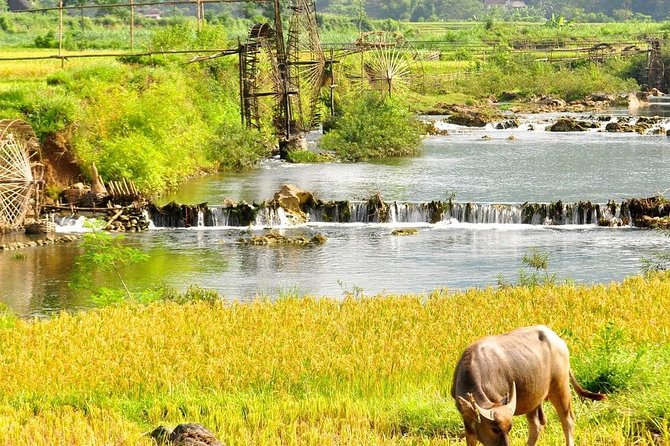
If you rise early, you can watch the sun climb over the mountain tops while local farmers do their first tasks. The idea is simple: you’re awake for the work that shapes the day. You can even join in briefly for a true rural taste of Vietnam.
This is one of the best options to take if you like quiet moments, because you get views plus the human scale of labor. If you don’t enjoy early starts, skip it. You’ll still have breakfast before trekking and still get a full day’s experience.
Breakfast with your homestay family, then the trek begins
After breakfast made by your Thai hosts, you start a planned trek of 5–6 hours. The first stretch is the hardest, with steep climbs and exciting river crossings. Then the trail eases into a longer, more relaxed rhythm.
This is where your footwear choice pays off. River crossings aren’t described in technical detail, so assume you’ll get your feet wet and that balance matters. Wear shoes with grip that can handle moisture. Also, consider trekking socks that dry fast.
From past departures, guides such as Sun and Son have been praised for keeping a not-too-challenging pace and for pointing out plants along the way, which can turn a long trek into something more interesting than just endurance.
Day 3: Mai Chau Ecolodge, Ban Hieu Village, and Pho Doan views before heading back
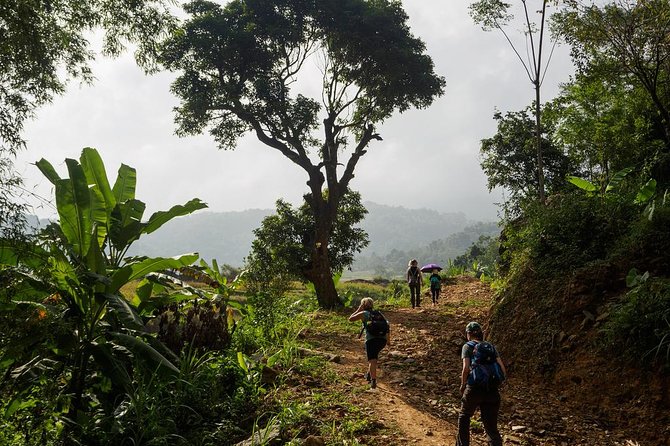
Day 3 mixes another hike segment with a calm finish, then a return drive to Hanoi.
Morning trekking from easy to steep
Your final day includes about 3 hours of trekking (roughly 5 to 7 kilometers). It starts easy, which is smart. After two days, you want your legs to warm up instead of immediately facing full incline.
You’ll stop in Ban Hieu Village for a short rest. Then it’s time for steep climbs and more river crossings, before the valley opens up into elevated views. That “valley opens up” moment is exactly what you hope for on a multi-day trek: the effort pays off with a broader vista where you can see how all the earlier paddies and ridgelines connect.
Pho Doan Village and the road back
After enjoying the views, the plan continues to Pho Doan Village. You’ll rest there, then head to the main road where your driver waits to take you back to Hanoi. Lunch is included along the way.
If you’re thinking about pacing: Day 3 is described as shorter than Day 2, but it still includes climbs and crossings. The best approach is to treat it as a “finish strong” day rather than a stroll day.
Homestays in Pu Luong: cozy family meals vs. simple room realities

Homestays are a major selling point here. Dinner (Day 1) and breakfast (Days 2) are part of the accommodation setup, and that changes the feel of the trek. You’re not just paying for a bed. You’re eating with the same people you see walking past in the village.
In positive feedback from similar departures, homestays are described as cozy with great food, and the overall experience is valued for its authenticity and being off the beaten path. Guides like Hoa/John, Loi, and Long have also been highlighted for connecting what you see with local daily life.
Still, there’s a balance. One experience noted that homestay quality and bungalow comfort felt poor value for the price, especially during bad weather. That’s the key consideration: homestays can be charming and friendly, but they aren’t standardized like hotels.
My practical advice for you:
- Go in expecting simple comfort, not luxury.
- Pack a layer for cold or rainy mornings. People often focus on hiking warmth and forget how chilly it can feel early.
- Keep your mindset flexible. If weather turns muddy, the goal becomes comfort and safety, not “perfect trail photos.”
Guides and drivers: the human detail that makes the trek easier
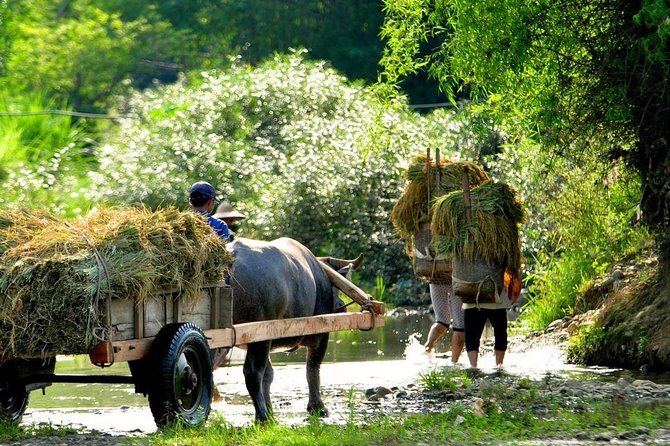
This tour is built around an English-speaking guide and private transportation. In the most praised past runs, a few names show up repeatedly:
- Mr Linh for organization and responsive communication during planning
- Guides Sun, Son, Hoa (John), Loi, and Long
- Driver Bao
- In one extended experience, guides Long and Thanh were part of the setup
What you should take from those names isn’t fame—it’s consistency. When the guide understands your pace and explains local plants and routines, the trek becomes more than a route on a map.
A good guide also helps you navigate the “micro choices”:
- When to stop for photos versus when to keep moving
- How long breaks should be on days with steep climbs and crossings
- What to watch for in villages so you notice more than just buildings
If you’re someone who likes to ask questions, this kind of itinerary rewards curiosity. You’ll likely learn why rice terraces look the way they do, how stilt houses function, and what everyday work looks like before the sun gets high.
What to pack: the gear that actually matters on this route
The trip is outdoor-focused, and the advice is clear: you’ll want light, comfortable clothes for walking and comfortable walking shoes for trails and river crossings. A small day pack is essential.
Also bring:
- Insect repellent
- Sun cream
- Raincoat
- Sun hat
- Passport (required)
My hiking checklist advice:
- Choose shoes with grip that can handle wet conditions.
- Bring a rain layer even if the forecast looks fine. Mountain valleys can change quickly.
- Pack a few small essentials you won’t want to rummage for during the day: sunscreen, repellent, and a basic snack.
One more practical tip: when you’re staying in homestays, laundry options may be limited. Packing quick-dry items can save you from feeling uncomfortable by Day 2.
Weather and pace: how to handle chilly, cloudy, or rainy days
Pu Luong trekking can be stunning in clear weather, but it also shines when conditions are soft and cloudy. One past trip noted chilly, cloudy weather that still made the experience feel perfect because it wasn’t too warm.
Here’s what that means for you:
- If it’s cloudy, wear layers. Morning and evening can feel colder on the trail.
- If it rains, expect slippery footing and slower river-crossing moments.
- Your guide will likely adjust pace based on conditions, but you still need moderate physical readiness.
If you’re traveling with a strong preference for comfort, consider that rainy days might not deliver the smoothest surfaces. If you’re flexible and prioritize experience over weather perfection, you’ll likely enjoy it more.
Who this Mai Chau – Pu Luong trek is best for
This trip fits best if you want:
- Village-based hiking with homestay nights
- Cultural contact with Thai and Muong communities
- A guided route through rice terraces and mountain valleys
- A moderate fitness challenge that isn’t designed for extreme technical trekking
It’s also a good match for people who like practical structure. The itinerary includes meals, permits, and transfers, so you’re not constantly budgeting time for logistics.
If you want luxury hotel comforts, minimal walking, and guaranteed dry trails, this probably won’t feel right. For that style of trip, you’d want a more hotel-heavy itinerary.
Should you book this Pu Luong trekking tour?
Book it if you want a balanced package where most of the hard work is handled: pickup, transport, guide, permits, meals, and homestay nights. At $514, the value comes from getting you onto the right trails without the usual planning headaches, plus putting daily village life at the center.
Think twice if you’re very sensitive to basic accommodation standards or you expect a perfectly dry hiking experience. Bring layers, choose supportive shoes, and keep your expectations grounded in homestay reality.
If you’re on the fence, the decision comes down to one question: do you want to spend three days walking through communities and working landscapes, even if conditions are imperfect? If yes, this itinerary is a strong choice.
FAQ
What time does the tour start?
The start time is 8:30 am.
Is pickup from Hanoi included?
Yes. You get private door-to-door pickup-off services, plus all private transfers and transportation.
How long is the trek overall?
It’s listed as 3 days (approx.). Day 2 trekking is planned for 5–6 hours, and Day 3 includes about 3 hours of trekking (around 5 to 7 kilometers).
What kind of accommodation do you stay in?
Accommodation is at homestays. You also stop at Mai Chau Ecolodge on Day 3.
Are meals included?
Yes. Breakfast is included for two days, lunch is included for three days, and dinner is included for two days.
Is there an optional sunrise activity?
Yes. On Day 2 there’s an optional early sunrise activity where you can watch local farmers doing morning routines.
What should I bring for the trek?
Bring light comfortable clothes for outdoor walking, comfortable walking shoes, a small day pack, insect repellent, sun cream, a raincoat, and a sun hat.
Is a passport required?
Yes. It’s essential to bring your passport on this trip.
More Tour Reviews in Hanoi



Deeper into Pu Luong


More Time in Mai Chau

Latest Hanoi write-ups from our team




Hiking & Trekking, compared.
 ★ 5.0Halong Bay Full Day with Kayaking, Hiking viewpoint, Cave – Deluxe To LuxuryFrom $38884 reviews
 ★ 4.8From Hanoi: 2-Day Sapa Trekking Trip with Homestay & MealsFrom $71704 reviews
 ★ 5.0Sapa 3 Days 2 Nights Trekking Tour (1 Night In Ta Van Village, 1 Night In Hotel)From $139699 reviews
 ★ 5.03-Day Trekking Adventure of Sapa from Hanoi – Stay Ta Van VillageFrom $109611 reviews
 ★ 5.0Number one top rated ethical cultural trekking and homestay by ETHOSFrom $93456 reviews
 ★ 4.82-Day Sa Pa Ethnic Homestay Tour & Trek with Limousine Bus440 reviews
 ★ 5.0Sa Pa Full Day Trekking TourFrom $25414 reviews
 ★ 5.0Hanoi – Sapa 3 Day 2 Night Trekking With Hotel & HomestayFrom $125389 reviews
Browse the lists this tour appears in