
Reviewed · HANOI TRAIN STREET TOURS
Highlight Hanoi city tour with train street.
Hanoi rewards the curious, and this tour is built for that. I like the tight mix of big landmarks (like Ho Chi Minh Mausoleum) and everyday Hanoi life (like train street) in one day. My favorite part is how much you get done without feeling rushed, but one drawback is simple: you’ll sit in traffic between distant stops, so expect slower pacing during peak hours.
I also appreciate that this is a private group experience with hotel pickup options across many districts, so you’re not stuck meeting a tour bus at the wrong end of town. You can choose a 4–8 hour window, and the tour adapts to day-of-week closures (like the Museum of Ethnology). The price is solid for what’s included, especially since you get an English-speaking guide plus private transfers.
If you’re short on time in Hanoi and want more than the usual photo stops, this works well. Just plan your day with the dress rules in mind for temples and the mausoleum—no shorts, sleeveless tops, or short skirts.
In This Review
- Key things that make this Hanoi tour worth your time
- A fast Hanoi intro built around West Lake and train street
- Pickup zones and timing: how to plan for 4 to 8 hours
- Ba Dinh Square: Ho Chi Minh Mausoleum and the One Pillar Pagoda
- West Lake and Tran Quoc Pagoda: Hanoi’s lakeside anchor
- Museum of Ethnology (or Hoa Lo Prison) for real context
- Dong Xuan Market and Saint Joseph Cathedral area
- Hanoi Train Street: how to enjoy the railway neighborhood safely
- What’s included in the $51 price, and what might cost extra
- Dress code and day-of-week changes you should know
- Who this private Hanoi tour fits best
- Should you book this Hanoi city tour with train street?
- FAQ
- How long is the Hanoi city tour with train street?
- Does the tour include hotel pickup and drop-off?
- What language is the guide?
- What major sites are included?
- Is a meal included?
- What happens if the Museum of Ethnology is closed?
- Are there restrictions on what I can wear?
- Is the Ho Chi Minh Mausoleum always open?
- Do I need to pay for drinks during the tour?
- What if I need to cancel?
Key things that make this Hanoi tour worth your time
- Train street in real life: railway tracks run through homes and shops, not a staged set.
- West Lake + Tran Quoc Pagoda: a 6th-century pagoda at Hanoi’s biggest lake.
- Ho Chi Minh complex stops: Mausoleum area plus the One Pillar Pagoda story tied to Avalokiteshvara.
- Ethnology Museum or Hoa Lo Prison: 54 ethnic groups via the museum, or Hanoi Hilton if it’s closed.
- Dong Xuan Market: wholesale market built in 1889, plus street-food and fabric shopping.
- Local pacing with private transfers: you’ll move by mini car or bus depending on group size.
A fast Hanoi intro built around West Lake and train street
This tour is a practical way to get your bearings in Hanoi without spending your whole day bouncing between taxis and grab rides. It’s designed around clusters: the Ba Dinh area (Ho Chi Minh and pagoda sites), the lakeside zone (West Lake and Tran Quoc Pagoda), and the market-and-streets side of town before you finish at Hanoi Train Street.
What I like most is that it doesn’t only chase monuments. It brings in the kinds of places that show how people actually live and trade—Dong Xuan Market and the railway neighborhood where daily doors open directly onto the tracks. That contrast makes the day feel more like Hanoi and less like a checklist.
The tour also helps you understand what you’re looking at. In the feedback, guides named Hien and Hin stood out for being clear and engaging, with excellent English. That matters here, because some of these places are meaningful, symbolic, and historically layered.
More visits to the tracks at Train Street


Pickup zones and timing: how to plan for 4 to 8 hours
You’ll get picked up from a long list of districts—options include places like Hoan Kiếm, Ba Đình, Tây Hồ, Long Biên, Hoàng Mai, Hà Đông, Gia Lâm, and more. That range is helpful if you’re staying in a quieter area outside the Old Quarter, since you don’t need to commute just to start the tour.
The duration is listed as 4–8 hours, and starting times depend on availability. The key practical point: you should choose based on how much you want to cram in. A shorter version will feel more focused; a longer version gives more breathing room, plus it’s the one tied to the Museum of Ethnology and a included light meal.
Also, even with private transfers, the day isn’t speed-run friendly. The distance between the lakeside sights, museums, and the train street area means you’ll spend time in traffic. Build your expectations around that and you’ll enjoy the ride instead of getting annoyed by it.
Ba Dinh Square: Ho Chi Minh Mausoleum and the One Pillar Pagoda
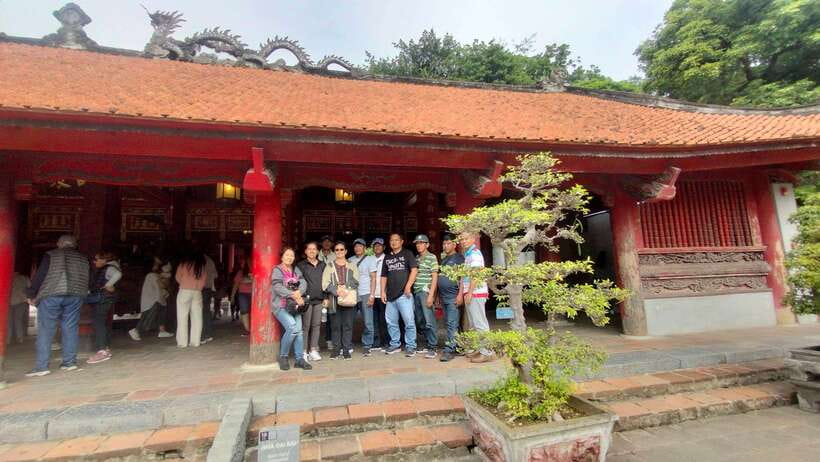
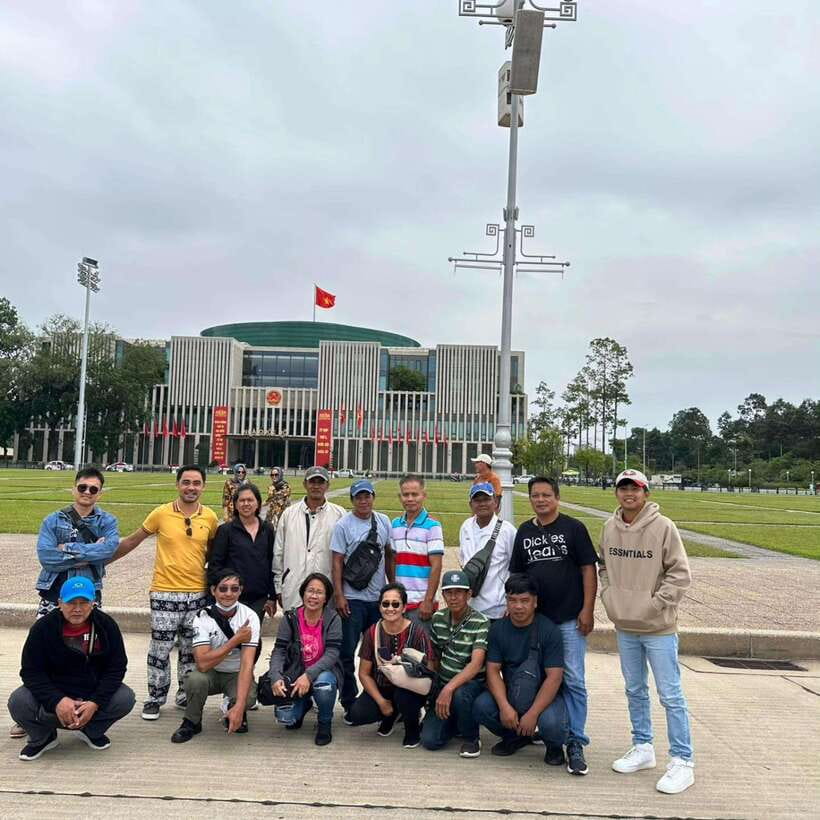
The morning starts with pickup and then moves into the Ba Dinh Square area. The Ho Chi Minh Mausoleum stop is the kind of site that instantly frames Vietnam’s modern identity, even if you’re not a politics-history person. Ho Chi Minh is presented as the final resting place and an iconic figure known to many Vietnamese as Uncle Ho. His body is preserved in a glass case.
One detail that’s worth knowing ahead of time: the mausoleum is described as preserving his body in a glass case, though it’s noted that this was against his wishes. That gives you a fuller sense of how people can honor someone while still holding onto complex feelings about what should be done.
Right after, you visit the One Pillar Pagoda. This isn’t just a pretty building. The story matters. It was commissioned based on a dream by a fatherless emperor, in which Avalokiteshvara (an enlightened being) granted him a baby son resting on a lotus flower. The pagoda’s design resembles the lotus—important because lotus imagery is a Buddhist symbol of enlightenment.
Practical tip: dress appropriately. Shorts and sleeveless shirts aren’t allowed here, and the same rule applies to temples and the mausoleum. If you show up in the wrong outfit, you’ll spend time fixing it (and that can cut into your sightseeing).
West Lake and Tran Quoc Pagoda: Hanoi’s lakeside anchor
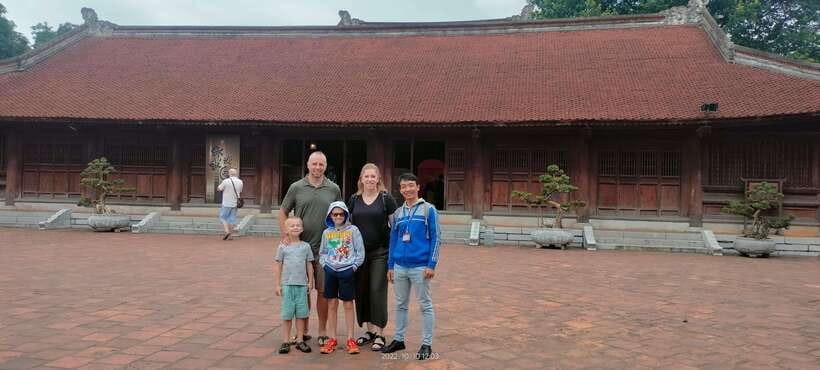
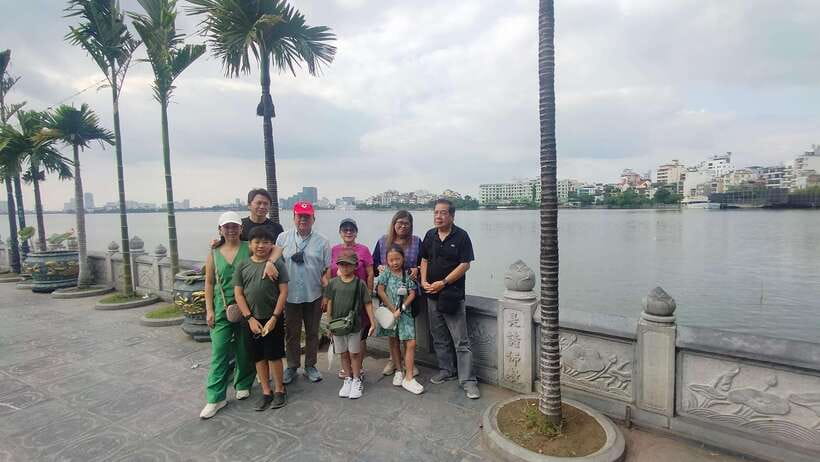
Then the tour moves toward West Lake and Tran Quoc Pagoda. West Lake is described as the biggest lake in Hanoi, and Tran Quoc Pagoda is known as the oldest pagoda in the city. The pagoda dates to the 6th century, which gives you a real sense of time depth.
This stop is especially good if you want a calmer visual moment after the formality of Ba Dinh Square. The lake setting helps the pagoda feel grounded in daily life, not floating in a museum world. Even if you’re not religious, the architecture and setting can still hit—because you’re seeing a long-established place of worship with a landscape that people keep living around.
If the weather is hot, plan for shade breaks. You’re bringing or wearing sun protection, and you’ll want it for the open areas by the lake. The tour advises bringing sun hat, sunscreen, long sleeves, and long pants, which is exactly what you’ll thank yourself for later.
Museum of Ethnology (or Hoa Lo Prison) for real context
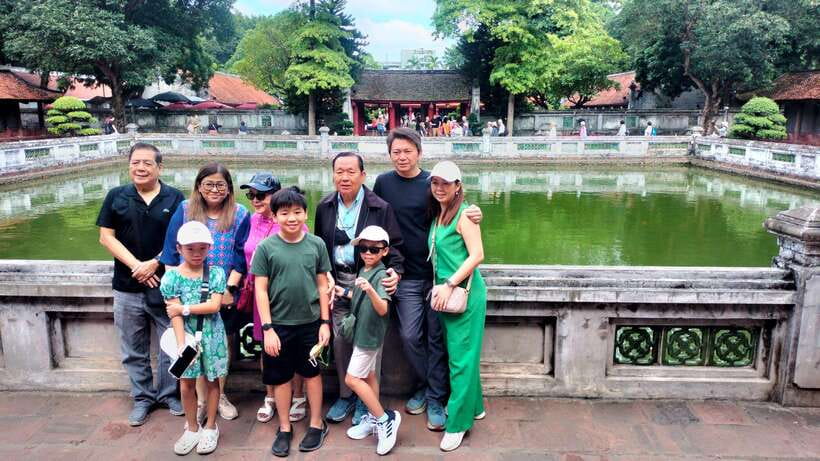
After lunch, you head to a learning stop that gives the day more meaning than sightseeing alone.
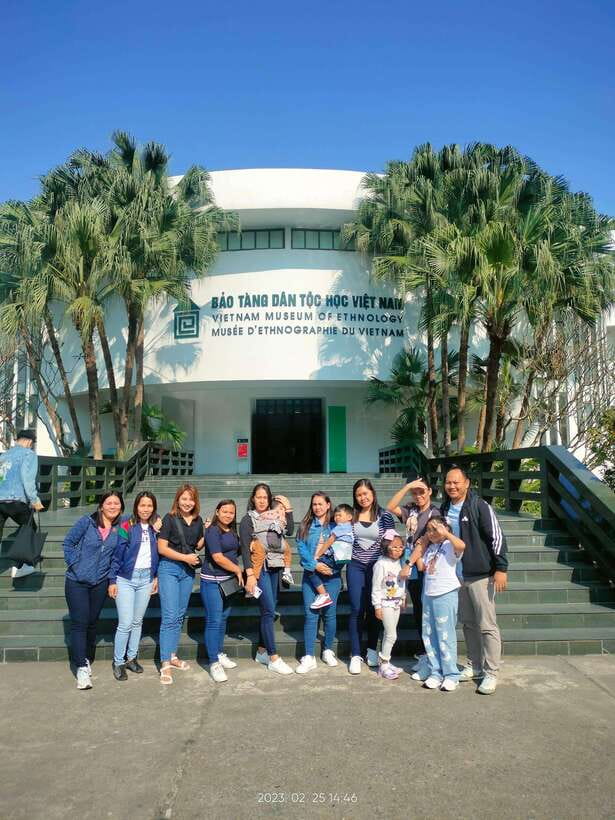
The standard option is the Museum of Ethnology. It focuses on the culture of 54 ethnic groups living in Vietnam, which helps you understand why Vietnam isn’t one single uniform story. The museum is listed as closed on Monday—so if your tour day falls on Monday, the plan changes to Hoa Lo Prison (also known as Hanoi Hilton).
This flexibility is useful. It means your day doesn’t stall because of a closure, and it gives you a choice of two very different lenses:
- Ethnology: how groups live, dress, and carry culture
- Hoa Lo Prison: the darker side of historical conflict linked to Hanoi
Either way, you end up with better context for the rest of your Hanoi time, including how people talk about the past and how monuments fit into the national story.
Bigger sweeps: more full days across the capital
- Private Walking Tour of Hanoi City★ 5.0 · 1,251 reviews
- Hanoi Motorbike Tours Led By Women: Hanoi City Insight Motorbike Tours★ 5.0 · 816 reviews
- Private Ha Long bay day trip(From Hanoi city or Halong harbour)★ 5.0 · 657 reviews
Dong Xuan Market and Saint Joseph Cathedral area
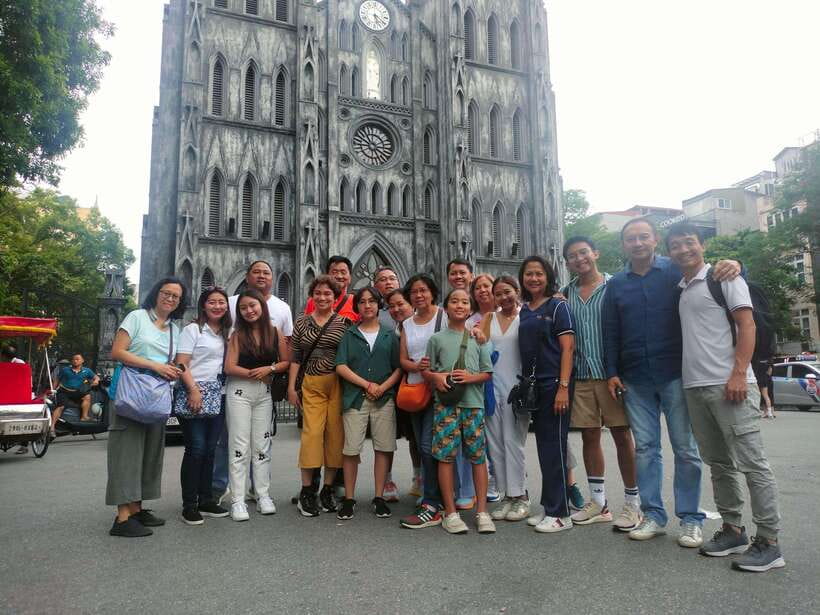
Next up is Dong Xuan Market, described as the largest wholesale market in Hanoi, built in 1889. This is where you see commerce up close—fabric, clothing, local handicrafts, souvenirs, and street foods. Even if you don’t plan to shop, it’s a strong cultural snapshot.
You can treat this stop in two ways:
- Quick scan: walk the main aisles, snack, and watch how vendors work
- Shopping time: pick up small gifts or fabric-related items if that’s your thing
From there, you visit Saint Joseph Cathedral on Nha Chung Street. It’s a Roman Catholic cathedral in a neo-gothic style, built about 120 years ago. The notes you’ll hear on the tour include a timeline: after the French army conquered Hanoi in 1882, the cathedral was constructed and completed in 1886. It also connects to older local space, since the cathedral and nearby Nha Chung area were built on land formerly belonging to Bao Thien pagoda, built under the Ly dynasty.
That combination—French-era architecture on a site with earlier roots—makes the area feel like a layered map. You’re not just seeing one era. You’re seeing how Hanoi reuses and reshapes space.
Hanoi Train Street: how to enjoy the railway neighborhood safely
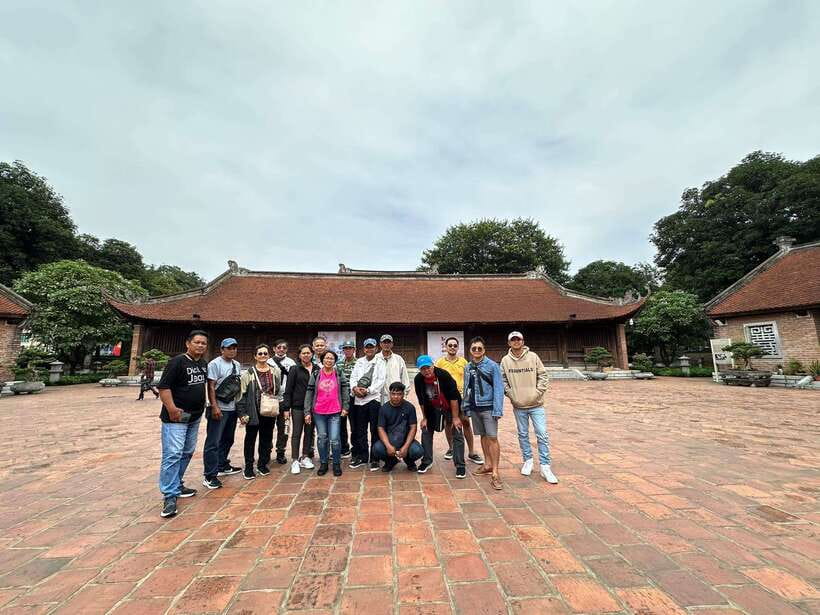
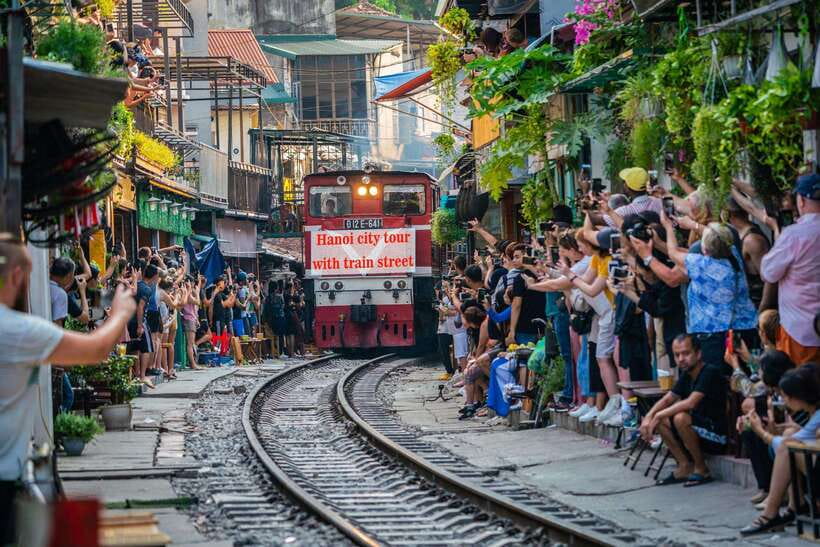
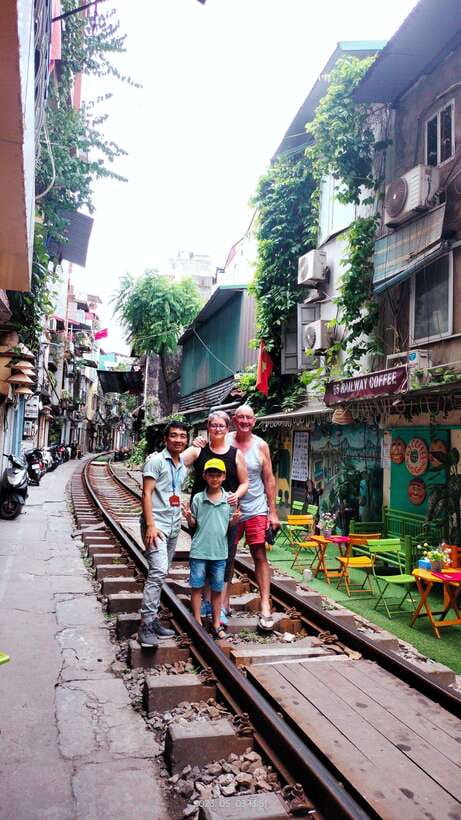
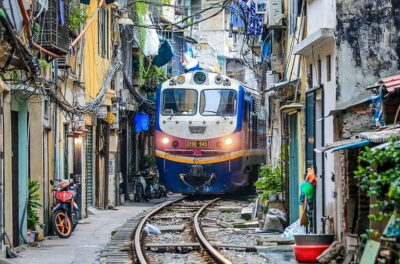
Finally, you reach Hanoi Train Street. This is where the day becomes unforgettable in the simplest way: the train tracks are the street.
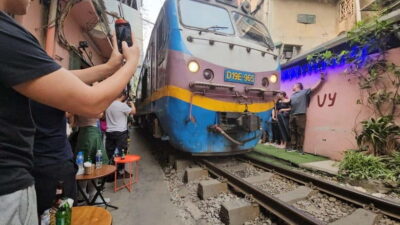
Unlike a museum model, this is described as real railway lines running through it, with homes and businesses that open directly onto the tracks. You’re walking past doorways, shopfronts, and living spaces that face the rails. That’s why it’s called one of the best things to do—because you’re experiencing a place that feels oddly intimate and real.
How I recommend approaching it:
- Go with curiosity, not expectations of a normal walkway
- Keep your attention on movement and the rails themselves
- Take photos, but don’t block doorways or pedestrian flow
Also, consider comfort. If it’s a very sunny day, the outdoor nature means you’ll want your sun hat and sunscreen. The tour’s packing list isn’t decorative; it’s based on what people actually feel under Hanoi’s sun.
What’s included in the $51 price, and what might cost extra
The listed price is $51 per person, and the tour includes a lot that usually adds up fast in Hanoi: an English-speaking guide, private transfers (mini car or bus depending on group size), and even a bottle of mineral water per person in the vehicle.
Entry fees are included for major stops:
- Tran Quoc Pagoda
- West Lake
- Ho Chi Minh Mausoleum
- One Pillar Pagoda
- Dong Xuan Market
- Train Street
- Plus the Museum of Ethnology (for the full-day option) with entry
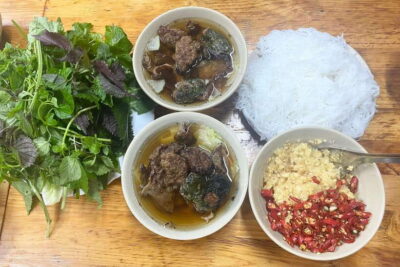
Food is included only for the full-day option, where you get a light meal such as beef or chicken noodle soup or Bun Cha.
What’s not included is straightforward: drinks you order and personal expenses. So if you want bottled water beyond the one provided, budget a little. If you snack at market stalls, expect that to be extra too.
The value here is best for people who want organization and context. If you’d otherwise pay for separate taxis, individual entry tickets, and a guide, the private bundle can feel like good math.
Dress code and day-of-week changes you should know
This tour comes with clear rules, and they’re worth following so your day stays smooth.
Not allowed:
- Short skirts
- Sleeveless shirts
And for temples, pagodas, and the Ho Chi Minh Mausoleum: shorts aren’t allowed.
Also watch for closures:
- Ho Chi Minh Mausoleum: open in the morning, except Monday and Friday. It’s also listed as closed in summer from Jun 15 to Aug 15. If you’re traveling in that window, plan on seeing the mausoleum area and gardens rather than the full experience.
- Museum of Ethnology: closed on Monday, and the tour changes to visit Hoa Lo Prison instead.
Schedules can also shift due to weather and operating conditions, so it helps to keep your day flexible.
Who this private Hanoi tour fits best
I’d recommend this tour if you:
- Want a first-day or first-full-day orientation in Hanoi
- Like a mix of landmark sights and neighborhood-level places
- Prefer a private experience with hotel pickup and drop-off across multiple districts
- Want an English-speaking guide who can explain what you’re seeing
It’s also a good match for visitors who don’t want to manage planning across several different attractions and entry tickets on their own.
If you’re a slow traveler who likes to linger in one area for hours, you might find the day moves fast. But if you’d rather see the highlights and understand them, this is a strong format.
Should you book this Hanoi city tour with train street?
Book it if you want a single, organized day that connects Hanoi’s main landmarks with the rail-side weirdness of Train Street—and you value a guide who can explain the stories behind what you’re looking at.
Skip it or choose a shorter option if:
- You hate traffic time and want a strictly walk-focused itinerary
- You’re not comfortable with strict dress rules for temples and the mausoleum
- You only care about one area of the city and don’t want a multi-zone day
For most people doing Hanoi for the first time, this hits a good balance: structured stops, strong cultural context, and a finish at a place you won’t forget.
FAQ
How long is the Hanoi city tour with train street?
The duration is listed as 4 to 8 hours. Starting times depend on availability.
Does the tour include hotel pickup and drop-off?
Yes. Pickup is optional, and there are many pickup and drop-off district options listed across Hanoi.
What language is the guide?
The tour includes a live English-speaking guide. Vietnamese may also be available.
What major sites are included?
Entry is included for Tran Quoc Pagoda, West Lake, Ho Chi Minh Mausoleum, One Pillar Pagoda, Dong Xuan Market, Hanoi Train Street, and the Museum of Ethnology for the full-day option.
Is a meal included?
A light meal (beef or chicken noodle soup, or Bun Cha) is included only with the full-day option.
What happens if the Museum of Ethnology is closed?
The Museum of Ethnology is closed on Monday. The plan changes to visit Hoa Lo Prison instead.
Are there restrictions on what I can wear?
Yes. Shorts are not allowed in temples, pagodas, and the Ho Chi Minh Mausoleum. Short skirts and sleeveless shirts are also not allowed.
Is the Ho Chi Minh Mausoleum always open?
It is open in the morning except Monday and Friday. It’s also listed as closed in summer from Jun 15 to Aug 15.
Do I need to pay for drinks during the tour?
Drinks you order are not included, though there is a bottle of mineral water in the vehicle per person.
What if I need to cancel?
Free cancellation is listed, with full refund available if you cancel up to 24 hours in advance.
More Tour Reviews in Hanoi





The Whole Capital in a Day



Back to Train Street


Latest Hanoi write-ups from our team


Hanoi Train Street Tours, compared.
 ★ 4.9Guided Food Tour with Train Street VisitFrom $196,239 reviews
 ★ 5.0Street Food Tour with Train Street & Hidden AlleywaysFrom $202,831 reviews
 ★ 4.9Guided Street Food Tour with Train Street ExperienceFrom $172,479 reviews
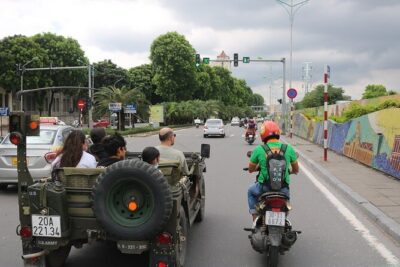 ★ 5.0Hanoi City Tour Highlight, Train Street Combine visit CountrysideFrom $59925 reviews
 ★ 5.0Hanoi Jeep City Highlight, Backstreet, Train Street, CountrysideFrom $55666 reviews
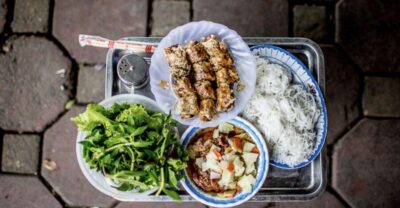 ★ 4.97 Tastings Street Food Tour with Train StreetFrom $24541 reviews
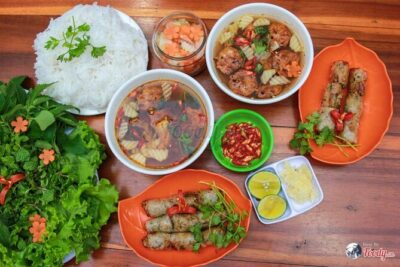 ★ 5.0Walking Street Food Tour in Hanoi and Train StreetFrom $38503 reviews
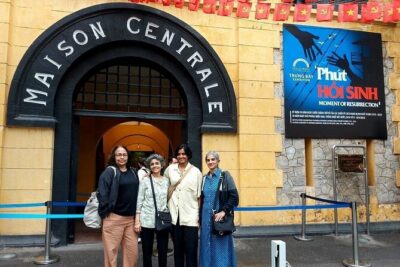 ★ 5.0Hanoi All-In-One Tour: Highlights & Train Street & Culture & FunFrom $5421 reviews
Browse the lists this tour appears in