
Reviewed · SAPA TREKKING TOURS
Hanoi to Sapa: Terraced Fields, Culture & Cuisine – 3 Days
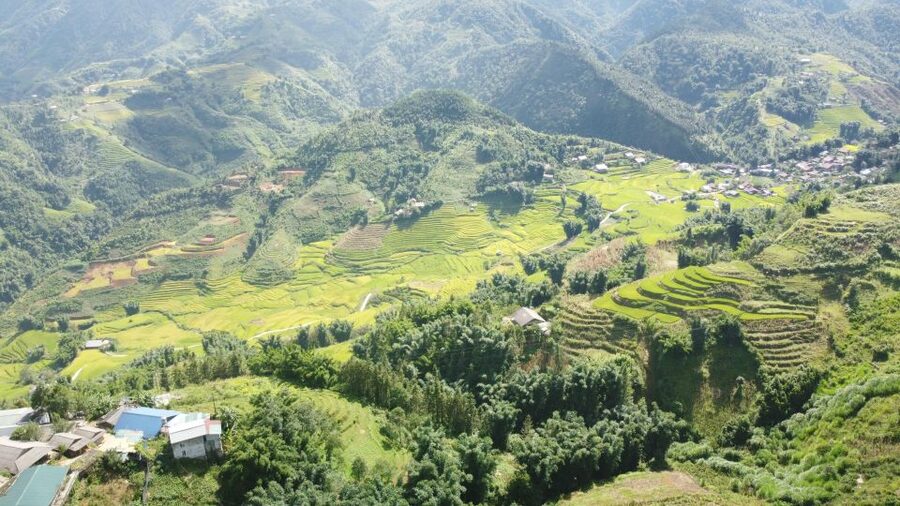
Rice terraces start before breakfast. This Hanoi to Sapa trip is built around day hikes through rice terraces and streams, plus village visits that explain how local ethnic groups live in the Hoang Lien Son region. You get a local English guide and a mix of viewpoints, walking, and home-style meals.
I especially like two things: the focus on Cat Cat Village and the way your guide connects what you see to everyday customs, and the hands-on Ta Van cooking class where you eat what you make. It turns a scenic walk into something more human, not just photos.
The main thing to think about is effort and comfort. The Hanoi–Sapa VIP cabin bus can be hard to sleep on, and day 2 and day 3 involve muddy, dirty conditions with long walks that are not a casual stroll. If you hate steep steps, slick ground, or cramped transport, plan accordingly.
In This Review
- Key highlights I’d plan my trip around
- Hanoi to Sapa by VIP cabin: how to handle the ride
- Day 1: Sapa town first, then Cat Cat Village and waterfall stops
- Cat Cat Village: where customs show up in real daily life
- Waterfall and the French-era hydroelectric site
- Day 2: The big trekking day through villages and rice terraces
- Lao Chai: Black H’mong village views
- Ta Van village homestay: check-in, rest, then cooking
- Day 3: Shorter but still meaningful trek, then back to Hanoi
- What the food and cooking add to the experience
- Price and value: what you’re paying for at $116
- Gear and smart preparation (this is where good trips are won)
- Who this Hanoi to Sapa 3-day trip suits best
- Should you book it
- FAQ
- How do you get from Hanoi to Sapa on this tour?
- What stops do you visit in Sapa on Day 1?
- Where do you stay during the 3 days?
- How long are the hikes on the trekking days?
- What meals are included?
- Is the tour in English?
- What should I bring and wear?
Key highlights I’d plan my trip around
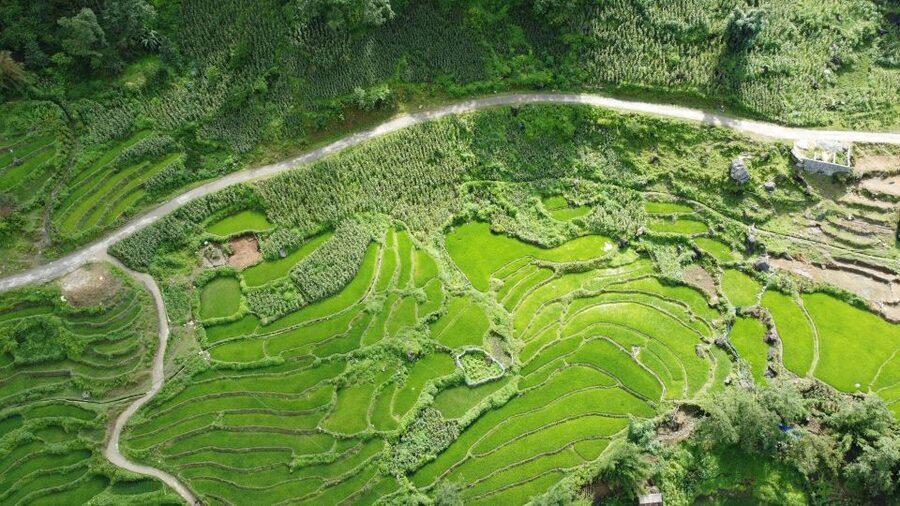
- Muong Hoa Stream rice-terrace trekking linking Y Linh Ho, Lao Chai, and Ta Van
- Cat Cat Village with H’mong culture, plus the Cat Cat waterfall area and a French-built hydroelectric site
- Ta Van homestay cooking class with a dinner that comes from your own hands
- Two nights in the right places: Sapa town hotel for easy arrival, then a homestay for village life
- Sapa free evening with time for the night market and street food
Hanoi to Sapa by VIP cabin: how to handle the ride
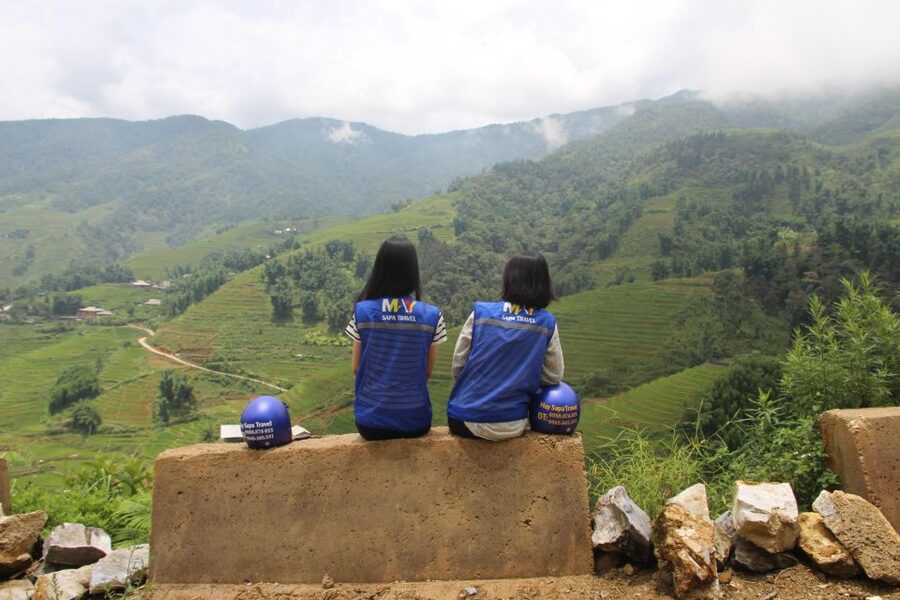
This trip runs daily and starts with pick-up in Hanoi, then a highway transfer to Sapa. You leave early in the morning, and after about five hours on the road, you arrive around midday. Transport is by VIP cabin bus, and there’s no tour guide onboard during the drive. That can be a plus if you want quiet time, but it also means you’ll rely on the schedule and the guide’s instructions after you arrive.
Now, here’s the honest part. If your expectation is a comfy long-haul sleeper, set it a bit lower. The bus cabins can feel very tight, with a stacked-sleep style that isn’t built for easy rest. If you’re a light sleeper, consider bringing a sleep mask, earplugs, and anything that helps you doze in awkward positions.
Why the bus is still worth it: it gets you into Sapa with enough time on Day 1 to visit Cat Cat without feeling like you’re wasting your first day. If you’d rather trade comfort for time, this works well. If comfort is your top priority, you may want to compare with other options in Hanoi to Sapa transport.
More trails through the Sapa valleys


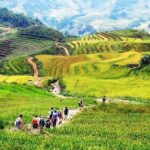
Day 1: Sapa town first, then Cat Cat Village and waterfall stops
Day 1 is a smooth landing day: you ride from Hanoi to Sapa, arrive around lunch time, and you’ll be taken to a hotel in Sapa town. After check-in, lunch is taken care of, and you then meet your guide for the afternoon walk.
Cat Cat Village: where customs show up in real daily life
Your first village stop is Cat Cat, associated with the H’mong community. The point isn’t just sightseeing. Your guide introduces habits and customs, so you understand what you’re looking at—how community life works, what traditions matter, and why certain areas look the way they do.
A practical note: expect some photo opportunities, plus souvenir sellers along the route. You don’t have to buy anything. I like to treat these stops as part of the rhythm of village life rather than a hard sell. If you want photos, bring small bills and decide ahead of time what you’re comfortable spending.
Waterfall and the French-era hydroelectric site
After Cat Cat, you’ll visit Cat Cat waterfall and an area tied to a hydroelectric power plant built by the French in the early 20th century. Even if you’re not a history buff, this works because it adds another layer to the scenery: you’re not only seeing nature—you’re seeing how infrastructure shaped the region.
Then you’re back in Sapa with dinner included, plus free time to explore. This is when you can do the easy fun stuff: the night market and casual street food. It’s a good way to reset after the ride, and it also helps you get your bearings in town before the longer hikes begin.
Day 2: The big trekking day through villages and rice terraces
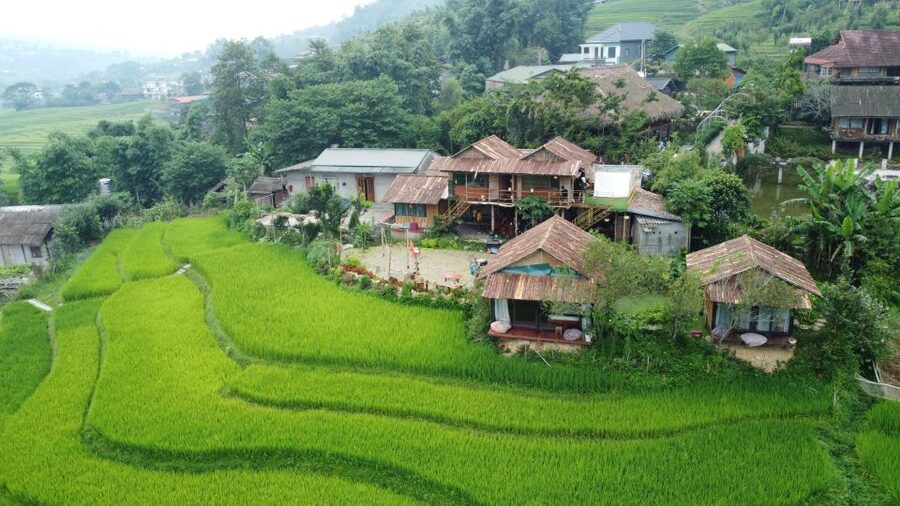
Day 2 is where Sapa becomes Sapa. You start with breakfast, check out, and store big luggage at the hotel. That’s key. Your trekking day uses smaller day packs, and keeping your larger bags at the Sapa hotel makes the walking realistic.
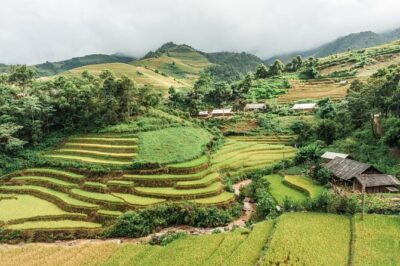
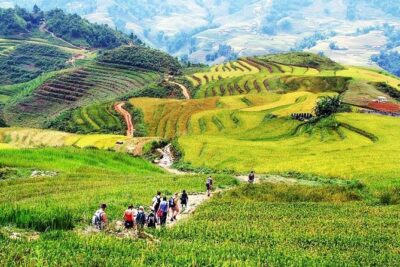
Then you head out for the hike around 8:15–8:30. You trek toward Y Linh Ho, and from there you’ll hike through rice terraces along the Muong Hoa Stream. This stretch is the heart of the trip for most people because the terraces and water are the visual payoff.
Worth a glance beside this Hanoi pick:
- Amanda Cruise – Ha Long, Lan Ha Bay – All Inclusive 2D1N & 3D2N★ 5.0 · 4,358 reviews
- Halong Bay – Le Journey Cruises – All Inclusive 2D1N and 3D2N★ 5.0 · 2,500 reviews
- Hanoi: 3-Day Ninh Binh, Ha Long, & Lan Ha Bay 5-Star Cruise★ 4.8 · 1,401 reviews
Lao Chai: Black H’mong village views
You continue through Lao Chai, described as a village of the Black H’mong minority. The scenery tends to open up as you walk, giving you long sightlines across mountain slopes. What helps here is the guide: they connect what you’re seeing to village life, rather than leaving you with only a sequence of “look here, photo there.”
Ta Van village homestay: check-in, rest, then cooking
You reach Ta Van village around lunchtime. You’ll have lunch at a homestay, then check in and rest. This is important because the day is long. After you settle, your guide takes you to visit more village areas with terraced fields and streams—again, not only for photos, but so you can understand daily land use and where people gather.
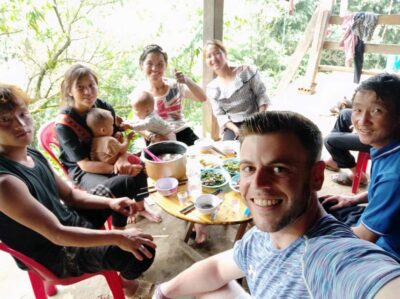
Later, the highlight for many people lands: the cooking class. You learn and cook dishes with local hosts, then you eat dinner made by your own group. Even if you don’t consider yourself a foodie, this is one of the most memorable parts because it’s interactive and grounded in real routines. You’re not just consuming the region—you’re participating.
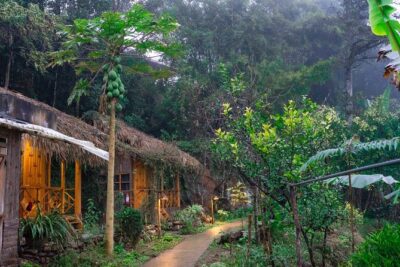
By the end of Day 2, you sleep in a private room at the homestay in Ta Van. It’s a different feel than town hotels and a better match for village-focused travel.
Day 3: Shorter but still meaningful trek, then back to Hanoi
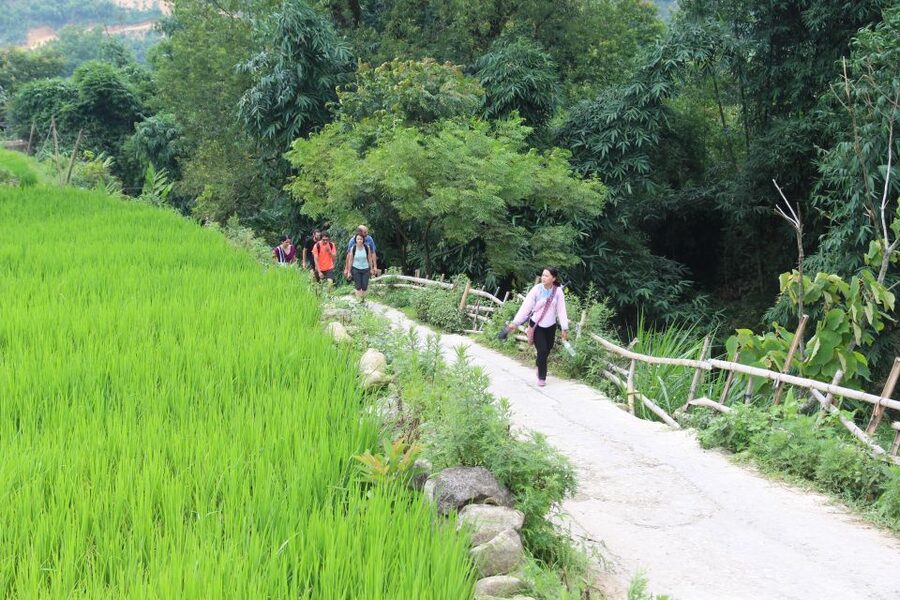
Day 3 starts with breakfast at the homestay, then trekking again. You’ll visit Giang Ta Chai Village and Supan Village on a walk of about 6 km.
This day is shorter than Day 2, and it can feel less intense. That’s not automatically a downside—it depends on your hiking style. If you’re craving another long terrace route, you might wish the mileage matched Day 2. But the upside is you finish the trek with less fatigue, which makes the return ride to Hanoi more comfortable.
You’ll arrive in Supan for lunch at a local restaurant. After that, the bus picks you up back to Sapa, and you’ll have time to get ready with your luggage before heading to Hanoi. You return by early evening and are dropped off around Ly Thai To / Tran Quang Khai Street in Hoan Kiem.
What the food and cooking add to the experience
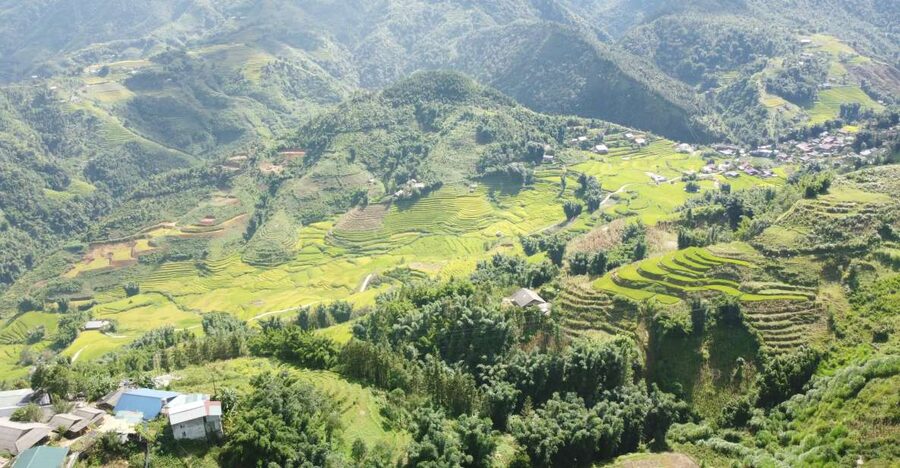
A lot of “Sapa tours” get judged on walking. This one also leans hard on food, and that matters more than you might think. The trip includes meals—two breakfasts, three lunches, and two dinners—plus the homestay cooking class.
That setup does two things for you:
- It removes guesswork when the day is packed and the terrain is wet or muddy.
- It keeps the experience social, especially on the homestay night where dinner connects you to daily life.
If you’re the type who likes to eat where locals eat, this works better than tours that only hand you basic meals. Cooking with a family setup tends to be more memorable than a restaurant stop, even if the menu isn’t fancy. The point is that you learn through doing, then you eat what you made.
Price and value: what you’re paying for at $116
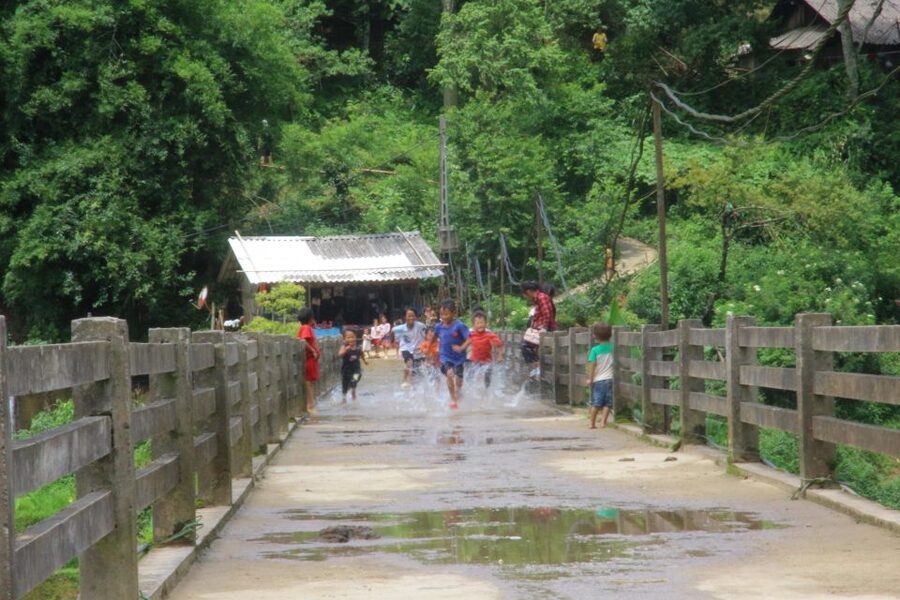
At $116 per person, you’re not just paying for transport. You’re paying for:
- Two-way VIP cabin bus between Hanoi and Sapa
- One night in a 3-star hotel in Sapa town
- One night in a private homestay room in Ta Van
- A local English guide with village and customs interpretation
- Meals and the cooking class
For many people, the value comes down to the mix of logistics and guidance. You get guided trekking on two days, arranged meals, and the homestay experience without you needing to coordinate it all yourself in northern Vietnam.
The trade-off is comfort and pace. The bus may not feel restful, and the walking days require stamina. If you budget for a guide but still plan to handle everything independently, you might save a bit—but it’s harder to match the same flow: hotel arrival, terrace treks, homestay cooking, then the return to Hanoi.
Gear and smart preparation (this is where good trips are won)
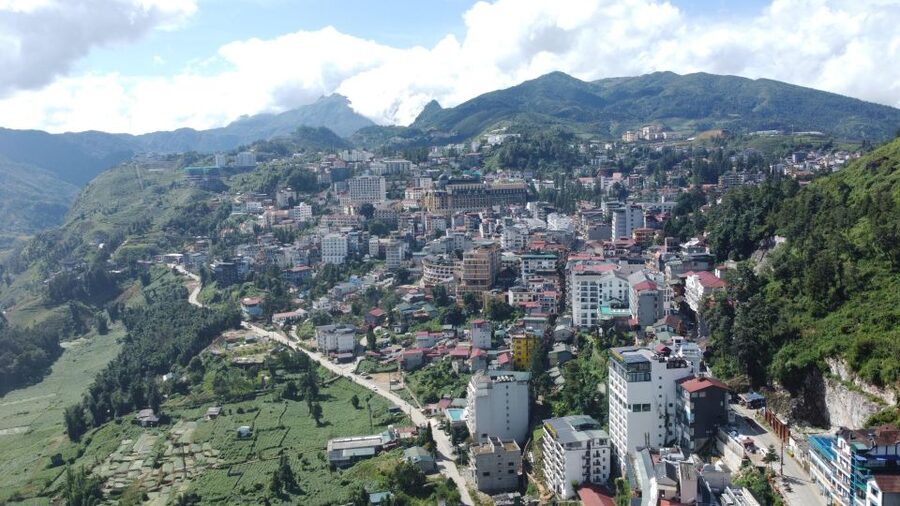
This tour is very doable if you prepare for mud and uneven ground. You should plan for about 14 km of hiking across day 2 and day 3, and wet weather can mean slick, dirty paths. The trip specifically nudges you toward suitable trekking shoes and comfortable clothing.
Here’s what I’d pack to keep the experience enjoyable:
- Comfortable shoes with grip (not dress shoes, not high heels)
- A small day bag for essentials at homestay
- Sunscreen and insect repellent
- Change of clothes for the homestay night
Also pay attention to the luggage plan. Big bags stay at the Sapa hotel lounge before you trek. If you arrive with an overpacked carry system, you’ll feel it in the walking day.
One more practical tip: local vendors may follow along with handmade items. You don’t have to buy, but it helps to keep a calm plan for what you’ll do—look, smile, move on.
Who this Hanoi to Sapa 3-day trip suits best
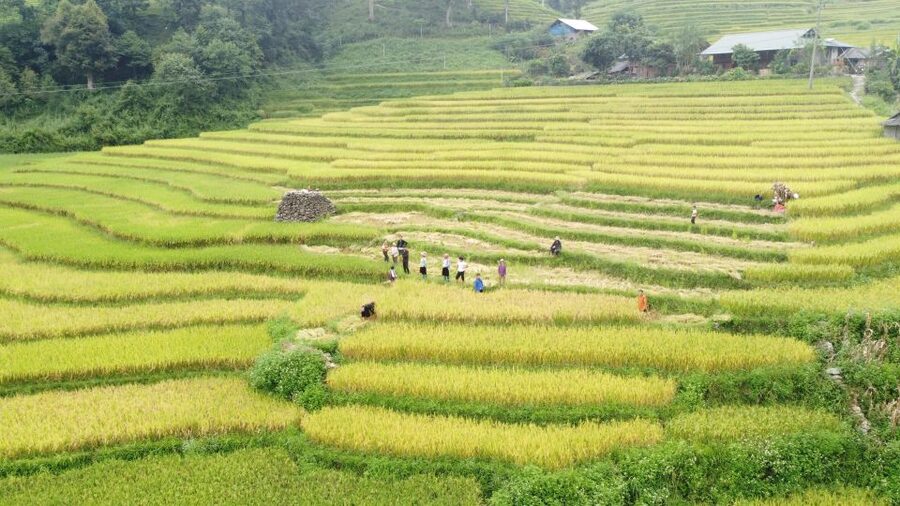
This itinerary fits you best if you want:
- Village culture with an English-speaking guide
- Terraced views paired with real walking routes
- A homestay night and a cooking experience, not only hotel meals
It may not suit you well if you:
- Need very comfortable transport for long distances (bus sleeping can be cramped)
- Want more hiking distance on Day 3 (the last trek is relatively short)
- Have major mobility or health limitations
The trip also isn’t listed as suitable for children under 3, pregnant women, people with back problems, wheelchair users, and people over 70.
Should you book it
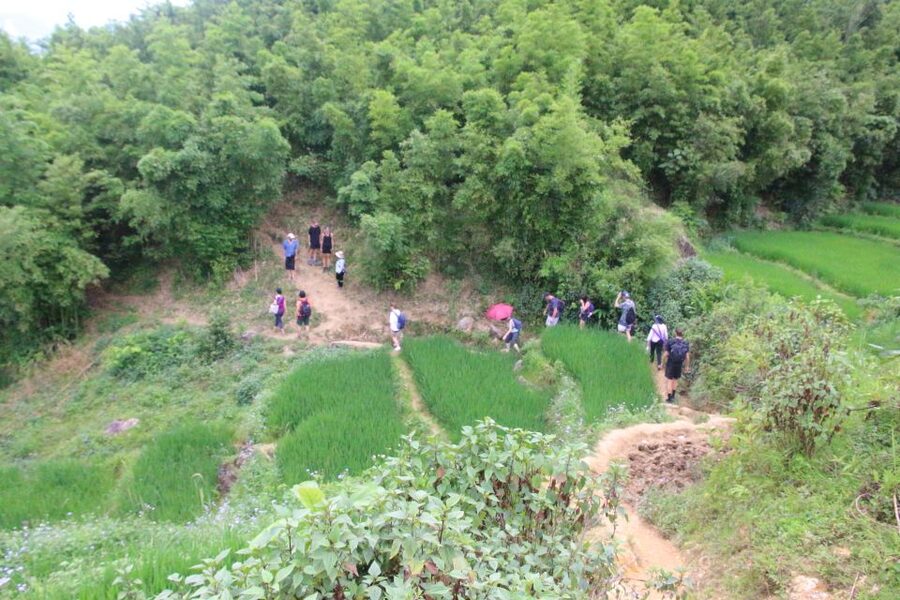
I’d book this tour if your priority is walking through rice terraces, meeting village life in a guided way, and adding the homestay cooking class to make it more than a photo route. The best parts here are practical: the guidance from Su, the village-focused stops, and the way meals keep you fueled for trekking.
I’d hesitate if you’re sensitive to cramped transport or you strongly prefer longer hikes every single day. Also, if you’re traveling at a time when conditions are likely muddy, you need the right shoes and a flexible attitude.
If you want a guided, well-fed, village-and-terrace Sapa experience without building the itinerary yourself, this is a solid match.
FAQ
How do you get from Hanoi to Sapa on this tour?
You travel by VIP cabin bus from Hanoi to Sapa and back to Hanoi. A tour guide is not on the bus during the ride.
What stops do you visit in Sapa on Day 1?
On Day 1 you visit Sapa town, Cat Cat Village, and you also go to Cat Cat waterfall and a hydroelectric power plant area built by the French in the early 20th century.
Where do you stay during the 3 days?
You stay one night in a 3-star hotel in Sapa town and one night in a private room at a homestay in Ta Van village.
How long are the hikes on the trekking days?
Day 2 and Day 3 include hiking around 14 km total. Day 3 specifically includes about a 6 km trek to visit Giang Ta Chai and Supan villages.
What meals are included?
The tour includes 2 breakfasts, 3 lunches, and 2 dinners. Drinks during meals are not included.
Is the tour in English?
Yes, the local guide provides English.
What should I bring and wear?
Bring comfortable shoes and comfortable clothes, plus items like sunscreen and insect repellent. High-heeled shoes are not allowed, and alcohol and drugs are not allowed.
More 3-Day Experiences in Hanoi




More Tour Reviews in Hanoi





More Sapa Treks We Walked

Latest Hanoi write-ups from our team





Sapa Trekking Tours, compared.
 ★ 5.0Sapa 2 Days 1 Night From Hanoi – Overnight in Ta Van VillageFrom $592,669 reviews
 ★ 5.0Hanoi – Sapa 2 Days 1 Night Overnight At HomestayFrom $89899 reviews
 ★ 5.0Sapa: Fansipan Cable, Cat Cat Village & Moana Instagram TourFrom $30777 reviews
 ★ 4.8From Hanoi: 2-Day Sapa Trekking Trip with Homestay & MealsFrom $71704 reviews
 ★ 5.0Sapa 3 Days 2 Nights Trekking Tour (1 Night In Ta Van Village, 1 Night In Hotel)From $139699 reviews
 ★ 5.03-Day Trekking Adventure of Sapa from Hanoi – Stay Ta Van VillageFrom $109611 reviews
 ★ 4.82-Day Sa Pa Ethnic Homestay Tour & Trek with Limousine Bus440 reviews
 ★ 5.0Sapa 2 Days 1 Night From Hanoi – Overnight in HotelFrom $89440 reviews
Browse the lists this tour appears in