
Reviewed · SAPA TREKKING TOURS
Hanoi-Sapa Trek 2 days 2 nights and Homestay with small group
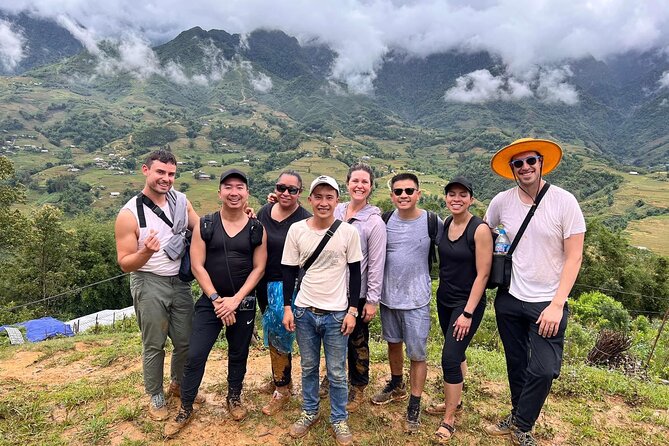
A trek in Sapa feels like a different planet. This 2 days / 2 nights small-group trip from Hanoi gives you a fast taste of northern Vietnam’s hill-country life, with guided walks through the villages people actually live in. I especially like the homestay in Ta Van Village and the practical way the tour takes care of logistics, so you spend less time fussing and more time looking at real rice terraces and meeting the people behind them. One thing to plan for: Sapa weather can turn cold and foggy fast, so packing right matters more than you think.
You’ll also get a focused, guided route through major village stops like Cat Cat, Lao Chai, Ta Van, Giang Ta Chai, and Su Pan, instead of just being dropped at a viewpoint. The group limit of nine is a big deal here: it keeps the pace human and makes it easier for the guide to help when trails get muddy. The one possible drawback is that homestay facilities are not like a hotel, so if you’re expecting the usual comfort level, lower your expectations on purpose before you go.
In This Review
- Key things I’d plan for on this Hanoi–Sapa trek
- What this trip really is: a trek plus village life, not just scenery
- The route: Sapa villages you’ll recognize (and villages you’ll actually walk through)
- Cat Cat: classic Sapa views with real walking time
- Lao Chai: rice terraces and changing terrain
- Ta Van: your homestay home base
- Giang Ta Chai: another village face of the same valley
- Su Pan: finish with mountain drama
- Day-by-day: what your time looks like
- Day 1: Hanoi to Sapa, then village trekking and Ta Van homestay
- Day 2: more villages, then back toward Hanoi
- The guides: why English-speaking and small groups matter
- Packing tips that will save your trip (and your photos)
- Homestay expectations: how to set yourself up for comfort
- Food and timing: you’ll be fed, but bring your own drinks
- Value check: is $139 fair for this mix of logistics and access?
- Who this tour suits best (and who should skip it)
- Quick practical notes before you go
- Should you book it?
- FAQ
- How many people are in the group?
- What meals are included during the 2 days?
- Where is the homestay located?
- Is pickup and drop-off at my hotel included?
- What should I pack for Sapa weather?
- Do I need cash for this trip?
Key things I’d plan for on this Hanoi–Sapa trek
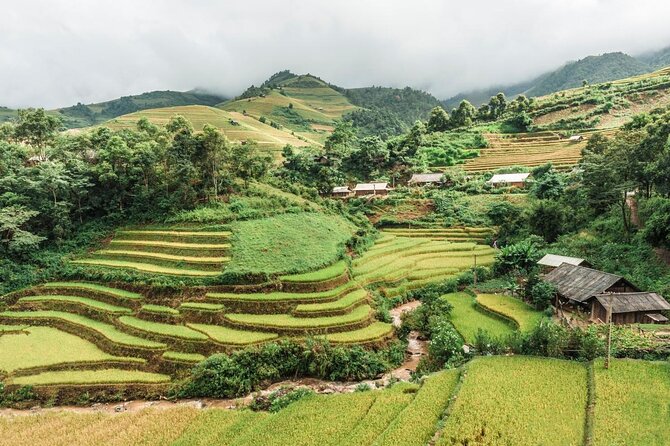
- Max 9 travelers: more personal guidance on steep, slippery sections.
- Ta Van homestay (1 night): a closer look at daily life in the village, not just a photo stop.
- Multiple village visits: Cat Cat, Lao Chai, Ta Van, Giang Ta Chai, and Su Pan make the trek feel varied.
- Cold, changeable weather: warm layers plus a hat/scarf, especially in the cooler months.
- Cash helps in Sapa: bring Vietnam dong since banking can be unreliable.
- No hotel drop-off included: you’re dropped at the last stop near 160 Tran Quang Khai in the Old Quarter area.
What this trip really is: a trek plus village life, not just scenery

This Hanoi-to-Sapa experience is built around two simple ideas: walk through the hill-country and sleep in the community you’re visiting. The big win is that it’s framed as a first-timer-friendly introduction to local culture, while still giving you actual trekking time and multiple village stops.
You start in Hanoi (Hoàn Kiếm area), and then the tour handles the main logistics. Depending on your exact setup, the trip description mentions an overnight train concept, while the included transport lists round trip with Luxury Limousine Car. Either way, you’re meant to shift from Hanoi to Sapa quickly and start your trekking days without a bunch of planning headaches. When in doubt, double-check your confirmation so you know which overnight travel option you’re getting for your dates.
The group size matters too. With up to nine people, you’re not lost in a crowd. You also tend to get more honest guidance on what to wear, where to step, and how long you can realistically keep going.
More trails through the Sapa valleys




The route: Sapa villages you’ll recognize (and villages you’ll actually walk through)
The tour highlights the most well-known village areas in the Sapa region, and it’s not just a quick look. You’re walking between villages and viewpoints, so the landscapes change as your body does the work.
Here’s how to think about the stops and why they matter:
Cat Cat: classic Sapa views with real walking time
Cat Cat is one of the first names people hear in Sapa, and for good reason: it’s built around scenic valley terrain and village life. On a trek, it’s not just the view that’s interesting. It’s the pacing—getting out onto trails where you’re moving between different kinds of farmland and settlement edges. Expect that some sections can be uneven, especially after any rain.
If you’re the type who loves being able to tell what direction you’re going without guessing, you’ll appreciate having a local English-speaking guide steering you through.
Lao Chai: rice terraces and changing terrain
Lao Chai is where the route often starts to feel more trekking-like. You’re looking at patchwork fields and slopes, and the trail can turn muddy. This is where footwear becomes your best friend. Trekking shoes aren’t a suggestion here. They’re the difference between a walk you enjoy and a walk you white-knuckle.
In the feedback I saw, guides were especially helpful on difficult terrain, and people highlighted how the Hmong women who joined the group were friendly and practical on the move. That’s the kind of detail that makes a trek feel grounded in community, not like a staged tour.
Ta Van: your homestay home base
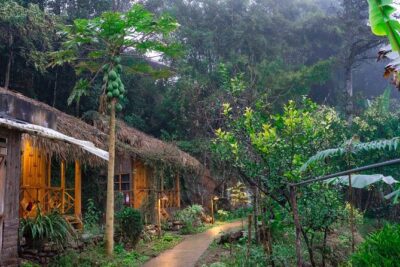
Ta Van Village is the heart of this trip. The tour includes one night at a homestay in Ta Van, and that matters because you don’t just visit and leave—you settle in. This is also where you get the most direct cultural exchange, because daily life continues around you even when tourists are gone.
Just be clear: homestay facilities are not as in hotels. That’s not a bad thing; it’s the point. Still, it helps to pack with that reality in mind—think basic comfort, simple setups, and a more hands-on experience.
Worth a glance beside this Hanoi pick:
- Halong Bay Full Day with Kayaking, Hiking viewpoint, Cave – Deluxe To Luxury★ 5.0 · 884 reviews
- From Hanoi: 2-Day Sapa Trekking Trip with Homestay & Meals★ 4.8 · 704 reviews
- Sapa 3 Days 2 Nights Trekking Tour (1 Night In Ta Van Village, 1 Night In Hotel)★ 5.0 · 699 reviews
Giang Ta Chai: another village face of the same valley
Giang Ta Chai adds variety to the route. Even when you’re in the same general Sapa region, village-by-village differences show up in how people farm, how homes sit on the slopes, and what daily tasks look like along the trail. If you like learning by observing, this stop delivers.
You’ll also want to keep your camera ready but your steps ready more. Some paths can be tricky, and the tour’s value is that the guide is there to help you stay steady.
Su Pan: finish with mountain drama
Su Pan is often the last chapter in a classic Sapa trek circuit. It tends to feel more open—space for views, plus a sense of accomplishment as the trek winds down. This is also where you’re most likely to notice how highland weather changes mood: one minute bright, the next minute fog rolling in.
The tour notes that altitude can bring fog at certain times of year, especially December through February and into March. If your dates overlap with those months, you should mentally prepare for dramatic visibility shifts and plan to enjoy the fog as part of the landscape rather than something that ruins it.
Day-by-day: what your time looks like
This trip runs about 2 days (with 2 days / 2 nights described), and it’s structured so you’re trekking during the day and sleeping at night.
Day 1: Hanoi to Sapa, then village trekking and Ta Van homestay
Your day starts with pickup in Hanoi at the Hoàn Kiếm area. From there, you’ll travel toward Sapa using the included transport arrangement (again: your confirmation should tell you whether the night travel is by the overnight train concept referenced in the overview, or the Luxury Limousine Car named in the included section).
Once you’re in the trekking zone, your first day focuses on classic village stops and getting your legs used to the terrain. Expect walking between villages that are known locally and internationally—Cat Cat, Lao Chai, and the way toward Ta Van—plus plenty of viewpoints over the valley fields.
By evening, you sleep in Ta Van Village. This is where the homestay experience becomes more than a bed for the night. It’s the moment where you slow down and see village life in a less touristy rhythm.
Day 2: more villages, then back toward Hanoi
Day two continues the trek, with stops such as Giang Ta Chai and Su Pan called out in the experience overview. This is usually where you either feel your stride or realize you need to slow your pace just a bit to protect your energy.
The tour ends back at the original meeting point in Hanoi (Hoàn Kiếm). One important practical note: drop-off at your exact hotel isn’t included. You’re dropped at the last stop at 160 Tran Quang Khai street in the Old Quarter area, so you’ll likely walk back or take a short taxi ride.
The guides: why English-speaking and small groups matter

Good trekking guides don’t just point and speak. They pace you. They keep you safe. They help you understand what you’re seeing.
The tour includes a local English-speaking guide, and names show up in the feedback in a way that suggests real consistency. Zua was highlighted for trekking across villages with a focus on rice-field scenery and difficult terrain. Khu was also mentioned as a friendly guide who helped people discover northern Vietnamese culture while walking through rice fields.
Even the support staff around transport got credit. Lucy was noted for helping with pre-train logistics and even bringing snacks when meeting someone at the station.
Bottom line: if you care about being guided through more than just the big names, this is the right structure. A small group plus an active guide is how you get the details that make a trek feel personal.
Packing tips that will save your trip (and your photos)
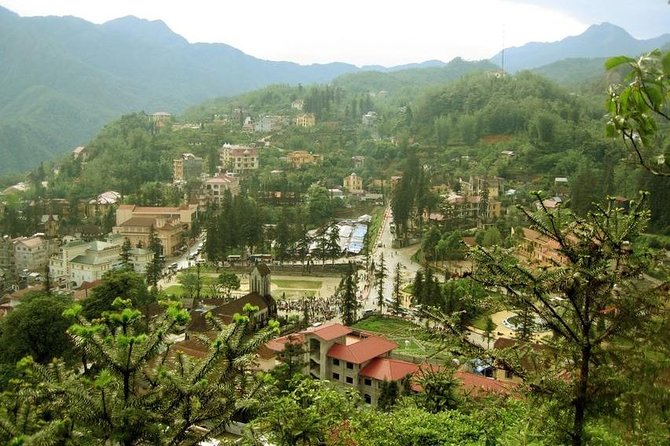
Sapa runs cold, and it can feel like weather changes on a whim. The tour specifically warns that it’s normally cold in September through March, and that fog can happen in the December to March window.
So yes, pack like it’s a trek in layers, not like it’s a city day:
- Bring warm clothes plus a scarf, hat, or cap.
- Plan for foggy visibility if you travel in winter months.
- Wear trekking shoes. Expect mud.
- Bring sunglasses and sunscreen even if it’s chilly.
- Bring insect repellent for outdoor sections.
- Bring medicine, just in case. Chemist shops exist in Sapa, but it’s smart not to bet your comfort on being able to find the exact thing you need.
Also, bring cash. The tour notes that banking systems in Sapa sometimes don’t work smoothly. US dollars, euros, and Australian dollars are accepted in Sapa, and you should still plan to carry Vietnam dong.
Homestay expectations: how to set yourself up for comfort
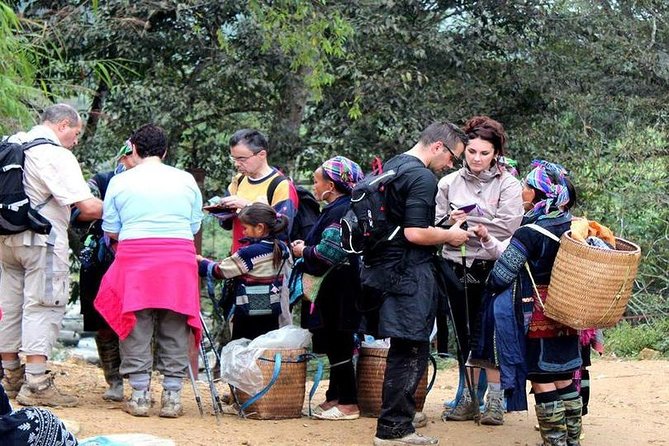
The homestay is where the trip becomes more than an itinerary. But the tour is honest: homestay facilities are not as in hotel in Sapa.
That means you should go in with a mindset like this: you’re paying for access to daily life, not polished amenities. If you’re flexible and curious, the simplicity can feel refreshing. If you need hotel-level comfort to relax, it could feel tiring.
A homestay setup also means you’ll likely do more of your own organization—like managing what you bring and how you handle basics. Pack small, pack practical, and keep your expectations aligned with the style of accommodation.
Food and timing: you’ll be fed, but bring your own drinks
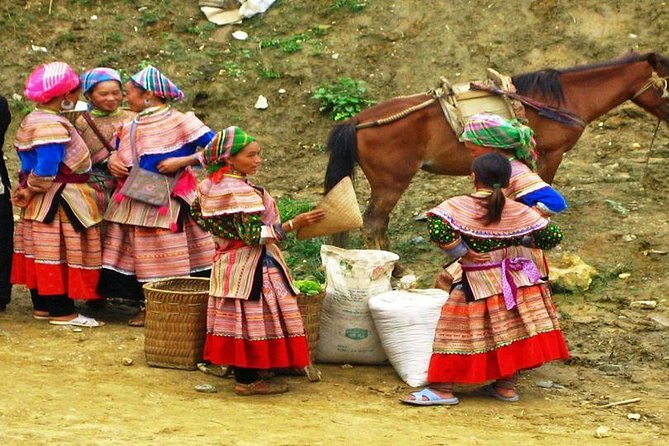
The tour includes meals as follows: 2 breakfasts, 2 lunches, and 1 dinner. That’s a big value for an active trek, because you don’t have to budget time or energy hunting for food between trail segments.
What’s not included: drinks and personal expenses. So plan to bring (or buy) what you need for hydration. In cold weather, you still need water, even if you don’t feel like it.
Timing-wise, expect the days to revolve around trekking and meal breaks rather than long, slow sightseeing detours. If you like a tight rhythm, you’ll enjoy it. If you hate schedules, it might feel a bit structured.
Value check: is $139 fair for this mix of logistics and access?
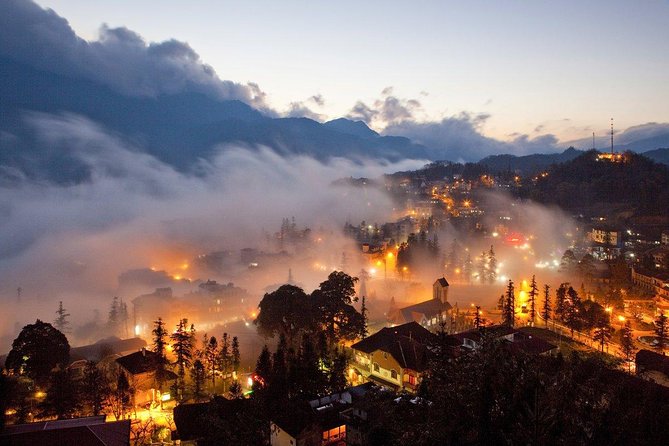
At $139 per person for 2 days, you’re paying for a full package: round-trip transport from Hanoi, guided village trekking, meals, sightseeing fees and taxes/services, and a guided homestay night.
This isn’t just a walking tour where you show up and wing it. The value is in:
- Logistics handled for the Hanoi-to-Sapa movement and the trekking flow.
- Small group size that keeps the experience from feeling chaotic.
- Inclusion of meals, which matters when you’re moving all day.
- The homestay in Ta Van, which is harder to assemble independently unless you know exactly what you’re doing.
Could you do Sapa cheaper on your own? Yes, in theory. But you’d lose the simplicity of organized routing and the cultural context your guide provides. For most first-time visitors, that trade is worth it.
Who this tour suits best (and who should skip it)
This trek is a good match if you:
- Want a first-time introduction to northern Vietnam with real village walking.
- Prefer a small group over large bus-style tours.
- Like learning through local guidance and daily-life experiences, not only views.
It may not be a great match if you:
- Need hotel-like comfort during the night.
- Have zero tolerance for cold weather surprises and muddy trail conditions.
- Expect full hotel drop-off at the end. (You’ll be dropped near 160 Tran Quang Khai.)
Quick practical notes before you go
- Moderate trekking reality: you should be ready for several hours of walking and possibly muddy terrain.
- Bring cash: banking can be unreliable in Sapa.
- Dress for cold and fog: even if Hanoi feels mild, Sapa can feel very different.
- Meeting and ending point: you start in Hoàn Kiếm and end back at the meeting point area, with drop-off not tied to your exact hotel.
Should you book it?
If your priority is a guided, small-group Sapa trek with genuine village life, this is an easy yes. The strongest part is the combination: multiple village stops (Cat Cat, Lao Chai, Ta Van, Giang Ta Chai, Su Pan) plus a homestay night in Ta Van and a guide who can make the terrain and culture make sense.
Book this trip if you’re comfortable with cold weather prep and you understand that homestay comfort is basic by hotel standards. If that trade feels fine, you’ll come away with the kind of Sapa experience that feels personal, not crowded.
FAQ
How many people are in the group?
This tour has a maximum of 9 travelers.
What meals are included during the 2 days?
You get 2 breakfasts, 2 lunches, and 1 dinner.
Where is the homestay located?
The included homestay is for 1 night in Ta Van Village.
Is pickup and drop-off at my hotel included?
Pickup is offered, but drop-off at your hotel is not included. You are dropped at the last stop at 160 Tran Quang Khai street in the Old Quarter area.
What should I pack for Sapa weather?
Bring warm clothes plus a scarf, hat, or cap. The weather can be cold and unpredictable, and fog can happen in winter months.
Do I need cash for this trip?
Yes, you should take cash in Vietnam dong because banking in Sapa sometimes doesn’t function well. US dollars, euros, and Australian dollars are accepted in Sapa.
More Hiking & Trekking in Hanoi



More Tour Reviews in Hanoi





More Sapa Treks We Walked

Latest Hanoi write-ups from our team






Sapa Trekking Tours, compared.
 ★ 5.0Sapa 2 Days 1 Night From Hanoi – Overnight in Ta Van VillageFrom $592,669 reviews
 ★ 5.0Hanoi – Sapa 2 Days 1 Night Overnight At HomestayFrom $89899 reviews
 ★ 5.0Sapa: Fansipan Cable, Cat Cat Village & Moana Instagram TourFrom $30777 reviews
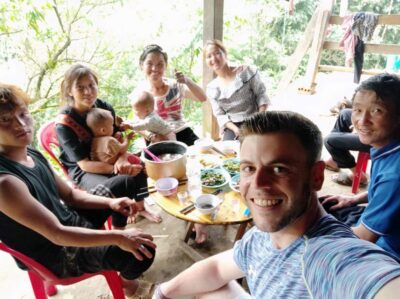 ★ 4.8From Hanoi: 2-Day Sapa Trekking Trip with Homestay & MealsFrom $71704 reviews
 ★ 5.0Sapa 3 Days 2 Nights Trekking Tour (1 Night In Ta Van Village, 1 Night In Hotel)From $139699 reviews
 ★ 5.03-Day Trekking Adventure of Sapa from Hanoi – Stay Ta Van VillageFrom $109611 reviews
 ★ 5.0Sapa 2 Days 1 Night From Hanoi – Overnight in HotelFrom $89440 reviews
 ★ 4.82-Day Sa Pa Ethnic Homestay Tour & Trek with Limousine Bus440 reviews
Browse the lists this tour appears in