

Reviewed · SAPA TREKKING TOURS
Hanoi – Sapa 3 Days – 2 Nights Trekking with With the locals
Sapa has a way of changing your pace. This 3-day Hanoi to Sapa trekking trip uses local H’Mông guides and small-group routing to show the villages, the daily rhythm of life, and mountain views without feeling like a stampede. I like that the group stays small enough for the walk to feel flexible, not rigid.
I also love the practical, all-inclusive approach. You get transport both ways, entrance fees, meals (including dinners and lunches), a travel insurance add-on, and even a cooking class, which cuts the stress of figuring out what to book day-by-day.
One drawback: expect real hiking effort. There are lots of ups and downs and some paths can get slippery, so you’ll want grippy shoes and light packing. Also, double-check the hotel name on your booking; one caution I saw was about Delta Sapa.
In This Review
- Key Things I’d Focus On Before You Go
- Hanoi to Sapa by VIP bus: less hassle, more time outside
- Cat Cat village first: an easy warm-up with real village context
- Y Linh Ho and Lao Chai: the mountain paths that test your footing
- Ta Van village: where the walking connects to village life
- A homestay night in a private room: part culture, part recovery
- Giang Ta Chai and Su Pan: a slower morning with lunch that feels earned
- The cooking class: why it’s worth including
- Price and value: why $130 can make sense here
- Pace, weather, and what to pack for slippery trail days
- Group size and attention: why small matters more in the mountains
- Hotel note in Sapa: confirm your stay before you fall in love with the itinerary
- Who this trek fits best (and who should skip it)
- Should you book this Hanoi–Sapa 3-day trek?
- FAQ
- How long is the Hanoi to Sapa trek?
- How do you get from Hanoi to Sapa and back?
- What kind of accommodation is included?
- Are meals included?
- Which villages are included in the trekking route?
- Is this trek easy or difficult?
- What group size should I expect?
Key Things I’d Focus On Before You Go

- Small-group limit keeps attention on you, and it’s easier to adjust the walk pace.
- Local H’Mông guidance adds context on customs and everyday stories, not just photos.
- All-inclusive pricing covers transport, meals, and entrance fees so you can budget calmly.
- Homestay night in a private room lets you experience village life after trekking.
- Village-to-village route includes Cat Cat, Y Linh Ho, Lao Chai, Ta Van, Giang Ta Chai, and Su Pan.
- Terrain can be slick—plan for climbs, descents, and footwear that grips.
Hanoi to Sapa by VIP bus: less hassle, more time outside

Your day starts in Hanoi, with a small transfer bus picking you up around 6:00–6:30 am from the Old Quarter area. Then you board a larger bus for the roughly 5-hour highway ride to Sapa. It’s a long morning, but the big win is simplicity: you’re not coordinating transfers, and you’re not losing precious trek time to logistics.
On arrival (around 1:00–1:30 pm), there’s a transfer car to your Sapa hotel, plus time to check in and eat lunch at the hotel restaurant. This layout matters. You’re not dropped in Sapa with a map and a shrug—you get a base, a meal, and a place to settle before your first short village visit later in the afternoon.
If you hate rushing, you’ll appreciate that the schedule builds in a breather after the highway ride. If you’re sensitive to early starts, you may still feel it—this one begins early—but at least it’s straightforward.
More trails through the Sapa valleys



Cat Cat village first: an easy warm-up with real village context
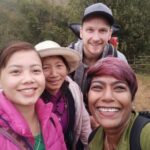
Day 1’s walking stop is Cat Cat village, visited in the mid-afternoon. You go with a local guide, and the goal is to experience the village of the H’Mông community—customs, habits, and how daily life works in the valley.
Cat Cat is a good first stop for two reasons. First, you’re coming off a long bus day, so it’s not a full-on all-day trek. Second, it sets expectations for what you’ll keep seeing over the next two days: terraces, homes tucked into mountain terrain, and cultural details that make the landscape feel lived-in.
A practical note: even “short” village walks on uneven ground can feel more tiring than you expect, especially in wet weather. Give your legs time to wake up, and treat this stop as your warm-up.
Y Linh Ho and Lao Chai: the mountain paths that test your footing
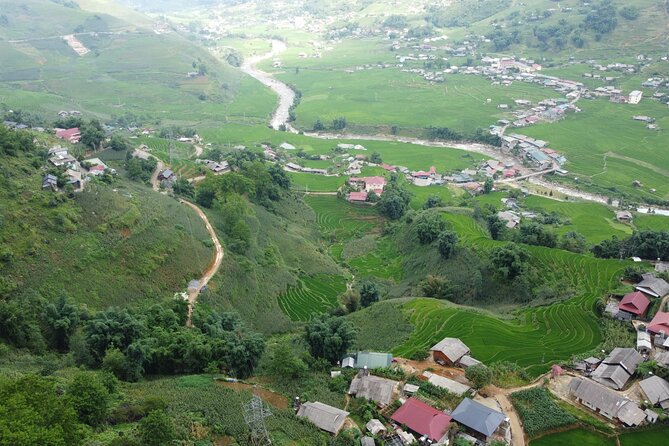
Day 2 is where the trekking really starts. You’ll have breakfast at the hotel, then check out and leave your bigger luggage behind at the hotel. The tour expects you to hike with just a small day bag for essentials—very smart. It reduces shoulder fatigue and helps keep you moving comfortably on foot.
From there, you trek to Y Linh Ho in the morning. After that, you reach Lao Chai (about 6 km from Sapa town, per the tour flow). Lao Chai is associated with the Black H’Mông and Red Dao ethnic groups, and the setting between mountain ranges gives you classic Sapa views: ridgelines, layered terrain, and valley pockets.
Here’s what I’d plan for mentally: this route is scenic, but it’s not a walk in the park. The hiking includes steady climbs and descents, and the ground can be slick in places. If you’ve ever slipped on wet rocks or muddy slopes in trekking boots, you already know the kind of risk to watch for. Choose shoes with grip, and take your time on downhills.
Also, pace matters. The tour is designed for you to adjust your trekking pace, which is a big deal on a route like this. If you feel like you’re rushing, slow down early—your legs will thank you later.
Ta Van village: where the walking connects to village life
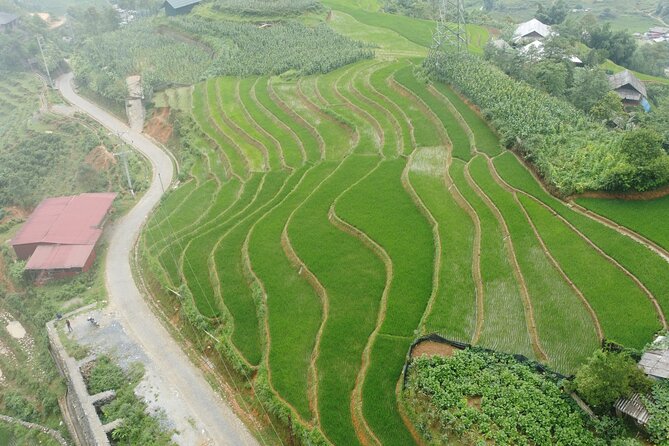
After Lao Chai, you move toward Ta Van village, described as being in the Hoàng Liên Sơn range area. The selling point here is that Ta Van feels like a place you could linger—not just a photo stop. It’s part of the tour’s focus on “with the locals” understanding: you’re not only looking at the landscape, you’re moving through a community landscape.
Ta Van also helps balance the trip. Day 2 isn’t only hard hiking; it’s also about meeting village routines and learning how people live with the mountains as their backdrop. If you enjoy slow travel energy—walking, talking, watching daily rhythms—this is likely your favorite part of the trek.
If you’re expecting a relaxed sightseeing day with no effort, you might be disappointed. But if you like the feeling of earning your views, Ta Van fits.
A homestay night in a private room: part culture, part recovery
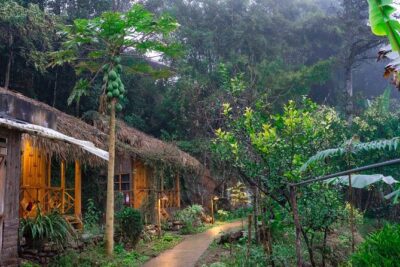
One night of the trip is in a private room at a homestay. That’s a key difference from a typical “trek and taxi” tour. You’re not just passing through villages; you’re staying after the walking ends, which changes the whole atmosphere of the day.
Homestay doesn’t just mean where you sleep. It usually means you share a bit of the daily pace of the household—meals, conversations, and a chance to ask questions in a more human way than a quick stop. Even if you don’t speak the local language, the guide can help bridge gaps.
Recovery matters too. After two active days of walking and uneven terrain, having a real place to rest is essential. The homestay gives you that, without taking you away from the experience.
Worth a glance beside this Hanoi pick:
- Halong Bay Full Day with Kayaking, Hiking viewpoint, Cave – Deluxe To Luxury★ 5.0 · 884 reviews
- From Hanoi: 2-Day Sapa Trekking Trip with Homestay & Meals★ 4.8 · 704 reviews
- Sapa 3 Days 2 Nights Trekking Tour (1 Night In Ta Van Village, 1 Night In Hotel)★ 5.0 · 699 reviews
Giang Ta Chai and Su Pan: a slower morning with lunch that feels earned
Day 3 starts with breakfast at the homestay, then check-out. You then continue to visit Giang Ta Chai village and Su Pan village during the morning block, with a total morning walking/visiting time included.
After morning village time, you arrive at Su Pan village for lunch at a local restaurant. This is one of those moments that matters more than people think. After trekking, lunch is not just food—it’s the emotional reset that makes the rest of the day feel easier.
Then a bus takes you back to Sapa town. You get about an hour to walk around town, which is time to do simple things like stretching your legs, grabbing last snacks, or just watching life in the center area before the long ride back to Hanoi.
The cooking class: why it’s worth including
Your package includes a cooking class, and that’s one of the hidden value adds in this itinerary. A lot of trekking tours cover scenery and villages, but food-based activities create a different kind of connection. You learn through hands-on work: ingredients, method, and how local tastes fit into daily life.
If you care about cultural understanding beyond sightseeing, a cooking class is a useful middle ground. It’s structured enough to be fun, and it often gives you a take-away skill you can actually use later.
The exact timing of the cooking class isn’t spelled out in the schedule you provided, so I’d assume it fits into the included days around village time and/or meals. Either way, plan to go hungry and ready to participate, not just watch.
Price and value: why $130 can make sense here
At $130 per person, this tour is priced like a smart “all-in” deal. The big drivers of value are:
- Round-trip transport between Hanoi and Sapa using VIP cabin bus
- Two types of accommodation: one night in a 3-star hotel in Sapa town and one night in a homestay private room
- Local English tour guidance in Sapa
- Meals included across the trip (breakfasts plus multiple lunches and dinners)
- Entrance fees and travel insurance bundled in
- A cooking class included
A lot of tours like this look cheap until you add what you actually pay once you get there. Here, the list is already built in, and that reduces the common trip stress of chasing extra tickets and last-minute bookings.
The trade-off is that hiking effort is real, and you’ll want to pack correctly. But if you’re active and you want the structure to maximize your time, it’s a fair deal.
Pace, weather, and what to pack for slippery trail days
Based on the trek style and what’s noted about the routes, this isn’t a casual stroll. Expect a lot of climbs and descents, plus some glossy, slippery surfaces depending on conditions.
Here’s what you should do before you go:
- Bring grippy footwear. Not just “comfortable”—use traction you trust on wet stone and muddy edges.
- Pack light. Since you’re asked to hike with a small bag, you’ll feel better if you don’t lug a heavy load.
- Keep a flexible pace. The tour is built so you can adjust the trekking rhythm based on fitness and preference.
- Dress in layers. Mountain weather can shift, and trekking makes you sweat fast, then cool down when you stop.
If you’re prone to shin splints or knee strain, pay attention to downhills. Downhill is where trekking goes from challenging to painful fast.
Group size and attention: why small matters more in the mountains
This tour caps the group size at a maximum of 12 guests, and another detail states a maximum of 10 travelers. Either way, the intention is clear: fewer people means less chaos on narrow paths and more guide attention when you need a breather.
Small groups also matter for cultural stops. You’re more likely to get time to ask questions and hear explanations, instead of being marched through.
If you like meeting people but still want the day to feel personal, this size is a good match.
Hotel note in Sapa: confirm your stay before you fall in love with the itinerary
There’s at least one caution tied to a specific hotel name: Delta Sapa. I’m not saying it will ruin your trip, but I am saying this is worth checking carefully when you book. Hotel quality can affect how refreshed you feel before hikes, and in a trekking itinerary, comfort matters.
What to do: when you receive your confirmation, look at the listed Sapa hotel name and read it realistically. If you know you’re picky about rooms and location, it’s worth asking a question early so you don’t find out later.
Who this trek fits best (and who should skip it)
I’d recommend this experience if:
- You want short-term value: a full Sapa immersion in just 3 days / 2 nights
- You prefer structured guidance with local H’Mông perspective
- You’re okay with hiking effort and uneven, possibly slick terrain
- You’d enjoy a homestay night and a food activity like a cooking class
I’d think twice if:
- You want an easy, flat walking day
- You hate early mornings and long bus rides
- You’re very uncomfortable with steep climbs and rocky or muddy sections
Should you book this Hanoi–Sapa 3-day trek?
If your goal is an efficient, culturally grounded Sapa trek—villages, real local guidance, meals, and a homestay included—this is a strong option. The all-inclusive structure is the reason it works: you spend less time budgeting, ticketing, and organizing, and more time walking and learning.
But be honest with yourself about the trail difficulty. This trip is built for people who are willing to hike, not just watch. Bring solid shoes, pack light, and accept that slick spots happen.
If you do that, you’ll likely leave with the best kind of Sapa memories: not just scenery, but village connections and the feeling of having walked through the mountains with people who know the route.
FAQ
How long is the Hanoi to Sapa trek?
The experience runs for about 3 days, with 2 nights total (one night in Sapa town and one night at a homestay).
How do you get from Hanoi to Sapa and back?
You travel round-trip by VIP cabin bus from Hanoi to Sapa and back to Hanoi. You’ll also have a small transfer bus for the pickup to the meeting point area in Hanoi.
What kind of accommodation is included?
Included are 1 night at a 3-star hotel in Sapa town and 1 night in a private room at a homestay.
Are meals included?
Yes. The package includes 2 breakfasts, 3 lunches, and 2 dinners. Drinks during meals are not included.
Which villages are included in the trekking route?
The tour visits Cat Cat village, Y Linh Ho, Lao Chai, Ta Van village, Giang Ta Chai village, and Su Pan village.
Is this trek easy or difficult?
The route includes many climbs and descents, and some surfaces can be slippery. The guidance is to travel light and wear good, grippy footwear.
What group size should I expect?
The group is kept small, with a stated maximum of 12 guests and a stated maximum of 10 travelers on this departure type.
More Hiking & Trekking in Hanoi


More Tour Reviews in Hanoi





More Sapa Treks We Walked
Latest Hanoi write-ups from our team






Sapa Trekking Tours, compared.
 ★ 5.0Sapa 2 Days 1 Night From Hanoi – Overnight in Ta Van VillageFrom $592,669 reviews
 ★ 5.0Hanoi – Sapa 2 Days 1 Night Overnight At HomestayFrom $89899 reviews
 ★ 5.0Sapa: Fansipan Cable, Cat Cat Village & Moana Instagram TourFrom $30777 reviews
 ★ 4.8From Hanoi: 2-Day Sapa Trekking Trip with Homestay & MealsFrom $71704 reviews
 ★ 5.0Sapa 3 Days 2 Nights Trekking Tour (1 Night In Ta Van Village, 1 Night In Hotel)From $139699 reviews
 ★ 5.03-Day Trekking Adventure of Sapa from Hanoi – Stay Ta Van VillageFrom $109611 reviews
 ★ 4.82-Day Sa Pa Ethnic Homestay Tour & Trek with Limousine Bus440 reviews
 ★ 5.0Sapa 2 Days 1 Night From Hanoi – Overnight in HotelFrom $89440 reviews
Browse the lists this tour appears in