
Reviewed · SAPA TREKKING TOURS
Hanoi- SaPa: 3-Day Homestay Trek to Explore Ethnic cultures
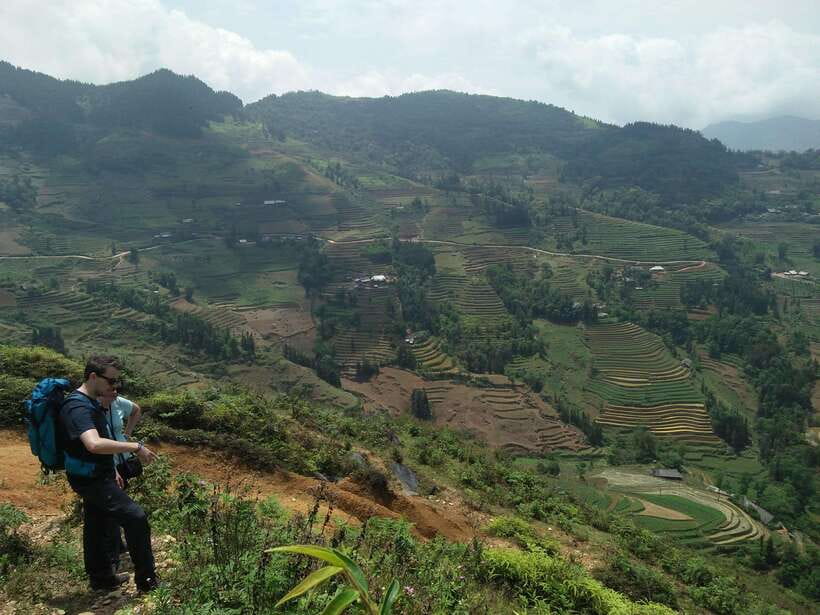
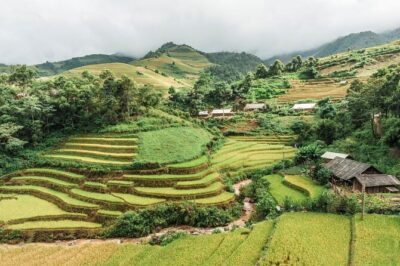
Cold air, warm people. This 3-day trek from Hanoi is built around ethnic-minority villages and two homestays in Sapa, not just big viewpoints. I love the mix of hiking and real daily life, with chances to photograph rice terraces and meet families from groups like Hmong, Giay, and Red Dzao.
What makes it especially appealing is the way the days are paced: Lao Chai to Ta Van on Day 1, bamboo-forest walking to Red Dzao areas on Day 2, then a sunrise-linked morning on Day 3. I also like that the trip runs with a small group (up to 14) and an English-speaking guide, including guides who have been noted by name such as Su and Sang.
The main drawback is practical: the overnight bus and the first morning in Sapa can be uncomfortable, and weather on Day 1 can be cold and wet enough to limit visibility.
In This Review
- Key points before you go
- Overnight Bus to Sapa: Why You’ll Start Trekking Early
- Your Route Through Hmong, Giay, and Red Dzao Villages
- Day 1: Lao Chai to Ta Van and a Homestay Night With the Giay
- Day 2: Bamboo Forest to Red Dzao at Giang Ta Chai, Then Ban Ho
- Day 3: Sunrise in Ban Ho Valley and Nam Tong Culture on Foot
- What Included Meals Actually Mean for Your Experience
- Guide Quality: Why Su and Sang Made the Difference
- Getting Real About Weather, Clothing, and Footing
- Price and Value: Is $139 Fair for 3 Days?
- Who This Sapa Homestay Trek Is Best For
- Tips to Get More Out of Your Homestay Nights
- Should You Book This 3-Day Hanoi to Sapa Homestay Trek?
- FAQ
- How much does the Hanoi–Sa Pa 3-day homestay trek cost?
- Where does the tour start and end?
- How long is the tour?
- What time do you arrive in Sa Pa?
- What is included in the price?
- What meals are included?
- How big is the group?
- Is pickup available from anywhere in Hanoi?
- What should I pack?
- Is the tour suitable for children or people with mobility issues?
Key points before you go

- Two homestays: sleep with families in Ta Van and Ban Ho, with included meals
- Ethnic village route: Lao Chai (Hmong), Ta Van (Giay), Giang Ta Chai and Nam Tong (Red Dzao)
- Walks with signature moments: bamboo forest, a rattan bridge, and a sunrise in Ban Ho valley
- Small group size: limited to 14, so you’re not swallowed by a crowd
- Bring real trekking gear: comfortable shoes, sun protection, and insect repellent matter here
Overnight Bus to Sapa: Why You’ll Start Trekking Early
This tour is designed around efficiency. You’re picked up in Hanoi Old Quarter around 20:45 and ride overnight to Sa Pa, arriving at 4:00 AM. The trip gives you time to sleep on the bus until 6:00 AM, then you’ll be woken up and taken to a boutique hotel for breakfast—so your trek doesn’t start until 9:00 AM.
That first transition is worth knowing about. You’re not just “tacking on” a bus ride; the schedule is built so you can reset briefly in Sa Pa before Day 1 begins. One practical trade-off: people have flagged that the sleeping bus back and forth can be dirty and uncomfortable, so if you’re sensitive to overnight travel, plan to tough it out or be strategic about what you bring to manage the ride.
More trails through the Sapa valleys

Your Route Through Hmong, Giay, and Red Dzao Villages
The heart of this experience is who you meet and how the walking connects the communities. Your route moves between several villages with different ethnic identities, so culture isn’t a lecture—it’s the setting you’re in.
You’ll spend Day 1 trekking toward Lao Chai (Hmong), then continue on to Ta Van, where the Giay community lives. Day 2 leads you through a bamboo forest to Giang Ta Chai, home to the Red Dzao, with stops that include a rattan bridge and a visit to a family home. Day 3 adds a short trek to Nam Tong (also Red Dzao) before returning to Ban Ho and heading back to Sa Pa and Hanoi.
This structure matters for value. Many Sapa tours only give you a quick look at one village. Here, you get two nights in homestays and enough time on foot to see how daily routines shape the landscape you’re walking through.
Day 1: Lao Chai to Ta Van and a Homestay Night With the Giay
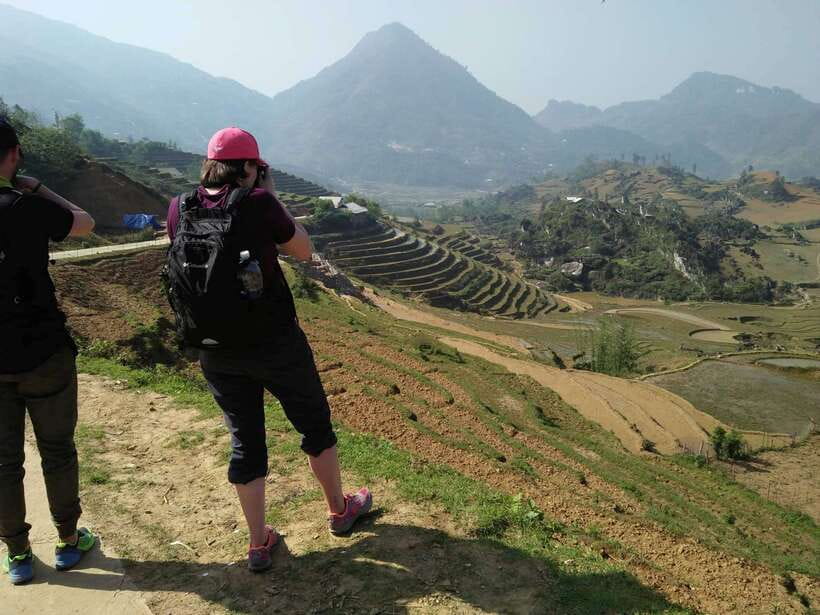
Day 1 starts with breakfast at the boutique hotel after your overnight arrival. Then you’ll meet your group and guide, and you’ll start trekking around 9:00 AM.
From there, you’ll walk through Y Linh Ho village toward Lao Chai, where the Hmong ethnic minority lives. You’ll stop for lunch in Lao Chai in the home of a local family, which is one of the ways this trip avoids feeling like a drive-by experience.
After lunch, you continue trekking until you reach Ta Van, your overnight village for the night. Ta Van is where the Giay people live, so your homestay isn’t “decorated tourism”—it’s a nightly base in the community’s everyday world.
What to watch for on Day 1: Sa Pa weather can hit hard. Based on real trip feedback, Day 1 can be cold and rainy enough that visibility drops, even if the rest of the trek improves later. If you want good photos, bring layers and keep expectations flexible—your best light and views may land on Day 2 and Day 3.
Day 2: Bamboo Forest to Red Dzao at Giang Ta Chai, Then Ban Ho
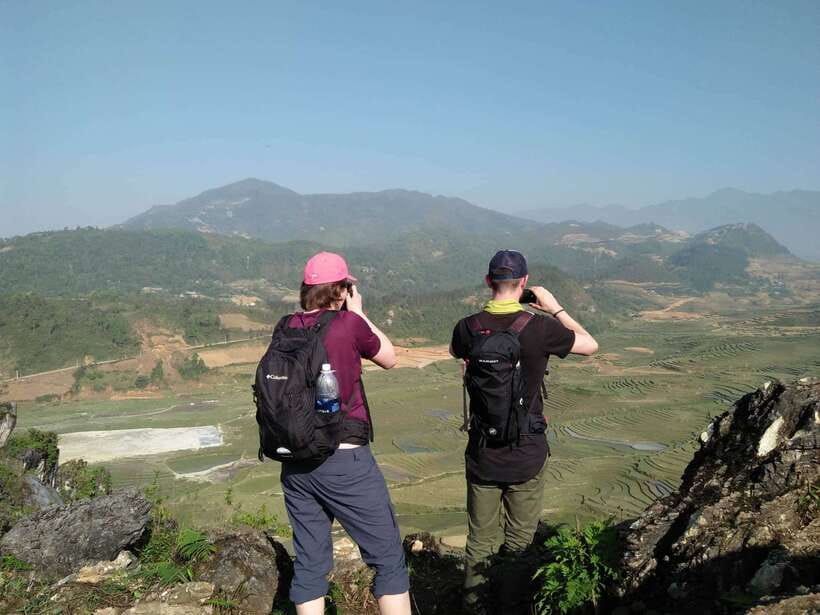
Day 2 begins with breakfast in Ta Van, then you leave the village on foot. You’ll trek through a bamboo forest, which gives the day a different feel from the open valley walking—cooler, quieter, and a nice change of pace.
Next stop is Giang Ta Chai village, where the Red Dzao community lives. You’ll walk through countryside along the trail, then visit the rattan bridge and a Red Dzao family home. There’s also lunch on footpath, which means you’re not stuck waiting around for a long meal break.
From Giang Ta Chai, you continue trekking to Ban Ho. Once you arrive, you’ll get time to relax and stroll in the village before dinner and a second homestay night.
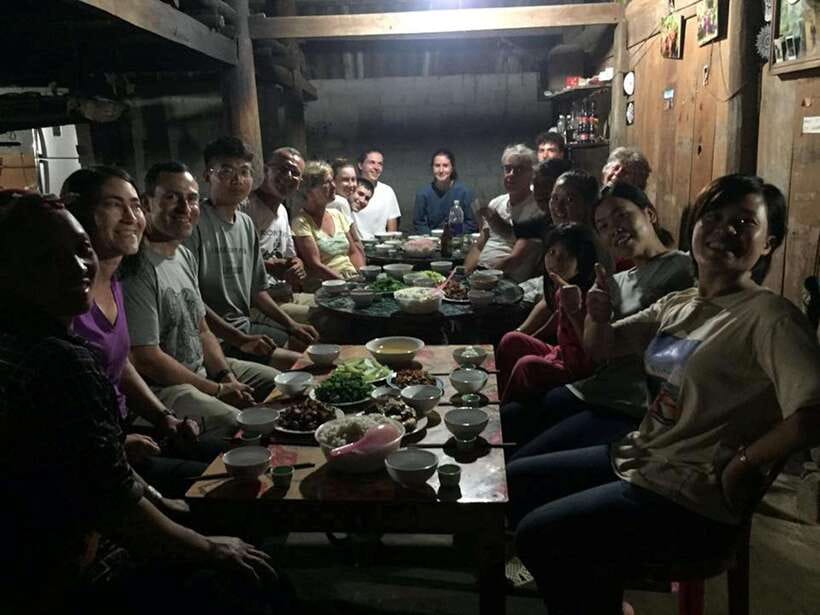
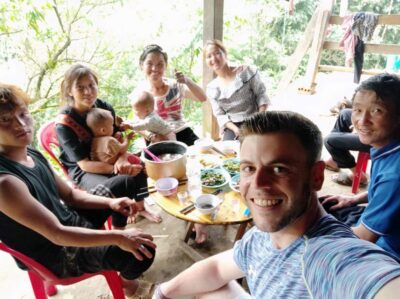
This day is often where the trip feels most personal. Several homestay experiences have been described as genuinely welcoming—one highlight in feedback was a host family inviting guests into the kitchen to help with meal preparation. That’s the kind of moment that turns a trek into a memory, but you’ll get more out of it if you’re respectful and curious, not just focused on taking photos.
Day 3: Sunrise in Ban Ho Valley and Nam Tong Culture on Foot
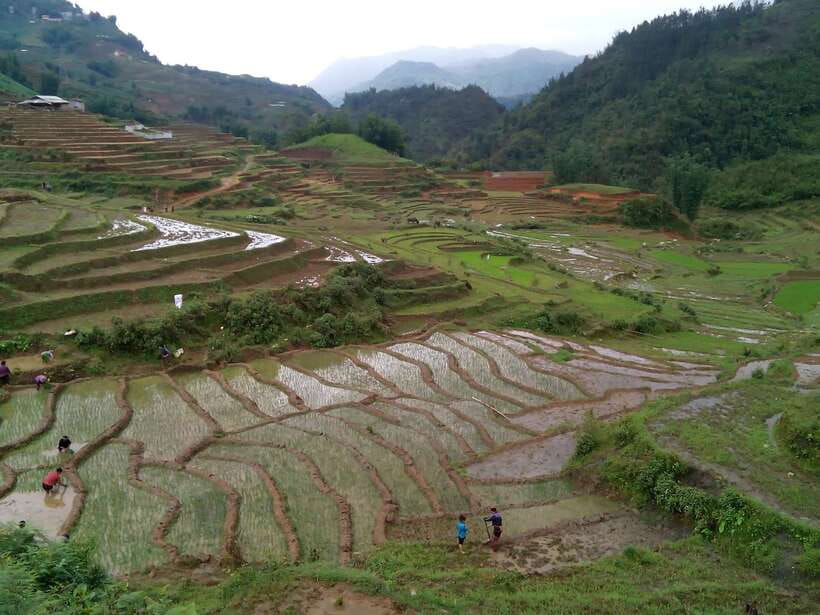
The final day starts early. You’ll be able to enjoy sunrise in Ban Ho valley before heading out again.
From Ban Ho, you take a short trek to Nam Tong village, also inhabited by the Red Dzao tribe. This is another culture-and-tradition stop before you return to Ban Ho.
Then it shifts back to comfort mode. A van picks you up to return to Sa Pa, where you can relax at the hotel. You’ll take the bus back to Hanoi at 4:00 PM and arrive around 10:00 PM, with the tour ending back at the meeting point.
The practical advantage of Day 3 is that it’s not all uphill grind. Since the Nam Tong trek is described as short, it tends to feel like the closing chapter rather than the hardest push—assuming you’ve managed Day 1 and Day 2 at a sustainable pace.
Worth a glance beside this Hanoi pick:
- Halong Bay Full Day with Kayaking, Hiking viewpoint, Cave – Deluxe To Luxury★ 5.0 · 884 reviews
- From Hanoi: 2-Day Sapa Trekking Trip with Homestay & Meals★ 4.8 · 704 reviews
- Sapa 3 Days 2 Nights Trekking Tour (1 Night In Ta Van Village, 1 Night In Hotel)★ 5.0 · 699 reviews
What Included Meals Actually Mean for Your Experience
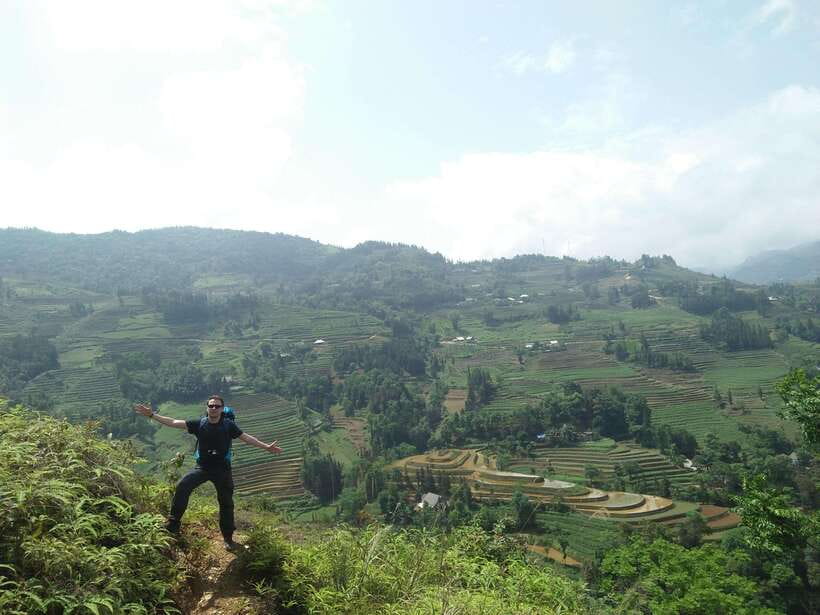
This tour includes 3 breakfasts, 3 lunches, and 2 dinners, plus mineral water. On paper, that’s a standard meal list. In real terms, it matters because it limits decision fatigue. You don’t have to hunt for food while trekking or worry about where your next meal will come from.
One theme that comes up in feedback is that meals tend to be filling, and portions are described as generous. Homestay dinners also give you a more direct feel for what families cook and serve at home, including the chance to share in everyday hospitality.
Water is the one detail to plan around. While mineral water is included, some people have wanted more water provided for free during the trek segments. If you’re the type who drinks often, it’s smart to be ready to buy extra beverages along the way.
Guide Quality: Why Su and Sang Made the Difference
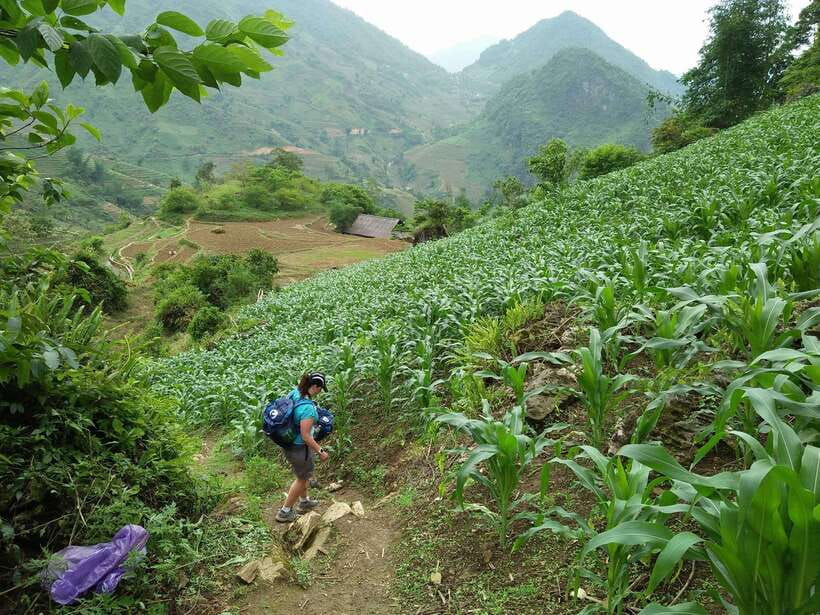
This tour is led by an English-speaking guide, and you’ll feel the quality in the small decisions—like route choices, pacing, and how much context you get while you’re walking.
In feedback, guides have been named who were praised for being caring and adaptable. Su was described as attentive and able to adjust the route toward more nature-focused sections when conditions or needs changed. Sang was also highlighted for going above and beyond, including flexibility when someone in the group wasn’t feeling well.
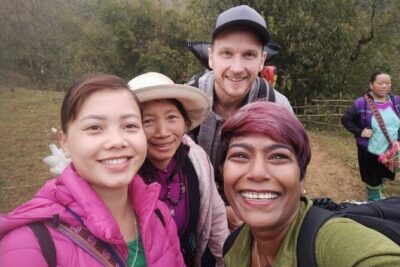
This is one reason the small group size matters. With up to 14 participants, your guide can actually manage the experience. You’re not just a number moving from village to village, and it’s easier to ask questions even when language barriers show up.
Getting Real About Weather, Clothing, and Footing
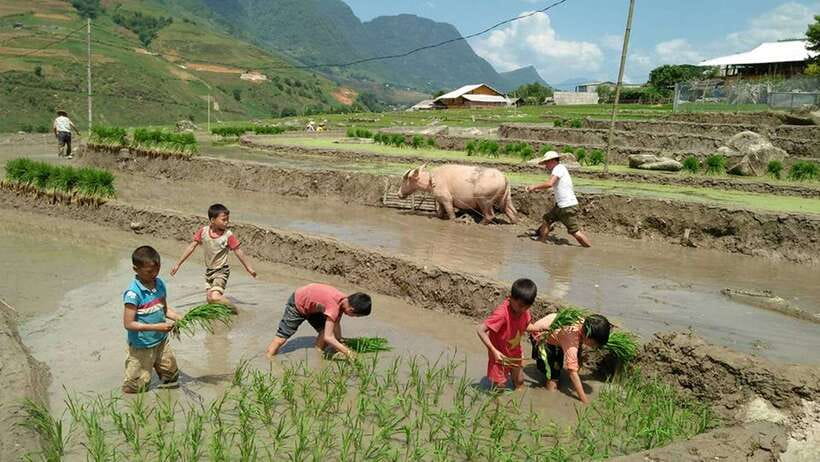
Sa Pa isn’t a warm-weather city in the off-season. Warm clothes are recommended from October to March, and you should treat layers as non-negotiable if your dates fall in cooler months.
And then there’s footing. This is a trek, so the tour explicitly calls for comfortable shoes and trekking shoes. Even if the daily routes vary, you’re walking between villages on paths that can get slippery when it’s wet.
For sun and bugs, don’t wing it. Bring sunglasses, a sun hat, sunscreen, and insect repellent. That’s not just general advice—on rural trails, the exposure can be intense and the insects can be persistent.
Price and Value: Is $139 Fair for 3 Days?
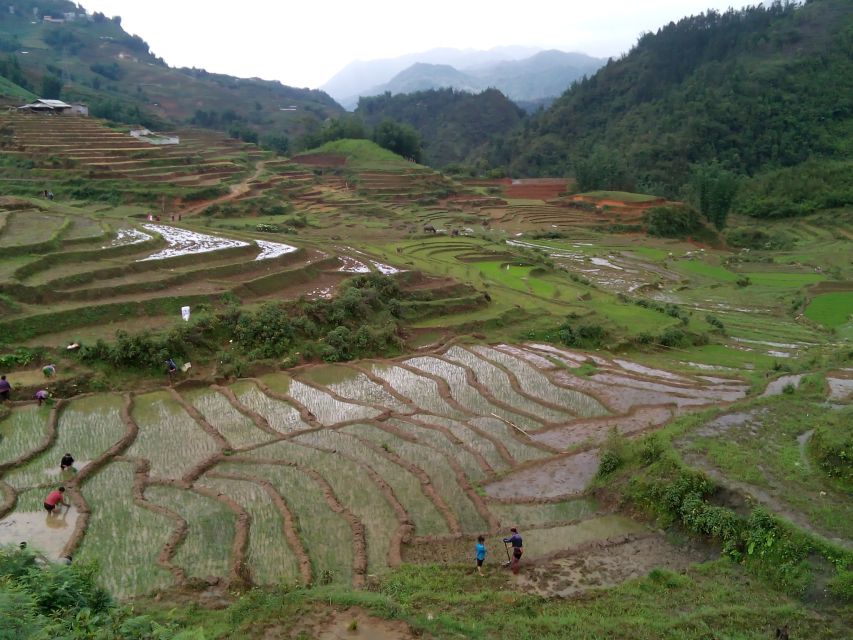
At $139 per person, this trek can be good value if you want an experience that’s more than sightseeing. You get roundtrip Hanoi–Sa Pa by bus, a guide, two homestay nights, and a full set of meals (with water included). For a three-day schedule that covers multiple villages and includes cultural time at homes and community points, the package makes sense.
What can change the price experience is seasonal timing. There’s a stated surcharge of $75 per person for Lunar New Year (from 26 Jan to 2 Feb 2025), paid at the meeting point. If you’re traveling around those dates, it’s worth budgeting that extra cost up front.
Also keep in mind what’s not included: beverages, travel insurance, VAT, and personal expenses. The tour includes mineral water, but if you want lots of drinks beyond that, you’ll likely spend extra.
Who This Sapa Homestay Trek Is Best For
This is a strong fit if you want:
- A small-group trek rather than a mass-market tour
- Time in two homestay communities, not just one quick visit
- A route that hits multiple ethnic villages (Hmong, Giay, Red Dzao)
- An itinerary that values walking and cultural context over luxury
It’s not a great fit if you have mobility challenges. The tour is not suitable for limited mobility, wheelchair users, children under 6, and it’s also noted as not suitable for pregnant women.
If you’re physically able but worried about comfort, keep expectations grounded. You’ll be walking on paths and sleeping in homestay conditions, and your overnight bus ride may not be charming. People do still call the experience life-changing, but the best results come from approaching it with the right mindset.
Tips to Get More Out of Your Homestay Nights
Homestays are the main reason this trek feels human. If you want those evenings to go well, focus on attitude more than language perfection.
A few practical things you can do:
- Be respectful with photography and follow your guide’s lead about what’s OK
- Bring a small open-mindedness. People may not speak much English, but they’ll still find ways to connect
- Expect basic comfort compared to a hotel, and treat it as part of the deal
- If you’re offered local rice wine, follow your own comfort level and pace (it’s been mentioned as something families share)
And don’t underestimate the value of helping out when it happens. Feedback includes moments where hosts invited guests into the kitchen, and that kind of shared work can be more memorable than any photo spot.
Should You Book This 3-Day Hanoi to Sapa Homestay Trek?
I’d book it if you want a real village trek with two homestays and a guided route that connects ethnic cultures through walking. It’s a solid value for $139 because transport, meals, and guided cultural time are all folded in, and the small group format keeps it personal.
I wouldn’t book it if you need comfortable overnight transport as a top priority, if you’re highly weather-sensitive, or if you can’t handle uneven trekking paths. Also be aware that Day 1 can be cold and wet, so pack for that and don’t assume perfect visibility.
If your goal is authentic contact—rice-terrace photo chances, bamboo forest walking, rattan bridge moments, and homestay dinners where families actually welcome you—this tour is built for that.
FAQ
How much does the Hanoi–Sa Pa 3-day homestay trek cost?
It’s listed at $139 per person. There’s also a Lunar New Year surcharge of $75 per person for dates between 26 Jan and 2 Feb 2025.
Where does the tour start and end?
The meeting point is 30 Hàng Muối, Lý Thái Tổ, Hoàn Kiếm, Hà Nội, Vietnam. The tour ends back at the same meeting point.
How long is the tour?
The total duration is 3 days, including travel overnight from Hanoi to Sa Pa.
What time do you arrive in Sa Pa?
You’re scheduled to arrive in Sa Pa at 4:00 AM the next day after pickup around 20:45 in Hanoi Old Quarter.
What is included in the price?
Roundtrip bus from Hanoi to Sa Pa, an English-speaking guide, 2 nights accommodation in homestays, 3 breakfasts, 3 lunches, 2 dinners, and mineral water.
What meals are included?
You’ll get 3 breakfasts, 3 lunches, and 2 dinners during the 3 days of the trek.
How big is the group?
The group is limited to 14 participants.
Is pickup available from anywhere in Hanoi?
Pickup is only available from the Hanoi Old Quarter. If you stay outside that area, you must go to the bus station.
What should I pack?
Bring comfortable shoes (trekking shoes), sunglasses, a sun hat, sunscreen, and insect repellent. Warm clothes are recommended for Sa Pa from October to March.
Is the tour suitable for children or people with mobility issues?
It’s not suitable for children under 6 and it’s not suitable for people with limited mobility, wheelchair users, or pregnant women.
More Hiking & Trekking in Hanoi

More Tour Reviews in Hanoi




More Sapa Treks We Walked
Latest Hanoi write-ups from our team






Sapa Trekking Tours, compared.
 ★ 5.0Sapa 2 Days 1 Night From Hanoi – Overnight in Ta Van VillageFrom $592,669 reviews
 ★ 5.0Hanoi – Sapa 2 Days 1 Night Overnight At HomestayFrom $89899 reviews
 ★ 5.0Sapa: Fansipan Cable, Cat Cat Village & Moana Instagram TourFrom $30777 reviews
 ★ 4.8From Hanoi: 2-Day Sapa Trekking Trip with Homestay & MealsFrom $71704 reviews
 ★ 5.0Sapa 3 Days 2 Nights Trekking Tour (1 Night In Ta Van Village, 1 Night In Hotel)From $139699 reviews
 ★ 5.03-Day Trekking Adventure of Sapa from Hanoi – Stay Ta Van VillageFrom $109611 reviews
 ★ 4.82-Day Sa Pa Ethnic Homestay Tour & Trek with Limousine Bus440 reviews
 ★ 5.0Sapa 2 Days 1 Night From Hanoi – Overnight in HotelFrom $89440 reviews
Browse the lists this tour appears in