Reviewed · HANOI
Hanoi: Master the Art of 4-6 Signature Vietnameses Coffees
Coffee in Hanoi is an education you can drink. This hands-on workshop has you walk into a lived-in local space and master 4–6 signature Vietnamese coffees with instructors who can explain the why, not just the how. With small groups, it stays calm and personal, and guides such as Jade and Eddie often lead the session.
I especially like that you’re tasting and tweaking as you go—locals don’t sip one fixed version and call it done. You’ll learn how to balance bitterness, strength, and sweetness using practical methods and home-friendly substitutes, not fancy gear. A possible drawback: this is a real coffee workshop, so if you’re sensitive to caffeine or expecting a light snack-only experience, plan for a stronger buzz.
In This Review
- Key Points That Make This Workshop Worth Your Time
- Vietnamese Coffee Isn’t One Thing
- Walking Into a Lived-In Local Space (Not a Demo Room)
- The Main Event: Making 4–6 Iconic Coffees Yourself
- What You Actually Learn: Tasting, Adjusting, and Brewing at Home
- Beans, Eggs, Coconut: Fresh Ingredients and Real Sourcing
- The Tools and the Texture Matter More Than You Think
- Comfort, Pace, and the Practical Setup in the Home
- Finding the Place Near the Old Quarter
- Price: Why About $22 Feels Fair (and What Makes It Good Value)
- Who This Workshop Suits Best
- Should You Book This Vietnamese Coffee Workshop?
- FAQ
- What’s included in the workshop?
- How many Vietnamese coffees will I make?
- What coffee types are part of the set?
- How long does it take?
- Where does the experience start?
- What language is the instruction?
- Is it comfortable and practical for everyone?
Key Points That Make This Workshop Worth Your Time
- Hands-on brewing for 4–6 Vietnamese coffee styles, including Egg and salted coffee
- Learn local tasting habits, adjusting bitterness and strength so it matches your preference
- A lived-in Hanoi home setting, with ceramic tools and ingredients prepped fresh
- Central Highlands beans plus fresh daily ingredients (eggs, milk, coconut, and more)
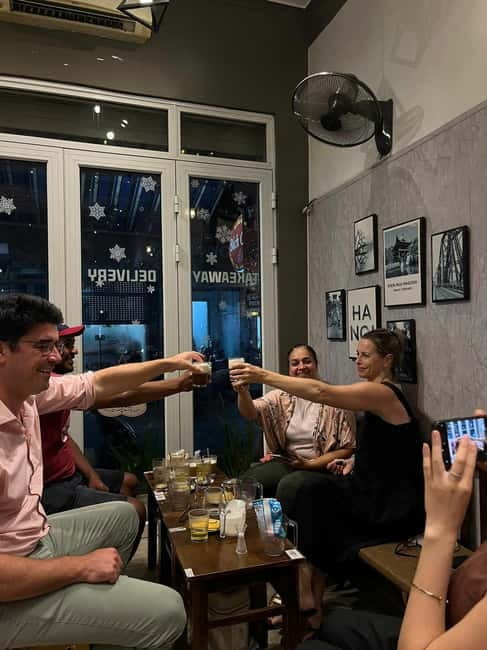
- Small groups up to 10, with an unhurried pace in comfortable surroundings
- You leave with full recipes and extra local pointers for coffee and food
Vietnamese Coffee Isn’t One Thing
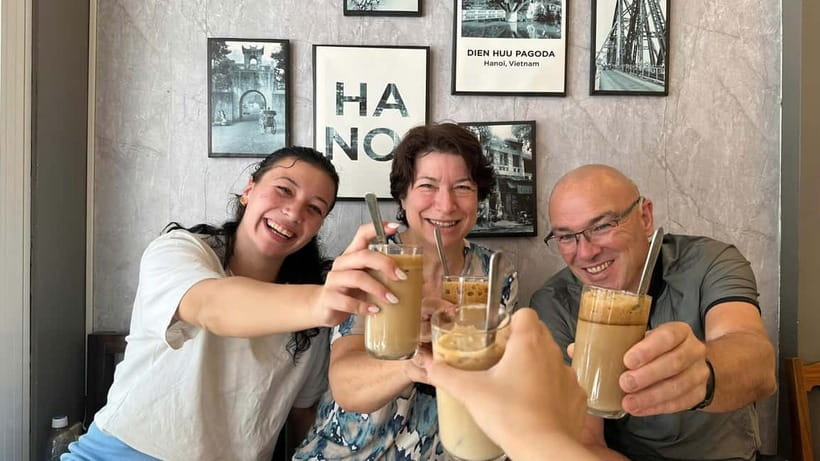
Hanoi coffee has a personality. It’s usually built around robust flavors and bold balancing, where sweetness and bitterness are treated like adjustable knobs rather than a “right” answer.
What makes this experience useful is that it teaches you how locals actually drink. You’ll practice making each coffee, then taste and adjust so your cup ends up how you like it—sweeter, bolder, or stronger—while still honoring what each style is meant to be.
Not sure yet? See how this one sits next to a few Hanoi favourites.




Walking Into a Lived-In Local Space (Not a Demo Room)
This isn’t staged like a show. You walk off the street and into a home where everyday life is nearby—voices drifting outside, hands pausing between brews, and fresh coffee warming the room as you work.
You’ll use ceramic tools from local pottery villages and get a real feel for how grounds and foam behave. The atmosphere matters because it keeps the class grounded in how coffee is treated in Hanoi: practical, social, and part of the rhythm of the day.
The Main Event: Making 4–6 Iconic Coffees Yourself
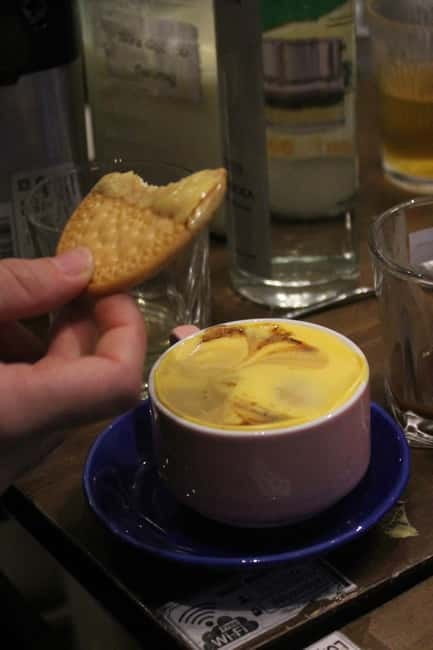
The workshop is built around doing, not watching. You’ll make multiple cups of classic Vietnamese coffee styles—and each one gets its own step-by-step flow, so you’re not just repeating one method.
A key part: recipes are personalized. If you like things sweeter or you want a stronger kick, the instructor helps you adjust in ways that still keep the coffee true to its original style. Expect to grind, brew, whisk, taste, and adjust all within the short window.
Here’s what you can expect to make:
- Black coffee: you’ll learn how locals keep it drinkable even when bitterness is part of the profile.
- Brown coffee: another style with its own balance of strength and sweetness.
- Egg coffee: the famous Hanoi specialty where the texture and mixing matter as much as the brewing.
- White coffee (silver): built for a different mouthfeel, with a smoother finish.
- Coconut coffee: a crowd favorite in the making, because it shifts the flavor direction while still feeling distinctly Vietnamese.
- Salted coffee: a surprisingly smart combination that can make sweetness and depth feel more rounded.
Many people walk in thinking they only like one type of coffee. Even if you normally skip black coffee, you may be surprised by how good it tastes once you understand the balance your cup needs.
What You Actually Learn: Tasting, Adjusting, and Brewing at Home
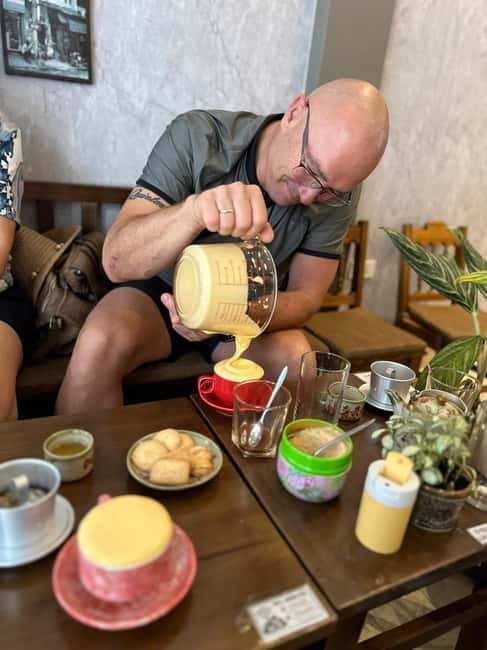
A lot of coffee classes teach technique. This one also teaches judgment—how locals taste, adjust, and settle on what feels right.
You’ll get practical tips that actually translate to home. That includes how to balance bitterness without turning everything harsh, how to control strength, and how to make the coffee taste better without needing fancy equipment. The ingredient approach is also described clearly, with easy substitutes if you don’t have every ingredient you’d find in Vietnam.
This matters because Vietnamese coffee isn’t just about getting through steps. It’s about dialing in flavor. When you learn the logic behind it, you can repeat it later rather than buying ingredients and hoping for the best.
Beans, Eggs, Coconut: Fresh Ingredients and Real Sourcing
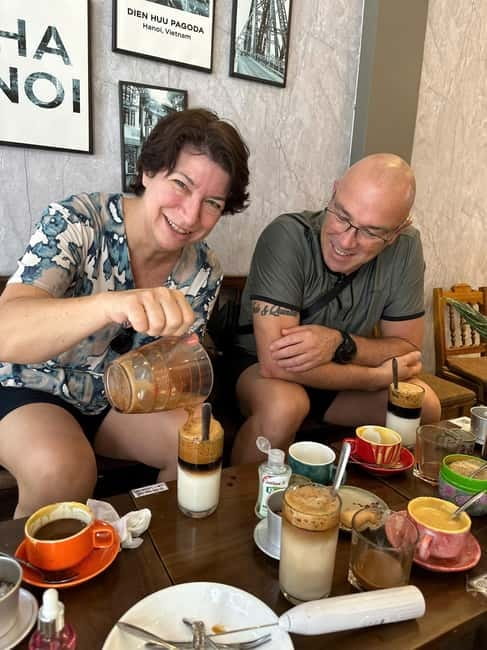
The flavor starts with ingredients you can feel the difference in. You’ll use Vietnamese specialty coffee selected and tested for this workshop, with beans sourced from Vietnam’s Central Highlands.
Harvest timing matters here too. Coffee changes throughout the year, and seasonal sourcing means the cup you make reflects what’s good at that moment, not some one-size-fits-all selection.
You’ll also work with fresh daily ingredients—eggs, milk, and coconut are prepared fresh rather than pre-made or artificial. That freshness is part of why egg coffee and coconut coffee come out so distinct instead of tasting like a shortcut.
- Hanoi Motorbike Tour: Food, Culture and Fun by Vintage Motorbike★ 5.0 · 6,699 reviews
- Hanoi: Guided Food Tour with Train Street Visit★ 4.9 · 6,239 reviews
- Hanoi Cooking Class: Culture, Local Market & Meaning CSR Impact★ 5.0 · 5,147 reviews
The Tools and the Texture Matter More Than You Think
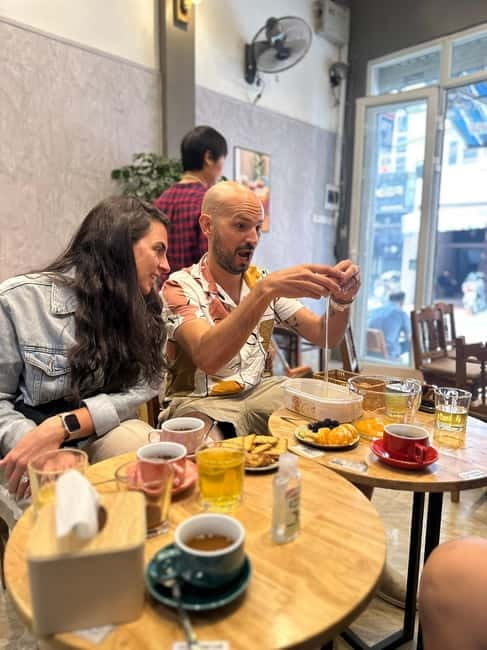
Hands-on is the whole point. You’ll grind, brew, whisk, and taste, which means you’re paying attention to what’s happening physically: how grounds respond, how foam builds, and how mixing changes the surface and mouthfeel.
It’s also why this class sticks with you. If you only read about coffee ratios, you miss the sensory cues. Doing it yourself teaches you what to watch for—so next time you can correct small issues before the cup goes off track.
Comfort, Pace, and the Practical Setup in the Home
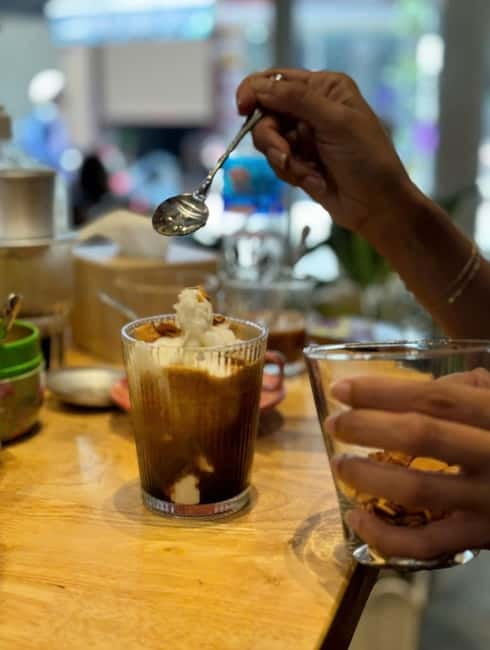
This experience runs about 1–2 hours, which is perfect when you don’t want to lose half your day. The group is kept small (limited to 10 participants), and the pacing is designed so you don’t feel rushed or stuck waiting far away.
Practical comforts are included too. You’ll have air conditioning, clean restrooms, and sanitized utensils. There’s also a dishwasher and sterilized tools, which is reassuring when you’re actively handling everything.
There’s even a pet-friendly garden space, and childcare is available if you need it. If you want a coffee class that doesn’t feel like an endurance test, these details help.
Finding the Place Near the Old Quarter
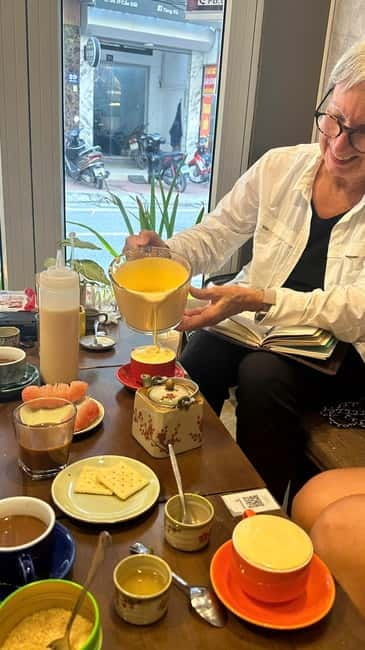
You meet at a cozy local café in a peaceful corner of Hanoi’s Old Quarter, positioned near major landmarks like the Hanoi Opera House, the Red River, Vinh Tuy Bridge, and the French Quarter area.
It’s described as an easy-to-miss kind of place, so give yourself a little breathing room when you arrive. The most common mistake is being exactly on time and then rushing to find it. Come curious, not sprinting.
Price: Why About $22 Feels Fair (and What Makes It Good Value)
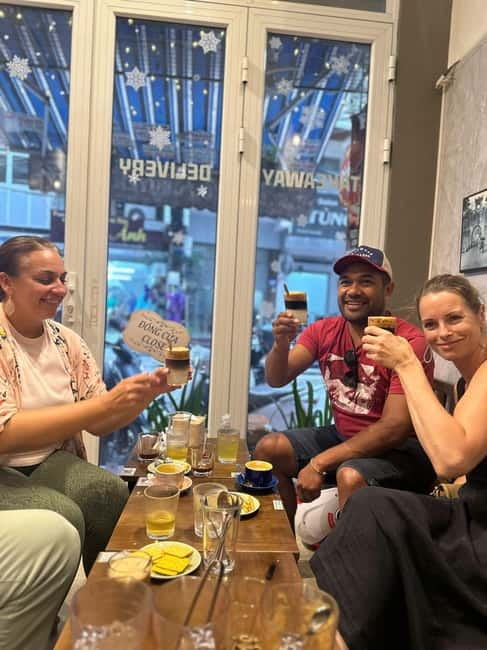
At $22 per person, you’re paying for more than drinks. You’re paying for instruction, ingredient work, and the fact that you’ll typically make multiple cups—4 to 6—so you’re not just tasting a sample.
You also get full recipes and more. In practice, that means you leave with a clear way to repeat the coffees at home, plus extra local recommendations from your instructor in many cases. Some guides also provide local maps and suggestions for coffee spots and bites around the Old Quarter, which adds real value if you want ideas that go beyond the obvious list.
Finally, you’re learning in a small group setting with a hands-on approach. That kind of teaching costs money elsewhere in Hanoi when it’s done like a standard café class with limited time and vague instructions. Here, the goal is mastery—so you’re getting practice, not just a souvenir sip.
Who This Workshop Suits Best
This is a great fit if you:
- Love coffee and want to make Vietnamese styles, not just order them
- Want to understand flavor balance and how to adjust your cup
- Prefer small-group, calm experiences over crowded tastings
- Appreciate food culture told through daily routines, not only lecture
It may be less ideal if:
- You’re extremely caffeine sensitive or hate strong coffee flavors
- You want a quiet sit-down tasting only (this one is active and hands-on)
- You’re traveling with very young children, since babies under 1 year aren’t suitable
Should You Book This Vietnamese Coffee Workshop?
If you’re even lightly curious about why Hanoi coffee tastes the way it does, I think you should book it. You’re not just drinking six different cups. You’re learning how people adjust flavor—what they taste for, how they correct bitterness, and how they build balance.
The biggest reason to choose this over a regular café visit is the combination of hands-on practice and take-home recipes. That turns a fun hour into something you can reproduce later, and it often changes how you order coffee back home.
If you like the idea of learning alongside locals in a real home setting, with instructors such as Jade, Eddie, Daisy, Jessica, and others, this one fits nicely. Just come ready to work your palate—because you’ll likely leave with a coffee buzz and a new skill set.
FAQ
What’s included in the workshop?
You’ll make and drink multiple Vietnamese coffees, along with coffees and teas. You also get full recipes and additional materials, plus a passionate local instructor and a photographer (your instructor).
How many Vietnamese coffees will I make?
You’ll learn how to make 4–6 signature Vietnamese coffees during the experience.
What coffee types are part of the set?
The workshop includes Black, brown, Egg, White (silver), Coconut, and salted coffee.
How long does it take?
Plan for about 1–2 hours.
Where does the experience start?
Meeting point is a cozy local café hidden in a peaceful corner of Hanoi’s Old Quarter, near the Hanoi Opera House, the Red River, Vinh Tuy Bridge, and the French Quarter.
What language is the instruction?
The instructor speaks Vietnamese and English.
Is it comfortable and practical for everyone?
It’s set up with air conditioning, clean restrooms, and sterilized utensils. It is wheelchair accessible, and childcare service is available. Pet-friendly garden space is also mentioned.