
Reviewed · HANOI OLD QUARTER TOURS
Hanoi Market & Villa Cooking Class: Free Old Quarter Transfer
Cooking in a Hanoi villa feels personal. This class ties a Old Quarter transfer to a hands-on market shop and then four classic dishes in a French-era home kitchen. What makes it interesting is the rhythm: you see the ingredients at a local market, you learn why they matter, then you cook and eat them in a relaxed, real-life setting.
I especially like the small group size (max 10), because you actually get time with the instructor and a clear step-by-step flow. I also like that you can choose lunch or dinner and still get the full market-to-meal experience, plus drinks like herbal tea and a local wine taste. One drawback to plan around: pickup is set up for Hanoi Old Quarter hotels, so if you’re staying farther out, confirm the best meeting point for your exact address.
In This Review
- Key highlights
- Old Quarter transfer and a French-era villa kitchen
- Market shopping: how Hanoi flavors get chosen
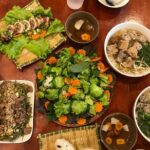
- The 4-dish lineup: spring rolls, bun cha, egg coffee, banana flower salad
- Lunch or dinner, and why the included meal feels like part of the class
- Vegetarian and vegan options: request it and you’ll be accommodated
- Time, comfort, and who this suits best
- Value check: what $45 buys in real Hanoi time
- Should you book this Hanoi market & villa cooking class?
- FAQ
- What dishes will I cook?
- Is lunch or dinner included?
- Can I do this if I’m vegetarian or vegan?
- How many people are in the class?
- Do I get hotel pickup in Hanoi?
- How long is the experience?
- What drinks are included?
- When will I get the recipes?
- Is free cancellation available?
Key highlights
- Old Quarter hotel transfer included so you skip the taxi scramble
- Market tour with guided ingredient shopping that makes the cooking stick
- Four Hanoi classics on the menu including spring rolls, bun cha, and egg coffee
- Lunch or dinner choice in a French-era villa kitchen
- Vegetarian and vegan options available when you request in advance
- Recipe book sent within 24 hours so you can cook at home
Old Quarter transfer and a French-era villa kitchen
This experience starts with the kind of logistics that make a food class feel easy. Your pickup is arranged for hotels in Hanoi’s Old Quarter, and you’ll get transported by air-conditioned vehicle. In a city where it’s easy to lose time to traffic and navigation, that matters more than you’d think. You can use the first part of the outing to actually look forward, not stress.
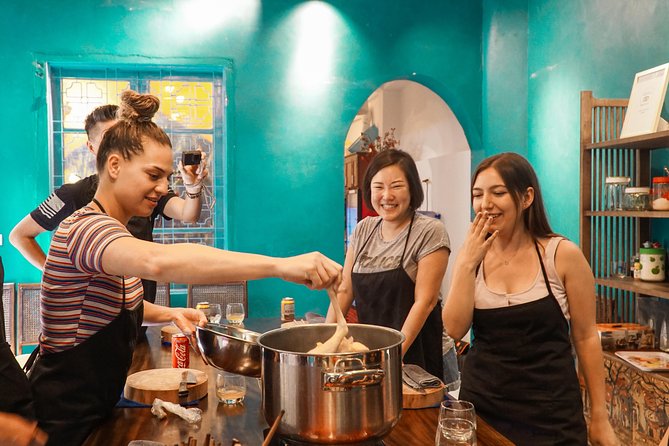
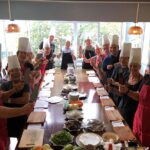
Then you land in the kitchen itself: a French-era villa setup, not a sterile cooking school. That casual feel is part of the value. You’re cooking in a home-style space with tools and ingredients provided, and you get step-by-step guidance from an experienced English-speaking instructor and local guide. The cap at 10 travelers keeps things calm. You’re not waiting your turn while someone else gets instructions in another corner of a classroom.
One small thing I’d keep in mind: the whole outing is about 4 hours 30 minutes. It’s enough time to shop, cook, and eat well, but it’s not a full day. If you’re the type who wants to linger over every street corner, you may want to pair this with a lighter sightseeing window either before or after.
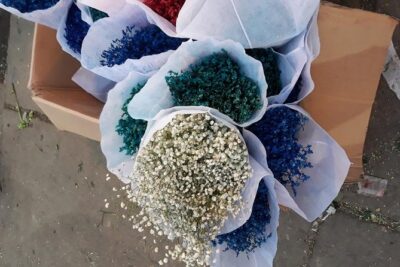
More wandering through the Old Quarter lanes

Market shopping: how Hanoi flavors get chosen
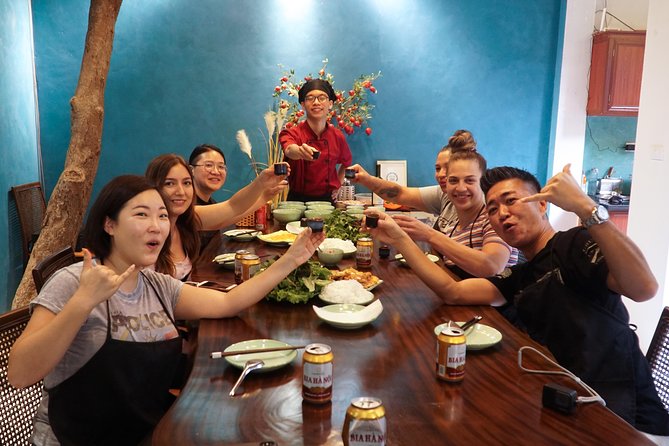
The market segment is where the class earns its keep. You’ll head to a local market with your instructor, and you’ll learn which ingredients define Vietnamese taste. This isn’t just a walk-and-watch. The way the lesson is structured often has you participate—some classes include the fun moment of speaking directly with vendors to buy items for your dishes.
That hands-on shopping is a big reason the cooking feels easier later. When you’ve picked the ingredients (or at least watched closely while your chef explains what to look for), you understand what’s driving the flavor. That means when you’re chopping, mixing, and assembling, it clicks instead of feeling like random steps.
You’ll also get context for Vietnamese flavor building—think about fresh herbs, dipping sauce logic, and why certain textures matter. The market tour is typically your setup for the four dishes that follow, including classics that people associate with Hanoi specifically.
Practical tip for you: if you’re sensitive to smells or crowded spaces, wear breathable clothes and plan for some close-quarters walking. It’s not a museum. It’s a working market.
The 4-dish lineup: spring rolls, bun cha, egg coffee, banana flower salad
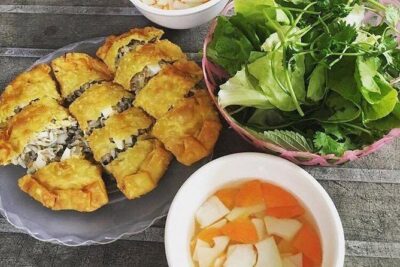
After the market, it’s cooking time in the villa kitchen. The menu focus is four separate Vietnamese dishes, and the included sample menu is built around Hanoi favorites. The dishes highlighted here are:
- Spring rolls
- Egg coffee
- Bun cha
- Banana flower salad
What I like about this selection is balance. You don’t only make savory food. You also learn a café-style classic with egg coffee, which is usually the most intimidating on a cooking class menu because it requires attention to consistency. You also cover a mix of textures: rolls for bite-size handling, bun cha for assembling and sauce balance, banana flower salad for acidity and crunch.
In most classes, you’ll get all the basics handled for you: ingredients, tools, and the step-by-step instruction. You’re not hunting for a specific spice blend or translating complicated recipes from scratch. That’s especially valuable if you’re visiting for a short trip and you don’t want cooking-gear baggage to take home.
And because the class is capped at 10 people, you should be able to ask questions without shouting. In past classes tied to this experience, instructors such as Simon, Hung, or Rubi have been part of the teaching team, and the teaching style is consistently patient and structured—exactly what you want when you’re learning unfamiliar techniques for the first time.
Lunch or dinner, and why the included meal feels like part of the class
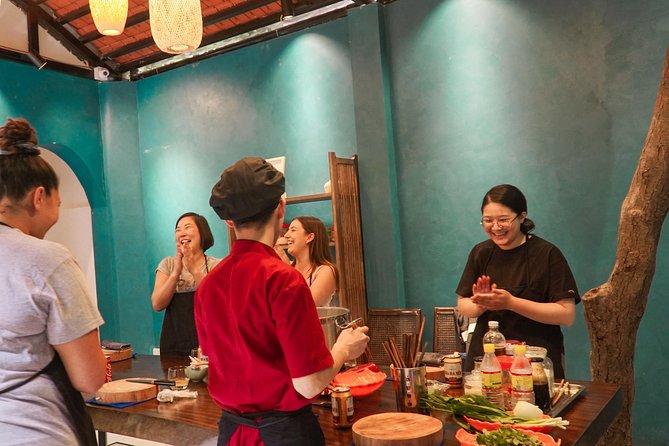
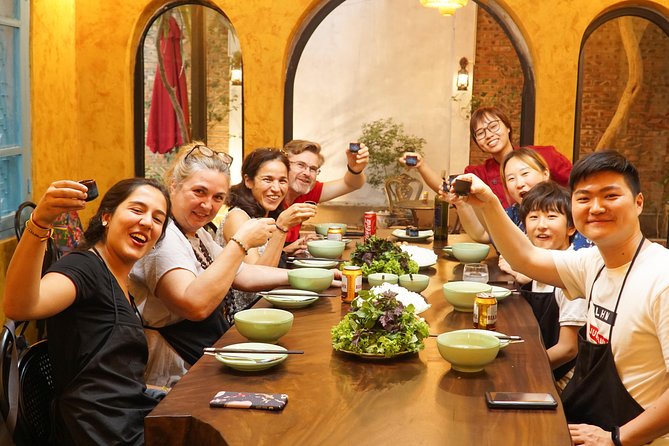
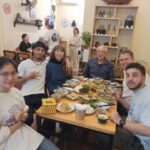
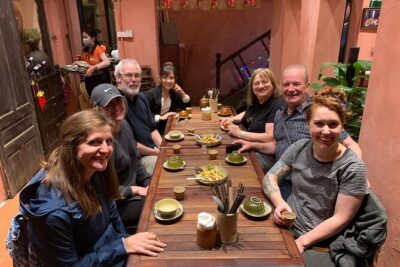
Once your dishes are ready, you sit down together and eat what you cooked. This is not an afterthought. It’s the final stage of learning. You’ll see how the ingredients perform as a complete plate, and you can taste for the things your instructor has been pointing out—balance, seasoning, heat level, and texture.
The class also includes drinks to go with your meal. You’ll get mineral water and herbal tea, plus a welcome drink. There’s also an alcoholic component: you’ll taste local wine, and you may also be served local homemade fruit liquor. This is a nice touch if you like pairing a Vietnamese meal with Vietnamese beverages. It’s also good to know you’re not just drinking soda on the side.
After the meal, there’s seasonal fruit. It sounds simple, but fruit after a cooking class helps you reset your palate, and it makes the full outing feel more complete—like you didn’t just work for a few plates of food and then escape.
If you’re picking between lunch or dinner: choose based on what you like best, but know that both options still center on the market-to-villa flow. The main difference is how your day feels before the class.
Vegetarian and vegan options: request it and you’ll be accommodated
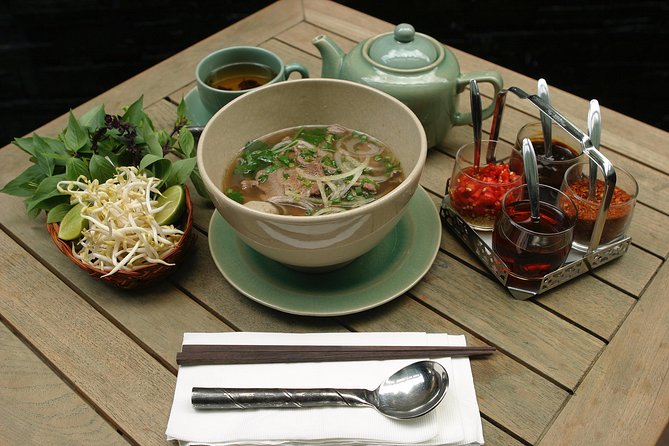
If you eat vegetarian or vegan, this class is worth a serious look because options are available. You can request vegetarian or vegan changes, and the menu can be customized to fit dietary needs. The key is to tell them ahead of time about restrictions or allergies.
In practice, the teaching format works well for dietary changes because you’re cooking four dishes, and the class is structured around guided substitutions and direction rather than expecting you to build your own workaround at the last second.
What I’d do if you have dietary needs: be clear about what you can’t have and how strict you need it to be. The class indicates that they will accommodate dietary needs of the group, and that usually means you’re not left holding a plate you can’t finish.
One more thought: because the course includes drinks and local alcohol tastings, consider how those items fit your diet and comfort level. If you avoid alcohol entirely or have strict dietary rules about additives, mention that when you book.
More aprons on in Hanoi kitchens
- Hanoi Cooking Class: Culture, Local Market & Meaning CSR Impact★ 5.0 · 5,147 reviews
- 5 Traditional Dishes Hanoi Cooking Class with Market Trip★ 5.0 · 4,890 reviews
- Vietnamese Food Cooking Class in Hanoi with Market Experience★ 5.0 · 778 reviews
Time, comfort, and who this suits best
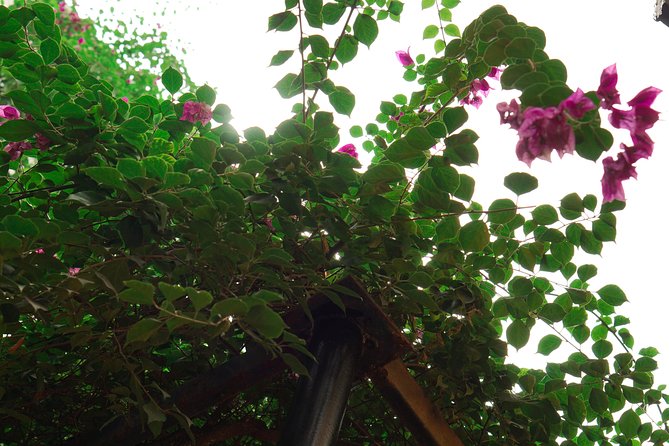
The duration is around 4 hours 30 minutes. That timing is ideal for a first Hanoi food experience. You get a real market introduction, meaningful hands-on cooking, and a sit-down meal—without eating your whole day.
Comfort-wise, you’ll travel by air-conditioned vehicle for the transfer. Once you’re in the villa kitchen, you’re working in a space that feels more like a home kitchen than a big commercial venue. That’s a win if you prefer learning in a calmer setting.
This class suits you best if:
- you want a first-time Hanoi cooking experience that doesn’t require prior culinary knowledge
- you like small group learning where you can ask questions
- you want a souvenir that you can repeat at home
- you care about ingredient understanding, not just getting recipes
It may be less ideal if:
- you want a very long, multi-stop food crawl
- you expect a high-energy street-food marathon where you eat from the curb the entire time
- you’re outside the Old Quarter and don’t want to coordinate pickup with your lodging location
Value check: what $45 buys in real Hanoi time
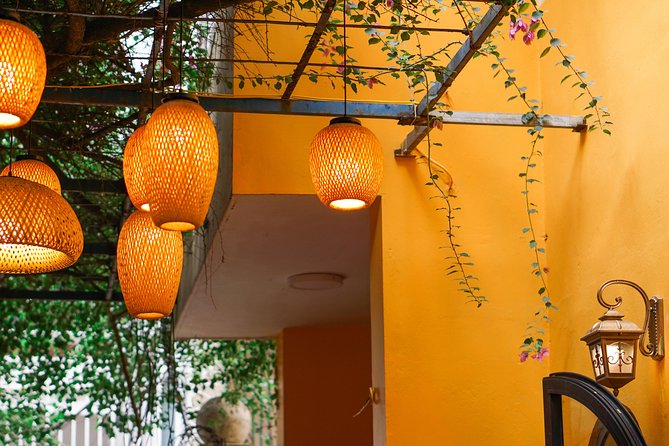
At $45 per person, this class is priced like a mid-range activity. The reason it can feel like good value is what’s bundled in.
Here’s what you’re effectively getting in one spot:
- Old Quarter hotel pickup and drop-off
- A market tour guided by a local instructor
- Ingredients and tools for cooking four dishes
- A full lunch or dinner meal you eat together
- Drinks including water, herbal tea, and a local wine tasting
- Additional alcohol like local homemade fruit liquor
- seasonal fruit after the meal
- A recipe book sent within 24 hours via email or messaging app
That’s a lot for one ticket—especially the transfer and the market instruction. Cooking classes often end up being expensive once you add travel time, extra beverages, and the cost of ingredients you’d otherwise buy. Here, the structure is already built, so your money goes toward learning and eating, not logistics.
And the 10-person cap isn’t a tiny detail. It changes the experience. You’re less likely to be stuck watching while someone else cooks. You get a clearer path through each step, and that makes the final dishes better—and your confidence higher when you cook again at home.
Should you book this Hanoi market & villa cooking class?
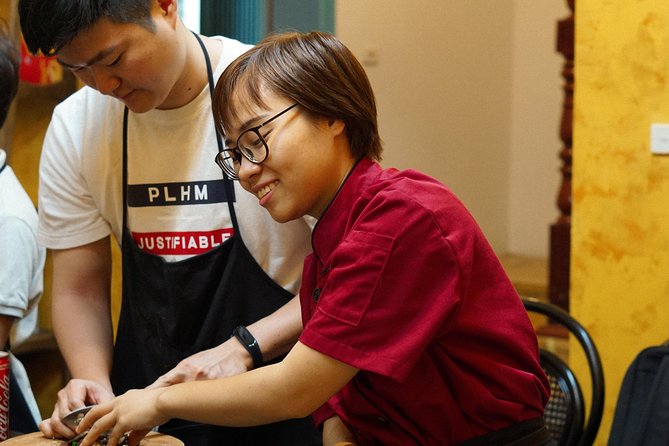
I think you should book it if you want a Hanoi food experience that’s hands-on, not performative. The pairing of a market visit plus cooking in a French-era villa kitchen is exactly the kind of combination that gives you both context and skills. The included meal and drinks also make it feel like a full outing, not just a short workshop.
Book it especially if:
- you want to cook iconic Hanoi dishes like bun cha and egg coffee
- you need vegetarian or vegan accommodations (just request ahead)
- you like the idea of getting a recipe book within 24 hours so the class continues after you leave
Skip or reconsider if you’re staying far from the Old Quarter and don’t want to deal with pickup coordination, or if you’d rather spend your limited time doing street-snack hopping all day.
FAQ
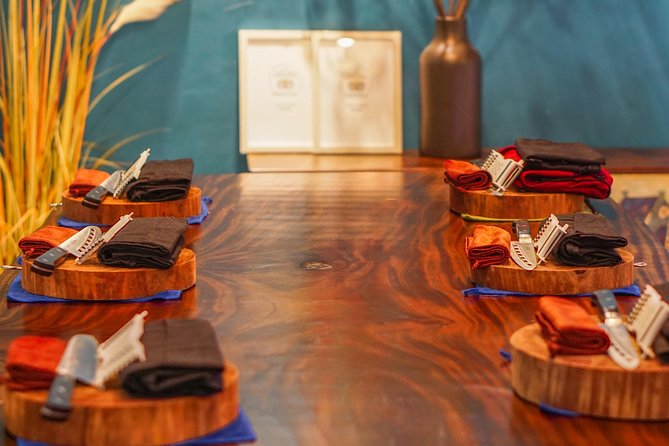
What dishes will I cook?
The class focuses on four dishes, including spring rolls, egg coffee, bun cha, and banana flower salad. Vegetarian or vegan versions can be arranged if you request them.
Is lunch or dinner included?
Yes. You can choose lunch or dinner, and the price includes the meal you cook in the class.
Can I do this if I’m vegetarian or vegan?
Yes. Vegetarian and vegan options are available on request. You should inform the operator of any allergies or dietary restrictions so they can customize the menu.
How many people are in the class?
This activity has a maximum of 10 travelers, which keeps the class more intimate and easier to follow.
Do I get hotel pickup in Hanoi?
Hotel pickup is included for hotels in the Hanoi Old Quarter. The tour also includes drop-off back at the meeting point.
How long is the experience?
It runs about 4 hours 30 minutes approximately.
What drinks are included?
Included drinks include mineral water, herbal tea, a welcome drink, and a local wine tasting. Local homemade fruit liquor and alcoholic drinks are also included.
When will I get the recipes?
Within 24 hours, you’ll receive a recipe book by email or messaging app so you can recreate the dishes at home.
Is free cancellation available?
Yes, free cancellation is available. You can cancel up to 24 hours in advance for a full refund.
More Tour Reviews in Hanoi






Learn Another Dish in Hanoi

More of the Old Quarter

Latest Hanoi write-ups from our team



Hanoi Old Quarter Tours, compared.
 ★ 5.0[HOT] Hanoi Old Quarter Walking Street Food – Small Group TourFrom $142,163 reviews
 ★ 5.0Private transfer between Hanoi Airport (HAN) and Hanoi Old QuarterFrom $18850 reviews
 ★ 5.0Hanoi Food Tours in Hanoi Old Quarter (Small Group/Private)From $28657 reviews
 ★ 5.0Hanoi Old Quarter Private Walking Tour with Student GuideFrom $5590 reviews
 ★ 5.0Hanoi Old Quarter Walking Street Food TourFrom $27423 reviews
 ★ 5.0Hanoi old quarter sightseeing & street food eating by MotorcycleFrom $55333 reviews
 ★ 5.0Private Street Food Tour – Walking Hanoi Old QuarterFrom $33294 reviews
 ★ 5.0Bat trang Pottery Class in Hanoi Old Quarter/Handmade experienceFrom $38247 reviews
Browse the lists this tour appears in