
Reviewed · FOOD & DRINK
Hanoi: Hands-On 5 Vietnamese Coffees & 3 Local Wines Tasting
Coffee has a second face in Hanoi. This workshop pairs hands-on Vietnamese coffee craft with a calm, Indochina-style villa setting that feels far away from traffic noise. I like that you don’t just watch; you make and taste multiple styles in a short 1–2 hour window. I also like the way the instructor connects each cup to the bigger story of how Vietnamese coffee got good at being coffee. The one drawback: it’s a compact session, so if you want a full-day coffee deep obsession, you might end up wanting more time right after your last sip.
What makes it work so well is the human touch. I’ve seen many coffee classes toss you tools and hope for the best, but this one is guided by Maxie, with English explained clearly and warmly, plus extra context on origins, roasting, and grinding before you start pouring. You also get a herbal welcome tea and a light snack so you’re not just caffeinating on an empty stomach.
There’s also a purpose behind the aroma. A portion of each workshop supports education for farmers’ children at a Da Lat coffee farm, so your coffee lesson quietly ties back to the people growing the beans.
In This Review
- Key Highlights at a Glance
- Why This Hanoi Coffee Workshop Feels Like a Reset Button
- Maxie’s English-First Teaching Style (Plus Stuart in the Background)
- Vietnamese Coffee Origins to Your Cup: The Story You’ll Actually Remember
- What You’ll Make: 2–4 Hanoi-Style Coffees (Your Choice, Your Taste)
- Roasting, Grinding, and Brewing Tools: Where the Flavor Changes
- Tea, Snack, and Timing: 1–2 Hours That Don’t Feel Rushed
- Wine Pairing: How the “Coffees & Local Wines” Label Fits
- Supporting Education in Da Lat: Coffee With a Purpose
- Price and Value: Why $12 Can Make Sense
- Who Should Book This Hanoi Coffee and Wine Experience
- Quick Practical Tips Before You Go
- Should You Book This Hanoi Coffee Experience?
- FAQ
- How long does the Hanoi coffees and wines tasting workshop take?
- What language is the class taught in?
- Do I make coffee myself?
- What kinds of coffee drinks are included?
- Is there tea and a snack?
- Is wine included?
- Is private transportation included?
- Are there restrictions on what I can bring or do?
- Can I cancel and get a full refund?
- Is it wheelchair accessible?
Key Highlights at a Glance
- Hidden Indochina-style villa that helps you reset from Hanoi chaos fast
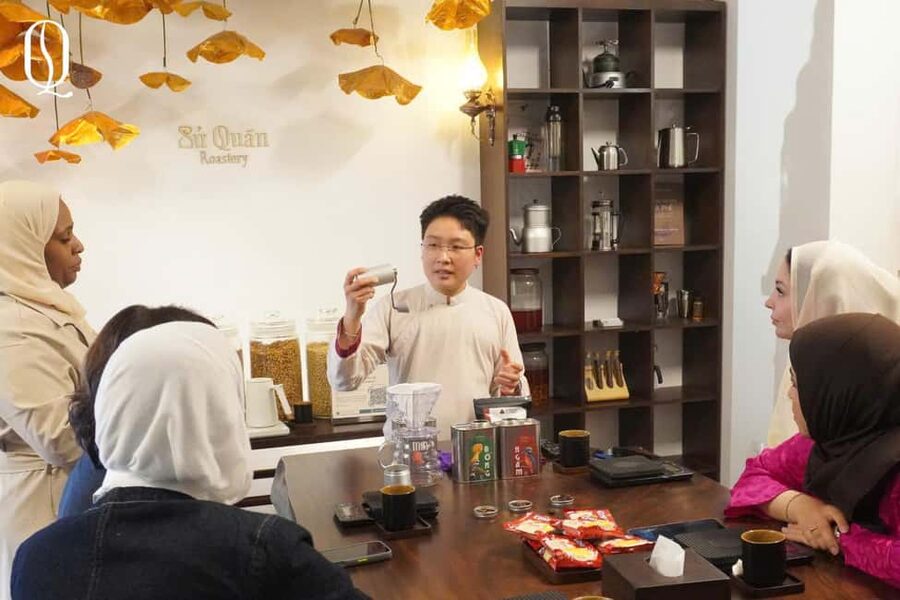
- Maxie (English-speaking host) who turns coffee technique into easy-to-follow culture
- Make 2, 3, or 4 Hanoi-style drinks depending on your experience
- Traditional roasting, grinding, and brewing tools used during the session
- Tea, light local snack, and multiple tastes built into the pace
- Coffee education support tied to the Da Lat coffee farm
Why This Hanoi Coffee Workshop Feels Like a Reset Button
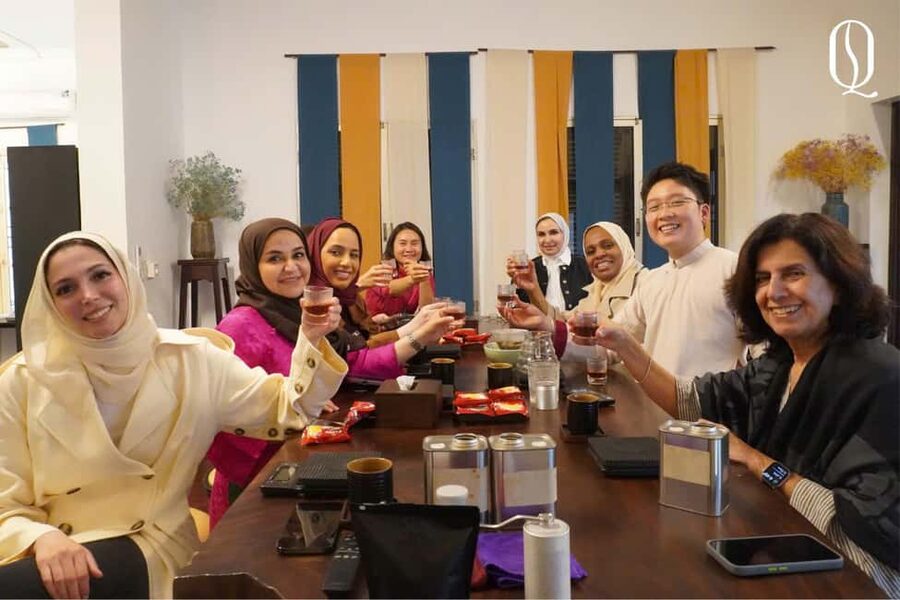
Hanoi can move fast. Between streets, scooters, and the constant background hum, it’s easy to feel like you’re always in transit. This experience is designed for the opposite feeling: a quieter setting, with a cultural vibe and the kind of calm where you can actually focus on taste.
That matters, because Vietnamese coffee is not one thing. It’s a whole set of habits—how beans are grown, roasted, ground, and brewed—and the small choices show up on your tongue. In a packed tourist schedule, it’s hard to slow down enough to notice those differences. Here, the format gives you time to compare drinks and understand why they land the way they do.
You’ll also appreciate the practical structure. The session is short enough to fit even a tight itinerary, but it’s long enough to feel like a real activity rather than a quick demo.
Worth a glance beside this Hanoi pick:


Maxie’s English-First Teaching Style (Plus Stuart in the Background)
The instructor setup is a big part of why this workshop gets high marks. Maxie leads the experience in English in a way that’s easy to follow, not overly technical. The goal is that you leave able to explain what you tasted, and not just recite names of coffee types.
In the process, you hear how Vietnamese coffee culture evolved—from French colonial days to wartime ingenuity—and how that history shaped today’s cups. One of the best parts is that you connect the past to what’s in your glass now. When someone explains why a roast style or a grind setting matters, it stops being trivia and becomes a reason you can repeat at home.
And yes, you might notice other support staff too. Reviews highlight Stuart as part of the teaching team, which suggests the experience runs like a small, coordinated operation—not a classroom cobbled together at the last minute. That extra organization shows up in how smooth the session feels.
Vietnamese Coffee Origins to Your Cup: The Story You’ll Actually Remember
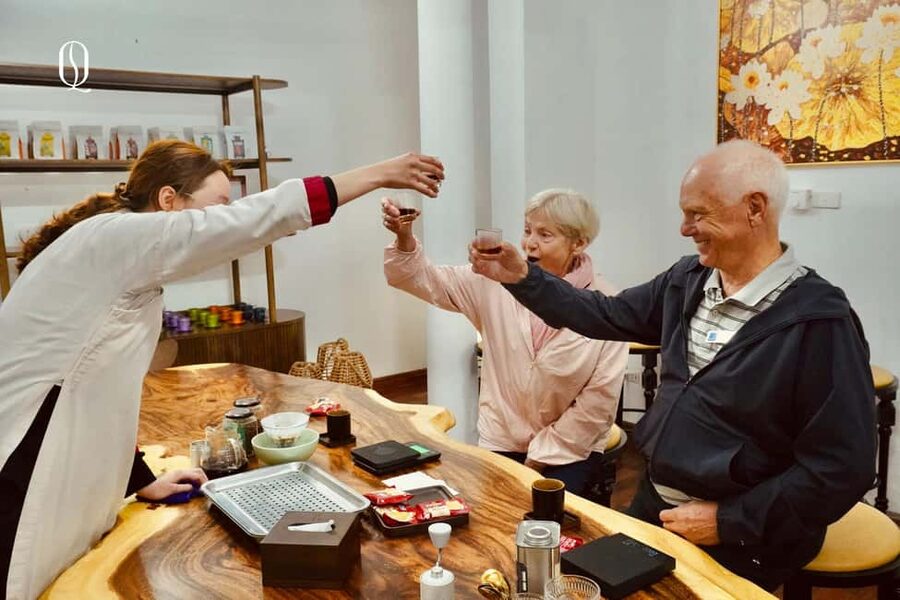
Before you start making drinks, you get context on the ingredients and the craft. You’ll learn about Vietnam’s growing regions and why certain beans behave differently once they’re roasted and brewed. You also get traditional roasting and grinding techniques explained in plain terms.
Then comes the cultural piece. Vietnamese coffee is often tied to daily life: how people brew it, how they share it, and how different variations show up as comfort drinks, street staples, or café signatures. The workshop uses that angle so the drinks aren’t just flavors; they’re cultural expressions.
One key takeaway is that Vietnamese coffee culture isn’t random. It’s a system built from local ingredients and practical methods. Once you understand that, tasting becomes more fun. You can start predicting what you’re going to like before the cup hits the table.
What You’ll Make: 2–4 Hanoi-Style Coffees (Your Choice, Your Taste)
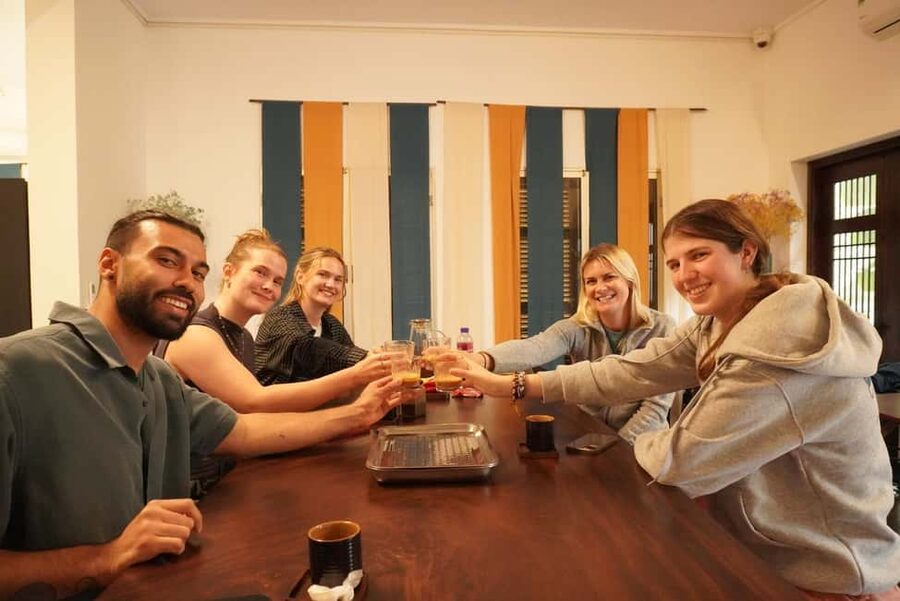
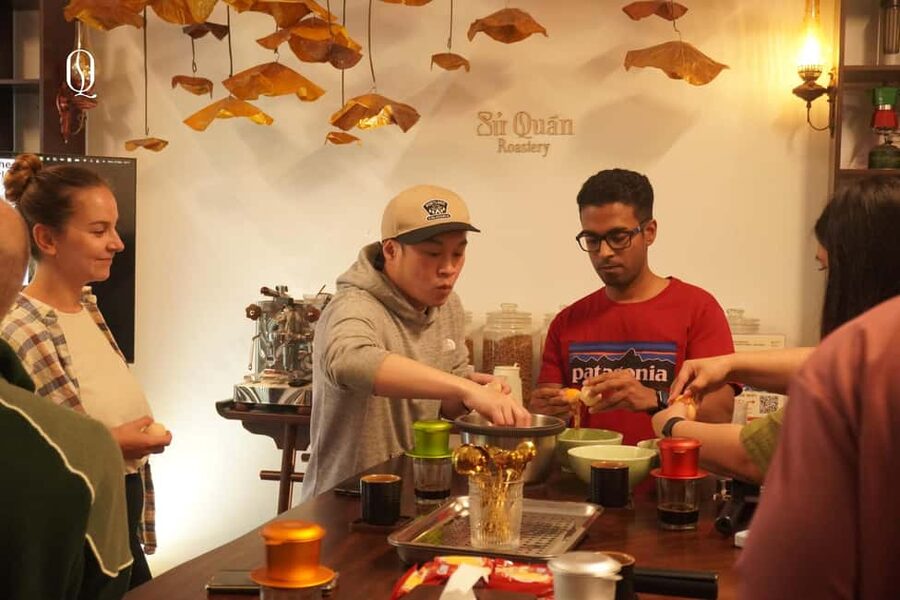
This is a hands-on workshop, and the main event is making coffee you can actually taste. Depending on your experience level, you’ll craft and enjoy 2, 3, or 4 signature Hanoi-style drinks.
Common options include Egg Coffee, Salt Coffee, Coconut Coffee, and Cocktail Coffee. The exact set can vary, but the format stays the same: you choose among styles, learn the method, then produce your own cups using authentic Vietnamese tools and techniques.
A practical note: some of these drinks are not what most people expect from the word coffee. Egg coffee leans creamy and custard-like. Salt coffee changes the flavor profile in a way that can be surprisingly balanced. Coconut coffee adds a tropical sweetness and aroma. Cocktail coffee can feel like dessert dressed up as coffee. The workshop treats these as variations with logic behind them, not gimmicks.
And because you’re not just tasting one base brew, you get a more realistic sense of Vietnamese coffee range. By the time you finish, you’re not asking what coffee you had—you’re asking what technique made it taste that way.
Roasting, Grinding, and Brewing Tools: Where the Flavor Changes
The workshop doesn’t stop at recipes. It pays attention to process, which is where Vietnamese coffee gets its personality.
You’ll learn about traditional roasting methods and grinding techniques, then apply them using the tools and brewing styles used locally. The point isn’t to turn you into a home roaster. It’s to help you recognize why two drinks that both contain coffee can taste completely different.
Here’s the practical value for you: once you understand the basic relationships—like how roast level and grind affect extraction—you’ll be able to order smarter. In Hanoi, it’s easy to get stuck with a default choice. After this, you can tell a café what you’re after, or at least pick with more confidence.
Also, you’ll benefit from comparing your own results. When you make a cup, you feel where the method controls the outcome. That kind of “hands-on learning” sticks better than watching someone else do it.
Worth a glance beside this Hanoi pick:
- Experience Hanoi Cooking Class with Free Wine Tasting★ 5.0 · 210 reviews
- Hanoi Cooking Class 5 Dish Dinning with Free Local Fruit Wine★ 5.0 · 64 reviews
Tea, Snack, and Timing: 1–2 Hours That Don’t Feel Rushed
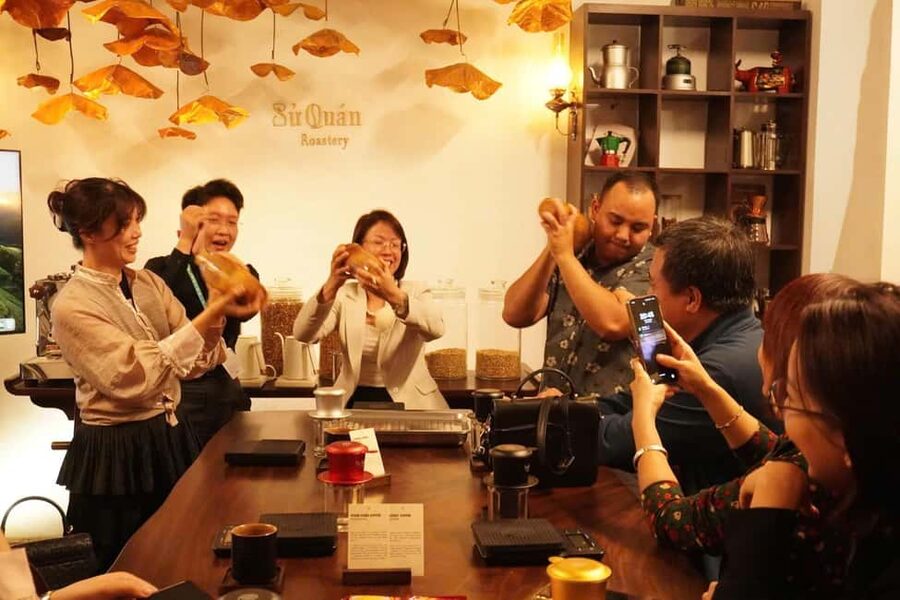
A welcome herbal tea sets the tone right at the start. You also get a light local snack during the session, which is a small detail but a useful one. Coffee tastings can be intense if you’re running on empty, and having something in your stomach helps you stay comfortable while you compare multiple drinks.
Timing is another strong point. The experience is listed at 1–2 hours, so it’s ideal when you want a meaningful cultural activity without taking over your whole day. You can schedule it around meals or between sightseeing blocks.
The pace is designed around making and tasting. That means the session is not only informational. It’s active, and it gives you the satisfaction of putting in your own effort and then drinking the results.
Wine Pairing: How the “Coffees & Local Wines” Label Fits
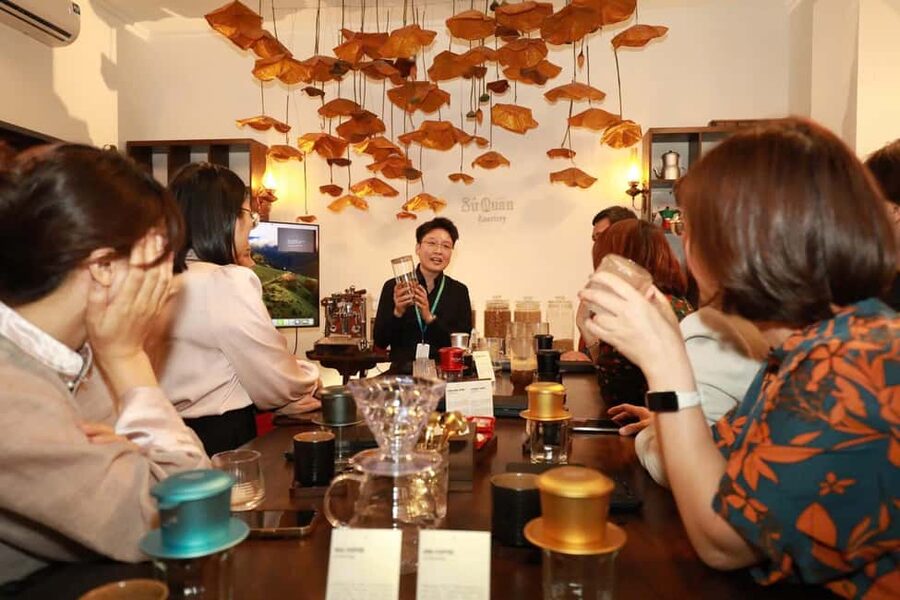
The experience is described as 5 Vietnamese coffees and 3 local wines tasting. In the details you’re given, the focus is clearly on the coffee instruction and the hands-on making of Hanoi-style drinks.
So how should you think about the wine part? Treat it as a tasting element that complements the coffee experience rather than the main teaching focus. If you like learning through pairings, it can make the session more fun. If you mainly want coffee technique, you’ll still get plenty of that because the class is built around making cups and comparing styles.
Either way, the presence of wine reinforces the bigger theme: this workshop is about local taste culture, not just caffeine.
Supporting Education in Da Lat: Coffee With a Purpose
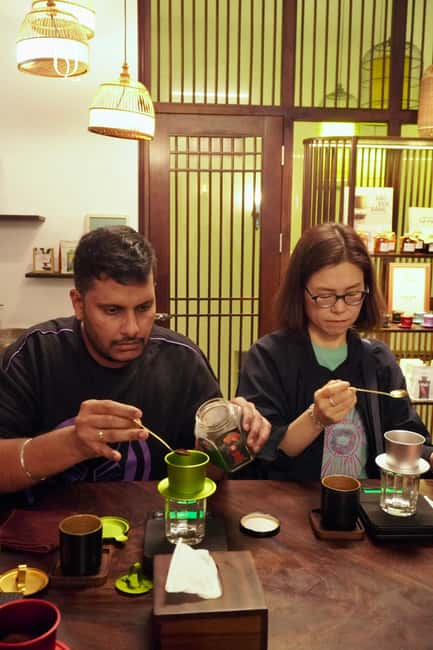
One of my favorite kinds of travel experiences is the kind that quietly connects you to the people behind what you enjoy. Here, the connection is direct. The workshop supports children’s education through an initiative linked to Su Quan’s coffee farm in Da Lat, where families have cared for land and crops for generations.
This doesn’t change the coffee you drink today, but it changes what your visit means. It’s a practical way to turn a personal experience into support for the wider system—farmers, families, and long-term opportunity.
If you’re the kind of traveler who likes tastings that feel ethical and grounded, this aspect adds weight to the whole experience.
Price and Value: Why $12 Can Make Sense
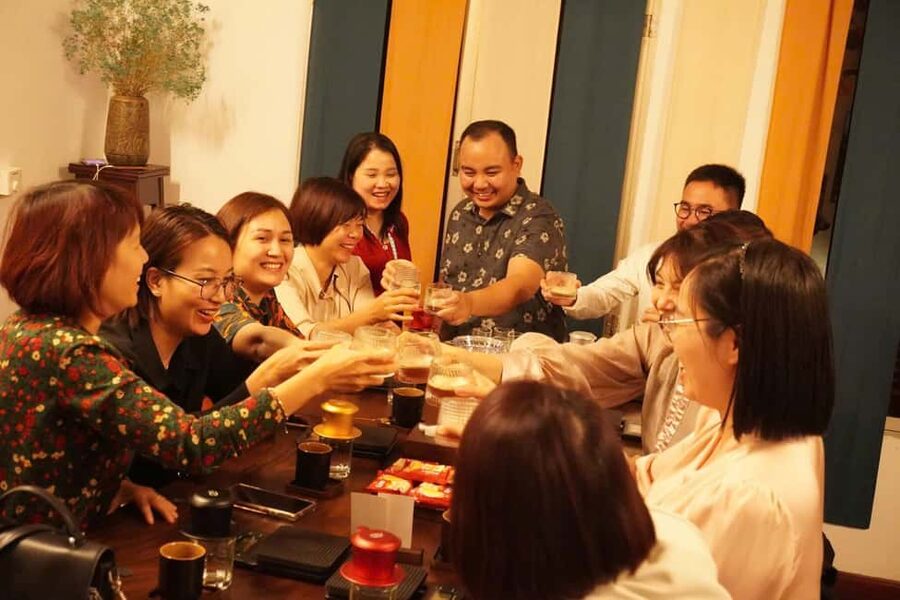
At about $12 per person, this workshop is easy to justify if you like food-and-drink activities with real instruction.
You’re not paying for a quick sit-and-watch. Your money goes toward:
- An English-speaking cultural storyteller
- A welcome herbal tea
- A light snack
- Coffee history and technique explanations
- Hands-on brewing and tasting
- Crafting multiple coffee drinks (2–4 you make, plus tasting elements)
- Plus the education-support contribution
For many Hanoi food tours, the cost may cover sampling and walking. Here, the value comes from instruction and doing. If you’re the type who wants to understand what you’re eating and drinking, $12 for this level of involvement feels fair.
If you’re only mildly curious about coffee and would rather spend your time elsewhere, then you might question the value. But if you enjoy learning by tasting, it’s a strong deal.
Who Should Book This Hanoi Coffee and Wine Experience
This is a great fit if you:
- Love coffee and want to understand Vietnamese coffee style, not just order it
- Have limited time and want a meaningful cultural activity
- Prefer hands-on learning over passive demos
- Want to hear about origins, roasting, grinding, and brewing in plain English
- Like the idea of your ticket supporting education at a Da Lat coffee farm
It may be less ideal if you:
- Want a long, multi-hour coffee program with deep roasting or lab-level equipment (this is short and practical by design)
- Don’t like coffee variations that can include creamy or salted profiles
- Are hoping to bring your own alcohol or do anything beyond the session rules
Quick Practical Tips Before You Go
- Come ready to taste and compare. Fresh attention makes the differences more obvious.
- Plan for a caffeine experience. Even with tea and snack, you’ll be drinking enough coffee to feel it.
- Ask questions when you’re making your drinks. The best learning is the moment you notice a difference and ask why.
- If you’re sensitive to certain flavors, note that options like egg coffee and salt coffee can be very distinctive.
A note on rules: the experience states alcohol and drugs are not allowed, and you can’t make fire or bring weapons/sharp objects. If you have dietary needs beyond what’s covered by a snack and tea, plan to ask directly before the session.
Should You Book This Hanoi Coffee Experience?
If you’re in Hanoi for a short stretch and want a small, high-impact cultural activity, I’d book this. You get a calm setting, strong English instruction from Maxie, and real hands-on making of Hanoi-style coffees like Egg Coffee, Salt Coffee, Coconut Coffee, and Cocktail Coffee. The added coffee-and-wine tasting label also hints you’ll get a broader local flavor story, not just one drink.
Skip it only if you’re not interested in coffee technique or you need a slower, longer experience. Otherwise, this is one of those meals-and-memories moments where you leave with knowledge you can actually use next time you order Vietnamese coffee.
FAQ
How long does the Hanoi coffees and wines tasting workshop take?
It runs for 1 to 2 hours. You’ll want to check availability for specific starting times.
What language is the class taught in?
The instructor speaks English.
Do I make coffee myself?
Yes. Depending on your experience level, you’ll craft and enjoy 2, 3, or 4 signature Hanoi-style coffee drinks using traditional tools and techniques.
What kinds of coffee drinks are included?
You may make or taste Hanoi-style options such as Egg Coffee, Salt Coffee, Coconut Coffee, or Cocktail Coffee.
Is there tea and a snack?
Yes. You receive a complimentary cup of herbal welcome tea and a light local snack during the session.
Is wine included?
The experience is described as coffees plus local wines tasting, including 3 local wines.
Is private transportation included?
No. Private transportation is not included.
Are there restrictions on what I can bring or do?
The experience lists the following as not allowed: weapons or sharp objects, alcohol and drugs, and making fire.
Can I cancel and get a full refund?
Yes. You can cancel up to 24 hours in advance for a full refund.
Is it wheelchair accessible?
Yes, it is listed as wheelchair accessible.
More Wine Tours in Hanoi
More Food & Drink in Hanoi

More Tour Reviews in Hanoi



Latest Hanoi write-ups from our team


Food & Drink, compared.
 ★ 5.0Hanoi Jeep Tour: Food, Culture and Fun by Vietnam Army JeepFrom $5515,222 reviews
 ★ 5.0Hanoi Motorbike Tour: Food, Culture and Fun by Vintage MotorbikeFrom $556,699 reviews
 ★ 4.9Guided Food Tour with Train Street VisitFrom $196,239 reviews
 ★ 5.0Small Group Hanoi Street Food Tour with a Real FoodieFrom $284,682 reviews
 ★ 5.0Street Food Tour with Train Street & Hidden AlleywaysFrom $202,831 reviews
 ★ 4.9Guided Street Food Tour with Train Street ExperienceFrom $172,479 reviews
 ★ 5.0[HOT] Hanoi Old Quarter Walking Street Food – Small Group TourFrom $142,163 reviews
 ★ 5.0Hanoi Street Food Tour with local delicaciesFrom $281,506 reviews
Browse the lists this tour appears in