
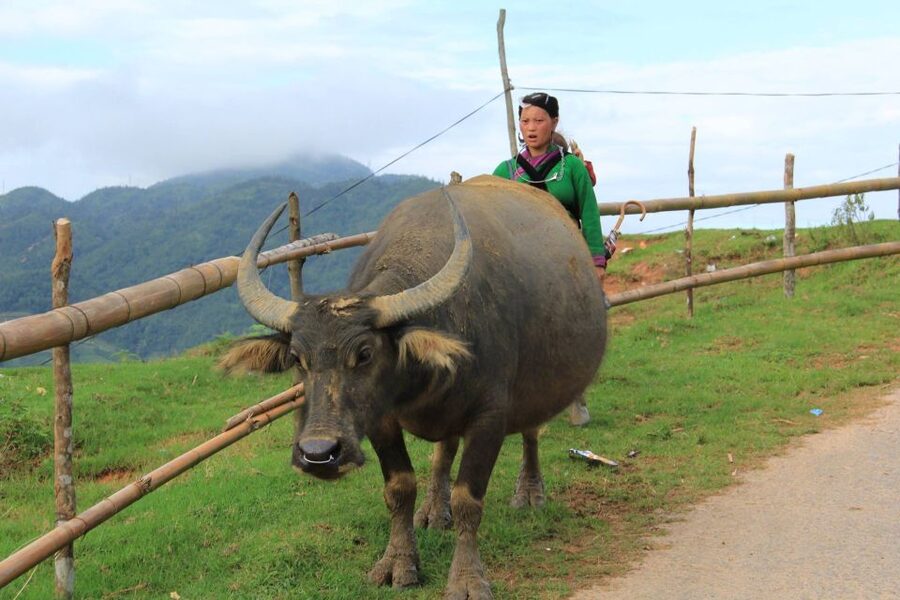
Reviewed · SAPA TREKKING TOURS
Hanoi: 3-Day Sapa Trek with Homestay
Rice terraces start with a bus ride. This 3-day Sapa trek from Hanoi gives you real time on foot through remote villages, with a small group (max 10) and an English-speaking guide helping you make sense of what you’re seeing.
I also like the human side: you spend the night in a local homestay, eat shared meals, and get a hands-on feel for day-to-day life. One consideration: along the trail you can be met with frequent craft-selling requests, so decide early how you want to handle it.
In This Review
- Key things that make this Sapa trek work
- Sapa from Hanoi: what this 3-day trek really gives you
- Price and logistics: how $182 adds up (and where you’ll feel the cost)
- Day 1 in Sapa: the Cat Cat village circuit and an easy first taste of trekking
- Day 2: Y Linh Ho terraces, Lao Chai culture stops, then a homestay with Giay hosts
- Day 3: bamboo forest to the silk waterfall and a picnic with rice-terrace views
- A quick heads-up on what can vary
- Homestay reality check: what to expect beyond the photos
- Village culture and craft selling: how to enjoy it without getting drained
- Weather and altitude: when Sapa is foggy and cold
- Who should book this trek (and who should skip it)
- Should you book this Hanoi–Sapa 3-day trek with homestay?
- FAQ
- What is included in the 3-day Sapa trek price?
- What meals are provided during the trip?
- Where does pickup happen in Hanoi?
- How much trekking is involved?
- Do I stay in a homestay for the whole trip?
- What kind of guide support will I have?
- What should I bring for comfort and safety?
- Is this trek suitable for everyone?
Key things that make this Sapa trek work

- Cat Cat village walk with the hydropower station, the waterfall area, and classic craft-making stops
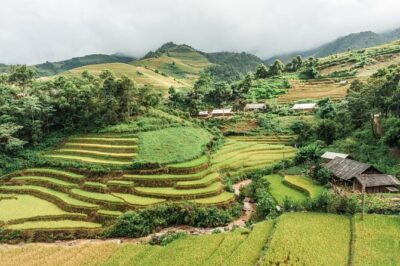
- Y Linh Ho terraces where you can photograph long-running rice fields (estimated around 100 years old)
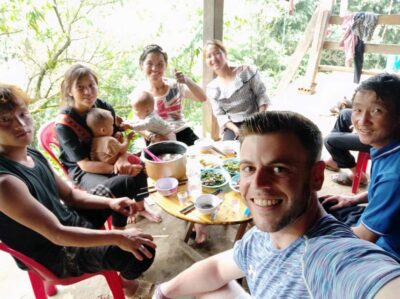
- An overnight homestay night with a local Giay family, plus shared cooking and dinner time
- Day 3 bamboo forest trekking followed by a stop at the silk waterfall area and a scenic picnic lunch
- Guide support in the real world, including help dealing with stray-dog situations on the trail (as described by past groups)
- Value packing: transportation, guides, and most meals are included, so you’re not piecing it all together yourself
Sapa from Hanoi: what this 3-day trek really gives you

Sapa is easy to visit and hard to fully experience in a short time. This kind of route does the hard part for you: it gets you out of town and onto paths linking villages, not just viewpoints. You trade comfort for movement, and in return you get quieter rice terraces, traditional communities, and long stretches where you can look and listen without a crowd.
The itinerary also balances “guided clarity” with “local rhythm.” You won’t be wandering completely blind—English-speaking guides guide the story, translate what matters, and help you navigate. Then, the homestay night slows things down so the experience isn’t only sightseeing on a schedule.
Your biggest decision is whether you want a fast, active hike or a gentler Sapa day. If you’re the kind of traveler who likes to walk, ask questions, and accept basic comfort, you’ll probably enjoy this format.
More trails through the Sapa valleys




Price and logistics: how $182 adds up (and where you’ll feel the cost)
At $182 per person for three days, you’re paying for more than a hotel. The essentials are bundled: modern shuttle bus with an experienced driver, an English-speaking guide between Hanoi and Sapa, local English support in Sapa, and most meals (3 lunches, 2 dinners, 1 breakfast). You also cover transportation during the Sapa portion and a homestay overnight.
Where you’ll still spend extra is predictable. Beverages, travel insurance, and personal expenses are not included, and you should expect cash to be useful in Sapa for small buys or tips. If you want a private room in the homestay, that can add cost.
Timing matters too. Pickups are from the Old Quarter area around 6:30–7:00 AM, or you can meet at 9 Hàng Hương, Hàng Mã at 6:45 AM. That early start is what makes it possible to reach Sapa the same day and still have time for Cat Cat Village in the afternoon.
Day 1 in Sapa: the Cat Cat village circuit and an easy first taste of trekking

Day 1 is your “warm-up day,” but it’s not just sitting around. After you leave Hanoi by bus and arrive in Sapa, you’ll have lunch and check in. Then you go out at about 2:30 PM for the Cat Cat exploration, walking down roughly 3 kilometers to the village area.
Cat Cat is a classic introduction to Sapa’s ethnic culture. You’ll see the hydropower station and the Cat Cat waterfall area, plus stops tied to local crafts—think weaving and silver-related craftsmanship, along with hand-forged agricultural tools. This is also where the guide’s storytelling helps: you’re not only taking photos, you’re learning what the places mean to the people who live there.
You’ll walk back up (again, about 3 kilometers) to Sapa town afterward. Dinner comes later at around 6:30–7:00 PM, and you’ll sleep in a hotel in Sapa for the first night—useful because Day 2 is when the hiking turns more serious.
Day 2: Y Linh Ho terraces, Lao Chai culture stops, then a homestay with Giay hosts

Day 2 starts early. You’ll have breakfast, check out before 8:30 AM, and then head out at about 8:30 AM. The first hike goes to Y Linh Ho, a village inhabited by the Hmong minority. This is one of the best photography windows on the route because you’re walking through the view lines that made Sapa famous in the first place.
The terraces here are estimated around 100 years old, so you’re not only seeing scenery—you’re walking through working farmland shaped over generations. From Y Linh Ho, you continue to Lao Chai, where you’ll visit the Hmong home town. There’s a lunch break around 1 hour.
After lunch, you move toward Ta Van, an area where Hmong and Giay communities are established. Here’s the big change: you stay overnight in a local homestay with a Giay family. You’ll be welcomed by your hosts and spend time eating together—this is also the part of the day where cooking and sharing meals matters most.
If you care about authenticity, this is the night that does it. A hotel is convenient; a homestay is where the trip becomes about daily life. Just remember: homestays are not built to match hotel standards.
Day 3: bamboo forest to the silk waterfall and a picnic with rice-terrace views
You wake up in a village setting, with the day’s sounds coming from the home and animals nearby. Breakfast is outdoors and simple—pancakes, hot tea or coffee—served with a view over the terraces. That morning stretch is one of the reasons people enjoy early trekking: you get crisp air and the kind of quiet you only get when the village is just starting.
Then you hike again. The route includes trekking through a bamboo forest and toward the silk waterfall area, finishing around Giang Ta Chai after a few hours. The day is structured so you can get moving without feeling like every minute is a sprint.
After trekking, you stop for picnic lunch (with scenic views) before heading back toward the main road. You’ll travel back to Sapa town by car or minivan, arriving around 2:00 PM. After a shower at the hotel, you head to the bus office by 3:00 PM for the ride back to Hanoi, with sandwiches prepared for the trip.
Worth a glance beside this Hanoi pick:
- Halong Bay Full Day with Kayaking, Hiking viewpoint, Cave – Deluxe To Luxury★ 5.0 · 884 reviews
- From Hanoi: 2-Day Sapa Trekking Trip with Homestay & Meals★ 4.8 · 704 reviews
- Sapa 3 Days 2 Nights Trekking Tour (1 Night In Ta Van Village, 1 Night In Hotel)★ 5.0 · 699 reviews
A quick heads-up on what can vary
Sapa weather and conditions can shift plans. The itinerary can change due to weather, tide levels, and operating conditions, and it’s possible that some added items (like a picnic-style stop in the way you expect, or a particular type of structure) don’t happen exactly as described in a preview. The core experience—walking village paths, homestay time, and the rice-terrace scenery—stays the heart of the trip.
Homestay reality check: what to expect beyond the photos
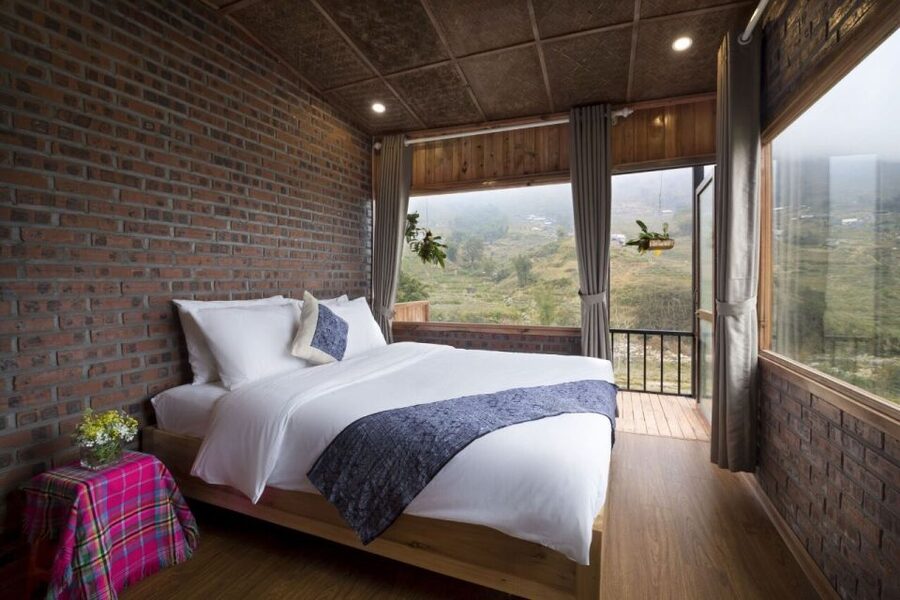
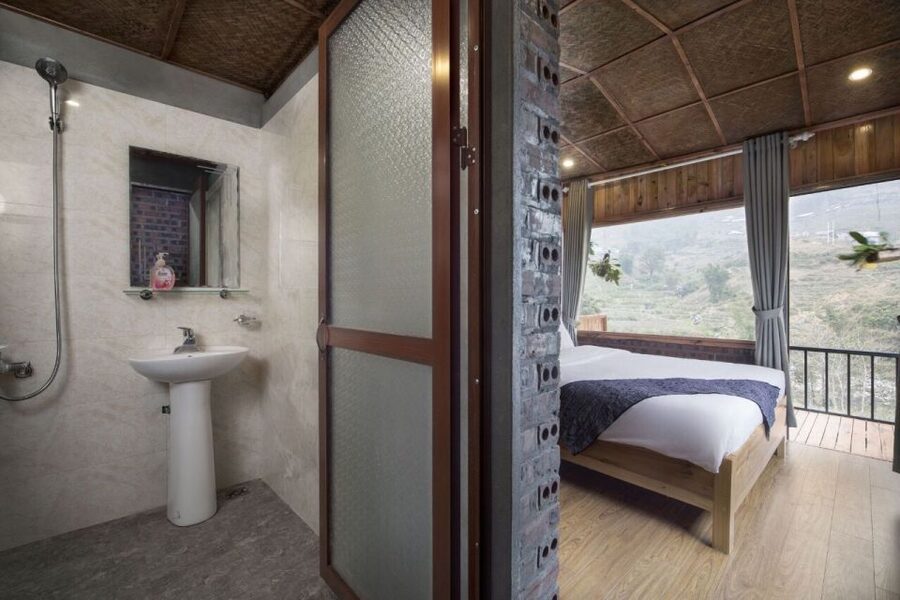
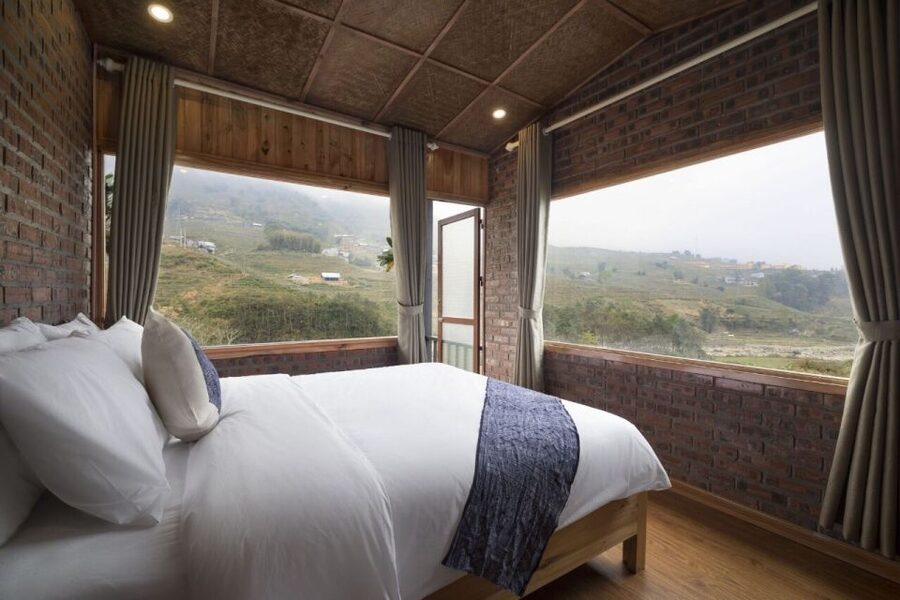
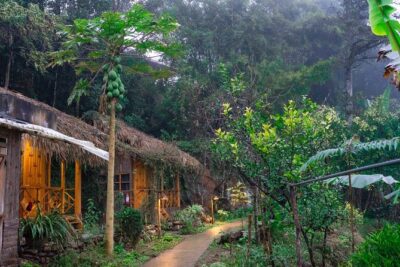
The homestay is shared accommodation in a Dzay homestay, with private rooms available for an extra cost. Even when you have your own room, you’re still in a family environment, not a standardized hotel setup. Facilities are described as different from hotels in Sapa, so go with the mindset of “comfortable enough for the night” rather than “hotel comforts.”
That said, this is where the best stories come from. You’ll eat meals with your hosts, and the day includes shared time around food—one of the most memorable parts of village stays because it’s practical. You learn how people live: what they cook, how they plan the day, and how they make space for guests.
A small but important tip: pack for warmth. Even if you feel fine in the afternoon, the homestay mornings can feel colder. Bring what you need so you’re not miserable when you step outside for breakfast and terrace views.
Village culture and craft selling: how to enjoy it without getting drained
Part of the Sapa experience is meeting people who sell crafts. You can expect traditional crafts at places like Cat Cat village, and during the trek you might also encounter frequent offers to buy. This can be charming if you’re in the mood, but it can also feel like you’re being asked repeatedly—one of the most common annoyances mentioned by past participants.
Here’s the approach that works best for me (and it should for you too):
- Decide your boundary before you start walking.
- If you want something, look, ask the price, and buy once.
- If you don’t, a simple no is often enough—then focus on the path and the views.
Remember that these communities earn income in the moment. You’re not doing anyone a favor by being rude, but you also don’t need to buy to be respectful. A calm, clear response keeps the day enjoyable.
Weather and altitude: when Sapa is foggy and cold
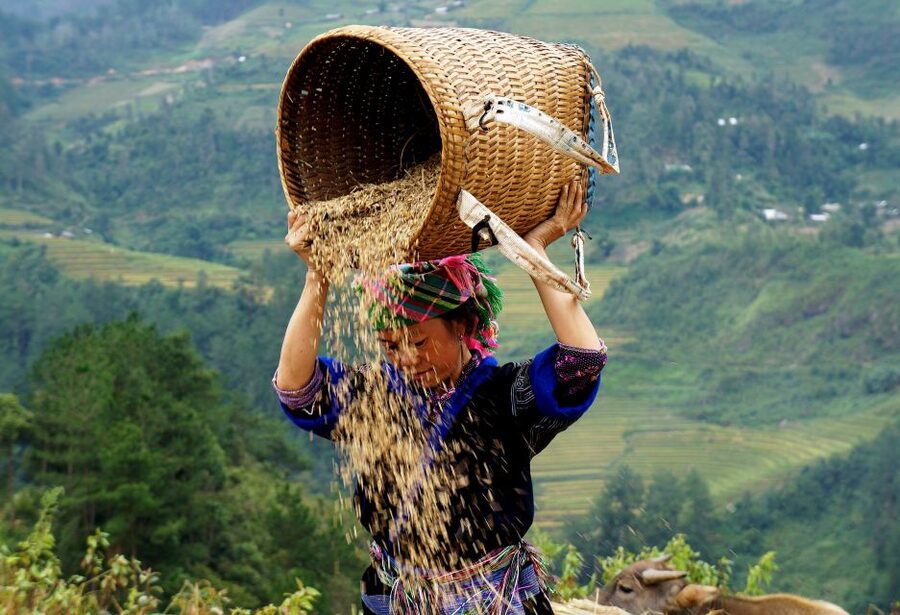
Sapa sits at higher altitude, which means you can feel the temperature shift even when Hanoi seems mild. Fog is a known factor in December, January, February, and March, and it can add a “gray day” mood to the terraces. That can still be beautiful, but it changes visibility for photos and can make cold feel sharper.
Bring warm layers. The tour guidance explicitly recommends warm clothing plus a scarf and hat for cooler months. I’d also add a practical mindset: walk carefully when conditions are damp, and keep your wind protection close at hand.
If you’re prone to cold, this is not the place to rely on thin travel wear. Also bring hiking shoes. Comfortable shoes are listed as important, and hiking shoes help you feel safer on uneven paths.
Who should book this trek (and who should skip it)
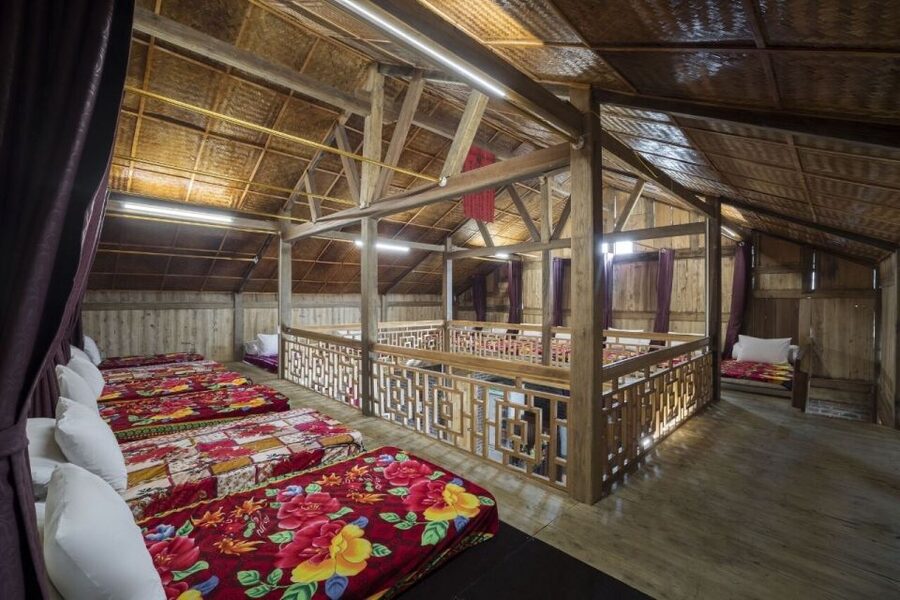
This tour is best for people who like hiking with purpose—walking between village areas, looking for views along the way, and enjoying a homestay night. It’s also ideal if you want a small-group experience with English support, not a huge bus-to-bus crowd.
It’s not suitable for everyone. The activity is not suitable for pregnant women or people with pre-existing medical conditions. There’s also a note that the 9 km is not recommended for older guests or children, which matters if you’re managing stamina or balance.
If you prefer a mostly flat stroll or a fully hotel-based itinerary, you may find this too active. If you want Sapa to feel like a lived place rather than a theme park, you’re in the right zone.
Should you book this Hanoi–Sapa 3-day trek with homestay?
Book it if you want value that’s actually used: transportation, English guidance, meals, and a real overnight in a village setting. The small group size (up to 10) helps you feel like more than a ticket number. And the mix of Cat Cat on Day 1, terrace villages on Day 2, and bamboo forest + silk waterfall area on Day 3 is a solid “Sapa sampler” that still feels like trekking.
Don’t book if you hate cold, fog, or rougher-than-city walking days. Also think carefully if you dislike craft-selling encounters or if you need hotel-standard homestay facilities. This route is built for travelers who are okay trading a bit of comfort for genuine village time.
FAQ
What is included in the 3-day Sapa trek price?
The price includes pickup in the meeting point, a modern shuttle bus with an experienced driver, 2 bottles of water, an English-speaking tour guide between Hanoi and Sapa, a local English-speaking tour guide in Sapa, 3 lunches, 2 dinners, 1 breakfast, and shared accommodation in a Dzay homestay (private rooms are available for an extra cost).
What meals are provided during the trip?
You’ll have 3 lunches, 2 dinners, and 1 breakfast. The homestay night includes dinner with the local family, and breakfast on Day 3 is described as pancakes with hot tea or hot coffee outdoors.
Where does pickup happen in Hanoi?
Pickup is included from the Old Quarter area of Hoan Kiem district around 6:30–7:00 AM. Alternatively, you can meet at 6:45 AM at 9 Hàng Hương, Hàng Mã, Hoàn Kiếm, Hà Nội.
How much trekking is involved?
The route includes village hikes across multiple days. The trip notes that 9 km is not recommended for older guests or children, so stamina matters.
Do I stay in a homestay for the whole trip?
No. Day 1 is an overnight hotel stay in Sapa, and the second night is in a homestay with a local family.
What kind of guide support will I have?
You’ll have an English-speaking tour guide between Hanoi and Sapa, and a local English-speaking tour guide in Sapa for the trekking days.
What should I bring for comfort and safety?
Bring passport or ID card, comfortable shoes (and hiking shoes), warm clothing, weather-appropriate clothing, hiking shoes, sunglasses, sunscreen, and insect repellent. A scarf and hat are recommended for cooler months.
Is this trek suitable for everyone?
It’s not suitable for pregnant women and not suitable for people with pre-existing medical conditions. The guidance also says the 9 km section is not recommended for older guests or children.
More Hiking & Trekking in Hanoi


More Tour Reviews in Hanoi





More Sapa Treks We Walked

Latest Hanoi write-ups from our team






Sapa Trekking Tours, compared.
 ★ 5.0Sapa 2 Days 1 Night From Hanoi – Overnight in Ta Van VillageFrom $592,669 reviews
 ★ 5.0Hanoi – Sapa 2 Days 1 Night Overnight At HomestayFrom $89899 reviews
 ★ 5.0Sapa: Fansipan Cable, Cat Cat Village & Moana Instagram TourFrom $30777 reviews
 ★ 4.8From Hanoi: 2-Day Sapa Trekking Trip with Homestay & MealsFrom $71704 reviews
 ★ 5.0Sapa 3 Days 2 Nights Trekking Tour (1 Night In Ta Van Village, 1 Night In Hotel)From $139699 reviews
 ★ 5.03-Day Trekking Adventure of Sapa from Hanoi – Stay Ta Van VillageFrom $109611 reviews
 ★ 4.82-Day Sa Pa Ethnic Homestay Tour & Trek with Limousine Bus440 reviews
 ★ 5.0Sapa 2 Days 1 Night From Hanoi – Overnight in HotelFrom $89440 reviews
Browse the lists this tour appears in